


Destinations
Golf Resorts Perfect for a Proposal or Honeymoon
Explore 33,000+ golf courses in 180 countries.
Follow the latest news and trends in golf.
Connect with like-minded golfers.
Find everything you need for your golf equipment and gear needs.
Travel, golf resorts, lifestyle, gear, tour highlights and technology.
All Square
Suggestions
Destinations
Golf Resorts Perfect for a Proposal or Honeymoon
Course Reviews
Bernardus Golf: Europe’s Modern Masterpiece
Course Reviews
Vietnam’s Hoiana Shores and Da Nang’s Best Golf Courses
Clubs
Gary Woodland’s Winning WITB at the 2026 Texas Children’s Houston Open
Clubs
Matt Fitzpatrick’s Precision Triumph: Winning WITB at the 2026 Valspar Championship
Course Reviews
Streamsong’s Newest Masterpiece: Why Bone Valley Might Be Its Boldest Statement Yet
Clubs
Cameron Young’s Winning WITB at the 2026 Players Championship
Clubs
Akshay Bhatia’s Winning WITB at the 2026 Arnold Palmer Invitational
Course Reviews
Argentario Golf & Wellness Resort: Tuscany’s Championship Gem
Clubs
Nico Echavarria’s Win: Inside the WITB at the 2026 Cognizant Classic
Clubs
TaylorMade Introduces Qi Max and Qi Max HL Irons: A New Era for Game-Improvement Performance
Destinations
Monte Rei Enters a New Era: Deep Renovation to Preserve a Legendary Course
Destinations
Golf Trip to Casablanca: Morocco’s Atlantic Golf Escape
Clubs
Jacob Bridgeman Breaks Through at Riviera: WITB Behind His Genesis Invitational Victory
Destinations
24 Hours at a Luxury Golf Resort: A Day in Paradise
Course Reviews
The Best Golf Courses Near Pinehurst That Aren’t Pinehurst No. 2
Course Reviews
The Els Club Vilamoura: Golfing Grandeur in the Algarve
Clubs
WITB: The Clubs Justin Rose Trusted at 2026 Farmers Insurance Open
Destinations
Mindful Golf: How Meditation Improves Your Game
Course Reviews
Europe’s Best Golf Resorts with Exceptional Practice Facilities
Course Reviews
Golf Meets Art: Courses with Cultural Connections
DP World Tour
DP World Tour 2026: The Full Calendar & Race to Dubai Journey

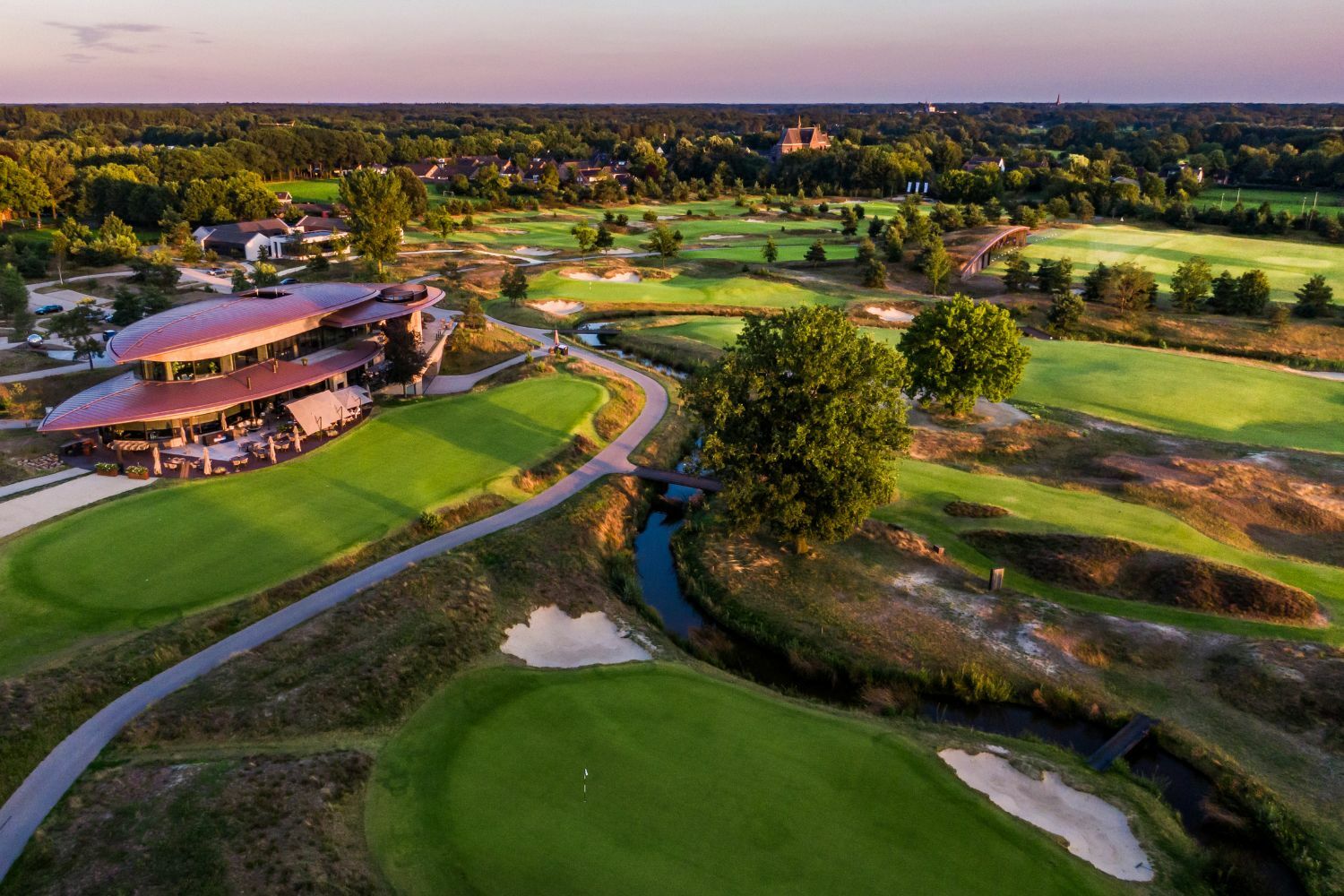
In a golfing world constantly chasing the next “must-play” destination, few venues have made an impact as immediate and as convincing as Bernardus Golf. Opened in 2018, it may not yet have decades of history — but what it lacks in age, it more than compensates for in vision, execution, and ambition. Often described as one of the most exciting modern courses in continental Europe, Bernardus isn’t just new — it feels like a glimpse into the future of golf.
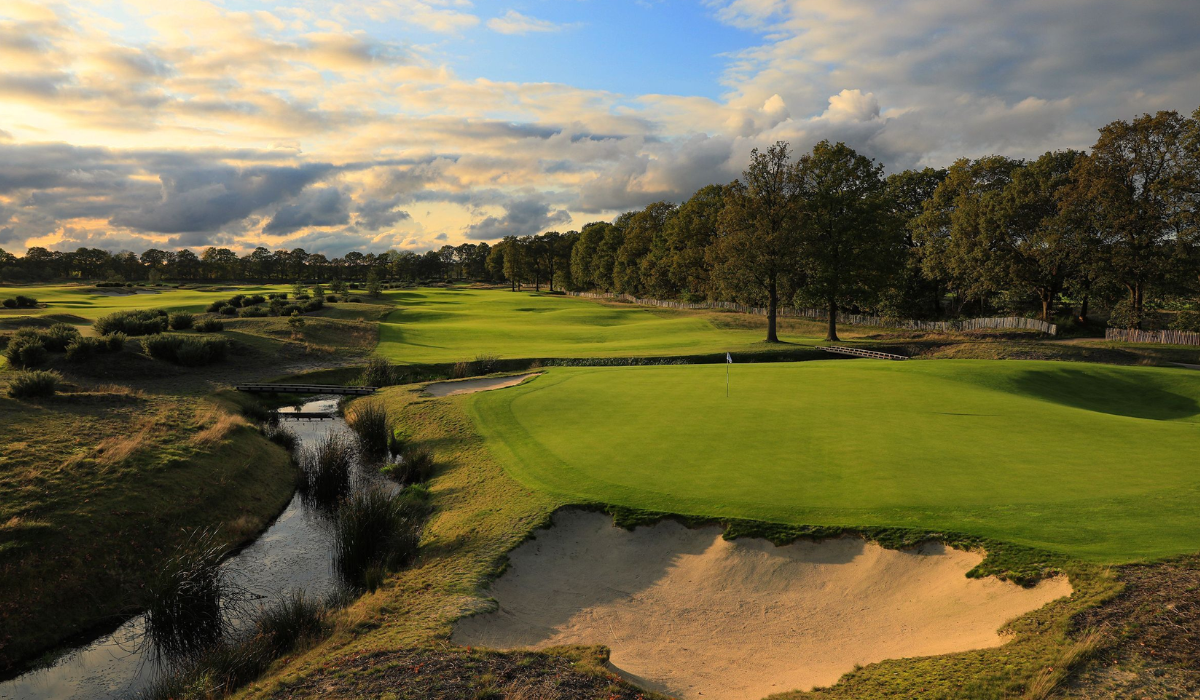
Technically, Bernardus features a single 18-hole championship layout rather than multiple courses. But within the context of European golf development, it represents the “new course” concept — a fresh benchmark for how a modern facility should look, play, and operate.
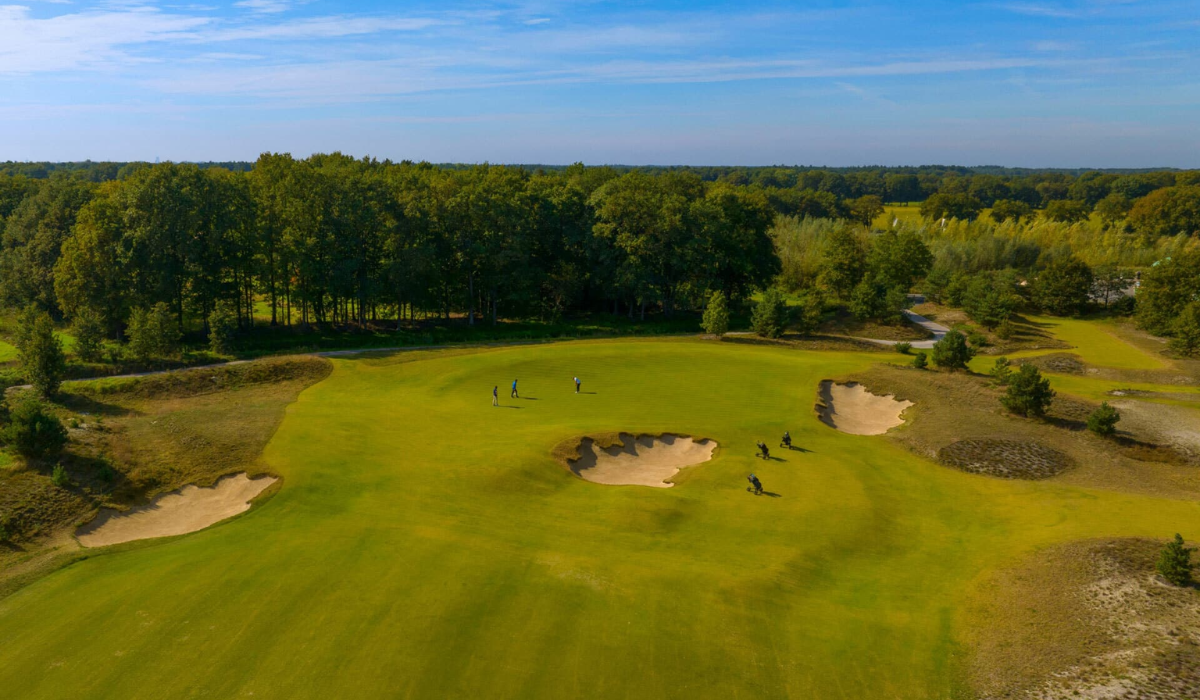
Designed by renowned architect Kyle Phillips, the course was built on former agricultural land in the Dutch province of North Brabant. What makes this particularly impressive is how quickly the landscape has matured. Heathland-style vegetation, rolling sandy terrain, and carefully framed holes create the illusion that the course has existed for generations.
From the outset, Bernardus was never intended to be just another golf club — it was conceived as a full-scale destination, combining championship golf with luxury hospitality and a relaxed, experience-driven philosophy.
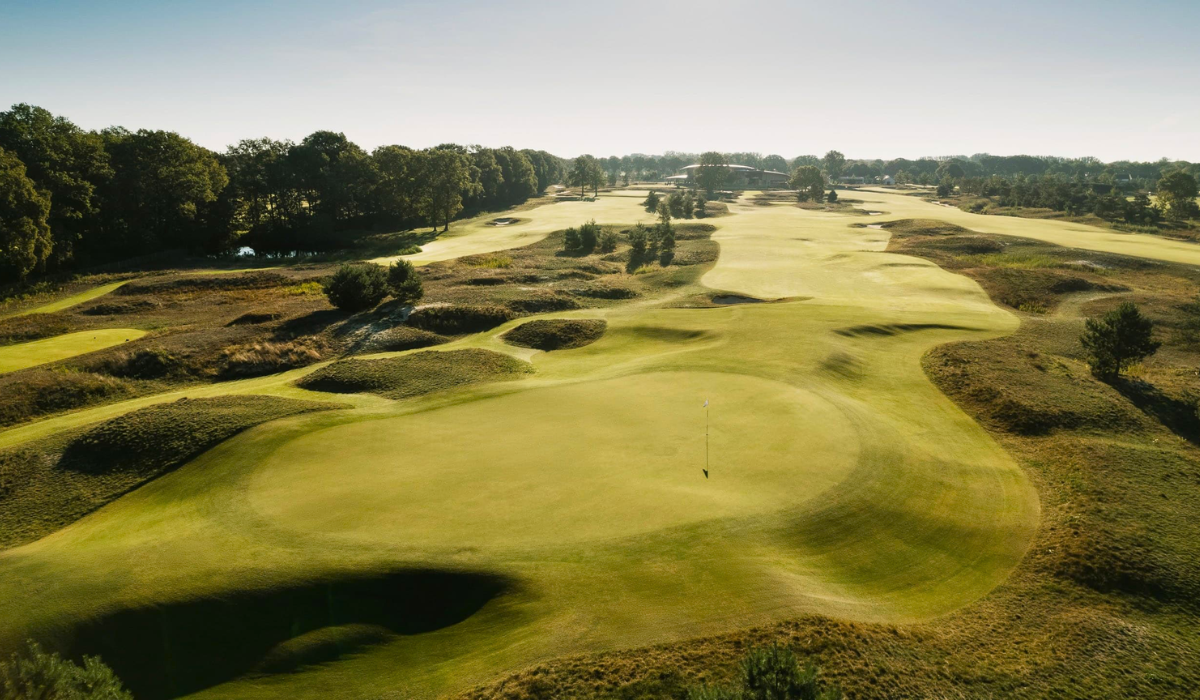
One of the most fascinating aspects of Bernardus is its identity. While geographically inland, the course plays with the character of a links.
Built on a sandy base, it offers firm, fast-running fairways and excellent drainage — key elements typically associated with coastal golf. At the same time, the presence of heather, subtle elevation changes, and inland vegetation gives it a distinctly heathland feel.
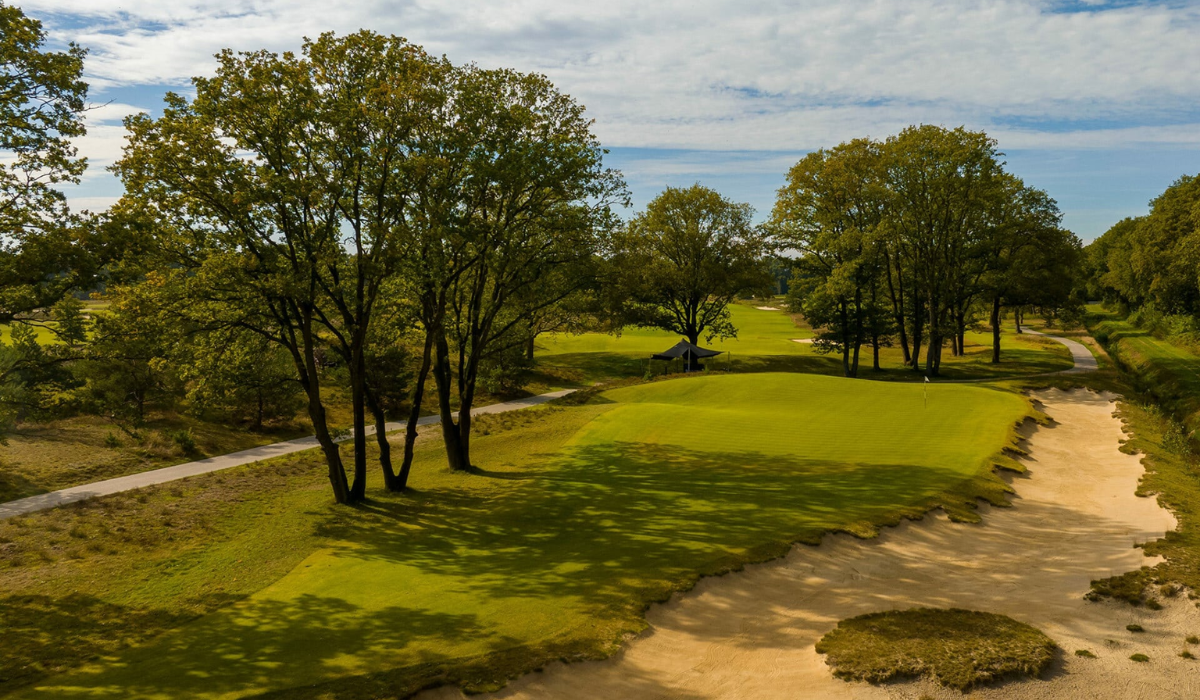
This dual personality defines the experience. Strategic bunkering forces thoughtful shot selection rather than brute power. Large, undulating greens reward imagination and precision. Water hazards, particularly on the closing holes, add tournament-level tension.
The result is a course that doesn’t rely on dramatic natural terrain but instead uses intelligent design to create complexity — a hallmark of Phillips’ work.
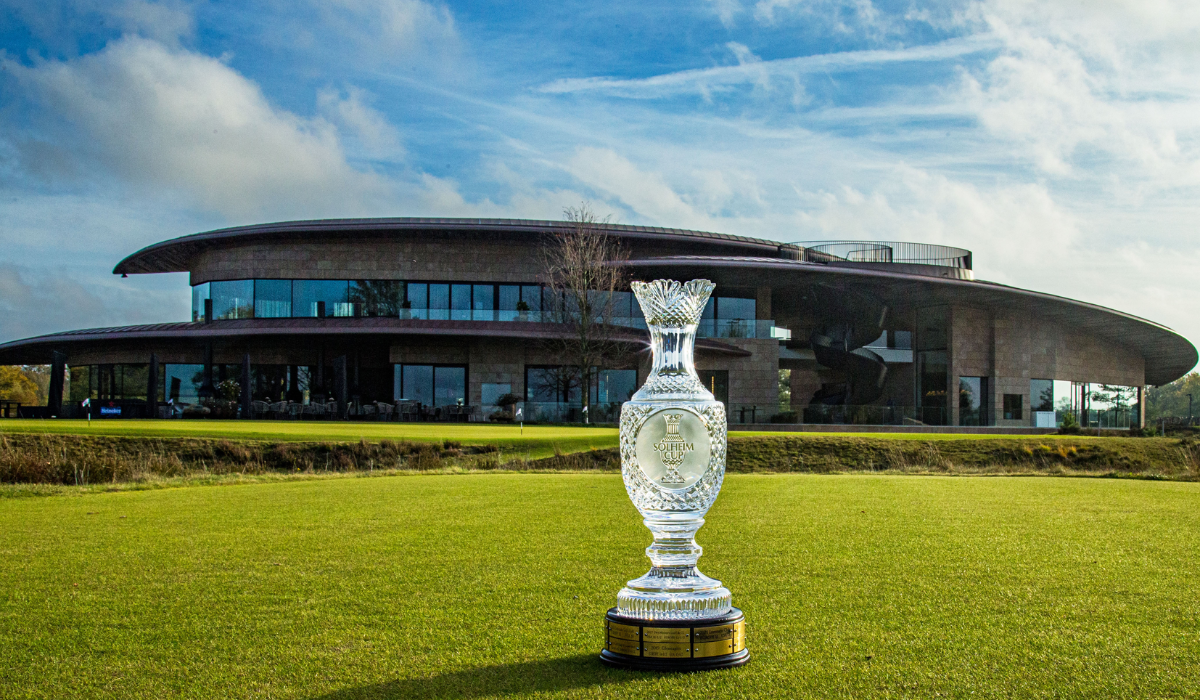
It’s rare for a course this young to step so confidently onto the global stage — but Bernardus has done exactly that.
Within just a few years of opening, it became a regular host of the Dutch Open on the DP World Tour from 2021 to 2023, attracting elite fields and global attention. Even more significantly, it has been selected as the venue for the Solheim Cup 2026, marking the first time the Netherlands will host the prestigious event.
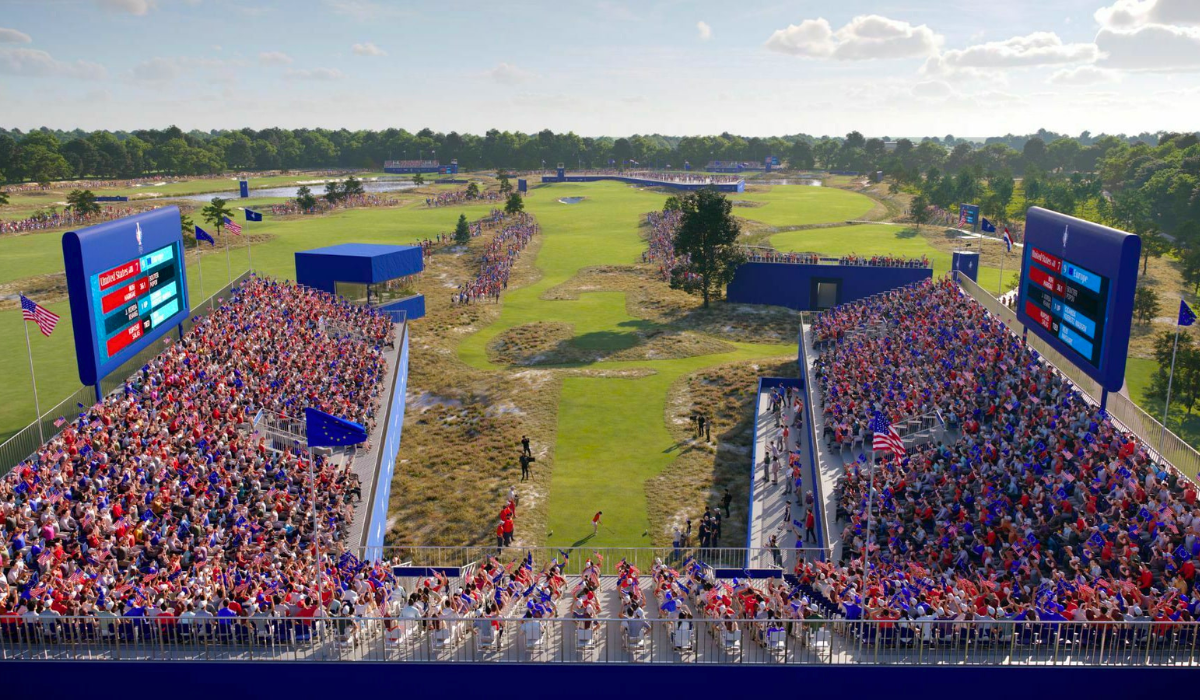
This rapid rise speaks volumes about the course’s infrastructure and design quality. Tournament golf demands not only a challenging layout but also exceptional logistics, practice facilities, and spectator flow — all of which Bernardus delivers at a world-class level.
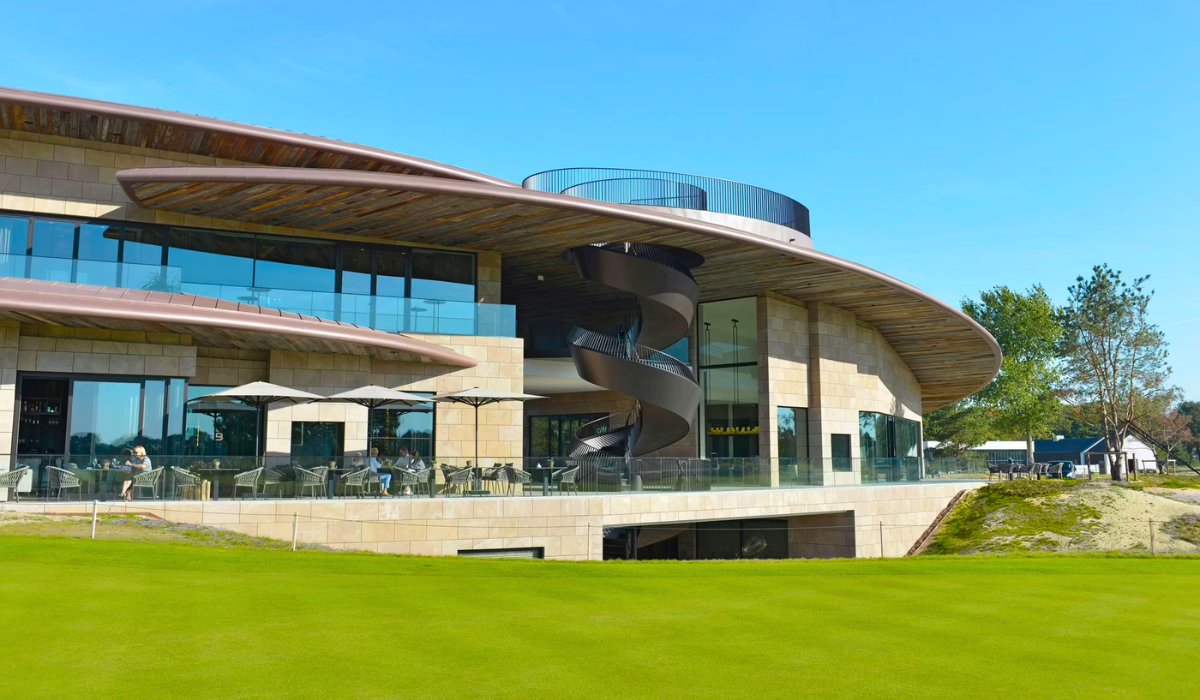
Perhaps what truly sets Bernardus apart from traditional clubs is its philosophy. This isn’t a members-only sanctuary bound by rigid rules. Instead, it embraces a more inclusive, lifestyle-oriented approach.
The concept is simple: golf should be as much about the experience as the scorecard.
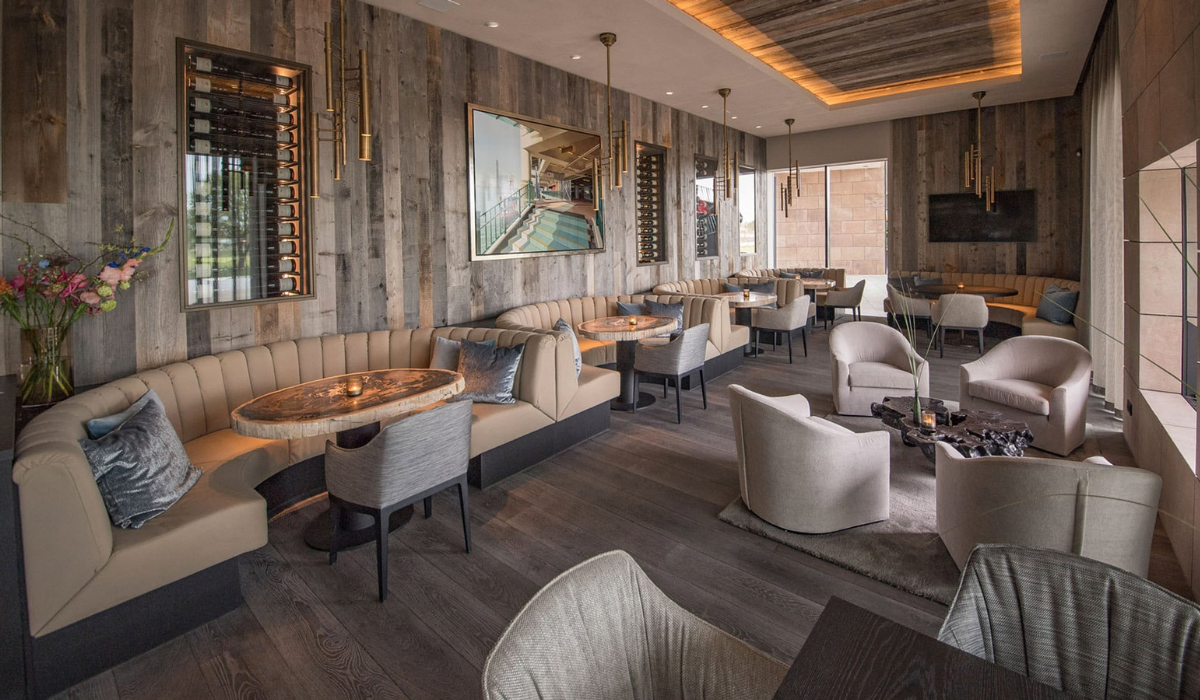
Visitors can access a state-of-the-art practice complex widely regarded among the best in the Netherlands, on-site accommodation just steps from the first tee, wellness facilities including sauna, pool, and fitness areas, and a high-end dining experience that elevates the culinary side of a golf trip.
The “member for a day” model reflects a broader shift in golf culture — one where accessibility and enjoyment take precedence over exclusivity.
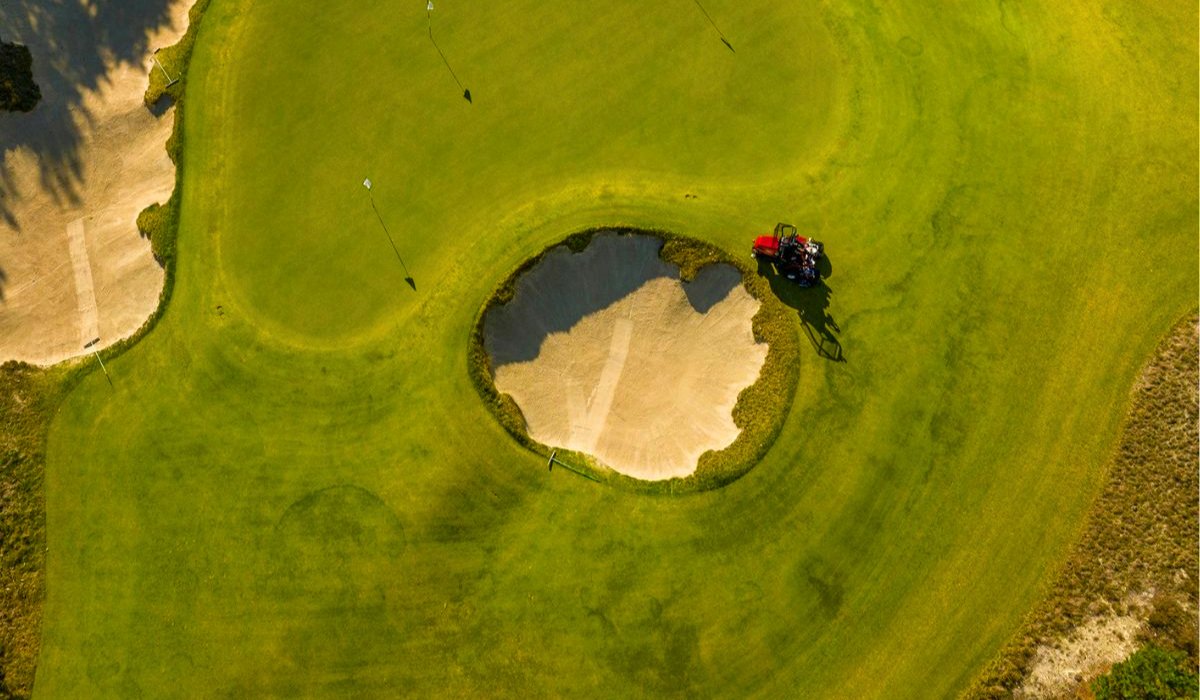
In an era where sustainability is becoming essential rather than optional, Bernardus stands out for its forward-thinking approach.
A significant portion of the estate is dedicated to natural habitats, transforming former farmland into a thriving ecosystem. The course is maintained with minimal chemical intervention, focusing instead on soil health and natural balance.
This commitment doesn’t just benefit the environment — it enhances playability. Firmer conditions, healthier turf, and seasonal variation create a more authentic and dynamic golf experience.
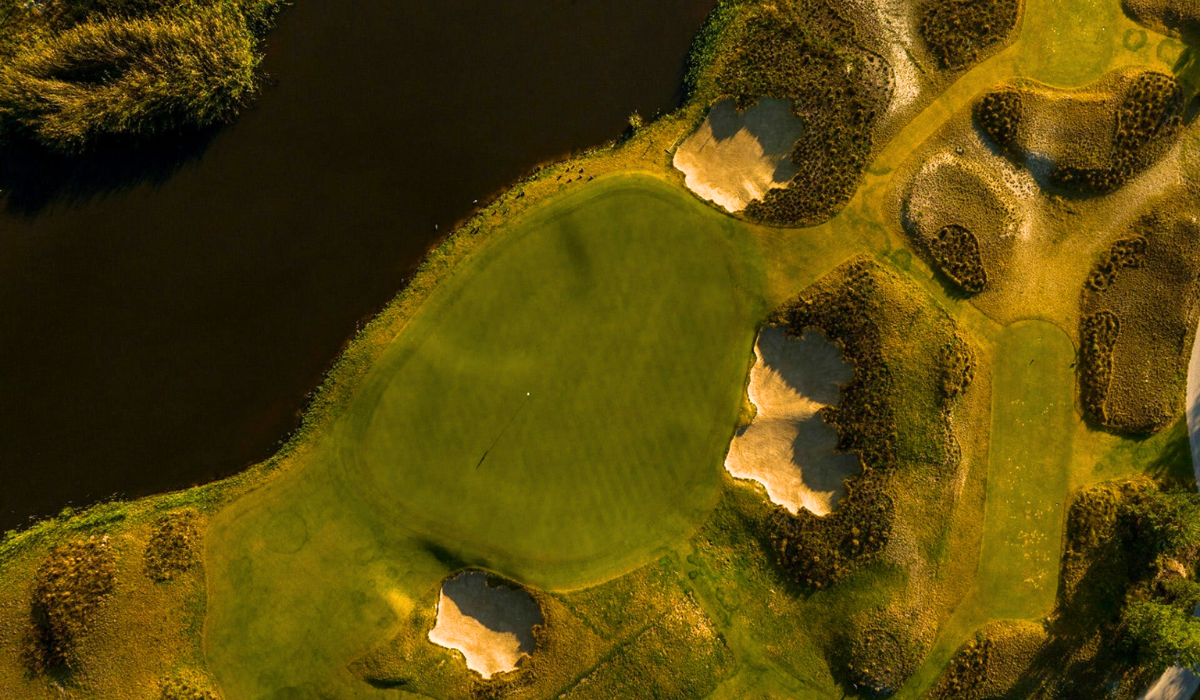
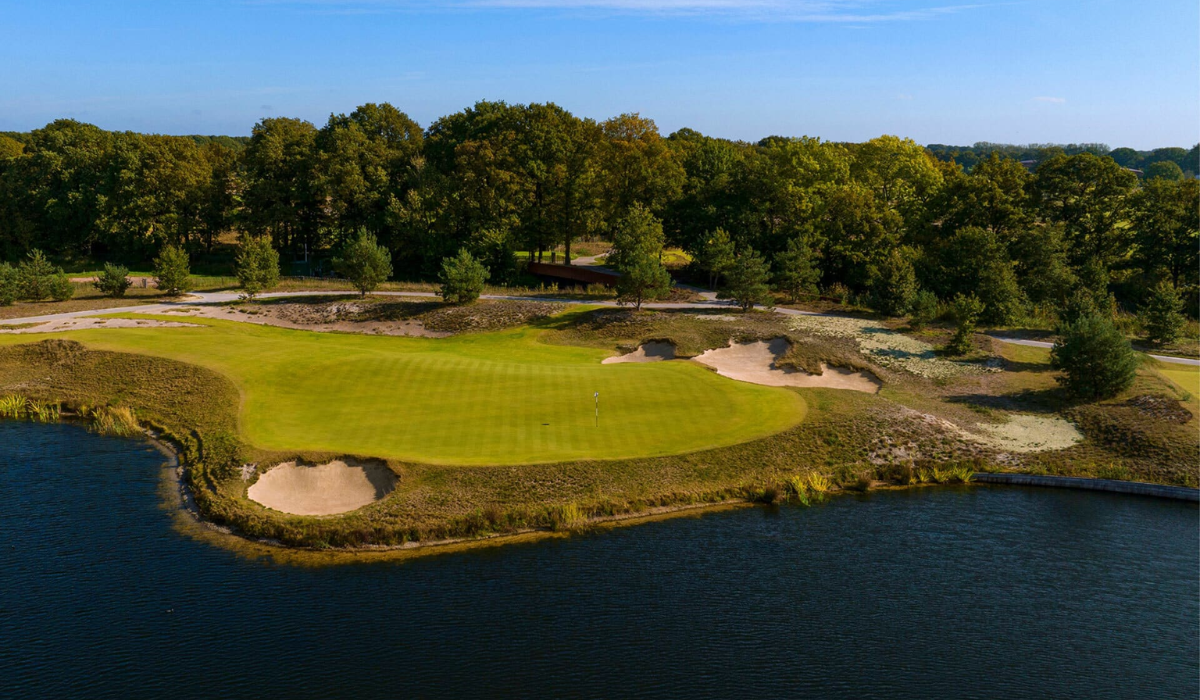
Every great course has its defining holes, and Bernardus is no exception. The par-3 17th, played over water to a subtly contoured green, has already become one of its most memorable features — especially in tournament settings where it can decide outcomes late in the round.
But the real magic lies in the flow of the routing. The course builds rhythmically, alternating between scoring opportunities and demanding tests, culminating in a closing stretch that feels purpose-built for drama.
Bernardus Golf isn’t just another addition to Europe’s golf map — it represents a shift in how courses are conceived and experienced.
It proves that a course doesn’t need centuries of history to feel timeless. With the right design philosophy, attention to detail, and commitment to player experience, a “new” course can immediately compete with the very best.
As the golfing world looks ahead to the Solheim Cup 2026, Bernardus is poised to move from rising star to established icon. And for those who have the chance to play it before the crowds arrive, it offers something rare: the opportunity to experience the future of golf, already fully realised.
Vietnam’s Hoiana Shores and Da Nang’s Best Golf Courses
Gary Woodland’s Winning WITB at the 2026 Texas Children’s Houston Open

Amateur Golf
Top Golfers to Watch in 2025
The 2025 golf season is shaping up to be a blockbuster, with a cast of players ready to dazzle on the world’s biggest stages. From the pristine fairways of Augusta to the rugged links of Royal Portrush, this year’s top golfers bring a mix of raw talent, proven pedigree, and unfinished business. Here’s a closer […]
Course Reviews
Top 20 golf courses in Portugal
Portugal is one of the capitals of European golf and a firm favourite with holidaymakers, with layouts designed by Seve Ballesteros, Jack Nicklaus and Robert Trent Jones Jnr. But which golf course comes out on top? From The Algarve to Lisbon, Porto, and the idyllic island of Madeira, here’s All Square’s countdown of the top […]