



Clubs
Akshay Bhatia’s Winning WITB at the 2026 Arnold Palmer Invitational
Explore 33,000+ golf courses in 180 countries.
Follow the latest news and trends in golf.
Connect with like-minded golfers.
Find everything you need for your golf equipment and gear needs.
Travel, golf resorts, lifestyle, gear, tour highlights and technology.
All Square
Suggestions
Clubs
Akshay Bhatia’s Winning WITB at the 2026 Arnold Palmer Invitational
Course Reviews
Argentario Golf & Wellness Resort: Tuscany’s Championship Gem
Clubs
Gary Woodland’s Winning WITB at the 2026 Texas Children’s Houston Open
Clubs
Nico Echavarria’s Win: Inside the WITB at the 2026 Cognizant Classic
Clubs
The New Phantom: Scotty Cameron Reinvents Its Mallet Legacy
Course Reviews
Bernardus Golf: Europe’s Modern Masterpiece
Course Reviews
Vietnam’s Hoiana Shores and Da Nang’s Best Golf Courses
Clubs
Matt Fitzpatrick’s Precision Triumph: Winning WITB at the 2026 Valspar Championship
Course Reviews
Streamsong’s Newest Masterpiece: Why Bone Valley Might Be Its Boldest Statement Yet
Clubs
Cameron Young’s Winning WITB at the 2026 Players Championship
Clubs
TaylorMade Introduces Qi Max and Qi Max HL Irons: A New Era for Game-Improvement Performance
Destinations
Monte Rei Enters a New Era: Deep Renovation to Preserve a Legendary Course
Destinations
Golf Trip to Casablanca: Morocco’s Atlantic Golf Escape
Clubs
Jacob Bridgeman Breaks Through at Riviera: WITB Behind His Genesis Invitational Victory
Destinations
24 Hours at a Luxury Golf Resort: A Day in Paradise
Destinations
Golf Resorts Perfect for a Proposal or Honeymoon
Course Reviews
The Best Golf Courses Near Pinehurst That Aren’t Pinehurst No. 2
Course Reviews
The Els Club Vilamoura: Golfing Grandeur in the Algarve
Destinations
Golf Trip to Agadir: Swinging Under the Moroccan Sun
Destinations
Hotel & Spa du Castellet: A Provençal Golf & Lifestyle Retreat

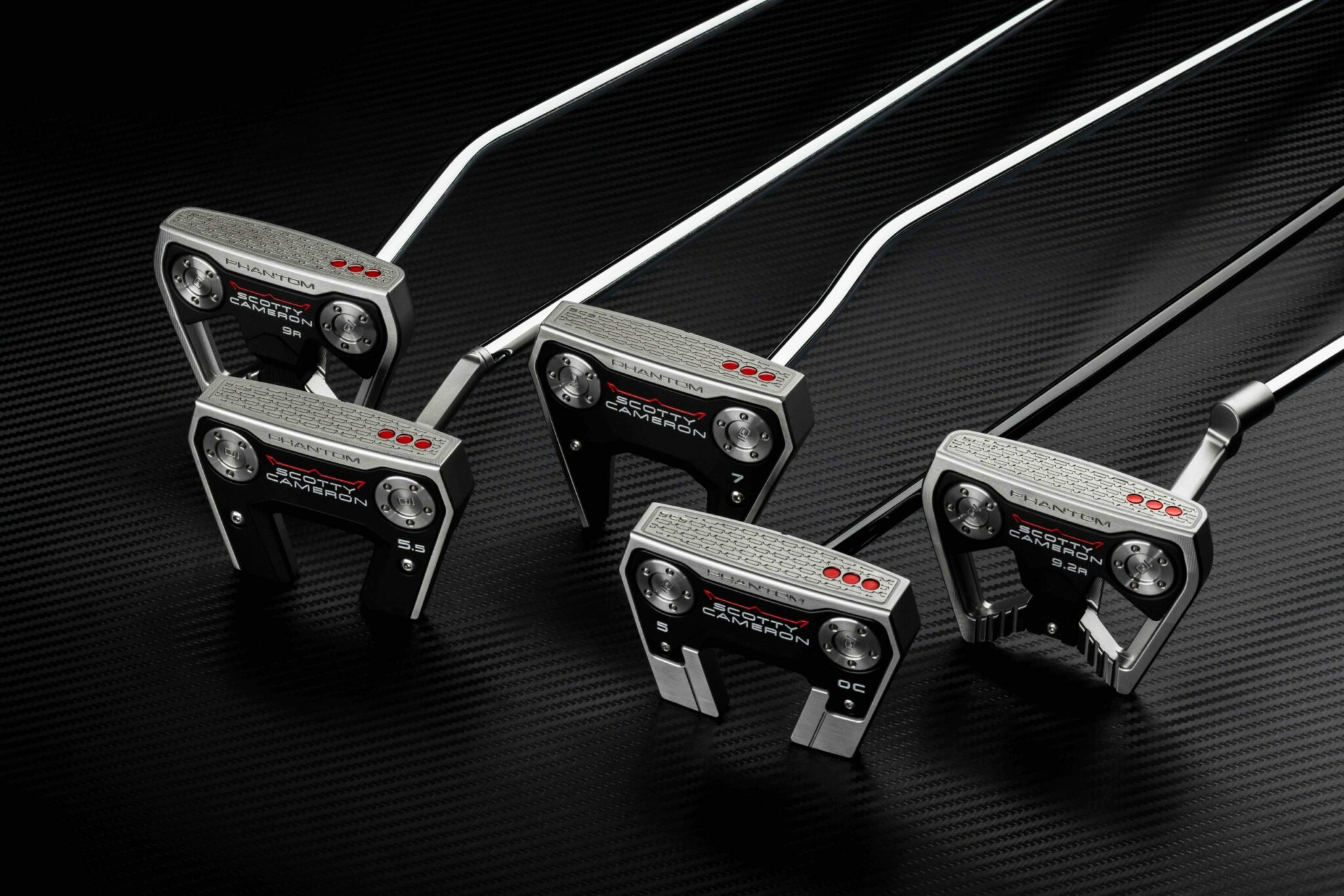
For more than three decades, Scotty Cameron has been the name most whispered on greens from Augusta to St Andrews. The putters from the Carlsbad, California workshop have claimed more major championships than any competing brand, becoming something close to a talisman for professionals and amateurs alike. Yet even icons must evolve. On January 20, 2026, Scotty Cameron unveiled a comprehensively redesigned Phantom mallet lineup — and it may be the most technically ambitious retail release the brand has ever produced.
The 2026 Phantom line is not simply a refresh. It represents the convergence of two years of material science research, exhaustive tour feedback, and a fundamental rethinking of what a mallet putter can feel like at impact. At the center of this transformation is a piece of technology that, on paper, sounds almost mundane: a new face insert. In practice, it changes everything.
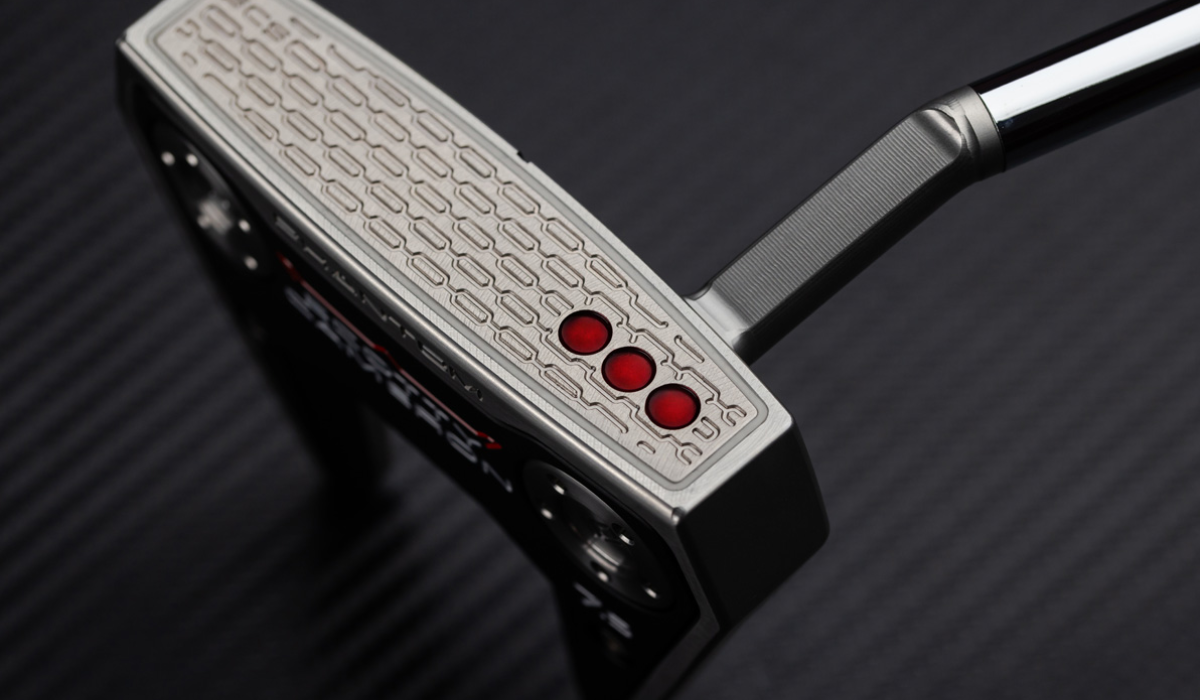
Studio Carbon Steel (SCS) is a significant breakthrough for Scotty Cameron — a material with greater dampening capacity than Teryllium, which gives the putters a soft feel that previous Phantom models simply could not achieve. That matters because, in the world of premium putters, feel is everything. Golfers spend hundreds of dollars chasing a specific sensation at impact, a softness that communicates information without overwhelming it — and the old Phantom lineup, for all its virtues, relied on deep-milled stainless steel faces that couldn’t quite replicate what studio blade players were experiencing.
SCS inserts first debuted in the 2025 Studio Style lineup after extensive testing to find the optimal combination of material and milling. Carbon steel’s greater damping capacity softens sound by limiting the duration of the tone of the strike. Bringing that same technology into the mallet world was, as it turns out, no simple transplant. Engineers couldn’t just slot a new insert into the existing Phantom heads.
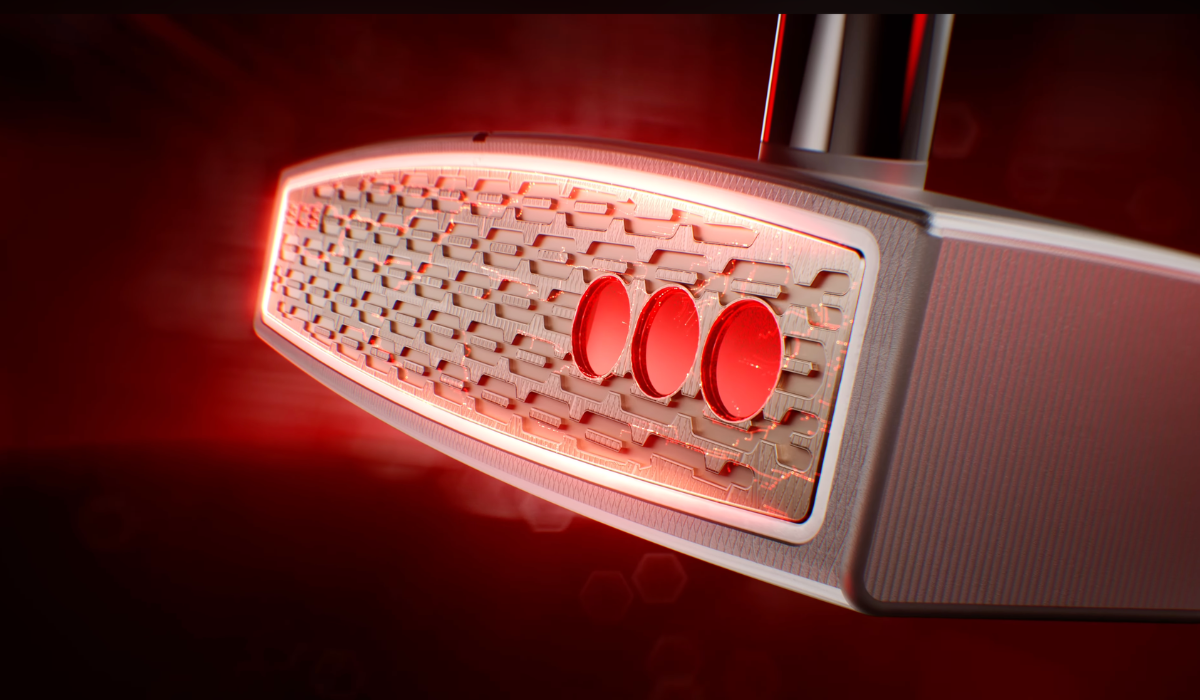
Removing face material actually weakened the structure of the mallet, especially on the winged designs of the 5 and 7, producing unwanted vibrations that undermined feel. The solution required removing additional material in strategic locations, adding internal vibration-dampening pads, and even engineering an internal truss system to restore the classic Cameron resonance. None of this is visible from the outside. What you see is a beautifully milled face. What you feel is the product of months of unseen structural problem-solving.
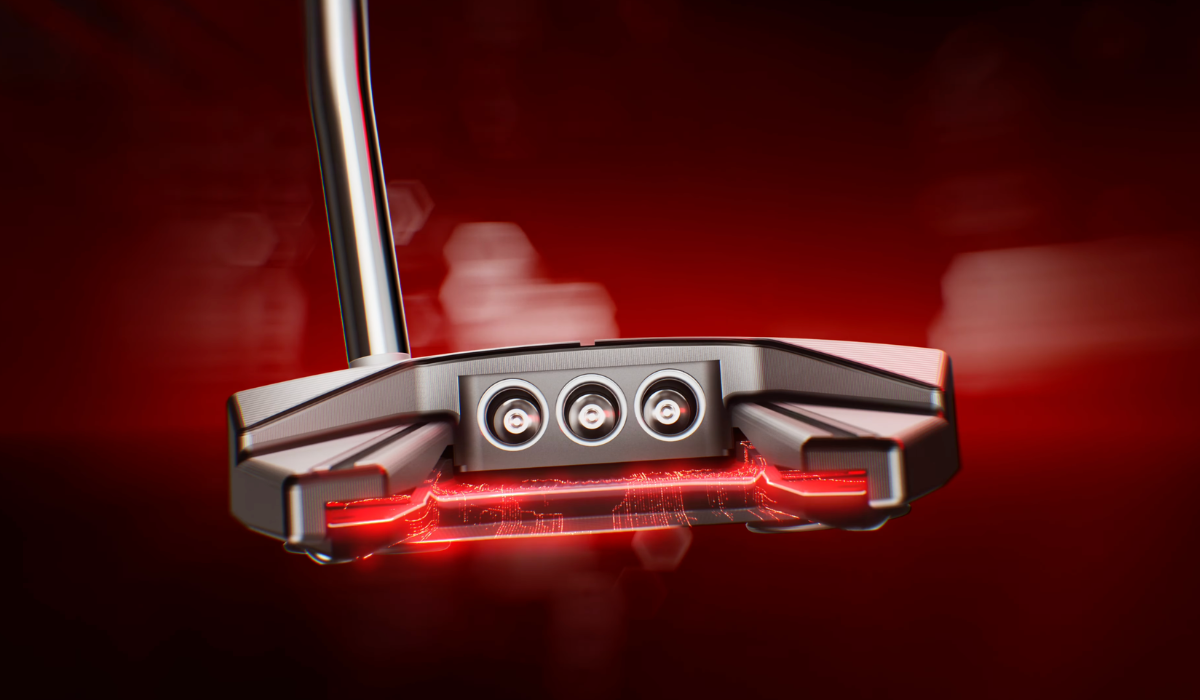
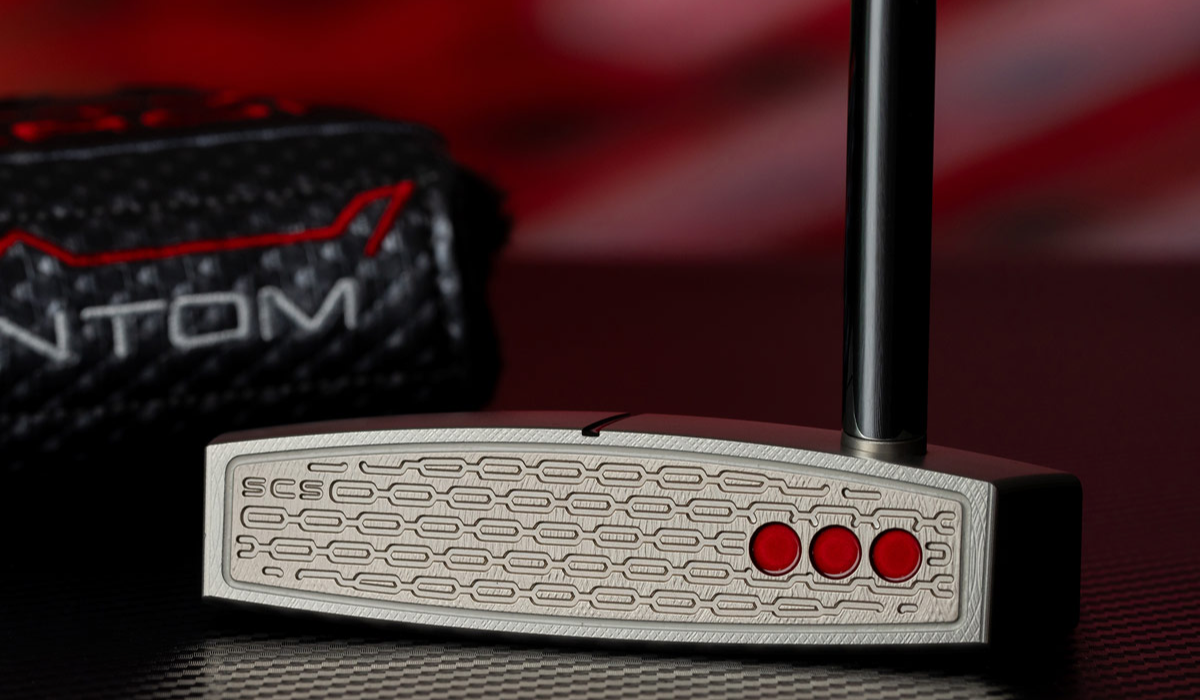
Complementing the SCS insert is the chain-link face milling pattern, brought across from the 2025 Studio Style release. The intricate, interlocking design reduces contact points between the face and ball, producing a further softening of the impact sound, sharper distance control, and a more consistent roll. The combination of the carbon steel insert and the chain-link mill is, in the words of the Cameron team, the most sophisticated face package ever fitted to a retail Phantom mallet.
“The popularity of mallets continues to grow, both on tour and with dedicated golfers everywhere. There’s no one ‘right’ way to putt, and the new Phantom line is a great example of that.” — Austie Rollinson, Senior Director of Putter R&D, Scotty Cameron
Three tour-inspired head shapes — Phantom 5, 7 and 9R — and nine unique putter head, neck and shaft combinations have been created and refined to inspire confidence over the ball and provide exceptional performance off the putter face. Each of the three head shapes carries its own design philosophy, and together they cover virtually every putting style and preference a serious golfer might have.
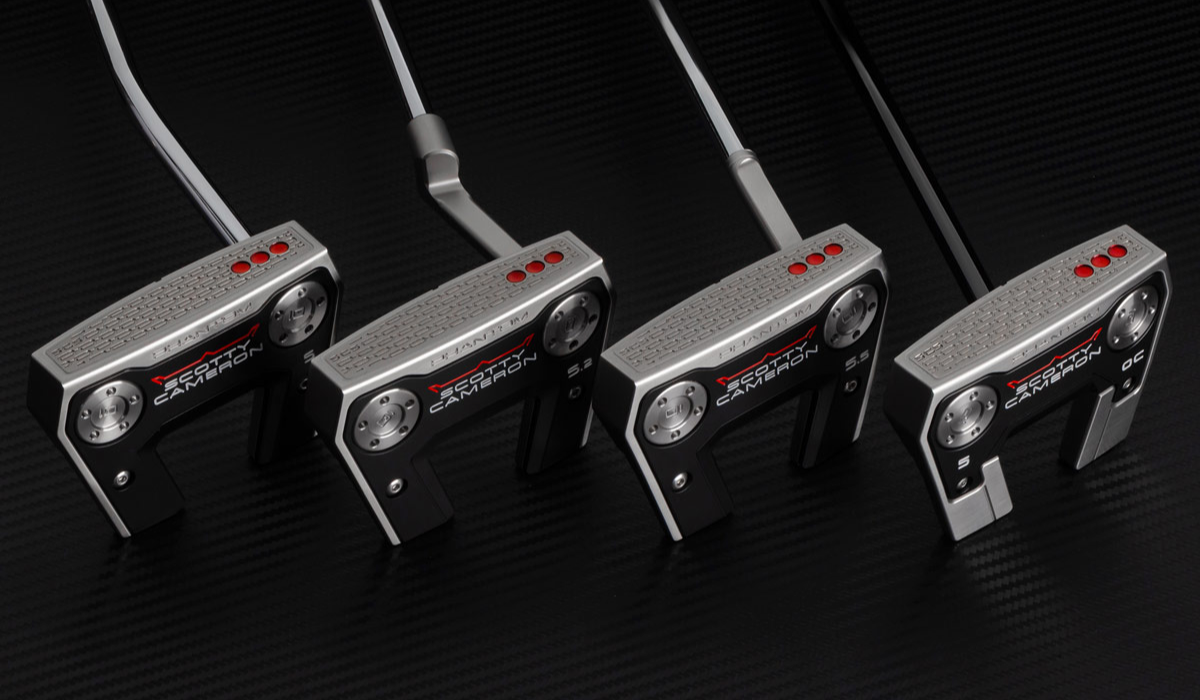
The Phantom 5 is a modern wingback mallet with a compact profile and a single sightline for alignment. It has long been the most popular shape in the Phantom family across worldwide professional tours, and for 2026, it gains an entirely new configuration: the Onset Center (OC) setup, a first-ever retail offering in the Phantom lineup. The OC build places the face slightly ahead of the shaft axis, eliminating torque at impact and providing a more stable, forgiving delivery — particularly appealing to players who favour a straight-back, straight-through stroke.
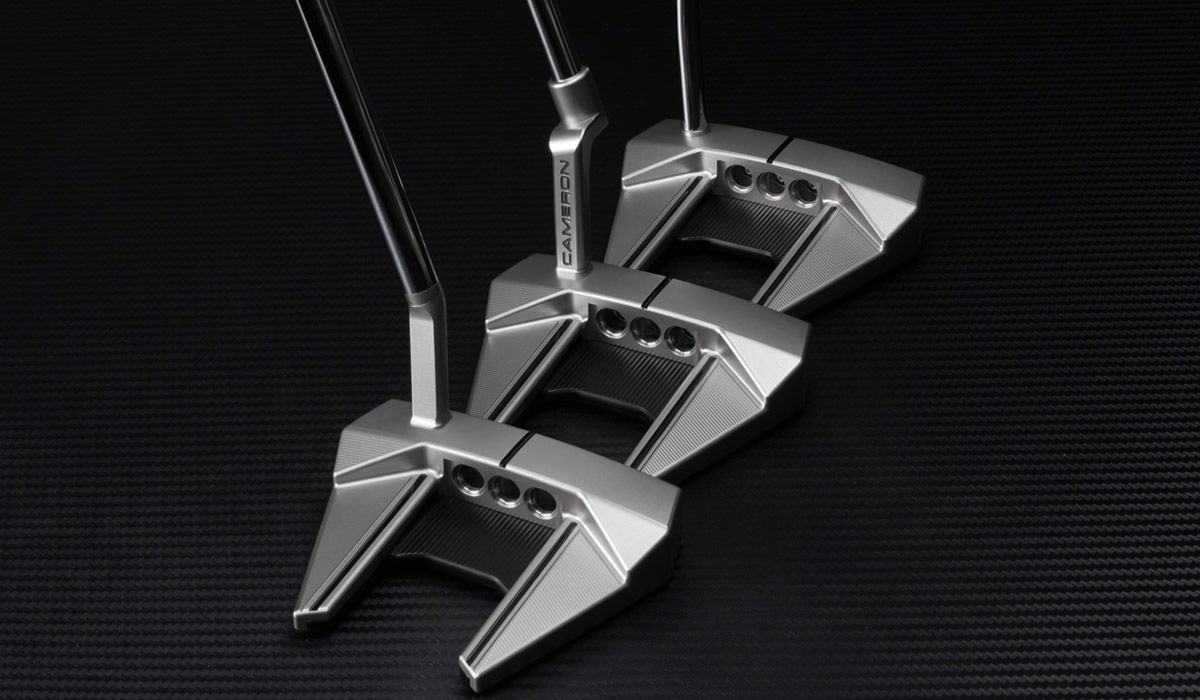
The Phantom 7 is a sharp-angled wingback mallet with a larger footprint from front to back compared to the 5. The longer wings create rail-like alignment cues that many players find reassuring over the ball. New for 2026 is a double-bend shaft option on the 7, developed directly from tour player feedback to provide a more face-balanced feel with an alternative look at address.
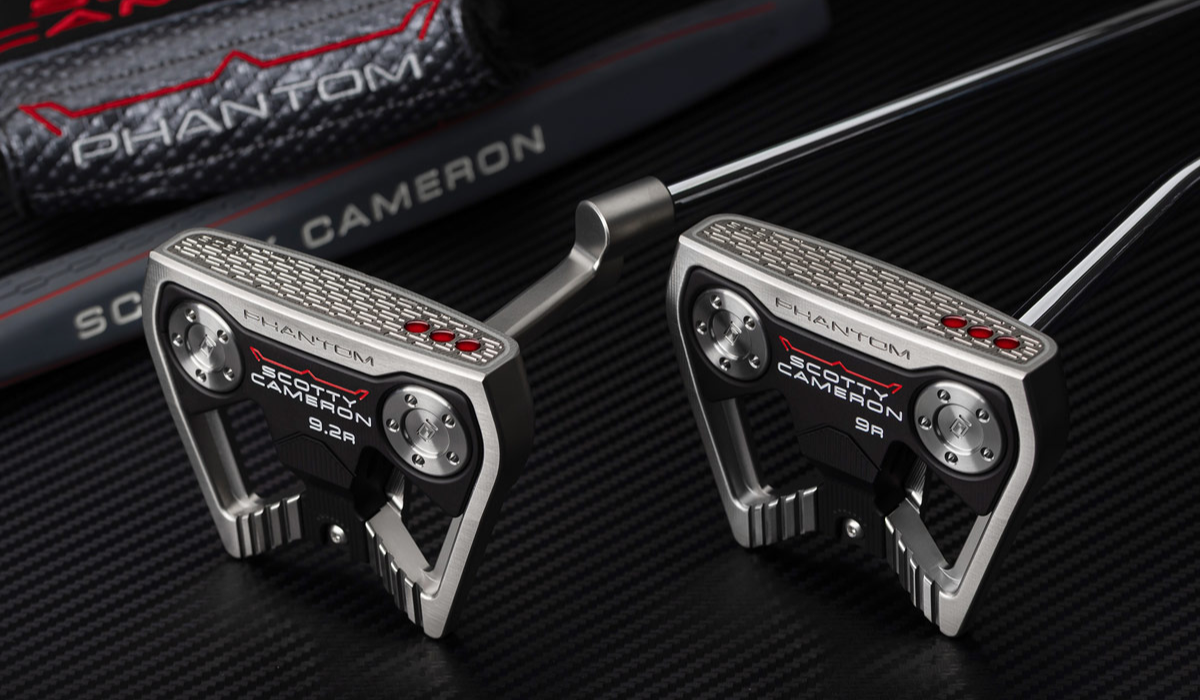
The Phantom 9R is the most striking addition to the new lineup — an evolved version of the previous Phantom 9 with its corners rounded and its contours softened for a cleaner, more modern look at address. It is the only head in the lineup to feature a full-length sightline, offering laser-precise alignment for players who rely on a single visual reference from ball to target. The 9R is available with a single-bend hosel, while the 9.2R pairs the same head with a plumber’s neck for players seeking additional toe flow.
The shape changes across all three models are subtle but meaningful. Compared to the 2024 Phantoms, the faces are taller — a player-preferred modification that makes pure strikes more intuitive and reduces the need to adjust delivery into the ball. The sole plates have also been redesigned to sit more flush to the ground, creating a more consistent setup regardless of lie or hand position. These aren’t cosmetic tweaks; they reflect thousands of hours of Putter Studio testing and direct feedback from tour professionals.

When Scotty Cameron introduces a new lineup, the question isn’t whether the putters look good in a display case — it’s whether they hold up when the pressure is highest. The 2026 Phantoms debuted on the PGA Tour at the Sony Open in Hawaii, and the new models build upon a foundation of remarkable tour success. The 2025 PGA Tour season alone saw Phantom prototype users claim victories across the schedule: Justin Thomas with a Phantom 5, Russell Henley with a Phantom X 5, Cameron Young with a Phantom 9.5R, Michael Brennan with a Phantom 7.2, Ryan Gerard with a Phantom 5.2, and Justin Rose with a Phantom 5.
One reason players gravitate towards the Phantom family is the stability and moment of inertia (MOI) provided by a larger mallet profile. The increased footprint also creates space for different alignment offerings, from direct features like sightlines to the more subtle angles and contours of the putter head shape and design.

Perhaps no player better illustrates the adaptability of the Phantom line than Cameron Young, who has gamed a Phantom putter for the entirety of his PGA Tour career, cycling through various head shapes and neck configurations since 2021. Young made an early-season move at the 2025 RBC Heritage from a plumbing neck to a jet neck within the 9R head shape, seeking more toe flow in his putting stroke. His tour rep, Brad Cloke, explained the thinking: the goal was to work from face-balanced mallets toward a setup where Young could feel the toe release the way he wanted. The 2026 lineup, with its expanded hosel options, is built precisely for that kind of ongoing, nuanced calibration.
If there is a single philosophical statement embedded in the 2026 Phantom launch, it is this: the stroke should dictate the equipment, not the other way around. Different putting styles — arcing strokes, straight-back-straight-through mechanics, players who feel the toe release — require fundamentally different tools. From Onset Center low-torque configurations to necks that promote toe flow, there is now a spectrum of options to match the natural arc of any stroke.
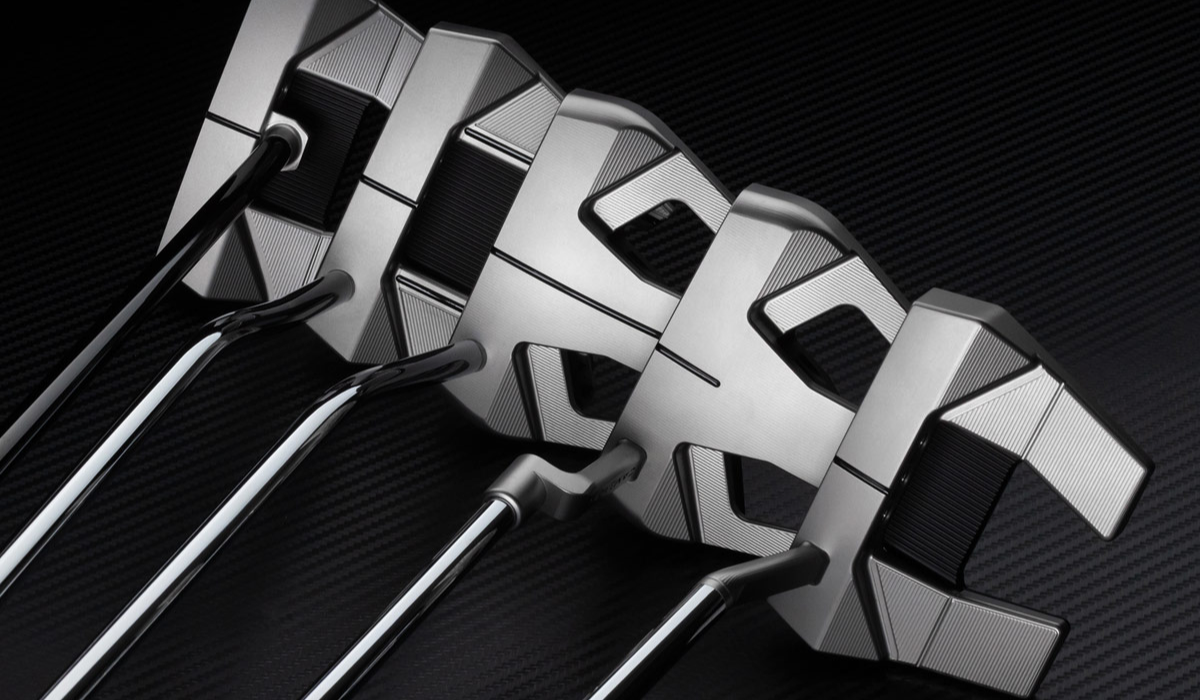
The new jet neck, returning from previous Phantom lineups, has been subtly redesigned with a longer profile and less tilt — yet still delivers the same offset and toe hang as the previous version. That kind of invisible continuity, where a familiar-feeling tool has been quietly improved beneath the surface, is characteristic of Cameron’s approach to iteration.
Paul Vizanko, Scotty Cameron’s Director of Putter Fitting and Player Development, noted overwhelmingly positive reactions from tour players to early prototypes — particularly regarding the deeper face design that addresses players who tend to hit up on the ball. For amateur golfers who spend hours on the practice green trying to find a consistent impact position, this is meaningful reassurance.
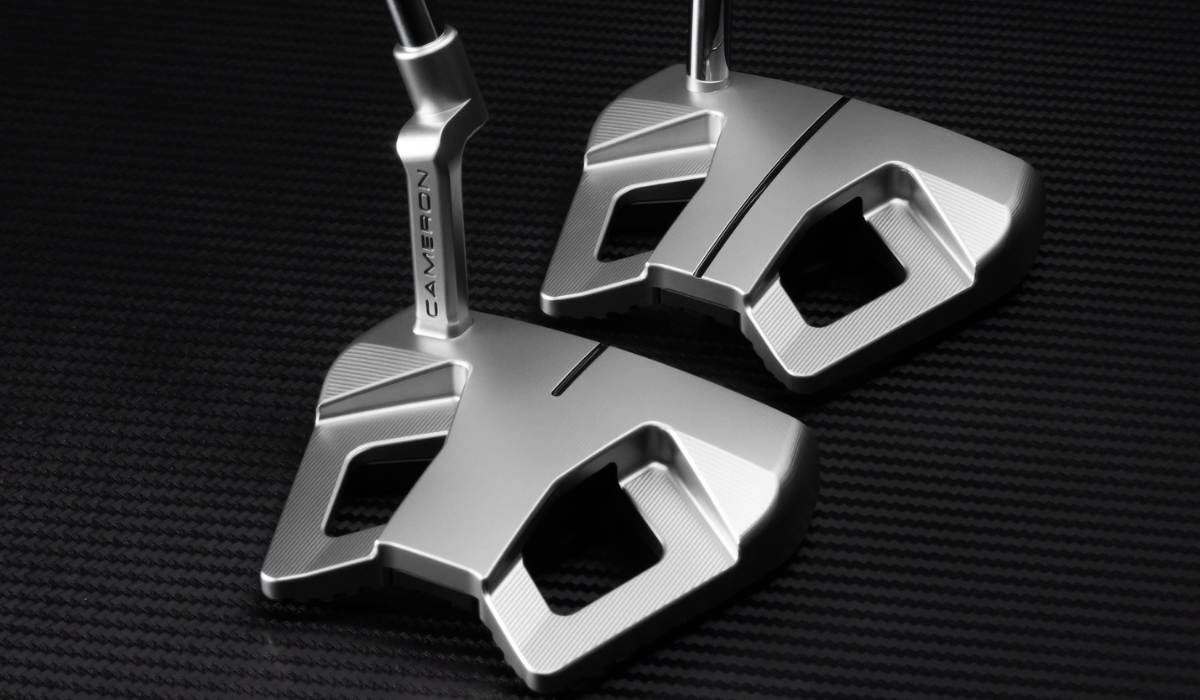
All nine 2026 Phantom models share a consistent set of specifications: 3.5 degrees of loft, a 70-degree lie angle, and stock shaft lengths of 33, 34 and 35 inches. Each putter comes equipped with a gray Full Contact grip. Standard models are priced at €529, with the Phantom 5 OC carrying a 599€ price tag reflecting its more complex engineering.
The full lineup arrives in golf shops worldwide on February 27, 2026, with the Phantom 5 OC following on April 24, 2026.
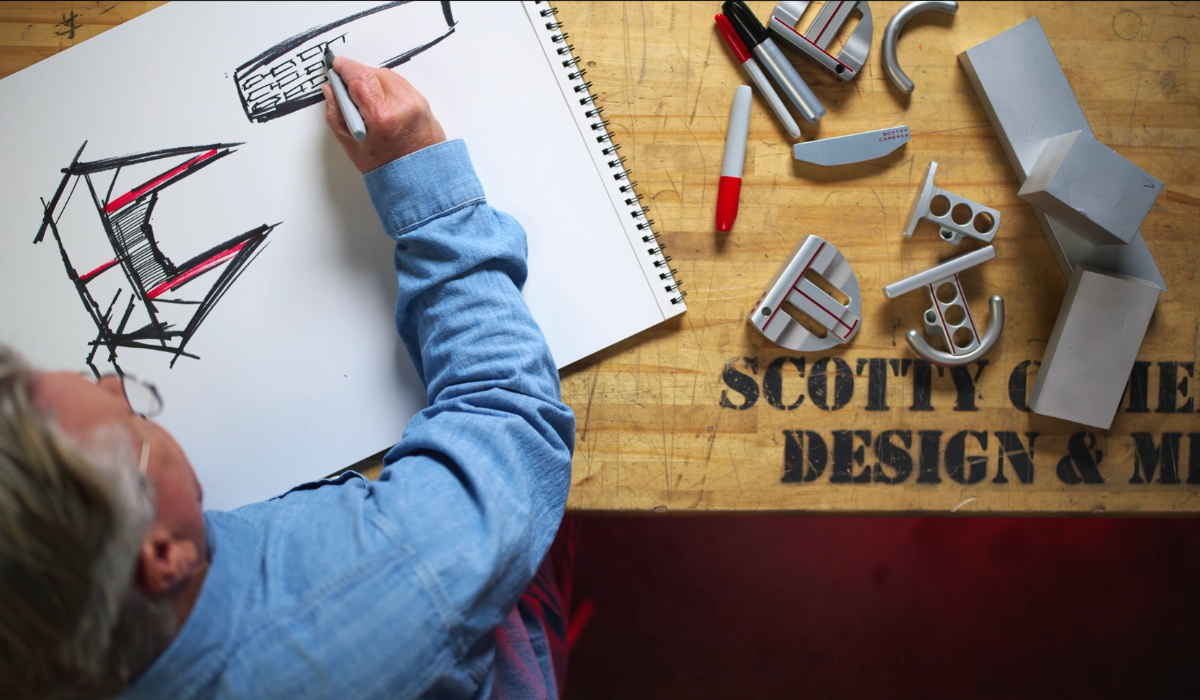
It would be easy to view the 2026 Phantom launch as a straightforward technology transfer — move the SCS face from the blades to the mallets, update the marketing, ship the product. The reality is considerably more interesting. Getting the Studio Carbon Steel insert to work in the winged Phantom architecture required genuine engineering ingenuity, and the result is a putter that feels meaningfully different from anything the Phantom line has previously produced.
The nine configuration options ensure that whether you are a confirmed mallet convert or a blade player tentatively exploring a larger footprint, there is a Phantom built for your stroke and your eye. Scotty Cameron putters have always carried a certain weight beyond their function — part tool, part talisman, part status symbol. The 2026 Phantom lineup is the rare release that manages to honour that legacy while genuinely advancing what the hardware can do.
In a game where the difference between a made and a missed putt can be measured in fractions of a degree and milliseconds of contact, that advancement is not trivial. It may, in fact, be everything.
Gary Woodland’s Winning WITB at the 2026 Texas Children’s Houston Open

Clubs
Garrick Higgo WITB – Winner at Corales Puntacana Championship
In a dramatic finish at the 2025 Corales Puntacana Championship, Garrick Higgo seized his second PGA Tour victory, capitalising on a late collapse by leader Joel Dahmen to claim the title at Puntacana Resort & Club. The 25-year-old South African, wielding a trusted Titleist-heavy setup — including a GT2 driver and T100 irons — navigated […]

Clubs
WITB: The Clubs Justin Rose Trusted at 2026 Farmers Insurance Open
At the 2026 Farmers Insurance Open, Justin Rose reminded the golf world that experience, precision, and smart equipment choices still win championships. The Englishman delivered a masterclass at Torrey Pines, opening with a sensational 62 on the North Course and never looking back on his way to a seven-shot victory at 23-under-par. It was a […]