


Course Reviews
Cullinan Golf Links Resort, Belek: Where Golf Meets the Mediterranean
Explore 33,000+ golf courses in 180 countries.
Follow the latest news and trends in golf.
Connect with like-minded golfers.
Find everything you need for your golf equipment and gear needs.
Travel, golf resorts, lifestyle, gear, tour highlights and technology.
All Square
Suggestions
Course Reviews
Cullinan Golf Links Resort, Belek: Where Golf Meets the Mediterranean
Course Reviews
New Opening: Limassol Greens — Cyprus’ New Golf Destination
PGA Tour
Presidents Cup 2026 Preview: Everything to Know Before Medinah
Clubs
Jacob Bridgeman WITB: The Clubs Behind His 2026 Biltmore Championship Victory
Course Reviews
Play Golf at Pebble Beach: What to Know Before You Go
Professional Golf
Solheim Cup Results & Winners 2026: Europe Reclaims the Trophy
Clubs
This Year’s Best Drivers on the Market: A 2026 Buyer’s Guide
Course Reviews
Fancourt: The Garden Route Estate Where South African Golf Grew Up
Course Reviews
Best Golf Courses Around Madrid
Clubs
TaylorMade Spider ZT Putter Review: What It Is, How It Performs, and Whether It’s Worth the Upgrade
Course Reviews
Your Golf Trip to Tunisia: Courses, Costs, and What to Actually Expect
Clubs
Thriston Lawrence WITB of Three-Time Omega European Masters Champion
Amateur Golf
Charlie Woods Signs with TaylorMade: What’s in His Bag?
LPGA
Solheim Cup 2026 Preview & FAQ: Everything to Know Before Bernardus
Course Reviews
Golf in Croatia: What You Can Actually Play, and What to Expect
Destinations
The Best Golf Courses Around Berlin: A Practical Guide
Clubs
Scottie Scheffler WITB: The Clubs Behind His 2026 TOUR Championship Victory
Clubs
This Year’s Best Wedges on the Market
Course Reviews
The Best Golf Courses Around London: A Practical Guide
Clubs
WITB: Ryan Fox’s Winning Clubs at the 2026 Open Championship
Community
How Modern Golf Courses Conserve Water and Protect Wildlife
PGA Tour
Changes on the PGA Tour from 2028
Course Reviews
Tee Off in Tuscany: Golfing Italy’s Most Picturesque Countryside
Course Reviews
The Best Golf Courses Near Pinehurst That Aren’t Pinehurst No. 2
Course Reviews
The Els Club Vilamoura: Golfing Grandeur in the Algarve
Clubs
Michael Brennan’s Winning Bag at the 2026 Wyndham Championship
Destinations
Golf Trip to Agadir: Swinging Under the Moroccan Sun
Course Reviews
Your Golf Vacation in Saint-Tropez
Course Reviews
Tee Off in Style: Park Hyatt Marrakech
Course Reviews
Love on the Links: Most Romantic Golf Getaways in Europe for Valentine’s Day
Clubs
Team Fitzpatrick’s Winning WITB from Zurich Classic Victory

Bethpage Black and Carnoustie are among our picks of worldwide golf courses which have gained a reputation for being exceptionally challenging.
With treacherous terrains, devilish bunkers and testing conditions, these courses push even the most skilled and patient golfers to their limits.
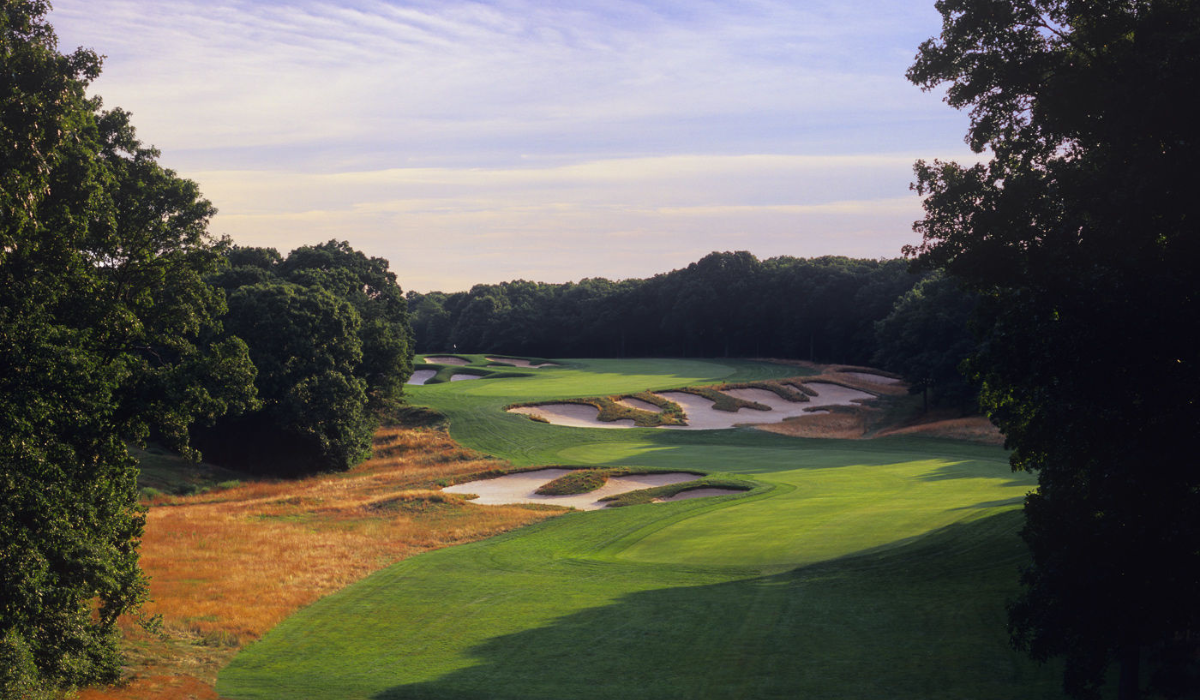
Let’s start with the course that infamously has a sign by the first tee that reads: “WARNING: The Black Course Is An Extremely Difficult Course Which We Recommend Only For Highly Skilled Golfers.”. Venue for the Ryder Cup in 2025 and one of five courses at Bethpage State Park in Long Island, it has hosted the U.S. Open twice, in 2002 when only winner Tiger Woods broke par, and in 2009 when only five players went under par with winner Lucas Glover finishing on four under.
It’s renowned for its punishing winds, unpredictable coastal conditions and brutal tall grass which swallows up wayward shots. It’s around 7,500 yards long, with three par-4s measuring longer than 500 yards, and three others at least 470. And it’s a par 70!
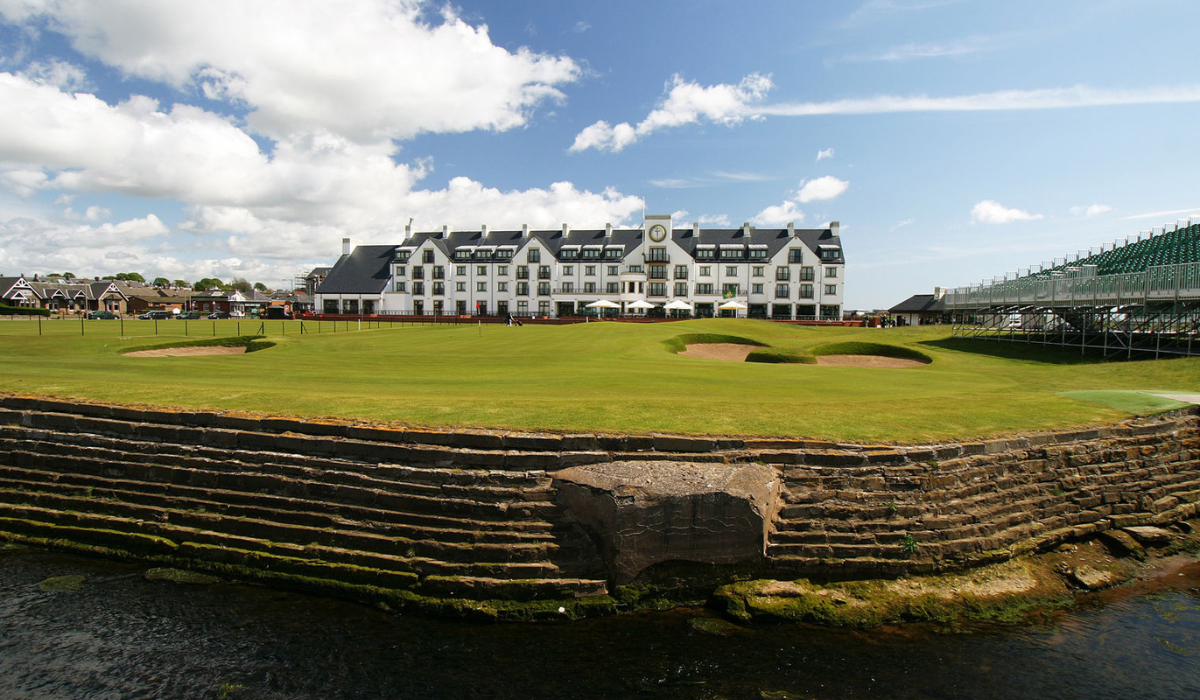
It doesn’t have a sign, but it does have the nickname ‘Carnasty’ which it earned at the 1999 Open when Sergio Garcia was reduced to tears after finishing dead last. But the course had a more famous victim that year. Jean Van de Velde led by three shots playing the last hole when the notorious Barry Burn took his ball, his Open hopes and sense of reality. He took seven shots to finish and lost the resultant play-off to Paul Lawrie.
This course is tough with narrow fairways, deep bunkers and heartbreakingly thick rough, while the notorious closing stretch, known as ‘Hogan’s Alley’, is especially daunting. And this is all before the weather takes a turn for the worse.
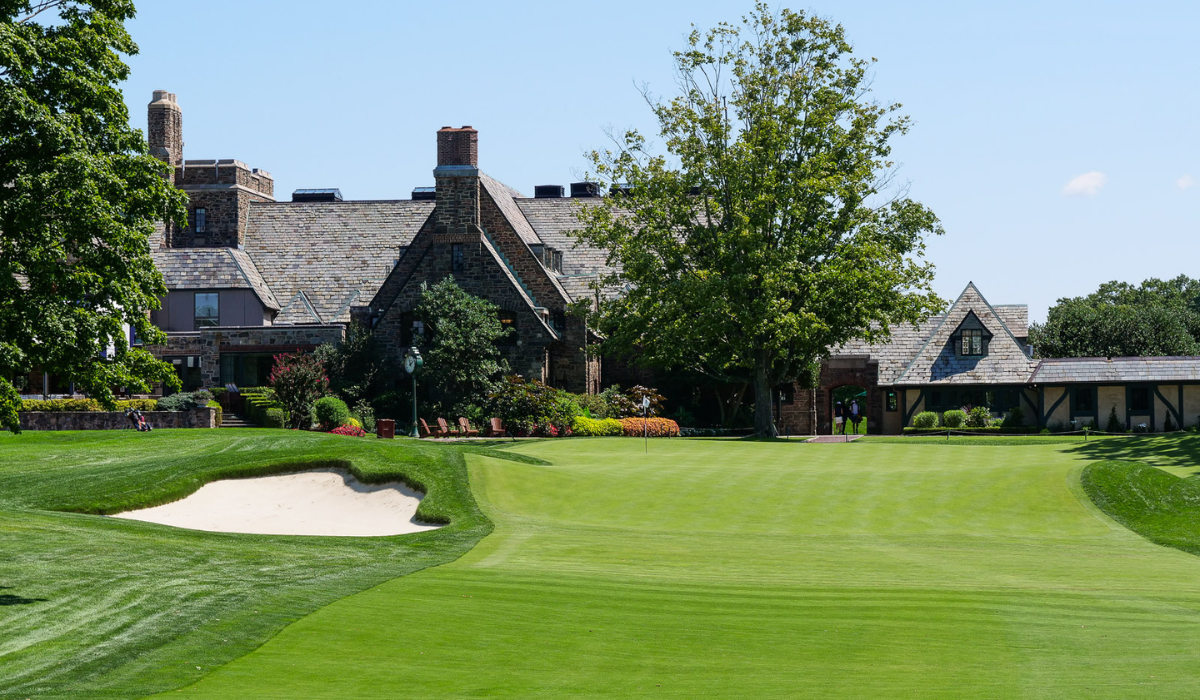
Having hosted several major championships including the PGA Championship and five U.S. Opens, Winged Foot is one of the most storied golf clubs in all of America. The West Course is an absolute brute, playing over 7,400 yards from the championship tees. 15-times major winner Tiger Woods said: “I think it’s right up there next to Oakmont and I think Carnoustie as far as just sheer difficulty goes.”
There’s thick rough and really tricky undulating greens. When Bryson DeChambeau won the U.S. Open here in 2006, his winning score was 285, 5 over par. When Hale Irwin won at 287 in 1974, the tournament was dubbed ‘The Massacre at Winged Foot’.
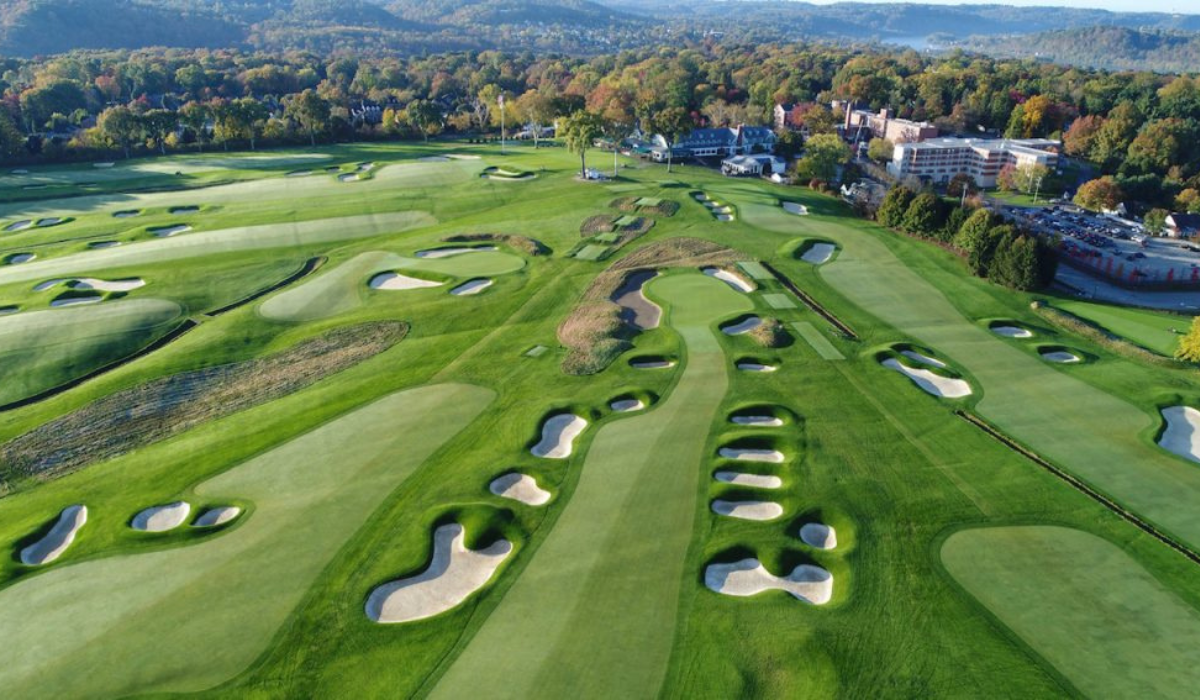
A masterpiece designed by Henry Fownes, famous for its incredibly speedy, undulating greens. The course’s deep bunkers and punishing rough make it a true test of skill and patience. When Oakmont hosted the U.S. Open in 2007, Angel Cabrera won with a five-over total of 285. When Dustin Johnson won the U.S. Open here in 2016, he finished on 4-under, one of only four players to finish under par. That year, Phil Mickelson said: “I played Oakmont the last two days. It truly is, I think, the hardest golf course we’ve ever played.” There are approximately 200 bunkers with one called Church Pews that’ll leave you praying you don’t enter it.
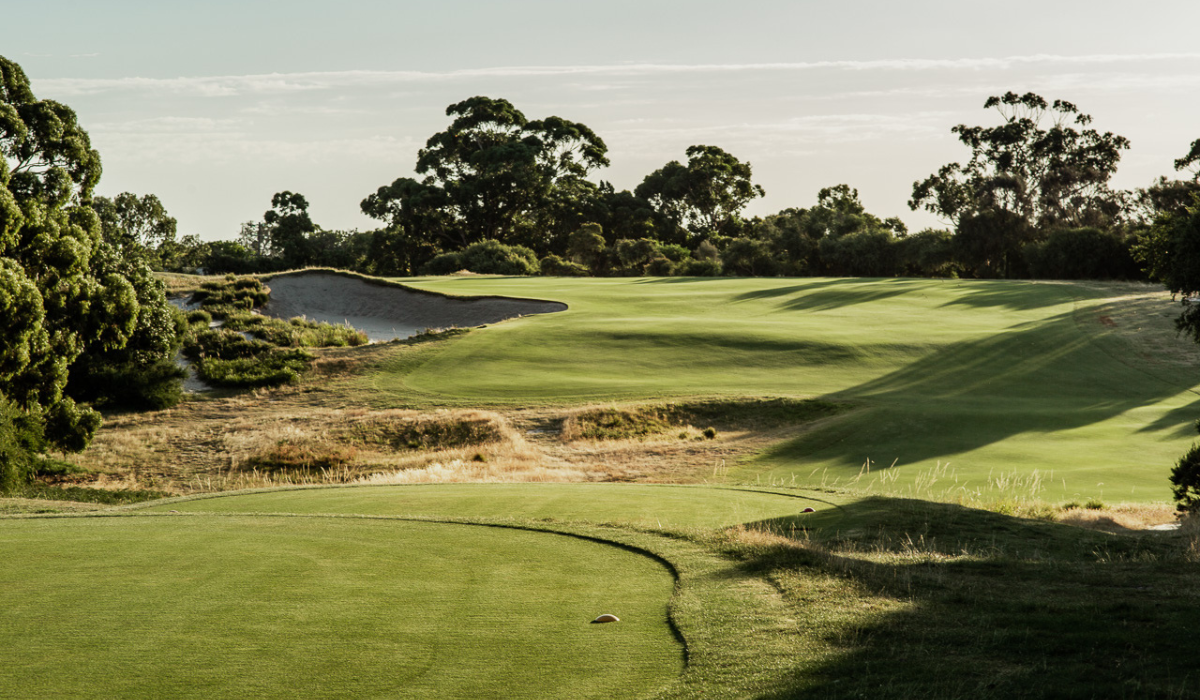
Widely regarded as one of the finest, and toughest, courses in the Southern Hemisphere, Royal Melbourne is a rugged layout full of dramatic undulations. While the pristine fairways are generously wide for higher handicappers, they are peppered with deep strategic bunkering and bordered by native grasses and vegetation. The lightning quick and contoured greens, framed perfectly by steep traps, are probably the best, and most testing, in Australia.

Set against the backdrop of the Mourne Mountains, Royal County Down is not only visually stunning but also incredibly challenging. The course, always on lists of the world’s greatest courses, is known for its narrow fairways bordered by heather and gorse, deep bunkers, and unpredictable weather conditions with the wind that usually blows in from Dundrum Bay.
Golfers must contend with nighhtmare blind shots, uneven lies, domed greens, and cleverly placed hazards. Precise shot-making and strategic course management is a must. Hole 4 is a 217-yard par-3, where you have to carry 200 yards over dense gorse. Don’t hit it short, or it’s goodbye golf ball.
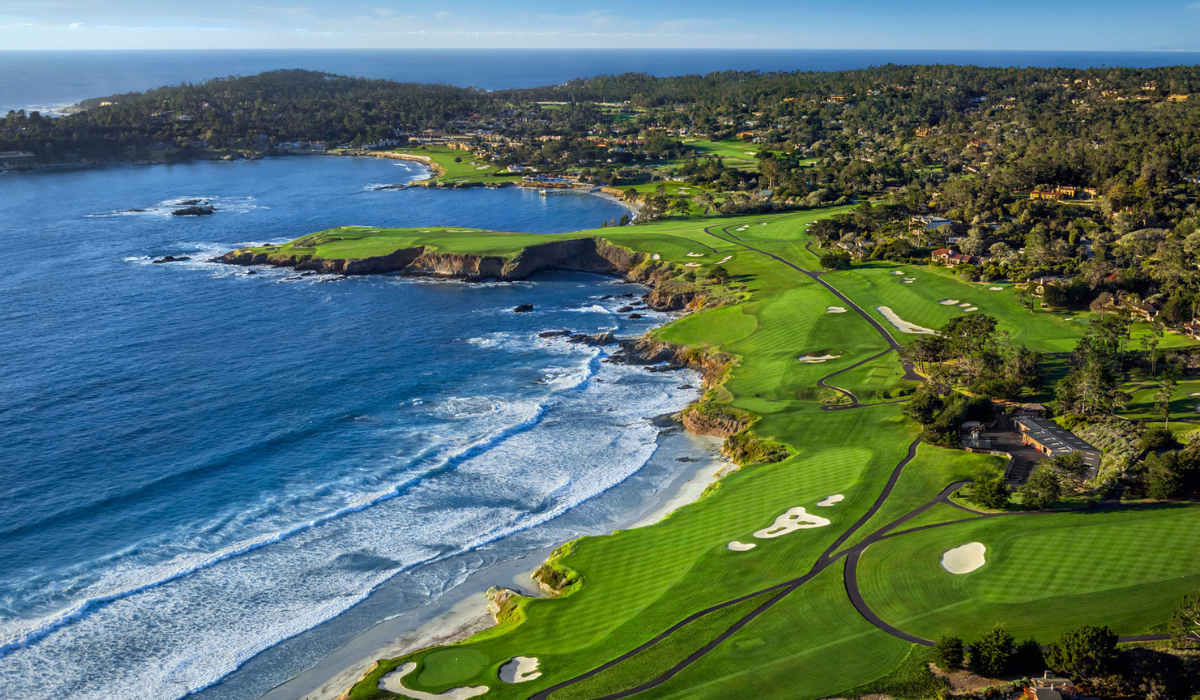
Set along the rugged coastline of California’s Monterey Peninsula, Pebble Beach is not only stunningly scenic but also formidable. The narrow fairways, small greens, and unpredictable coastal winds make club selection a head scracther. Perhaps the most famous hole is the par-3 seventh that’s barely 100 yards.
From an elevated tee you hit towards the Pacific Ocean to a tiny green below. But the par-4 eighth, at over 400 yards, is even more daunting. Right against the coastline, you don’t want to go beyond 250 yards before you’re faced with a downward 175 to the hole that has trouble on both sides.
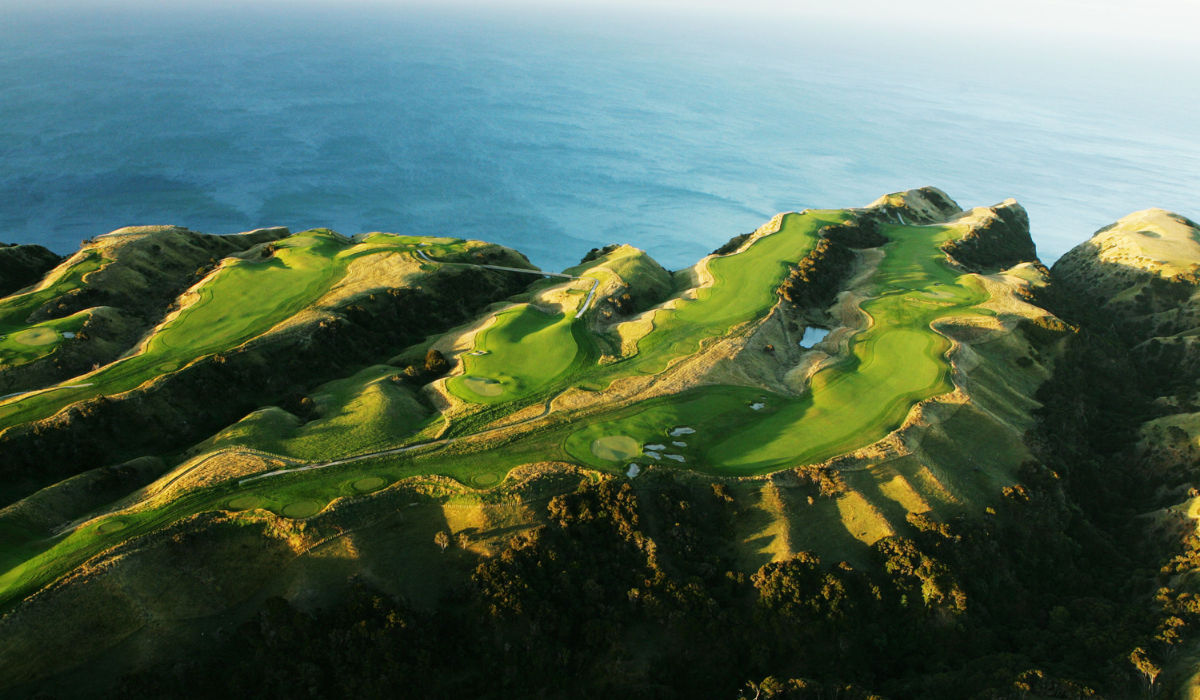
Spectacular cliffs, reminiscent of California‘s Torrey Pines, are the signature of this stunning Tom Doak course near Hawkes Bay on the North Island. The back nine is truly awesome. Several of the holes, especially the signature par 5 15th named Pirates Plank, play 800 feet above the Pacific Ocean along several breathtaking fingers of land separated by deep gullies. The inland front nine is every bit as challenging with strategic bunkering and sculpted greens with enough undulation to keep golfers on their toes.
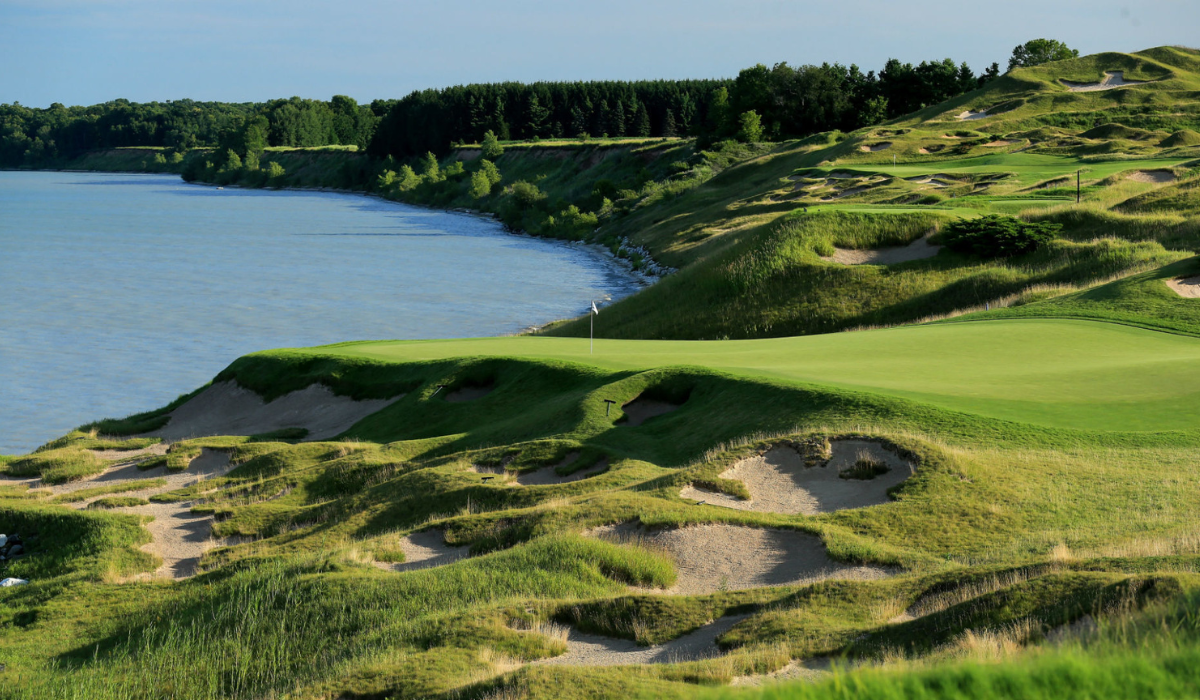
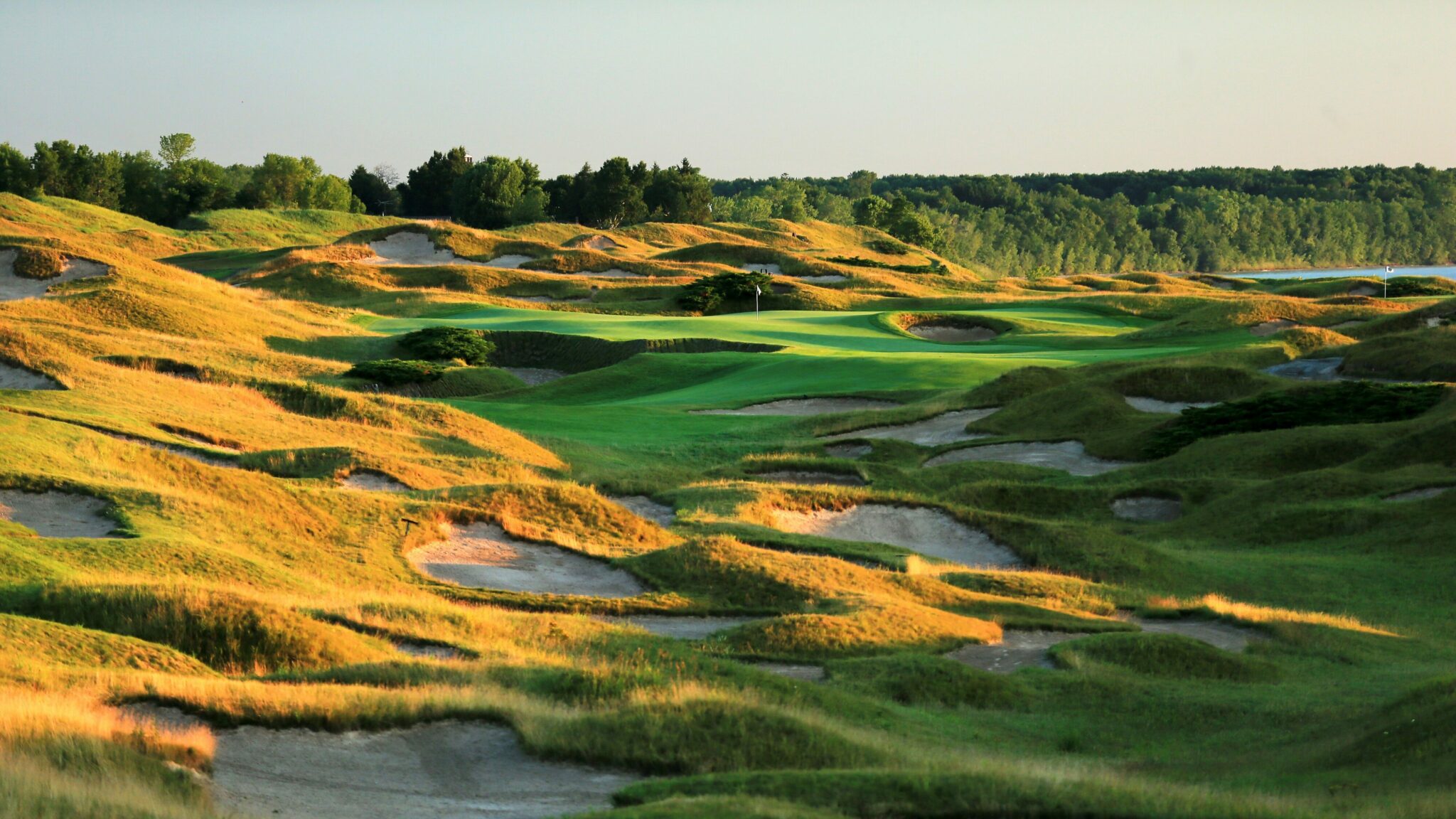
When Lee Westwood first saw this Pete Dye design on the shores of Lake Michigan, he said: “I’d been told there are 10 difficult holes and eight impossible ones. I’m still trying to work out which the 10 difficult holes are.” Incredibly, there are over 900 bunkers, some tiny, and some that don’t even look like bunkers.
Just ask Dustin Johnson who was playing the final hole at the 2010 PGA Championship with a one shot lead when he grounded his club on what he thought was a waste area. His subsequent two-shot penalty saw him miss the play-off by one shot. Vast rolling greens, huge dunes and deep pot bunkers make things difficult enough before you add in the winds that blow in off the lake.

Course Reviews
Nicklaus joins Woods with new courses at Bahamas resort
Jack Nicklaus and Tiger Woods will soon have golf courses on the same site at a new exclusive resort in the Bahamas. The two golfing legends, with a combined 33 major championship wins, have designed courses for the first time on the same site, a new exclusive resort club and residential community named Jack’s Bay. […]
All Square
Golf: A Game for Mental Well-Being
In a world that seems to move faster every day, taking care of our mental health is more important than ever. While many turn to meditation, therapy, or exercise for mental wellness, one often-overlooked activity provides a holistic approach to well-being: golf. More than just a sport, golf offers numerous mental health benefits, making it […]