



Course Reviews
Golf in Madeira: Cliffs, Clouds and Two Unforgettable Courses
Explore 33,000+ golf courses in 180 countries.
Follow the latest news and trends in golf.
Connect with like-minded golfers.
Find everything you need for your golf equipment and gear needs.
Travel, golf resorts, lifestyle, gear, tour highlights and technology.
All Square
Suggestions
Course Reviews
Golf in Madeira: Cliffs, Clouds and Two Unforgettable Courses
Destinations
Thai Caddie Culture Explained: Tipping, Etiquette and What to Expect
Course Reviews
Best Golf Courses Around Munich: Where Championship Golf Meets Bavarian Beauty
Course Reviews
Marrakech vs Agadir for Golf: Which Moroccan Destination Should You Choose?
Accessories
Best Push Carts and Electric Trolleys for Golf in 2026
Course Reviews
Rediscover Monte Rei: Portugal’s Iconic Golf Course Reopens After Major Renovation
Course Reviews
Best Golf Courses Around Rome: Where Ancient History Meets Modern Golf
Instruction
Links vs Parkland vs Heathland: What’s the Difference?
Clubs
The Best Irons on the Market in 2026
Clubs
Austin Smotherman WITB: The Clubs Behind His 2026 Bank of Utah Championship Win
Destinations
Barrière Golf Properties: French Golf Escapes Where the Resort Is Part of the Experience
Destinations
Conrad Algarve Renovations: A New Chapter of Luxury in Quinta do Lago
Gear
Garmin Golf Watches Guide: Which Garmin Watch Is Right for Your Game?
PGA Tour
Presidents Cup 2026 Results & Winners: Team USA Completes Historic Comeback
Course Reviews
Cullinan Golf Links Resort, Belek: Where Golf Meets the Mediterranean
Course Reviews
New Opening: Limassol Greens — Cyprus’ New Golf Destination
PGA Tour
Presidents Cup 2026 Preview: Everything to Know Before Medinah
Clubs
WITB: Ryan Fox’s Winning Clubs at the 2026 Open Championship
Community
How Modern Golf Courses Conserve Water and Protect Wildlife
PGA Tour
Changes on the PGA Tour from 2028
Course Reviews
Tee Off in Tuscany: Golfing Italy’s Most Picturesque Countryside
Course Reviews
The Best Golf Courses Near Pinehurst That Aren’t Pinehurst No. 2
Course Reviews
A Luxurious Escape to Finca Cortesin
Clubs
TaylorMade Spider ZT Putter Review: What It Is, How It Performs, and Whether It’s Worth the Upgrade
Clubs
The Callaway Quantum Family Explained: A True Leap Forward
Course Reviews
Playing Golf on the Edge: Cliffside Courses Worth the Nerves
Course Reviews
A Golf Trip to Pebble Beach: The Ultimate Coastal Golf Experience
Majors
2026 U.S. Open at Shinnecock Hills: Preview & FAQ

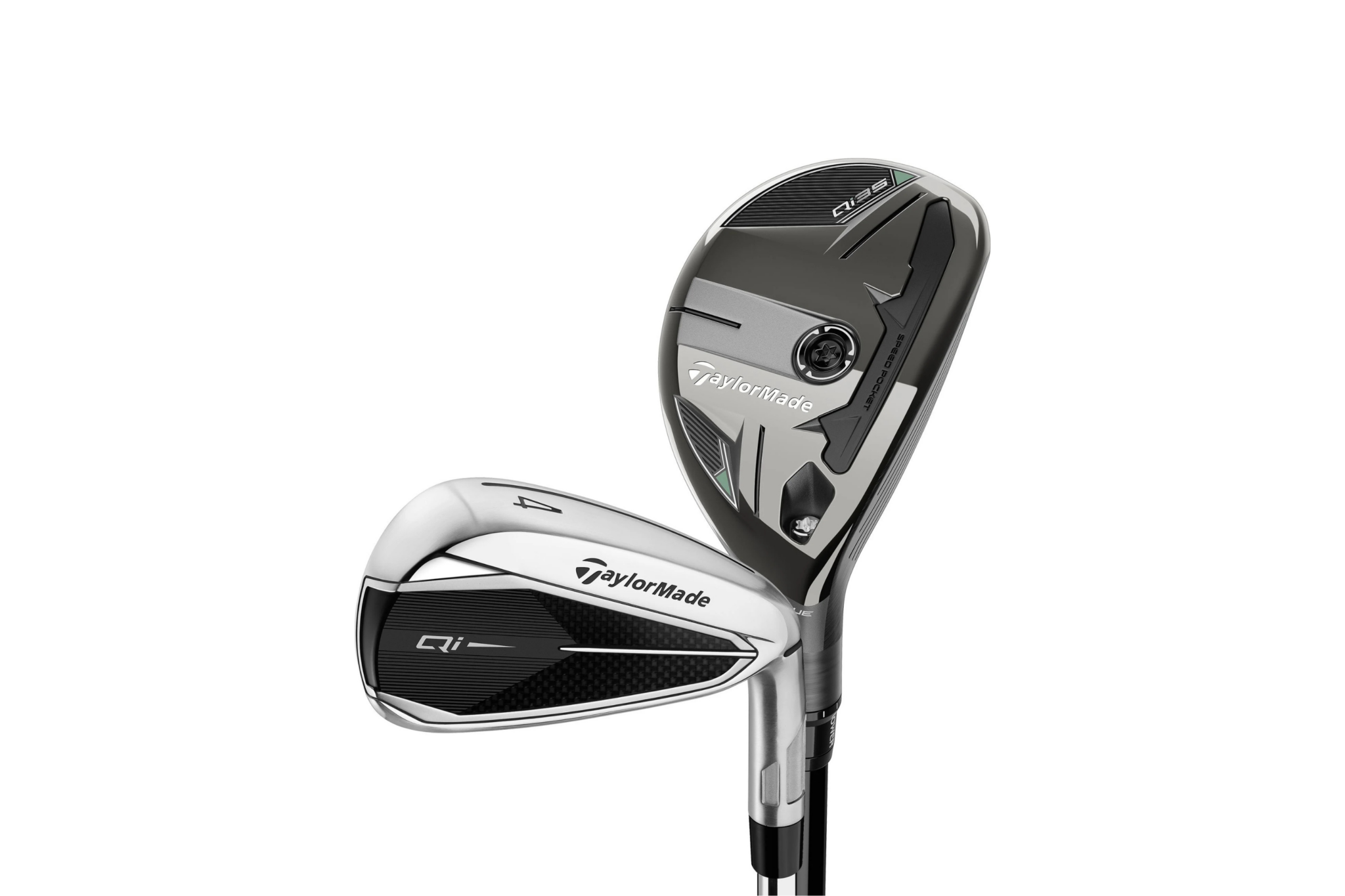
Golf is a game of precision, skill, and making the right choices when it comes to equipment. One of the most debated decisions among golfers is whether to use hybrids or long irons. Both clubs have their advantages and drawbacks, but the right choice ultimately depends on your skill level, swing mechanics, and playing style. In this article, we’ll explore the key differences between hybrids and long irons, their benefits, and which might be better suited for your game.
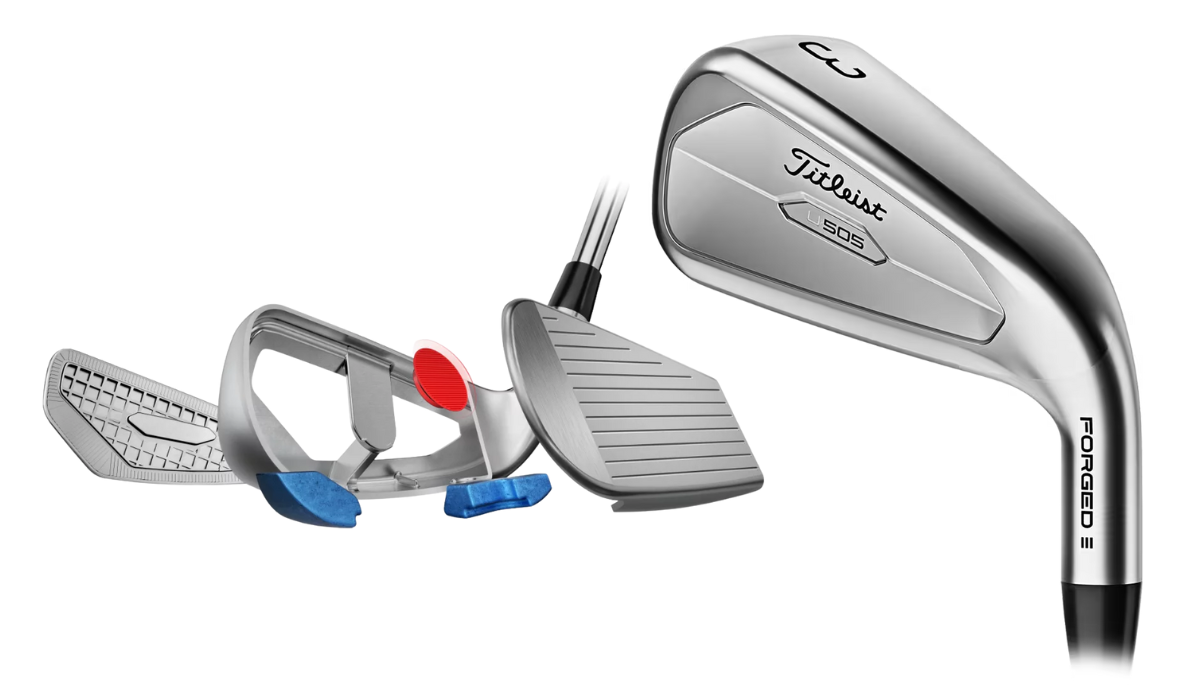
Long irons (typically 2-, 3-, and 4-irons) have been part of the game for decades and were once the only option for hitting long approach shots. However, as golf technology has evolved, hybrids have emerged as an alternative that blends the characteristics of irons and fairway woods.
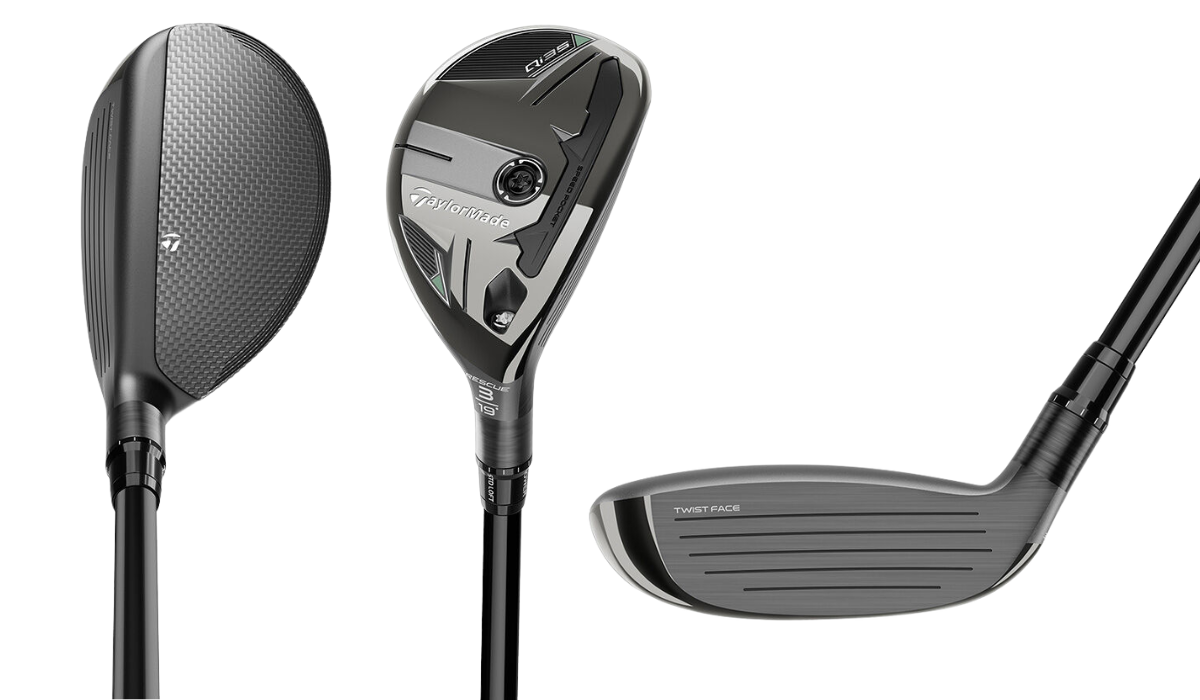
Introduced in the early 2000s, hybrids were designed to provide the distance of long irons with the forgiveness and ease of use of fairway woods. Today, many golfers — amateurs and professionals alike — opt for hybrids over long irons due to their versatility and playability.

One of the main advantages of hybrids over long irons is their forgiveness. The larger clubhead, lower center of gravity, and wider sole of a hybrid help launch the ball higher and reduce mishits. This makes hybrids particularly useful for players who struggle with consistently striking long irons. Since long irons have a smaller sweet spot and require a precise strike to get optimal results, they demand a higher skill level and excellent ball-striking ability.
Distance is another factor to consider. While both clubs can achieve similar yardages, hybrids tend to generate slightly higher ball speeds and launch angles, resulting in more carry distance. This is particularly beneficial when trying to clear hazards or hit long approach shots into greens. On the other hand, long irons offer a more penetrating ball flight, making them useful in windy conditions where a lower trajectory is preferred.

One of the biggest advantages of hybrids is their ability to perform well from a variety of lies. The wider sole of a hybrid allows it to glide through the rough more easily, making it a great option when playing from tricky lies. Long irons, in contrast, require a cleaner strike and are much harder to hit successfully from deep rough or uneven lies.
From the fairway, both hybrids and long irons can be effective, but hybrids tend to be easier to launch. If you struggle with getting long irons airborne, a hybrid can be a game-changer. However, for skilled players who prefer a lower, more controlled trajectory, long irons may still be the preferred option.

For golfers who prioritize accuracy and shot shaping, long irons offer more workability. Skilled players can manipulate ball flight and spin with a long iron, allowing for draws, fades, and stingers. Hybrids, while forgiving, can be harder to shape because of their design. Their larger clubhead and higher launch tendency make them better suited for straight shots rather than intentional draws or fades.

When looking at professional golfers, opinions on hybrids and long irons vary. Some top players, such as Tiger Woods and Rory McIlroy, still favour long irons because of their precision and shot-shaping capabilities. However, many pros, especially those on the LPGA Tour and senior tours, have incorporated hybrids into their bags due to their playability and ease of use.

For amateur golfers, the decision tends to be more straightforward. Most mid- to high-handicap players will benefit from replacing their long irons with hybrids. The increased forgiveness and easier launch make hybrids an ideal choice for those looking to improve consistency and confidence in their long game.

Ultimately, whether you should use a hybrid or a long iron comes down to your skill level, swing mechanics, and personal preference. If you struggle with long irons and want an easier-to-hit club that performs well from different lies, a hybrid is the way to go. If you’re a more experienced player who enjoys the precision and shot-shaping ability of long irons, then keeping them in your bag may be the better option.
For many golfers, a combination of both clubs might be the best approach. Some players choose to carry a 4-hybrid while keeping a 5-iron for mid-iron control. Experimenting with different setups and getting fitted for clubs can help determine what works best for your swing.
The debate between hybrids and long irons isn’t about which club is universally better—it’s about what’s best for your game. While hybrids provide more forgiveness, higher launch, and better performance from the rough, long irons offer greater workability and a penetrating ball flight. Understanding your strengths and weaknesses can help you make an informed decision and ultimately improve your performance on the course. Whether you choose hybrids, long irons, or a mix of both, the right equipment can make a significant difference in your confidence and consistency.

Gear
Friday Gear – Scotty Cameron
There are a number of names in golf that are regarded as the master-craftsmen. These include Bob Vokey, Roger Cleveland, Katsuhiro Miura and the subject of this article, Scotty Cameron. These men have become synonymous with creating the most incredible pieces of golfing equipment by pushing technological barriers whilst keeping quality at the highest of […]

Technology
Tech Thursday: TrackMan
Whether you’re aware of it or not, we have all heard the Doppler effect in action. You know when an ambulance speeds past you and the tone of the siren changes as it gets further away from you? That’s it, that’s the Doppler effect, what has that got to do with golf though? Have you […]