


Clubs
Nico Echavarria’s Win: Inside the WITB at the 2026 Cognizant Classic
Explore 33,000+ golf courses in 180 countries.
Follow the latest news and trends in golf.
Connect with like-minded golfers.
Find everything you need for your golf equipment and gear needs.
Travel, golf resorts, lifestyle, gear, tour highlights and technology.
All Square
Suggestions
Clubs
Nico Echavarria’s Win: Inside the WITB at the 2026 Cognizant Classic
Destinations
24 Hours at a Luxury Golf Resort: A Day in Paradise
Clubs
Matt Fitzpatrick’s Precision Triumph: Winning WITB at the 2026 Valspar Championship
Course Reviews
Streamsong’s Newest Masterpiece: Why Bone Valley Might Be Its Boldest Statement Yet
Clubs
Cameron Young’s Winning WITB at the 2026 Players Championship
Clubs
Akshay Bhatia’s Winning WITB at the 2026 Arnold Palmer Invitational
Course Reviews
Argentario Golf & Wellness Resort: Tuscany’s Championship Gem
Clubs
TaylorMade Introduces Qi Max and Qi Max HL Irons: A New Era for Game-Improvement Performance
Destinations
Monte Rei Enters a New Era: Deep Renovation to Preserve a Legendary Course
Destinations
Golf Trip to Casablanca: Morocco’s Atlantic Golf Escape
Clubs
Jacob Bridgeman Breaks Through at Riviera: WITB Behind His Genesis Invitational Victory
Destinations
Golf Resorts Perfect for a Proposal or Honeymoon
Clubs
Inside Winning Bag of Collin Morikawa at the AT&T Pebble Beach Pro-Am 2026
Clubs
WITB: Anthony Kim’s Long-Awaited Return to Glory in Adelaide
Course Reviews
Love on the Links: Most Romantic Golf Getaways in Europe for Valentine’s Day
Destinations
After the 18th Hole: Local Delicacies You Must Try in Spain
Course Reviews
The Best Golf Courses Near Pinehurst That Aren’t Pinehurst No. 2
Course Reviews
The Els Club Vilamoura: Golfing Grandeur in the Algarve
Destinations
Golf Trip to Agadir: Swinging Under the Moroccan Sun
Clubs
WITB: The Clubs Justin Rose Trusted at 2026 Farmers Insurance Open
Course Reviews
Playing Golf on the Edge: Cliffside Courses Worth the Nerves
Destinations
How to Build the Perfect Golf & Wine Vacation in Spain

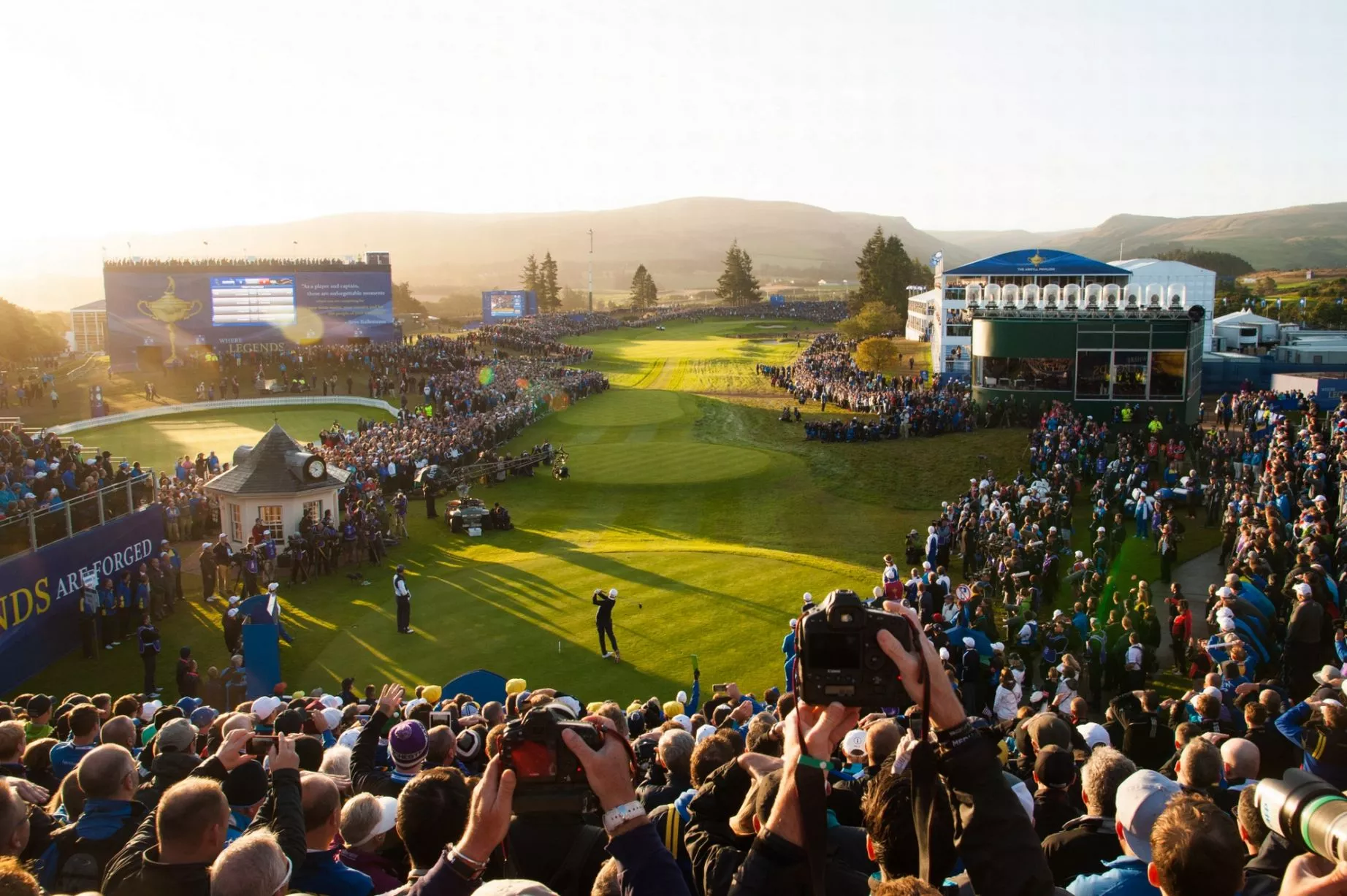
Few sporting events carry as much tradition, rivalry, and architectural prestige as the Ryder Cup. Every two years, the world’s finest golfers arrive at a venue that becomes more than just a golf course — it becomes the battleground for national pride and unforgettable sporting drama. Yet behind every Ryder Cup lies a story not only of players and captains, but of the legendary courses that have hosted the event. From golden-age designs to modern championship layouts, the history of Ryder Cup courses is a fascinating chronicle of evolving golf architecture, strategic design philosophies, and the growing global significance of the event.
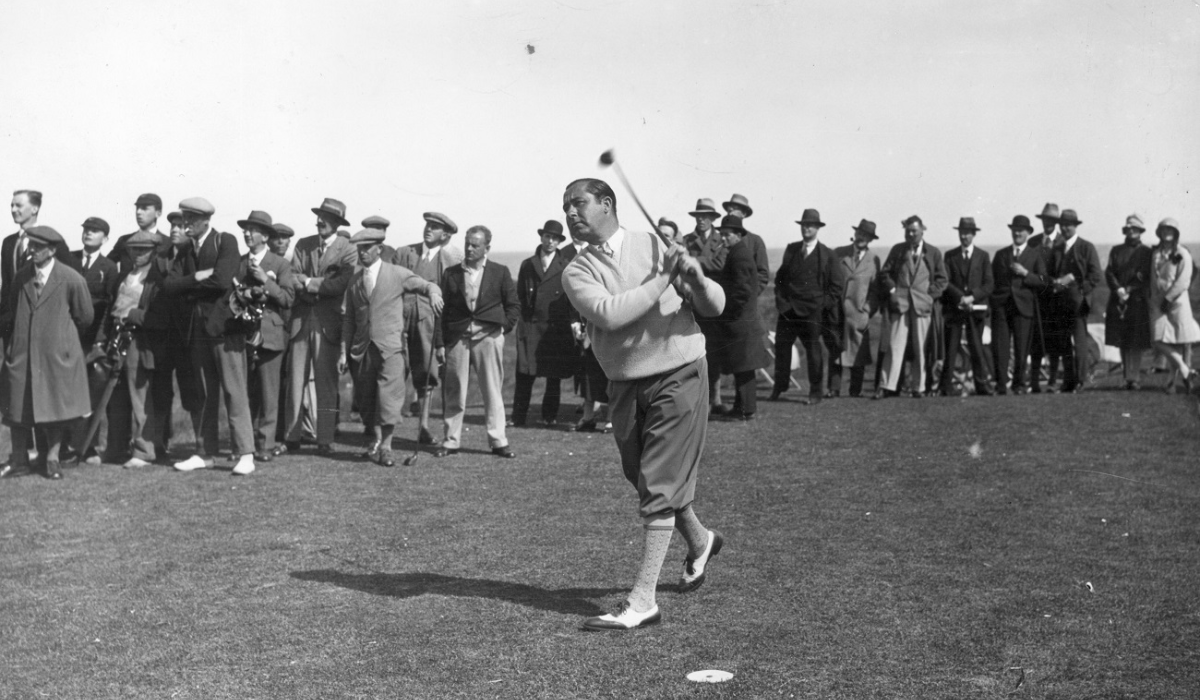
The Ryder Cup began in 1927, and in its earliest years, the courses were a reflection of traditional old-world golf. The first match was held at Worcester Country Club in Massachusetts, a Donald Ross creation known for its elegant yet punishing greens and elevated approaches. Ross’s influence, foundational to early American course design, made this venue ideal for testing precision — a hallmark of the early Ryder Cups.
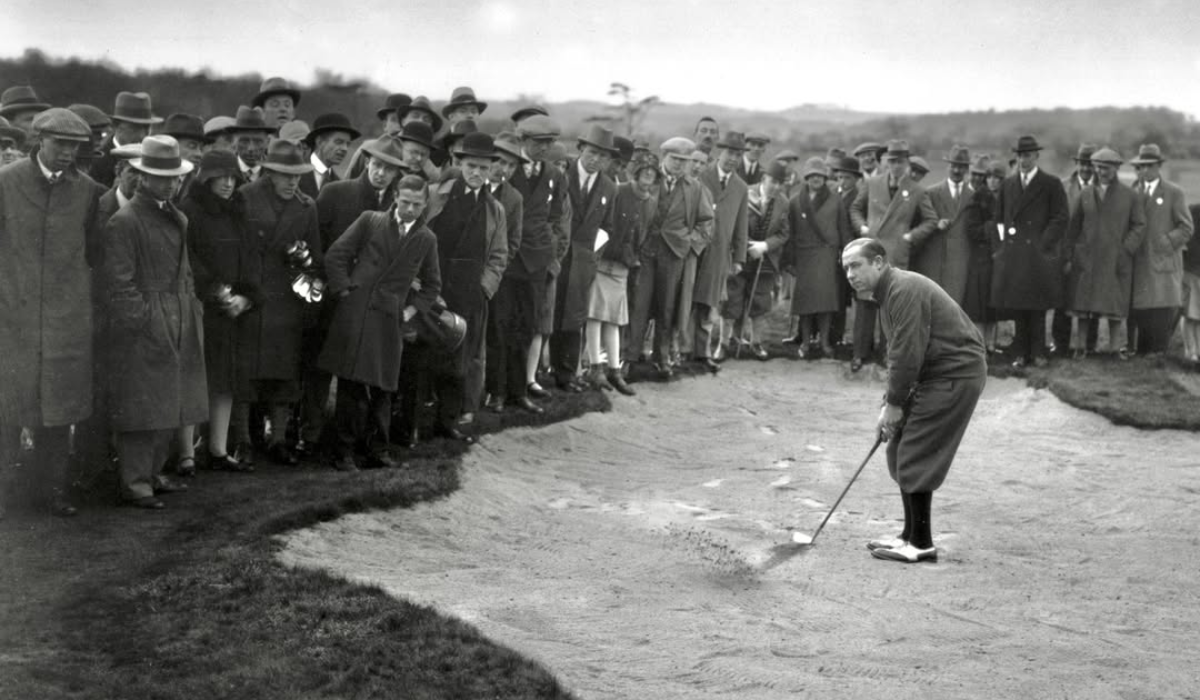
On the British side, the Cup was hosted by classic stalwarts such as Moortown Golf Club (1929) and Southport & Ainsdale (1933 & 1937). Designed by the revered Dr. Alister MacKenzie, Moortown featured naturalistic bunkering and strategic routing that showcased the British interpretation of risk-reward shot-making. Southport & Ainsdale, shaped by James Braid, blended rugged dunes with narrow fairways, forcing disciplined accuracy. These early venues emphasised tradition, craftsmanship, and links-style challenges that defined golf for its first centuries.
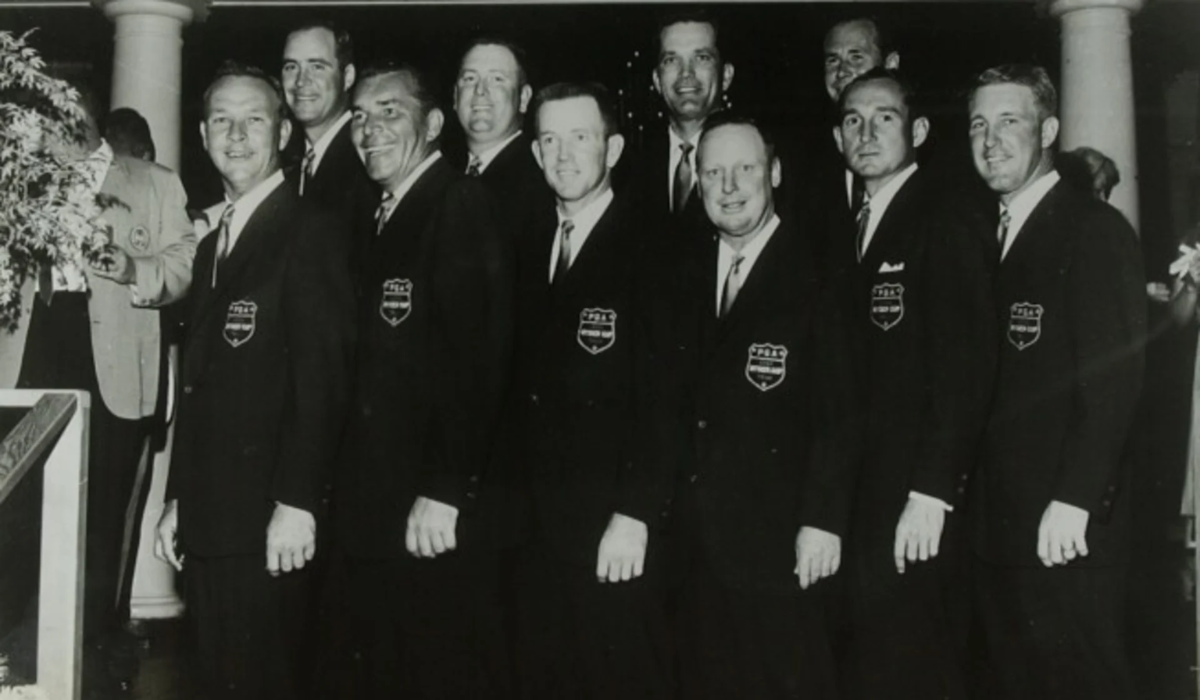
After World War II, the Ryder Cup gained momentum, and its courses began reflecting post-war architectural trends. American hosts showcased layouts built by giants such as Robert Trent Jones Sr., whose philosophy of “heroic golf” influenced venues like East Lake Golf Club (1963). Jones emphasised bold carries, dramatic bunkering, and visually intimidating par-3s — a stark contrast to the understated minimalism of early British designs.
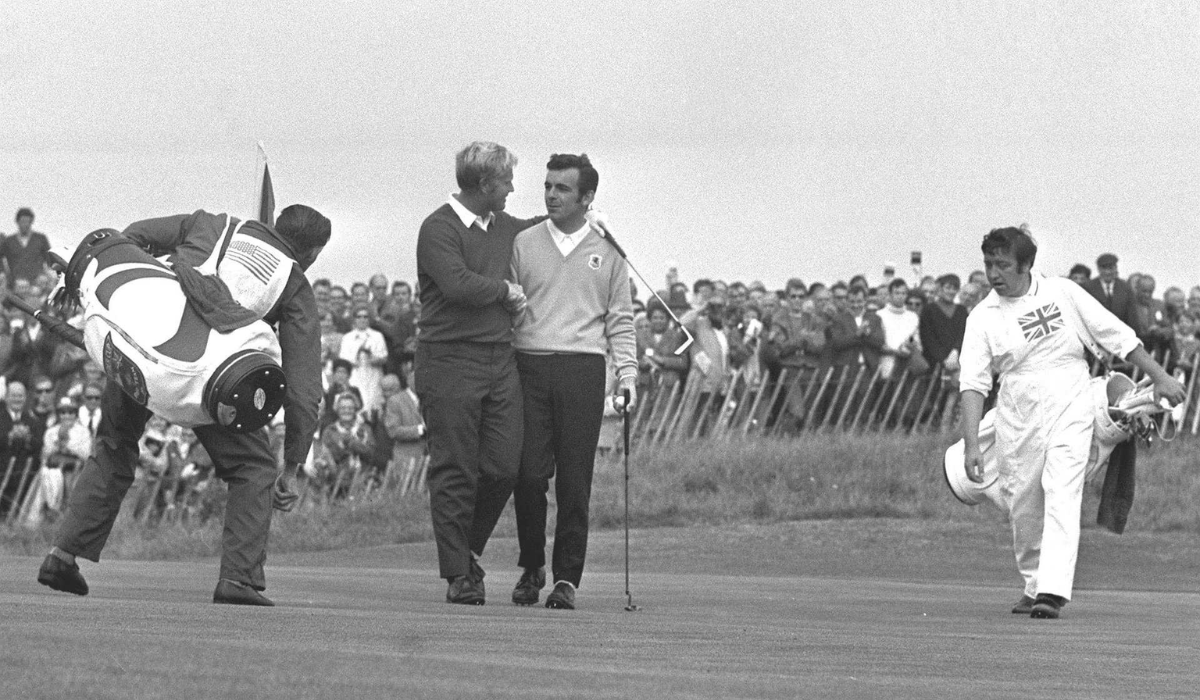
Meanwhile, Royal Birkdale (1965, 1969) emerged as one of the most celebrated Ryder Cup links. With its towering dunes and modernist clubhouse overlooking the action, Birkdale became synonymous with seaside drama. Its hosting years were marked by intense winds, tactical play, and dramatic matches that highlighted how links golf creates unpredictable and unforgettable Ryder Cup moments.
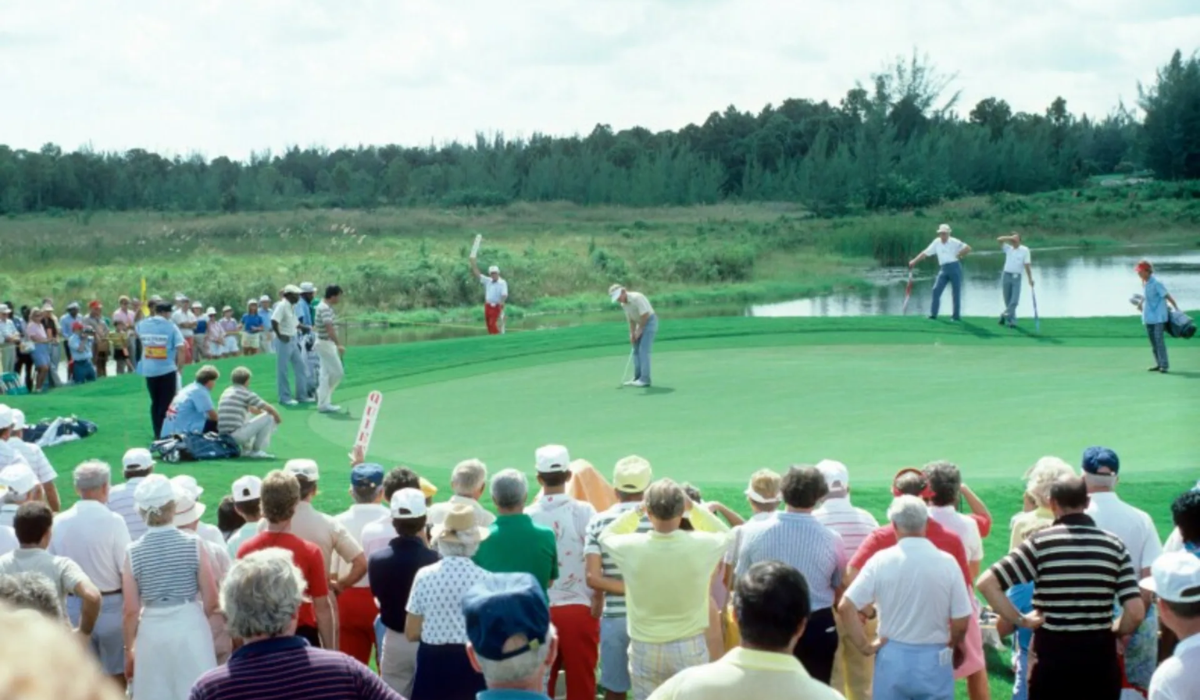
As the United States dominated the competition through the 1970s and early 1980s, the courses mirrored the era’s preference for long, muscular layouts. PGA National (1983), for example, tested players with water-lined fairways and firm, fast greens — attributes of high-pressure championship setups emerging at the time.
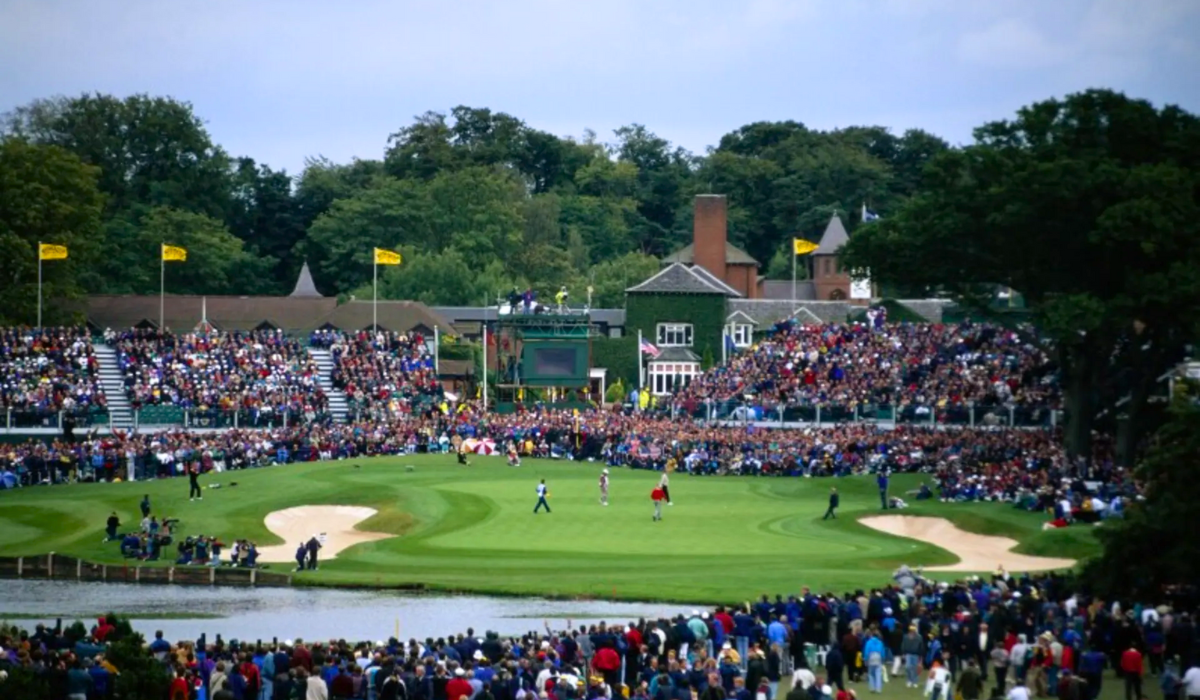
But Europe’s resurgence in 1985 ushered in a new design philosophy: crafting courses that could maximise home advantage. The Belfry in England became the most iconic example, hosting the Ryder Cup four times from 1985 to 2002. Designed by Dave Thomas and Peter Alliss, The Belfry was essentially built for match play, featuring reachable par-5s, driveable par-4s, and risk-reward holes that encouraged aggressive tactics — all of which amplified the drama for crowds and television viewers. The Belfry’s success proved that Ryder Cup venues could be intentionally designed to shape competitive strategy rather than simply showcase beautiful golf.
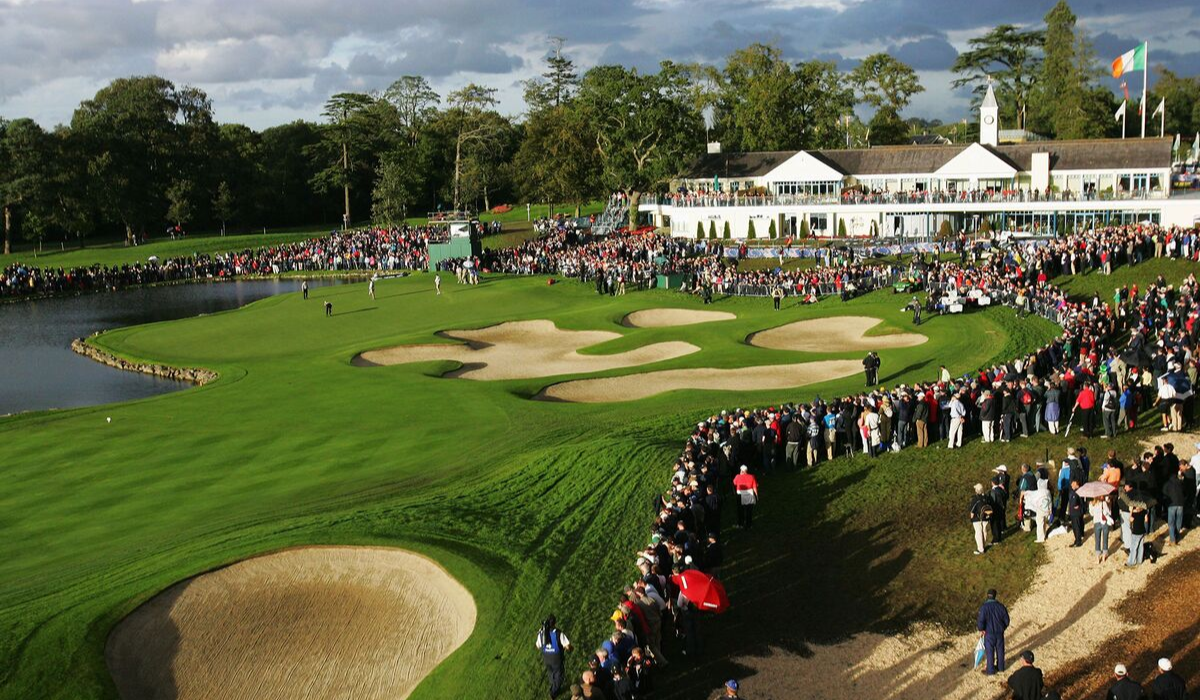
In the 21st century, European captains and organisers became increasingly strategic in selecting and preparing golf courses. The K Club (2006), designed by Arnold Palmer, offered a mix of parkland beauty and strategic complexity but was also subtly tweaked to suit Europe’s accuracy-first approach.
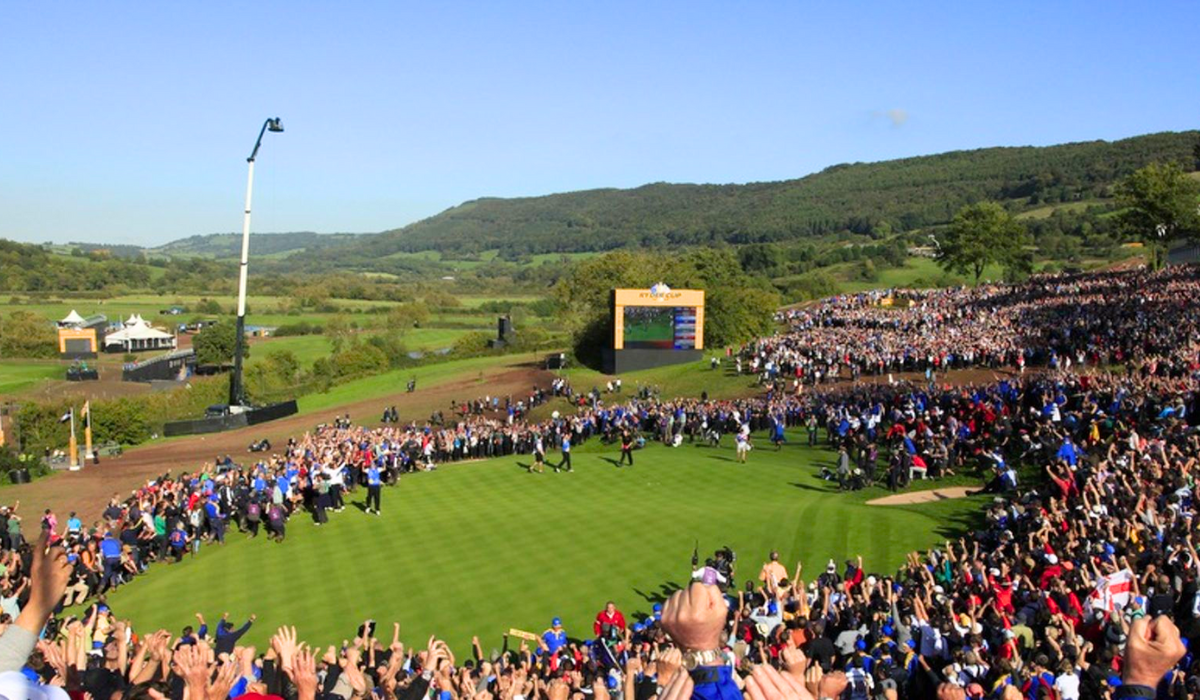
Celtic Manor (2010), a collaboration between Robert Trent Jones Jr. and European Tour consultants, represented a shift toward stadium-style architecture. Mounded spectator areas, wide viewing corridors, and dramatic closing holes were built with tens of thousands of fans in mind — a nod to the Ryder Cup’s transformation into a global entertainment event.
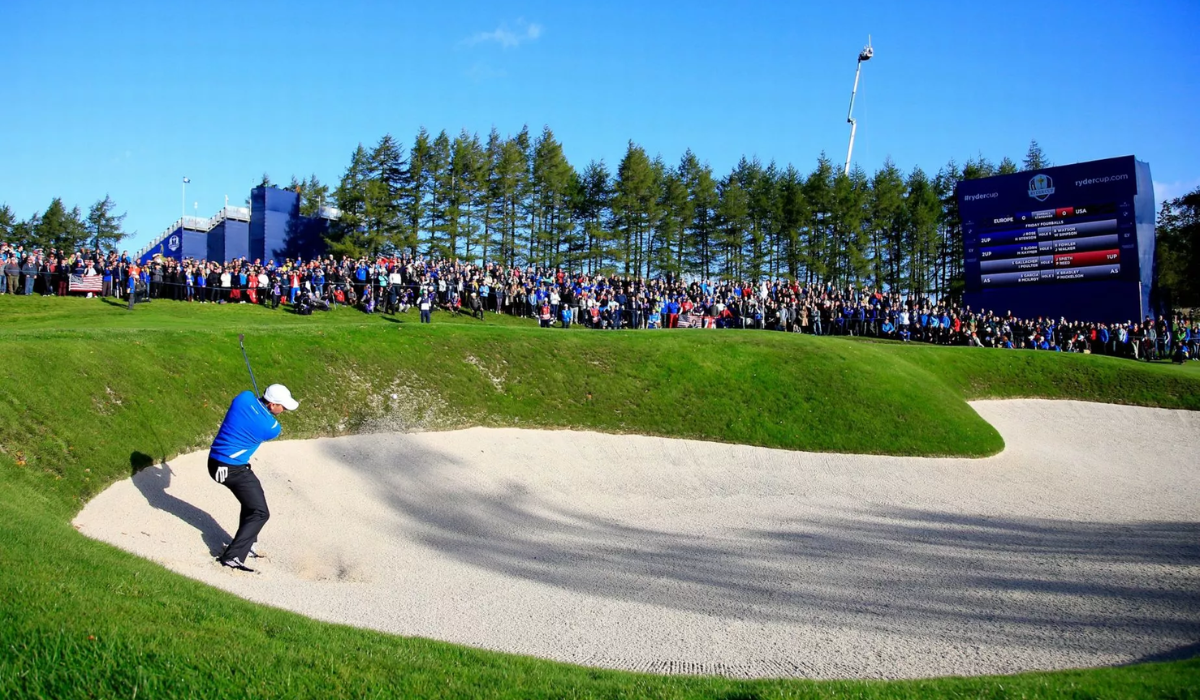
Gleneagles’ PGA Centenary Course (2014), designed by Jack Nicklaus, showcased a different strategy entirely. The fairways were narrowed, and the rough thickened to reward precision and penalise the American bomb-and-gouge style. Europe executed this plan flawlessly, securing a memorable victory.
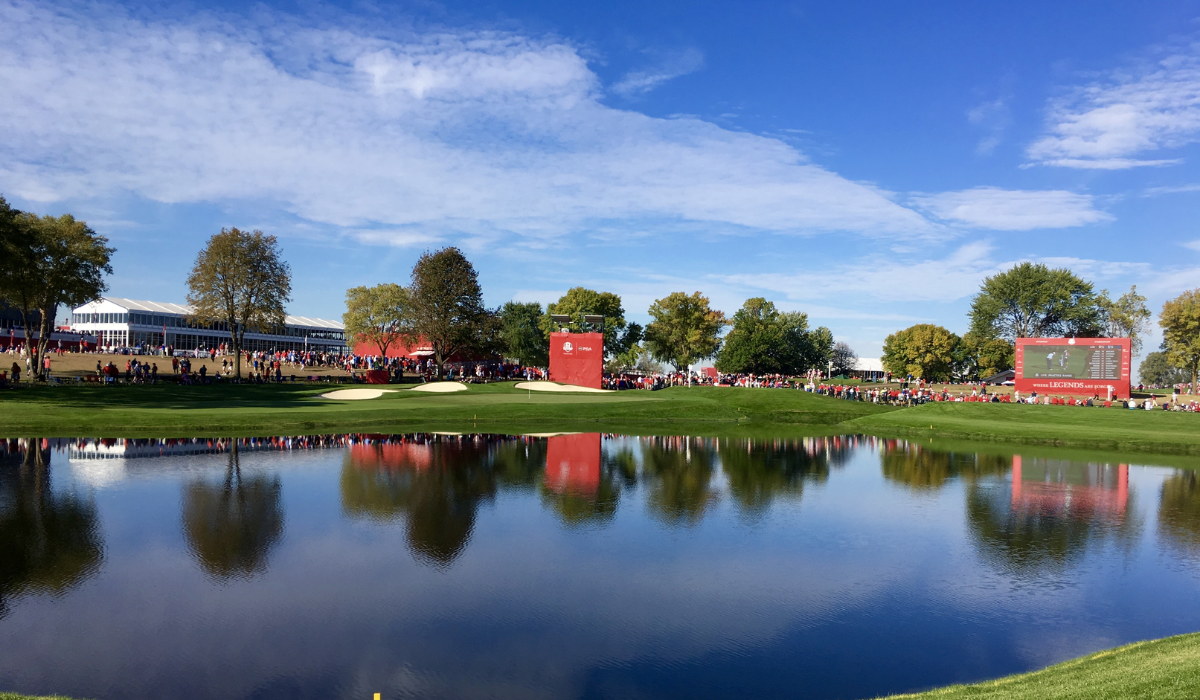
In recent years, the U.S. has hosted the Ryder Cup at courses that reflect the modern American design renaissance: naturalistic shaping, expansive fairways, and dramatic green complexes inspired by early 20th-century classics.
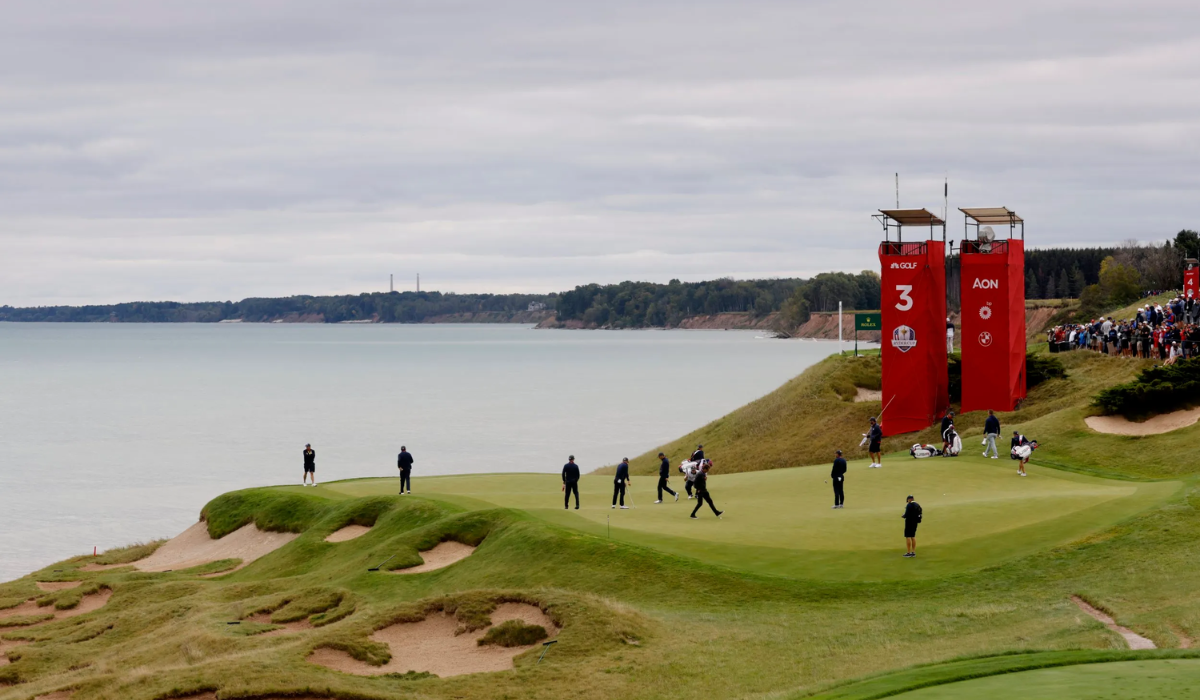
Hazeltine National (2016), revamped by Rees Jones, encouraged birdies and bold play — perfect for match-play momentum swings. Meanwhile, Whistling Straits (2021), a Pete Dye masterpiece built on the shore of Lake Michigan, provided one of the most visually striking venues in Ryder Cup history. With windswept bluffs, cavernous bunkers, and rugged fescue, it evoked the feel of a Scottish links even though it was entirely man-made. The Americans thrived on Dye’s strategic chaos, earning a record-breaking victory.
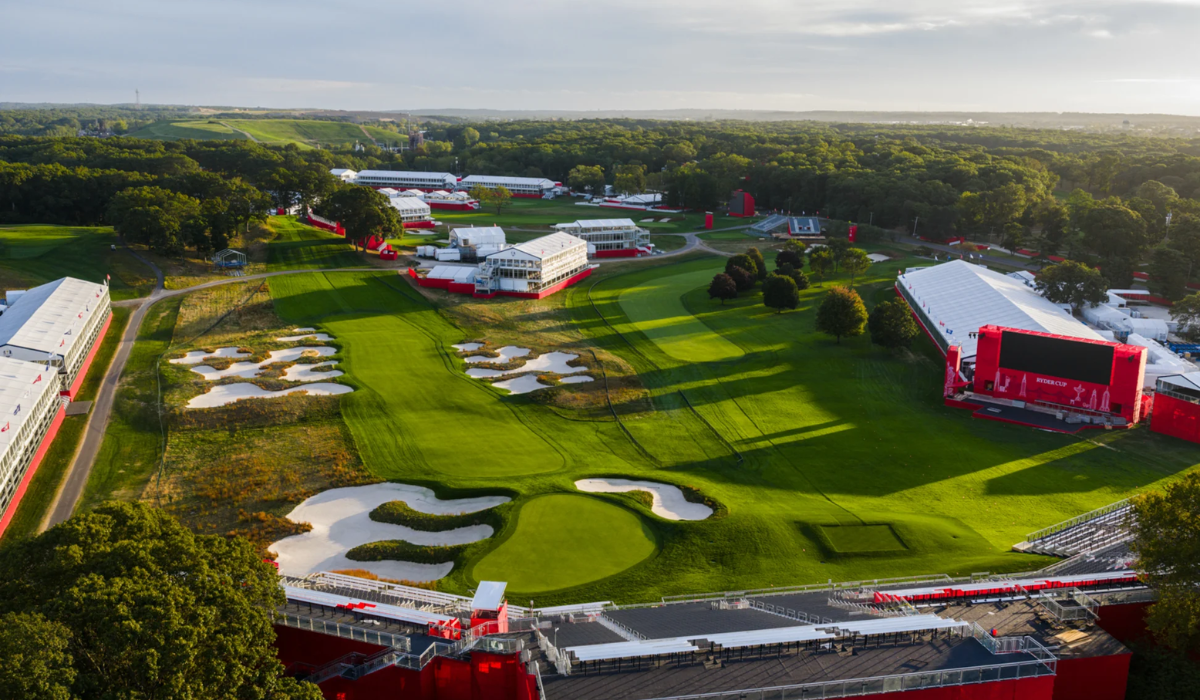
Upcoming Ryder Cup venues reflect where golf architecture is headed. Future sites like Bethpage Black (2025) and the Marco Simone Golf & Country Club in Italy (2023 host) have emphasised sustainability, ecological restoration, and spectator-friendly design. Routing flexibility — allowing tournaments to rearrange hole order to maximise drama — is becoming increasingly common.
These courses aren’t just built for golf; they’re designed for storylines, television, massive crowds, and national strategy. The modern Ryder Cup venue is a carefully tuned stage where architecture meets atmosphere and where every contour, bunker, and green complex contributes to the drama.
Course Reviews
Ireland’s Ring of Kerry: A Legendary Golf Journey
In the southwestern corner of Ireland, where the land meets the roaring Atlantic and legends linger in the mist, the Ring of Kerry unfolds as one of the world’s most awe-inspiring drives. But for golfers, this isn’t just a scenic route — it’s a pilgrimage. Here, fairways snake through ancient dunes, greens hover beside loughs […]

Course Reviews
The Best Golf Courses in Northern Ireland: Where Legends Play
Northern Ireland, a land of rugged coastlines, rolling green hills, and ancient castles, offers more than just breathtaking landscapes and storied history — it’s a golfer’s paradise. This relatively small corner of the British Isles is home to some of the most celebrated golf courses in the world, many of which have hosted global tournaments […]