



Clubs
Matt Fitzpatrick’s Precision Triumph: Winning WITB at the 2026 Valspar Championship
Explore 33,000+ golf courses in 180 countries.
Follow the latest news and trends in golf.
Connect with like-minded golfers.
Find everything you need for your golf equipment and gear needs.
Travel, golf resorts, lifestyle, gear, tour highlights and technology.
All Square
Suggestions
Clubs
Matt Fitzpatrick’s Precision Triumph: Winning WITB at the 2026 Valspar Championship
Majors
Masters 2026: Augusta National Course Preview & FAQ
Clubs
J.J. Spaun’s Winning WITB: 2026 Valero Texas Open
Clubs
The New Phantom: Scotty Cameron Reinvents Its Mallet Legacy
Course Reviews
Bernardus Golf: Europe’s Modern Masterpiece
Course Reviews
Vietnam’s Hoiana Shores and Da Nang’s Best Golf Courses
Clubs
Gary Woodland’s Winning WITB at the 2026 Texas Children’s Houston Open
Course Reviews
Streamsong’s Newest Masterpiece: Why Bone Valley Might Be Its Boldest Statement Yet
Clubs
Cameron Young’s Winning WITB at the 2026 Players Championship
Clubs
Akshay Bhatia’s Winning WITB at the 2026 Arnold Palmer Invitational
Course Reviews
Argentario Golf & Wellness Resort: Tuscany’s Championship Gem
Clubs
Nico Echavarria’s Win: Inside the WITB at the 2026 Cognizant Classic
Clubs
TaylorMade Introduces Qi Max and Qi Max HL Irons: A New Era for Game-Improvement Performance
Destinations
Monte Rei Enters a New Era: Deep Renovation to Preserve a Legendary Course
Destinations
Golf Trip to Casablanca: Morocco’s Atlantic Golf Escape
Clubs
Jacob Bridgeman Breaks Through at Riviera: WITB Behind His Genesis Invitational Victory
Course Reviews
The Best Golf Courses Near Pinehurst That Aren’t Pinehurst No. 2
Course Reviews
The Els Club Vilamoura: Golfing Grandeur in the Algarve
Destinations
A Golf Trip to Mauritius: Sun, Sea, and Championship Swings
LPGA
LPGA Season 2026 Calendar: A Global Showcase of Women’s Golf
Clubs
WITB: The Clubs Justin Rose Trusted at 2026 Farmers Insurance Open
Destinations
24 Hours at a Luxury Golf Resort: A Day in Paradise
Destinations
From Tee to Table: Chef-Led Cooking Classes at Golf Resorts

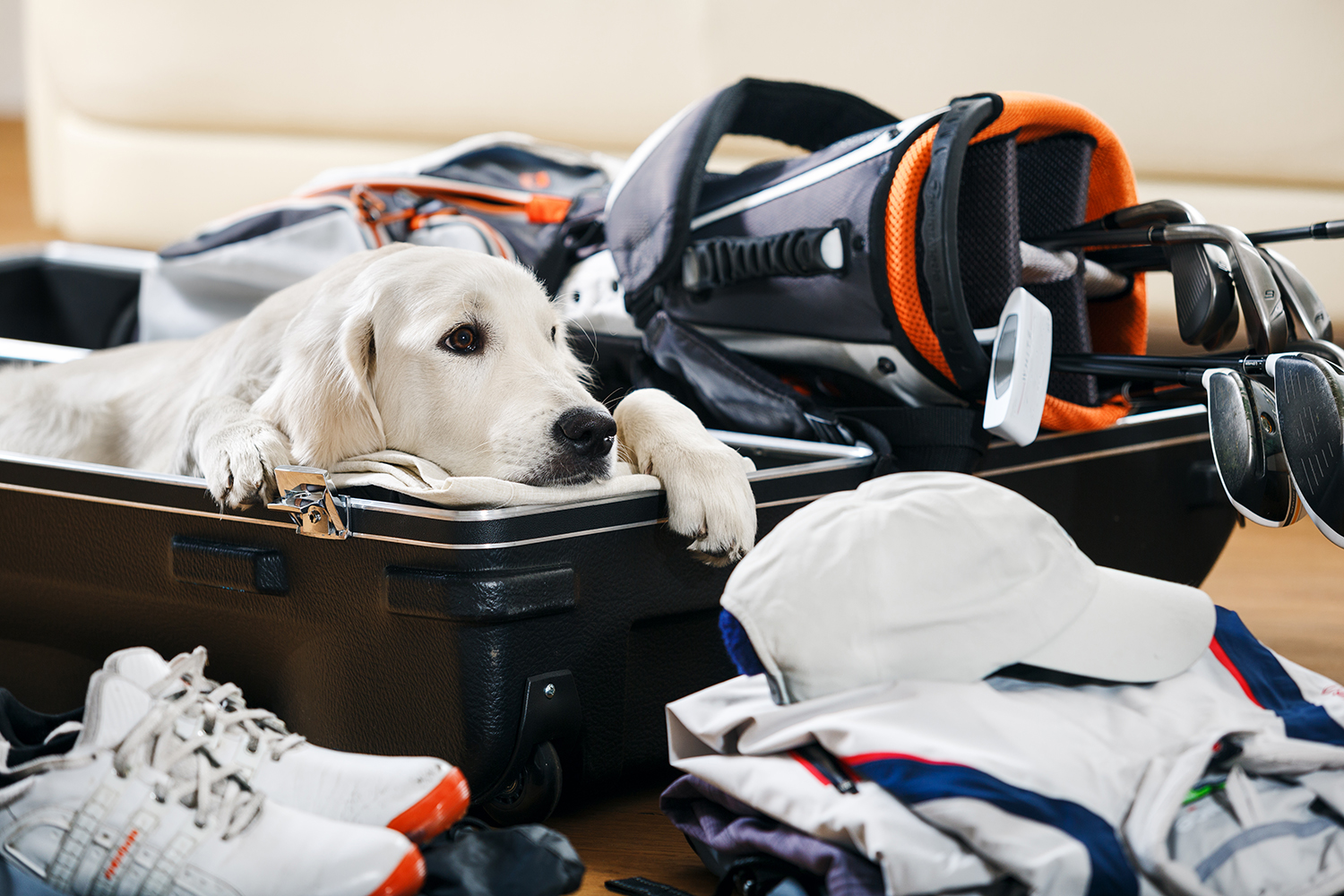
A golf holiday is one of the most rewarding trips you can take — sun-drenched fairways, new courses, and the simple pleasure of combining travel with your favourite sport. But unlike a typical getaway, a golf trip requires a bit more strategy when it comes to packing. Airlines have specific rules for sports equipment, weather can change quickly on unfamiliar courses, and the right gear can save you strokes and stress. Packing smart isn’t just about saving space; it’s about ensuring that nothing interrupts your time on the fairways.
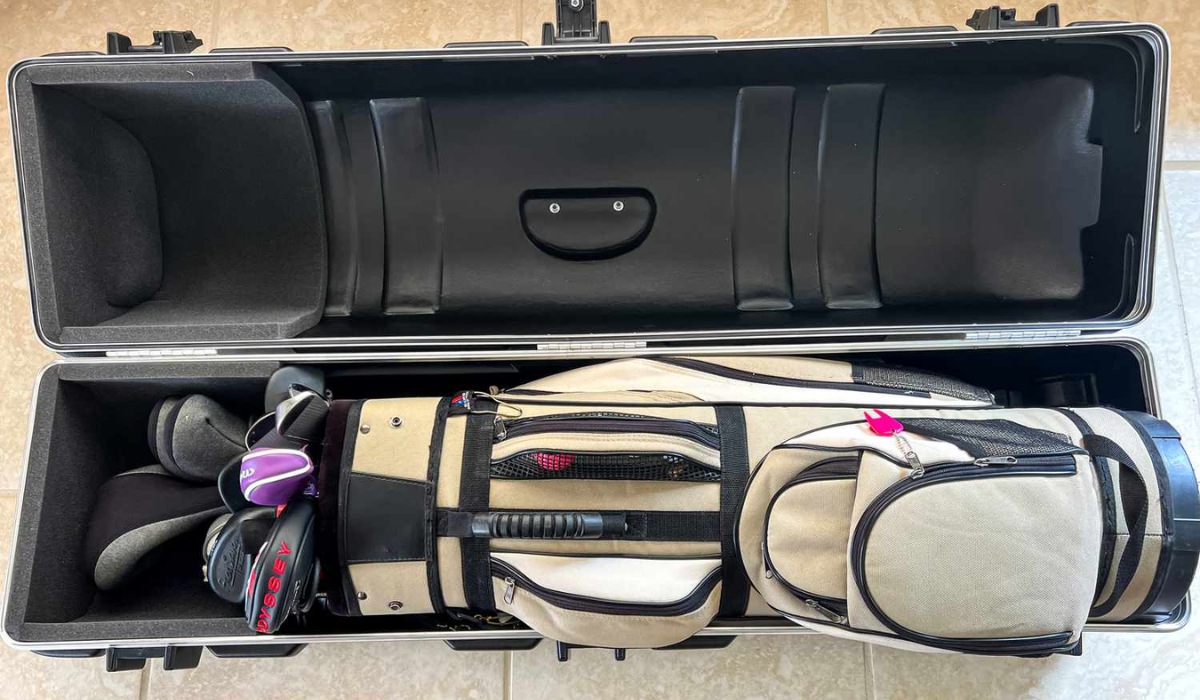
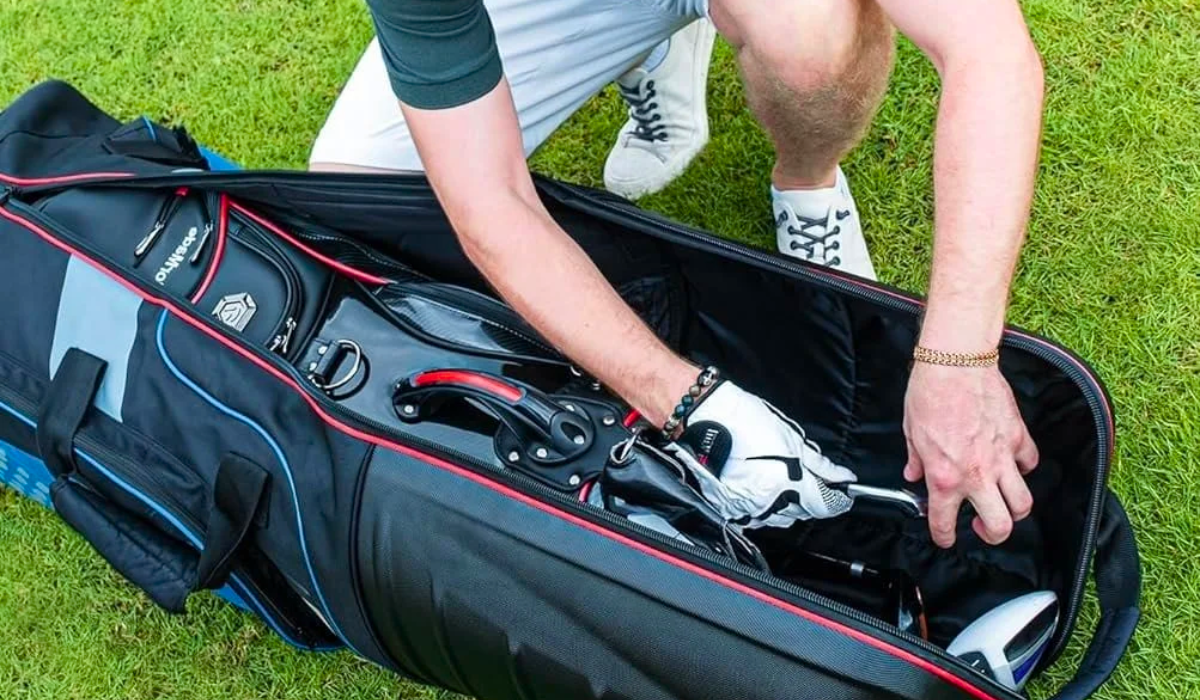
Your travel bag is your first line of defence. A soft-shell bag may work for short, direct flights or car travel, but if you’re flying — especially with connections — a hard-shell case or a padded soft case with internal stabilisers is essential. Studies from luggage insurers consistently show that golf bags are among the most mishandled items in airports, so internal protection for your clubs is worth the investment. Using a “club protector” — a telescopic support stick that absorbs impact — dramatically reduces the risk of bent shafts.
Most golfers don’t need to bring a full 14-club set on holiday. Course architects often design resort courses with more generous fairways and fewer punishing hazards, meaning one or two situational clubs can comfortably stay at home. Many pros recommend travelling with a core set — driver, fairway wood or hybrid, 5–PW, a wedge or two, and a putter. The lighter the bag, the easier the journey. It also keeps you safely under airline weight limits, which often range from 20 to 23 kg for sports equipment.
If you’re playing multiple courses, research them beforehand. Links-style courses may require a different wedge setup from target-style desert layouts. A bit of planning means you can pack efficiently without compromising performance.
The weather is the variable that catches travellers off guard. Even warm destinations like the Algarve or Dubai can see early-morning chill and late-afternoon winds. Lightweight layers travel well and keep you prepared for sudden changes. Technical fabrics are your best friend: moisture-wicking shirts dry quickly, pack small, and stay odour-resistant longer — ideal for multi-round days.
Remember that some clubs enforce strict dress codes. Traditional courses in Scotland, Ireland, France, and Japan may require long trousers, collared shirts, and prohibit cargo shorts. Researching each club avoids awkward last-minute shopping or being refused entry to the tee.
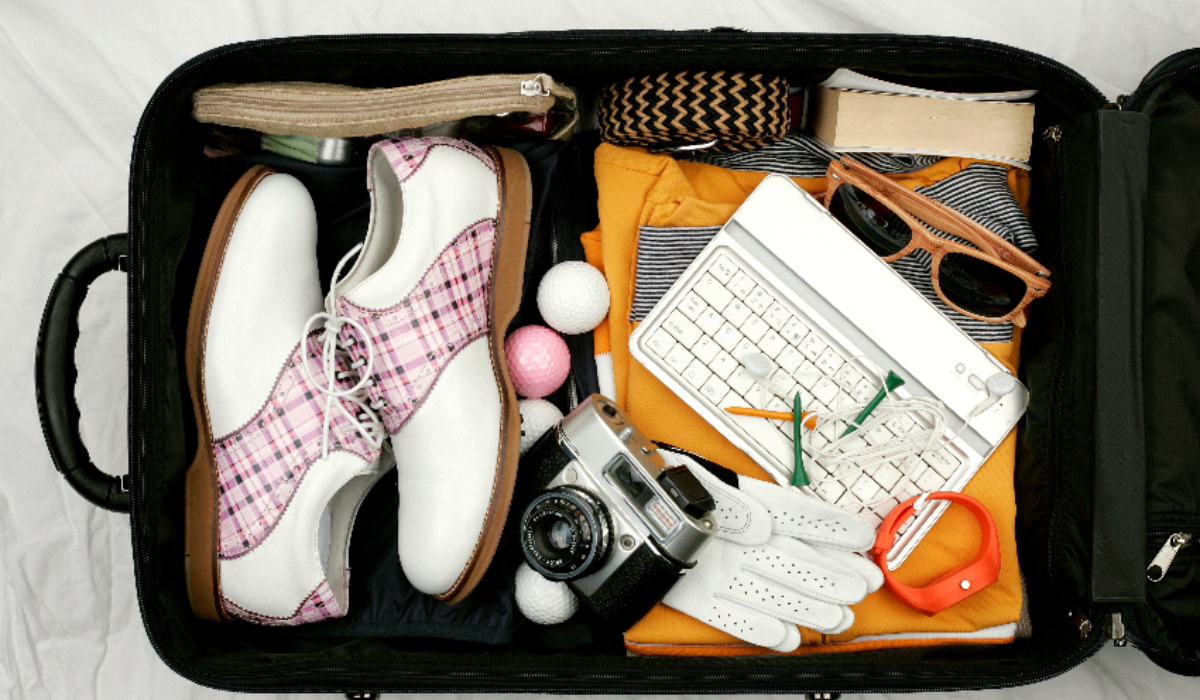
Golf shoes are non-negotiable, but bringing two pairs is smarter than it sounds. Alternating pairs allows the foam to decompress fully between rounds, and you’ll avoid the misery of playing in damp shoes after a rainy day. Spikeless shoes are increasingly popular for travel since they’re more comfortable for walking in airports or on non-golf days.
Small accessories often make the biggest difference. A compact first-aid kit with blister plasters, sunscreen suited to the region’s UV index, and a refillable water bottle keeps you comfortable and safe. If you’re travelling somewhere humid, like Southeast Asia or Mauritius, anti-chafe products and extra gloves are worth the space — sweaty hands can ruin a grip faster than you’d expect.
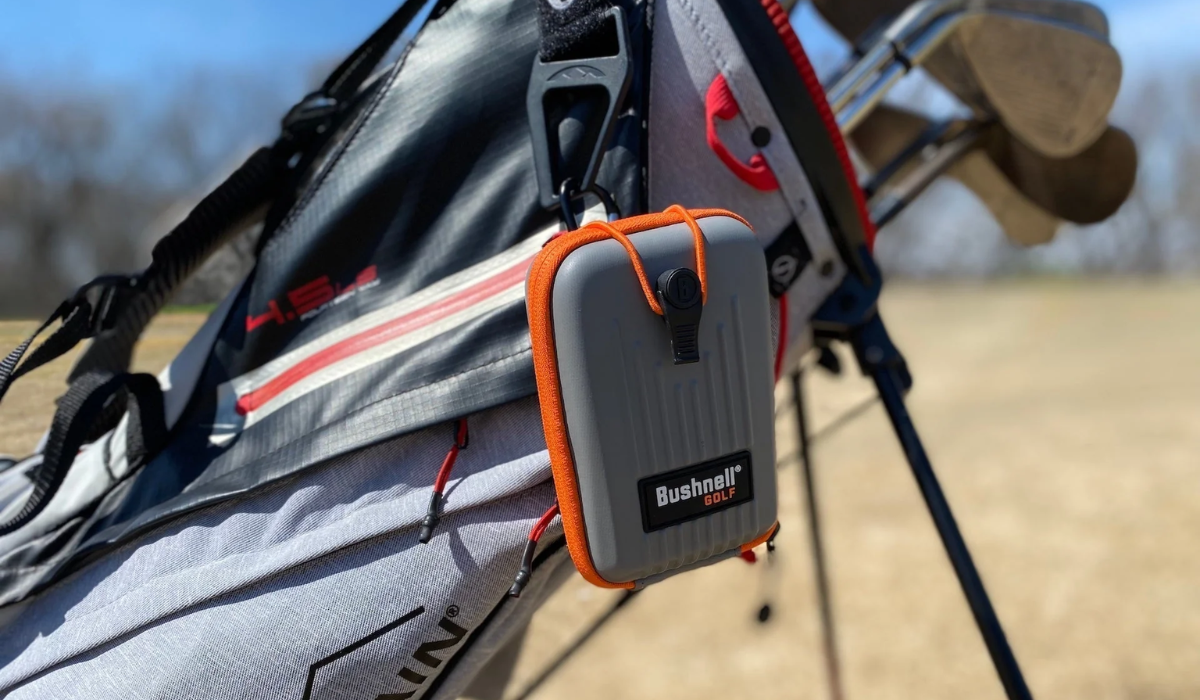
Rangefinders are permitted at many destinations, but some golf clubs or tournaments ban slope features. Check local rules so you know whether to bring your device or disable slope mode. A portable power bank is invaluable; many modern GPS watches drain quickly when used for consecutive rounds. If you’re travelling abroad, remember plug adapters — especially for destinations like the UK, UAE, or South Africa, where sockets differ from most of Europe.
If you’re bringing a launch monitor, consider a compact model like the Rapsodo or Garmin R10. Larger units often exceed bag size restrictions or require protective cases that significantly increase weight.
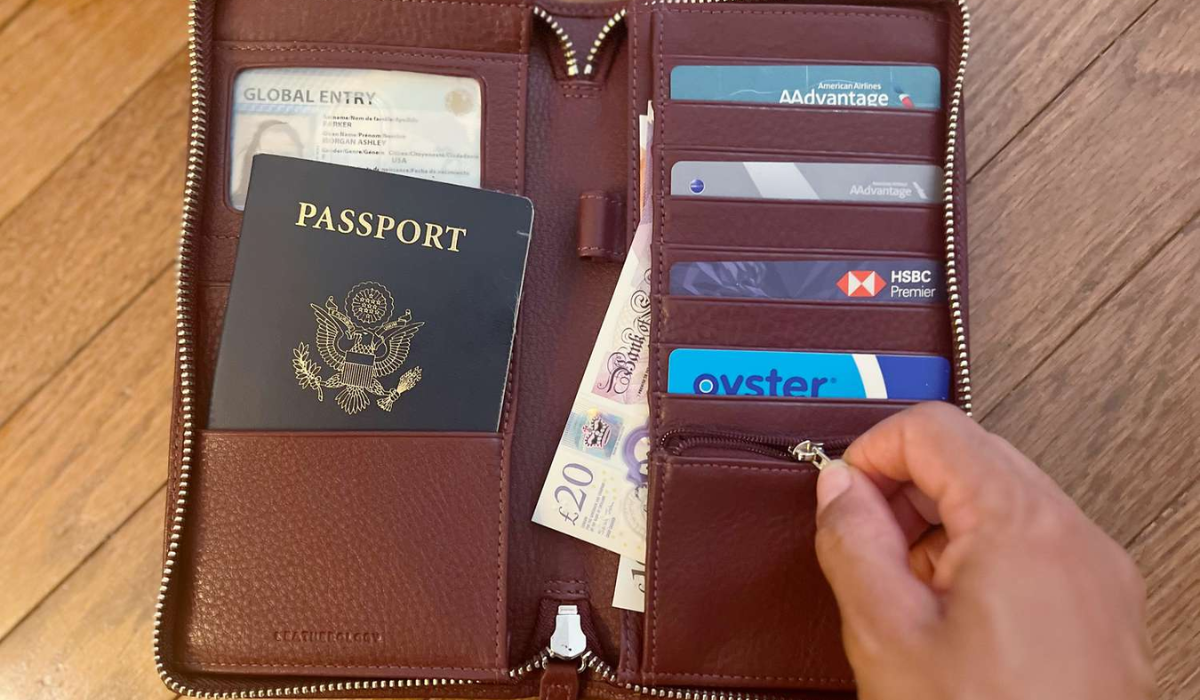
Even the most organised golfer can forget travel essentials in the rush to pack gear. Keep passports, travel documents, tee-time confirmations, insurance details, and any medication in a separate pouch in your carry-on — never in a checked golf bag. Lost bags are inconvenient; lost passports are trip-ending.
If you’re travelling with expensive clubs or a premium driver shaft, consider temporary travel insurance or airline valuation forms. Some airlines only cover a fraction of sports equipment costs unless declared beforehand.
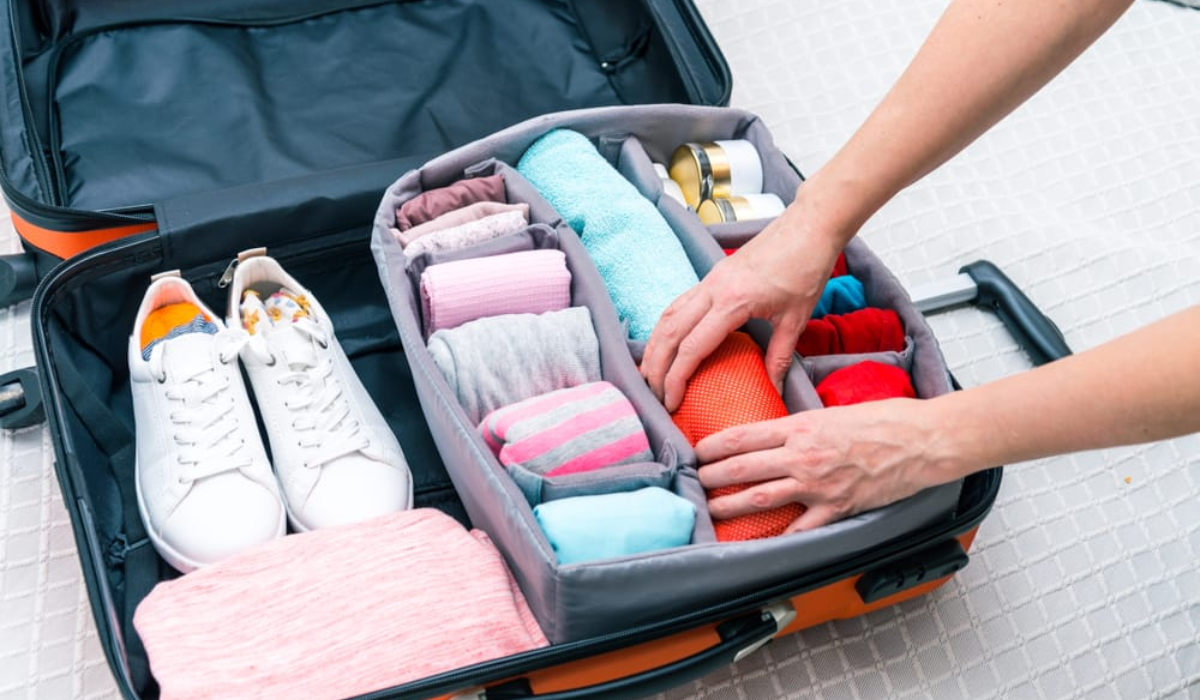
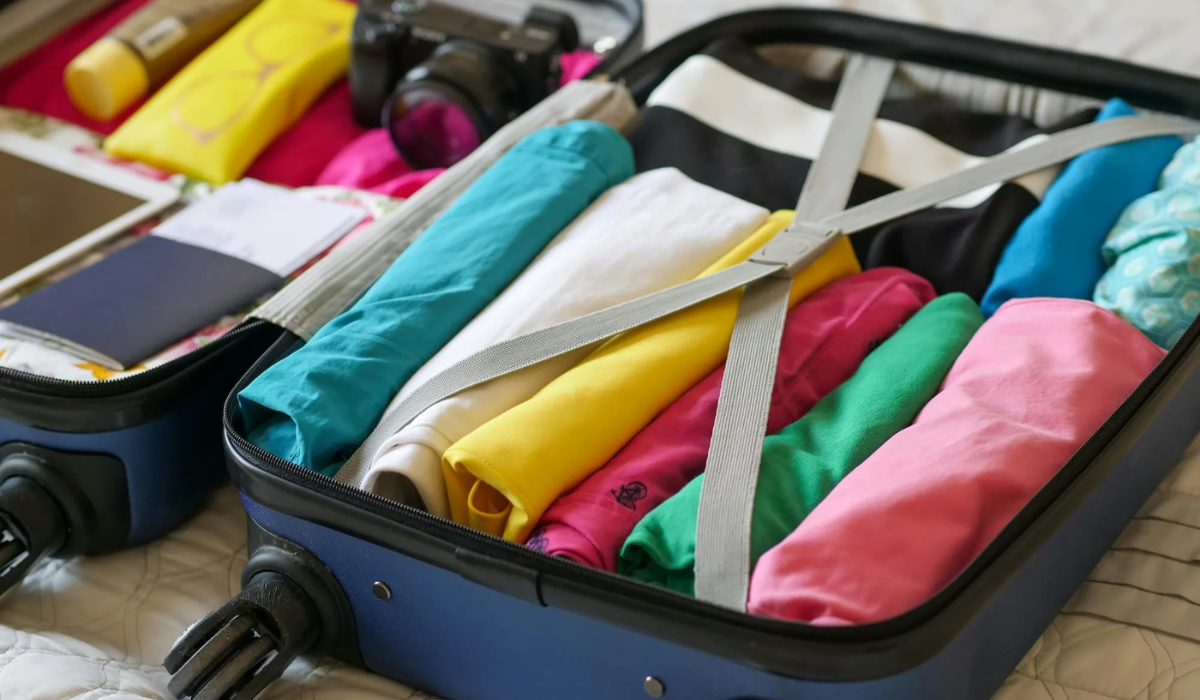
Rolling clothes instead of folding them keeps wrinkles minimal and maximises space. Filling your shoes with socks or gloves is both space-saving and helps them maintain shape. If you’re tight on luggage weight, shift heavier soft items — like towels or rain gear — into your golf bag, where weight limits are more forgiving.
Some golfers swear by packing cubes, which also allow quick unpacking when you’re eager to hit the first tee. Another underrated hack: bring a lightweight laundry bag so you can separate clean and used apparel, keeping your room organised and reducing time spent repacking.
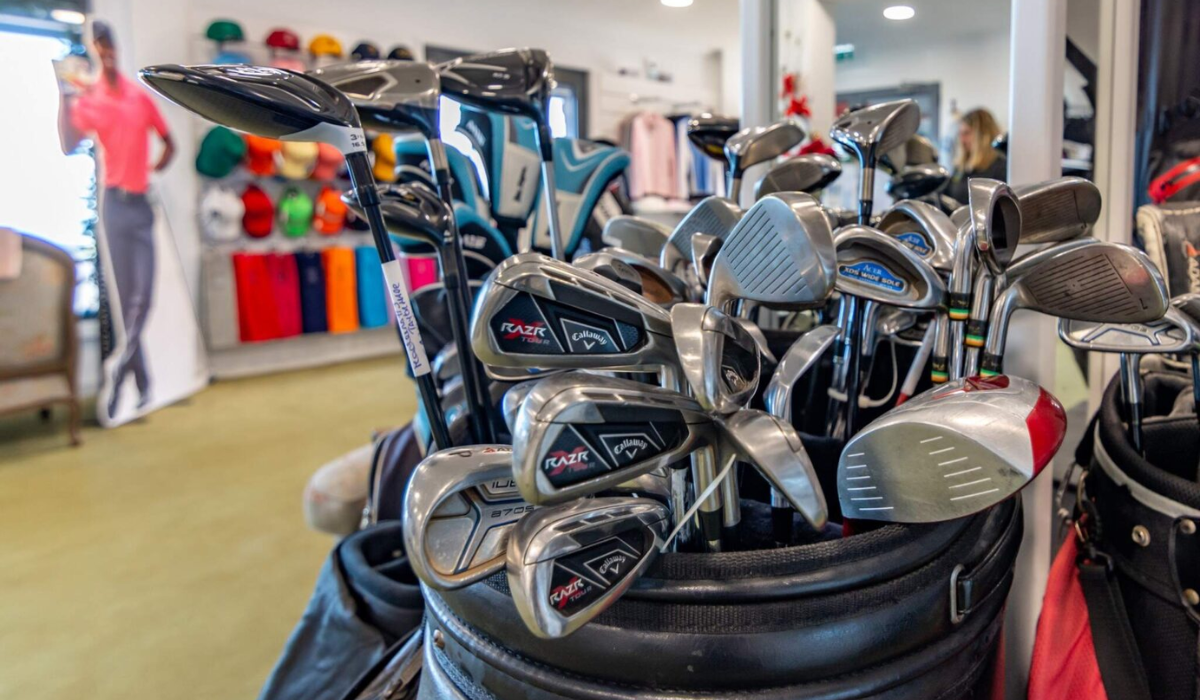
If you’re flying long-haul or expecting multiple flights, renting clubs can be surprisingly stress-free. Many modern rental sets feature new models from Titleist, TaylorMade, or Callaway, especially at high-end resorts. While purists prefer their own setup, using a rental set saves hassle, reduces baggage fees, and frees you up to travel lighter. For short trips or casual golf travellers, it’s an option worth exploring.
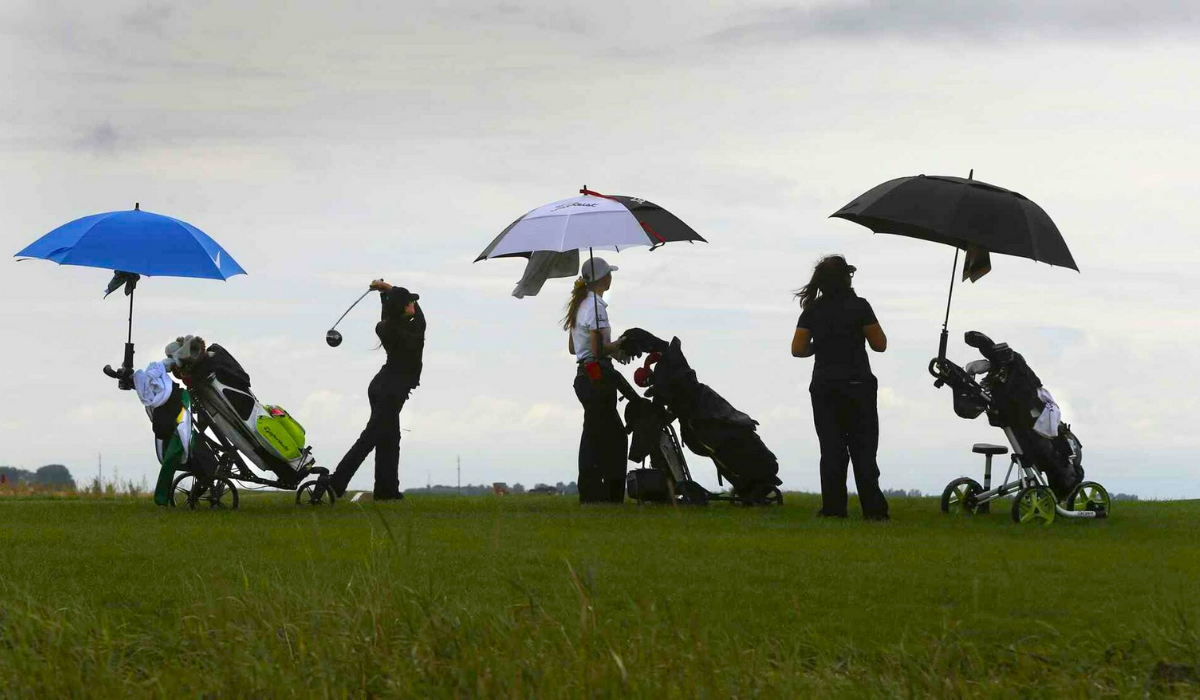
From altitude differences to grainy greens, every destination has its quirks. Courses in the mountains (Colorado, Crans-Montana) may play up to a club longer due to thinner air, so planning your shot strategy in advance is part of packing smart—sometimes it means adjusting your club selection. Tropical destinations prone to heavy showers call for reliable rain gear, hats with UV protection, and extra towels.
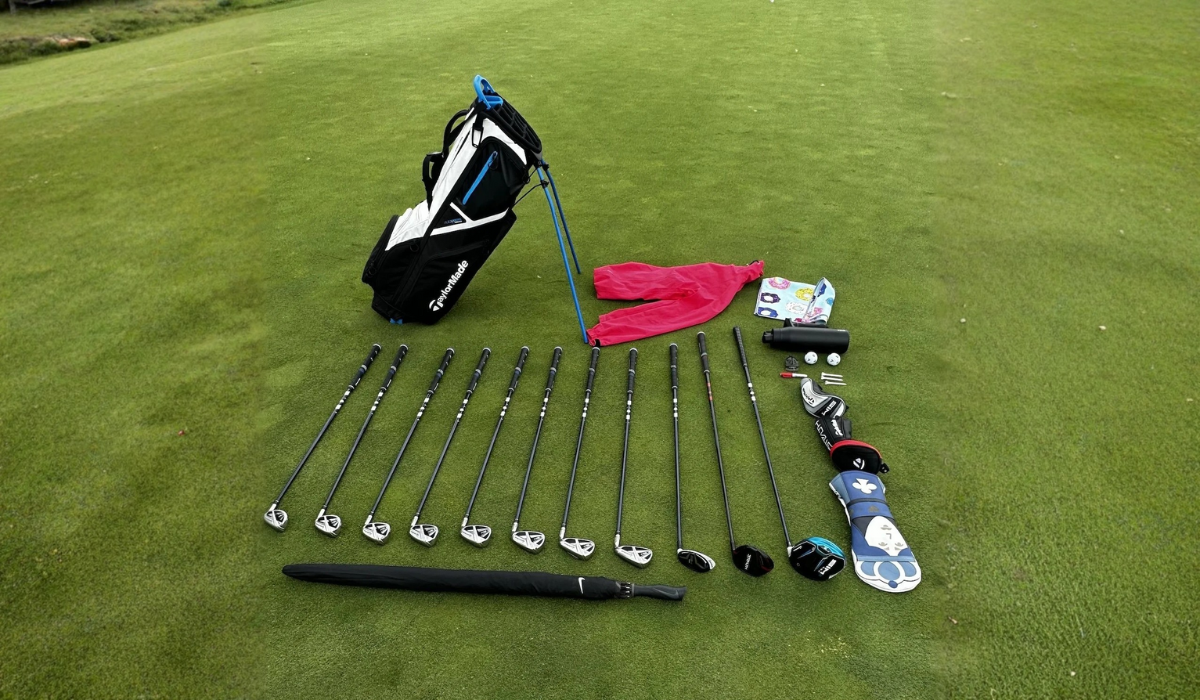
Packing for a golf holiday is part art, part logistics. When done well, it makes the entire trip smoother and more enjoyable. With the right preparation — from choosing the correct bag and clubs to understanding local rules and climate — you can step onto each fairway confident, comfortable, and ready to play your best golf.

Amateur Golf
The Best Golf Drills for Beginners
Golf may look elegant and effortless on TV, but for beginners, the game can feel like a complex puzzle of mechanics, timing, and feel. That’s where drills come in. The best golf drills for beginners are not just about repetition — they’re about building muscle memory, refining technique, and instilling confidence. Whether you’re picking up […]

Travel
Europe’s best residential communities: Sotogrande, Spain
Home to luxurious villas and some of Europe’s most revered golf courses, Sotogrande is one of the most prestigious residential golf communities in Europe – and there are fantastic properties for sale. You can own your very own slice of Adalusian paradise in one of Sotogrande’s gated communities – so let’s take a look at […]