


Destinations
Seaton House: The Home of Golf Finally Has the Hotel It Deserves
Explore 33,000+ golf courses in 180 countries.
Follow the latest news and trends in golf.
Connect with like-minded golfers.
Find everything you need for your golf equipment and gear needs.
Travel, golf resorts, lifestyle, gear, tour highlights and technology.
All Square
Suggestions
Destinations
Seaton House: The Home of Golf Finally Has the Hotel It Deserves
Clubs
Team Fitzpatrick’s Winning WITB from Zurich Classic Victory
Destinations
The View Agadir: Morocco’s Newest Luxury Golf Base Has Arrived
Destinations
Inside Dunluce Lodge: Northern Ireland’s Ultimate Golf Retreat
Clubs
Matt Fitzpatrick Wins 2026 RBC Heritage: Inside His Triumph WITB
Course Reviews
Sustainability in Golf: The World’s Most Environmentally Conscious New Courses
Clubs
Rory McIlroy 2026 Masters WITB: Winning Setup at Augusta
Majors
Masters 2026: Augusta National Course Preview & FAQ
Clubs
J.J. Spaun’s Winning WITB: 2026 Valero Texas Open
Clubs
The New Phantom: Scotty Cameron Reinvents Its Mallet Legacy
Course Reviews
Bernardus Golf: Europe’s Modern Masterpiece
Course Reviews
Vietnam’s Hoiana Shores and Da Nang’s Best Golf Courses
Clubs
Gary Woodland’s Winning WITB at the 2026 Texas Children’s Houston Open
Clubs
Matt Fitzpatrick’s Precision Triumph: Winning WITB at the 2026 Valspar Championship
Course Reviews
Streamsong’s Newest Masterpiece: Why Bone Valley Might Be Its Boldest Statement Yet
Clubs
Cameron Young’s Winning WITB at the 2026 Players Championship
Course Reviews
The Best Golf Courses Near Pinehurst That Aren’t Pinehurst No. 2
Course Reviews
The Els Club Vilamoura: Golfing Grandeur in the Algarve
Destinations
Golf in Rome: Where History Meets Championship Fairways
Destinations
Golf Trip to Agadir: Swinging Under the Moroccan Sun
Clubs
Nico Echavarria’s Win: Inside the WITB at the 2026 Cognizant Classic
Clubs
Akshay Bhatia’s Winning WITB at the 2026 Arnold Palmer Invitational
Clubs
WITB: Anthony Kim’s Long-Awaited Return to Glory in Adelaide


Golf travel has never been only about the fairways — it’s about the landscapes, the traditions, and the stories woven into the destinations themselves. Some of the world’s most rewarding golf trips seamlessly blend exceptional courses with centuries of history, architectural beauty, and vibrant local culture. From medieval seaside villages to Renaissance-era cities, these pairings create an immersive journey where each round becomes part of a broader cultural exploration. Below is a curated route through some of the best places on Earth where golf and heritage coexist naturally.
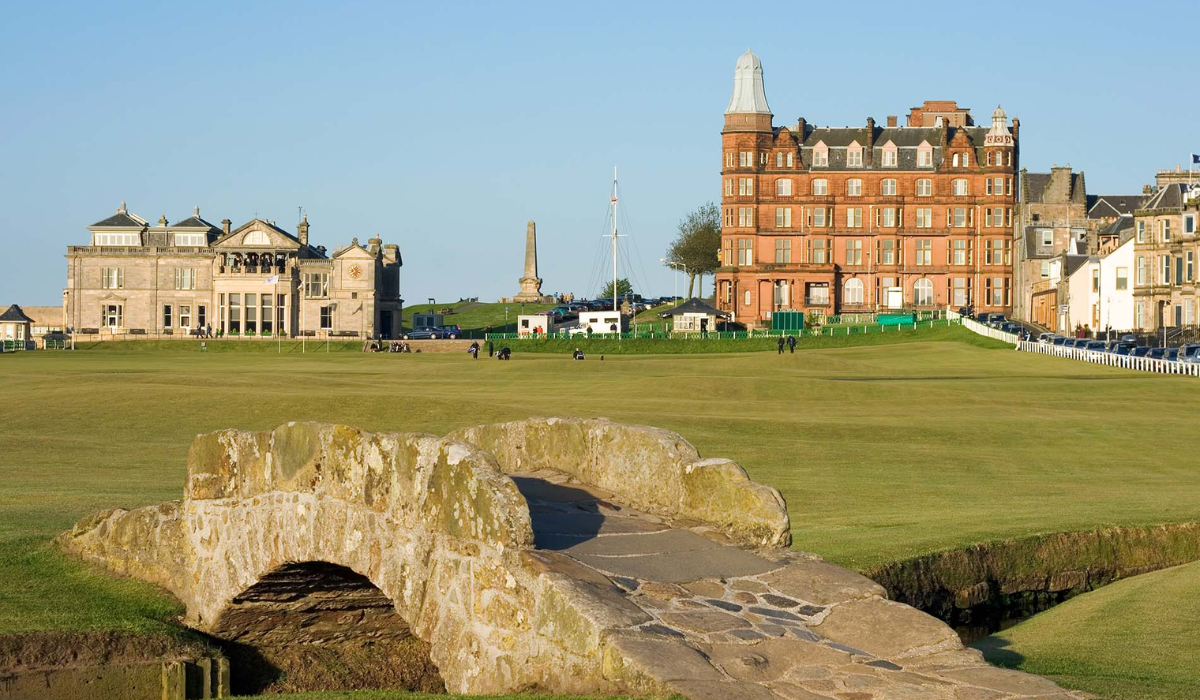
No place combines sporting heritage and cultural depth quite like St Andrews. Known globally as The Home of Golf, the town’s history stretches back more than 600 years, with the first documented golf being played on the Links in the early 1400s.
The Old Course is the most famous golf venue in the world, hosting 30+ Open Championships. Walking across the Swilcan Bridge feels like stepping into golf mythology. Yet St Andrews is far more than its fairways: the ruins of St Andrews Cathedral, once the largest church in Scotland, stand as a powerful symbol of medieval religious influence. The University of St Andrews — founded in 1413 — adds another layer of intellectual charm, with its stone courtyards and narrow lanes filling the town with youthful energy.
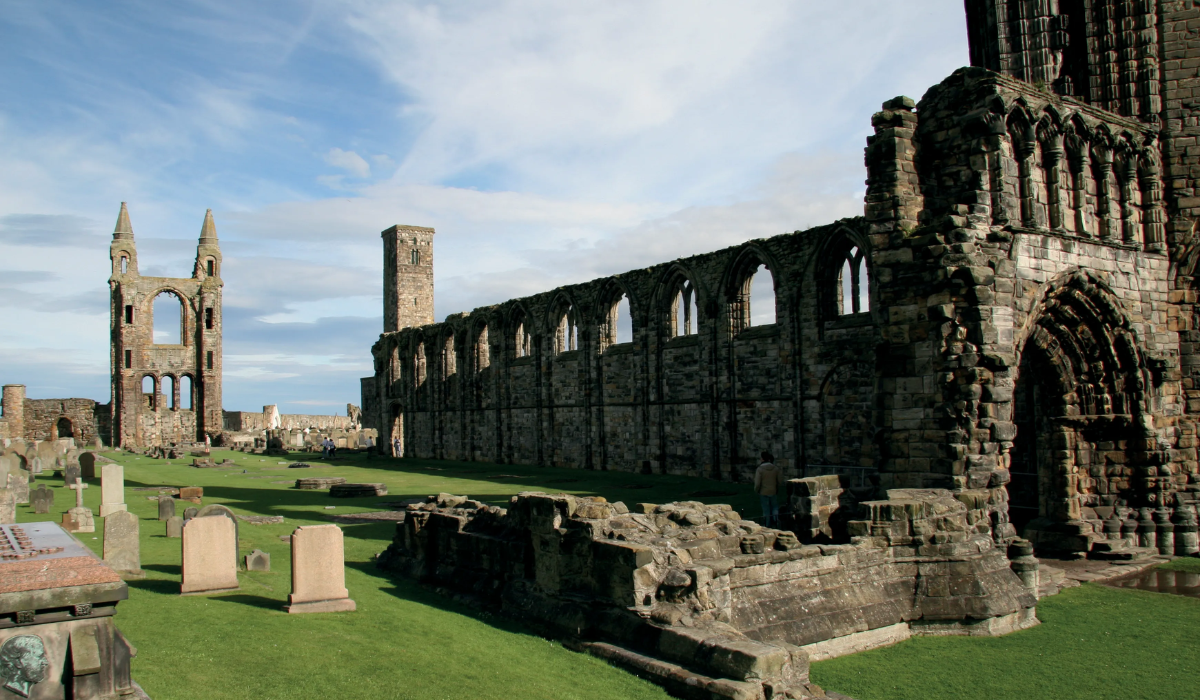
Golfers can spend mornings testing windswept links and afternoons exploring cobbled streets, local whisky bars, and the town’s outstanding museums — including the R&A World Golf Museum, which displays original equipment and fascinating evolutions of the game.
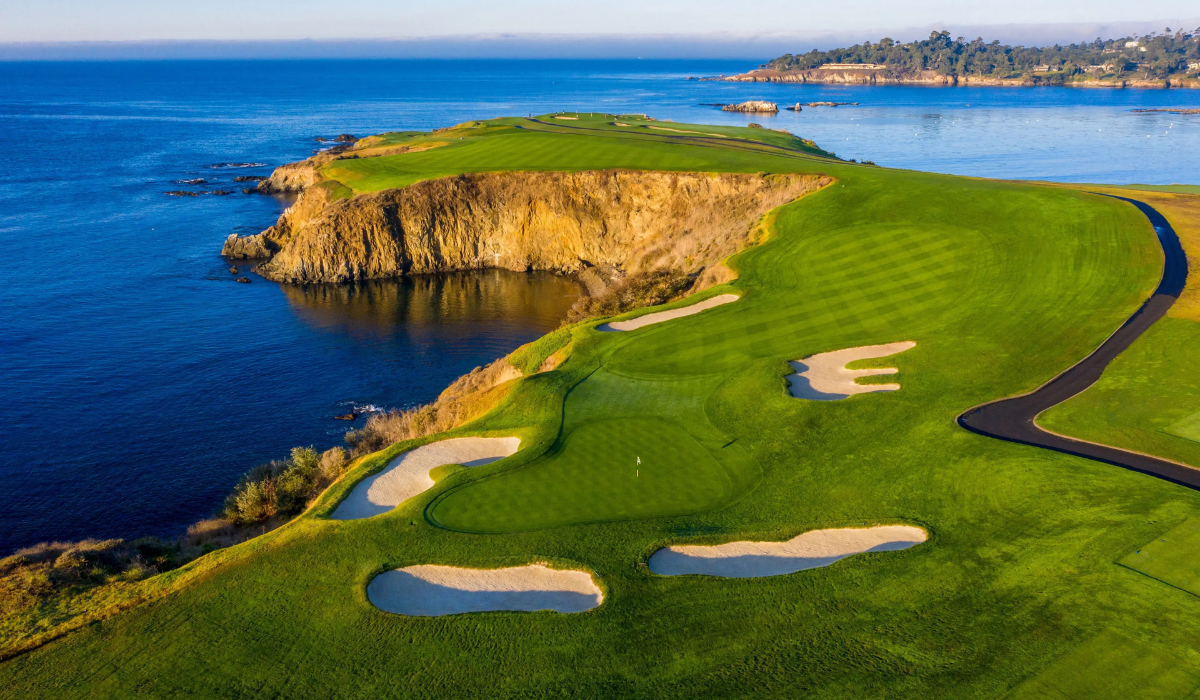
California’s Monterey Peninsula is a masterpiece of natural beauty, cultural richness, and elite golf. Pebble Beach Golf Links is the centrepiece, known for hosting six U.S. Opens and countless PGA TOUR events. Its seaside holes — especially the stretch from 6 to 8 and the cliff-hugging 18th — are widely considered the most dramatic in championship golf. Nearby Spyglass Hill, designed by Robert Trent Jones Sr., offers a blend of dunes, forest, and ocean that ranks among America’s finest.
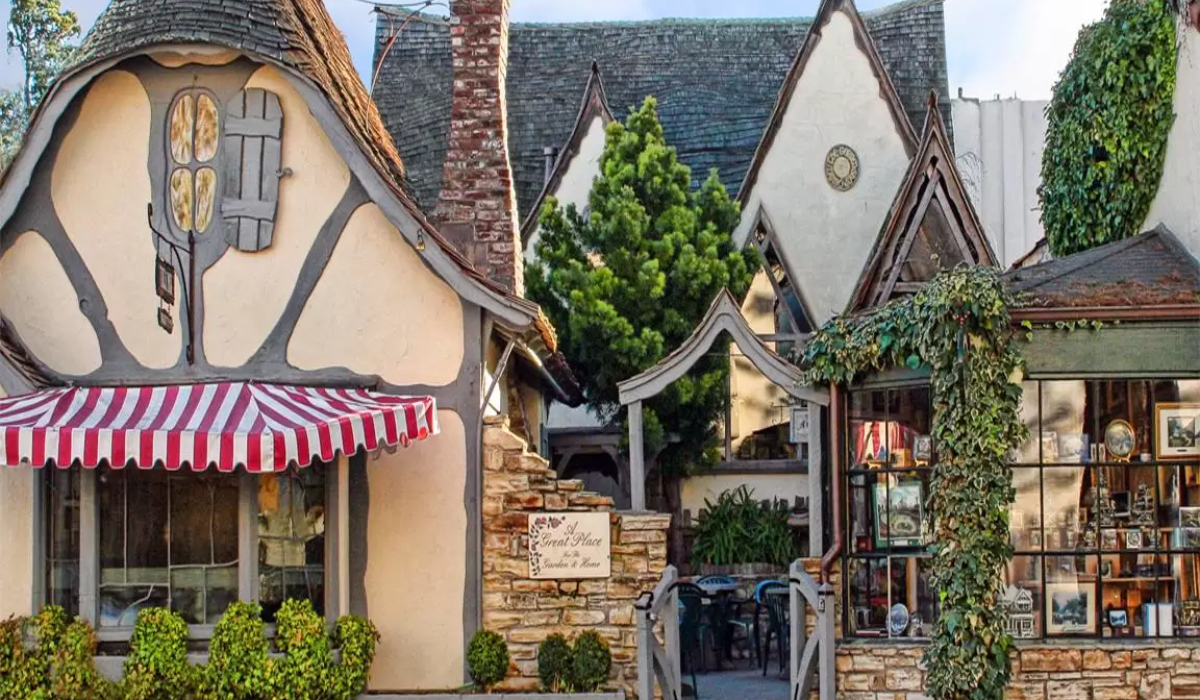
Beyond golf, the region is an artistic haven. Carmel-by-the-Sea developed as an artist colony in the early 20th century; its fairy-tale cottages, art galleries, and literary cafes still attract creators from around the world. Monterey’s Cannery Row, immortalised by John Steinbeck, and its world-famous aquarium showcase the region’s cultural and marine history. The 17-Mile Drive itself feels like a cultural tour, with scenic stops such as The Lone Cypress symbolising the mythic American West.
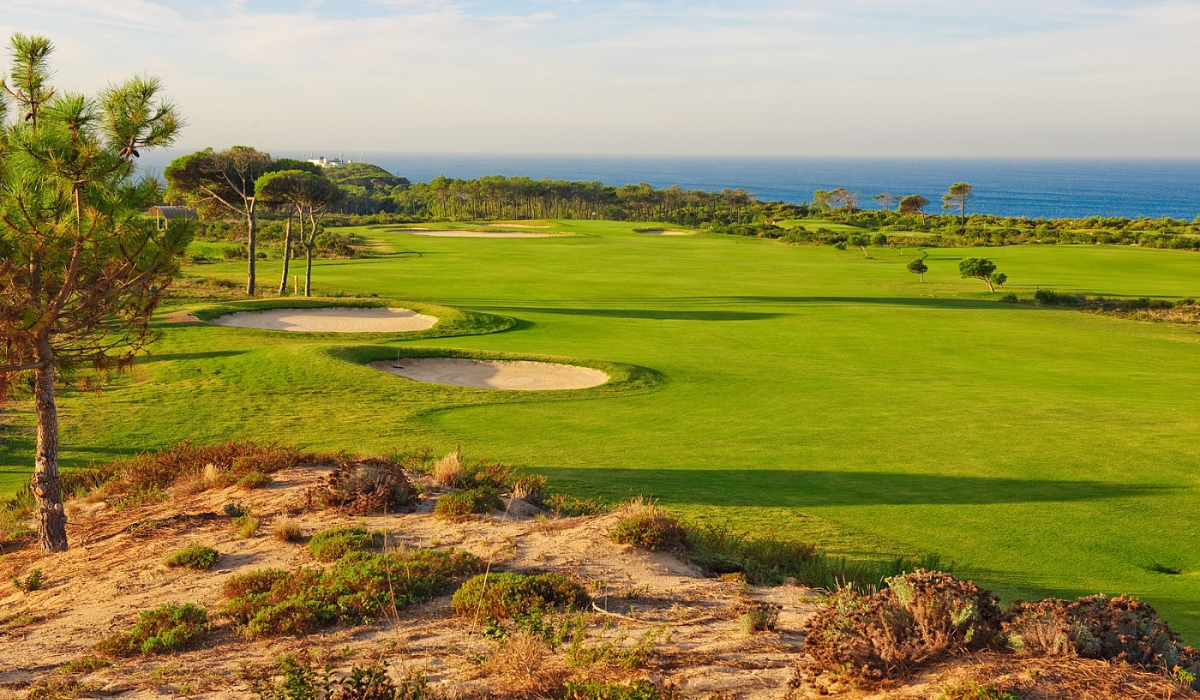
Portugal’s capital blends Moorish foundations, 18th-century Baroque rebuilding, and maritime-era grandeur. A short drive west leads golfers to Cascais, a historic fishing village turned elegant resort town. The contrast between Lisbon’s lively Alfama district and Cascais’ seaside promenades makes the region a fascinating cultural pairing.
Oitavos Dunes, ranked among the top courses in continental Europe, sits in the Sintra-Cascais Natural Park, offering sandy terrain, rolling dunes, and sweeping Atlantic views. Its design by Arthur Hills emphasises harmony with the environment and strategic challenge. Another standout is Penha Longa by Robert Trent Jones Jr., nestled in the UNESCO-listed Sintra mountains, once a strategic retreat for Portuguese royalty.
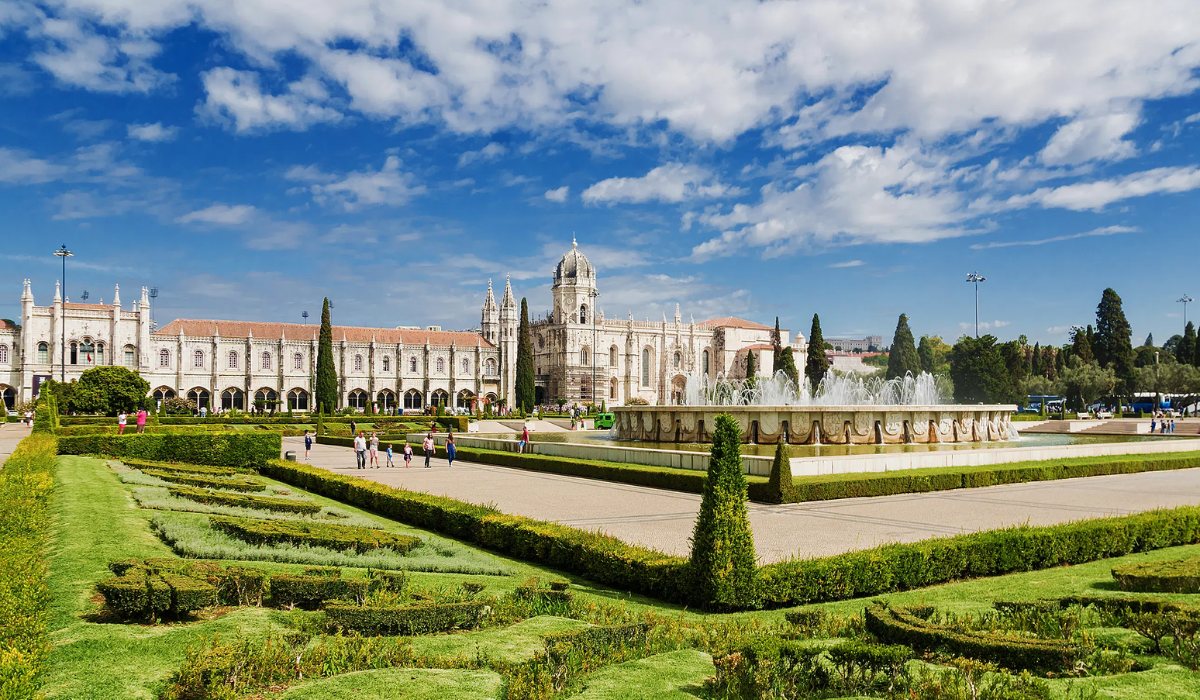
After golf, travellers can explore Lisbon’s Jerónimos Monastery — one of the best examples of Manueline architecture — taste world-class wines from nearby Setúbal, or wander the romantic palaces of Sintra, including the brightly coloured Pena Palace.
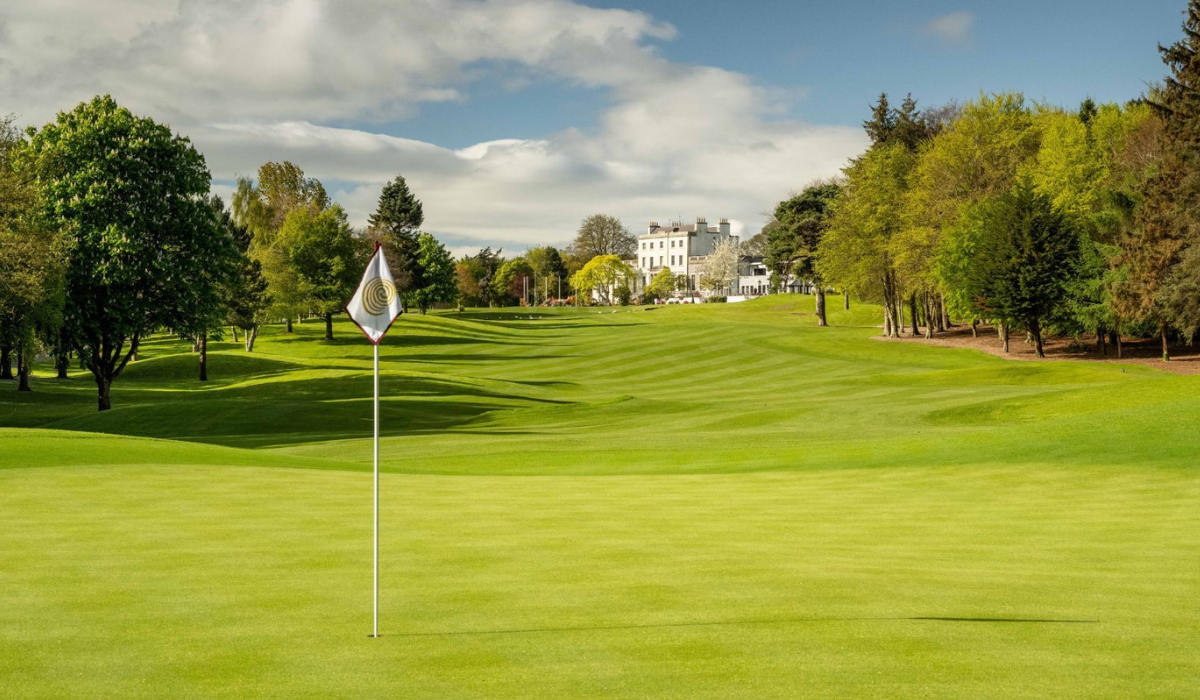
Dublin’s cultural atmosphere is unmatched, shaped by its writers, musicians, and revolutionaries. With landmarks like Trinity College, the Book of Kells, and the preserved streets of Temple Bar, the city blends storytelling traditions with lively contemporary culture.
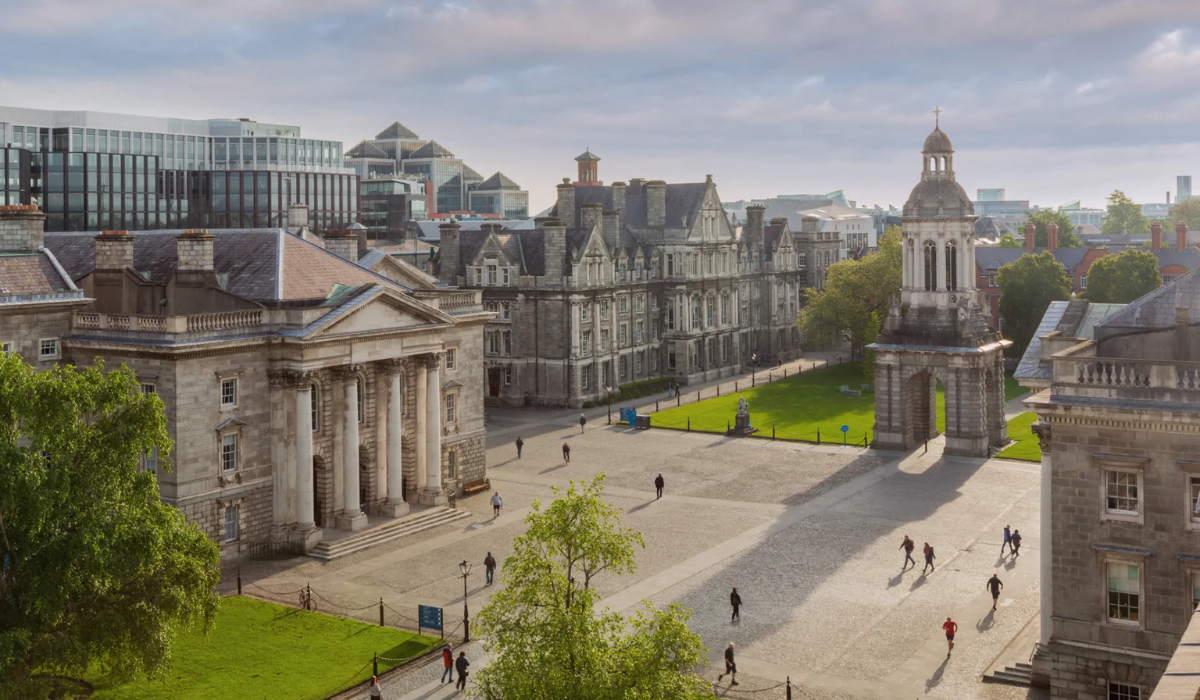
Just south, County Wicklow — known as The Garden of Ireland — offers some of the country’s most scenic golf, including The European Club, a rugged links designed by Pat Ruddy that challenges even the pros. Another highlight is Druids Glen, nicknamed the “Augusta of Ireland” for its lush valleys and colourful floral scenery; it hosted several Irish Opens in the 1990s and early 2000s.
The pairing of Dublin’s literary heritage and Wicklow’s epic landscapes creates a compelling dual experience: players can spend the morning navigating dunes and the evening enjoying James Joyce readings or Irish folk music.
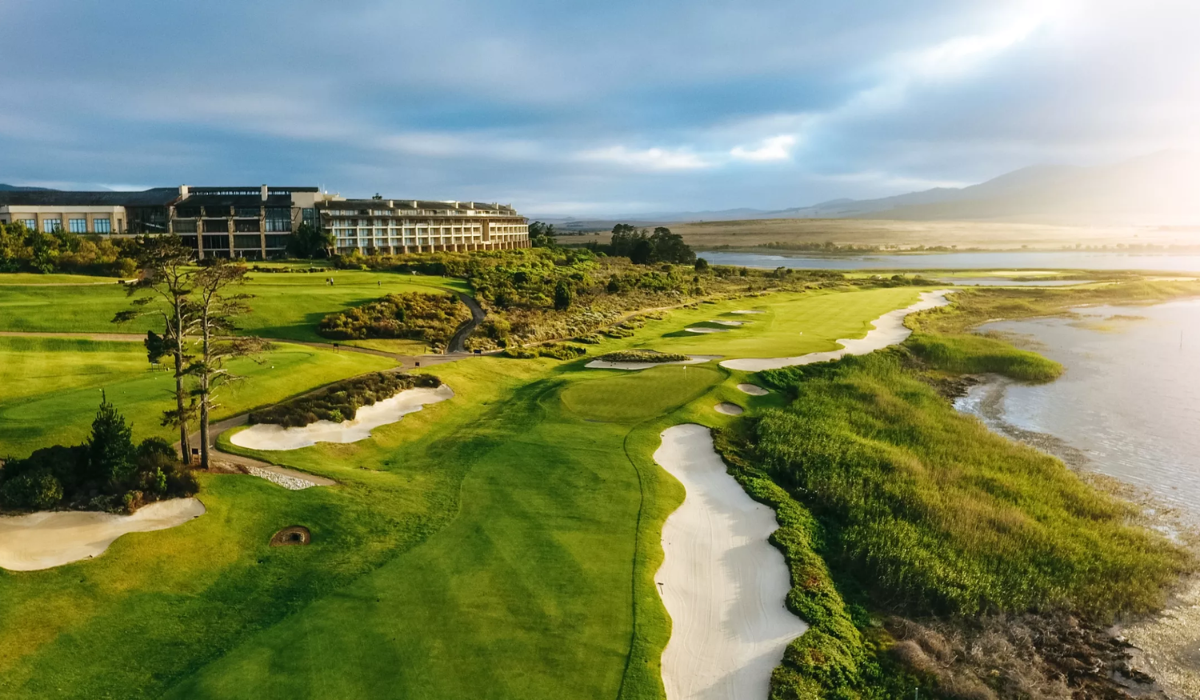
Cape Town is one of the world’s most visually striking cities, with Table Mountain rising like a guardian over the coastline. Its cultural mosaic includes Dutch, Malay, and African influences, seen in the colourful houses of Bo-Kaap and the historic Castle of Good Hope, the oldest surviving colonial building in South Africa.
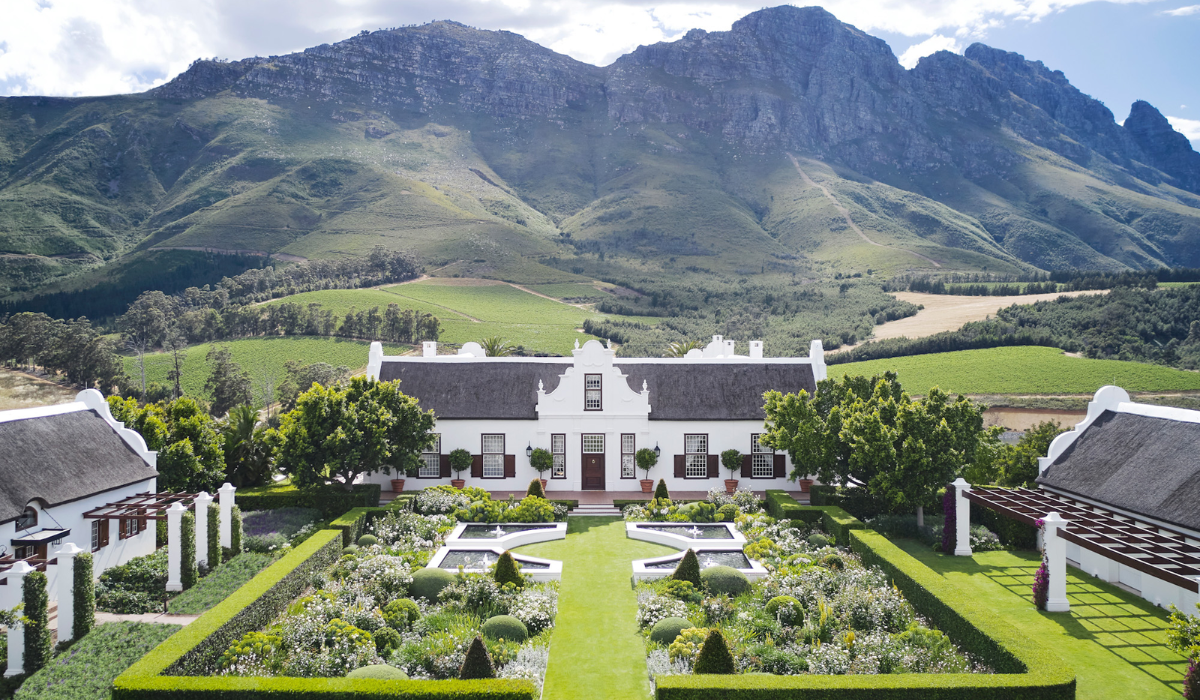
Just outside the city lie the Cape Winelands — Stellenbosch, Franschhoek, and Paarl — where 17th-century estates, Cape Dutch architecture, and award-winning vineyards define the landscape. For golfers, this region offers jaw-dropping courses such as Pearl Valley, part of the greater Val de Vie estate and designed by Jack Nicklaus. Its pristine conditioning and mountain backdrop make it a perennial favourite. Arabella Country Estate near Hermanus is another standout, with sweeping views over the Bot River Lagoon and ranking consistently among Africa’s best.
The ability to combine coastal golf, wine tasting, and deep cultural exploration makes Cape Town a bucket-list destination for culturally curious golfers.
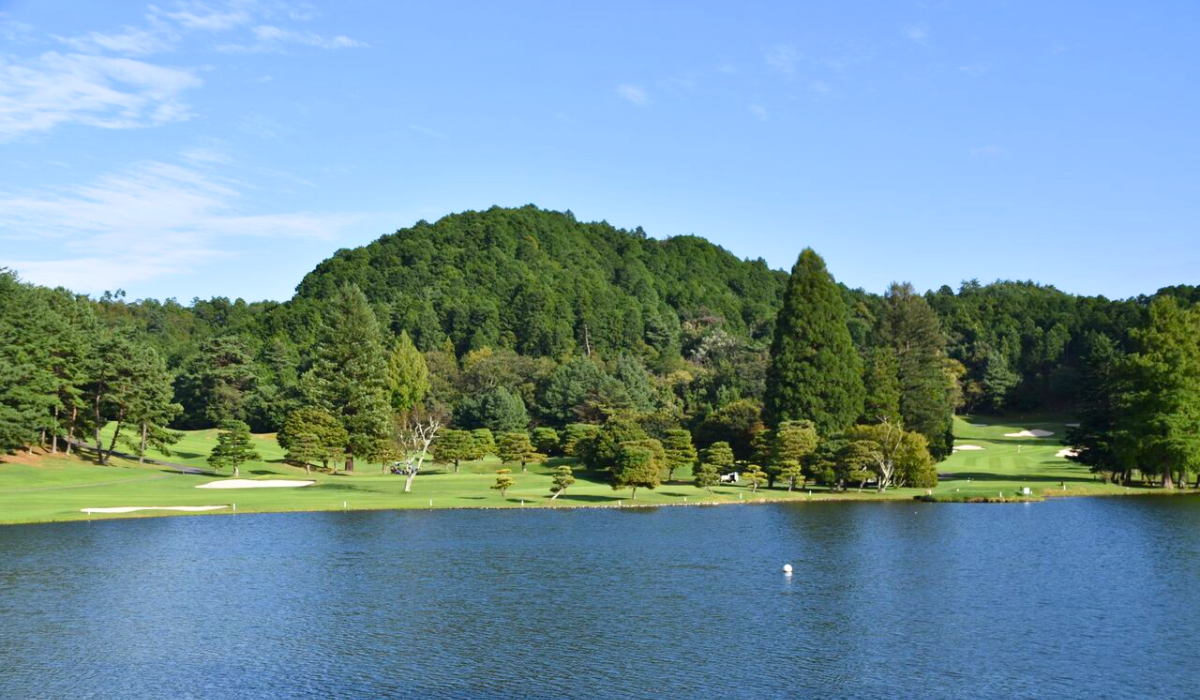
For travellers seeking ancient culture and unique golfing landscapes, Japan’s Kansai region delivers. Kyoto, once the imperial capital, houses 17 UNESCO World Heritage Sites, including Kinkaku-ji (the Golden Pavilion), Fushimi Inari Shrine with its iconic torii gates, and the serene gardens of Ginkaku-ji.
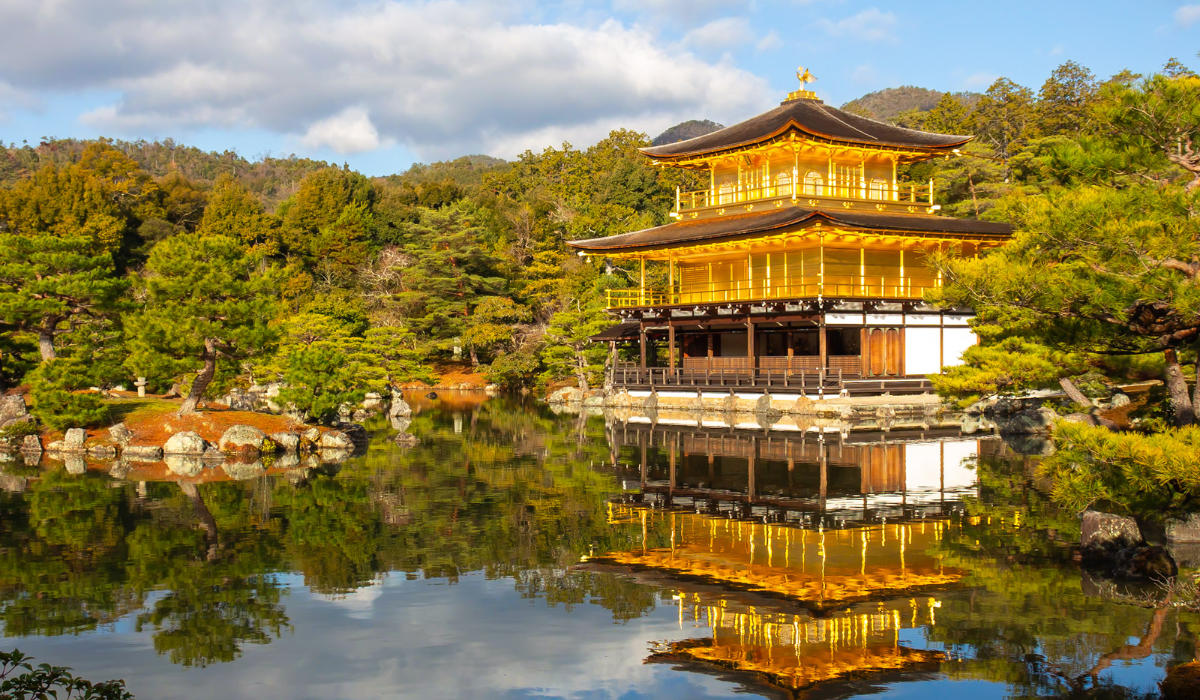
While Japan isn’t typically associated with links golf, the mountainous and forested terrain around Kyoto offers stunning courses. Kyoto Golf Club, established in 1932, is one of Japan’s oldest, blending natural ridgelines with refined design. A short journey away, Osaka and Kobe provide additional golfing options, including prestigious private clubs and seaside terrain shaped by the Seto Inland Sea.
In the evenings, players can enjoy traditional kaiseki dining, artisan tea ceremonies, or performances by maiko and geiko — immersing themselves in cultural practices that have remained intact for centuries.
Beyond sport, golf becomes a deeper travel experience when tied to a region’s heritage. Historic towns offer context, atmosphere, and stories to complement every round. These destinations remind us that golf isn’t only about birdies and bunkers — it’s about the people, the architecture, the flavours, and the centuries that came before.
Whether you’re walking through ancient university quadrangles in Scotland, exploring Portuguese palaces, or sipping wine in South Africa’s oldest vineyards, combining golf and culture creates memories that stretch far beyond the 18th green.

Course Reviews
Top 4 “Public” Golf Courses by Gil Hanse
American golf course architect Gil Hanse is known for his minimalist and strategic designs. After working with legendary designer Tom Doak, Hanse formed his own company, Hanse Golf Course Design, in 1993. He has since become one of the world’s most influential golf course architects. All Square takes a look at some of his greatest […]

Community
Top Golf Books Every Player Should Read
If you love the game of golf — whether you’re a weekend hacker, a competitive club player, or simply someone who dreams of lowering your handicap — there’s something uniquely satisfying about turning the pages of a great golf book. Good writing can walk you through swing mechanics, sharpen your mental game, whisk you into […]