



PGA Tour
Changes on the PGA Tour from 2028
Explore 33,000+ golf courses in 180 countries.
Follow the latest news and trends in golf.
Connect with like-minded golfers.
Find everything you need for your golf equipment and gear needs.
Travel, golf resorts, lifestyle, gear, tour highlights and technology.
All Square
Suggestions
PGA Tour
Changes on the PGA Tour from 2028
Course Reviews
Golf in Madeira: Cliffs, Clouds and Two Unforgettable Courses
Destinations
Thai Caddie Culture Explained: Tipping, Etiquette and What to Expect
Course Reviews
Best Golf Courses Around Munich: Where Championship Golf Meets Bavarian Beauty
Course Reviews
Marrakech vs Agadir for Golf: Which Moroccan Destination Should You Choose?
Accessories
Best Push Carts and Electric Trolleys for Golf in 2026
Course Reviews
Rediscover Monte Rei: Portugal’s Iconic Golf Course Reopens After Major Renovation
Course Reviews
Best Golf Courses Around Rome: Where Ancient History Meets Modern Golf
Instruction
Links vs Parkland vs Heathland: What’s the Difference?
Clubs
The Best Irons on the Market in 2026
Clubs
Austin Smotherman WITB: The Clubs Behind His 2026 Bank of Utah Championship Win
Destinations
Barrière Golf Properties: French Golf Escapes Where the Resort Is Part of the Experience
Destinations
Conrad Algarve Renovations: A New Chapter of Luxury in Quinta do Lago
Gear
Garmin Golf Watches Guide: Which Garmin Watch Is Right for Your Game?
PGA Tour
Presidents Cup 2026 Results & Winners: Team USA Completes Historic Comeback
Course Reviews
Cullinan Golf Links Resort, Belek: Where Golf Meets the Mediterranean
Course Reviews
New Opening: Limassol Greens — Cyprus’ New Golf Destination
PGA Tour
Presidents Cup 2026 Preview: Everything to Know Before Medinah
Clubs
WITB: Ryan Fox’s Winning Clubs at the 2026 Open Championship
Community
How Modern Golf Courses Conserve Water and Protect Wildlife
Course Reviews
Tee Off in Tuscany: Golfing Italy’s Most Picturesque Countryside
Course Reviews
The Best Golf Courses Near Pinehurst That Aren’t Pinehurst No. 2
Destinations
Best Multi-Country Golf Tours in Europe
Destinations
Monte Rei Enters a New Era: Deep Renovation to Preserve a Legendary Course
Clubs
Jacob Bridgeman WITB: The Clubs Behind His 2026 Biltmore Championship Victory
Course Reviews
Lofoten Golf Experience: Playing at the Edge of the World
Clubs
Bud Cauley WITB 2026: The Clubs Behind His RBC Canadian Open Victory

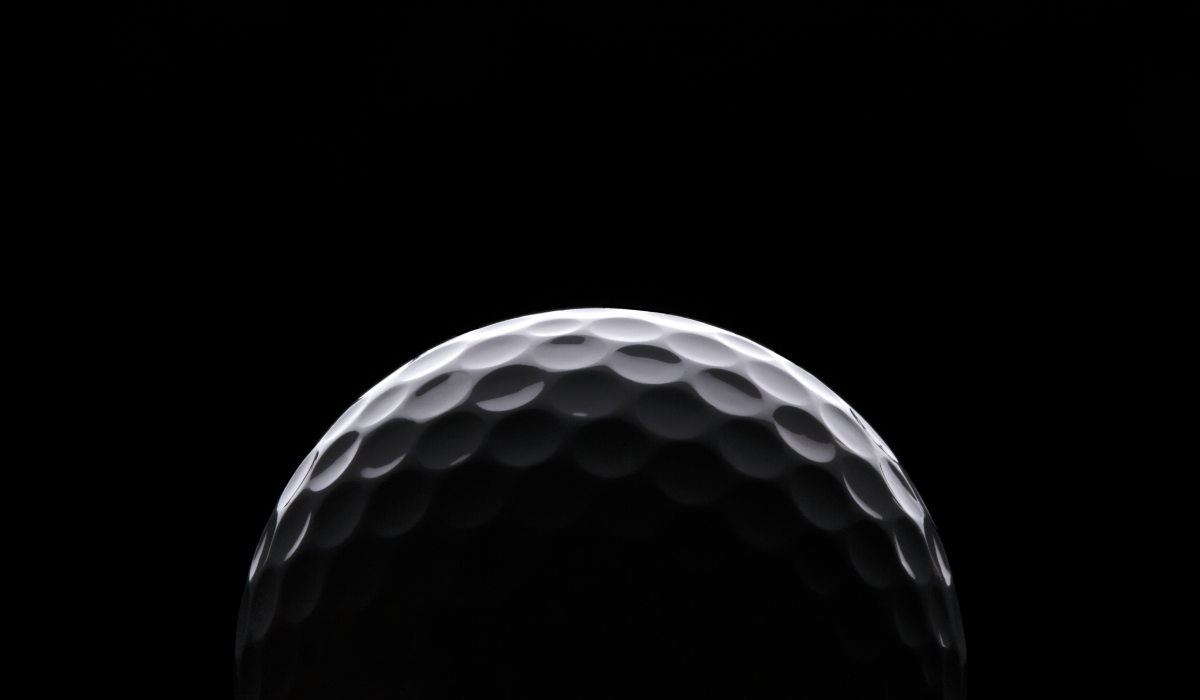
Golf balls are a fascinating piece of sports engineering. From their once-smooth surfaces to the meticulously designed dimples seen today, these small spheres hold a key to maximizing performance on the course. But why do golf balls have dimples? The answer lies in physics and aerodynamics, with a hint of historical innovation.

Originally, golf balls were smooth. Early golfers noticed that older, scuffed balls flew farther and straighter than brand-new ones. This discovery led to the creation of intentionally designed surfaces – a game-changing innovation. By the early 1900s, manufacturers began experimenting with textured patterns, eventually leading to the standardized dimples we know today.
The dimples on a golf ball aren’t random; they serve a specific aerodynamic purpose. When a golf ball is struck, it experiences two primary forces: lift and drag. Dimples create a thin layer of turbulent air around the ball, enhancing the Magnus effect. This phenomenon allows the ball to generate lift when spinning, making it soar higher and longer. At the same time, a smooth ball experiences a large amount of drag, which slows it down significantly. Dimples disrupt the airflow, reducing drag and allowing the ball to travel farther with greater stability.
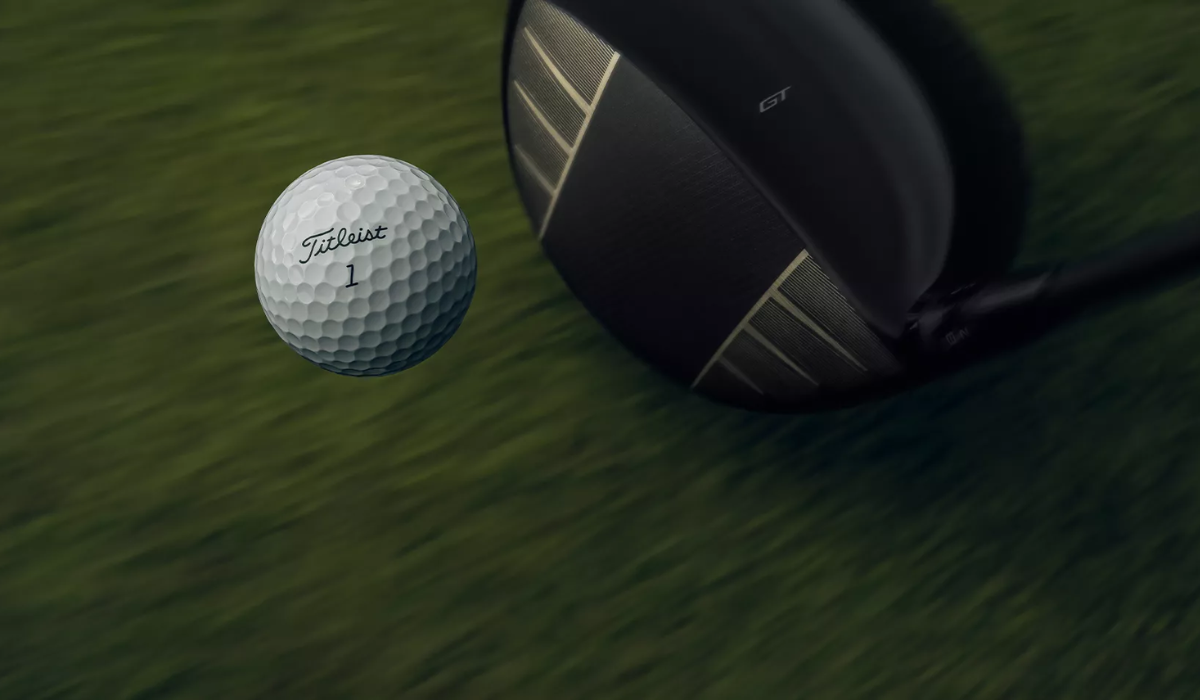
Today, golf ball manufacturers use precise engineering and testing to determine the optimal dimple pattern for performance. A standard golf ball features around 300-500 dimples, each meticulously shaped and sized. Variations in depth, shape, and pattern affect the ball’s flight, spin, and control, giving players options tailored to their game. Reduced drag and optimized lift mean longer distances off the tee. Spin-enhancing dimple designs improve control for approach shots and chips. Dimples also minimize unpredictable flight paths, ensuring consistency.
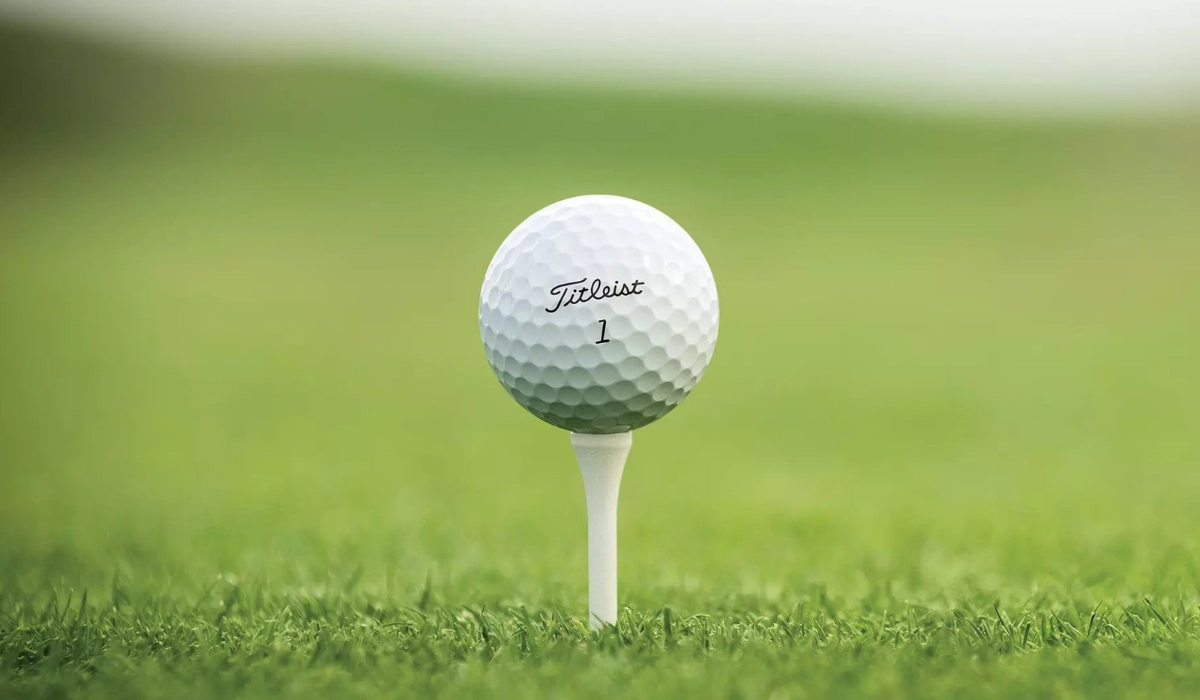
The number of dimples on a golf ball can vary, with some balls featuring over 500 dimples. Modern advancements include hexagonal and even asymmetrical dimple designs for enhanced aerodynamics. Titleist, a leading golf ball manufacturer, has tested thousands of dimple patterns to create their iconic Pro V1 and Pro V1x models. So the next time you tee up, take a moment to appreciate those tiny dimples – they’re doing a lot more work than meets the eye.

Gear
TaylorMade Golf Balls Explained: Complete Overview
Few brands have shaped the modern golf ball conversation quite like TaylorMade. From the tour bags of Rory McIlroy and Collin Morikawa to the weekend foursome at a links course, the company’s ball lineup spans nearly every type of player. With a major 2026 overhaul touching everything from core construction to how the paint itself […]

Gear
Friday Gear – The Putter of the World Number One and Two
Arnold Palmer once said, “I have a tip that can take 5 strokes off anyone’s golf game. It’s called an eraser.” Now, at All Square we don’t advocate cheating, so what’s the second fastest way to shave strokes from your rounds? Be a better putter! It’s holing more putts. On Friday Gear today we are […]