


Course Reviews
Tee Off in Tuscany: Golfing Italy’s Most Picturesque Countryside
Explore 33,000+ golf courses in 180 countries.
Follow the latest news and trends in golf.
Connect with like-minded golfers.
Find everything you need for your golf equipment and gear needs.
Travel, golf resorts, lifestyle, gear, tour highlights and technology.
All Square
Suggestions
Course Reviews
Tee Off in Tuscany: Golfing Italy’s Most Picturesque Countryside
Course Reviews
Best Golf Courses Around Rome: Where Ancient History Meets Modern Golf
Instruction
Links vs Parkland vs Heathland: What’s the Difference?
Clubs
The Best Irons on the Market in 2026
Clubs
Austin Smotherman WITB: The Clubs Behind His 2026 Bank of Utah Championship Win
Destinations
Barrière Golf Properties: French Golf Escapes Where the Resort Is Part of the Experience
Destinations
Conrad Algarve Renovations: A New Chapter of Luxury in Quinta do Lago
Gear
Garmin Golf Watches Guide: Which Garmin Watch Is Right for Your Game?
PGA Tour
Presidents Cup 2026 Results & Winners: Team USA Completes Historic Comeback
Course Reviews
Cullinan Golf Links Resort, Belek: Where Golf Meets the Mediterranean
Course Reviews
New Opening: Limassol Greens — Cyprus’ New Golf Destination
PGA Tour
Presidents Cup 2026 Preview: Everything to Know Before Medinah
Clubs
Jacob Bridgeman WITB: The Clubs Behind His 2026 Biltmore Championship Victory
Course Reviews
Play Golf at Pebble Beach: What to Know Before You Go
Professional Golf
Solheim Cup Results & Winners 2026: Europe Reclaims the Trophy
Clubs
This Year’s Best Drivers on the Market: A 2026 Buyer’s Guide
Course Reviews
Fancourt: The Garden Route Estate Where South African Golf Grew Up
Course Reviews
Best Golf Courses Around Madrid
Clubs
TaylorMade Spider ZT Putter Review: What It Is, How It Performs, and Whether It’s Worth the Upgrade
Course Reviews
Your Golf Trip to Tunisia: Courses, Costs, and What to Actually Expect
Clubs
WITB: Ryan Fox’s Winning Clubs at the 2026 Open Championship
Community
How Modern Golf Courses Conserve Water and Protect Wildlife
PGA Tour
Changes on the PGA Tour from 2028
Course Reviews
The Best Golf Courses Near Pinehurst That Aren’t Pinehurst No. 2
Destinations
A Golf Trip to Mauritius: Sun, Sea, and Championship Swings
Clubs
Thriston Lawrence WITB of Three-Time Omega European Masters Champion
Clubs
TaylorMade Introduces Qi Max and Qi Max HL Irons: A New Era for Game-Improvement Performance
Course Reviews
Your Perfect Trip to The K Club, Ireland
Clubs
Aaron Rai’s Winning WITB at the 2026 PGA Championship

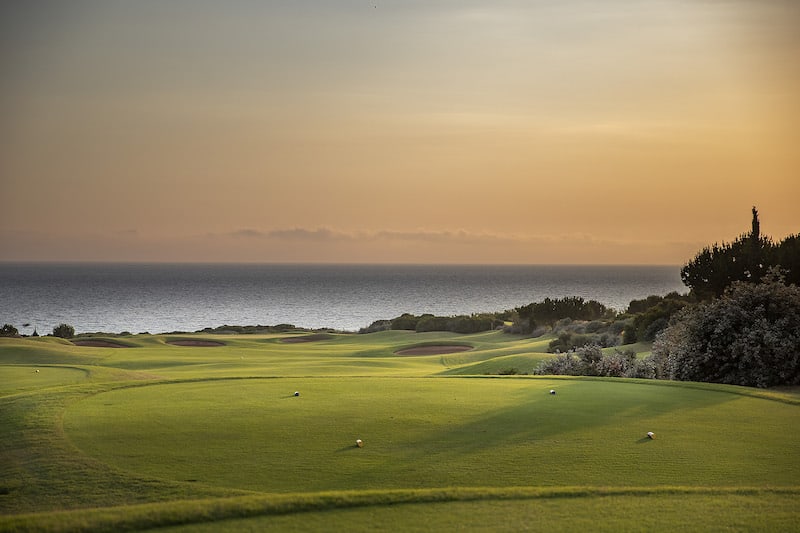
Golf is in the middle of a quiet revolution. Once criticised for heavy water use and chemical dependency, the sport is now embracing a new identity — one where world-class design meets environmental responsibility. And nowhere is this shift more evident than in the newest generation of courses built with sustainability at their core.
From Caribbean cliffs to Mediterranean olive groves, modern eco-conscious golf destinations are proving that luxury, playability, and environmental stewardship can coexist — and even enhance each other.
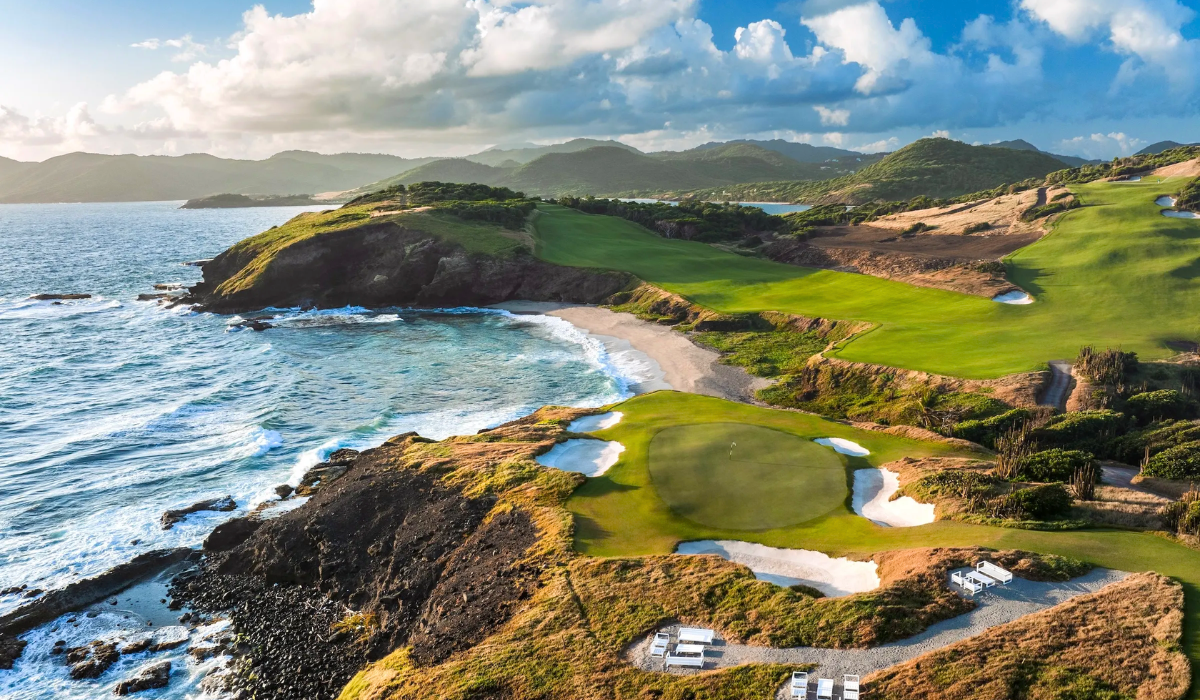
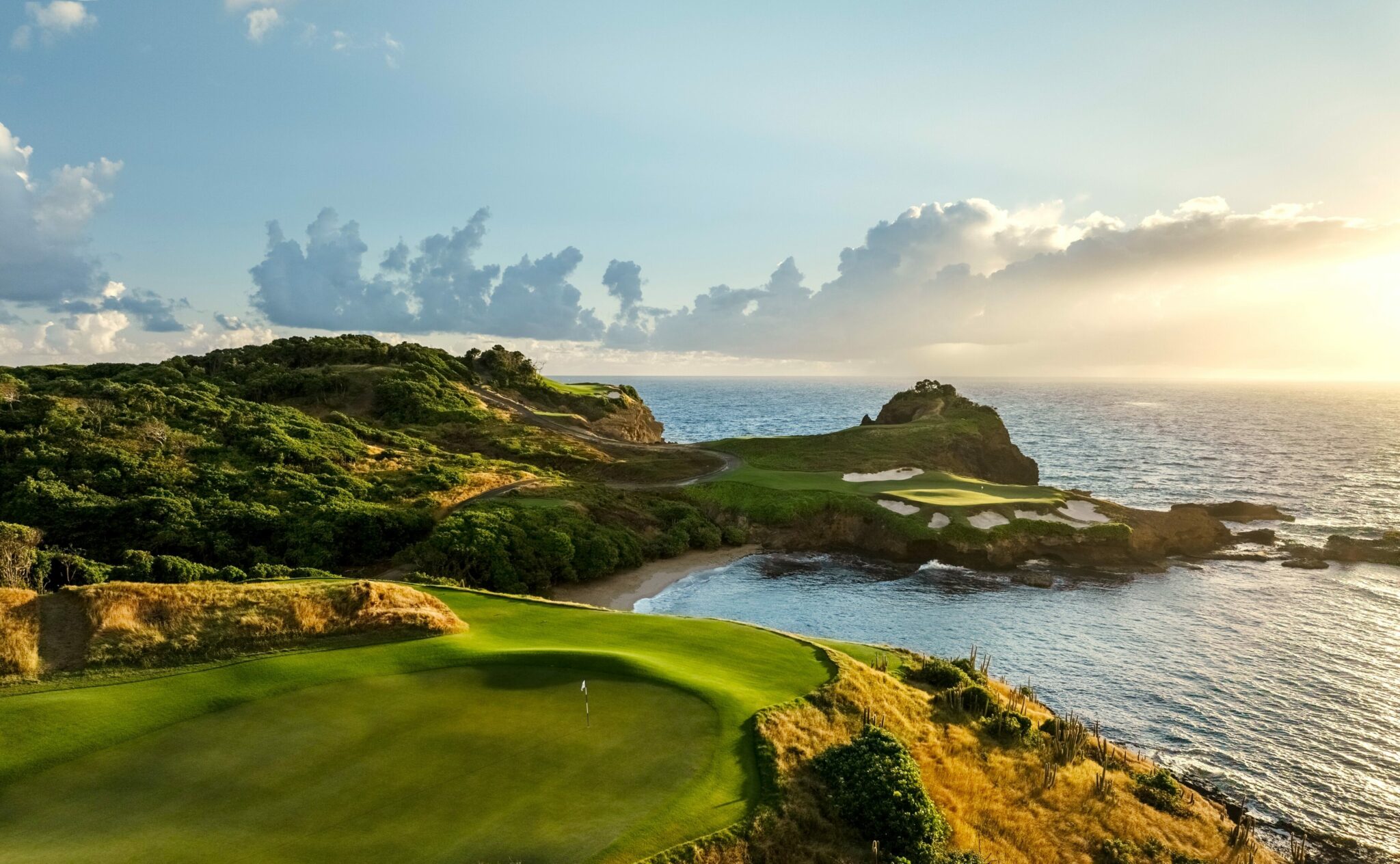
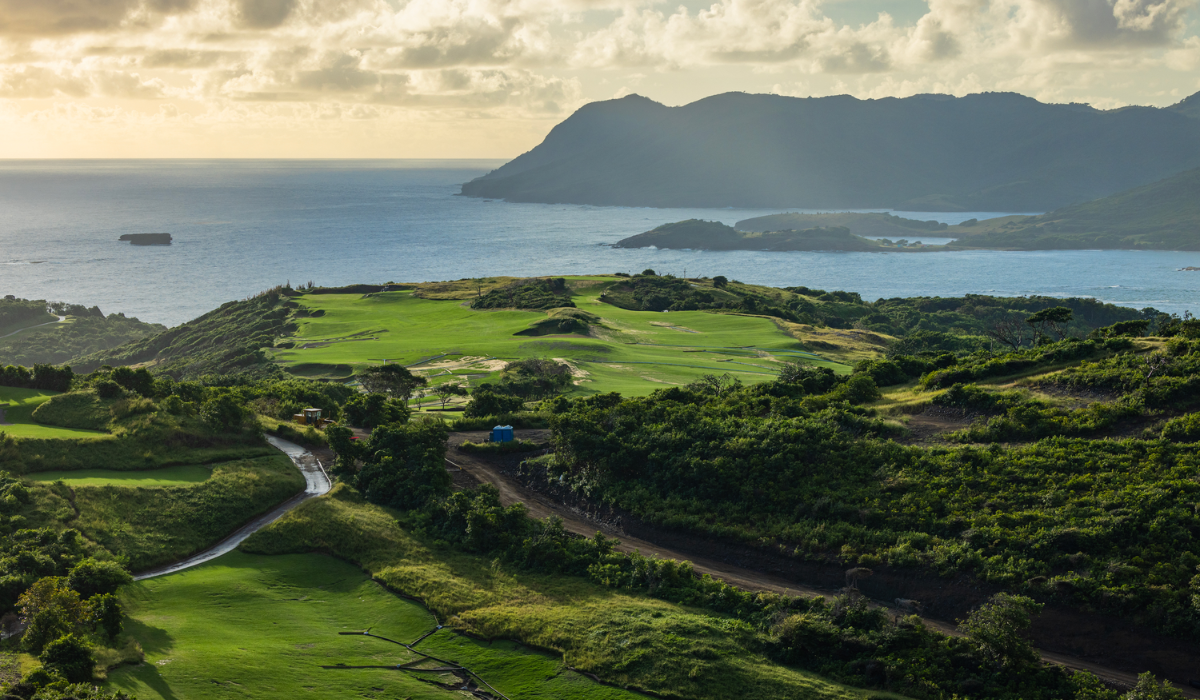
One of the standout recent additions to the global golf scene is Point Hardy Golf Club at Cabot Saint Lucia, a course that perfectly captures what the future of sustainable golf looks like.
Designed by legendary architects Bill Coore and Ben Crenshaw, the course is carved into dramatic coastal terrain, featuring nine oceanfront holes and panoramic views from virtually every tee. But beyond the visuals, what sets Point Hardy apart is its deeply integrated environmental philosophy.
Instead of forcing the land to fit the course, the routing follows the natural contours of Saint Lucia’s volcanic coastline. This approach minimises earth movement, reduces construction impact, and preserves the site’s ecological integrity — a key principle in modern sustainable design.
Water management is another defining feature. The course uses drought-tolerant turf and relies heavily on collected rainwater and desalination systems, significantly reducing pressure on the island’s limited freshwater resources.
It’s not just a golf course — it’s a case study in how to build responsibly in fragile environments.
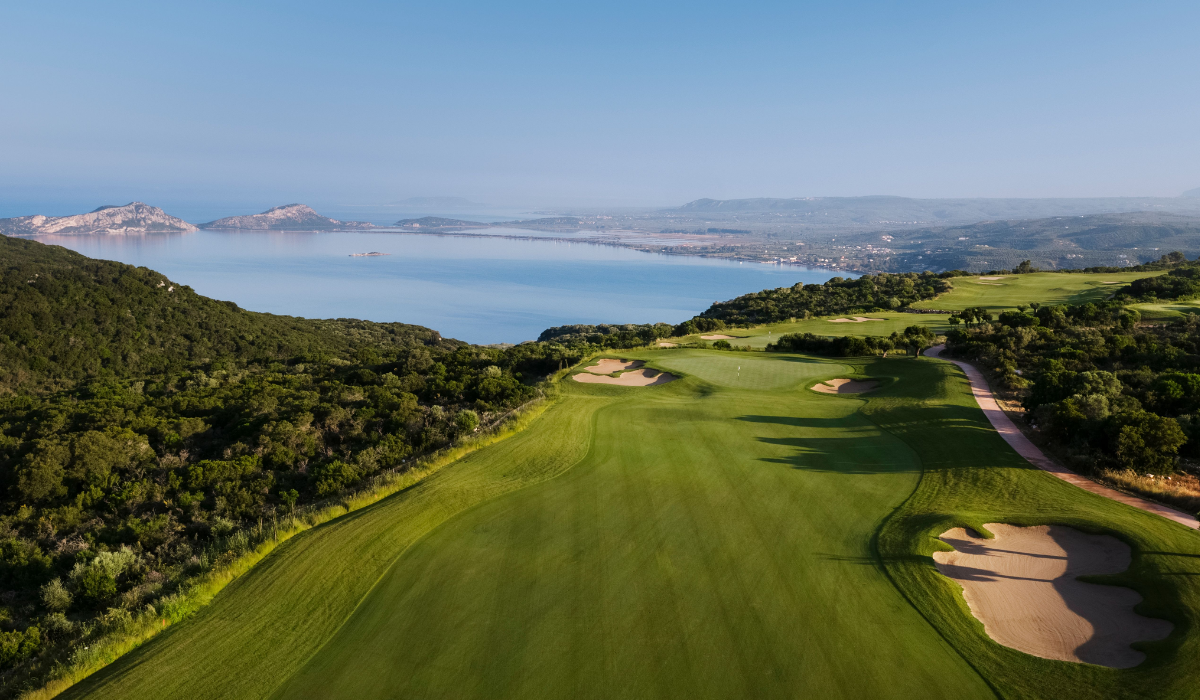
In southern Greece, Costa Navarino’s International Olympic Academy Course and The Hills Course represent another leap forward in environmentally conscious golf.
Set among ancient olive groves and rugged natural terrain, these courses were designed by José María Olazábal with a clear intention: to blend seamlessly into the landscape rather than dominate it.
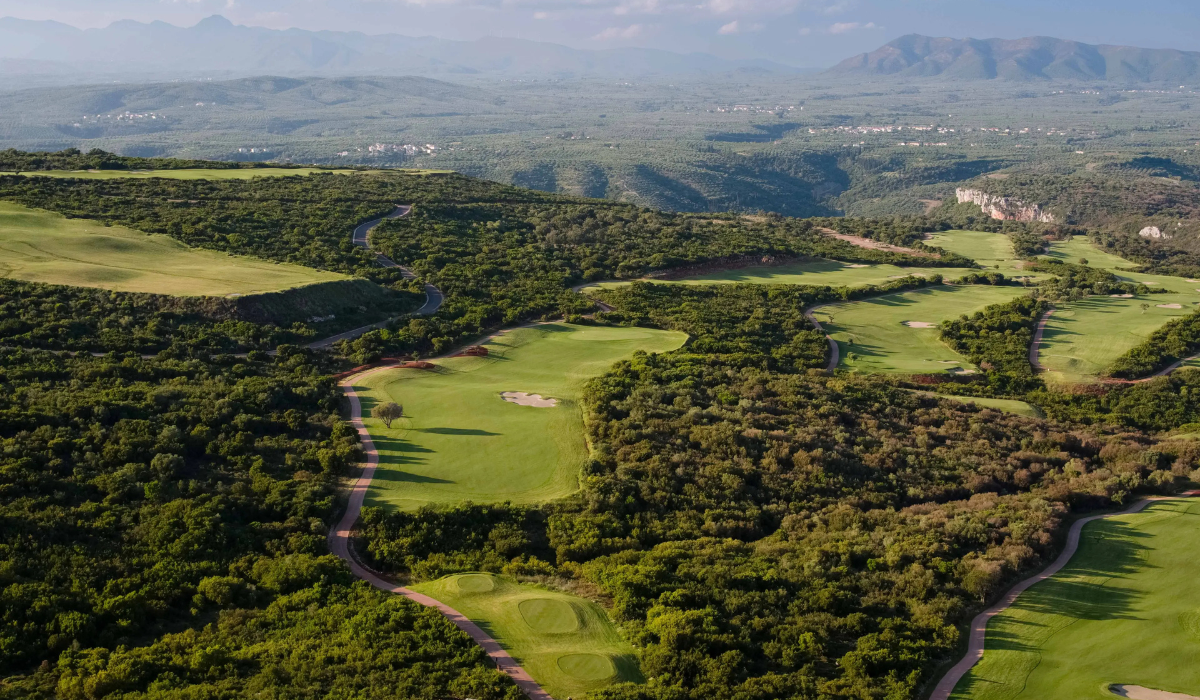
The design philosophy emphasises minimal disruption, native vegetation, and strategic routing that works with natural elevation changes. This reduces the need for excessive irrigation and reshaping — two of the biggest environmental costs in traditional golf development.
This approach reflects a broader industry trend: sustainability is no longer an add-on feature, but a guiding principle from the earliest planning stages.
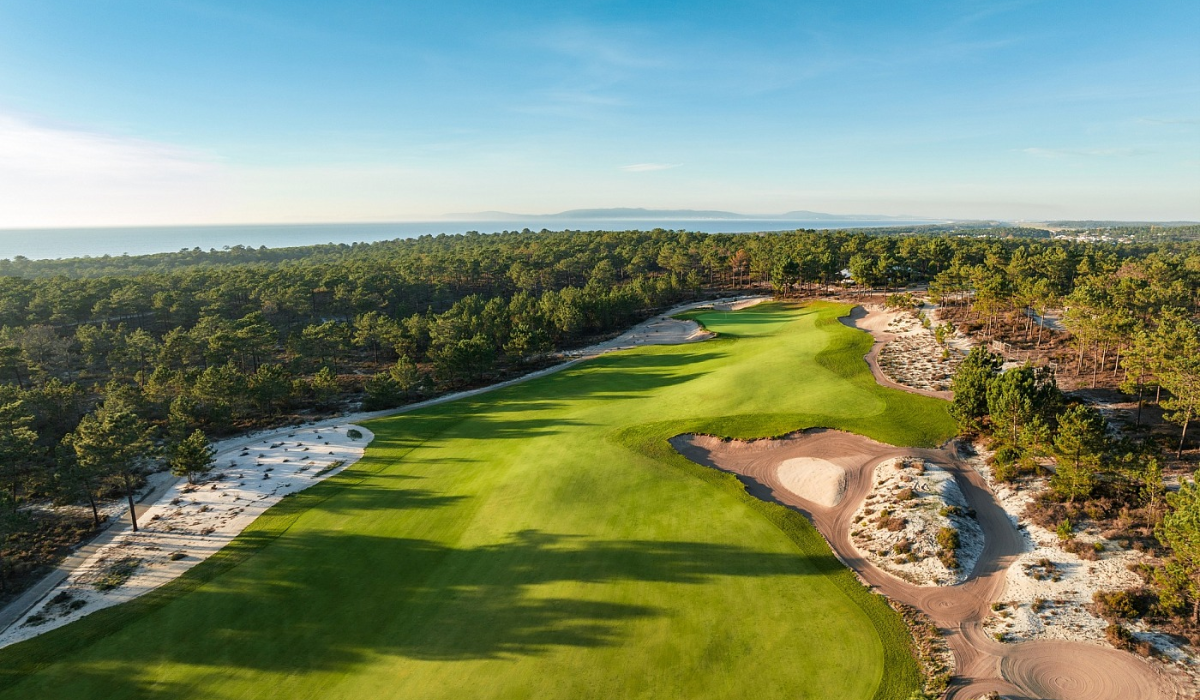
One of the newest and most talked-about courses in Europe is the Torre Course at Terras da Comporta in Portugal, designed by Masters champion Sergio García.
Opened in 2025 and already named World’s Best New Course, Torre stands out for its minimalist, links-inspired design built across natural dune landscapes.
Rather than relying on artificial features, the course embraces sandy waste areas, native grasses, and natural wind patterns to shape play. This reduces maintenance needs, limits water usage, and preserves the fragile dune ecosystem.
The result is a course that feels raw, strategic, and environmentally aligned — a rare combination in modern golf.
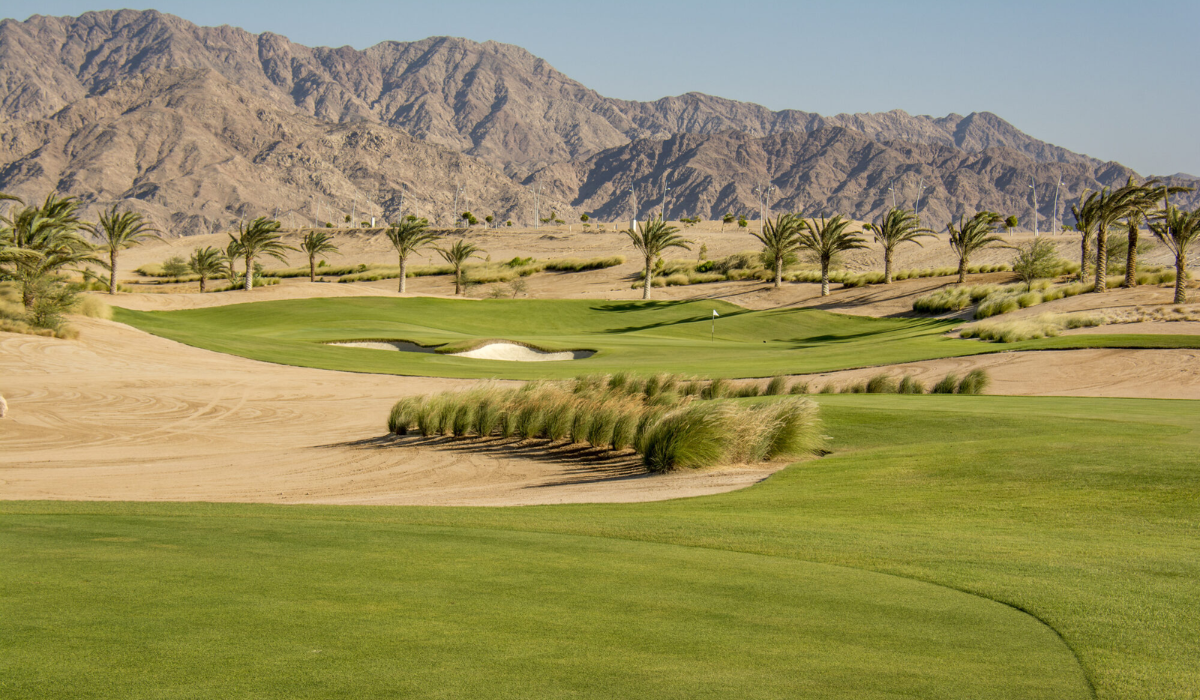
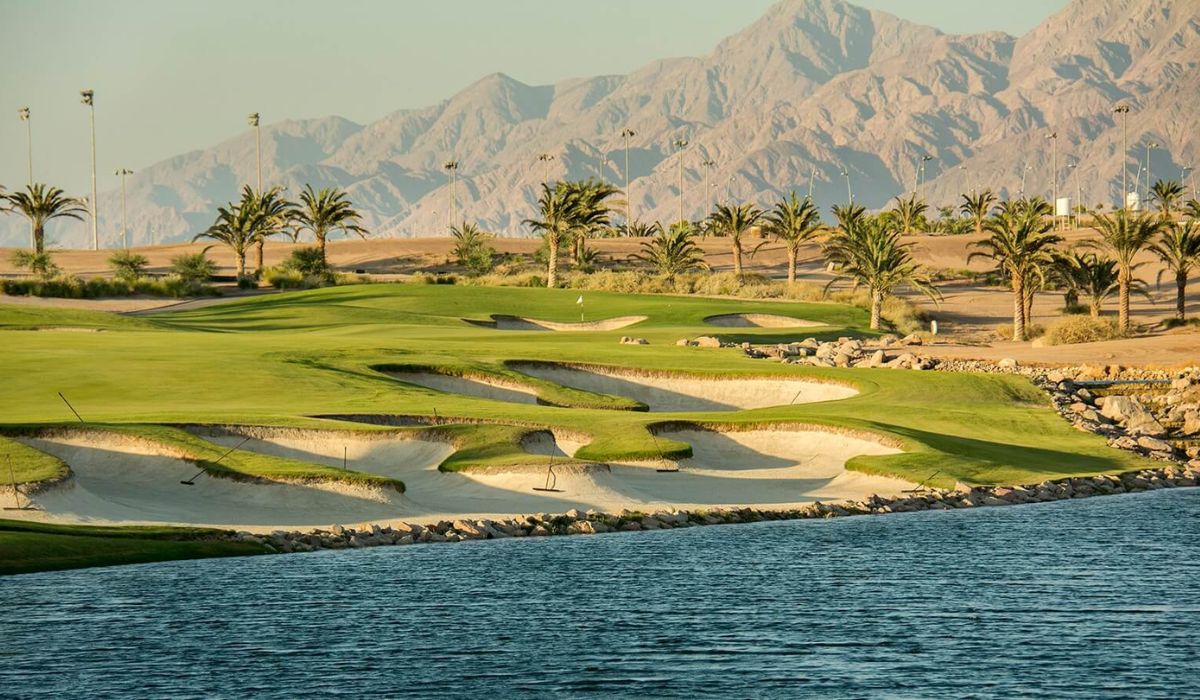
While not brand new, Ayla Golf Club in Jordan continues to set the benchmark for sustainable golf operations and remains a key reference point for newer developments.
Recognised at the 2025 Sustainable Luxury Awards, Ayla integrates environmental thinking across every level — from design and construction to daily operations.
Located in a desert environment, the course demonstrates how golf can exist responsibly even in water-scarce regions, using advanced irrigation systems and careful resource management.
The newest environmentally conscious golf destinations share several defining characteristics:
These practices are not just ethical — they’re increasingly expected. Studies suggest that nearly 73% of golfers now prefer environmentally responsible courses, signalling a major shift in consumer demand.
The newest generation of sustainable golf courses isn’t about compromise — it’s about evolution.
Courses like Point Hardy and Torre prove that environmental responsibility can actually enhance the golfing experience, creating more authentic, strategic, and visually striking layouts. Meanwhile, destinations like Costa Navarino show how large-scale developments can grow without sacrificing ecological balance.
As pressure mounts on the golf industry to reduce its footprint, these courses are leading by example. They’re not just places to play — they’re models for what the game can become.
And if this new wave is any indication, the future of golf will be greener, smarter, and far more connected to the landscapes that make the sport so special.
Destinations
Your golf trip to Southwest Ireland – Cork
All Square has planned the perfect itinerary for a golfing trip to the southwest coast of Ireland, home to some of the finest golf courses in the world. Our itinerary includes three world renowned golf courses and excellent nearby accommodation. Let us take you on the golfing trip of a lifetime. Get a quote now […]
Course Reviews
Your golf trip to Abu Dhabi
Fantastic golf courses, year-round sunshine, excellent beaches and world class hotels have transformed Abu Dhabi into one of the world’s leading golf vacation destinations. All Square has planned the perfect itinerary for your trip to the modern, cosmopolitan capital of the United Arab Emirates. Get a quote now Suggested arrival airport: Abu Dhabi International Airport 1. Abu […]