


Destinations
Boutique Golf Hotels with Personality
Explore 33,000+ golf courses in 180 countries.
Follow the latest news and trends in golf.
Connect with like-minded golfers.
Find everything you need for your golf equipment and gear needs.
Travel, golf resorts, lifestyle, gear, tour highlights and technology.
All Square
Suggestions
Destinations
Boutique Golf Hotels with Personality
Course Reviews
The Masterpiece Reawakens: Aronimink 2026
Clubs
Kristoffer Reitan’s Winning WITB at the 2026 Truist Championship
Destinations
The Auberge du Jeu de Paume: A Golfer’s Royal Retreat
Clubs
Cameron Young’s WITB 2026 at the Cadillac Championship
Clubs
Team Fitzpatrick’s Winning WITB from Zurich Classic Victory
Destinations
The View Agadir: Morocco’s Newest Luxury Golf Base Has Arrived
Destinations
Inside Dunluce Lodge: Northern Ireland’s Ultimate Golf Retreat
Destinations
Seaton House: The Home of Golf Finally Has the Hotel It Deserves
Clubs
Matt Fitzpatrick Wins 2026 RBC Heritage: Inside His Triumph WITB
Course Reviews
Sustainability in Golf: The World’s Most Environmentally Conscious New Courses
Clubs
Rory McIlroy 2026 Masters WITB: Winning Setup at Augusta
Majors
Masters 2026: Augusta National Course Preview & FAQ
Clubs
J.J. Spaun’s Winning WITB: 2026 Valero Texas Open
Clubs
The New Phantom: Scotty Cameron Reinvents Its Mallet Legacy
Course Reviews
Bernardus Golf: Europe’s Modern Masterpiece
Course Reviews
The Best Golf Courses Near Pinehurst That Aren’t Pinehurst No. 2
Course Reviews
The Els Club Vilamoura: Golfing Grandeur in the Algarve
Clubs
Gary Woodland’s Winning WITB at the 2026 Texas Children’s Houston Open
European Tour
The 2026 LET: A Global Celebration of Women’s Golf
Course Reviews
Streamsong’s Newest Masterpiece: Why Bone Valley Might Be Its Boldest Statement Yet
Destinations
Golf in Rome: Where History Meets Championship Fairways
Course Reviews
A Golf Trip to Pebble Beach: The Ultimate Coastal Golf Experience
Destinations
After the 18th Hole: Local Delicacies You Must Try in Spain

There is a particular kind of exhaustion that sets in after too many nights in a hotel that could be anywhere. The same marble lobby. The same neutral palette. The same laminated breakfast menu. For a certain type of traveller, that sameness is the point — reliable, frictionless, forgettable in the best possible way. But golfers, by nature, are not that type of traveller. They fly to remote coastlines, drive through mountain passes, and book return trips to places that moved them. What they want from the hotel part of the journey is the same thing they want from the course: a sense of place, a bit of soul, and the feeling that this — right here — could not exist anywhere else.
Boutique golf hotels have built their entire identity around that promise. Smaller by design, richer in personality, and driven by a philosophy that hospitality and storytelling are inseparable, these properties are reshaping what it means to take a golf trip in 2025 and beyond.
The word “boutique” has suffered from overuse. Hotel chains now deploy it the way restaurants use “artisan” — as a vague signal of quality rather than a specific descriptor. In the context of golf travel, though, it retains a clearer meaning.
A true boutique golf hotel is typically small in scale, independently spirited in operation, and defined by a point of view that extends from architecture and interior design through to the food, the staff interactions, and the way the golf itself is presented. According to hospitality design research, boutique hotels are distinguished by their “distinctive architecture, curated interiors, and narrative design approach” — the idea being that every element of the property expresses a specific personality, often rooted in its location, cultural context, or the founding vision of an owner or designer.
In golf terms, this translates to a property where the course and the hotel feel like chapters of the same story. The clubhouse does not look like an afterthought. The rooms face the fairways with intention. The restaurant draws on the same terroir that shapes the greens. The character of the place — coastal, rugged, aristocratic, quietly eccentric — is consistent from the moment of arrival to the morning of departure.
What boutique golf hotels are decidedly not is large-scale resort complexes where the golf is one amenity among many, competing for attention with the waterslide and the conference centre. Size alone does not define them, but intimacy does.
Hospitality designers and industry analysts tracking the broader hotel sector have noted a decisive shift in what modern travellers prioritise. The language that keeps appearing is “emotional resonance,” “authenticity,” and “narrative design.” Guests increasingly want to feel something real — to encounter a hotel that has a discernible point of view, that makes decisions about what it will and will not be.
This trend is particularly pronounced among golf travellers, who already self-select for a certain kind of intentionality. The planning that goes into a serious golf trip — researching courses, timing the travel around weather windows, building an itinerary around specific layouts — creates a natural alignment with hotels that have put equal thought into their own identity. When a golfer arrives at a property that has clearly been designed with care and specificity, it confirms that they have come somewhere worth the effort.
Across the industry, design-led boutique properties are embracing what one design trend report calls “soft brand storytelling” — weaving community relationships, heritage, and sustainability narratives through architecture and guest experience in ways that feel organic rather than marketed. The most successful boutique golf hotels do not announce their personality; they reveal it gradually, through the grain of the timber in the bar, the view from the practice green, the provenance of what is on the plate at dinner.
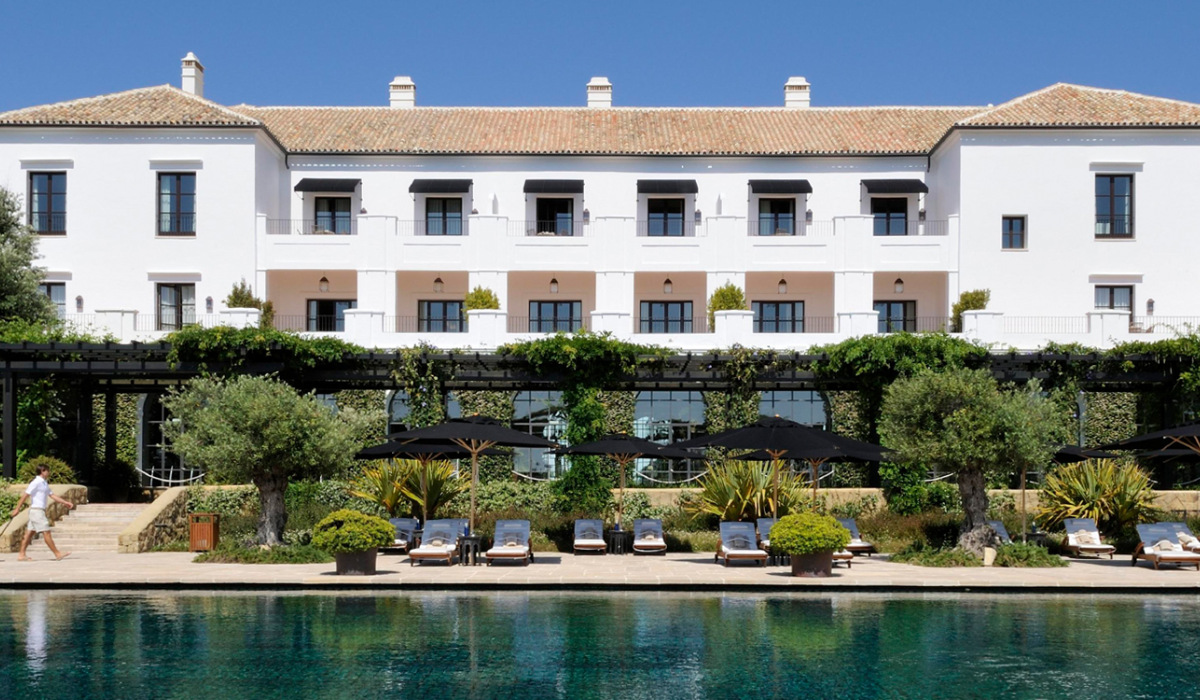
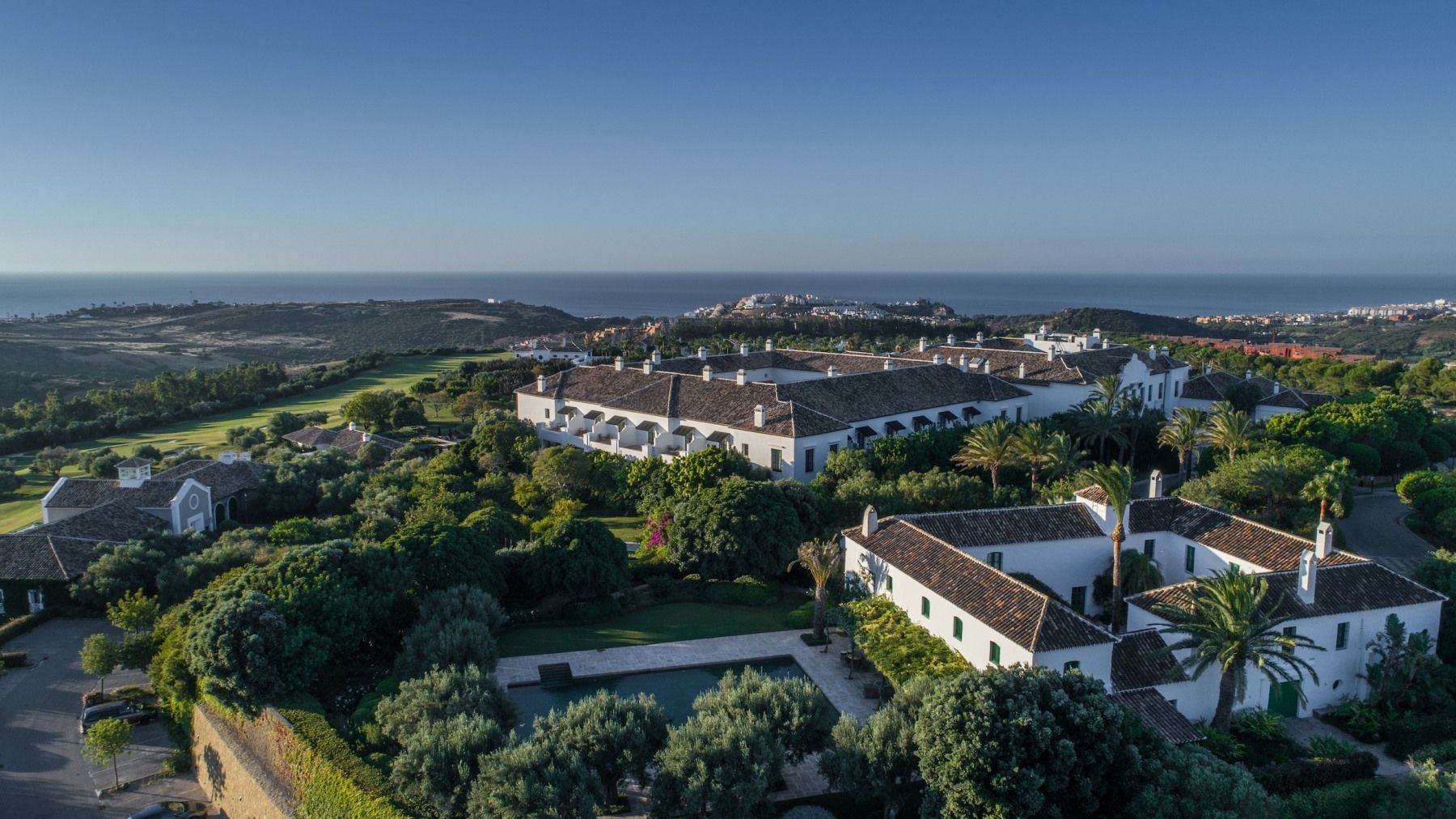
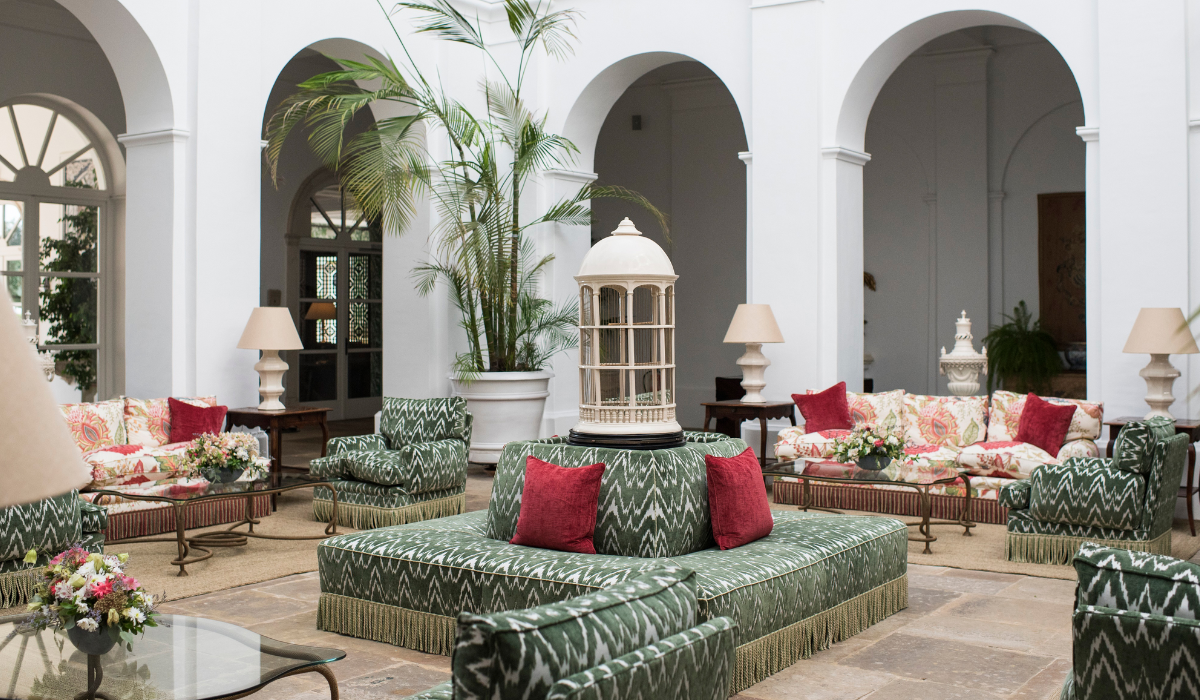
Finca Cortesin in the hills above Casares on the Costa del Sol has just 67 suites — each with four-metre ceilings, built around two palatial Andalusian courtyards. Whitewashed architecture, fragrant gardens, and a design language rooted in the region’s Moorish heritage give the property a visual coherence that holds under close inspection.
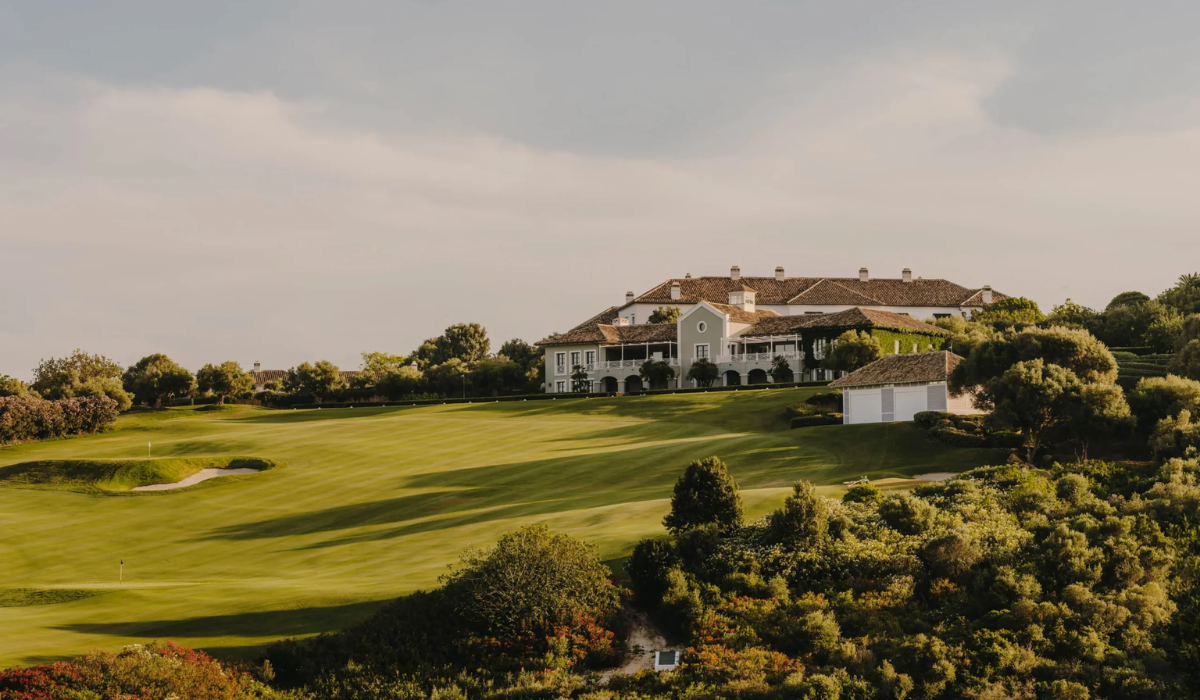
The Cabell Robinson-designed course hosted three editions of the Volvo World Match Play Championship and the 2023 Solheim Cup. Golf Digest ranks it among Spain’s finest, and it holds the number one spot in Spain and Portugal for customer service on leadingcourses.com. The resort earned GEO Certified® status in 2023, irrigating the course entirely with regenerated water from a nearby village. Dining spans El Jardín de Lutz for Spanish cooking, REI for Japanese-Mediterranean fusion, and Don Giovanni for Italian — backed by a 2,200-square-metre spa with thermal baths, saltwater pool, and a snow cave. Condé Nast Traveller has named it the best national resort in Spain.
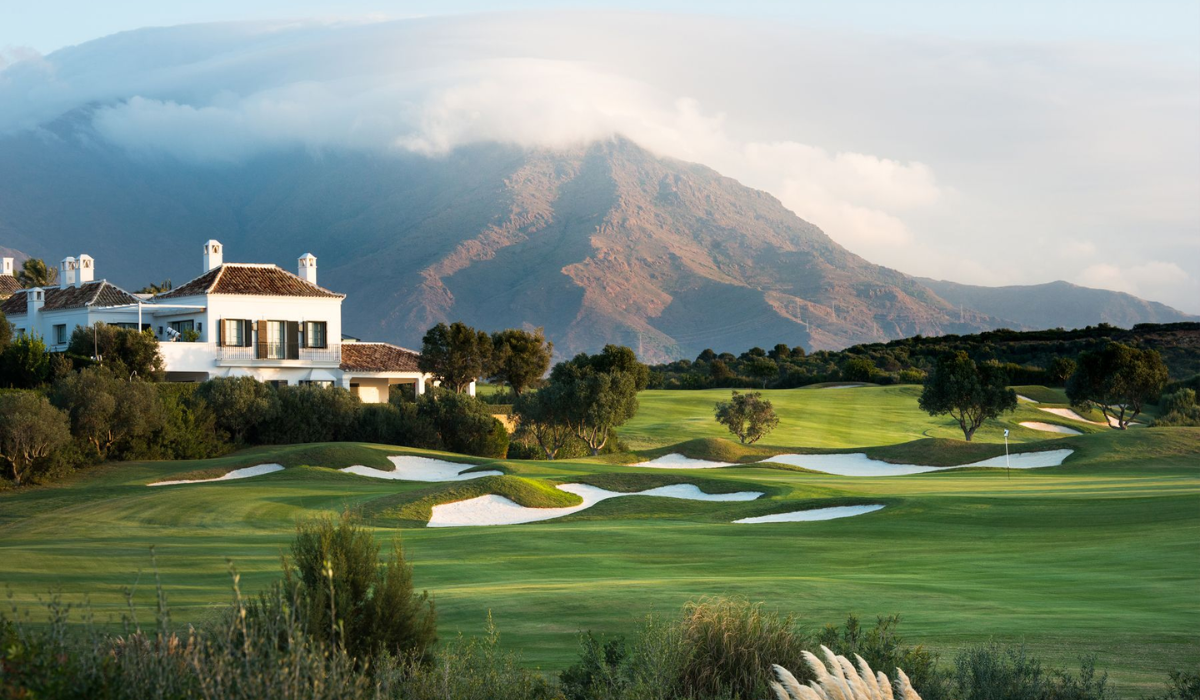
What distinguishes Finca Cortesin as a boutique property, despite its considerable facilities, is its insistence on proportionality. Nothing sprawls. The suites are generous without feeling anonymous — a grand private house that happens to have a championship course in the backyard.
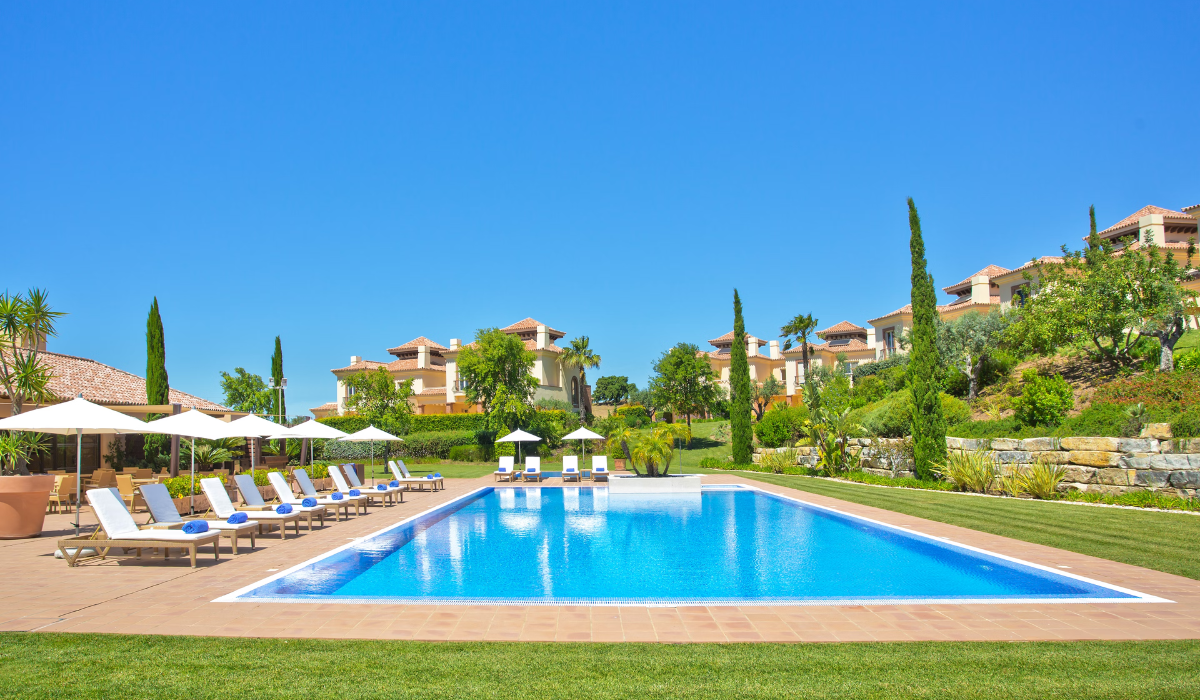
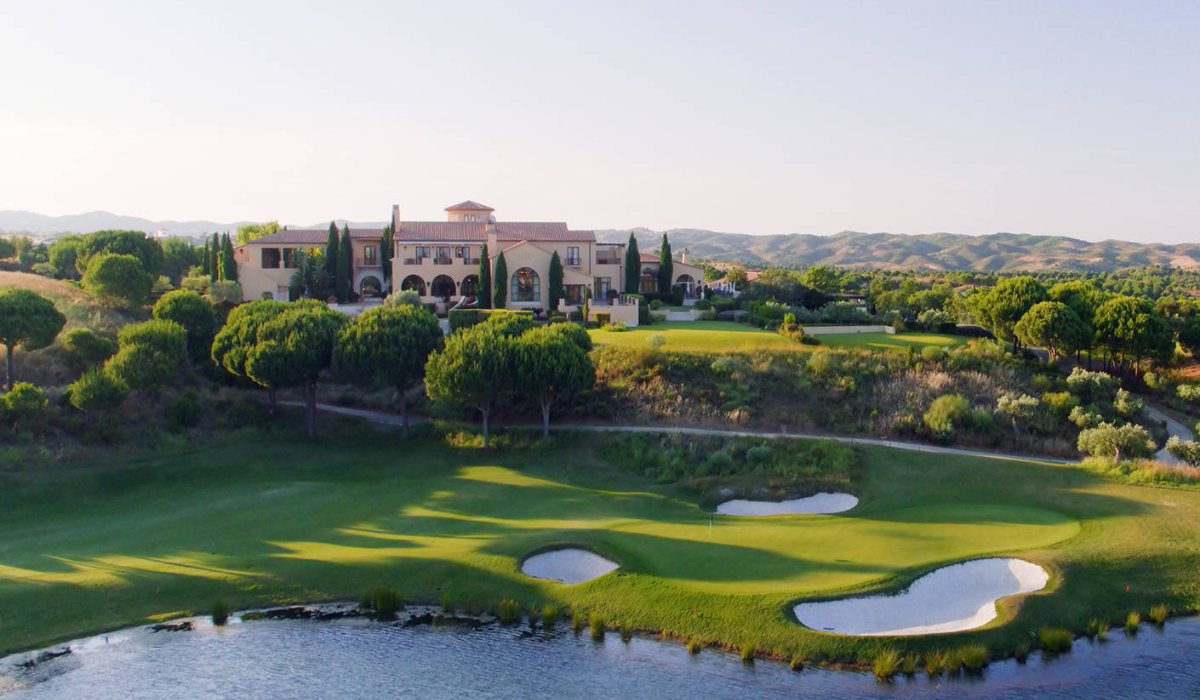
To reach Monte Rei, you drive east past Quinta do Lago and Vale do Lobo, past Tavira, until the landscape thins and the Serra do Caldeirão mountains appear on the horizon. The remoteness is intentional. Monte Rei was conceived as an escape from the well-trodden western Algarve, and its 1,000-acre footprint reinforces that promise at every turn.
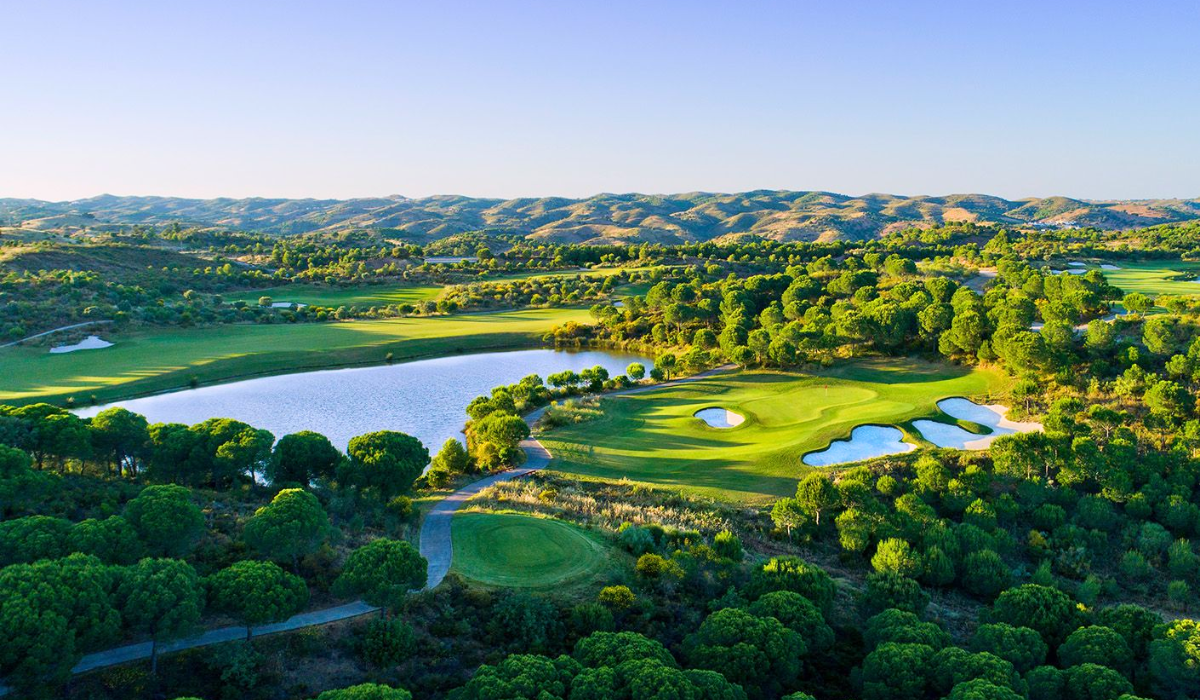
The Jack Nicklaus Signature North Course, open since 2007, is ranked number one in Portugal by Golf Digest and 27th in the world. Water comes into play on eleven of the eighteen holes, with wide fairways and angled, shallow greens rewarding patience as much as power. A second Nicklaus Signature course is in development, which would place Monte Rei in a highly exclusive group worldwide. Accommodation takes the form of villas inspired by traditional Portuguese architecture, with the Michelin-starred Vistas Rui Silvestre restaurant — overlooking the 18th hole and out to the Atlantic — holding its star for the third consecutive year. The intimacy of the resort, and the sense that access is earned by those who seek it out, gives Monte Rei its boutique credentials despite the scale of its golf ambitions.
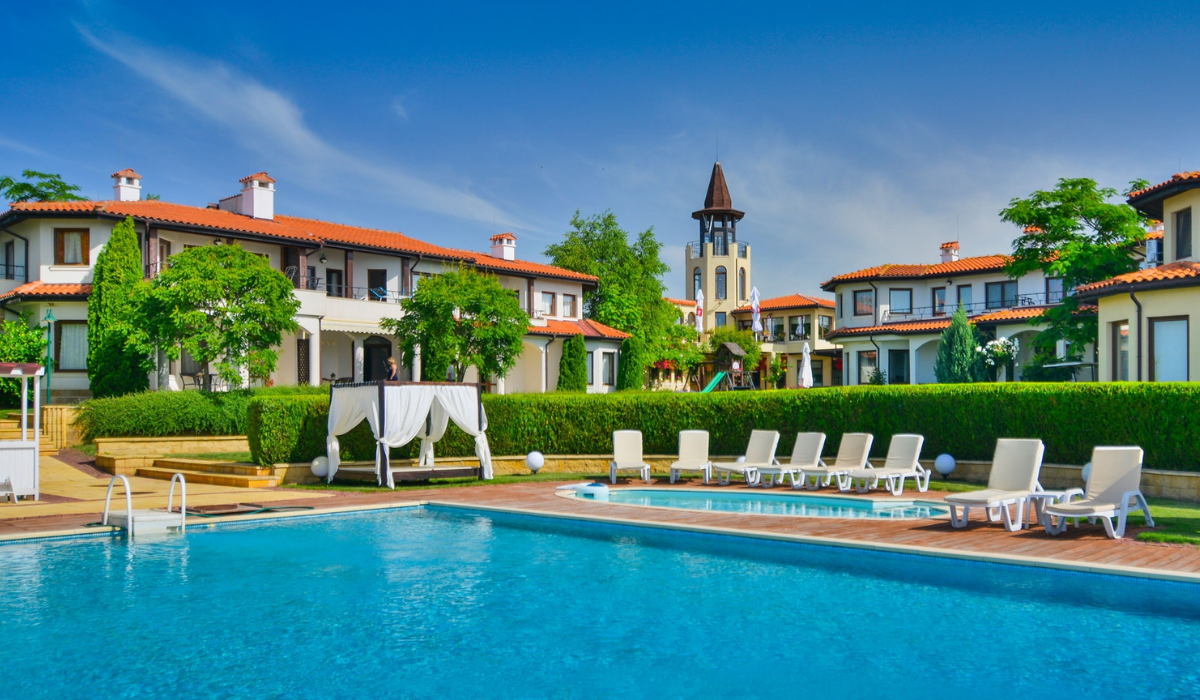
Bulgaria is not the first country that comes to mind when planning a serious golf trip. That is precisely part of its appeal. On the northern Bulgarian Riviera, above the rocky headland of Cape Kaliakra, BlackSeaRama Golf & Villas occupies a clifftop site where the Black Sea stretches to the horizon in three directions.
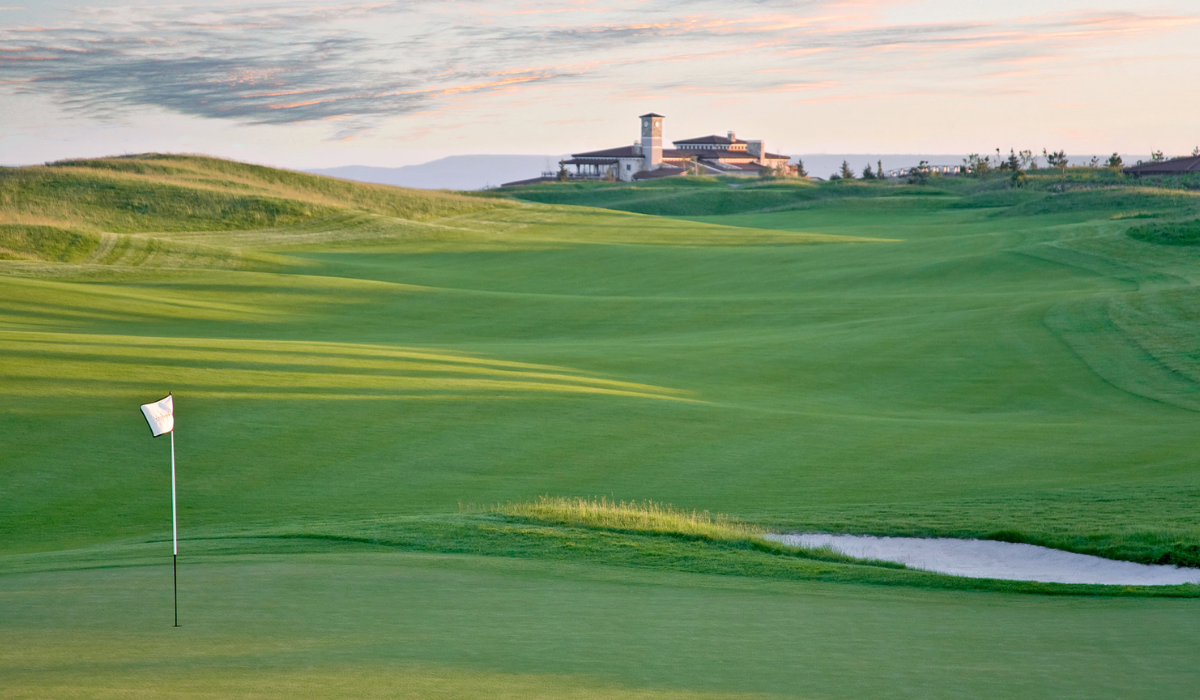
The Gary Player Signature course — his first design in Eastern Europe — is a par-72 layout across 6,648 metres of clifftop terrain, named Best New Golf Course in the World (international category) by Golf Inc. in 2009. Wide fairways and strategic bunkering make it accessible for all abilities, while the Black Sea breeze ensures no two rounds play the same. A Tuscan-inspired clubhouse with a terrace bistro anchors the post-round experience.
The Boutique Hotel itself has just 20 suites, positioned close to the clubhouse and the 18th fairway, with sea-view terraces, fireplaces in selected rooms, and a wine corner stocked with Bulgarian and international labels. Four restaurants spread across the resort — from fine dining at Restaurant Boutique to wood-fired Italian at the Bell Tower — and a spa drawing on local sea salts, wine, and honey complete the offering. The resort’s deliberate restraint from overbuilding, with low-rise villas and small villa clusters across the grounds, keeps the clifftop scale intact. Varna Airport is 40 to 50 minutes away — more accessible than the sense of discovery it delivers might suggest.
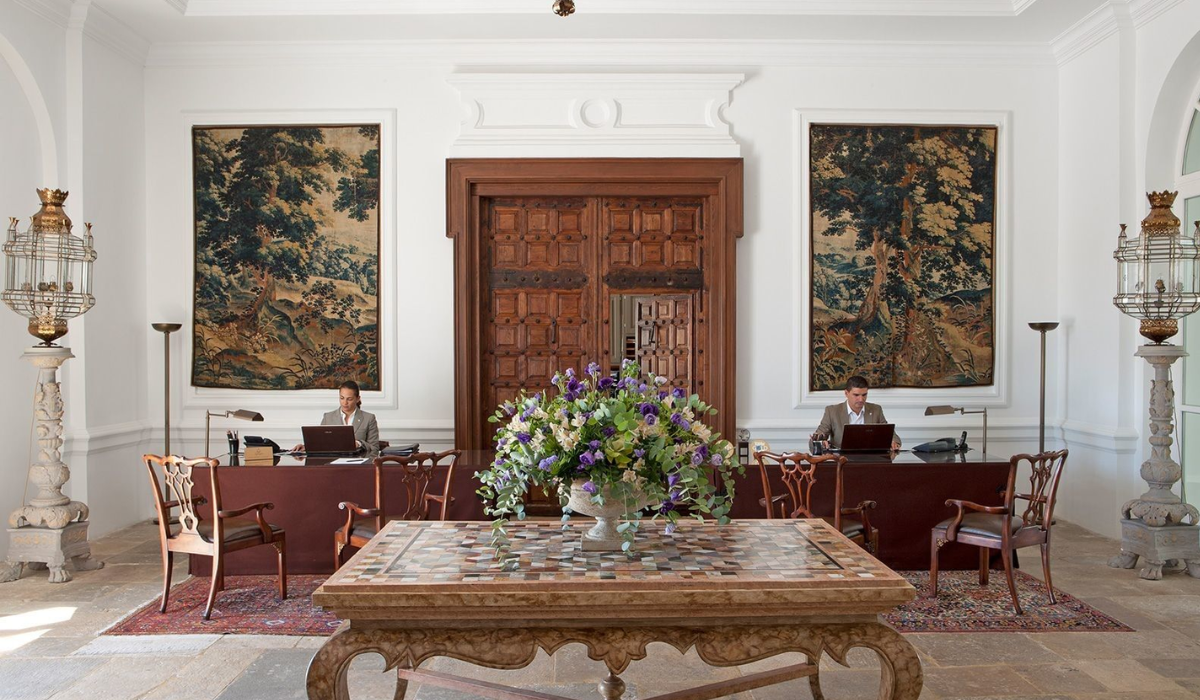
Current hospitality design thinking points decisively away from muted minimalism toward what designers call “bold, personality-driven interiors” — jewel tones, textured wall coverings, bespoke furniture, and layered materiality that make spaces feel curated rather than generic.
For boutique golf hotels, the urgency is particular: the course already establishes a strong aesthetic context, and the best properties ensure their interiors are in conversation with it rather than in competition. A clifftop links hotel has no business installing a tropical-themed spa. The properties that get this right — where walking from the 18th green into the clubhouse feels continuous rather than jarring — are the ones that stay with you. Lobbies, once purely logistical, are now treated as social hubs: layered, lit for mood, and furnished for lingering. The emphasis is on a “residential feeling” — the sense that you have arrived at someone’s very well-considered home.
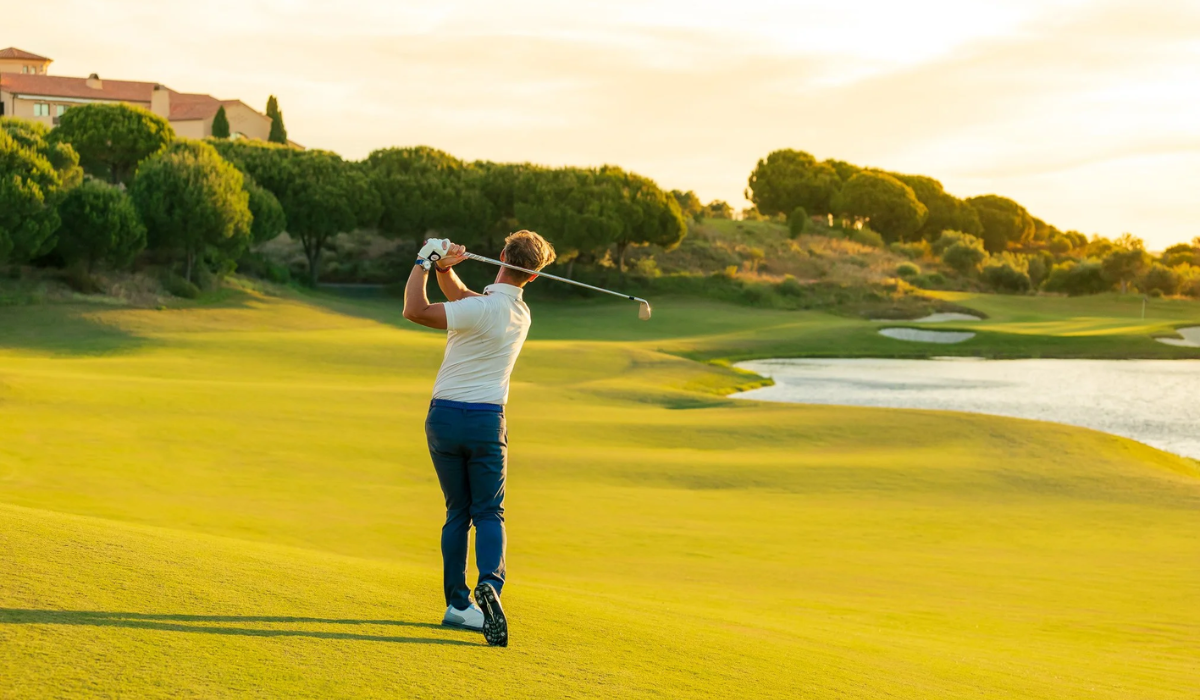
The golfer who books a boutique property is not necessarily chasing the longest course or the most televised venue. They are looking for the feeling of having gone somewhere real — a particular light in the evening, a bar where conversation flows easily with strangers who made the same pilgrimage, a breakfast that tells you something about the region before the first tee shot does. Research from across the golf travel sector shows that experiential motivations — new courses, new landscapes, genuine immersion — are now the primary drivers of golf travel decisions. More than 12 million Americans took a trip specifically to play golf last year, with nearly half indicating they planned to spend more going forward. Boutique hotels sit directly in the path of that demand.
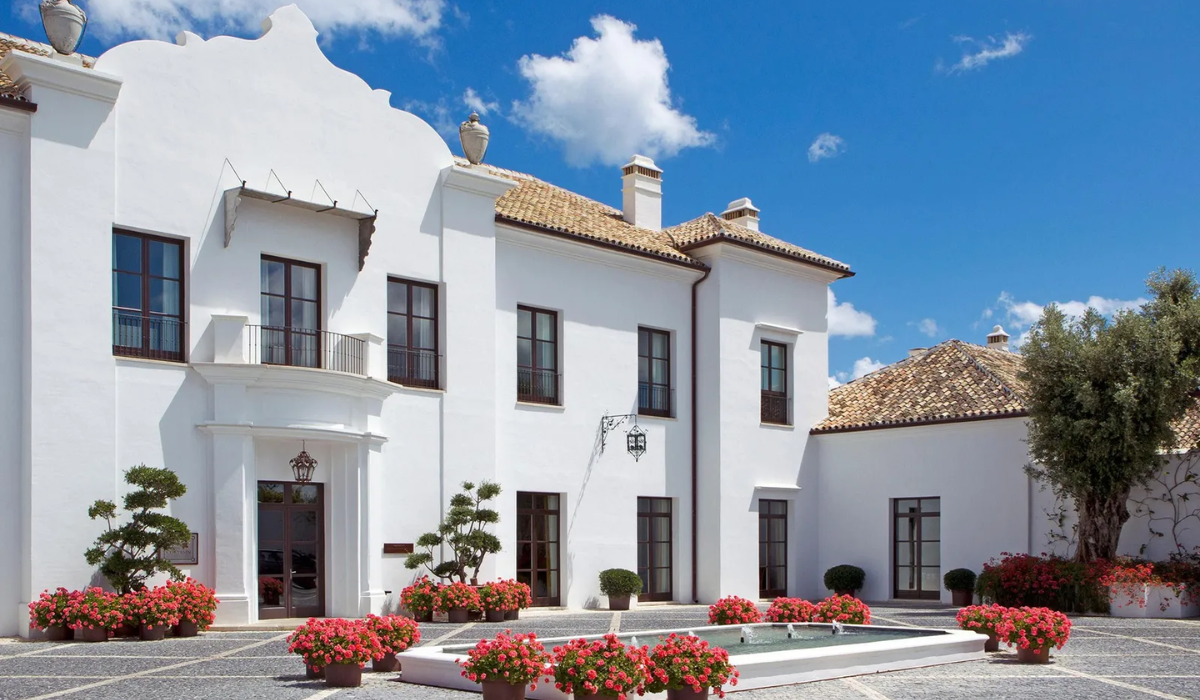
The great boutique golf hotels share a quiet confidence. They do not need to be everywhere because they are entirely, irreducibly themselves. Finca Cortesin’s Andalusian courtyards exist in relation to that specific hillside above the Mediterranean. Monte Rei’s villas are inseparable from the Eastern Algarve’s particular quality of light, silence, and mountain-framed sky.
Destinations
Europe’s Best Resorts for Couples
For couples who love golf — but also care about beauty, comfort, and a little romance — Europe offers a dazzling array of resorts where fairways meet fairy‑tale settings. From sun‑drenched Mediterranean coastlines to serene Alpine lakes, here are some of the best golf escapes for two. Royal Bled Golf & Country Club — Alpine […]

Course Reviews
Top 4 “Public” Golf Courses by Gil Hanse
American golf course architect Gil Hanse is known for his minimalist and strategic designs. After working with legendary designer Tom Doak, Hanse formed his own company, Hanse Golf Course Design, in 1993. He has since become one of the world’s most influential golf course architects. All Square takes a look at some of his greatest […]