


Destinations
The Rise of Wellness-Integrated Golf Hotels
Explore 33,000+ golf courses in 180 countries.
Follow the latest news and trends in golf.
Connect with like-minded golfers.
Find everything you need for your golf equipment and gear needs.
Travel, golf resorts, lifestyle, gear, tour highlights and technology.
All Square
Suggestions
Destinations
The Rise of Wellness-Integrated Golf Hotels
Course Reviews
Minthis Resort: Cyprus Golf Escape
Clubs
Aaron Rai’s Winning WITB at the 2026 PGA Championship
Destinations
Boutique Golf Hotels with Personality
Course Reviews
The Masterpiece Reawakens: Aronimink 2026
Clubs
Kristoffer Reitan’s Winning WITB at the 2026 Truist Championship
Destinations
The Auberge du Jeu de Paume: A Golfer’s Royal Retreat
Clubs
Cameron Young’s WITB 2026 at the Cadillac Championship
Clubs
Team Fitzpatrick’s Winning WITB from Zurich Classic Victory
Destinations
The View Agadir: Morocco’s Newest Luxury Golf Base Has Arrived
Destinations
Inside Dunluce Lodge: Northern Ireland’s Ultimate Golf Retreat
Destinations
Seaton House: The Home of Golf Finally Has the Hotel It Deserves
Clubs
Matt Fitzpatrick Wins 2026 RBC Heritage: Inside His Triumph WITB
Course Reviews
Sustainability in Golf: The World’s Most Environmentally Conscious New Courses
Clubs
Rory McIlroy 2026 Masters WITB: Winning Setup at Augusta
Majors
Masters 2026: Augusta National Course Preview & FAQ
Course Reviews
The Best Golf Courses Near Pinehurst That Aren’t Pinehurst No. 2
Course Reviews
The Els Club Vilamoura: Golfing Grandeur in the Algarve
Destinations
From Tee to Table: Chef-Led Cooking Classes at Golf Resorts
Destinations
After the 18th Hole: Local Delicacies You Must Try in Spain
Clubs
Nacho Elvira’s Dubai Breakthrough: WITB and a Moment to Remember
Destinations
Mindful Golf: How Meditation Improves Your Game
Course Reviews
Argentario Golf & Wellness Resort: Tuscany’s Championship Gem
Destinations
Spa & Swing: Resorts for Golfers Who Love Wellness

Golf has always been more than a sport. It is a ritual, a discipline, and for many, a form of therapy in itself — four hours of purposeful walking, fresh air, and the meditative rhythm of club on ball. But something significant has shifted in the world of golf travel over the past few years. Golfers are no longer simply asking where they will tee off. They want to know what will happen to their body and mind between rounds. The answer, increasingly, is that the finest golf hotels in the world have transformed themselves into full-spectrum wellness destinations.
This is not a trend born of marketing departments and luxury branding exercises. It is a genuine and measurable shift in how golf resorts are designing themselves, hiring staff, and packaging experiences. And the numbers behind it are staggering.
The original function of the spa at a golf resort was simple: to relax stiff muscles after a long day on the course. A hot tub here, a massage there. That model has not disappeared, but it has been swallowed whole by something far more ambitious.
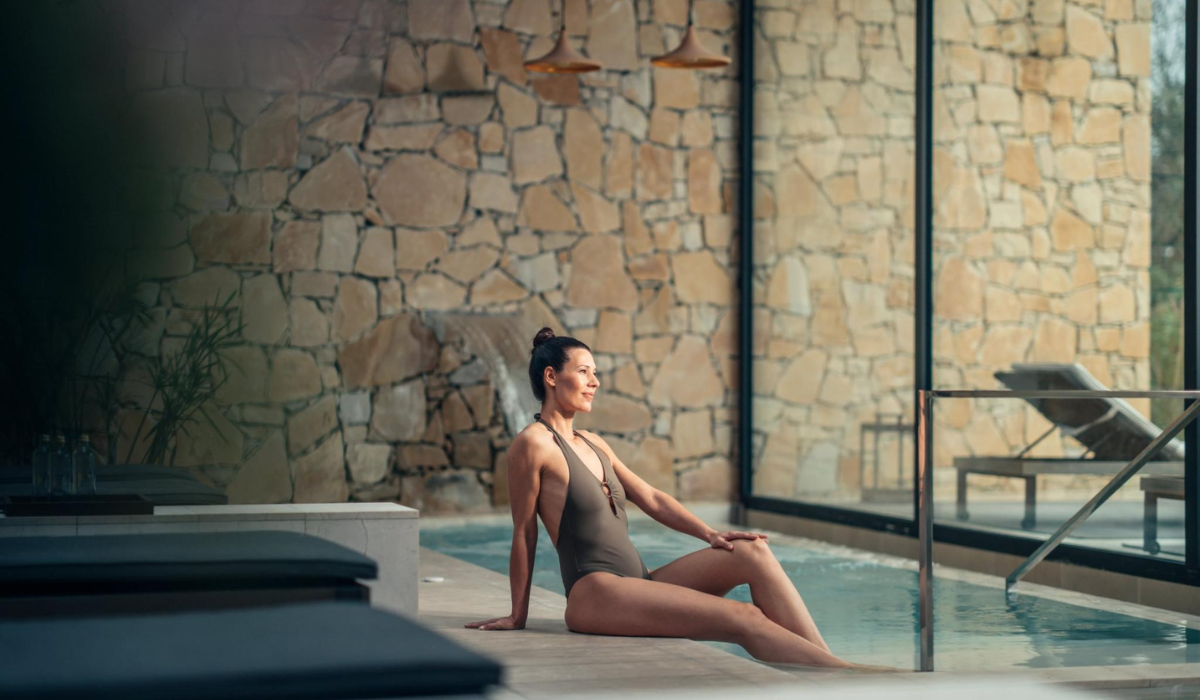
Today’s leading wellness-integrated golf hotels are building what designers and hospitality experts now call “wellness ecosystems” — interconnected environments that address physical recovery, mental sharpness, nutritional support, and sleep quality all under one roof. Traditional treatment rooms are now joined by spaces for cryotherapy, hydrotherapy circuits, hot-cold contrast bathing, IV therapy, meditation studios, and diagnostic testing. The shift is from the hotel spa as a side offering to the spa as an anchor of the entire guest experience.
After an 18-hole round, golfers commonly face muscle fatigue and soreness in the shoulders, back, and legs. A round of golf involves several miles of walking, hundreds of rotational movements through the swing, and sustained periods of concentration. A properly designed recovery programme addresses all of these demands: hydrotherapy pools to ease musculoskeletal tension, contrast bathing to accelerate recovery, targeted massage to release the specific muscle groups used most heavily in the swing, and breathwork or meditation to decompress the nervous system after a competitive round. The best resorts are now choreographing these experiences as fluidly as they choreograph a tee-time sheet.
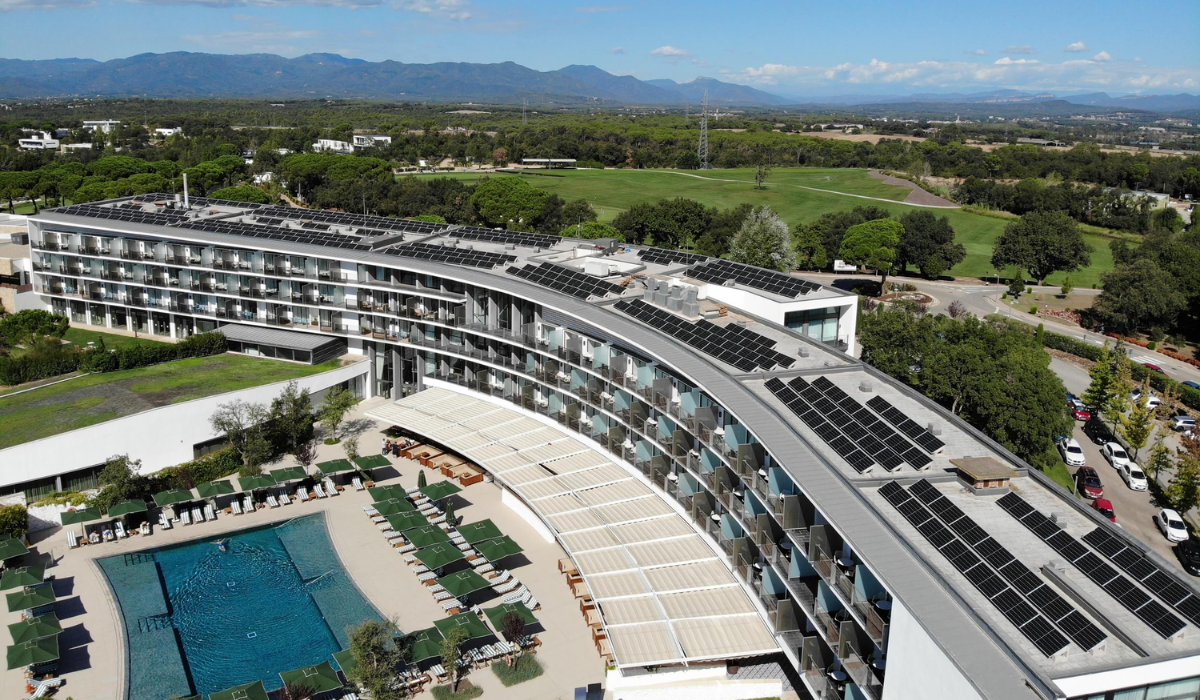
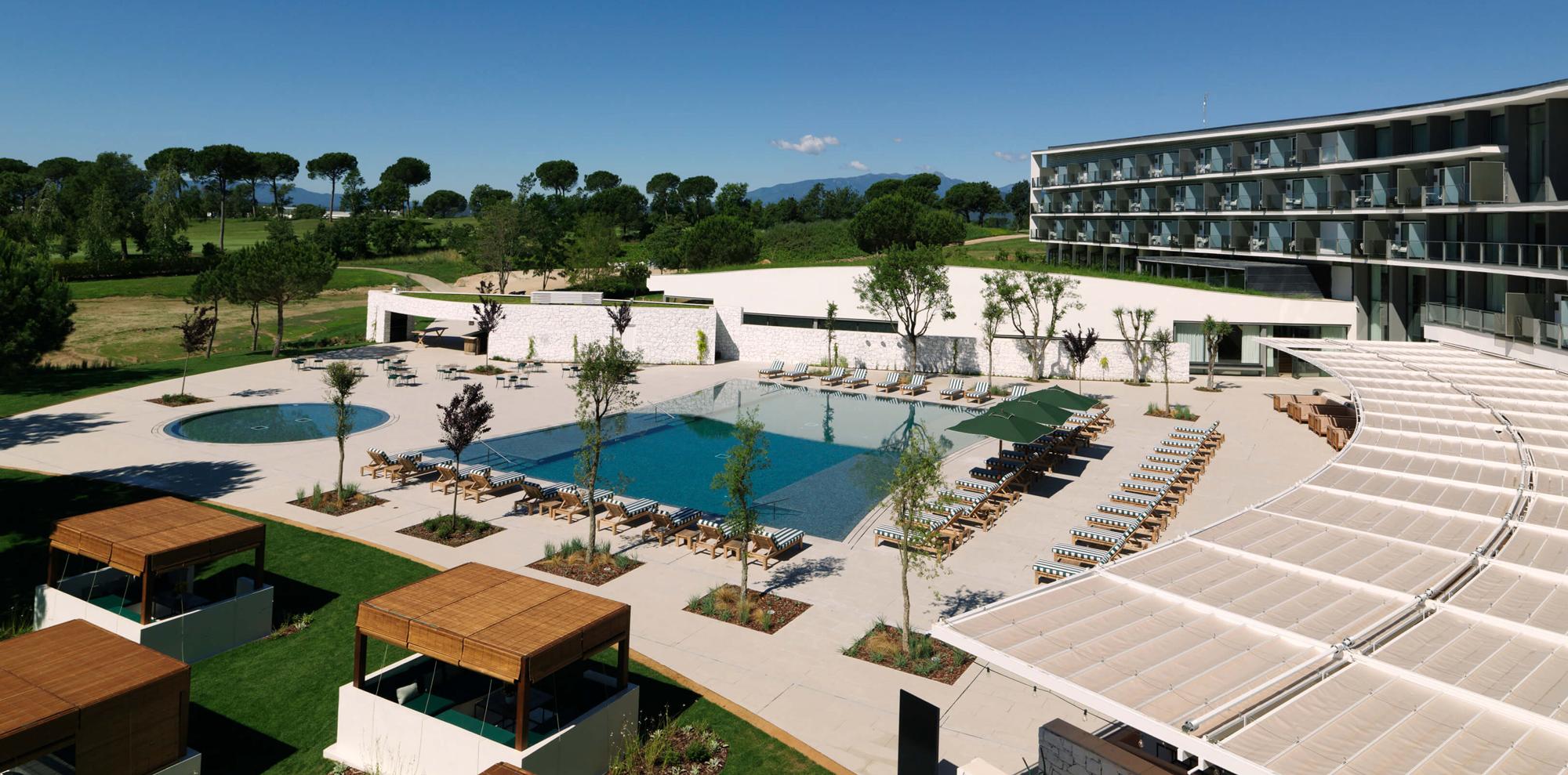
Few resorts in Europe illustrate this transformation as completely as Camiral, a Quinta do Lago Resort, located in Catalonia’s Costa Brava. Formerly known as PGA Catalunya, the resort rechristened itself in December 2025 to more fully reflect what it has become: a destination where world-class golf and holistic wellness are co-equal pillars of the experience.
Camiral’s Wellness Centre draws explicitly on the philosophy that recovery and performance are inseparable. Its treatments span from ancient therapeutic traditions to cutting-edge technology — cryotherapy, photobiomodulation, and Pilates studios designed to restore posture, alignment, and core strength specific to the demands of the golf swing. The resort’s CEO, David Plana, has stated that physical and mental health are now at the core of the property’s philosophy, not peripheral to it. The resort’s “Stay, Play, Stay Well” positioning — golf on its Stadium Course (ranked Spain’s number one course, and future host of the 2031 Ryder Cup) followed by structured recovery and wellness programming — represents what may be the clearest articulation of this new model anywhere in Europe.
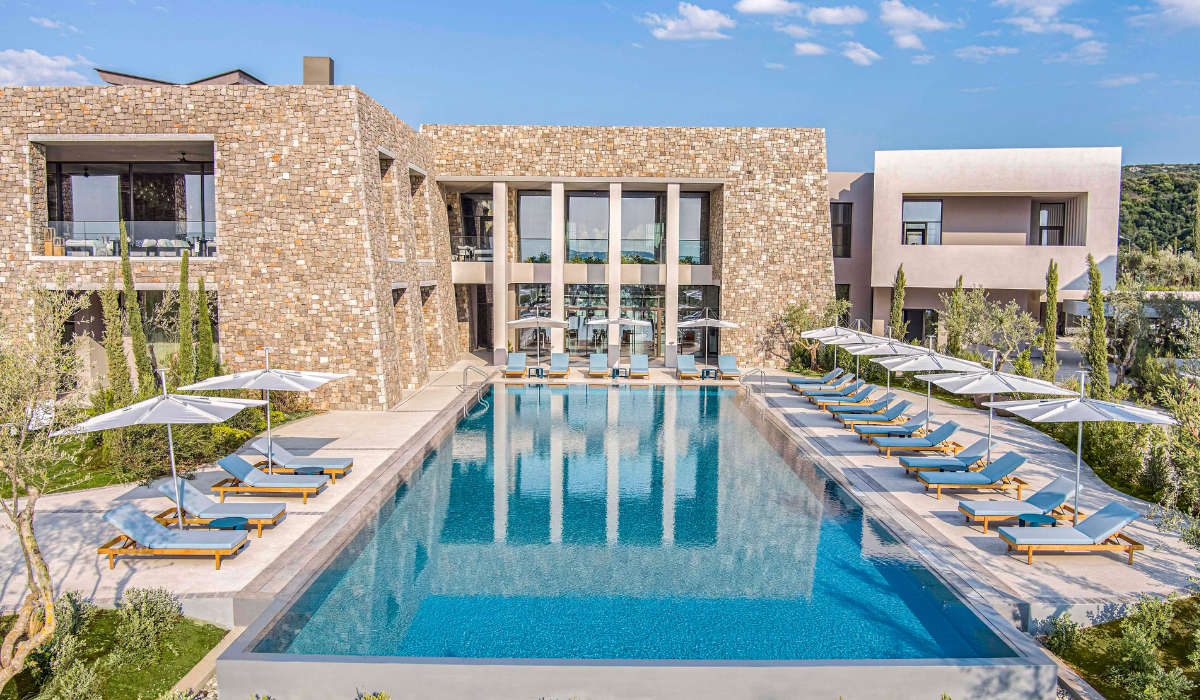
On the southern Peloponnese, Costa Navarino has built one of the Mediterranean’s most ambitious golf and wellness destinations around a foundation of sustainability and holistic experience. Four signature golf courses — the Dunes, Bay, Hills, and International Olympic Academy layouts — share a landscape with multiple wellness centres, diverse dining concepts, and year-round programming that spans fitness, cultural immersion, and natural therapies. The commitment to environmental responsibility underpins everything: the resort has been recognised as one of the most sustainable hospitality developments in southern Europe.
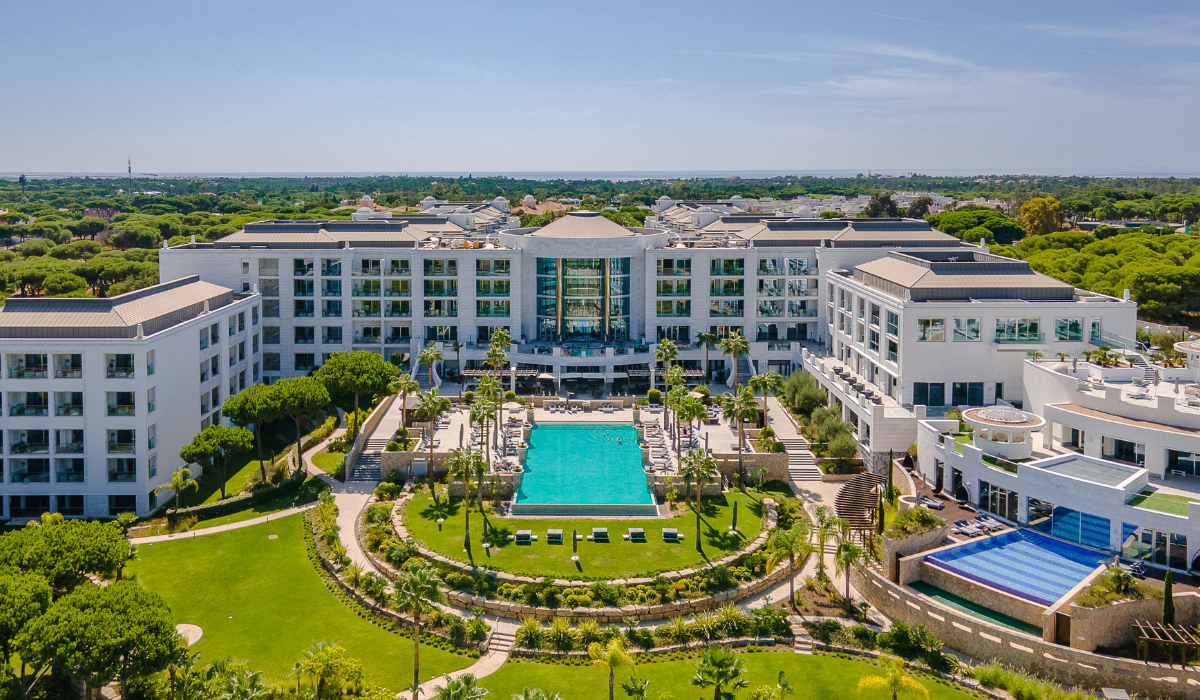
Portugal’s Algarve region has become something of a laboratory for wellness-integrated golf hospitality. Conrad Algarve, sitting within a 50-hectare estate, combines multiple 18-hole courses with a thermal spa, professional golf coaching, and complimentary daily wellness access for guests. Penha Longa Resort in the Natural Park of Sintra — with 27 holes designed by Robert Trent Jones Jr. — is home to the Penha Longa Wellness Club, which regularly appears on lists of the finest spa facilities in Europe. Quinta do Lago, meanwhile, continues to evolve its offering, deepening its investment in performance nutrition, physiotherapy services, and fitness programming specifically targeted at golfers.
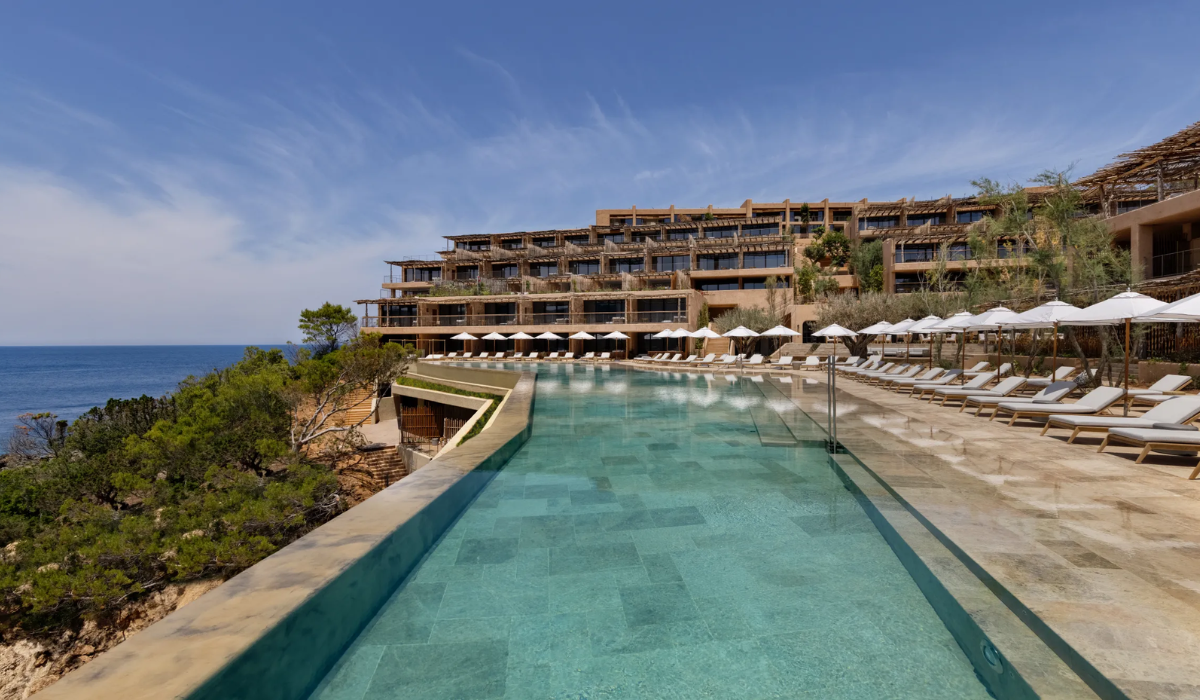
Beyond traditional resort spas, a new category of ultra-premium wellness destination is beginning to intersect with golf travel. Six Senses Ibiza has established itself as one of Europe’s leading biohacking and longevity retreats, offering personalised programmes that combine diagnostic testing, regenerative nutrition, sleep optimisation, and recovery therapies within a luxury residential setting. While not a golf resort in the traditional sense, it represents the frontier toward which the most ambitious golf wellness destinations are now pointing.
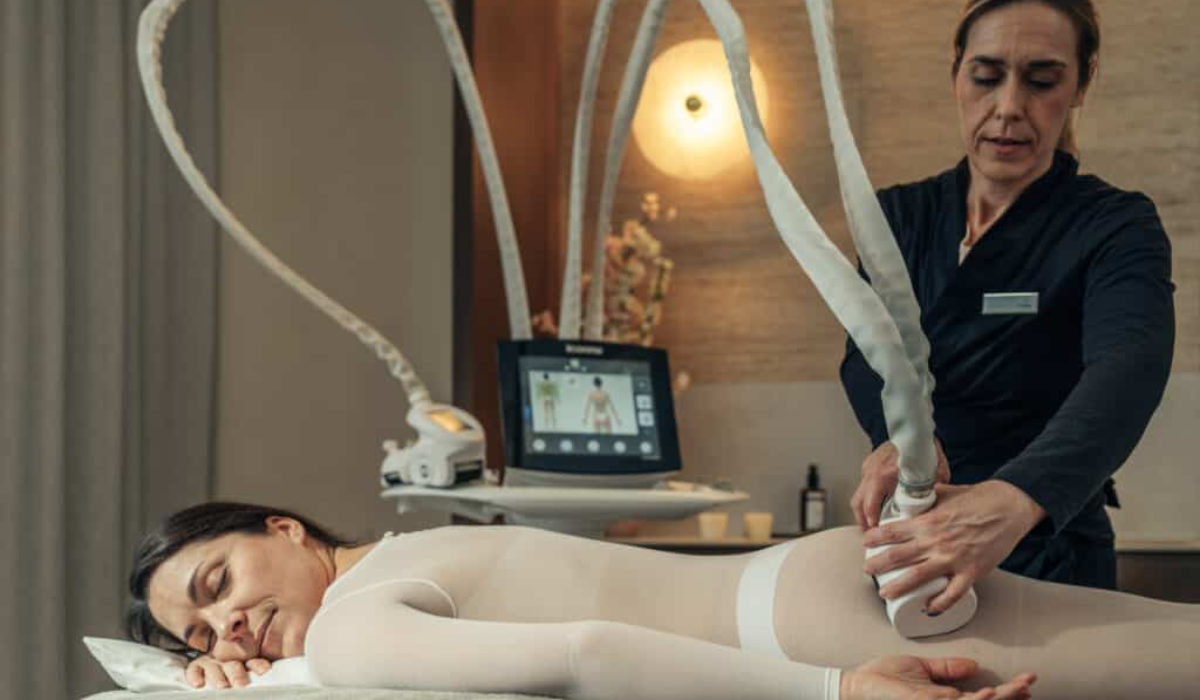
Perhaps the most striking development in this space is the arrival of biohacking at the golf resort. What began as a niche pursuit among performance-obsessed athletes and tech entrepreneurs — using data, technology, and intentional lifestyle interventions to optimise human performance — has now entered the mainstream of luxury wellness travel, and golf resorts are among its most natural homes.
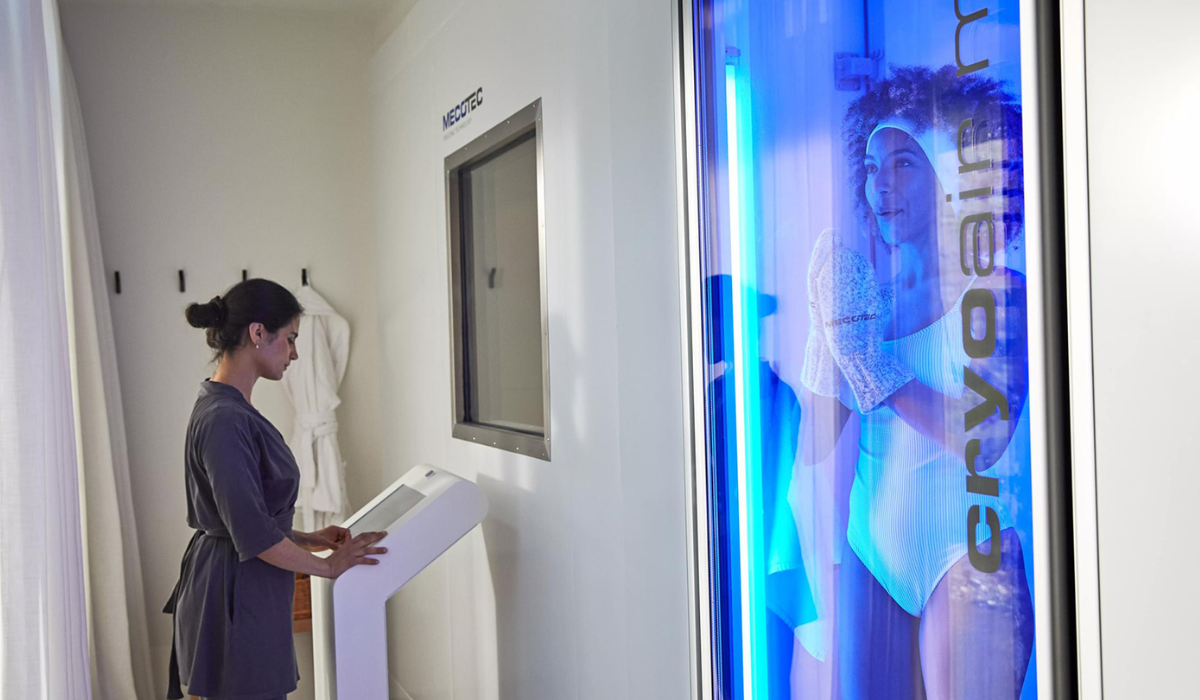
A biohacking retreat in a golf context means far more than a wearable on the wrist. It involves performance diagnostics on arrival, personalised nutrition programmes calibrated to an individual’s biological markers, sleep coaching, movement assessments, and a recovery stack that might include hyperbaric oxygen therapy, infrared sauna sessions, and contrast bathing. The logic is compelling: a golfer who sleeps deeply, recovers efficiently, and eats in alignment with their physiology will not only feel better on holiday — they will genuinely play better. One hospitality industry analyst noted recently that a guest with elevated stress markers following biometric assessment might receive a different dinner recommendation than a guest who woke up fully recovered — the hotel itself becomes a personalised performance partner.
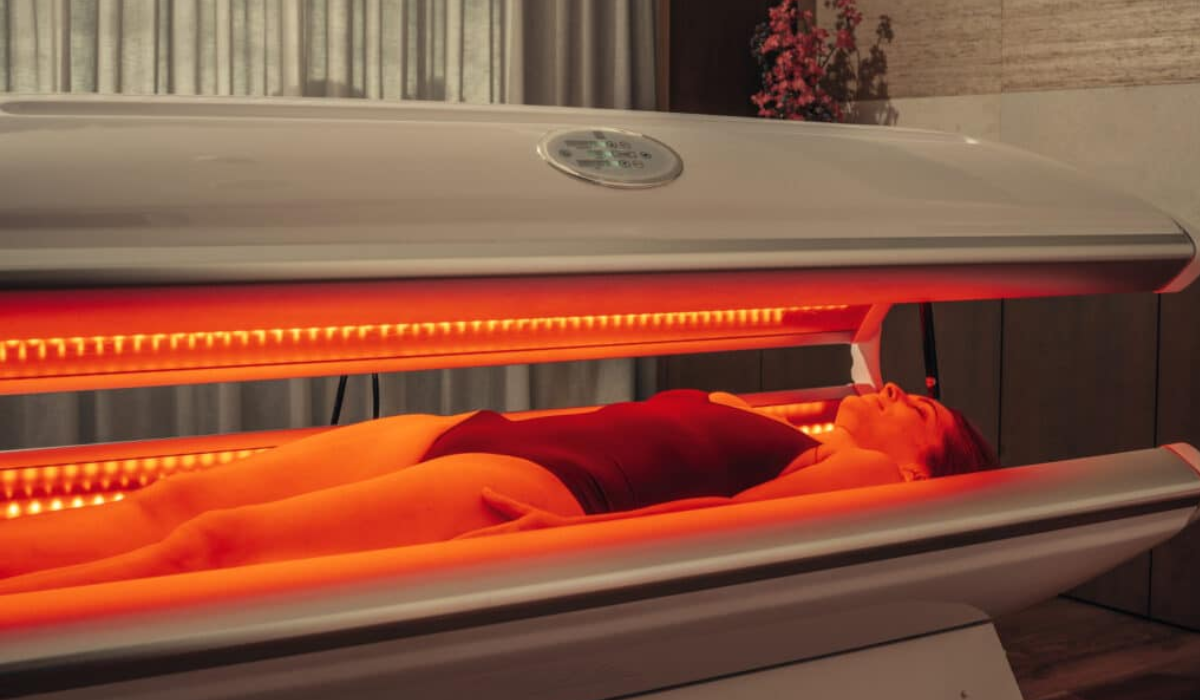
Camiral’s wellness centre already integrates photobiomodulation — the use of specific light wavelengths to accelerate cellular recovery — alongside cryotherapy and Pilates. Portugal’s longevity-focused biohacking retreats list Camiral as one of their featured properties for BIO-certified wellness programming. Biohacking is no longer an add-on. At the leading edge of the market, it is the core product.

Golf has always been described as a game played primarily between the ears. The sport requires sustained concentration, emotional regulation, patience, and the capacity to recover composure after mistakes — skills that map almost perfectly onto contemporary understandings of mental health and cognitive resilience.
A 2025 survey found that 95% of golfers believe golf significantly benefits their mental health, yet 41% felt that mental health was not discussed openly enough within the golfing community. The wellness-integrated golf hotel is beginning to fill that gap. Mindfulness programming, breathwork instruction, guided meditation, and yoga sessions are increasingly embedded into the structured experience of a golf resort stay. A growing body of research supports these interventions: studies published in the Journal of Health Psychology show that regular meditation practice reduces cortisol levels in athletes, while research from the University of Southampton confirms that mindfulness techniques significantly lower stress hormone levels during sports performance.
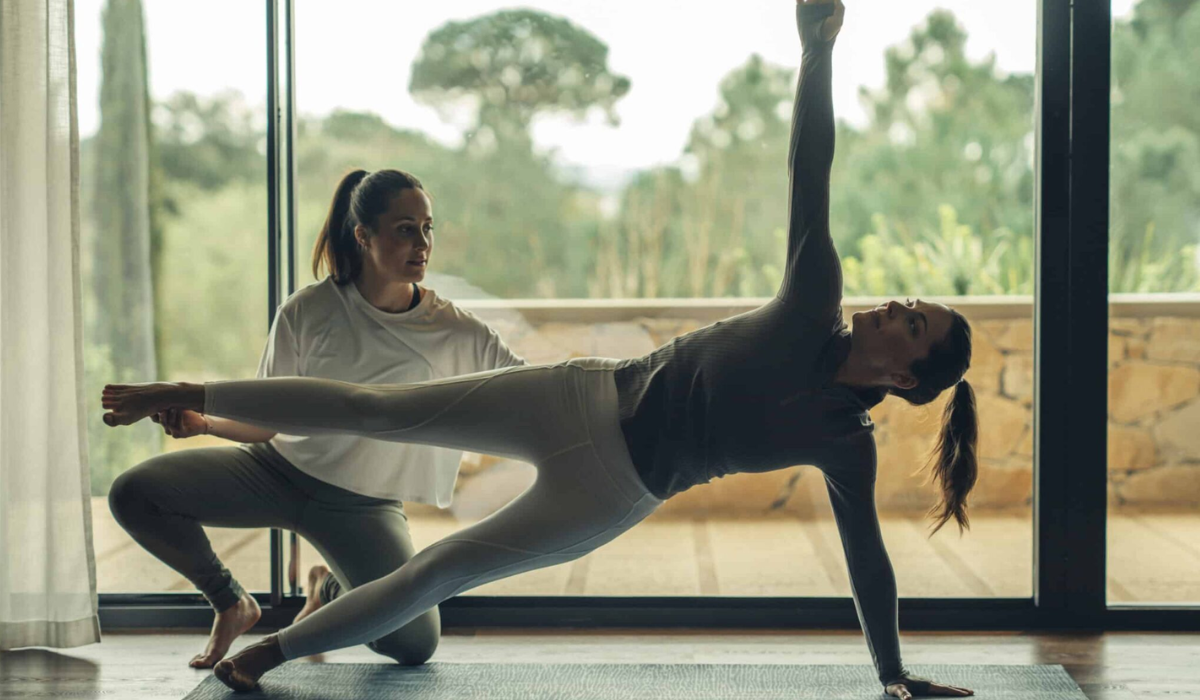
For the golfer, the implications are tangible. Pre-round breathwork can centre the nervous system and lower anxiety. Visualisation practices — mentally rehearsing a clean iron shot before stepping onto the tee — have been shown to improve execution. Between holes, mindful breathing serves as a reset mechanism after poor shots. Several European golf resorts now offer dedicated performance mindfulness coaching as part of their stay-and-play packages, recognising that the mental game is as trainable as the physical one.
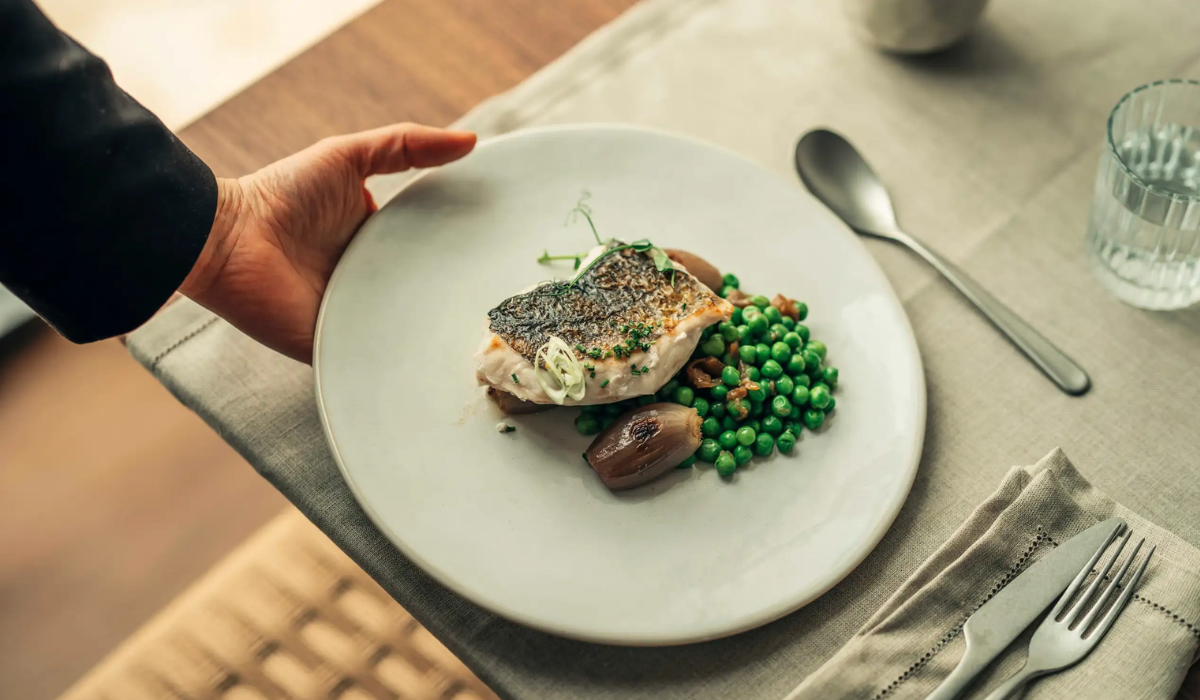
The relationship between what a golfer eats and how they perform over four rounds is something that professionals have understood for decades. Tour players carry carefully planned nutritional strategies onto the course. The wellness-integrated golf hotel is now making the same infrastructure available to every guest.
At the more progressive end of the market, nutrition at a golf wellness resort is no longer about offering a spa menu alongside the à la carte. It is about gut microbiome analysis, anti-inflammatory dietary programmes, hydration protocols calibrated to a guest’s physiology, and functional meal compositions designed to stabilise energy across the duration of a round. Some properties are partnering with nutritional scientists and sports dietitians to develop golfer-specific menus — foods that sustain cognitive focus, support muscle recovery, and avoid the blood-sugar crashes that compromise decision-making on the back nine.
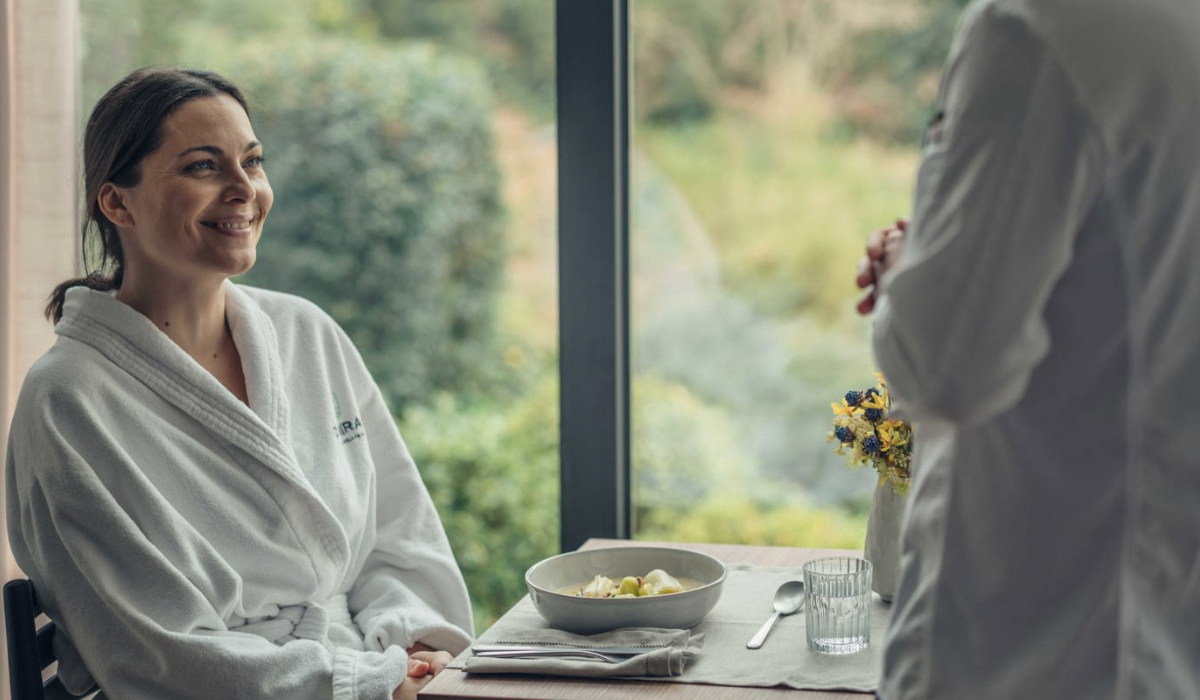
This connects directly to the broader biohacking movement, where nutritional biohacking — using specific diets, supplementation, and fasting windows to boost metabolism and mental clarity — has become a major focus. DNA-based and microbiome-based personalised nutrition, once the preserve of elite sports science, is increasingly being offered within luxury hotel settings.
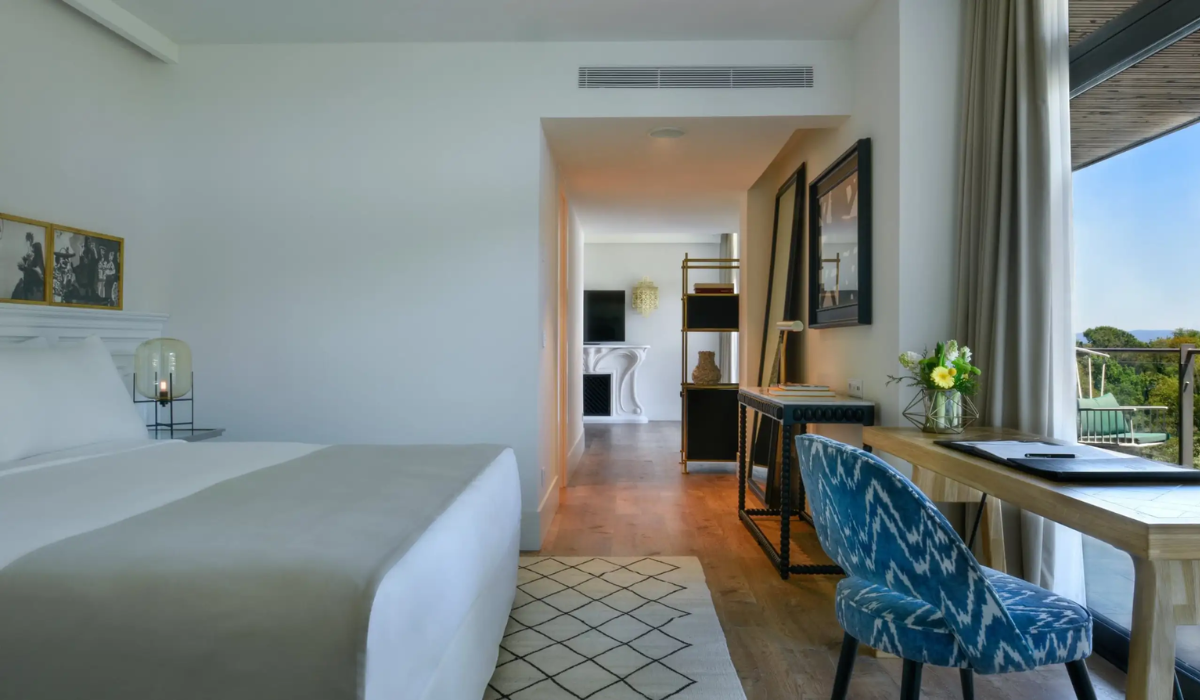
One of the more counterintuitive frontiers in golf wellness is the bedroom. A growing body of hospitality research suggests that travellers frequently sleep better in thoughtfully designed hotel environments than they do at home — a counterintuitive finding that progressive properties have seized upon to develop dedicated sleep optimisation programming. From AI-managed mattress systems and circadian lighting protocols to pre-sleep therapies and melatonin-supporting evening menus, the sleep environment at a leading wellness golf hotel has become as carefully designed as the course itself.
Sleep is not simply rest. It is the primary mechanism through which the brain consolidates motor learning — the process by which a swing adjustment made on the range is encoded into procedural memory. A golfer who sleeps poorly between practice sessions learns more slowly and loses gains faster. Conversely, optimal sleep accelerates skill acquisition, sharpens reaction time, and stabilises the emotional regulation that determines how a player responds to adversity on the course. Some biohacking-forward properties now include WHOOP band integration or similar wearable partnerships, allowing coaches to calibrate the day’s training load based on a guest’s actual overnight recovery data.
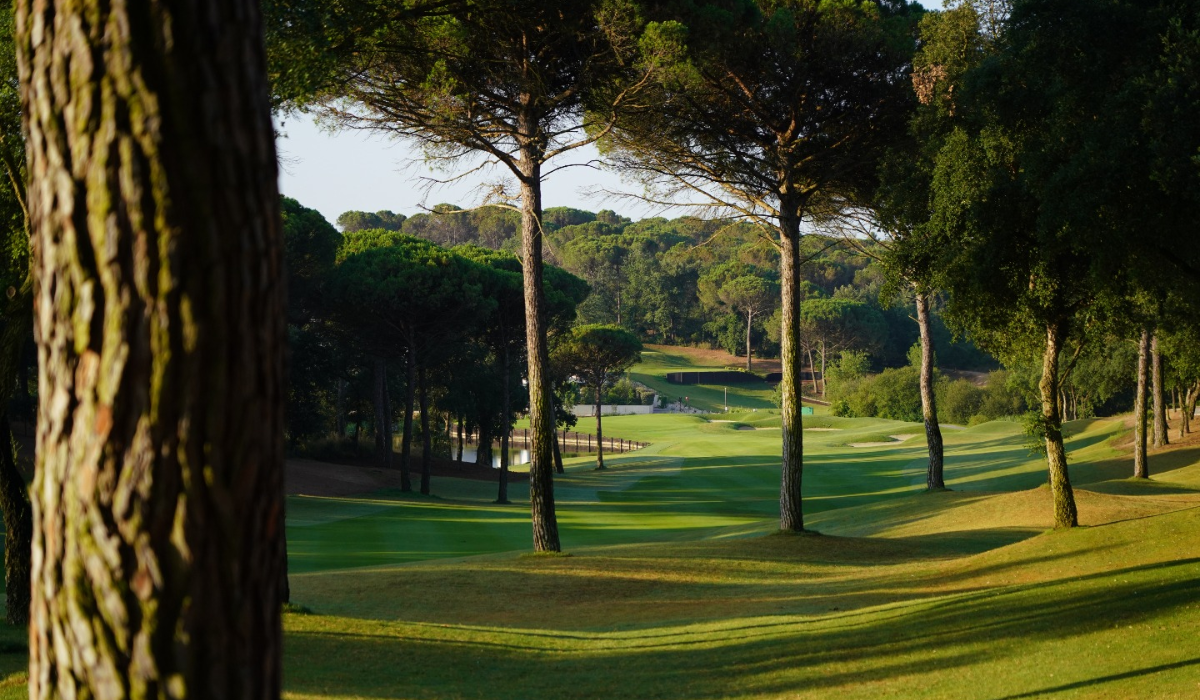
The wellness ethos does not stop at the body. The most credible wellness-integrated golf resorts are also leading voices in environmental sustainability, recognising that the natural landscape itself is a therapeutic asset that must be protected.
Camiral achieved GEO Certified status for environmental responsibility back in 2013 and received IAGTO’s Sustainability Award for Nature Protection in 2020. Its maintenance programme is described as more akin to that of a natural sanctuary than a commercial sporting venue. Costa Navarino has built its entire identity around the sustainable development of the southern Peloponnese coastline. The broader industry trend is moving toward what researchers call “regenerative tourism” — where the resort’s success is measured not just by occupancy rates, but by its positive impact on the local ecosystem.
For guests, the wellness dividend of this approach is real and measurable. Time spent in natural environments with low light pollution, clean air, minimal noise, and rich biodiversity has well-documented benefits for psychological recovery. The biophilic design principles now appearing in premium golf resort architecture — maximising natural light, incorporating living plant walls, using natural materials, and maintaining sightlines to landscape — are grounded in the same science. Nature is not the backdrop to the wellness experience. For the most thoughtful resorts, it is the foundation of it.
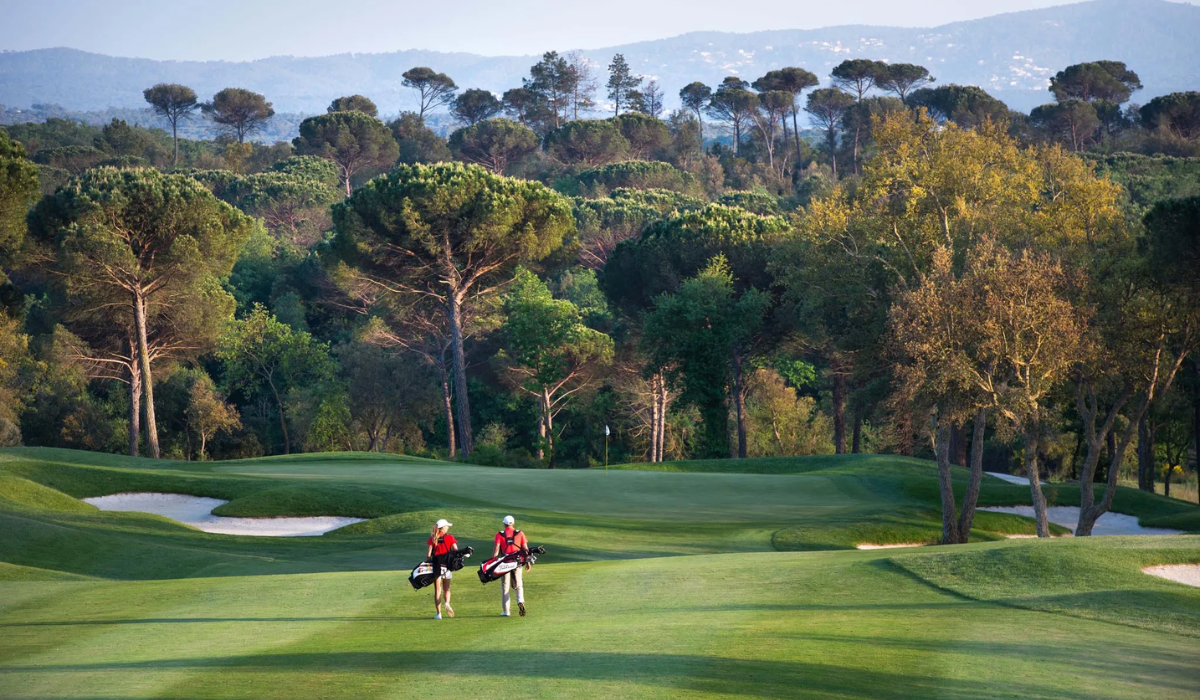
The trajectory is clear. What was pioneered by a handful of progressive resorts over the past decade is now becoming the expectation across the premium segment of golf travel. Industry insiders consistently identify wellness, sustainability, and immersive stay-and-play experiences as the three forces most powerfully shaping demand in 2025 and beyond.
We are likely to see further investment in longevity science at golf resorts — more diagnostic testing on arrival, more personalised programming across the stay, more explicit measurement of outcomes. The distinction between the spa and the golf academy is blurring, as performance coaches increasingly work in collaboration with physiotherapists, nutritionists, and mindfulness practitioners. The course itself may become a vehicle for therapeutic programming — walking as moving meditation, nature immersion as stress recovery, the social connection of a round as an antidote to isolation.
The golf hotel of the next decade will not simply be a place where you play golf. It will be a place where golf plays a role in making you better — physically, mentally, and perhaps in ways that are harder to measure but no less real. For a sport that has always been as much about what happens in the mind as on the course, that future feels less like disruption and more like a long-overdue homecoming.
Looking to explore the world’s best golf and wellness destinations? Discover curated stay-and-play packages and expert editorial at All Square Golf.
Book the Golf Trip of Your Dreams with All Square Golf
Sustainability in Golf: The World’s Most Environmentally Conscious New Courses
Destinations
Discover Infinitum Golf
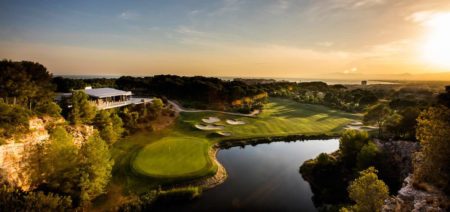
We’ve all heard of the biblical story of the Garden of Eden. Well this could easily be the golf complex attached to the side of the garden. The word paradise springs to mind when you look at Infinitum near Tarragona in Catalonia, less than an hour and a half from Barcelona. Infinitum features 45 of the […]
Course Reviews
Wild Coast Sun Resort, South Africa
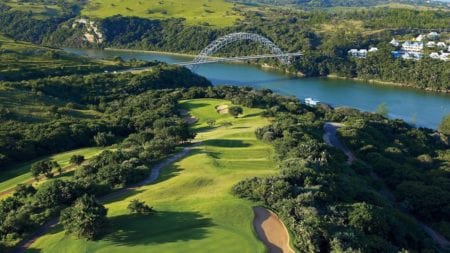
The family-friendly resort of Wild Coast Sun, along South Africa‘s stunning Eastern Cape by the Indian Ocean, offers excellent accommodation, a stunning spa, a world famous waterpark, and a championship golf course designed by the great Robert Trent Jones Jr. Located next to the charming resort town of Port Edward, the resort is less than […]