


Course Reviews
Streamsong’s Newest Masterpiece: Why Bone Valley Might Be Its Boldest Statement Yet
Explore 33,000+ golf courses in 180 countries.
Follow the latest news and trends in golf.
Connect with like-minded golfers.
Find everything you need for your golf equipment and gear needs.
Travel, golf resorts, lifestyle, gear, tour highlights and technology.
All Square
Suggestions
Course Reviews
Streamsong’s Newest Masterpiece: Why Bone Valley Might Be Its Boldest Statement Yet
Clubs
Inside Winning Bag of Collin Morikawa at the AT&T Pebble Beach Pro-Am 2026
Destinations
Golf Resorts Perfect for a Proposal or Honeymoon
Destinations
Monte Rei Enters a New Era: Deep Renovation to Preserve a Legendary Course
Clubs
Cameron Young’s Winning WITB at the 2026 Players Championship
Clubs
Akshay Bhatia’s Winning WITB at the 2026 Arnold Palmer Invitational
Course Reviews
Argentario Golf & Wellness Resort: Tuscany’s Championship Gem
Clubs
Nico Echavarria’s Win: Inside the WITB at the 2026 Cognizant Classic
Clubs
TaylorMade Introduces Qi Max and Qi Max HL Irons: A New Era for Game-Improvement Performance
Destinations
Golf Trip to Casablanca: Morocco’s Atlantic Golf Escape
Clubs
Jacob Bridgeman Breaks Through at Riviera: WITB Behind His Genesis Invitational Victory
Destinations
24 Hours at a Luxury Golf Resort: A Day in Paradise
Clubs
WITB: Anthony Kim’s Long-Awaited Return to Glory in Adelaide
Course Reviews
Love on the Links: Most Romantic Golf Getaways in Europe for Valentine’s Day
Destinations
After the 18th Hole: Local Delicacies You Must Try in Spain
Course Reviews
The Best Golf Courses Near Pinehurst That Aren’t Pinehurst No. 2
Course Reviews
The Els Club Vilamoura: Golfing Grandeur in the Algarve
Course Reviews
Playing Golf on the Edge: Cliffside Courses Worth the Nerves
Clubs
Inside Chris Gotterup’s WITB at the 2026 Phoenix Open

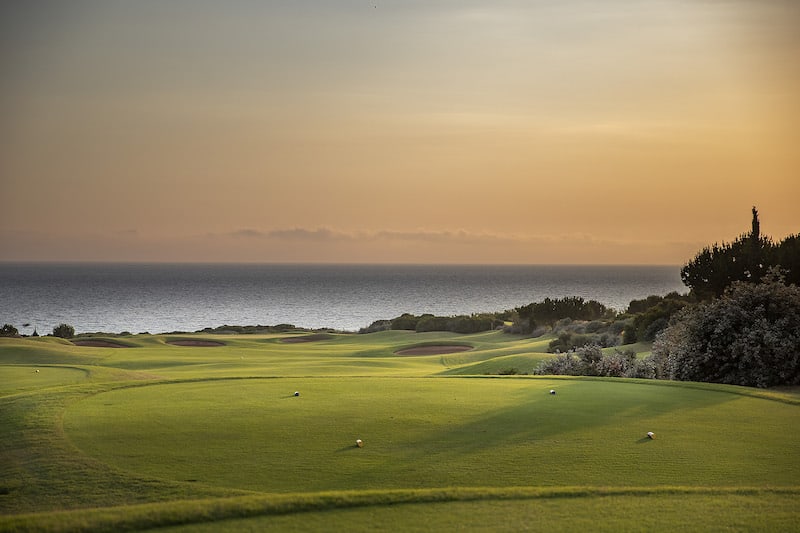
Golf has long been appreciated for its challenge, its strategy, and its outdoor beauty — but what if we see it through a different lens: as a cultural journey? From links laid over ancient land to courses that echo local art and architecture, golf and culture intertwine in ways few travellers first imagine. These are destinations where the landscape is bedrock, not just background; where invitational courses sit beside UNESCO sites; where sculptures and design speak as loudly as a well-struck drive.
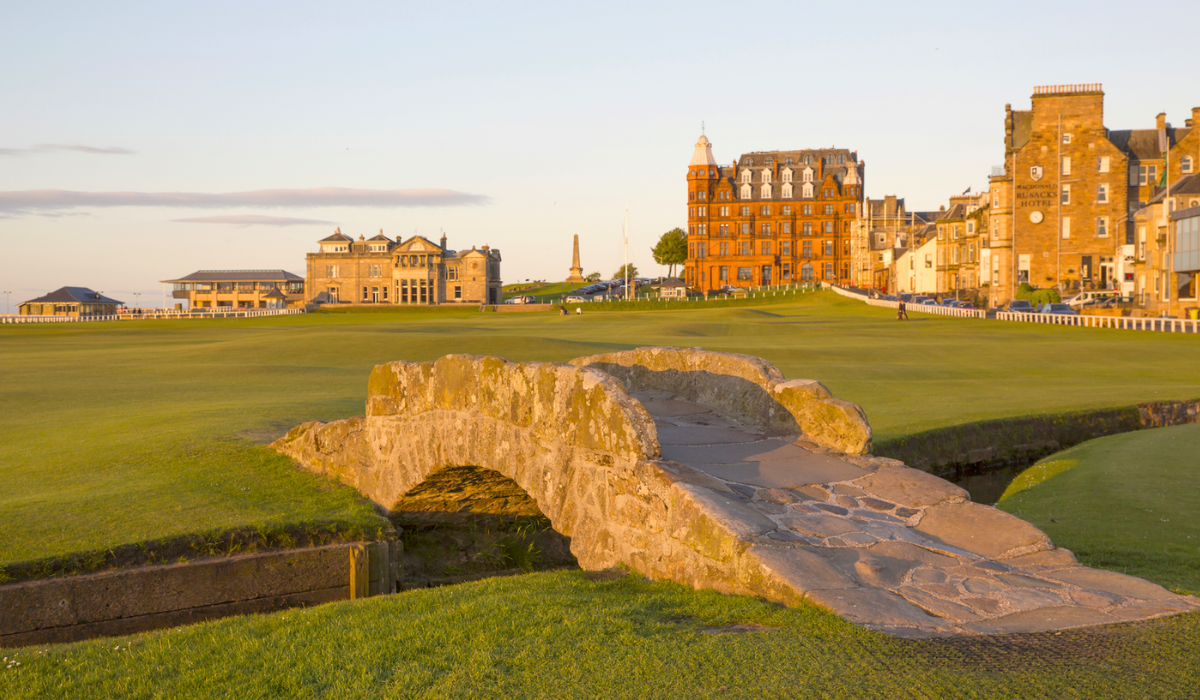
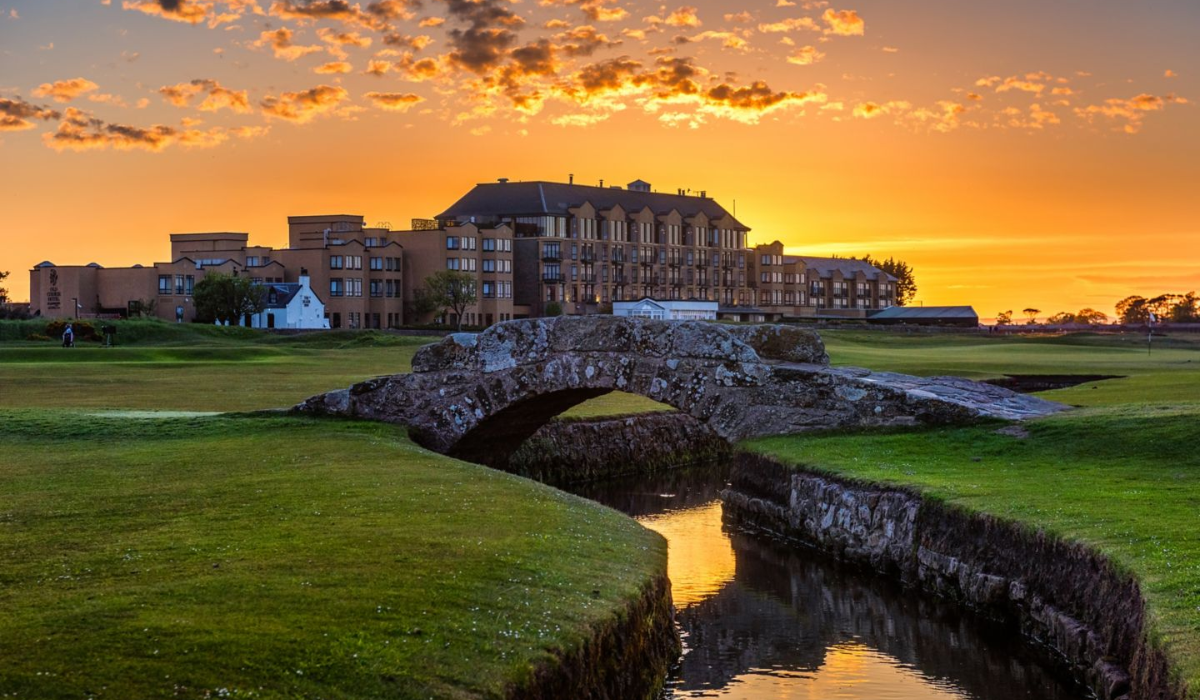
At the heart of golf’s cultural dimension is the way courses reflect their natural and historical landscapes. The Old Course at St Andrews in Scotland, often called the Home of Golf, is more than a sporting venue: it embodies centuries of history in its sheep-grazed fairways, ancient bunkers, and the iconic Swilcan Bridge that has carried golfers across centuries. This course is more than a game — it’s a pilgrimage to the very roots of golf.
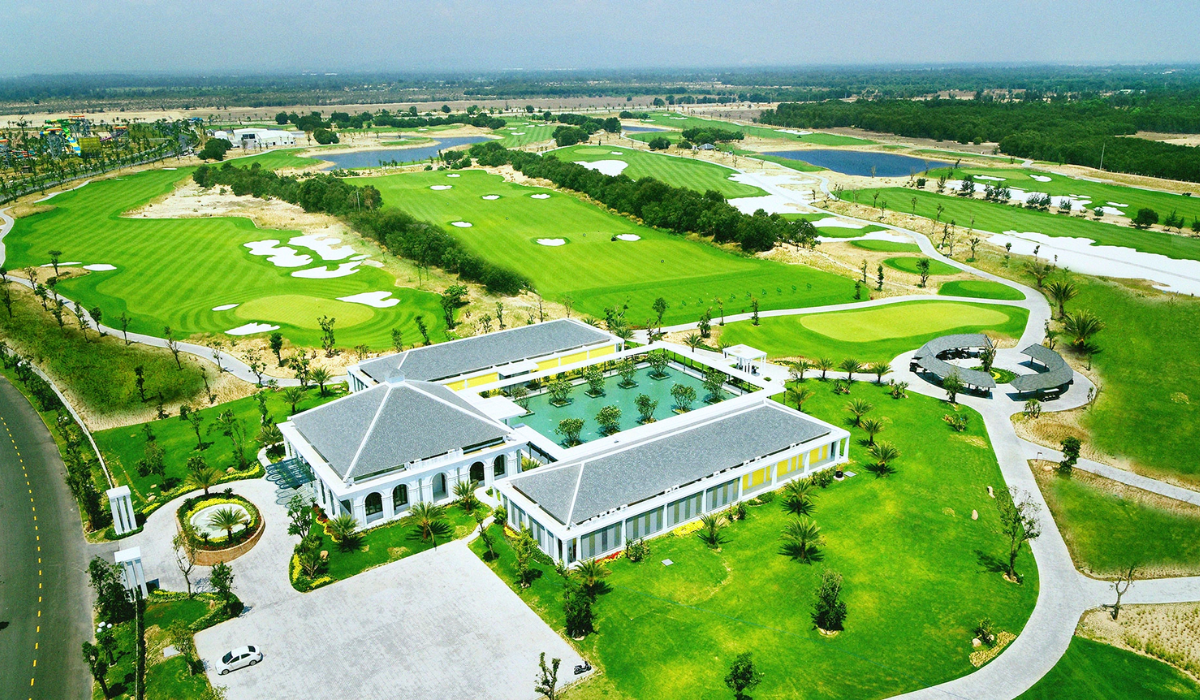
Across the globe in Vietnam, Vinpearl Golf Nam Hoi An offers golfers a loop that lies between two UNESCO World Heritage Sites — the ancient town of Hoi An and the My Son sanctuary. Here, the rhythm of play is framed by landscapes rich in millennia-old culture, reminding players that golf can be part of a larger narrative that includes architectural wonders and traditional traditions.
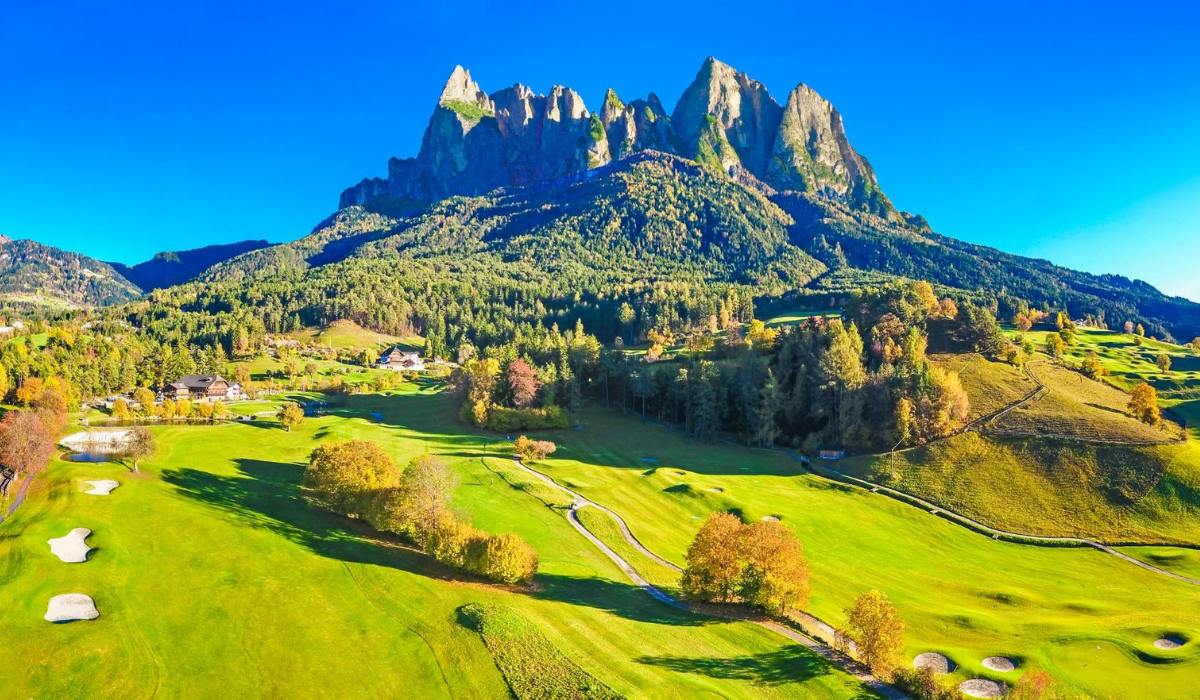
Similarly, courses sprinkled throughout the Dolomites give players a dramatic backdrop of a UNESCO World Heritage mountain range. Golf isn’t just about shots here; it’s about absorbing breathtaking geological history and alpine culture as the club strikes the ball across valleys shaped long before golf existed.
Golf and art are surprisingly natural companions. Just as one might arrange brushstrokes on canvas, golf course architects and artists manipulate terrain and form to create experiences that elevate the game to an aesthetic enterprise. The Art of the Golf Course exhibition at the USGA Museum showcased how artists — from watercolourists to photographers — interpret golf through visual media, emphasising that courses can be viewed as works of art in their own right.
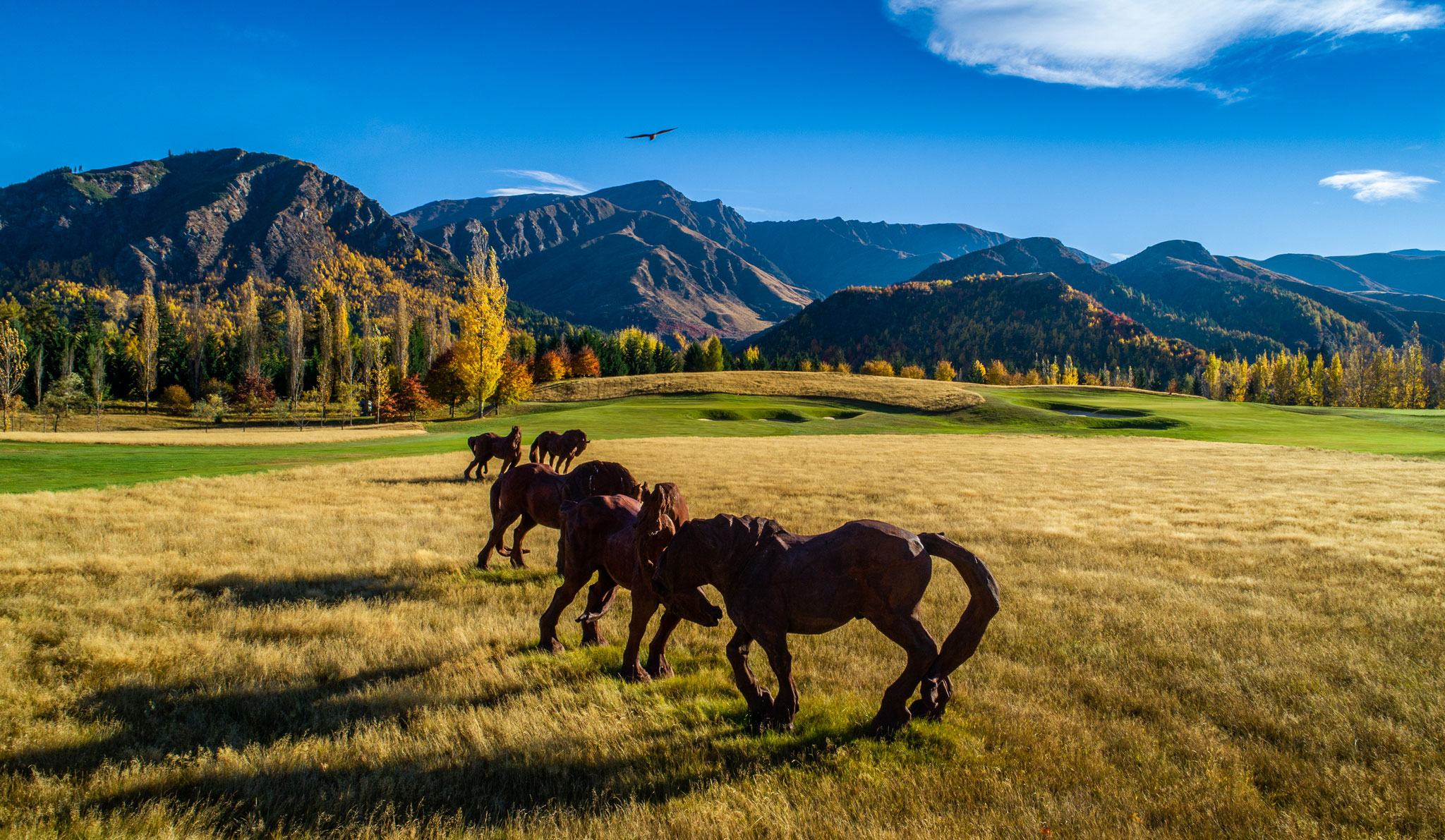
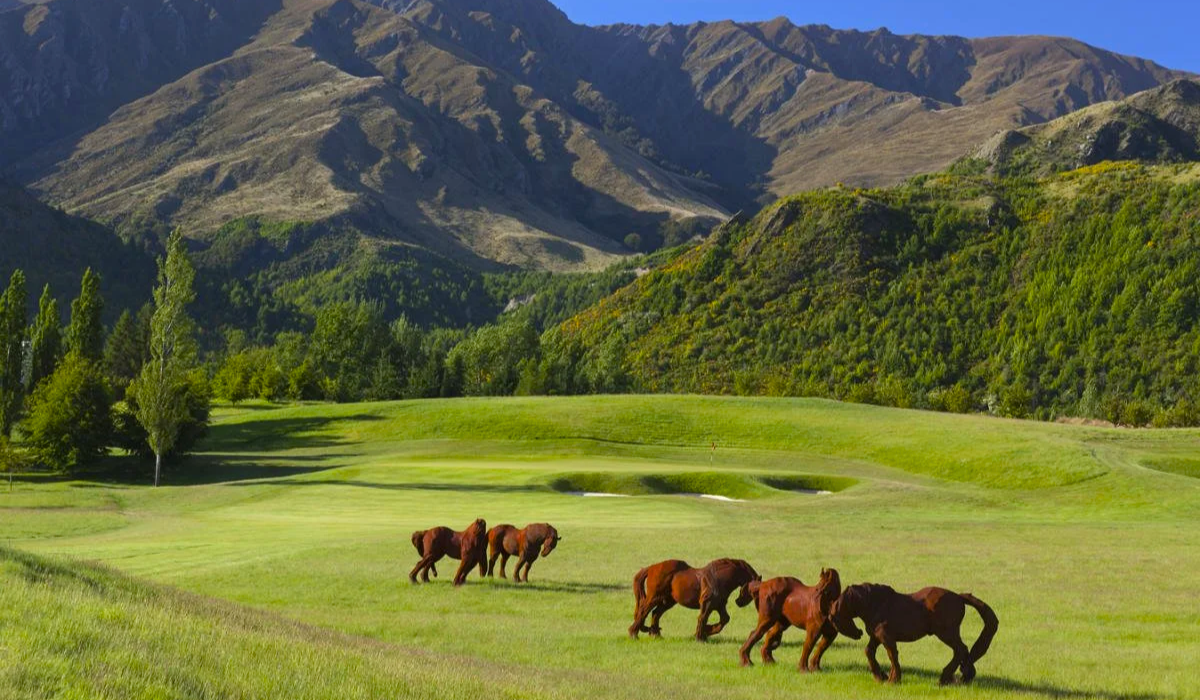
Some courses take this fusion literally. The Hills in New Zealand, near Arrowtown, exemplifies what happens when sculpture meets golf: giant outdoor artworks — including pieces by noted artist Liu Ruowang — dot the fairways, turning a round of golf into an open-air gallery walk as much as a sporting challenge.
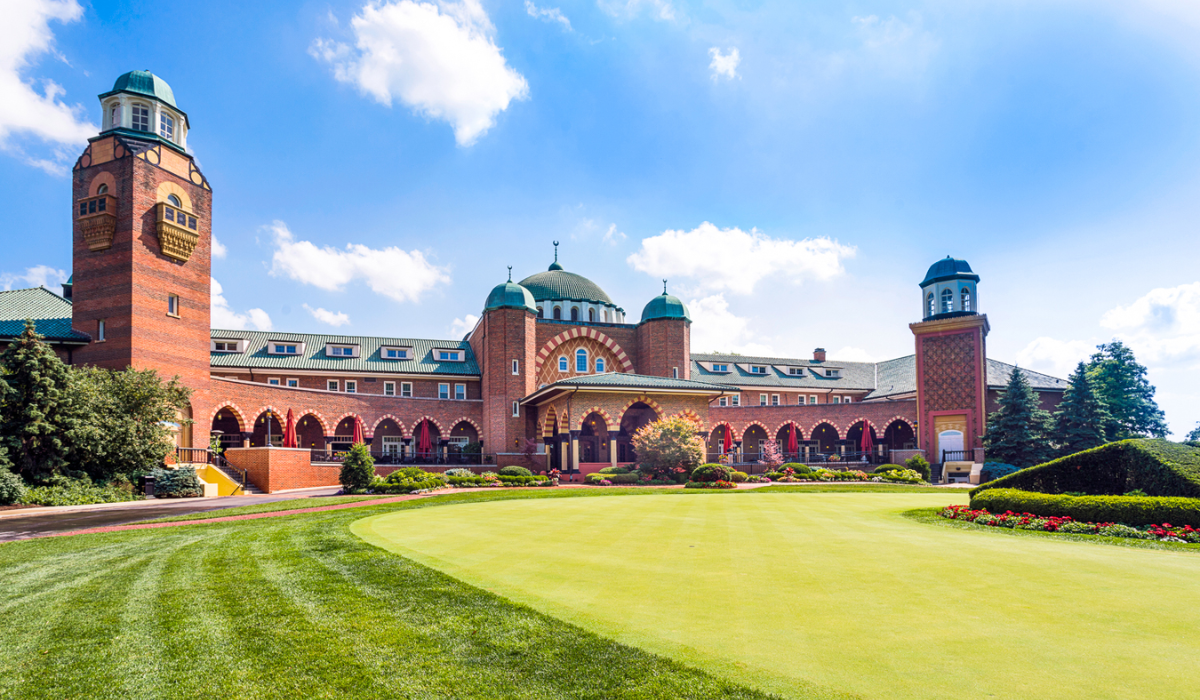
Beyond fairways and greens lies an often-overlooked connection between golf and culture: clubhouse architecture. Buildings like the Medinah Country Club in Illinois evoke the grandeur of Moorish architecture with domes and minarets reminiscent of North African design, setting the tone from the moment a player arrives.
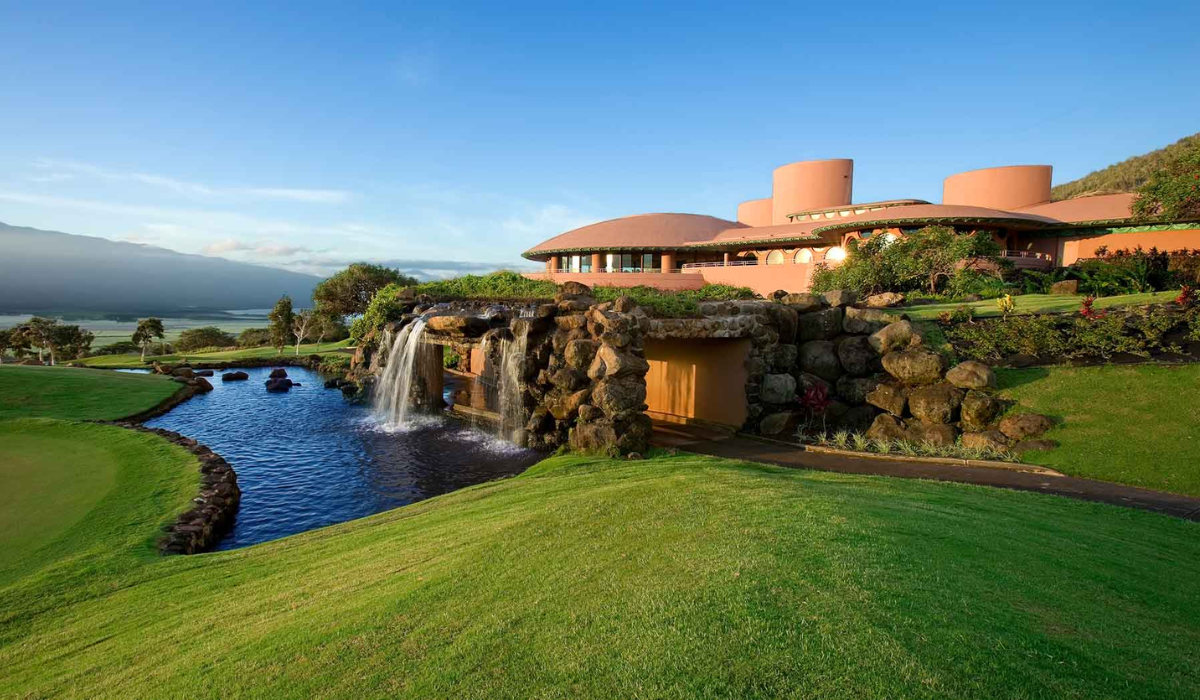
In Hawaii, the King Kamehameha Golf Club clubhouse reflects the island’s cultural identity. Its design, adapted from a Frank Lloyd Wright concept, houses a collection of indigenous Hawaiian art, including feathers, kapa works, sculptures, and paintings that celebrate native culture — a reminder that golf spaces can be repositories of local heritage as much as sporting facilities.
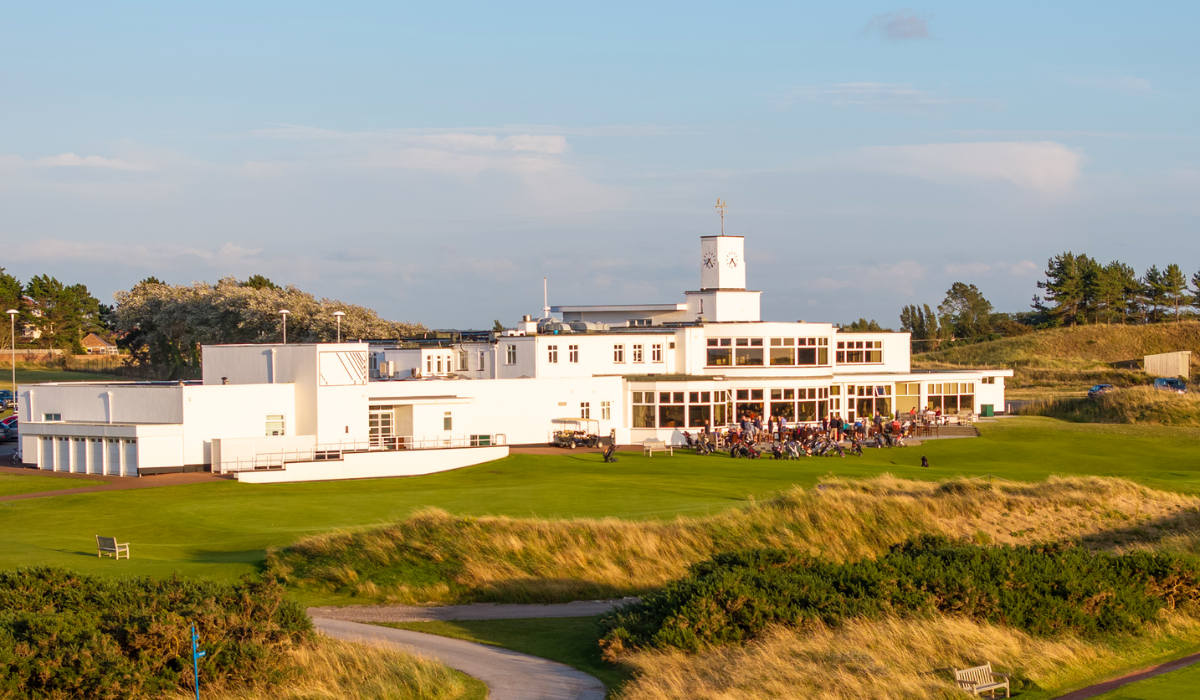
Historic clubhouses can be cultural treasures themselves. The art-deco clubhouse at Royal Birkdale in England draws from maritime architectural influences, embodying the coastal spirit of its setting while anchoring one of Britain’s storied links courses in a distinct visual legacy.
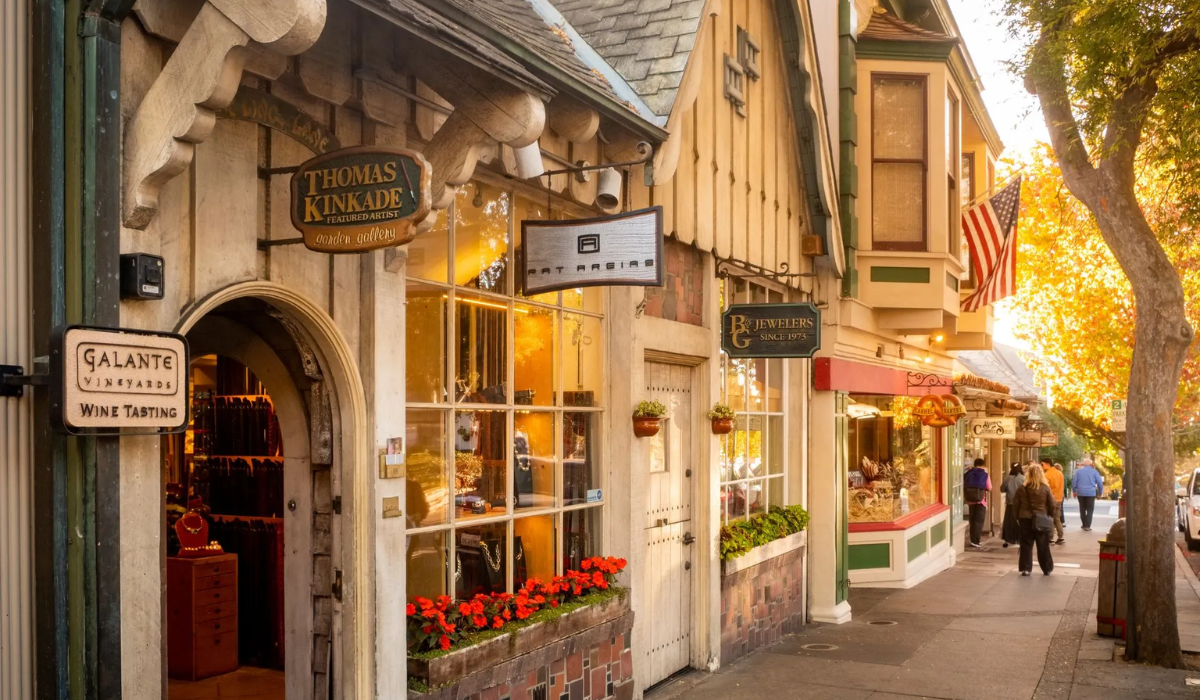
A cultural golf experience doesn’t stop at the 18th green. In regions like California’s Monterey Peninsula, courses such as Pebble Beach and Spyglass Hill nestle beside towns known for artistic heritage. Carmel-by-the-Sea, once an artist colony, continues to thrive as a creative hub, with galleries, cafés, and architectural charm that pair perfectly with nearby championship golf.
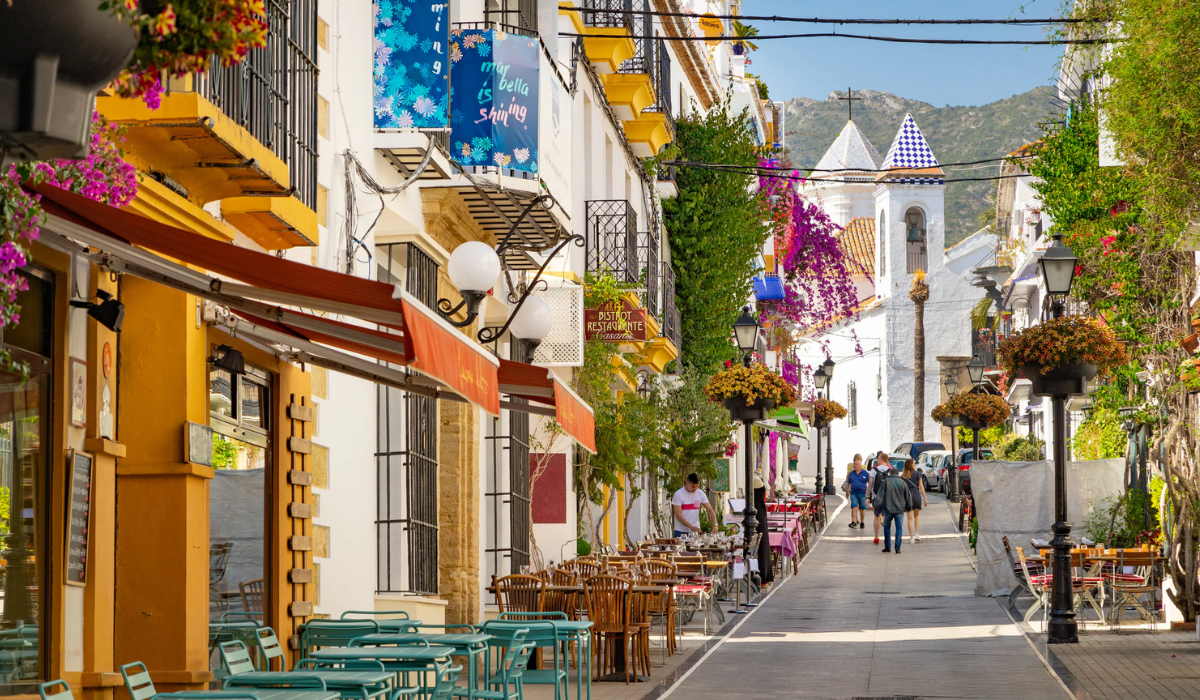
In Mediterranean Europe and beyond, a golf journey often blends with historic exploration. Southern Spain’s rich tapestry of Roman ruins, Moorish palaces, and Gothic cathedrals makes it an ideal backdrop for golf holidays that balance fairways with museums, tapas with tee times.
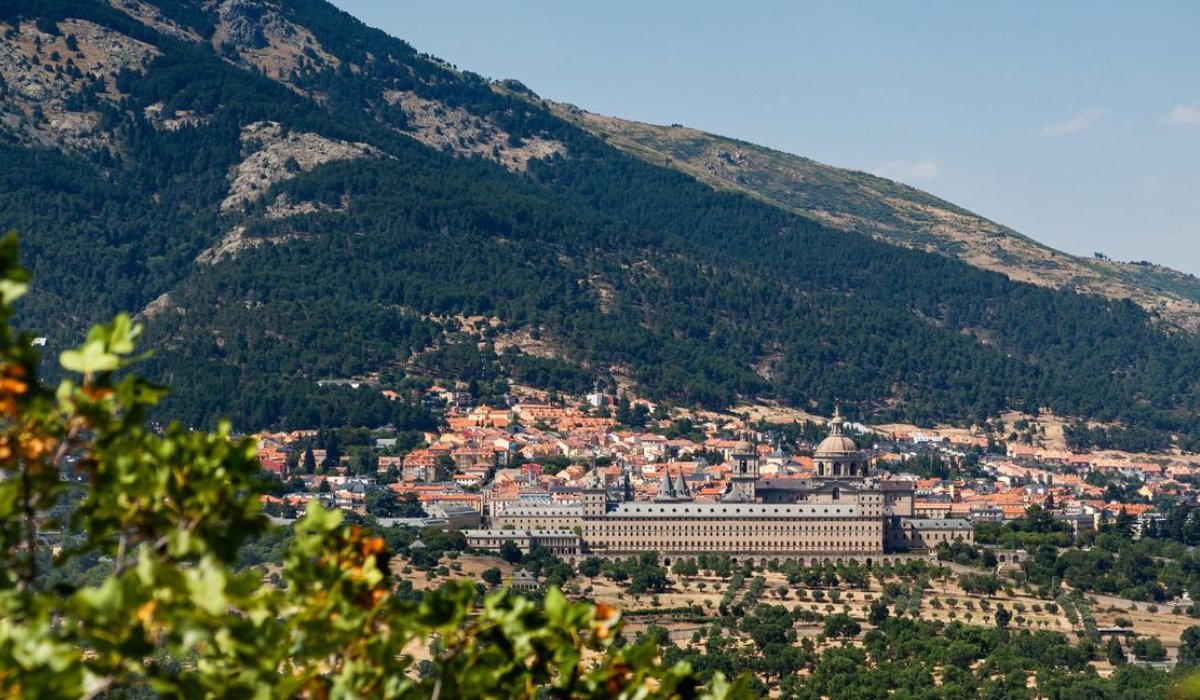
Even organised tournaments now recognise this synergy. The Greater Madrid World Heritage Golf Tour, for example, stages competitive golf across courses near UNESCO cities like San Lorenzo de El Escorial and Aranjuez, encouraging golfers to engage with world-class history and architecture alongside sporting excellence.
Golf’s connection with culture and art reminds us that the sport is not merely about where the ball lands — it’s about the world through which it travels. From artists who see fairways as canvases to architects who sculpt courses in homage to their landscapes, from ancient towns that neighbored greens long before golfers arrived to art installations that spark conversation between shots, golf can be a deeply cultural experience.
In the end, appreciating golf through the lens of art and heritage enriches the game itself. It invites players not just to score, but also to see, feel, and connect — to landscapes, to history, and ultimately to the creative spirit that binds us all.
Nacho Elvira’s Dubai Breakthrough: WITB and a Moment to Remember
Playing Golf on the Edge: Cliffside Courses Worth the Nerves

Course Reviews
WannaHaves: Top 5 destinations this winter
We pick the best places to stay and play in Abu Dhabi, Marbella, Morocco, South Africa and Tenerife for a golfing getaway to the sun. Abu Dhabi Temperatures around 25°C from January to April make Abu Dhabi the perfect winter golf getaway. The fantastic golf courses here include The National at the Abu Dhabi Golf […]

Course Reviews
Cruises for Luxury Golf: Teeing Off in Style in 2025
Imagine standing on the deck of a sleek, boutique ship, the sea breeze tousling your hair as you gaze out at a coastline dotted with world-class golf courses. The sun dips low, casting a golden glow over the water, and you know that tomorrow you’ll be swinging your clubs on some of the planet’s most […]