


Clubs
Gary Woodland’s Winning WITB at the 2026 Texas Children’s Houston Open
Explore 33,000+ golf courses in 180 countries.
Follow the latest news and trends in golf.
Connect with like-minded golfers.
Find everything you need for your golf equipment and gear needs.
Travel, golf resorts, lifestyle, gear, tour highlights and technology.
All Square
Suggestions
Clubs
Gary Woodland’s Winning WITB at the 2026 Texas Children’s Houston Open
Clubs
Matt Fitzpatrick’s Precision Triumph: Winning WITB at the 2026 Valspar Championship
Course Reviews
Streamsong’s Newest Masterpiece: Why Bone Valley Might Be Its Boldest Statement Yet
Clubs
The New Phantom: Scotty Cameron Reinvents Its Mallet Legacy
Course Reviews
Bernardus Golf: Europe’s Modern Masterpiece
Course Reviews
Vietnam’s Hoiana Shores and Da Nang’s Best Golf Courses
Clubs
Cameron Young’s Winning WITB at the 2026 Players Championship
Clubs
Akshay Bhatia’s Winning WITB at the 2026 Arnold Palmer Invitational
Course Reviews
Argentario Golf & Wellness Resort: Tuscany’s Championship Gem
Clubs
Nico Echavarria’s Win: Inside the WITB at the 2026 Cognizant Classic
Clubs
TaylorMade Introduces Qi Max and Qi Max HL Irons: A New Era for Game-Improvement Performance
Destinations
Monte Rei Enters a New Era: Deep Renovation to Preserve a Legendary Course
Destinations
Golf Trip to Casablanca: Morocco’s Atlantic Golf Escape
Clubs
Jacob Bridgeman Breaks Through at Riviera: WITB Behind His Genesis Invitational Victory
Destinations
24 Hours at a Luxury Golf Resort: A Day in Paradise
Destinations
Golf Resorts Perfect for a Proposal or Honeymoon
Course Reviews
The Best Golf Courses Near Pinehurst That Aren’t Pinehurst No. 2
Course Reviews
The Els Club Vilamoura: Golfing Grandeur in the Algarve
Destinations
After the 18th Hole: Local Delicacies You Must Try in Spain
Clubs
WITB: The Clubs Justin Rose Trusted at 2026 Farmers Insurance Open
Destinations
Golf Trip to Agadir: Swinging Under the Moroccan Sun

Europe’s golfing landscape is defined not only by its centuries-old clubs and dramatic scenery, but by the visionaries who shaped these courses into global icons. From rugged Scottish coastlines to the sun-soaked hills of Southern Spain, the continent’s most beloved golf experiences would not exist without the creativity, engineering skill, and philosophy of its master course architects. Their designs have pushed the sport forward, honoured tradition, and transformed fields and dunes into living pieces of art.
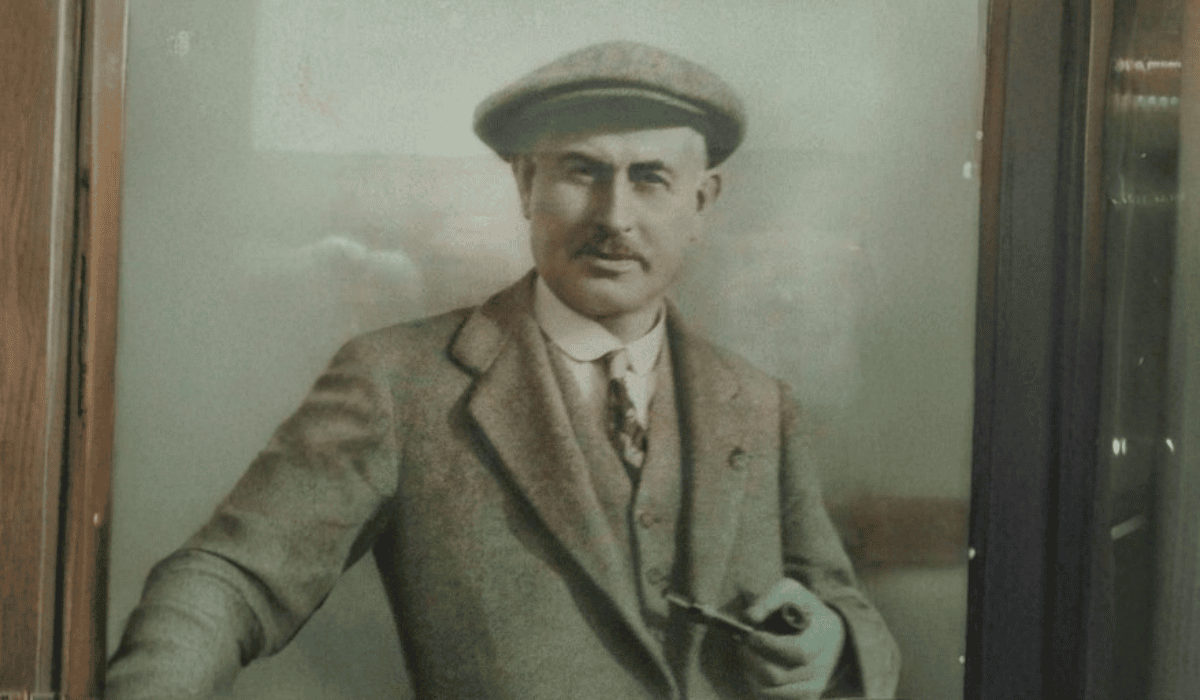
Few architects have influenced European golf more profoundly than Harry Colt, whose strategic design principles are still studied today. Colt believed that courses should be discovered rather than forced — shaped by the land’s natural contours instead of manufactured features.

His work across Europe includes some of the region’s most prestigious destinations: Royal Portrush in Northern Ireland, Sunningdale’s New Course, and contributions to Muirfield. On the continent, he crafted masterpieces like Royal Zoute in Belgium and redesigned parts of Royal County Down. Colt’s courses are renowned for their clever bunkering, walkable routing, and the way they reward thoughtful shot-making rather than brute power.

If Colt was the strategist, Tom Simpson was the poet. Known for his eccentric creativity and minimalist style, Simpson believed that golf holes should provoke imagination. His designs avoided artificial shaping and instead embraced wild, adventurous contours.

Simpson’s work across Europe includes Morfontaine in France, often ranked among the world’s top 50, and Ballybunion’s Cashen Course, as well as restorations at Cruden Bay and Royal Aberdeen. His par-3s, in particular, are considered some of the greatest ever created — subtle, deceptive, and rich in character.

One of the most prolific post-war architects, Donald Steel extended the golden age philosophy into the late 20th century. Rising to prominence partly because he was the only architect allowed to work on every Open Championship rota course, Steel brought modern playability to historic layouts without sacrificing their heritage.

Across continental Europe, he left his touch on courses such as The Carnegie Links at Skibo Castle, Powerscourt in Ireland, and Portmarnock Links. His designs balance fairness and challenge, and he was an early advocate for environmental sustainability in golf — long before it became mainstream.

A Ryder Cup player turned architect, Dave Thomas brought a bold, sculpted aesthetic to European course design from the 1980s onward. His dramatic bunkering and elevated greens became synonymous with high-end modern resorts.

Thomas is best known for creating The Belfry’s Brabazon Course, host of four Ryder Cups — a record. But his influence spread throughout Spain and Portugal, where his work helped transform the Iberian Peninsula into a leading golf tourism hub. Highlights include San Roque (Old Course) and The Roxburghe in Scotland.

The Trent Jones legacy changed the face of golf design globally, and Europe was no exception. Robert Trent Jones Sr. introduced a bolder, more dramatic style in the mid-20th century, creating championship-ready courses that elevated many destinations onto the world stage.

His European works include some of the most iconic layouts today: Valderrama in Spain, Royal Birkdale renovations, and Parkstone. His son, Robert Trent Jones Jr., continued this impact with projects like Costa Navarino’s Dunes Course in Greece, blending rugged natural landscapes with strategic complexity.
Their influence helped turn Mediterranean resorts into golfing powerhouses and elevated Europe’s reputation for elite-level golf tourism.

While many modern architects rely heavily on shaping, Kyle Phillips is celebrated for making new courses feel timeless. His philosophy blends classic Scottish links principles with sustainable, site-driven design.

Phillips’ breakout European masterpiece, Kingsbarns Golf Links near St Andrews, is widely considered one of the best modern courses in the world. His work also includes Yas Links, the first true links course in the Middle East, and PGA Sweden National, both praised for their authenticity and strategic depth. Kingsbarns, in particular, remains a testament to Phillips’ ability to create courses that players feel have existed for a century.

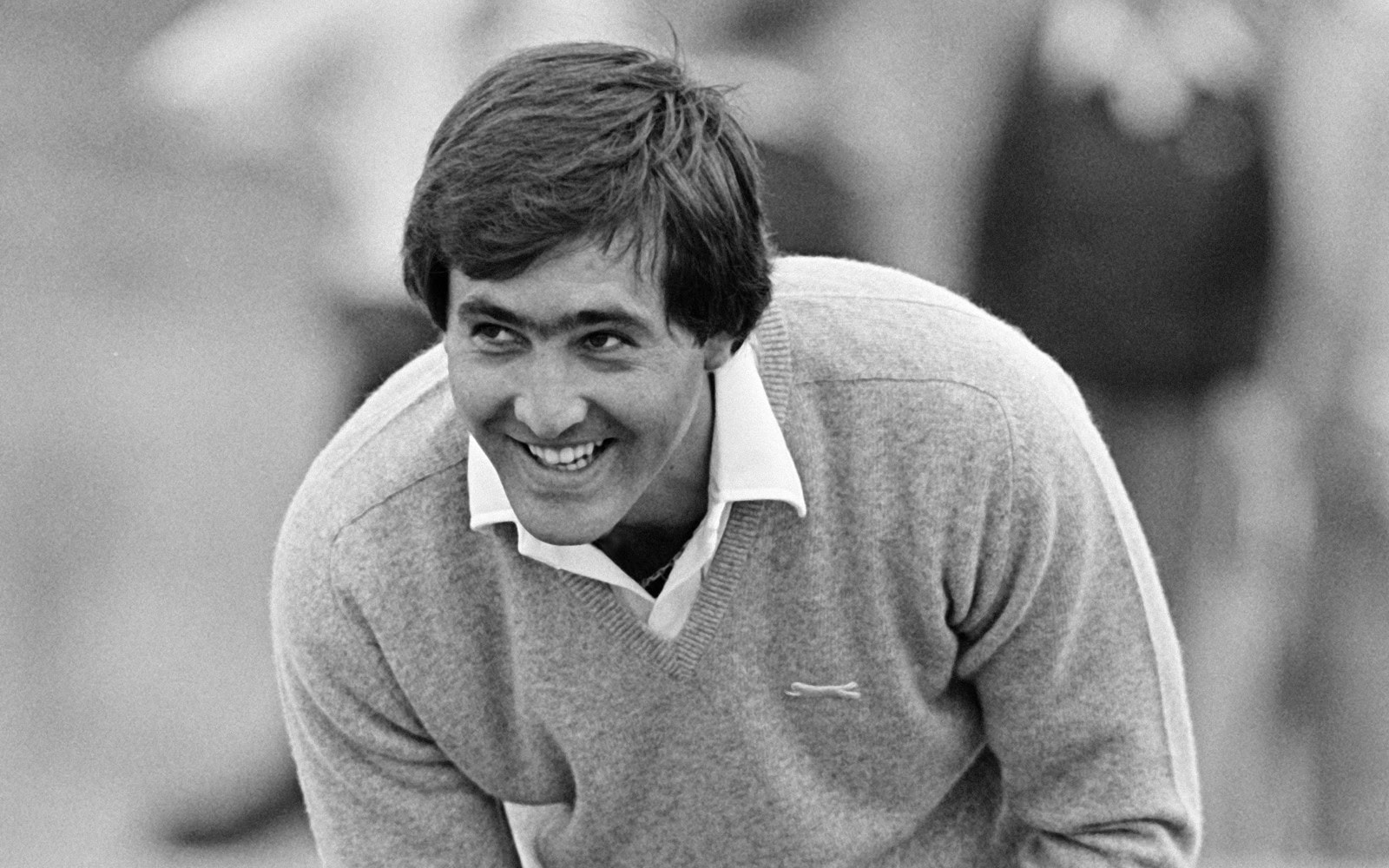
Few golfer-architects have left an imprint as memorable as Seve Ballesteros. His approach focused on creativity and risk-reward strategy — mirroring his style as a player.

Seve designed more than 30 courses, most notably Golf Santander in Madrid and the Severiano Ballesteros Course at Crans-sur-Sierre, host of the Omega European Masters. His courses often feature daring lines, sweeping fairways, and heavily contoured greens that test even the most skilled players.

A clear trend among today’s European architects is the revival of classic design values. There is a growing emphasis on restoring Colt, Simpson, and Braid layouts to their original strategic intent, as well as building new courses using minimalist techniques that reduce water usage, fuel consumption, and heavy construction.
Architects like Martin Ebert, known for restoring Open Championship venues such as Turnberry and Royal Portrush, and Frank Pont and Mike Clayton, who specialise in Colt restorations, are shaping the continent’s next chapter of golf architecture.

Course Reviews
Best public golf courses in Chicago
Chicago is home to the Bulls, Bears and Cubs, while its private golf clubs have hosted several major championships. Its public-access courses also stand out as among the best in the country. America’s ‘Second City’ boasts some of the nation’s most historic golf clubs such as Medinah Country Club which hosted the 2012 Ryder Cup, […]

Course Reviews
Best Destinations for Winter Training with a Teaching Pro
All Square has compared leading golf holiday locations, including Abu Dhabi in the UAE, the Algarve in Portugal, Belek in Turkey, the Spanish island of Mallorca, and Cyprus, to find the destination that’s best for winter training with a teaching pro. For our extensive study, we based our comparison on seven criteria which we believe […]