



Clubs
J.T. Poston WITB: Memorial Tournament 2026
Explore 33,000+ golf courses in 180 countries.
Follow the latest news and trends in golf.
Connect with like-minded golfers.
Find everything you need for your golf equipment and gear needs.
Travel, golf resorts, lifestyle, gear, tour highlights and technology.
All Square
Community
Suggestions
Clubs
J.T. Poston WITB: Memorial Tournament 2026
Clubs
Cameron Young’s WITB 2026 at the Cadillac Championship
Course Reviews
Lofoten Golf Experience: Playing at the Edge of the World
Destinations
The Rise of Wellness-Integrated Golf Hotels
Course Reviews
Golf in Bordeaux: A Guide to Cabot Bordeaux
Clubs
The Callaway Quantum Family Explained: A True Leap Forward
Course Reviews
Mazagan Beach & Golf Resort: Morocco’s Atlantic Jewel
Destinations
How to Access the Old Course, St Andrews: Getting There and Getting On
Clubs
Russell Henley WITB 2026: The Clubs Behind His Charles Schwab Challenge Victory
Course Reviews
Minthis Resort: Cyprus Golf Escape
Clubs
Aaron Rai’s Winning WITB at the 2026 PGA Championship
Destinations
Boutique Golf Hotels with Personality
Course Reviews
The Masterpiece Reawakens: Aronimink 2026
Clubs
Kristoffer Reitan’s Winning WITB at the 2026 Truist Championship
Destinations
The Auberge du Jeu de Paume: A Golfer’s Royal Retreat
Course Reviews
The Best Golf Courses Near Pinehurst That Aren’t Pinehurst No. 2
Course Reviews
The Els Club Vilamoura: Golfing Grandeur in the Algarve
Destinations
Hotel & Spa du Castellet: A Provençal Golf & Lifestyle Retreat
Clubs
Inside Chris Gotterup’s WITB at the 2026 Phoenix Open

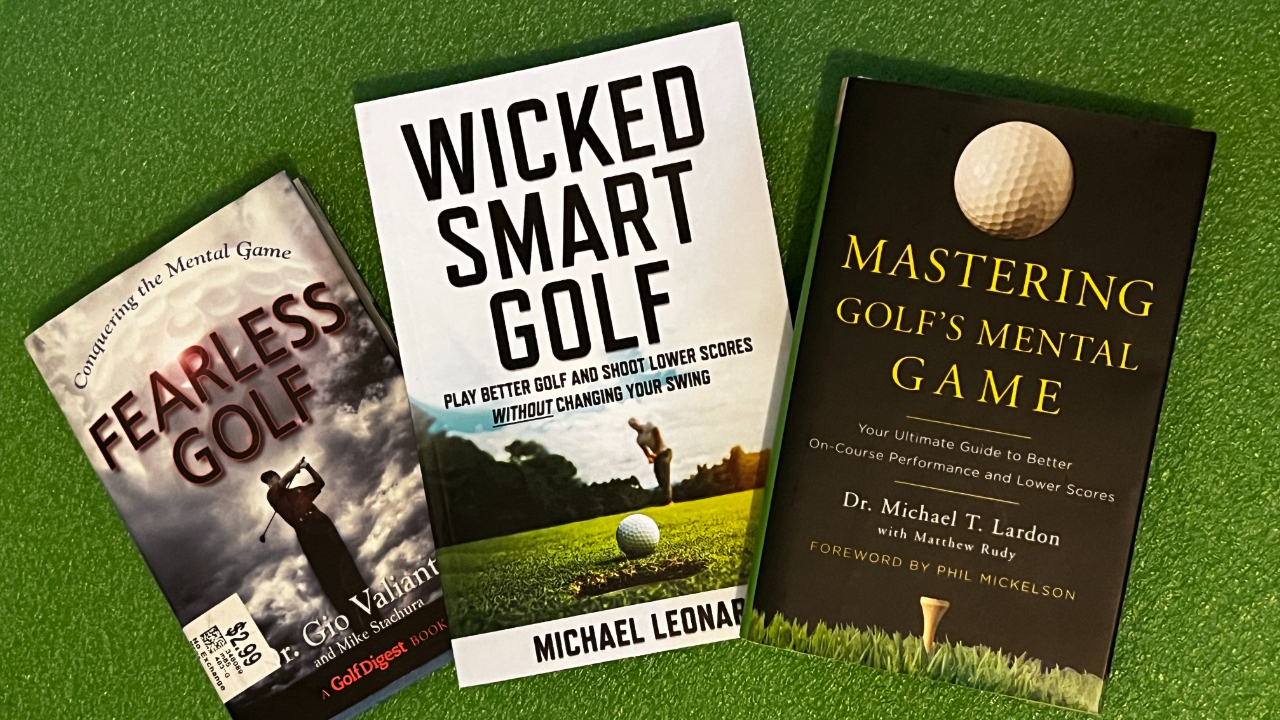
If you love the game of golf — whether you’re a weekend hacker, a competitive club player, or simply someone who dreams of lowering your handicap — there’s something uniquely satisfying about turning the pages of a great golf book. Good writing can walk you through swing mechanics, sharpen your mental game, whisk you into pivotal moments in golf history, or deepen your appreciation for course architecture.
Below is a curated selection of must-read golf books every serious (or even casual) player should consider. This list balances technical instruction, mental mastery, and storytelling that resonates far beyond the fairway.

Before we dive in, it’s worth asking: in the age of YouTube, swing analysers, and instant online lessons, is there still value in old-fashioned reading? Absolutely. Books allow depth, reflection, and a slower absorption of ideas. A well-written golf book gives you time to think about how a concept applies to you, rather than merely mimicking what you see on screen. Some ideas benefit from repeated reading — and many of the classics were written by legends whose insights remain as sharp today as ever.
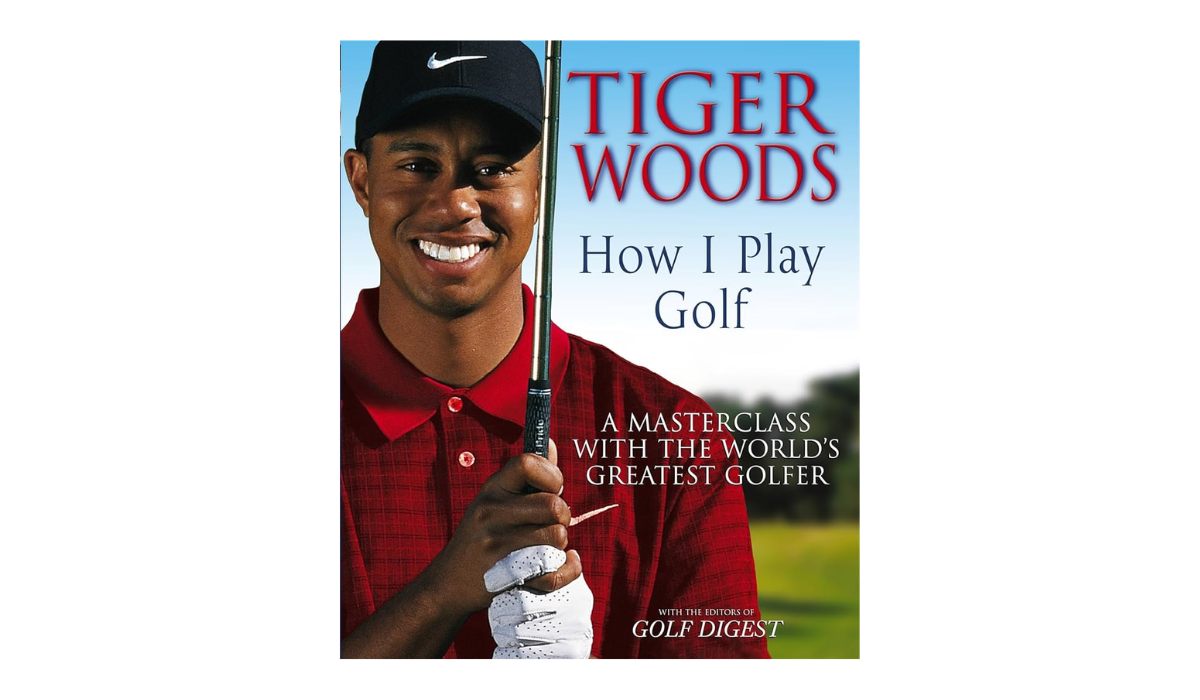
Tiger Woods’ How I Play Golf provides a rare window into the mindset and methods of the most dominant golfer of the modern era. The book combines step-by-step photo sequences with Tiger’s personal insights on technique, fitness, and focus. It’s both an instructional guide and a glimpse into what it takes to achieve greatness — written when he was at the peak of his career.
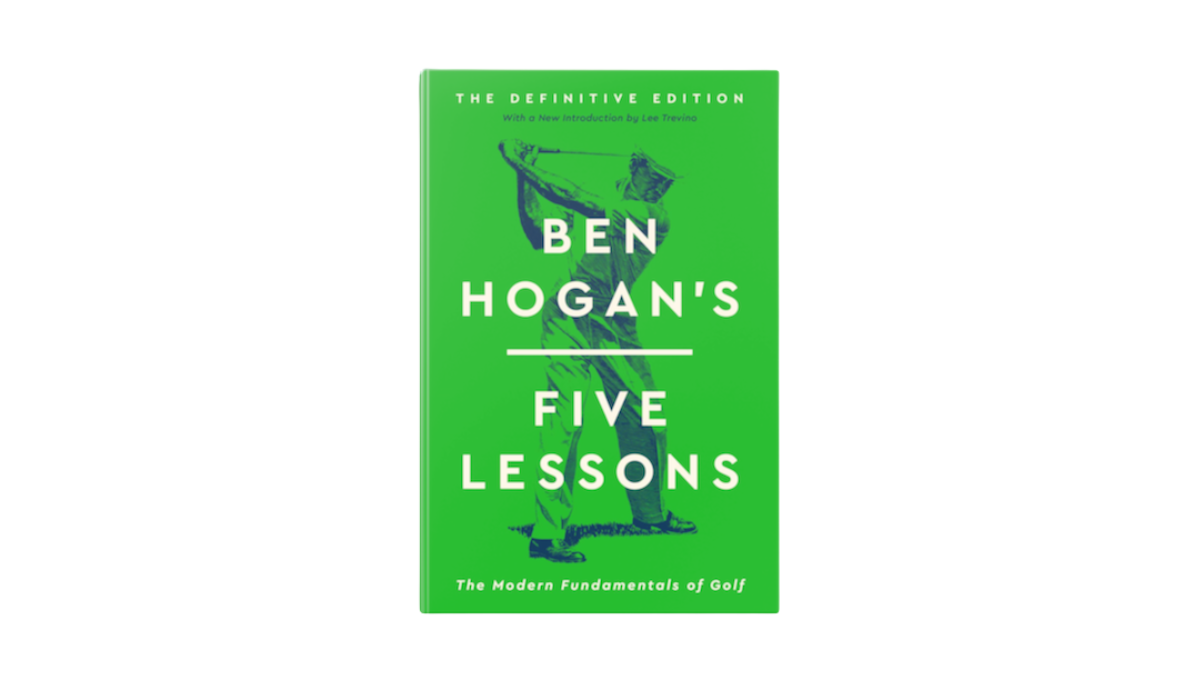
This timeless classic remains the gold standard for anyone seeking solid fundamentals. Hogan’s writing — supported by clear illustrations — breaks the swing into key components: grip, stance, backswing, downswing, and follow-through. Decades later, players still return to it to “reset” their basics.

Friendly, wise, and endlessly quotable, this pocket-sized collection captures Penick’s decades of teaching experience. Rather than mechanics, it focuses on feel, rhythm, and simplicity — exactly what many golfers need mid-round or in a slump.
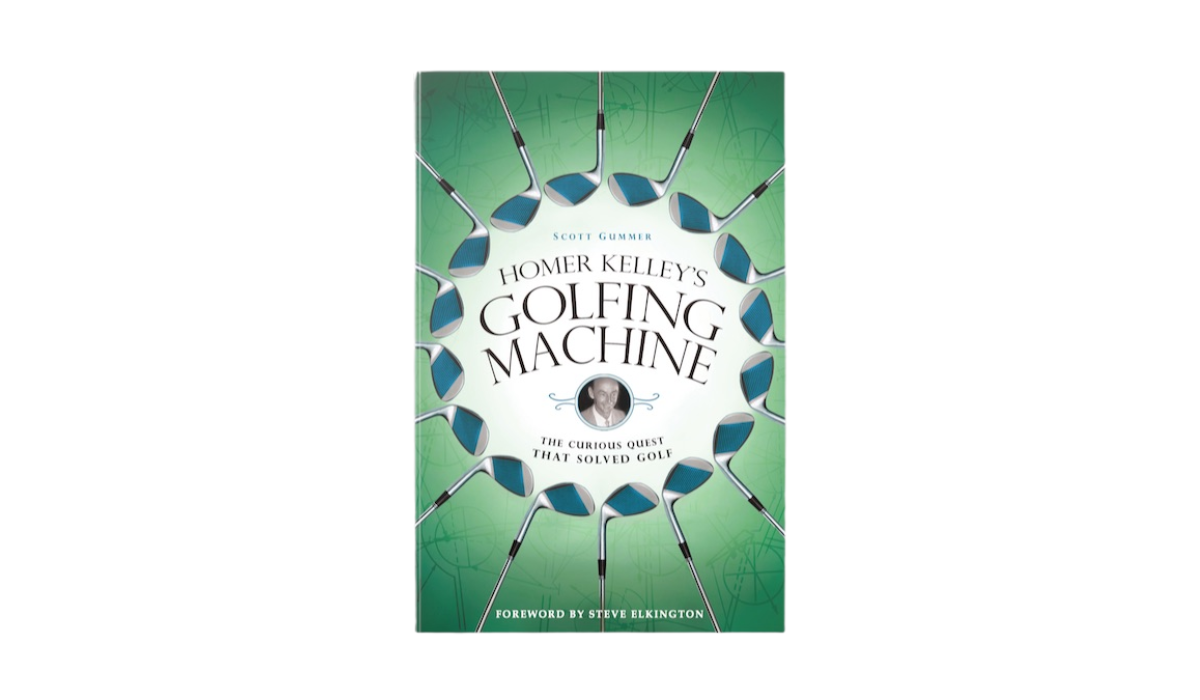
Dense yet fascinating, Kelley’s book dissects the golf swing into a precise, mechanical system. It’s not light reading, but for those who love understanding the science of movement, it’s revolutionary. Many top instructors still draw concepts from it today.
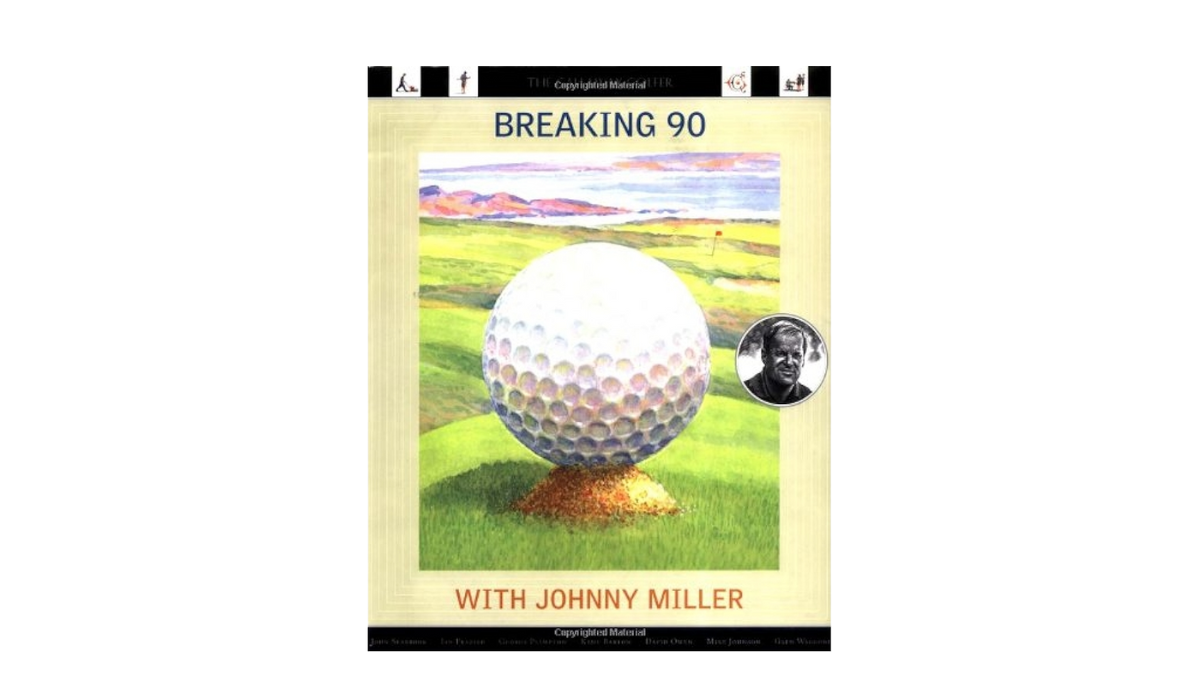
Targeted at intermediate players, Miller’s guide blends practical coaching with on-course strategy and reflections. It’s a down-to-earth manual for those aiming to score better without overhauling their entire swing.
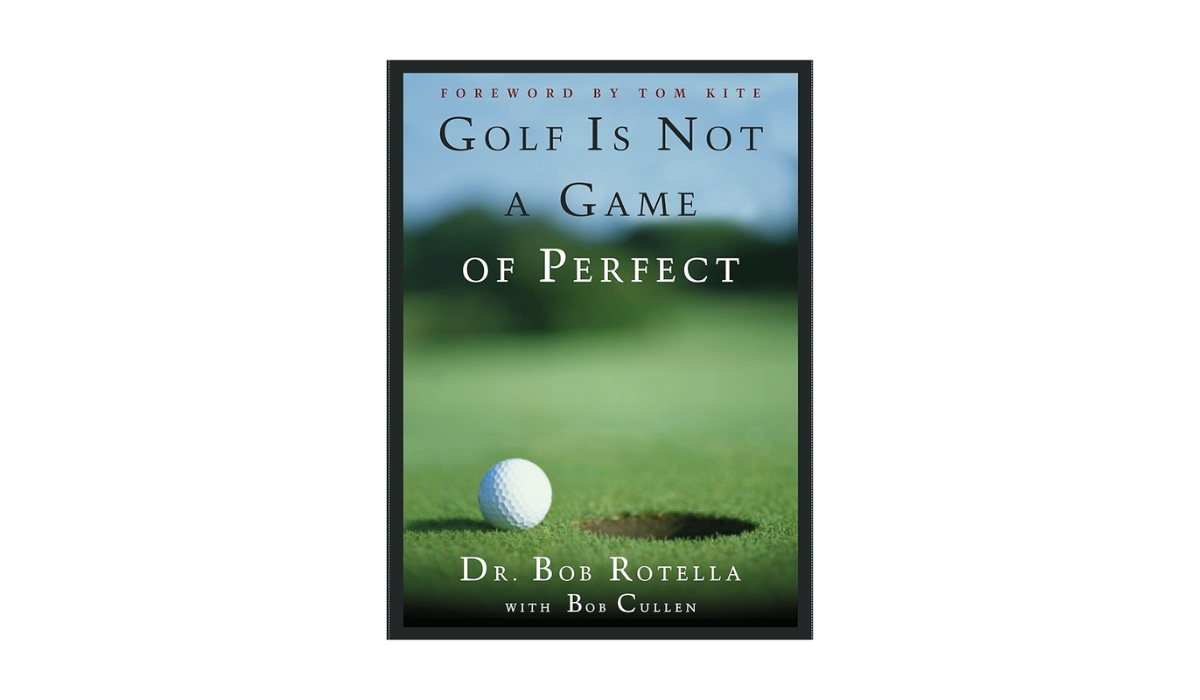
Rotella’s bestseller redefined how golfers think about performance. Instead of technical fixes, he teaches you to play freely, trust your swing, and manage your emotions. It’s one of the most influential books ever written on golf psychology.
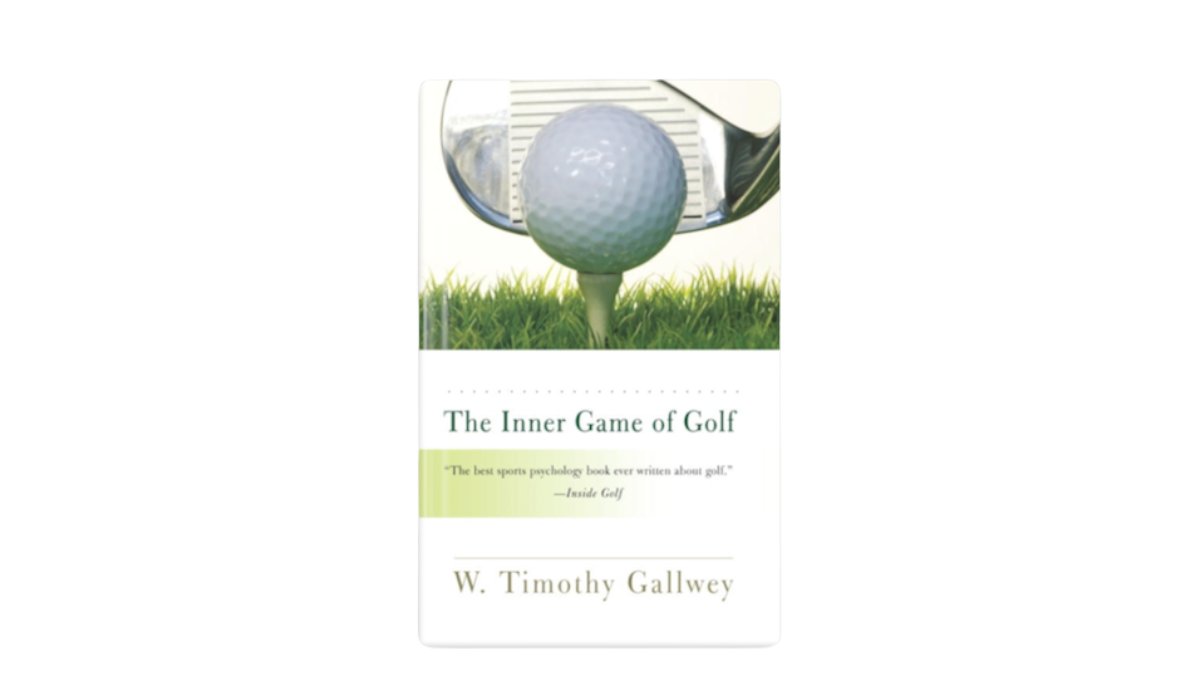
Gallwey’s philosophy focuses on self-awareness and the “quiet mind.” He explains how to stop overthinking shots and let your natural ability flow — advice that resonates well beyond golf.

Structured, practical, and insightful, Lardon gives readers actionable tools to improve focus, pre-shot routines, and confidence. It’s ideal for players who want a clear system for the mental side of golf.
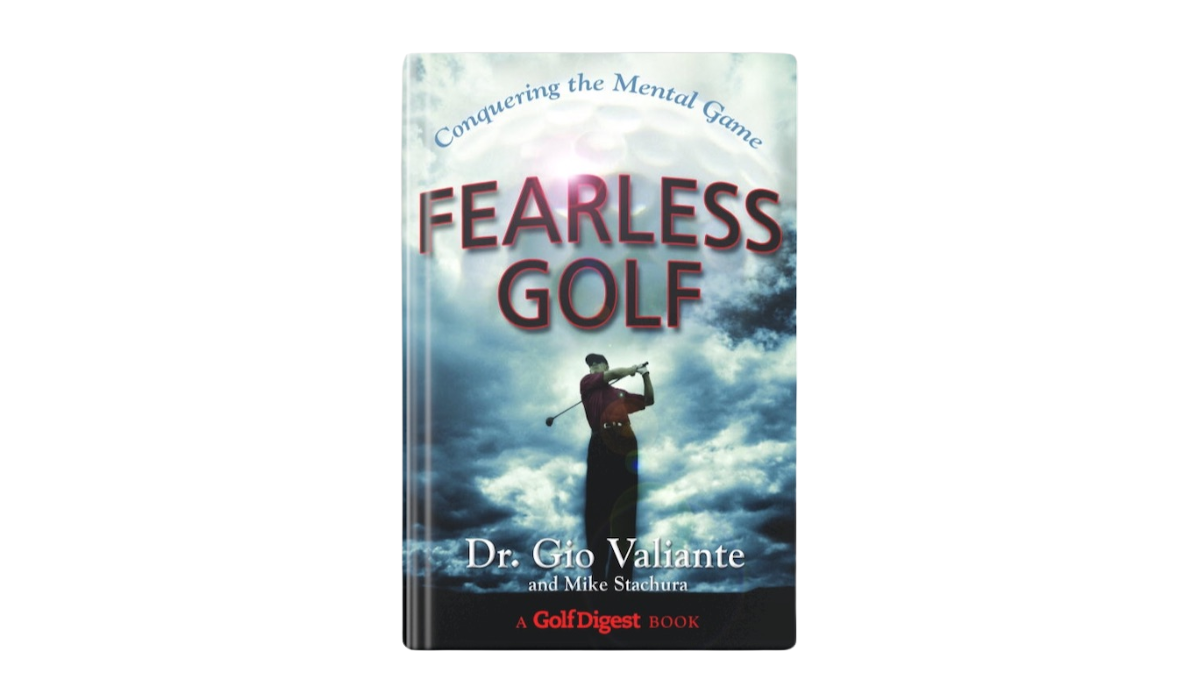
This book dives deep into the psychology of fear and failure in golf — explaining why even great players crumble under pressure and how to replace fear with trust and clarity. Valiante’s insights have shaped the mental games of Tour players like Justin Rose and Matt Kuchar.
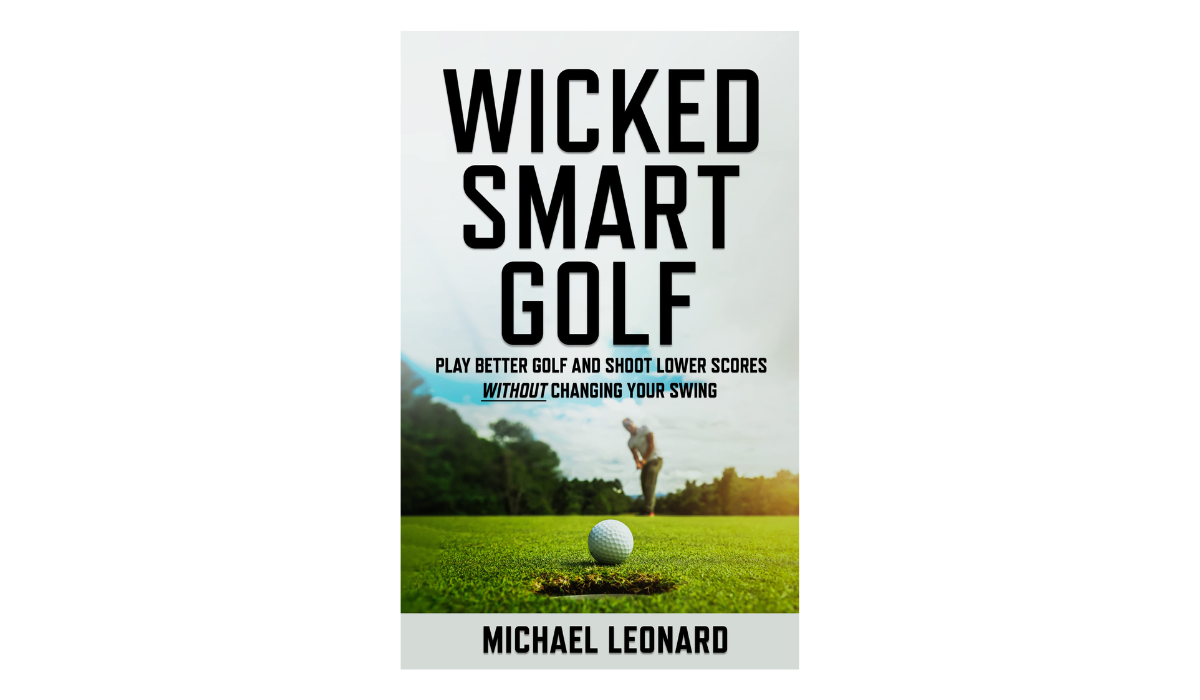
A modern guide for the strategic golfer, Wicked Smart Golf focuses on course management, decision-making, and playing smarter rather than harder. Leonard’s relatable tone makes it perfect for amateur golfers seeking quick, practical wins.
Great golf writing isn’t just instructional — it captures the soul of the game.

A gripping narrative of Francis Ouimet’s 1913 U.S. Open triumph over professionals Harry Vardon and Ted Ray. It’s a story of courage, class, and how one underdog transformed golf’s popularity forever.
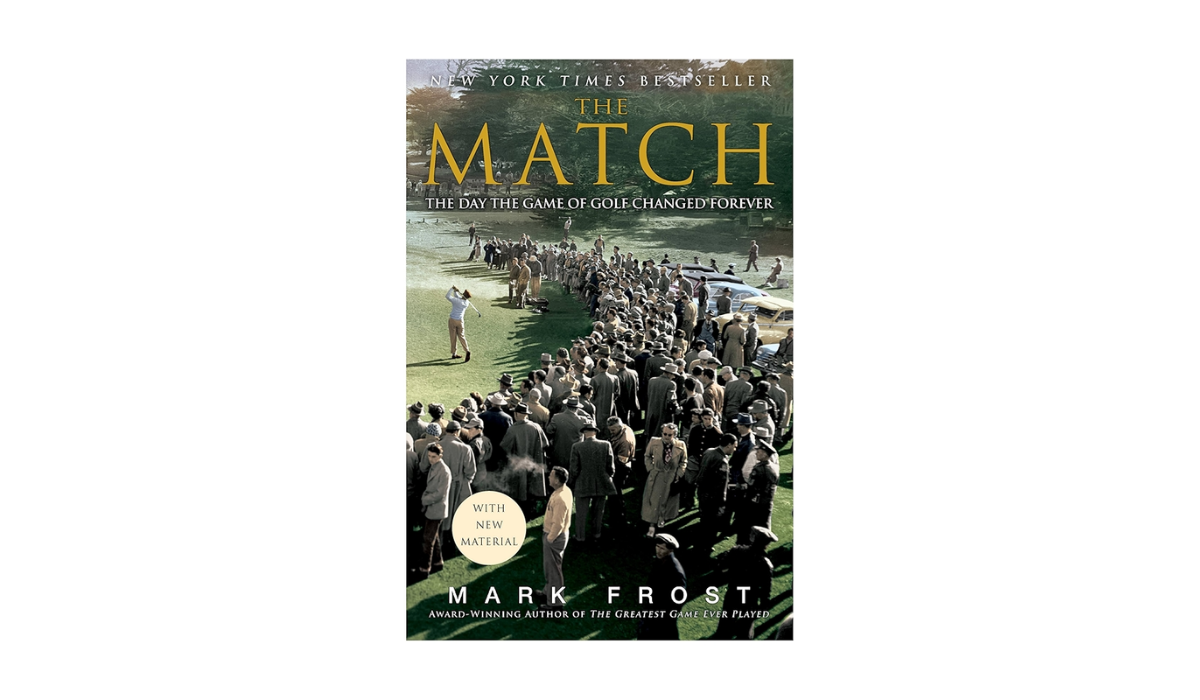
This riveting account chronicles a legendary 18-hole showdown between amateurs Ken Venturi and Harvie Ward against icons Ben Hogan and Byron Nelson. It’s part sports drama, part historical document — and entirely unputdownable.

The Golden Bear reflects on his career, dissecting mental strategies, rivalries, and major victories. It’s both an autobiography and a masterclass in course management.

For design enthusiasts, Doak’s book reveals the artistry and strategy behind golf architecture — explaining why holes are built the way they are, and how great courses challenge both mind and body.

Reading is one thing — applying is another. To truly benefit from these books:
Whether you’re looking to refine your swing, strengthen your mental game, or fall in love with golf all over again, these books provide wisdom that transcends eras. They remind us that golf isn’t just about hitting a ball — it’s about patience, curiosity, and the lifelong pursuit of mastery.

Clubs
PXG 0311 Gen5 driver
Time to upgrade your driver? The new low-spin PXG 0311 Gen5 provides distance and forgiveness along with adjustable loft and weighting technology for shot shaping and trajectory. The new Gen 5 driver – which comes in two models: the 0311 Gen5 and 0311 XF Gen5 – comes after the release of the PXG 0311 Gen5 […]

Course Reviews
A Golf Trip to Pebble Beach: The Ultimate Coastal Golf Experience
A golf trip to Pebble Beach on California’s Monterey Peninsula is more than a holiday — it’s a collection of moments etched into golf history. With sweeping ocean views, forested fairways, and courses that have hosted major championships and legends alike, Pebble Beach is a bucket‑list destination for every golfer. Pebble Beach Golf Links: The […]