


Course Reviews
Cullinan Golf Links Resort, Belek: Where Golf Meets the Mediterranean
Explore 33,000+ golf courses in 180 countries.
Follow the latest news and trends in golf.
Connect with like-minded golfers.
Find everything you need for your golf equipment and gear needs.
Travel, golf resorts, lifestyle, gear, tour highlights and technology.
All Square
Suggestions
Course Reviews
Cullinan Golf Links Resort, Belek: Where Golf Meets the Mediterranean
Course Reviews
Marrakech vs Agadir for Golf: Which Moroccan Destination Should You Choose?
Accessories
Best Push Carts and Electric Trolleys for Golf in 2026
Course Reviews
Rediscover Monte Rei: Portugal’s Iconic Golf Course Reopens After Major Renovation
Course Reviews
Best Golf Courses Around Rome: Where Ancient History Meets Modern Golf
Instruction
Links vs Parkland vs Heathland: What’s the Difference?
Clubs
The Best Irons on the Market in 2026
Clubs
Austin Smotherman WITB: The Clubs Behind His 2026 Bank of Utah Championship Win
Destinations
Barrière Golf Properties: French Golf Escapes Where the Resort Is Part of the Experience
Destinations
Conrad Algarve Renovations: A New Chapter of Luxury in Quinta do Lago
Gear
Garmin Golf Watches Guide: Which Garmin Watch Is Right for Your Game?
PGA Tour
Presidents Cup 2026 Results & Winners: Team USA Completes Historic Comeback
Course Reviews
New Opening: Limassol Greens — Cyprus’ New Golf Destination
PGA Tour
Presidents Cup 2026 Preview: Everything to Know Before Medinah
Clubs
Jacob Bridgeman WITB: The Clubs Behind His 2026 Biltmore Championship Victory
Course Reviews
Play Golf at Pebble Beach: What to Know Before You Go
Professional Golf
Solheim Cup Results & Winners 2026: Europe Reclaims the Trophy
Clubs
This Year’s Best Drivers on the Market: A 2026 Buyer’s Guide
Clubs
WITB: Ryan Fox’s Winning Clubs at the 2026 Open Championship
Community
How Modern Golf Courses Conserve Water and Protect Wildlife
PGA Tour
Changes on the PGA Tour from 2028
Course Reviews
Tee Off in Tuscany: Golfing Italy’s Most Picturesque Countryside
Course Reviews
The Best Golf Courses Near Pinehurst That Aren’t Pinehurst No. 2
Clubs
Russell Henley WITB 2026: The Clubs Behind His Charles Schwab Challenge Victory
Clubs
McLaren Golf: What Golfers Need to Know About the F1 Team’s New Equipment Brand
Destinations
Inside Dunluce Lodge: Northern Ireland’s Ultimate Golf Retreat
Clubs
Matt Fitzpatrick’s Precision Triumph: Winning WITB at the 2026 Valspar Championship
Destinations
Golf Trip to Agadir: Swinging Under the Moroccan Sun

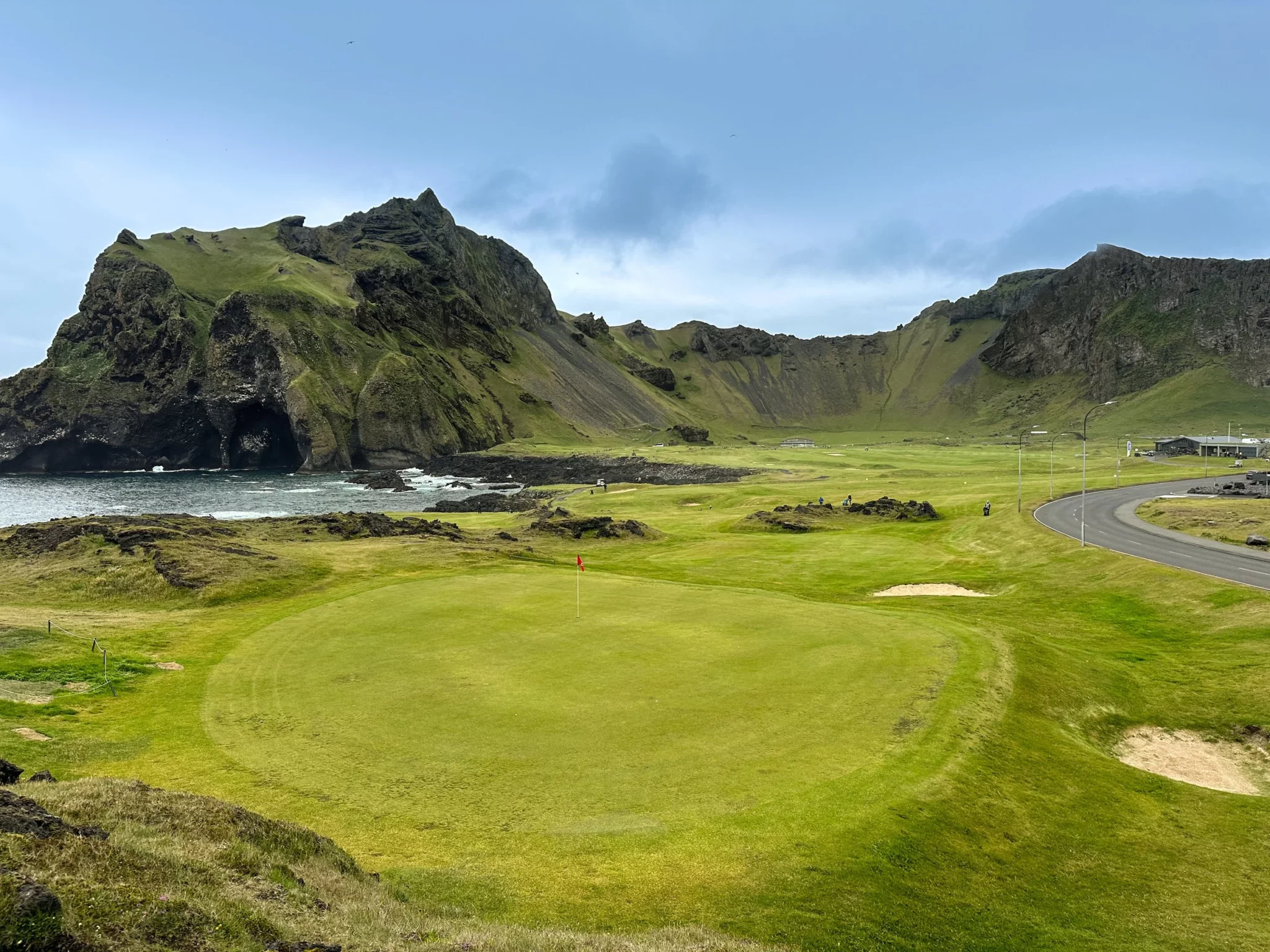
Iceland sits astride the Mid-Atlantic Ridge, where the North American and Eurasian tectonic plates diverge. This geological setting means regular volcanic, tectonic, and glacial activity — lava flows, craters, fissures, geothermal heat, glaciers carving valleys. Over millennia, these forces have built a terrain of sharp contrasts: rugged lava fields, black volcanic sand, cliffs, and mountains juxtaposed with green mosses, rivers and glaciers. Golf courses in Iceland often draw on this raw terrain for character.
The climate also plays a part. Iceland’s summer days are long; around the solstice, golfers can play well into the night under the midnight sun. Winters are harsh, often limiting the golf season, but the contrast between the short, brilliant summers and long winters adds texture to playing there.
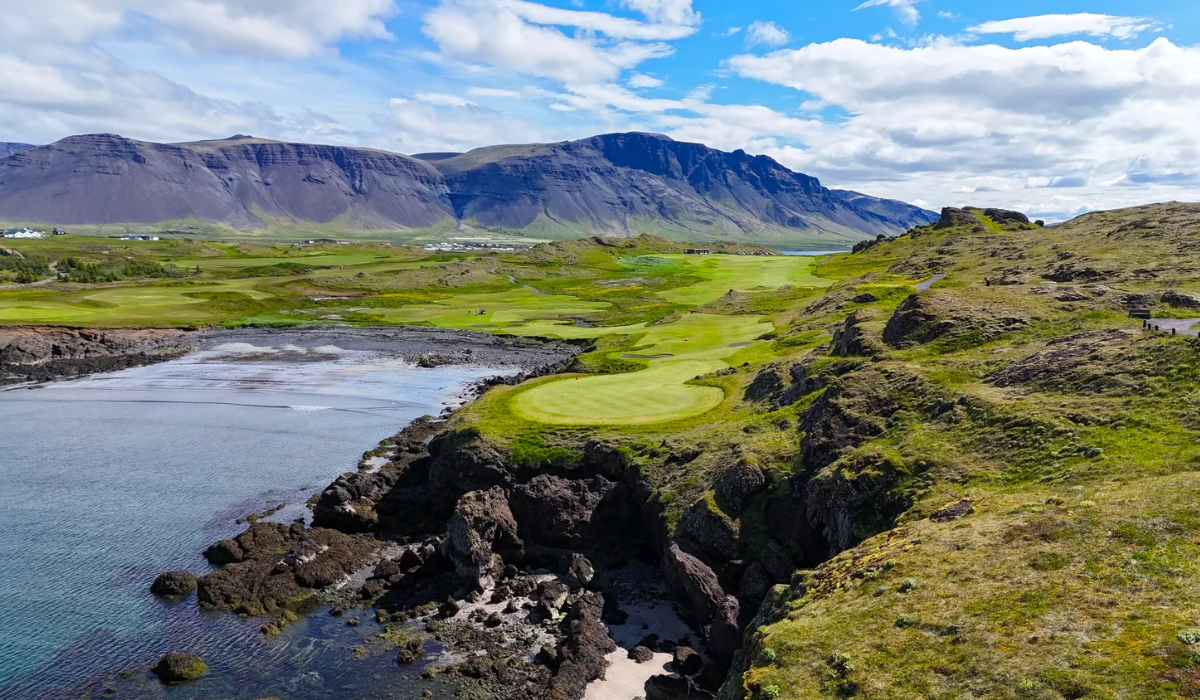
Golf courses built in volcanic settings in Iceland offer:
Here are a few of the courses that best embody this volcanic spirit.
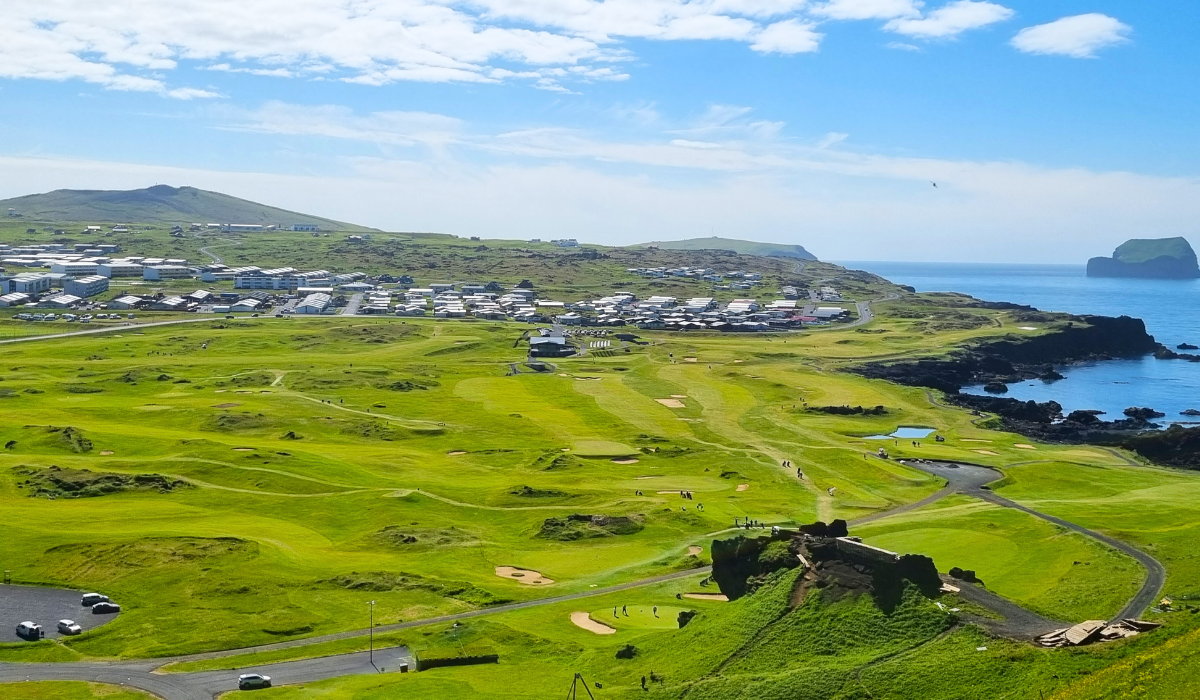
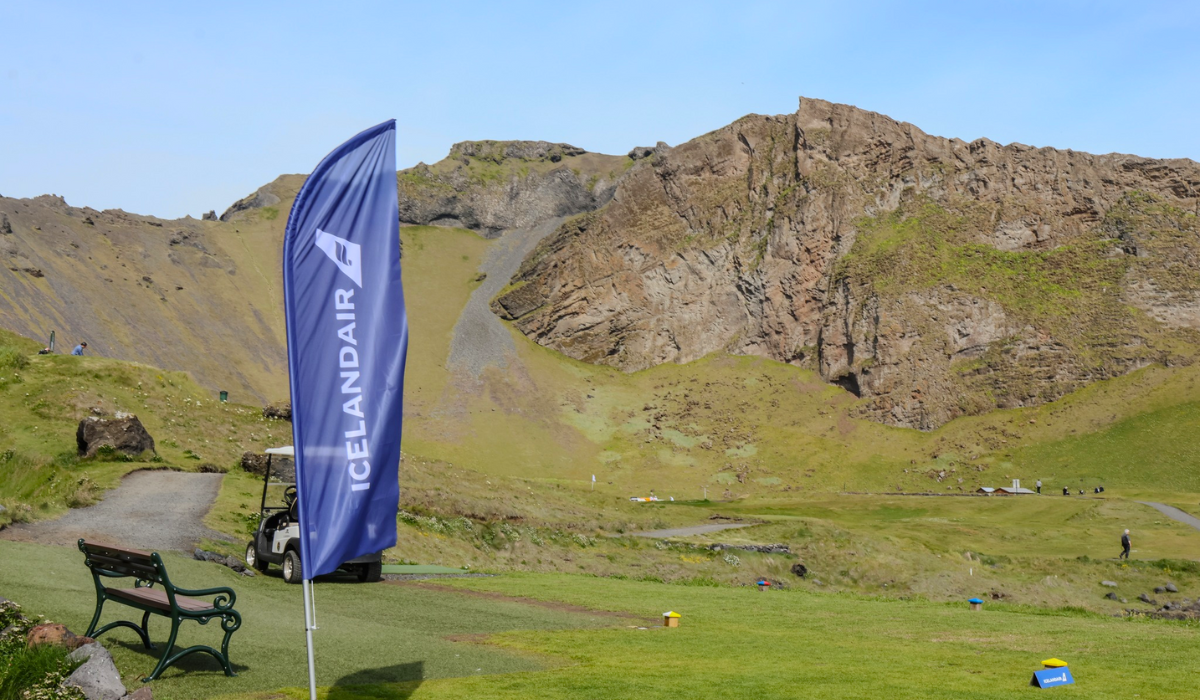
Built inside an old volcano (on Heimaey, the largest of the Vestmannaeyar islands), this 18-hole course is framed by steep volcanic cliffs and ocean. Holes play beneath towering crater walls, and sea breezes come into play. It is often praised for its greens, scenery, and the surreal feeling of being in such a raw natural bowl.
The History: the club was founded in 1938 as a 9-hole course; it was expanded later. It’s the southernmost golf club in Iceland and plays at ~5,820 yards, par 70.
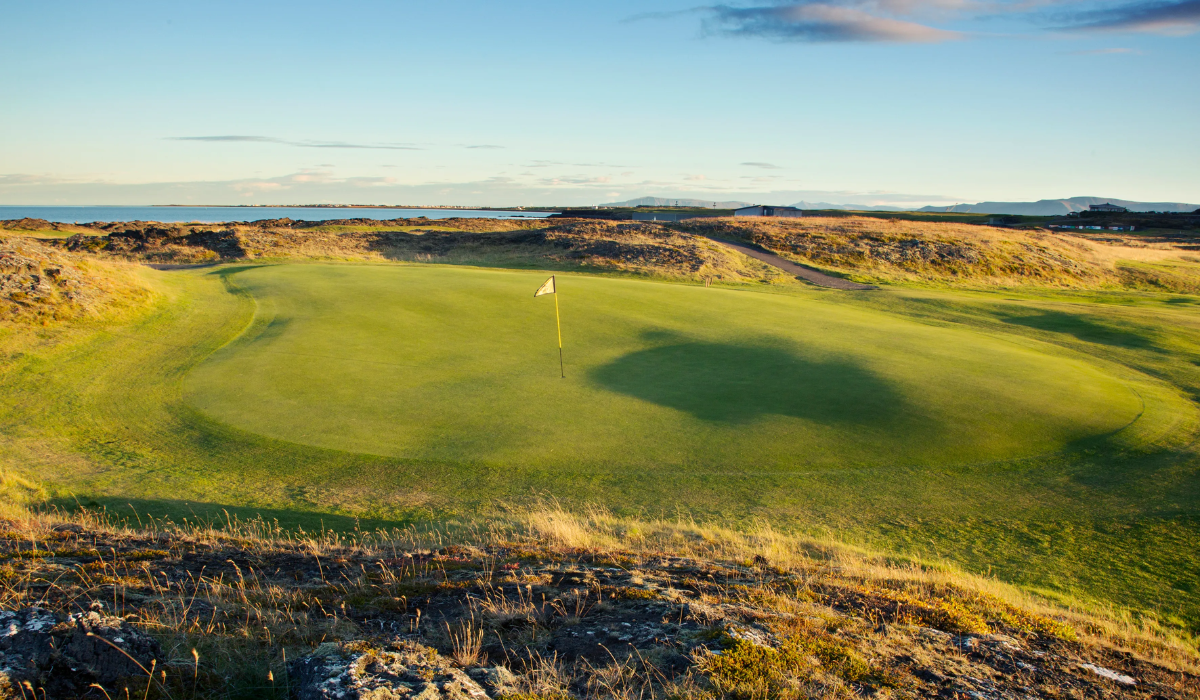
Situated on the Reykjanes Peninsula, near Reykjavik. Keilir’s front nine threads through lava fields: raw, black lava rock, rough, sometimes stark but beautiful. The back nine shifts to more forgiving former farmland, yet with views of the Atlantic. This dual personality of harsh lava and gentler terrain gives players a taste of everything volcanic golf can offer.
Keilir also hosts tournaments like the Amstel Light Iceland Open in cooperation with Reykjavik GC, often timed around the summer solstice.
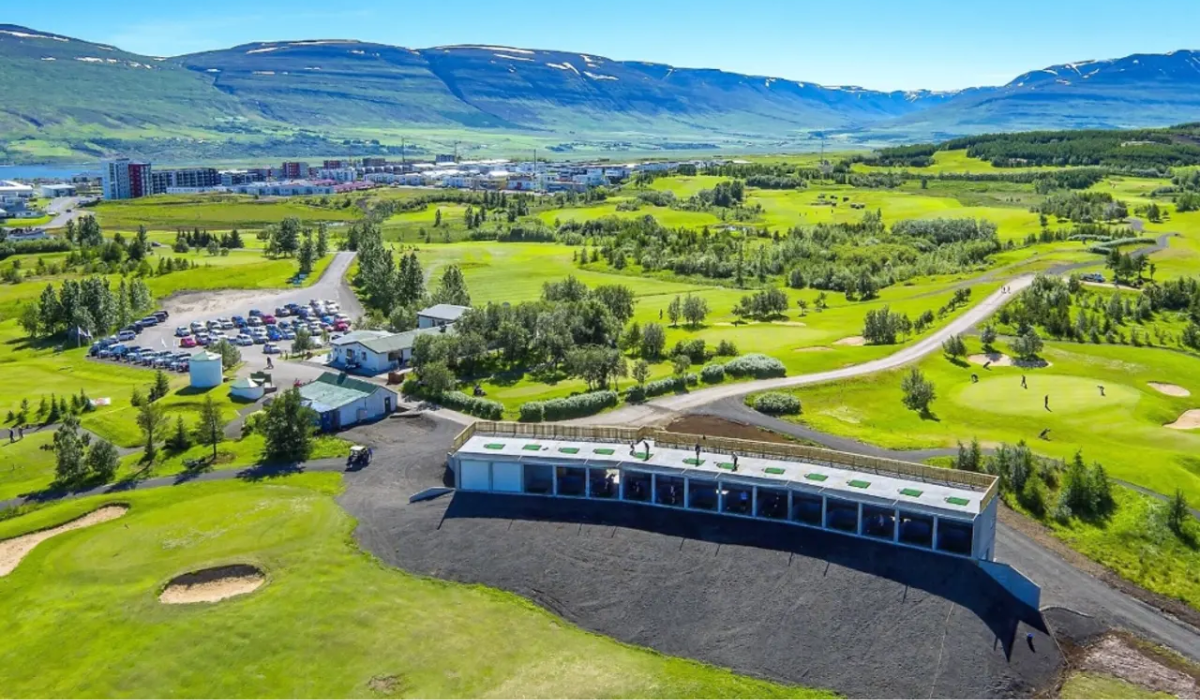
Up in the north, near the Arctic Circle, perched in a region that sees dramatic contrasts in light and weather. The course has rock outcroppings and ridgelines, and offers views over wide landscapes. Even though not all of Akureyri is strictly volcanic terrain, its setting gives the feel of remoteness and exposure. In summer, one can play in near-24-hour daylight.
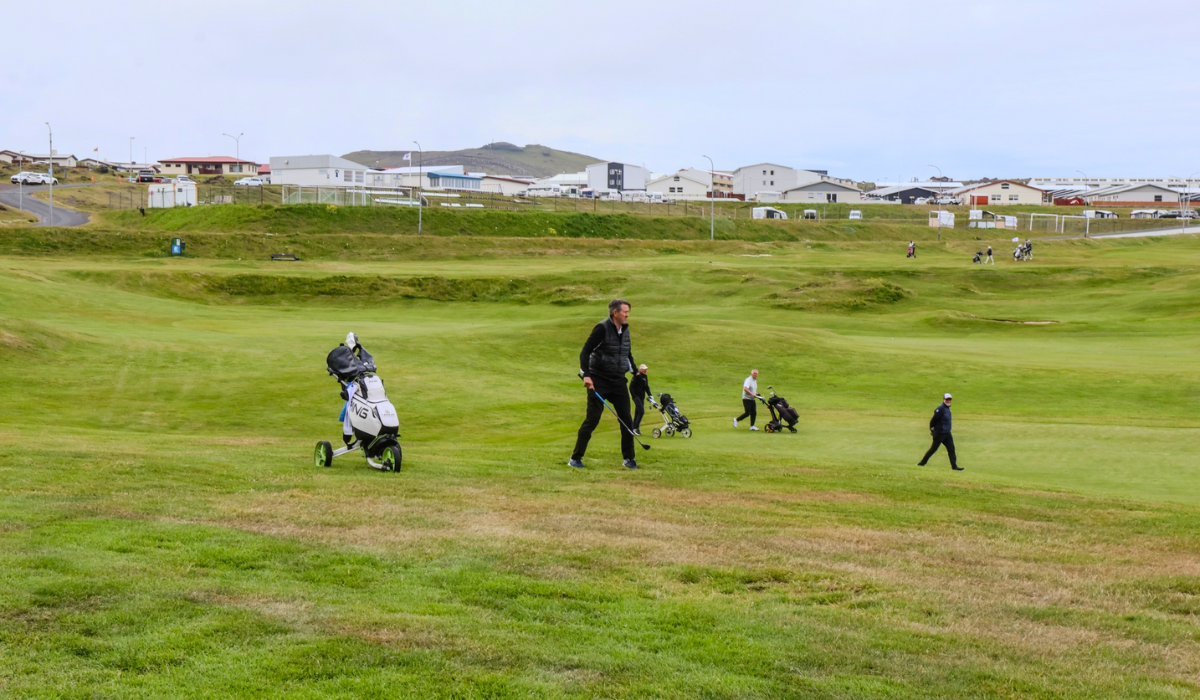
Golf in Iceland is less about tradition (compared to Scotland or Ireland) and more about nature, adventure, and landscape. Many locals relish the short but intense playing season and the opportunity to be outdoors in almost otherworldly settings. Icelandic golf’s identity is tied up with the land: volcanoes are ever-present, not distant stories but part of the view, often part of the hazard, sometimes part of the green.
Some courses carry names or tournaments that commemorate volcanic activity. For example, the Vestmannaeyjar Golf Club hosts the “Icelandair Volcano Open” in early July, in memory of the Eldfell volcano eruption of 1973 that dramatically affected Heimaey.
Also, volcanic geology sometimes shapes infrastructure: drainage, layout, and orientation. For instance, choosing tees and fairways to avoid the worst of lava flows, or integrating lava rock as features rather than trying to fully smooth them out.
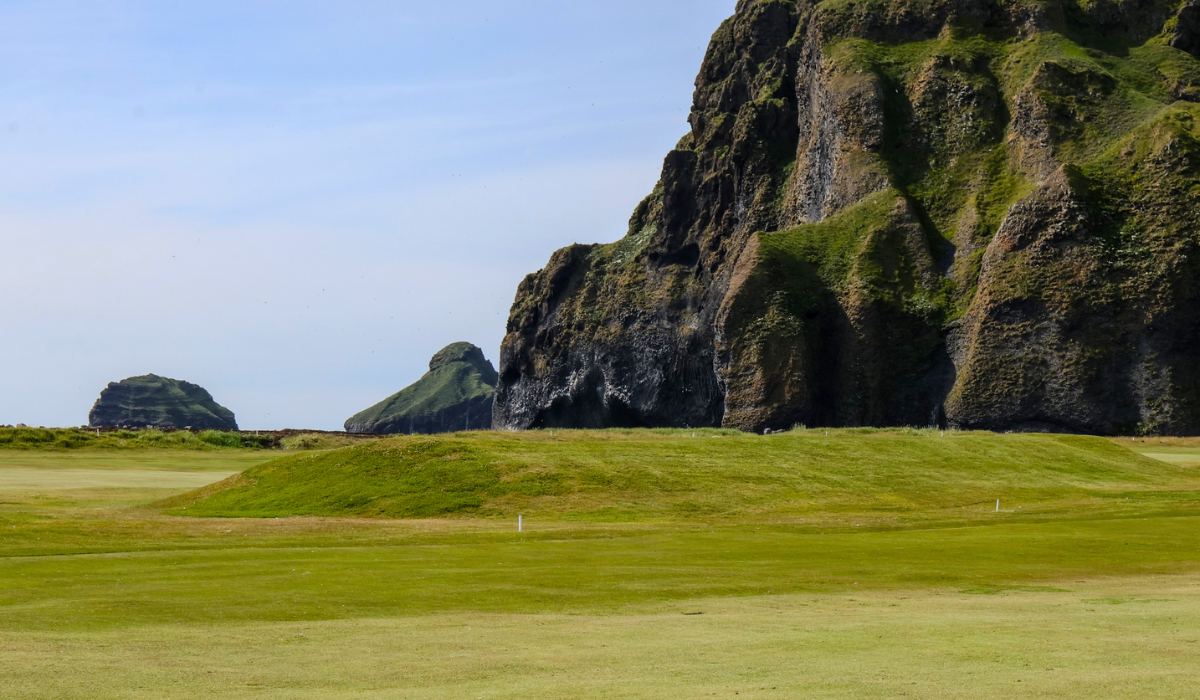
Volcanic golf in Iceland is not just about “cool views”. The terrain forces creativity in design and shotmaking. It offers a sensory contrast: smells of moss and sulphur, textures of rock vs grass, sound of wind and waves. It encourages respect for natural forces — glaciers, lava, weather — and invites awareness of geology. For many golfers, playing under the midnight sun with volcanoes and the ocean around is transformative rather than just another round.
Course Reviews
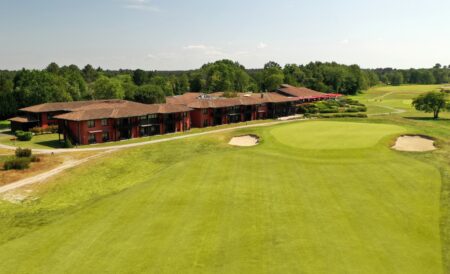
Golf du Medoc acquired by The Cabot Collection
The French resort Golf du Medoc has been rebranded as Cabot Bordeaux after being acquired by The Cabot Collection, the Canadian developer and operator of luxury resort and residential golf destinations. The popular resort for golf and wine enthusiasts is home to two internationally acclaimed 18-hole courses nestled in the vineyards of Medoc in southwest […]
Course Reviews
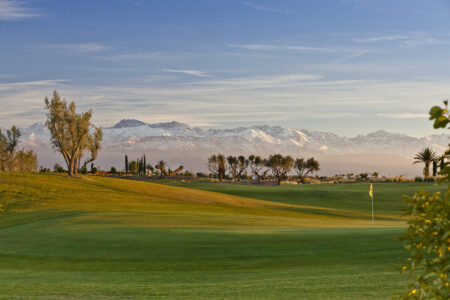
Best courses to play in Marrakech
Wonderful bazaars and architecture vie for attention along with luxury golf resorts and world-class courses in the Moroccan city of Marrakech at the foot of the Atlas Mountains. Tucked away in the more peaceful suburbs are great places to stay and play, and the climate here is Ideal for year-round golf with hot and sunny […]