


Clubs
This Year’s Best Drivers on the Market: A 2026 Buyer’s Guide
Explore 33,000+ golf courses in 180 countries.
Follow the latest news and trends in golf.
Connect with like-minded golfers.
Find everything you need for your golf equipment and gear needs.
Travel, golf resorts, lifestyle, gear, tour highlights and technology.
All Square
Suggestions
Clubs
This Year’s Best Drivers on the Market: A 2026 Buyer’s Guide
Instruction
Links vs Parkland vs Heathland: What’s the Difference?
Clubs
The Best Irons on the Market in 2026
Clubs
Austin Smotherman WITB: The Clubs Behind His 2026 Bank of Utah Championship Win
Destinations
Barrière Golf Properties: French Golf Escapes Where the Resort Is Part of the Experience
Destinations
Conrad Algarve Renovations: A New Chapter of Luxury in Quinta do Lago
Gear
Garmin Golf Watches Guide: Which Garmin Watch Is Right for Your Game?
PGA Tour
Presidents Cup 2026 Results & Winners: Team USA Completes Historic Comeback
Course Reviews
Cullinan Golf Links Resort, Belek: Where Golf Meets the Mediterranean
Course Reviews
New Opening: Limassol Greens — Cyprus’ New Golf Destination
PGA Tour
Presidents Cup 2026 Preview: Everything to Know Before Medinah
Clubs
Jacob Bridgeman WITB: The Clubs Behind His 2026 Biltmore Championship Victory
Course Reviews
Play Golf at Pebble Beach: What to Know Before You Go
Professional Golf
Solheim Cup Results & Winners 2026: Europe Reclaims the Trophy
Course Reviews
Fancourt: The Garden Route Estate Where South African Golf Grew Up
Course Reviews
Best Golf Courses Around Madrid
Clubs
TaylorMade Spider ZT Putter Review: What It Is, How It Performs, and Whether It’s Worth the Upgrade
Course Reviews
Your Golf Trip to Tunisia: Courses, Costs, and What to Actually Expect
Clubs
WITB: Ryan Fox’s Winning Clubs at the 2026 Open Championship
Community
How Modern Golf Courses Conserve Water and Protect Wildlife
PGA Tour
Changes on the PGA Tour from 2028
Course Reviews
Tee Off in Tuscany: Golfing Italy’s Most Picturesque Countryside
Course Reviews
The Best Golf Courses Near Pinehurst That Aren’t Pinehurst No. 2
Destinations
After the 18th Hole: Local Delicacies You Must Try in Spain
Clubs
Russell Henley WITB 2026: The Clubs Behind His Charles Schwab Challenge Victory
Clubs
Inside Winning Bag of Collin Morikawa at the AT&T Pebble Beach Pro-Am 2026
Clubs
Matt Fitzpatrick Wins 2026 RBC Heritage: Inside His Triumph WITB
Destinations
Seaton House: The Home of Golf Finally Has the Hotel It Deserves

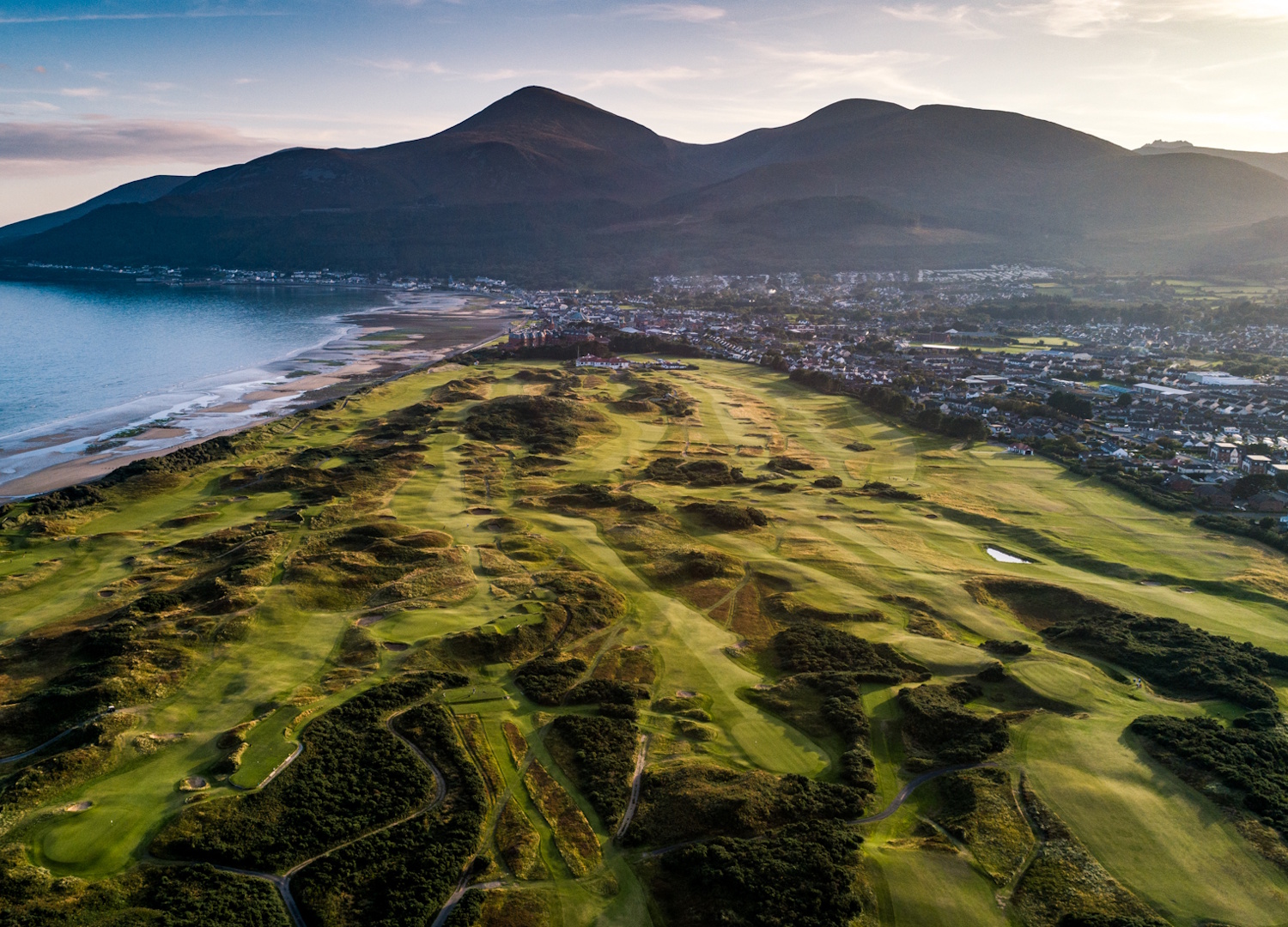
Golf courses can look dramatically different from one another, even when they share the same par, length and basic layout. Some unfold across windswept dunes beside the sea, others weave through mature woodland, while some sit on sandy inland terrain surrounded by heather and pine.
These landscapes are more than scenery. The land beneath the grass influences how a course drains, how the ball reacts after landing, which hazards come into play and even which shots a golfer is likely to choose.
That is where three of the most recognisable golf-course styles come in: links, parkland and heathland.
Links golf is traditionally associated with sandy coastal land, firm turf and exposure to the elements. Parkland courses are generally inland and more heavily wooded, with greener, softer playing surfaces. Heathland courses occupy an interesting middle ground: they are inland like parkland, but their sandy soils and natural vegetation can create playing conditions closer to links golf.
Understanding the difference makes it much easier to appreciate why a round at St Andrews feels so different from one at Sunningdale or a heavily wooded parkland course.
Before comparing the three, it is worth clearing up one common misconception: these terms are primarily about landscape and terrain, rather than the difficulty, quality or status of a golf course.
A links course is not automatically more difficult than a parkland course, and a parkland course is not necessarily more manicured or modern. The classification describes the environment in which the golf course exists and the characteristics that environment gives the layout.
Soil is particularly important.
Sandy ground drains quickly and tends to produce firmer playing surfaces. Heavier soils retain more water and can create softer fairways and greens. Vegetation is also strongly influenced by the underlying soil, climate and exposure.
That means the distinction between links, heathland and parkland is ultimately a story about land, water, vegetation and weather — and how golf architects work with all four.
Links golf is the oldest and most traditional of the three styles, with its roots in Scotland. The word links comes from Scots and ultimately from the Old English hlinc, referring to rising ground or ridges. Historically, linksland described coastal terrain between the sea and more productive farmland.
These areas were often sandy, exposed and difficult to farm, but they happened to provide remarkably good ground for golf.
Classic links courses are generally found along the coasts of Scotland, England and Ireland. Their defining ingredients include sandy soil, dunes, undulating ground, relatively few trees, natural grasses and significant exposure to wind.
The result is golf that can look deceptively simple from a distance. There may be relatively little water and fewer trees than on a typical parkland course, but the terrain itself becomes part of the defence.

The biggest difference is what happens after the ball lands.
On a firm links fairway, a well-struck shot can run significantly farther than a golfer might expect. Approaches can bounce, release and roll towards the green rather than stopping quickly.
This makes the ground game particularly important.
Instead of always trying to fly a ball directly at the flag, golfers can use slopes, banks and firm turf to move the ball towards the target. A low-running approach, bump-and-run or carefully chosen landing area can sometimes be more effective than a high, spinning shot.
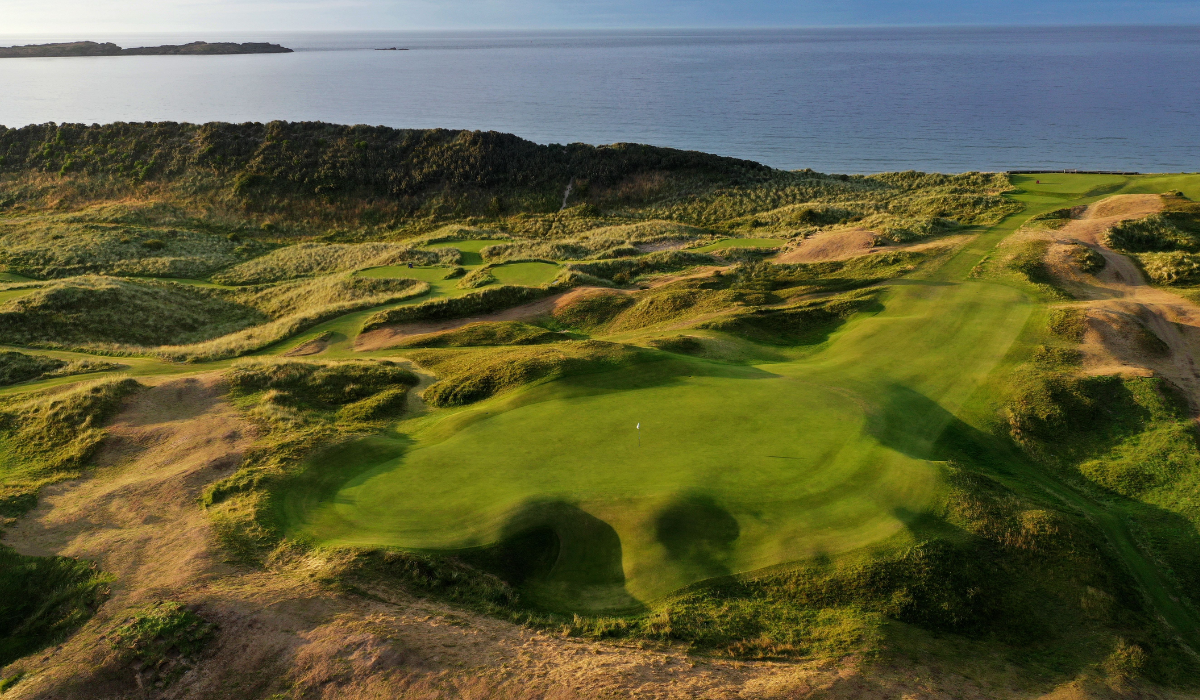
Wind adds another dimension. With few trees to provide shelter, coastal wind can affect trajectory, distance and direction throughout the round. Links golf therefore rewards golfers who can control trajectory and adapt their strategy rather than simply relying on a standard yardage.
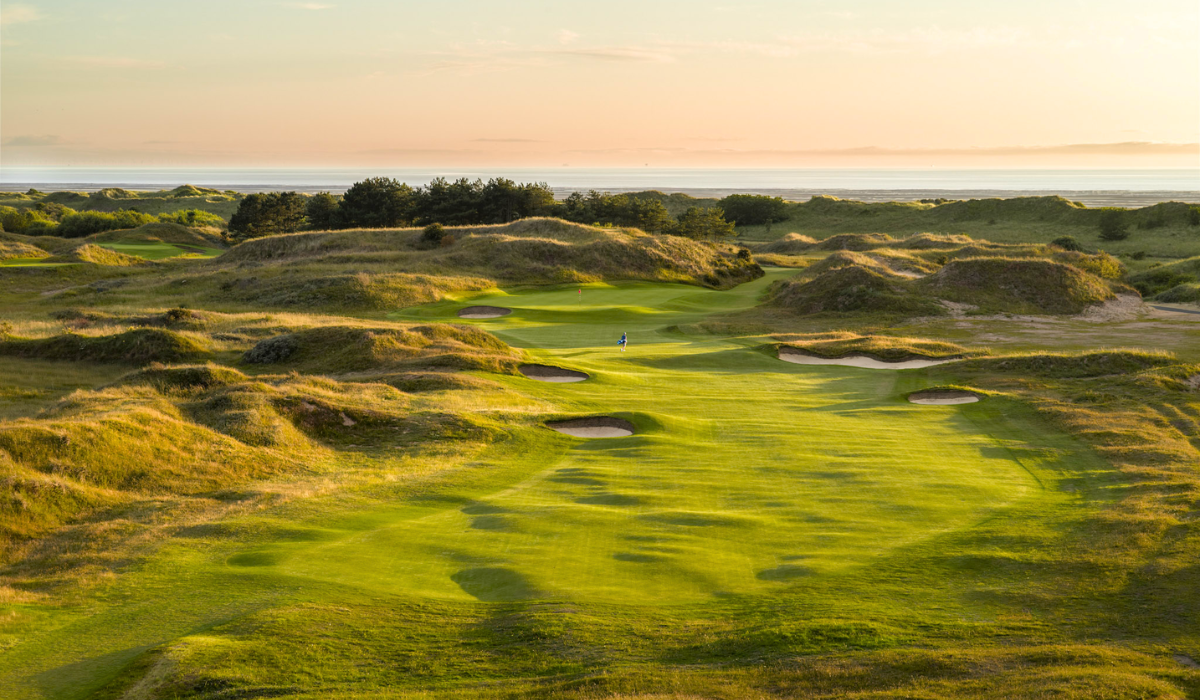
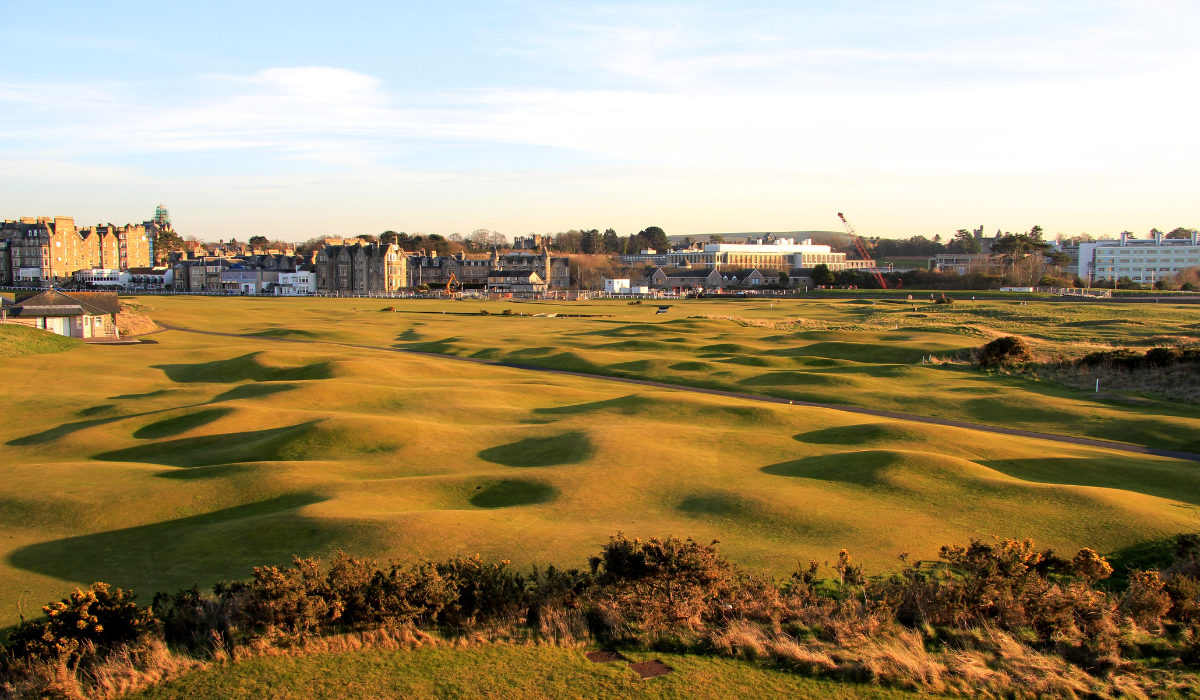
The famous links of St Andrews, Royal Portrush, Carnoustie and Royal Birkdale demonstrate how dramatically natural terrain can influence strategy. Royal Birkdale, for example, is the venue for the 2026 Open Championship.
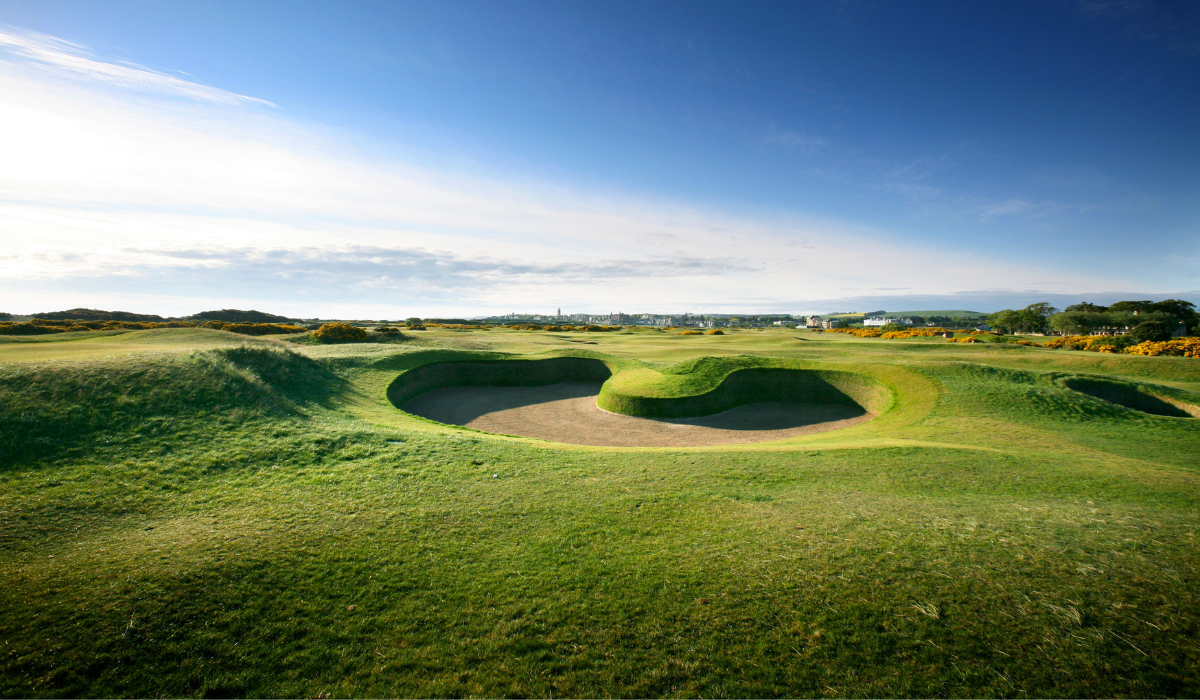
Links bunkers can also feel different from those on a typical parkland course.
Deep pot bunkers, steep-faced hazards and naturally shaped hollows can create difficult recovery shots. Some bunkers are positioned so strategically that avoiding them from the tee is more important than simply trying to reach the green as quickly as possible.
The fairway itself can also be a hazard. Uneven lies, natural contours and slopes may turn what looks like an easy shot into a difficult one.
In links golf, the ground is often as important as the air.
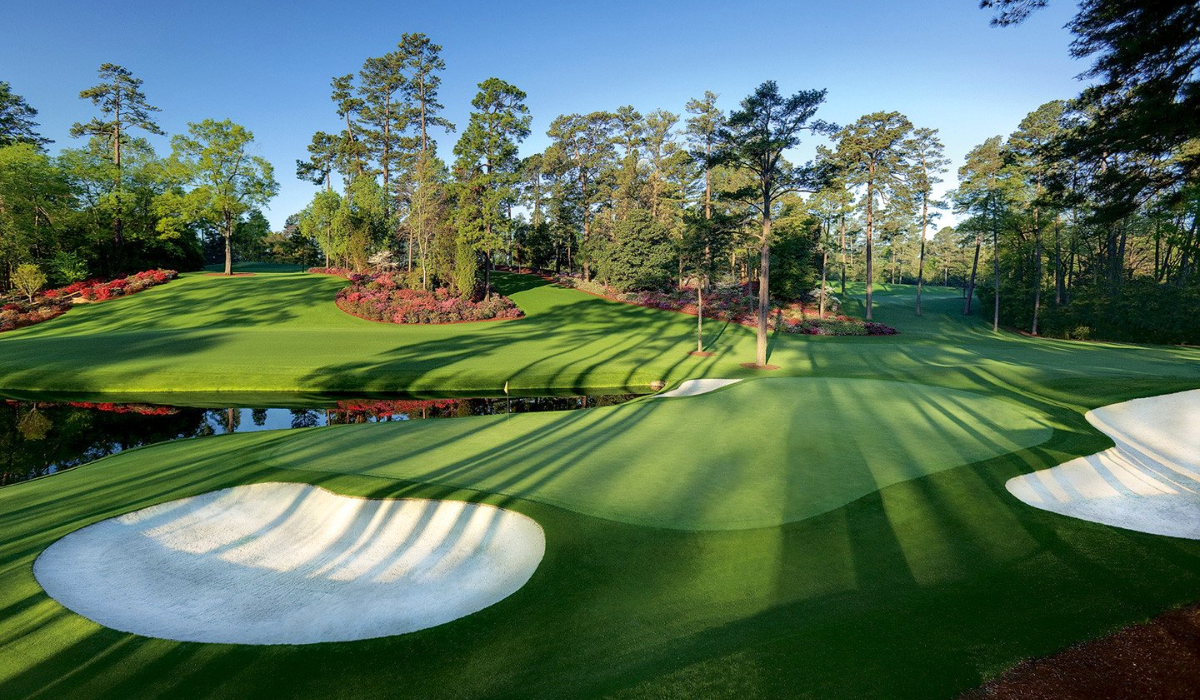
If links golf is defined by exposure and natural coastal terrain, parkland golf is almost its visual opposite.
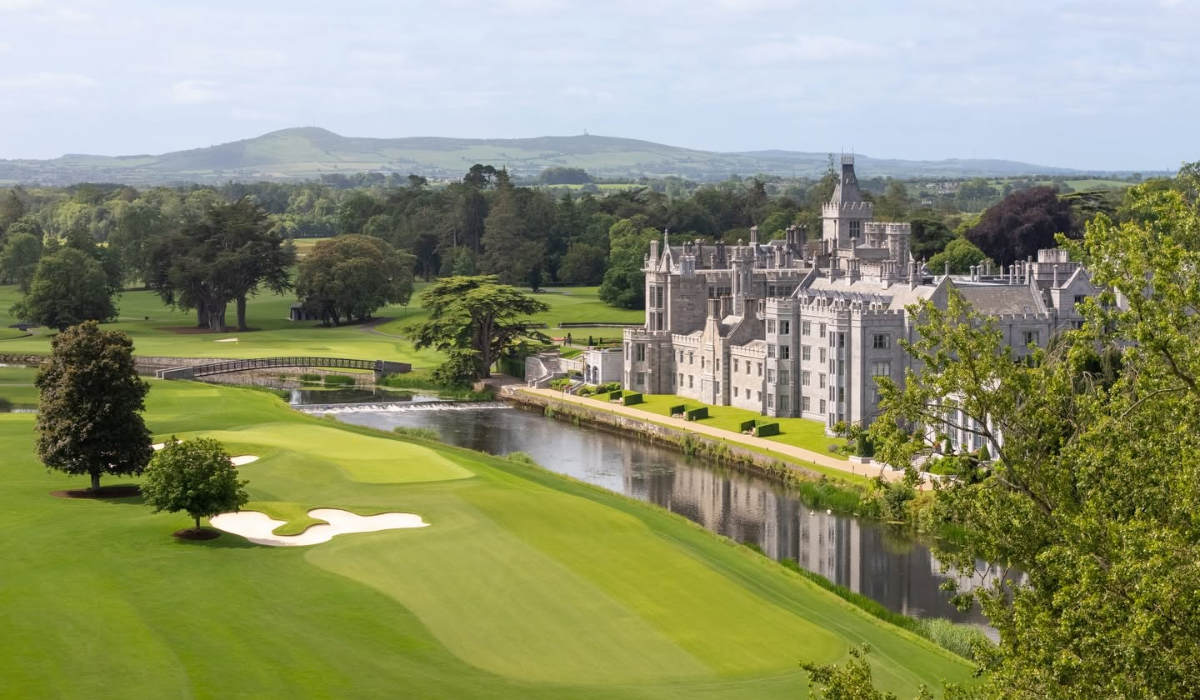
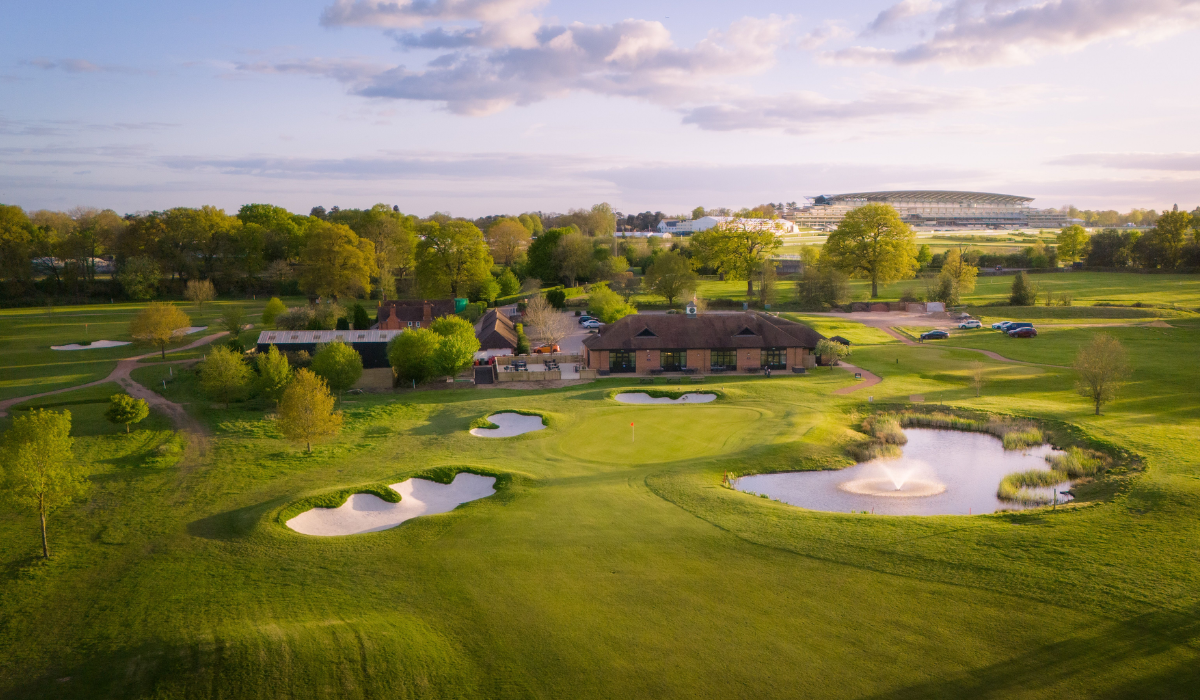
Parkland courses are generally inland and characterised by mature trees, lush fairways, carefully maintained grass and landscaped surroundings. Water features, bunkers and strategically positioned trees are common elements.
Instead of the open horizon of a links course, a parkland hole may be framed by avenues of trees, woodland or large areas of greenery.
This is the style many golfers picture when they imagine a traditional country-club course.

Parkland courses often have softer playing surfaces than links courses, although conditions vary significantly with climate, soil, irrigation and maintenance.
The softer ground can make the aerial game particularly important. A golfer can often attack a green with a higher approach shot and expect the ball to stop more quickly than it would on firm links turf.
Trees also change the strategic equation.
On a links course, a missed fairway might leave a golfer dealing with dunes, rough or an awkward lie. On a tree-lined parkland course, the same mistake can bring an entirely different problem: blocked sightlines, restricted swings or the need to play sideways back into position.
As a result, accuracy and positioning can become central to parkland strategy.
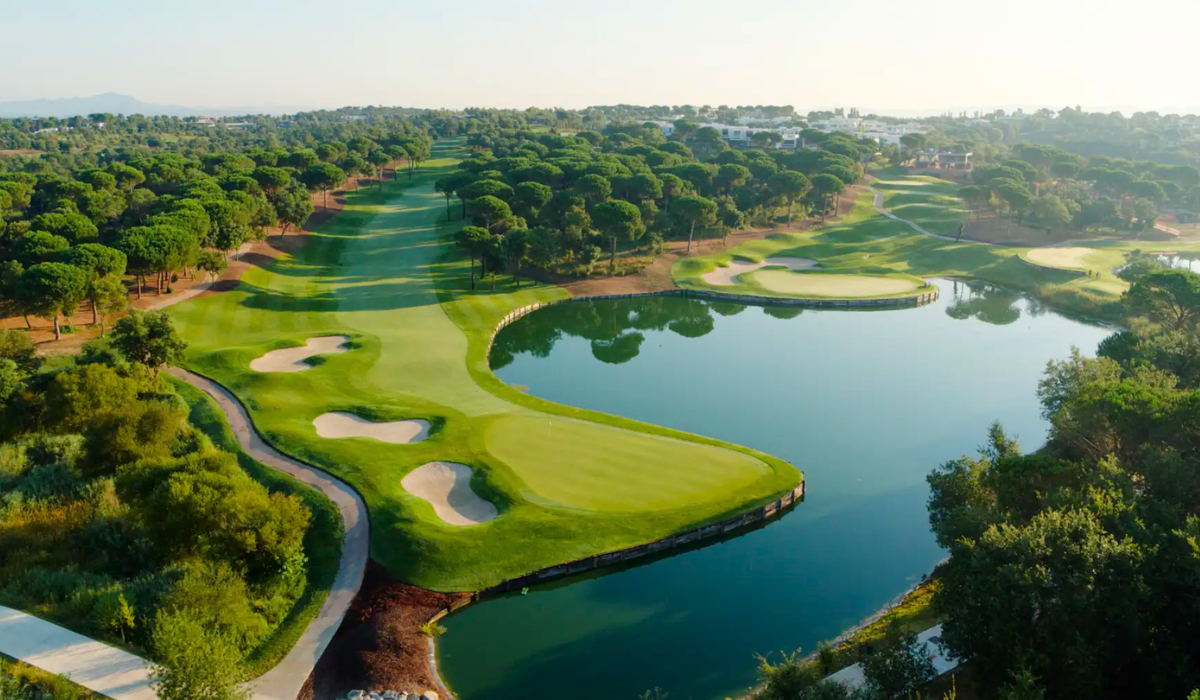
Parkland courses are often more deliberately landscaped than links courses. Lakes, ponds, streams and formal bunkering can be incorporated into the design, creating clearly defined targets and hazards.
But parkland does not necessarily mean artificial or unnatural.
Many classic parkland courses use existing woodland, valleys, streams and natural contours as the foundation of the layout. Good architecture can make these features feel as though the course has always belonged there.
This is one reason why parkland golf can vary enormously. A mature woodland course in England can feel completely different from a lush inland course in the United States, despite both fitting broadly into the parkland category.
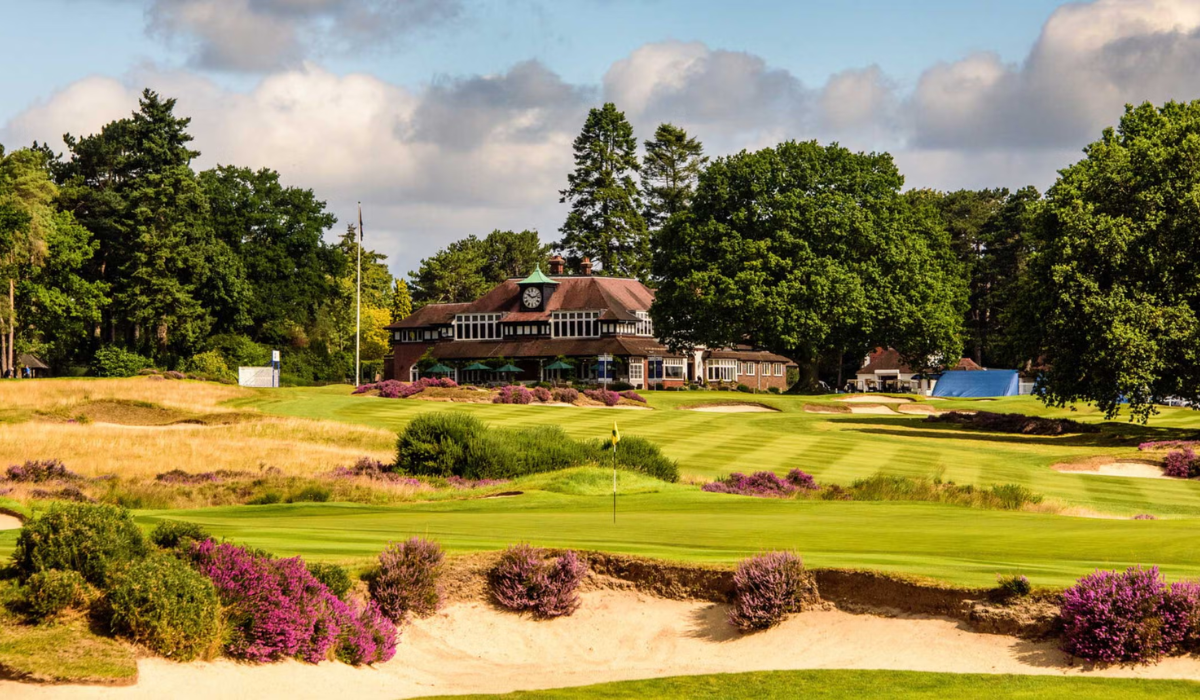
Heathland golf is perhaps the most intriguing of the three because it combines characteristics associated with both links and parkland.
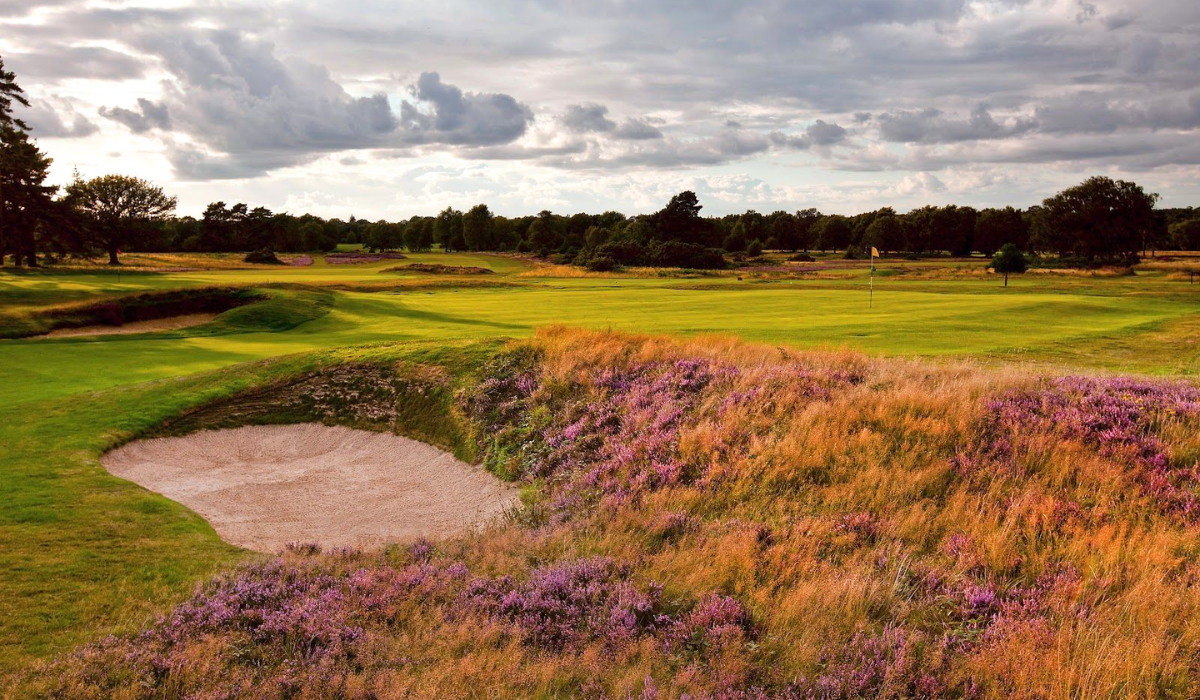
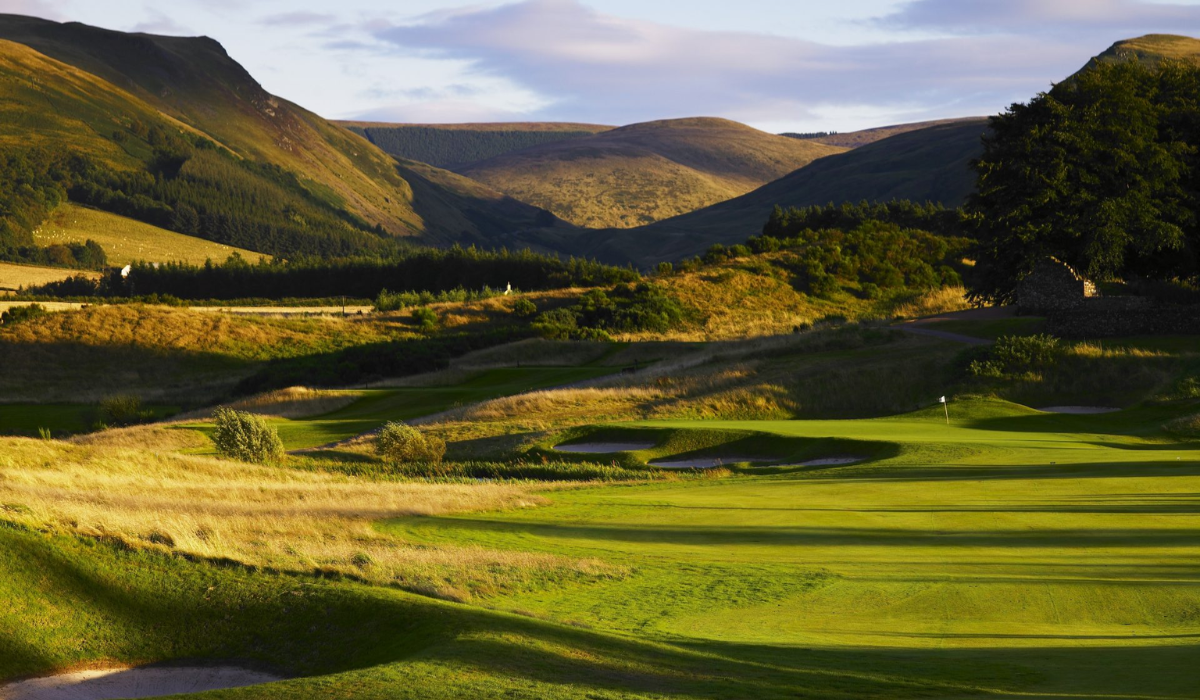
Heathland courses are generally inland, but they are often built on sandy, free-draining soils. Instead of coastal dunes and grasses, their natural environment is characterised by vegetation such as heather, gorse, bracken and low shrubs.
The Surrey and Berkshire areas of England are particularly famous for heathland golf, with courses such as Sunningdale, Walton Heath and Woking forming part of this distinctive golfing landscape.
Visually, heathland courses can be spectacular. Purple heather, golden grasses, pine trees and sandy ground create a landscape that is immediately recognisable.
But the vegetation is not merely decorative.
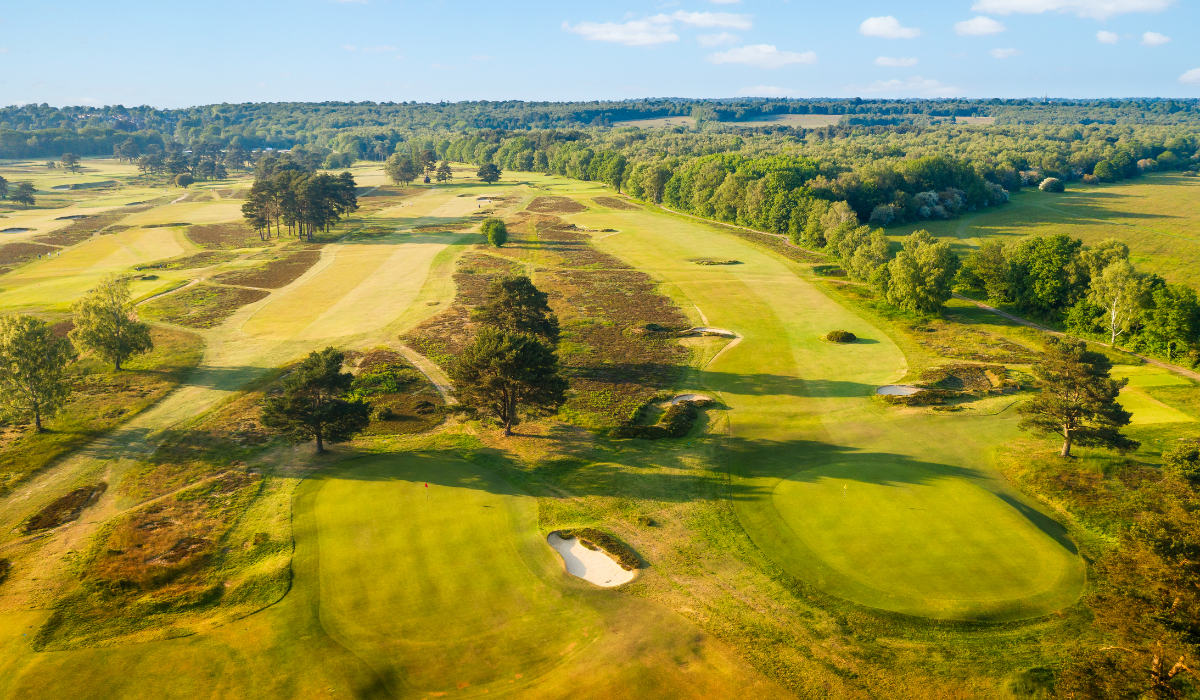
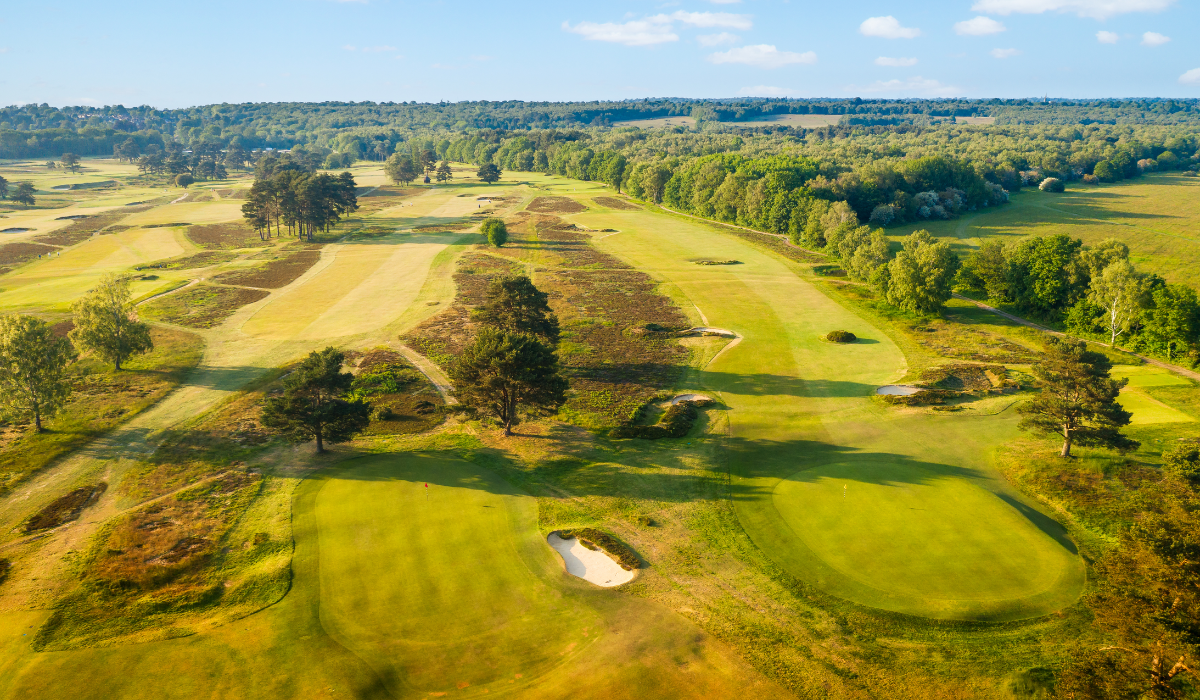
A heathland course can look inviting from the tee, especially when the fairway appears wide and surrounded by open countryside.
The problem begins when the ball leaves the short grass.
Heather and gorse can produce extremely difficult lies. A ball that disappears into dense vegetation may be difficult to find or impossible to advance towards the green safely.
That changes how golfers approach the course.
On many heathland layouts, the smartest tee shot is not necessarily the longest one. Finding the correct section of fairway can be much more valuable than gaining a few extra metres.
This gives heathland golf a particularly strategic character: the course can offer the firm ground and natural contours of links golf while demanding the positioning and accuracy associated with more enclosed inland layouts.
| Feature | Links | Parkland | Heathland |
| Typical location | Coastal | Inland | Inland |
| Soil | Sandy, free-draining | Often heavier and more moisture-retentive | Sandy, acidic and well-draining |
| Vegetation | Fescue, marram grass, dunes, gorse | Mature trees, grass, landscaped vegetation | Heather, gorse, pine, birch and scrub |
| Trees | Usually few | Often abundant | Present but generally more open |
| Ground | Firm and undulating | Often softer and more receptive | Firm and free-draining |
| Wind | Major factor | Often reduced by trees | Moderate; depends on exposure |
| Common hazards | Dunes, pot bunkers, rough, slopes | Trees, bunkers, water | Heather, gorse, bunkers, trees |
| Typical strategy | Use the ground and manage the wind | Positioning and aerial precision | Accuracy, positioning and ground control |
The table is a useful starting point, but there is plenty of overlap. A course does not need to fit perfectly into one category, and modern layouts can deliberately borrow characteristics from several traditions.
One of the easiest ways to understand the difference is to imagine hitting the same approach shot on all three course types.
On a links course, the ball may land short of the green and continue rolling. The golfer might deliberately aim away from the flag, using a slope to feed the ball towards the target.
On a parkland course, the same shot may land on softer turf and stop much closer to where it landed. A high iron or wedge shot aimed directly at the flag can therefore become a more attractive option.
On a heathland course, the golfer may have a similar opportunity to use the firm ground, but the approach is influenced by the surrounding heather, trees and contours. The best strategy can depend heavily on where the ball will finish if the shot misses its intended landing area.
In other words, the course type changes not only where you play, but how you think about each shot.
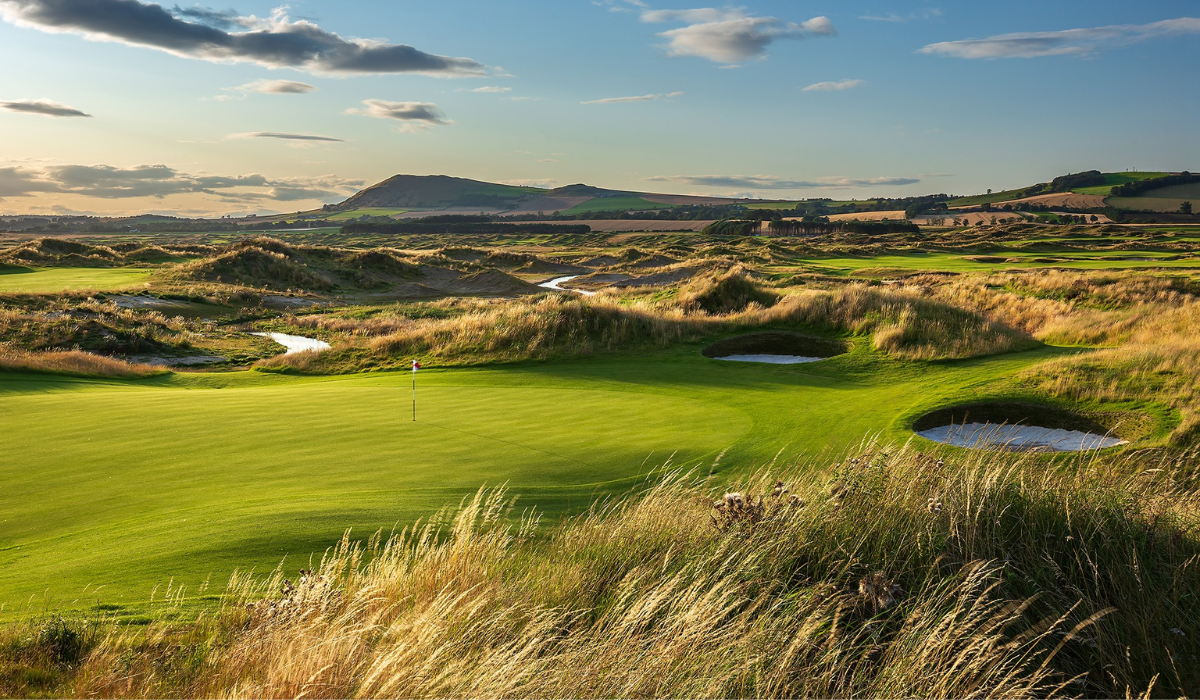
Links courses are generally the most exposed to wind because of their coastal locations and limited tree cover.
That does not mean every links course is constantly windy, nor does it mean a parkland course is always sheltered. Weather conditions can completely change the character of any course.
However, on a traditional links, wind is often an integral part of the design experience. It can turn a straightforward par 4 into a completely different hole depending on its direction.
Heathland courses sit somewhere between the two. Their sandy terrain can produce firm conditions, but trees and inland positioning often provide more shelter.
Parkland courses are usually the most protected, particularly where mature woodland surrounds the fairways.
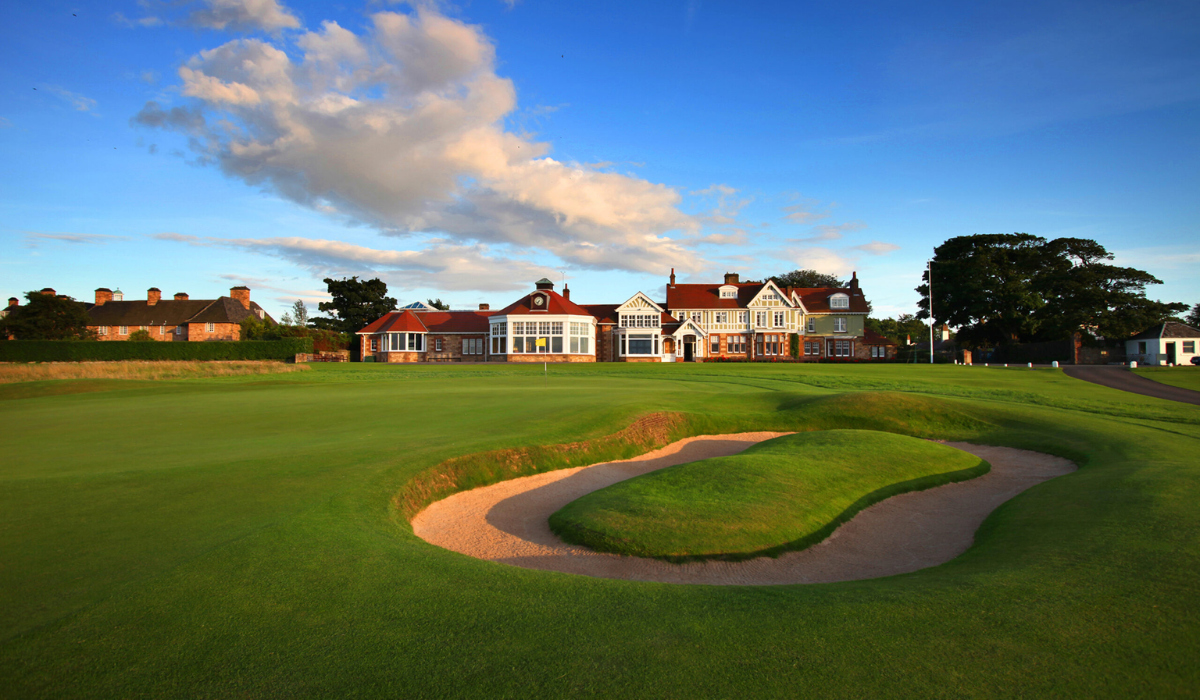
A common misconception is that a links course is poorly maintained because its rough can look long and its fairways may have brown or golden patches during dry periods.
In reality, the appearance reflects a different maintenance philosophy and natural environment.
Links golf developed on land where sandy soils, wind and native grasses naturally created a much more open landscape. Fine grasses such as fescues and bent species are associated with traditional links conditions, while natural dunes and rough can remain visually prominent.
The objective is therefore not necessarily to make every part of the course look uniformly green.
Instead, the architecture often works with the natural characteristics of the site.
Heathland courses follow a similar principle. The natural heather, gorse and sandy soils are important parts of the landscape, and modern greenkeeping can involve managing these native characteristics rather than eliminating them.
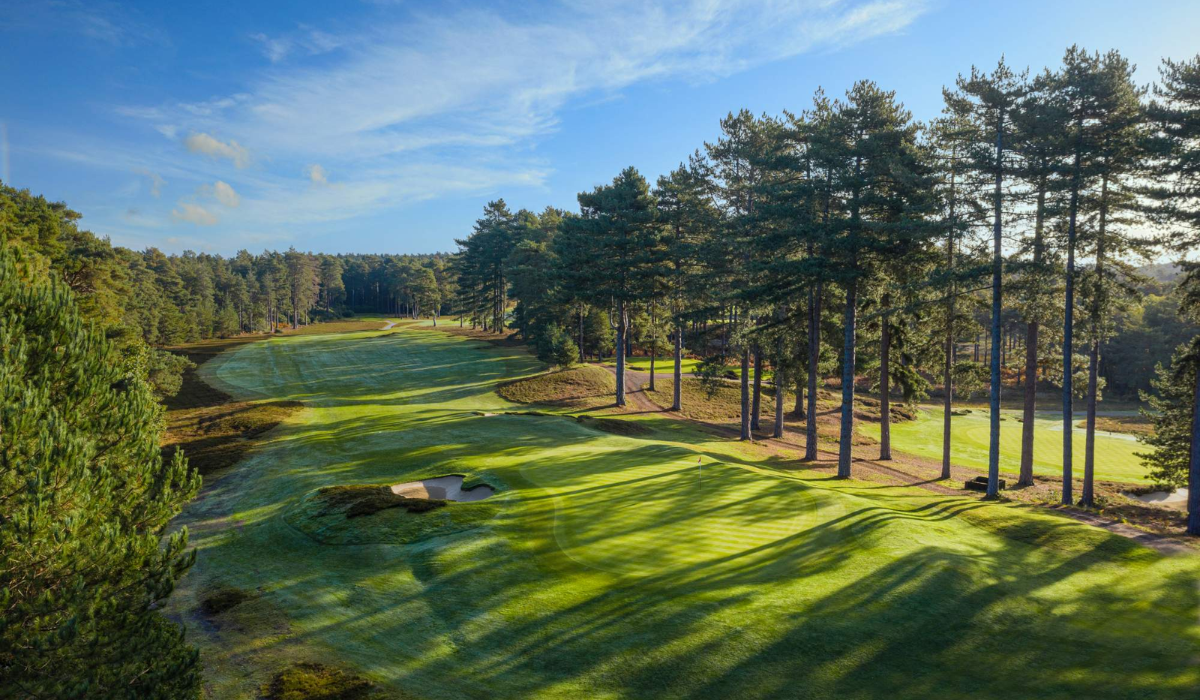
Although heathland landscapes exist beyond England, some of the world’s most famous examples are concentrated in the country’s sandy southern regions.
The Surrey and Berkshire sand belt became particularly important to golf architecture because its sandy soils provided excellent drainage and offered architects an unusual canvas for strategic design.
Courses such as Sunningdale and Walton Heath demonstrate how architects could use natural undulations, sandy ground, vegetation and woodland to create layouts that feel both rugged and refined.
This landscape also became closely associated with influential British architects of the late 19th and early 20th centuries, helping establish heathland golf as one of the defining traditions of British course architecture.
It is important not to treat the three categories as rigid scientific classifications.
There is no single universal rulebook that determines whether every golf course is officially “links”, “parkland” or “heathland”. Even the definition of a links course can vary, and some courses marketed as “links-style” do not occupy traditional coastal links terrain.
A course can also contain characteristics of several styles.
A coastal course may have substantial woodland. An inland course can be designed with links-style firm turf and running approaches. A parkland layout may use sandy soil and natural heath vegetation.
This is why the labels are best understood as descriptions of a course’s dominant landscape and playing characteristics, rather than absolute categories.
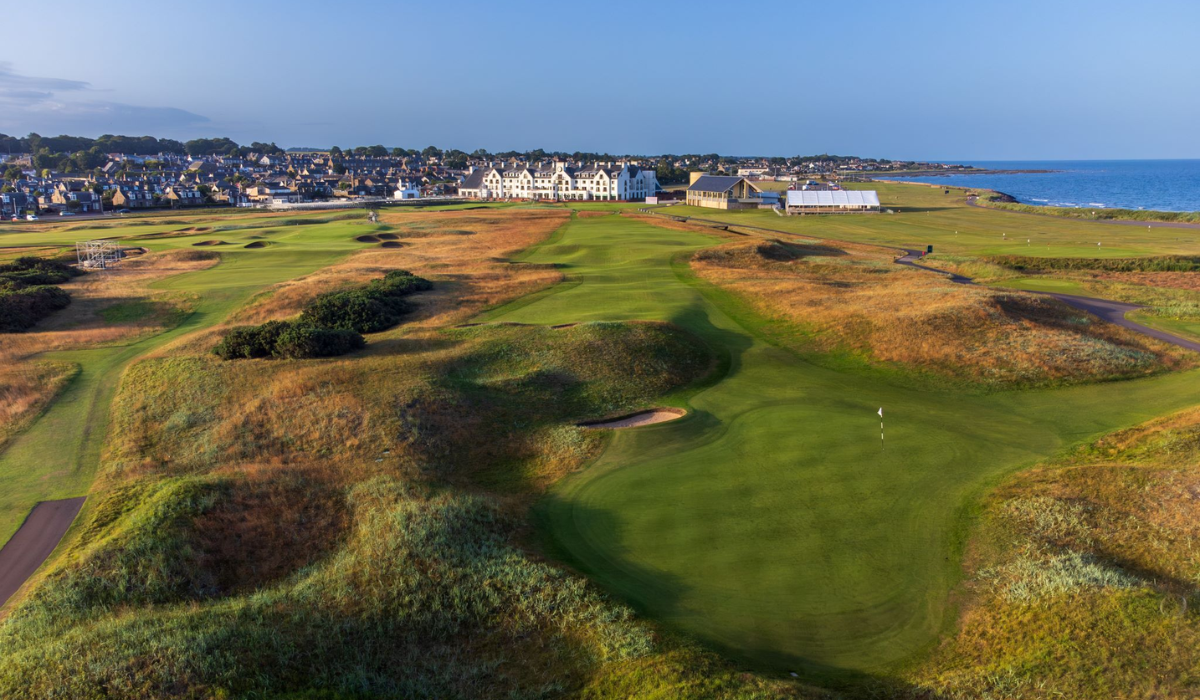
For links golf, The Old Course at St Andrews, Royal Birkdale, Carnoustie and Royal Portrush are among the classic names associated with the tradition. Their coastal settings, natural contours and exposure to the elements illustrate why links golf has such a distinctive identity.
For heathland golf, Sunningdale, Walton Heath and Woking are particularly strong examples. Their sandy inland landscapes, heather, trees and fast-running ground show how different heathland can look from coastal links while still sharing some of its playing characteristics.
Parkland is a much broader category, encompassing countless inland courses around the world. What unites them is less a specific soil type than the overall character of the landscape: mature vegetation, trees, greener surroundings and a more enclosed inland setting.
The simplest way to remember the three is to think about where the course lives and what the ground does.
Links is golf shaped by the coast: sandy soil, dunes, firm turf and wind. The ground becomes a playing surface, and creativity is often rewarded.
Parkland is golf shaped by an inland, often wooded environment: greener surroundings, softer conditions and trees or water influencing strategy. The aerial game and precise positioning can become particularly important.
Heathland sits between the two: inland rather than coastal, but sandy and naturally free-draining, with heather, gorse and pine replacing the dunes and coastal grasses of a links.
Ultimately, these aren’t just three ways of describing scenery. They represent three different relationships between golf and the land.
A links course asks you to understand the wind and the ground. A parkland course asks you to manage trees, targets and positioning. A heathland course asks you to combine elements of both while navigating some of golf’s most distinctive natural vegetation.
And that is exactly what makes travelling between them so rewarding: the same game can feel completely different when the landscape changes beneath your feet.
Presidents Cup 2026 Results & Winners: Team USA Completes Historic Comeback
Should Your Child Turn Professional? What the World’s Best Golfers Can Teach Us
Community
How Modern Golf Courses Conserve Water and Protect Wildlife
For decades, golf courses have often been criticised for their environmental impact, particularly regarding water consumption and land use. While some older facilities still face sustainability challenges, the reality is that many modern golf courses are becoming leaders in environmental stewardship. Advances in irrigation technology, habitat restoration, water recycling, and ecological course design are transforming […]

Course Reviews
Rovos Rail Experience
Step aboard Rovos Rail, and you immediately feel transported to a different age of travel. Founded in 1989 by Rohan Vos, Rovos Rail has become a symbol of elegance, heritage, and timeless adventure across Southern Africa. Each carriage has been lovingly restored to its original 1920s and 1930s splendour, with polished wooden panels, antique details, […]