



PGA Tour
Presidents Cup 2026 Results & Winners: Team USA Completes Historic Comeback
Explore 33,000+ golf courses in 180 countries.
Follow the latest news and trends in golf.
Connect with like-minded golfers.
Find everything you need for your golf equipment and gear needs.
Travel, golf resorts, lifestyle, gear, tour highlights and technology.
All Square
Suggestions
PGA Tour
Presidents Cup 2026 Results & Winners: Team USA Completes Historic Comeback
Destinations
Barrière Golf Properties: French Golf Escapes Where the Resort Is Part of the Experience
Destinations
Conrad Algarve Renovations: A New Chapter of Luxury in Quinta do Lago
Gear
Garmin Golf Watches Guide: Which Garmin Watch Is Right for Your Game?
Course Reviews
Cullinan Golf Links Resort, Belek: Where Golf Meets the Mediterranean
Course Reviews
New Opening: Limassol Greens — Cyprus’ New Golf Destination
PGA Tour
Presidents Cup 2026 Preview: Everything to Know Before Medinah
Clubs
Jacob Bridgeman WITB: The Clubs Behind His 2026 Biltmore Championship Victory
Course Reviews
Play Golf at Pebble Beach: What to Know Before You Go
Professional Golf
Solheim Cup Results & Winners 2026: Europe Reclaims the Trophy
Clubs
This Year’s Best Drivers on the Market: A 2026 Buyer’s Guide
Course Reviews
Fancourt: The Garden Route Estate Where South African Golf Grew Up
Course Reviews
Best Golf Courses Around Madrid
Clubs
TaylorMade Spider ZT Putter Review: What It Is, How It Performs, and Whether It’s Worth the Upgrade
Course Reviews
Your Golf Trip to Tunisia: Courses, Costs, and What to Actually Expect
Clubs
Thriston Lawrence WITB of Three-Time Omega European Masters Champion
Amateur Golf
Charlie Woods Signs with TaylorMade: What’s in His Bag?
LPGA
Solheim Cup 2026 Preview & FAQ: Everything to Know Before Bernardus
Course Reviews
Golf in Croatia: What You Can Actually Play, and What to Expect
Clubs
WITB: Ryan Fox’s Winning Clubs at the 2026 Open Championship
Community
How Modern Golf Courses Conserve Water and Protect Wildlife
PGA Tour
Changes on the PGA Tour from 2028
Course Reviews
Tee Off in Tuscany: Golfing Italy’s Most Picturesque Countryside
Course Reviews
The Best Golf Courses Near Pinehurst That Aren’t Pinehurst No. 2
Course Reviews
Golf in Bordeaux: A Guide to Cabot Bordeaux
Clubs
Bud Cauley WITB 2026: The Clubs Behind His RBC Canadian Open Victory
Course Reviews
Tee Off in Style: Park Hyatt Marrakech
Clubs
Akshay Bhatia’s Winning WITB at the 2026 Arnold Palmer Invitational
Course Reviews
Golf Meets Art: Courses with Cultural Connections

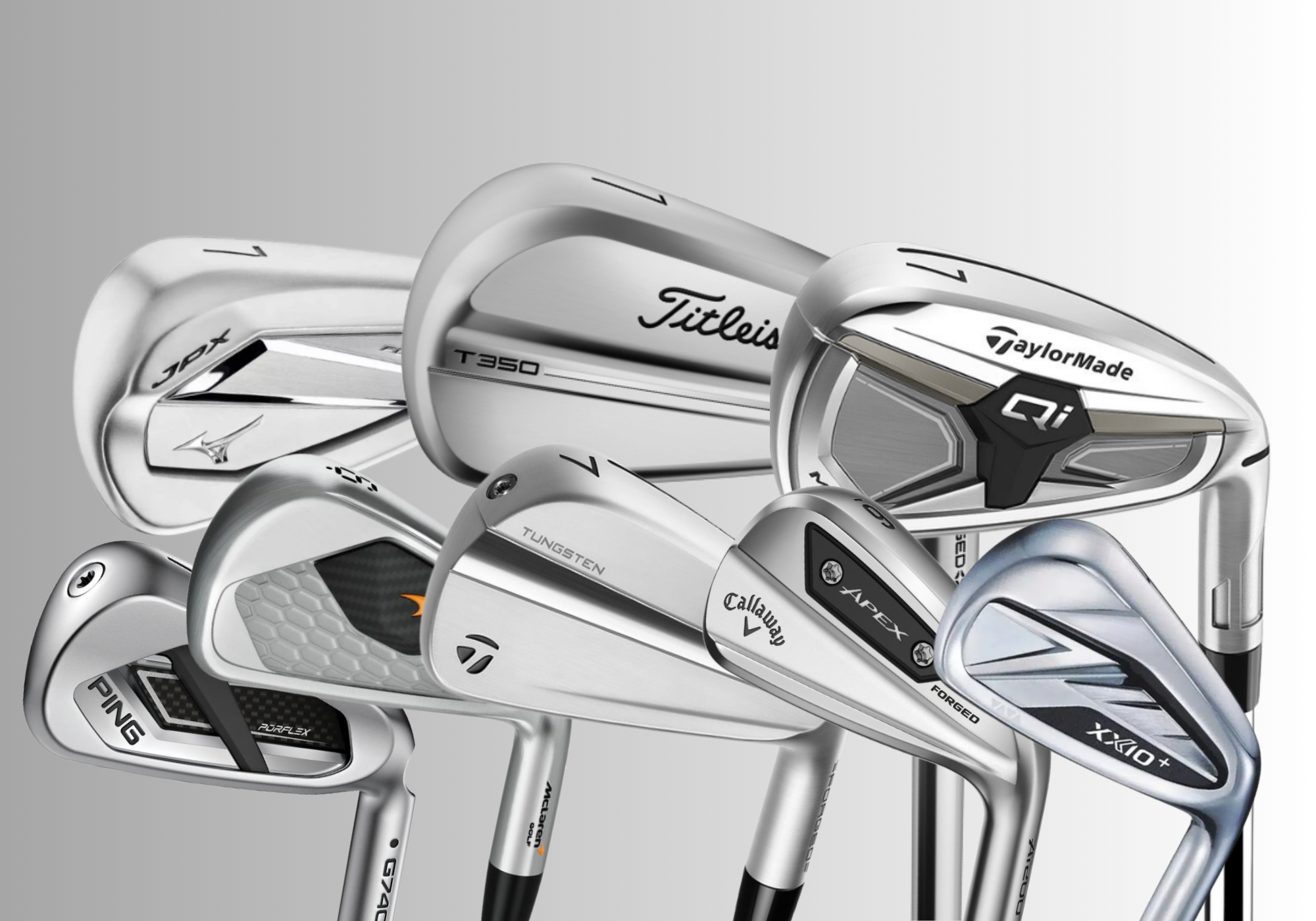
Choosing a new set of irons in 2026 is less about finding one club that is universally “the best” and more about finding the right combination of distance, forgiveness, feel, consistency and playability for your game. The latest generation of irons shows just how broad the market has become: traditional forged players’ irons now sit alongside hollow-body designs, 3D-printed constructions, high-launching game-improvement clubs and even iron-wood hybrids.
It is also a particularly interesting year for iron technology. More manufacturers are using sophisticated internal structures to move weight around the clubhead, while launch-monitor testing continues to demonstrate that raw distance is only part of the story. In MyGolfSpy’s 2026 testing, 47 iron models from 19 brands were evaluated across four categories, highlighting just how different the performance profiles of modern irons can be.
So, which irons deserve attention in 2026? Here are some of the standout options across the market and what makes each one interesting.
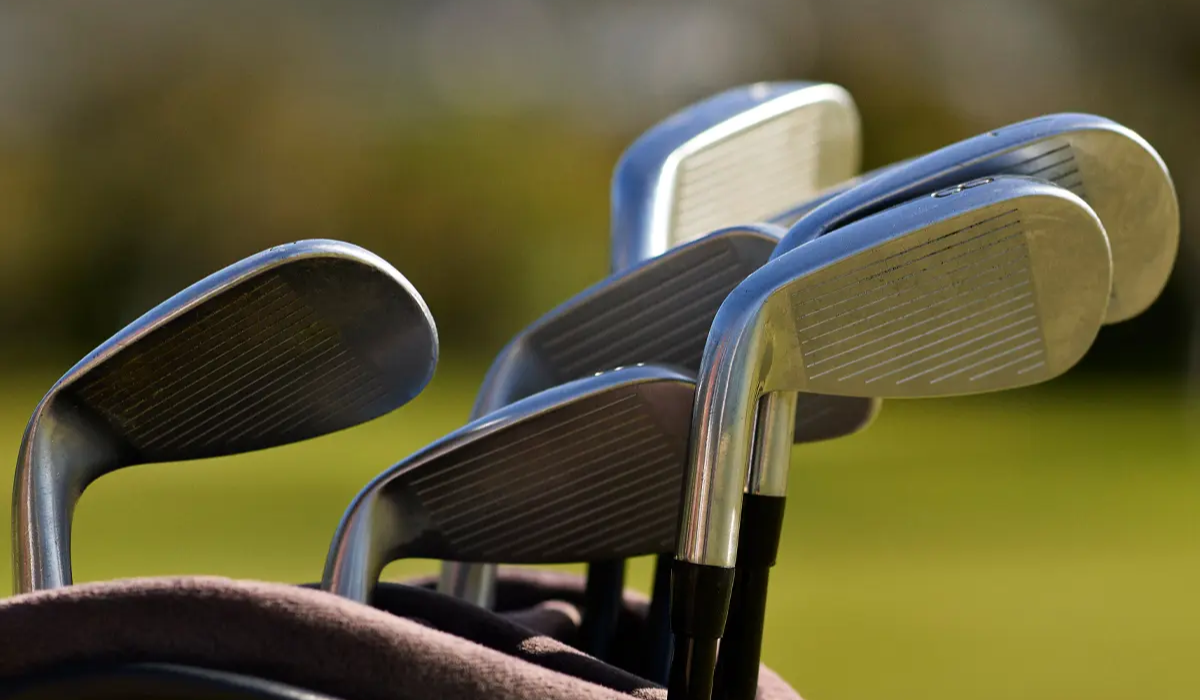
Modern irons are increasingly designed around a specific type of golfer rather than trying to do everything at once. A compact players’ iron may prioritise control and workability, while a game-improvement model might sacrifice some traditional looks to deliver higher launch and more forgiveness.
That means the familiar question of “How far does it go?” is no longer enough. Carry consistency, dispersion, launch, spin, and the ability to stop the ball on the green can be just as important.
Golf Digest’s 2026 robotic testing of players-distance irons demonstrated this clearly. The difference between models was not simply about maximum carry: some irons produced considerably tighter dispersion patterns, meaning a slightly shorter club could actually offer a more predictable result on the course.
The best iron, therefore, is the one that produces the performance you actually need.
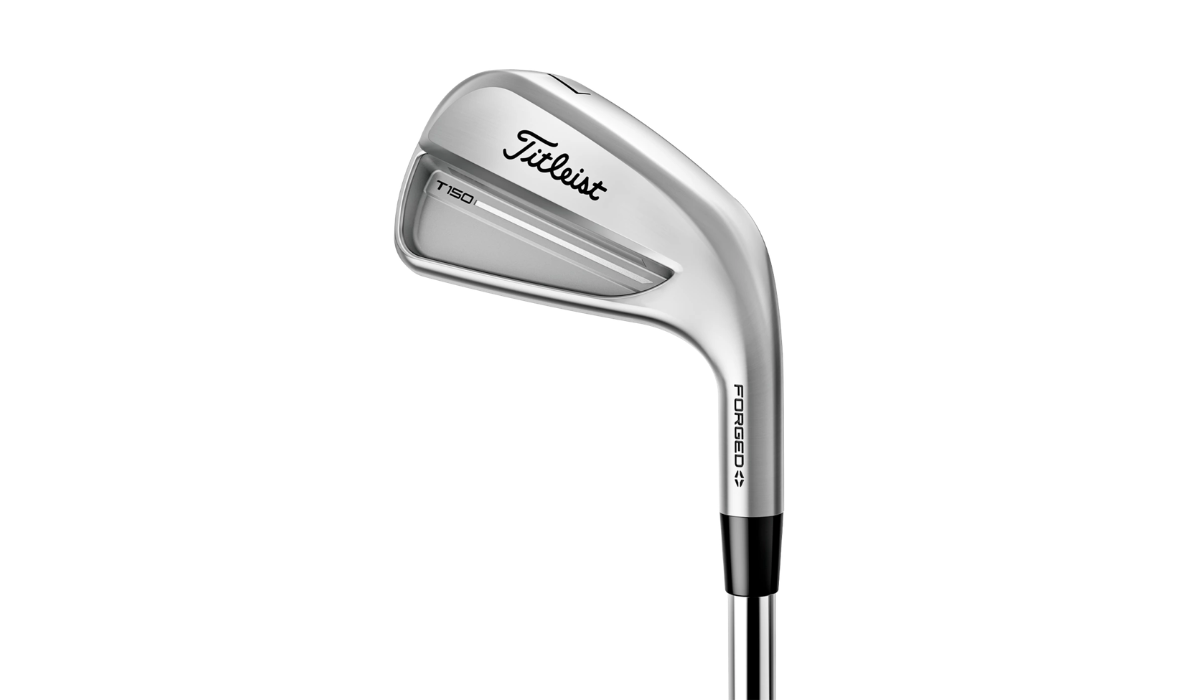
The Titleist T150 sits in an increasingly popular part of the market: the players’ iron that provides some additional speed and forgiveness without looking like a traditional game-improvement club.
Its compact appearance makes it attractive to better players, but its construction is designed to provide more performance than a classic muscle-back or compact cavity iron.
That balance helped the T150 stand out in 2026 independent testing. MyGolfSpy named it its Best Overall Players’ Iron for the year, with strong results for both distance and forgiveness.
The T150 also illustrates how the modern players’ iron has evolved. Golfers no longer necessarily need to choose between a beautiful, compact head and useful forgiveness. Manufacturers are increasingly finding ways to incorporate both.
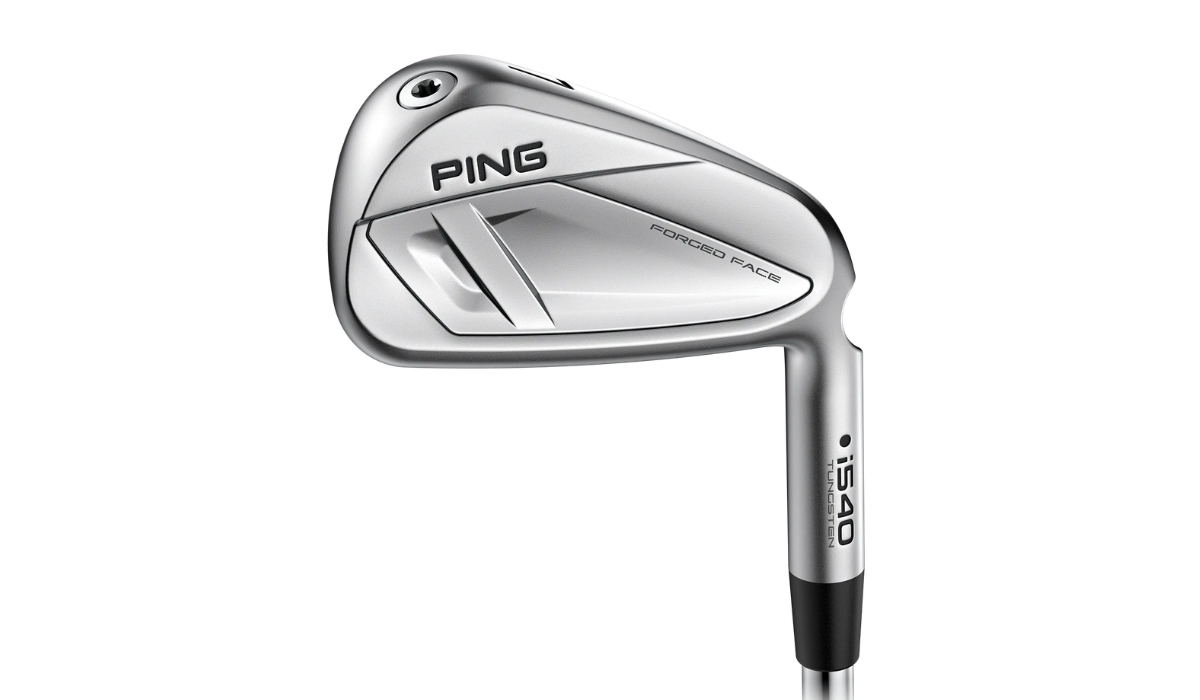
Ping’s 2026 i540 is another interesting example of the industry’s focus on players-distance irons.
In Golf Digest’s robotic testing, the i540 produced the tightest 95-percent dispersion area among the players-distance irons tested. It also recorded a 160-yard carry under the test conditions, placing it among the longest performers in the group.
The numbers highlight an important trend in modern iron design. Manufacturers are trying to increase ball speed without simply creating clubs that launch the ball farther in unpredictable directions.
For golfers who want a powerful iron but place a high value on consistency, the i540 deserves a close look.
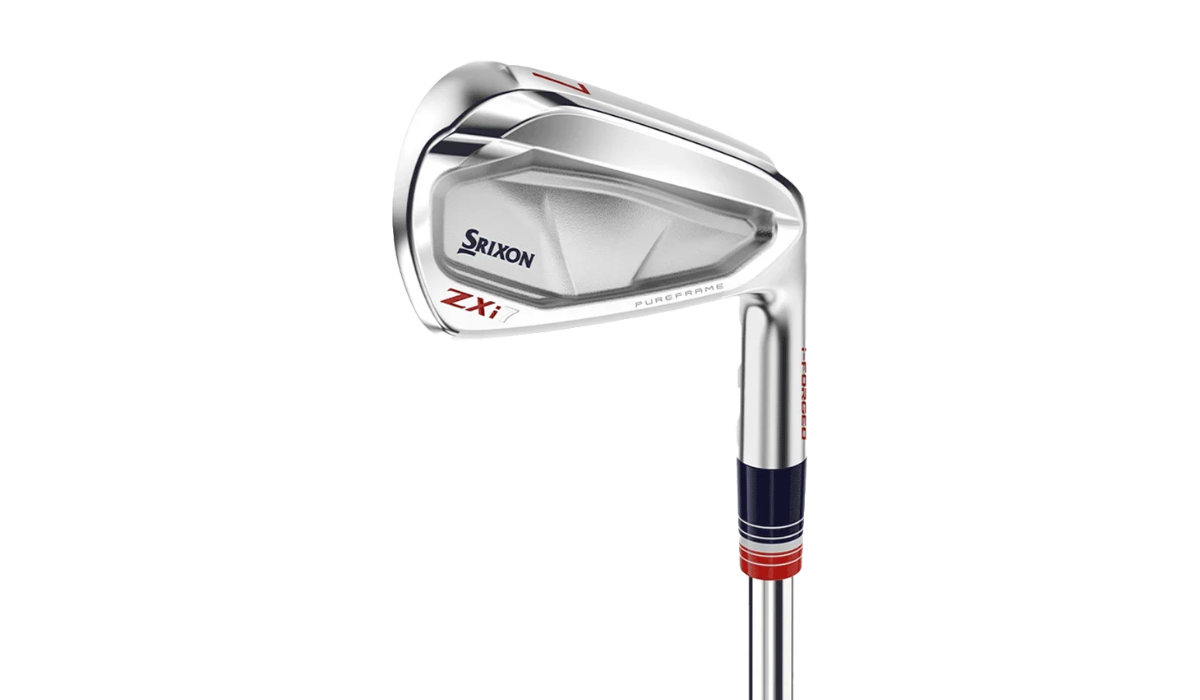
Srixon’s ZXi family has become one of the most interesting iron ranges for golfers who appreciate a more traditional appearance.
The ZXi7 is aimed at better players and offers the compact shape, feel and control expected from a players’ iron. Yet independent 2026 testing suggests that it does not simply trade forgiveness for looks.
MyGolfSpy identified the ZXi7 as one of the players’ irons that managed to perform strongly in both distance and forgiveness, making it an interesting alternative to more established players’ iron choices.
The ZXi family also demonstrates how modern iron sets can be blended. At the 2026 Tour Championship, several professionals used different models within the same set, placing more forgiving irons in the longer positions and more compact heads in the scoring clubs.
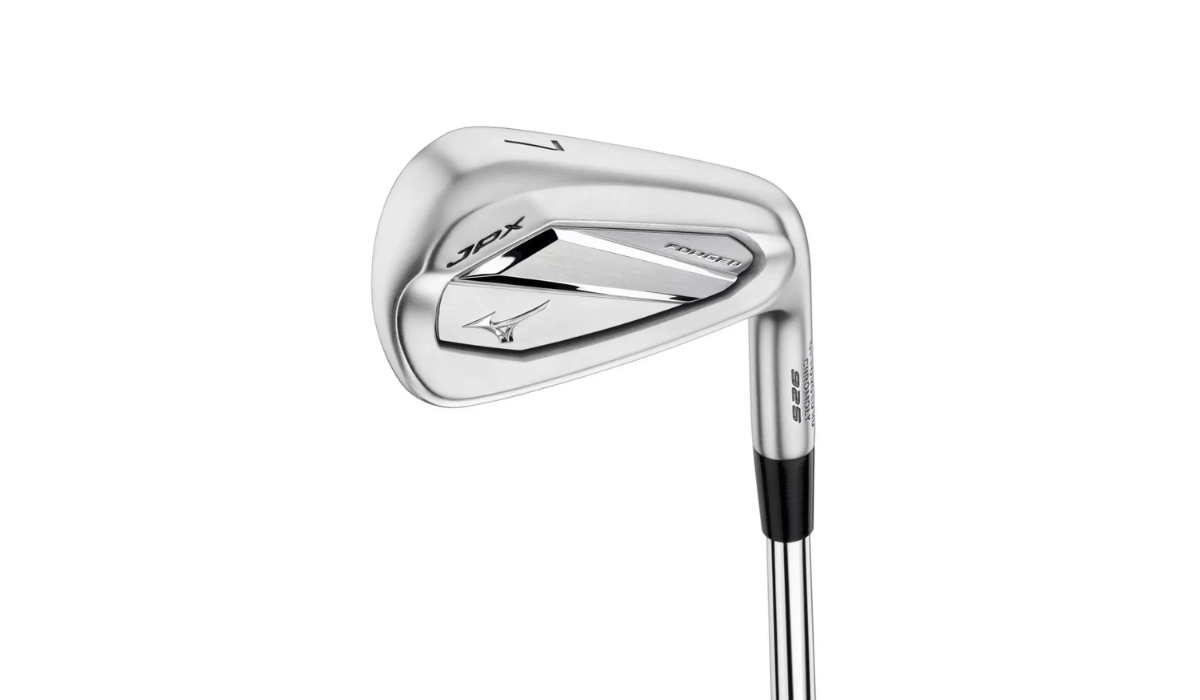
Mizuno has built much of its reputation around the feel of its forged irons, and the JPX 925 Forged continues that tradition while incorporating modern performance technology.
For many golfers, the appeal of a Mizuno iron is not simply its launch-monitor numbers. The sensation at impact, the compact profile and the way the club moves through the turf can be equally important.
Golf Monthly’s 2026 testing includes the JPX 925 Forged among its notable options for mid-handicap golfers, particularly for players looking for a combination of feel and distance.
It is a useful reminder that technology does not have to mean abandoning the traditional qualities golfers have always valued in a forged iron.
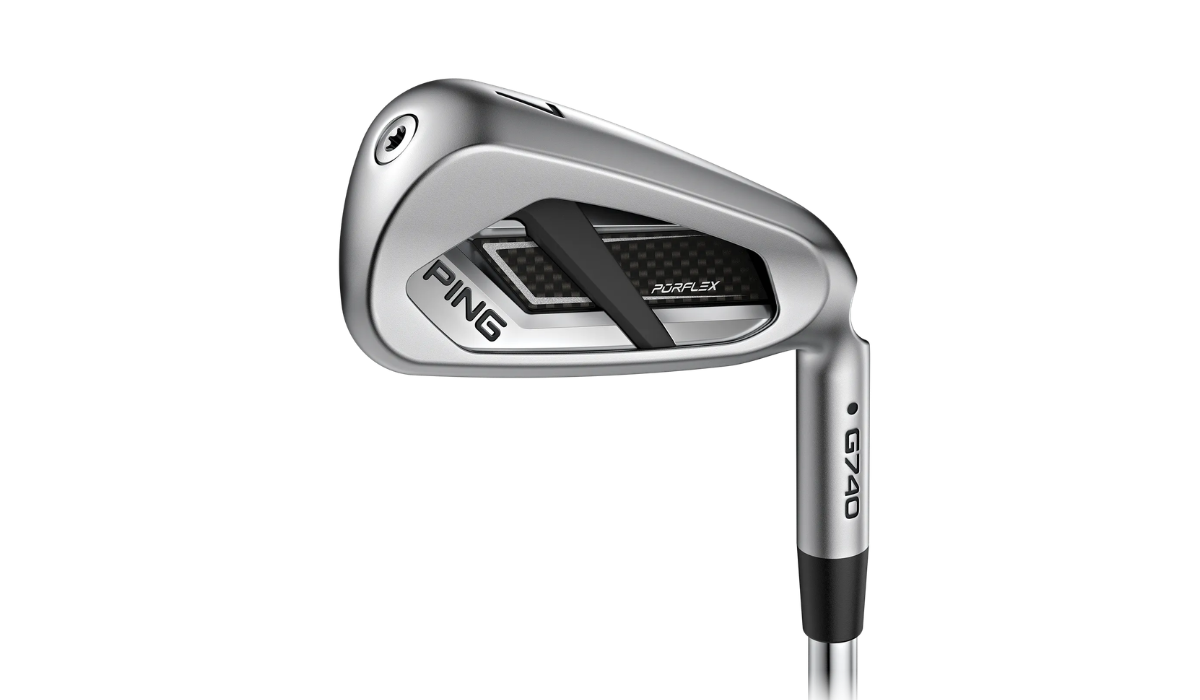
At the opposite end of the spectrum are irons such as the Ping G740, designed primarily around forgiveness and ease of use.
The G740 is aimed at golfers who may not consistently strike the centre of the clubface. Its design focuses on maintaining performance when contact is less than perfect, while still providing a relatively modern appearance.
Golf Monthly’s 2026 testing highlighted the G740 as one of the strongest game-improvement options, particularly for its forgiveness across the face.
For beginners and higher-handicap golfers, this type of iron can make more sense than choosing a smaller players’ model simply because it looks better in the bag.
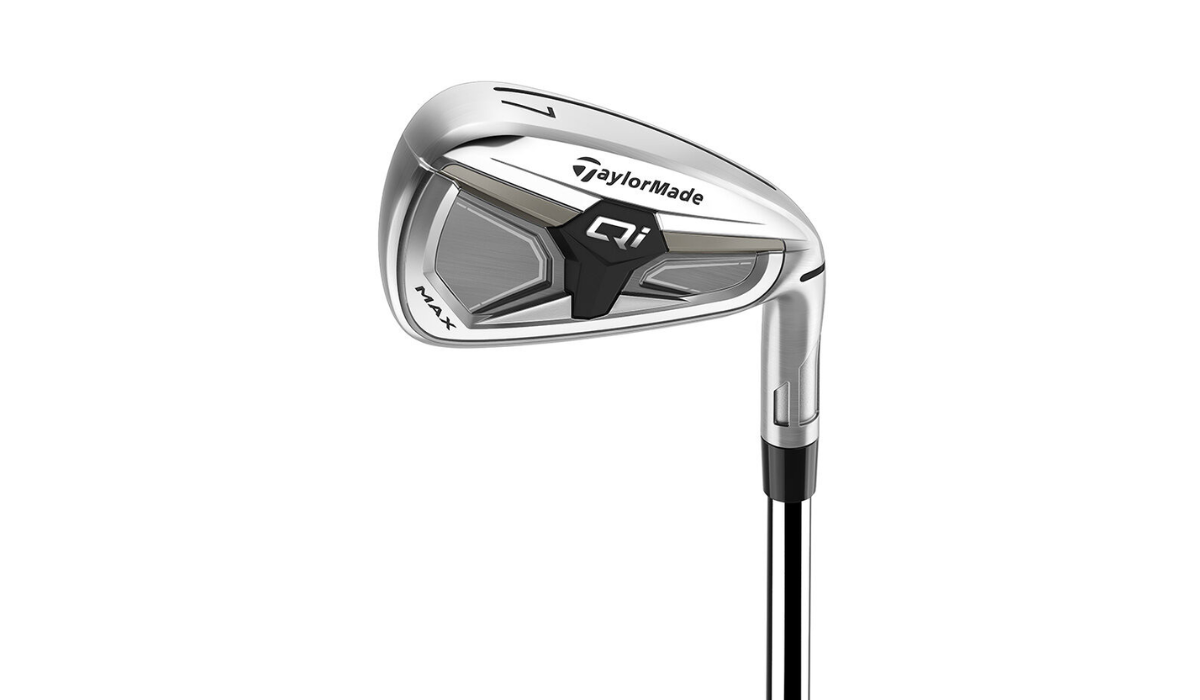
TaylorMade’s Qi Max belongs firmly in the game-improvement category, with its design focused on launch, speed and forgiveness.
The model is part of TaylorMade’s 2026 iron offering, alongside other irons aimed at different levels of players. The company’s latest generation reflects a broader trend in the category: manufacturers are using more advanced internal structures and weight positioning to help golfers launch the ball more easily while maintaining speed across the face.
For golfers who struggle to get enough height from their irons or regularly lose distance on off-centre strikes, these design characteristics can be more useful than the compact appearance of a players’ iron.
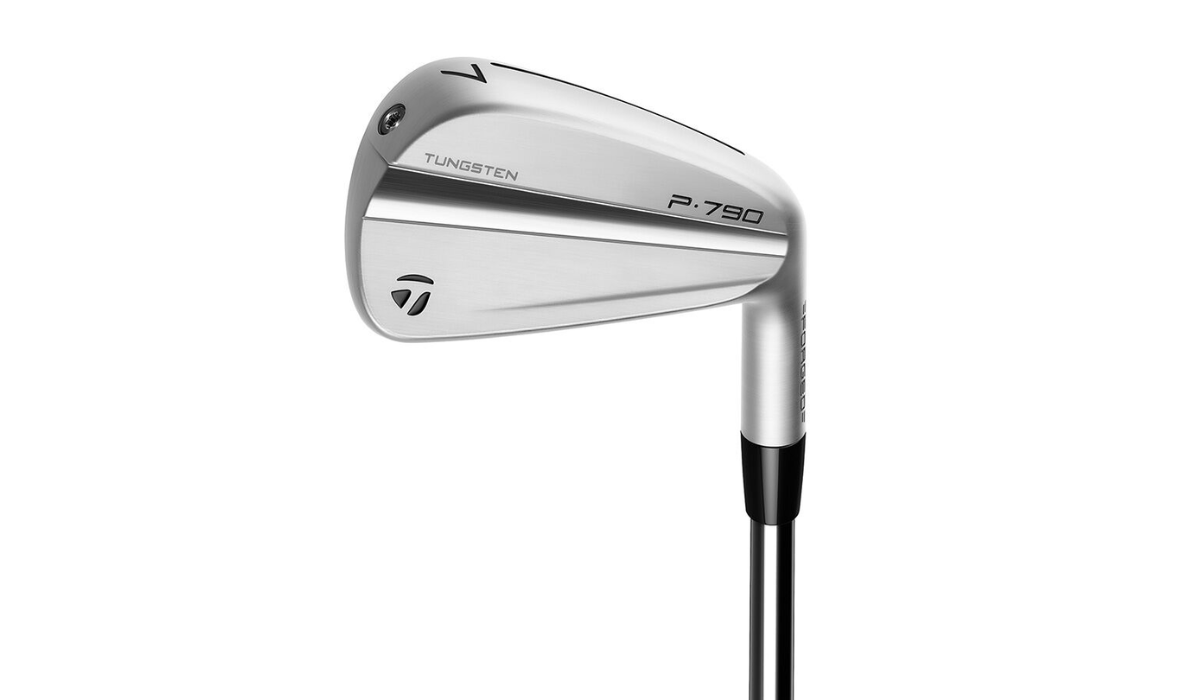
The TaylorMade P790 remains one of the most recognisable players-distance irons on the market, and its appeal has remained strong because it manages to combine a compact, premium-looking profile with the speed and forgiveness many golfers expect from a modern iron.
The hollow-body construction allows TaylorMade to position mass strategically inside the head while maintaining the slim appearance that has become synonymous with the P790 name. The result is an iron that looks closer to a traditional players’ club at address than many game-improvement alternatives, while still providing plenty of help on less-than-perfect strikes.
For golfers who want a set that can deliver distance without looking oversized, the P790 remains a compelling option. It is particularly suited to mid- and lower-handicap players who want the appearance and feel of a players’ iron but would rather not give up the additional forgiveness of a modern hollow construction.
Another advantage is versatility. The P790 can work particularly well for golfers who want to blend distance with a relatively penetrating ball flight, while its compact head makes it easier to feel confident over scoring irons.
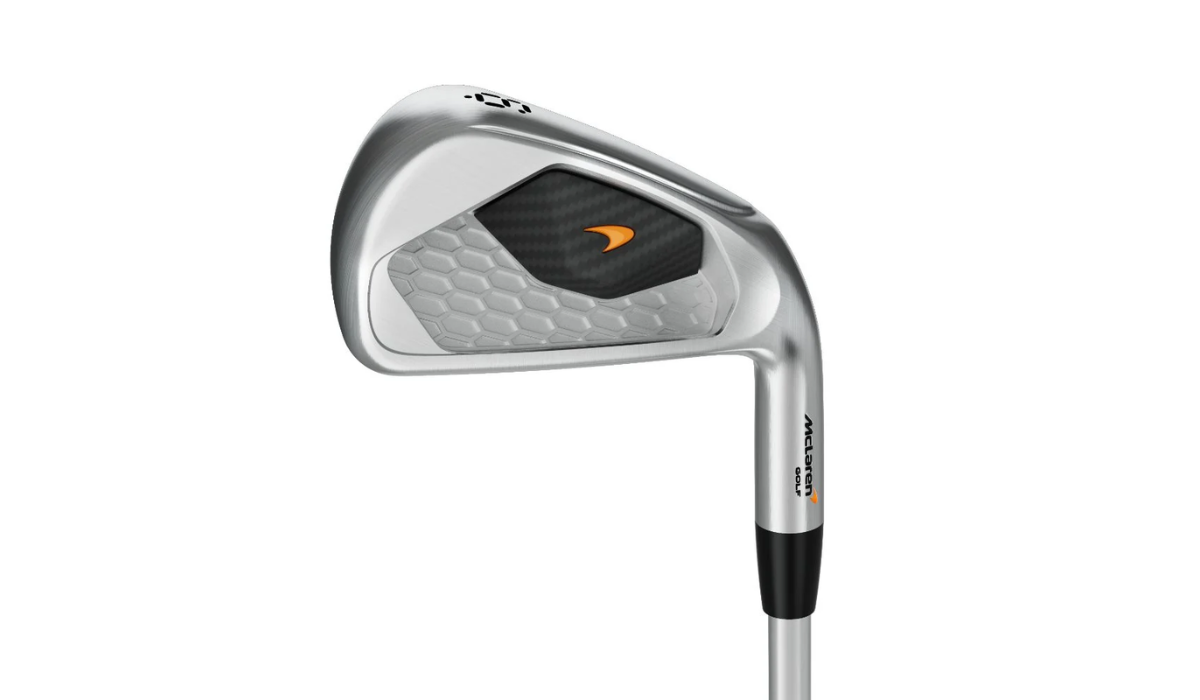
The McLaren Series 3 brings an unmistakably automotive-inspired approach to the golf equipment market, combining performance-focused design with the distinctive visual identity associated with McLaren.
Its appeal goes beyond traditional golf-club aesthetics. The design incorporates the kind of sleek, technical detailing and modern styling associated with high-performance cars, giving the irons a distinctive presence in the bag. This makes them particularly interesting for golfers who appreciate contemporary design as much as the performance of their equipment.
The Series 3 also reflects a wider trend in golf equipment, where collaborations and design influences from the automotive and luxury sectors are introducing new ideas to a traditionally conservative category. Rather than simply following the classic appearance of a forged iron, models such as the Series 3 show how golf clubs can also become lifestyle products with a strong visual identity.
For golfers looking for irons that stand out from the more conventional options on the market, the McLaren Series 3 offers a distinctive combination of golf performance and automotive-inspired design.
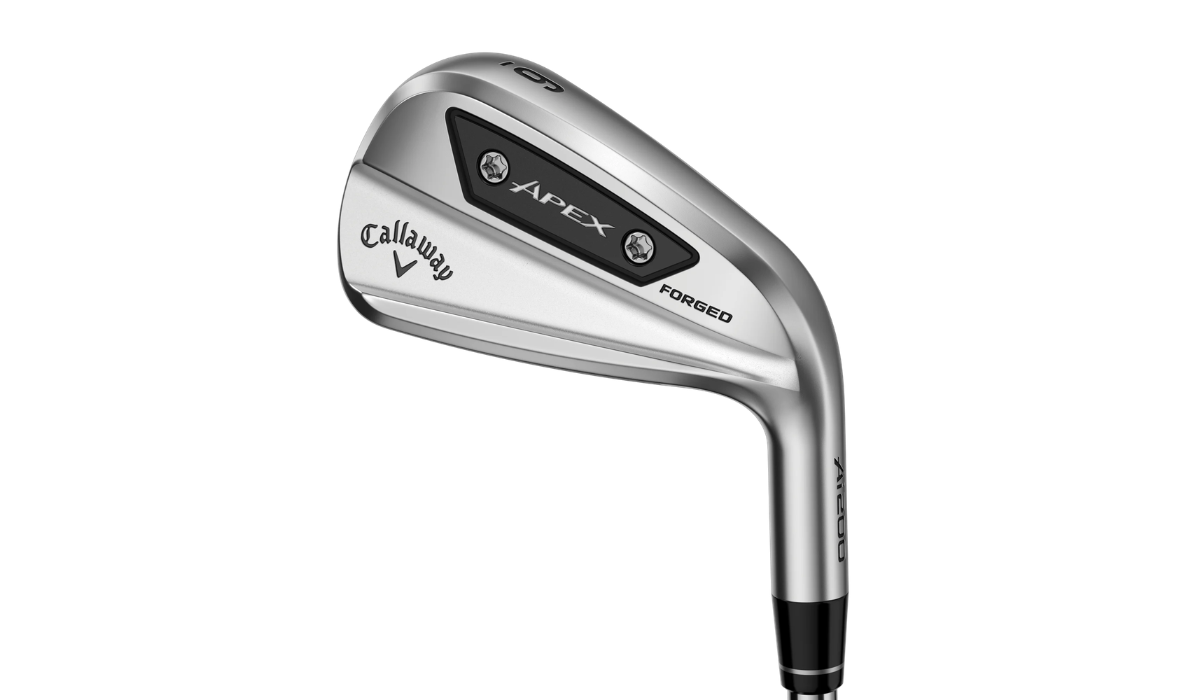
Callaway’s Apex Ai200 sits between traditional players’ irons and larger game-improvement designs.
It is part of Callaway’s Apex family and is aimed at golfers who want a relatively compact shape but still appreciate additional speed and forgiveness.
The Ai200 performed competitively in Golf Digest’s 2026 robotic testing, producing a 152.5-yard carry under the test conditions and a relatively tight dispersion pattern compared with much of the field.
Callaway also performed strongly across the wider 2026 iron testing landscape. MyGolfSpy found the brand particularly competitive for distance across multiple categories rather than relying on a single standout model.
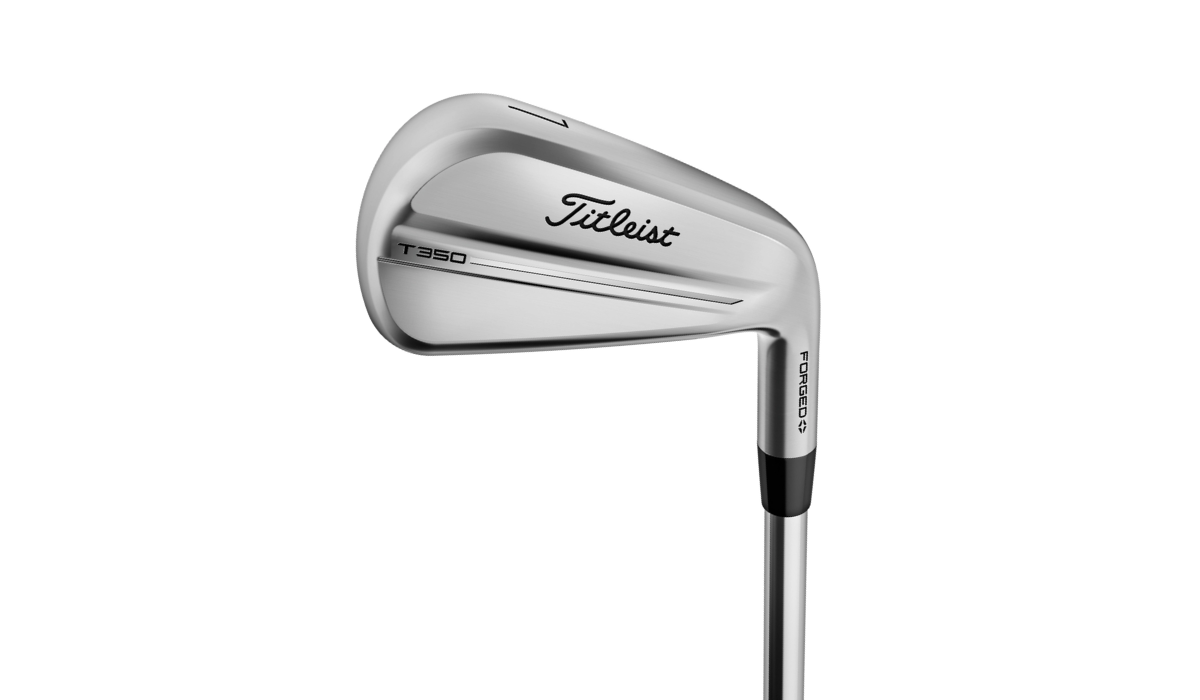
The Titleist T350 is designed for golfers who want plenty of forgiveness and speed while retaining the visual refinement associated with Titleist’s iron family.
It sits on the more forgiving side of the company’s lineup and is particularly relevant for mid-to-high-handicap golfers who still want a premium-looking club.
Golf Monthly included the T350 among its notable game-improvement irons in 2026, highlighting its combination of power, consistency and premium aesthetics.
The T350 is also a good example of how iron fitting has become more flexible. Players do not necessarily have to buy one identical head from the longest iron through to the pitching wedge.
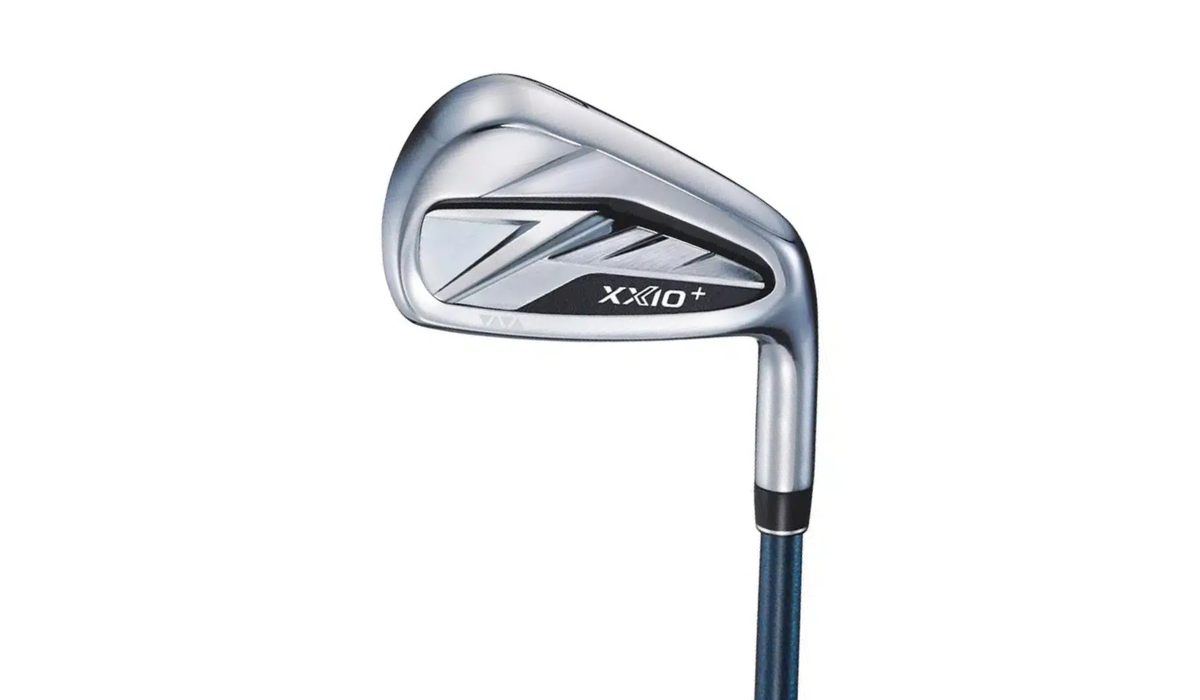
For senior golfers, the ideal iron can look very different from the club preferred by a high-speed younger player. XXIO 14 is designed specifically around the needs of golfers with more moderate swing speeds, making it an interesting addition to the 2026 iron conversation.
The XXIO 14 range places a strong emphasis on lightweight construction and helping golfers generate clubhead speed without requiring them to make a harder swing. Its overall design is intended to make the club easier to launch while maintaining stability through impact.
This is particularly relevant for senior golfers who have gradually lost some clubhead speed and consequently find it harder to launch longer irons or achieve the carry distances they once did. Rather than simply strengthening lofts, XXIO approaches the problem through the overall weight and balance of the club.
The result is an iron designed to make speed easier to generate. For golfers who value effortless launch, lighter equipment and comfortable swings, XXIO 14 offers a very different proposition from the heavier players-distance irons dominating much of the premium market.
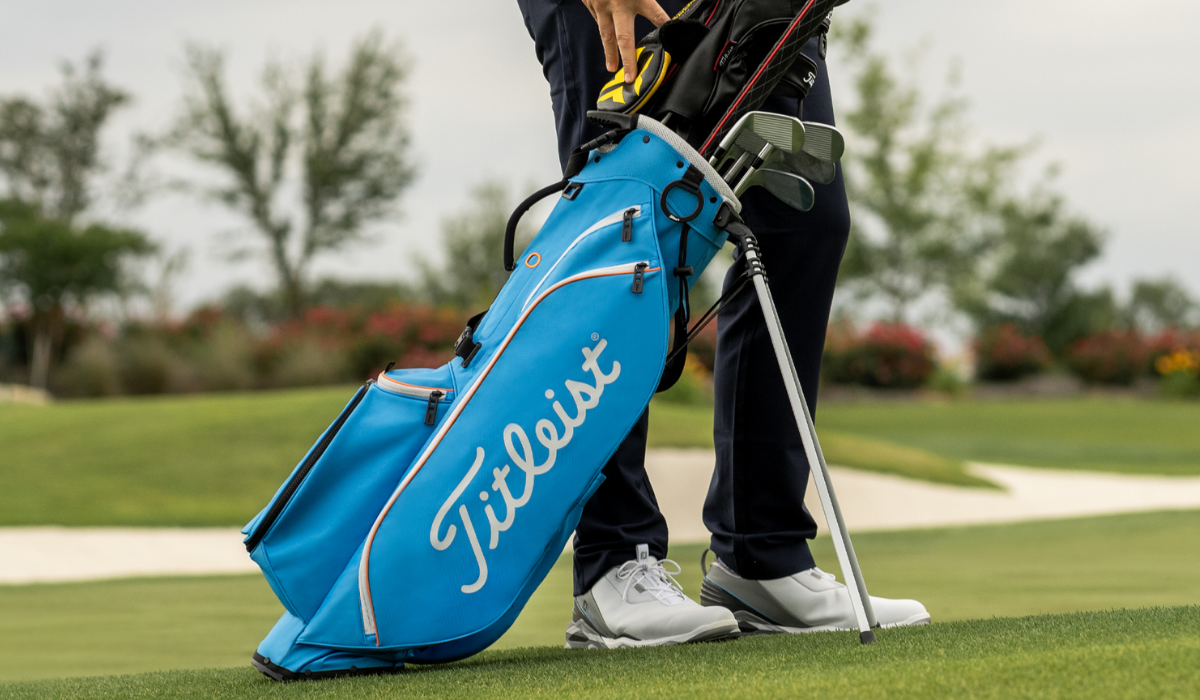
One of the biggest trends worth watching in 2026 is the increasing popularity of mixed or blended iron sets.
Instead of using one head design throughout the entire set, golfers can combine different models. A more forgiving long iron can help with launch and distance, while compact short irons can provide greater control around the scoring end of the bag.
This approach is already common among professionals. At the 2026 Tour Championship, several players used more forgiving models in the longer irons before moving into more compact designs as the loft increased.
For amateurs, the same principle can make sense. There is little reason to insist that a 4-iron and a 9-iron have exactly the same construction if they perform different jobs.

The modern iron market has become obsessed with ball speed, but distance alone can be misleading.
Stronger lofts and high-speed faces can produce impressive carry numbers, yet a golfer still needs enough launch and spin to hold a green. A 7-iron that flies ten yards farther is not necessarily more useful if it produces a much wider dispersion pattern or struggles to stop.
Golf Digest’s 2026 testing demonstrated how significant dispersion differences can be between players-distance irons. Under controlled conditions, the area containing 95 percent of shots varied substantially between models, even when the carry distances were relatively close.
That is why golfers should pay attention to carry consistency, launch angle, spin and dispersion rather than focusing solely on the longest shot.

The best starting point is to decide what you want your irons to do.
A beginner or higher-handicap golfer will generally benefit from prioritising forgiveness and launch. A mid-handicap golfer may prefer a players-distance design that offers additional speed without becoming too demanding. Lower-handicap players often place greater emphasis on trajectory control, feel, workability and turf interaction.
But even these categories are only starting points. Two golfers with the same handicap can have completely different swing speeds, delivery patterns and misses.
That is where custom fitting becomes particularly valuable. The right shaft, length, lie angle, loft and head can change the performance of an iron considerably. Testing several models on a launch monitor can reveal differences that are almost impossible to identify simply by hitting a few shots in a shop.
This Year’s Best Drivers on the Market: A 2026 Buyer’s Guide
TaylorMade Spider ZT Putter Review: What It Is, How It Performs, and Whether It’s Worth the Upgrade
Accessories
TaylorMade’s new Tour Response & Soft Response golf balls
The new Tour Response and Soft Response golf balls from TaylorMade deliver tour-level performance for amateur golfers hoping to improve their game without burning a hole in their wallet. Both golf balls were engineered to deliver high performance using cutting-edge technology for everyday golfers who don’t typically have the swing speed of Tour pros – […]
Clubs
The best new drivers in 2020
Celebrate getting back on the golf course with a new driver. Let’s take a look at the best new models on the market from top brands including TaylorMade, Cobra and Mizuno. TaylorMade SIM Taylormade‘s new SIM drivers (Shape in Motion) have landed! They have a striking asymmetric sole designed to improve aerodynamics and thus club […]