


Destinations
Barrière Golf Properties: French Golf Escapes Where the Resort Is Part of the Experience
Explore 33,000+ golf courses in 180 countries.
Follow the latest news and trends in golf.
Connect with like-minded golfers.
Find everything you need for your golf equipment and gear needs.
Travel, golf resorts, lifestyle, gear, tour highlights and technology.
All Square
Suggestions
Destinations
Barrière Golf Properties: French Golf Escapes Where the Resort Is Part of the Experience
Destinations
Conrad Algarve Renovations: A New Chapter of Luxury in Quinta do Lago
Gear
Garmin Golf Watches Guide: Which Garmin Watch Is Right for Your Game?
PGA Tour
Presidents Cup 2026 Results & Winners: Team USA Completes Historic Comeback
Course Reviews
Cullinan Golf Links Resort, Belek: Where Golf Meets the Mediterranean
Course Reviews
New Opening: Limassol Greens — Cyprus’ New Golf Destination
PGA Tour
Presidents Cup 2026 Preview: Everything to Know Before Medinah
Clubs
Jacob Bridgeman WITB: The Clubs Behind His 2026 Biltmore Championship Victory
Course Reviews
Play Golf at Pebble Beach: What to Know Before You Go
Professional Golf
Solheim Cup Results & Winners 2026: Europe Reclaims the Trophy
Clubs
This Year’s Best Drivers on the Market: A 2026 Buyer’s Guide
Course Reviews
Fancourt: The Garden Route Estate Where South African Golf Grew Up
Course Reviews
Best Golf Courses Around Madrid
Clubs
TaylorMade Spider ZT Putter Review: What It Is, How It Performs, and Whether It’s Worth the Upgrade
Course Reviews
Your Golf Trip to Tunisia: Courses, Costs, and What to Actually Expect
Clubs
Thriston Lawrence WITB of Three-Time Omega European Masters Champion
Amateur Golf
Charlie Woods Signs with TaylorMade: What’s in His Bag?
LPGA
Solheim Cup 2026 Preview & FAQ: Everything to Know Before Bernardus
Course Reviews
Golf in Croatia: What You Can Actually Play, and What to Expect
Clubs
WITB: Ryan Fox’s Winning Clubs at the 2026 Open Championship
Community
How Modern Golf Courses Conserve Water and Protect Wildlife
PGA Tour
Changes on the PGA Tour from 2028
Course Reviews
Tee Off in Tuscany: Golfing Italy’s Most Picturesque Countryside
Course Reviews
The Best Golf Courses Near Pinehurst That Aren’t Pinehurst No. 2
Destinations
Your Golf Trip to Phuket: Tropical Fairways, Championship Courses, and Island Adventures
Course Reviews
Golf in Bordeaux: A Guide to Cabot Bordeaux
Course Reviews
Mazagan Beach & Golf Resort: Morocco’s Atlantic Jewel
DP World Tour
DP World Tour 2026: The Full Calendar & Race to Dubai Journey
Clubs
Matt Fitzpatrick’s Precision Triumph: Winning WITB at the 2026 Valspar Championship
Clubs
What’s In The Bag: Michael Thorbjornsen’s Winning Clubs at the 2026 Rocket Classic

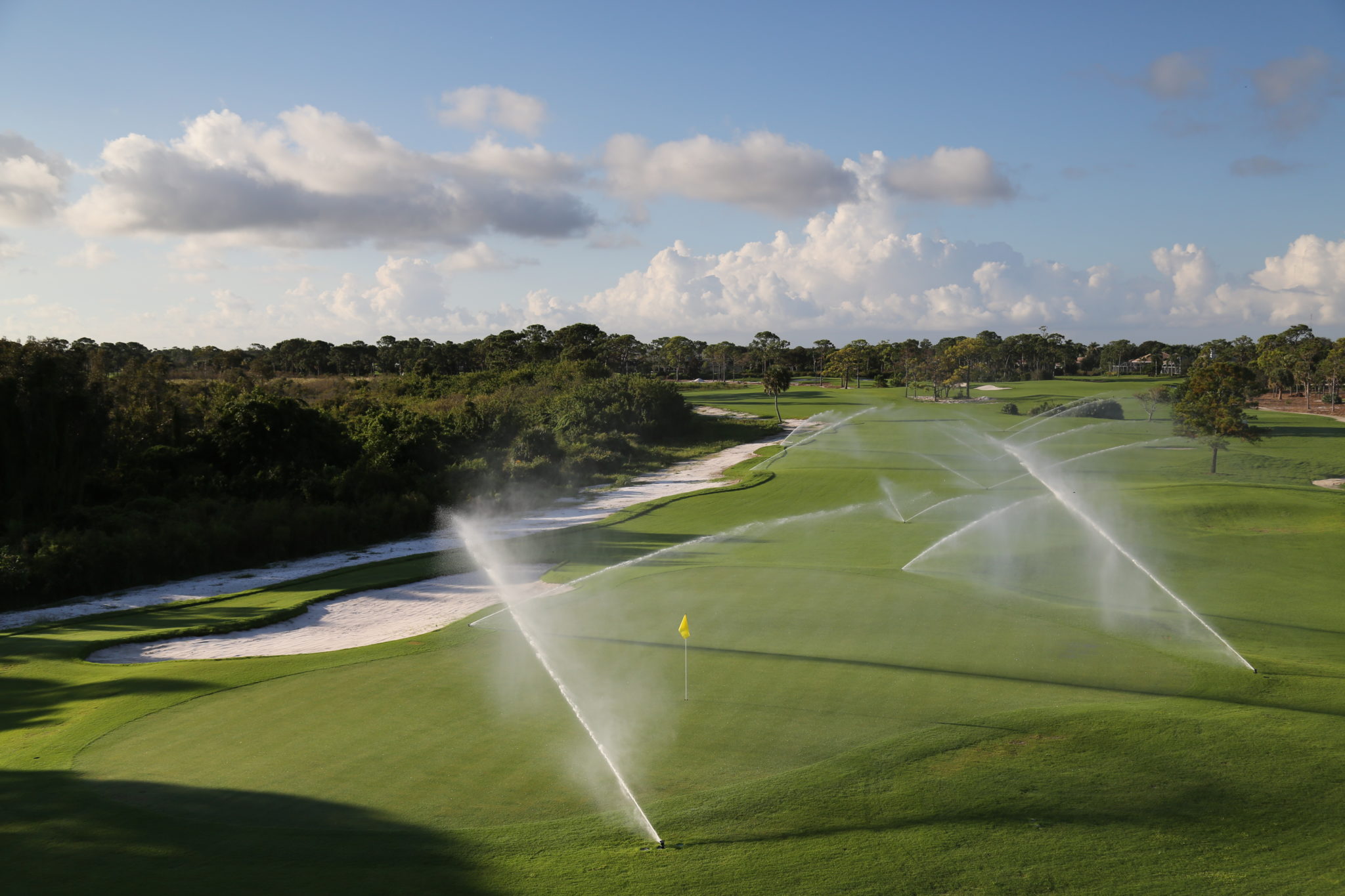
For decades, golf courses have often been criticised for their environmental impact, particularly regarding water consumption and land use. While some older facilities still face sustainability challenges, the reality is that many modern golf courses are becoming leaders in environmental stewardship. Advances in irrigation technology, habitat restoration, water recycling, and ecological course design are transforming the way golf is played.
Today, some of the world’s most respected golf destinations are proving that championship conditions and environmental responsibility can go hand in hand. From recycled wastewater and drought-tolerant grasses to wildlife corridors and pollinator gardens, golf courses are increasingly serving as valuable green spaces that benefit both golfers and nature.
Here’s how modern golf courses are conserving water while creating thriving ecosystems for wildlife.
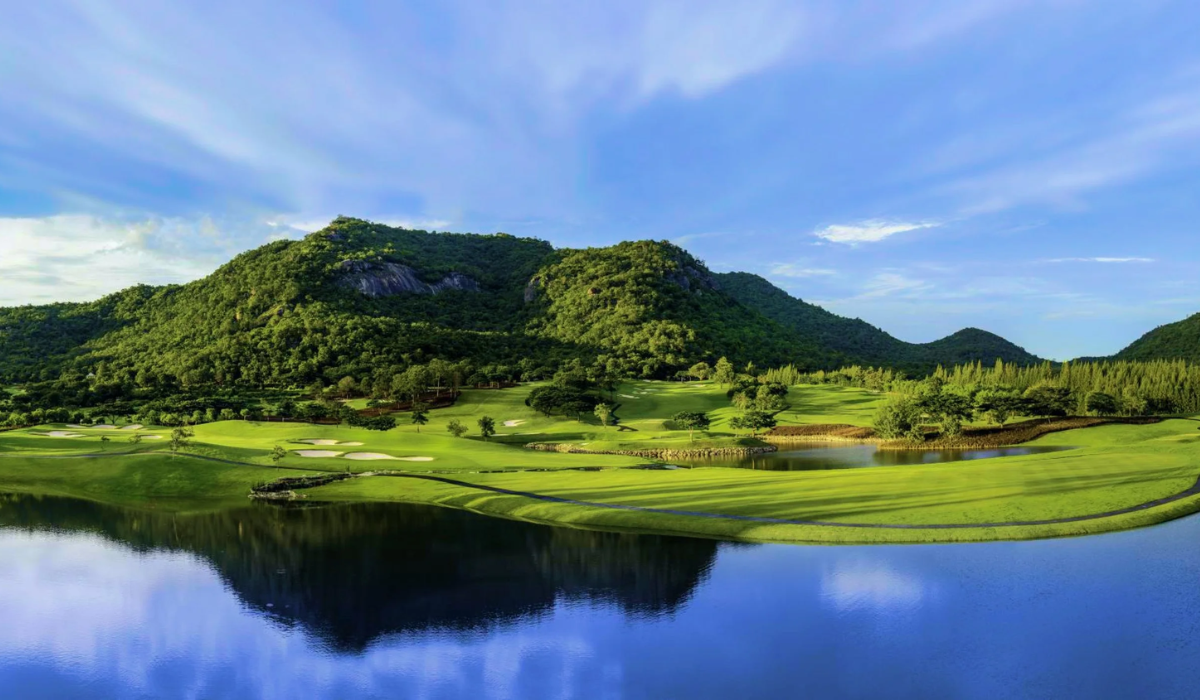
Climate change has placed increasing pressure on water supplies across many of the world’s golfing regions. Extended droughts, stricter water regulations, and rising maintenance costs have forced golf facilities to rethink traditional management practices.
Organisations such as the United States Golf Association, The R&A, and the Golf Environment Organisation have invested heavily in research and sustainability programs that encourage courses to reduce their environmental footprint while maintaining excellent playing conditions.
Modern sustainability is no longer just about saving money — it has become an important part of course design, tournament preparation, and destination marketing.
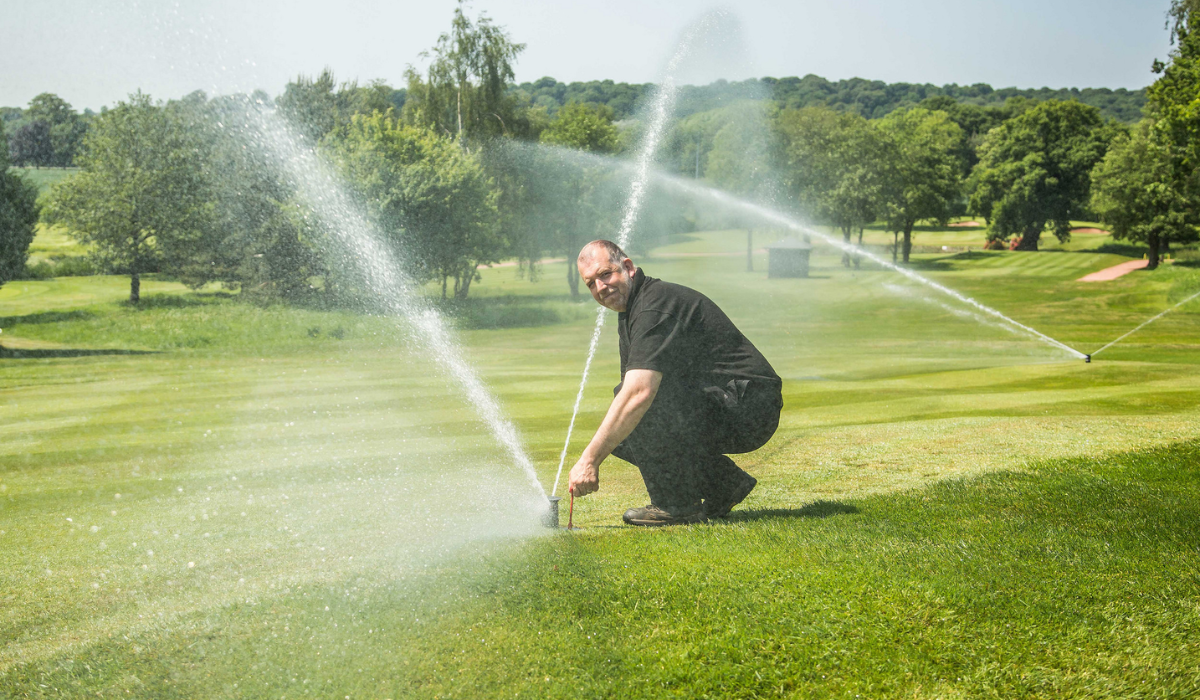
One of the biggest improvements in modern golf course management has been the evolution of irrigation technology. Older irrigation systems often watered large areas on fixed schedules, regardless of weather or soil conditions. Today’s systems are dramatically more precise.
Many golf courses now use:
Instead of watering an entire course equally, superintendents can apply water only where it is actually needed. Some systems even pause irrigation automatically if sufficient rainfall is detected overnight, preventing unnecessary water use.
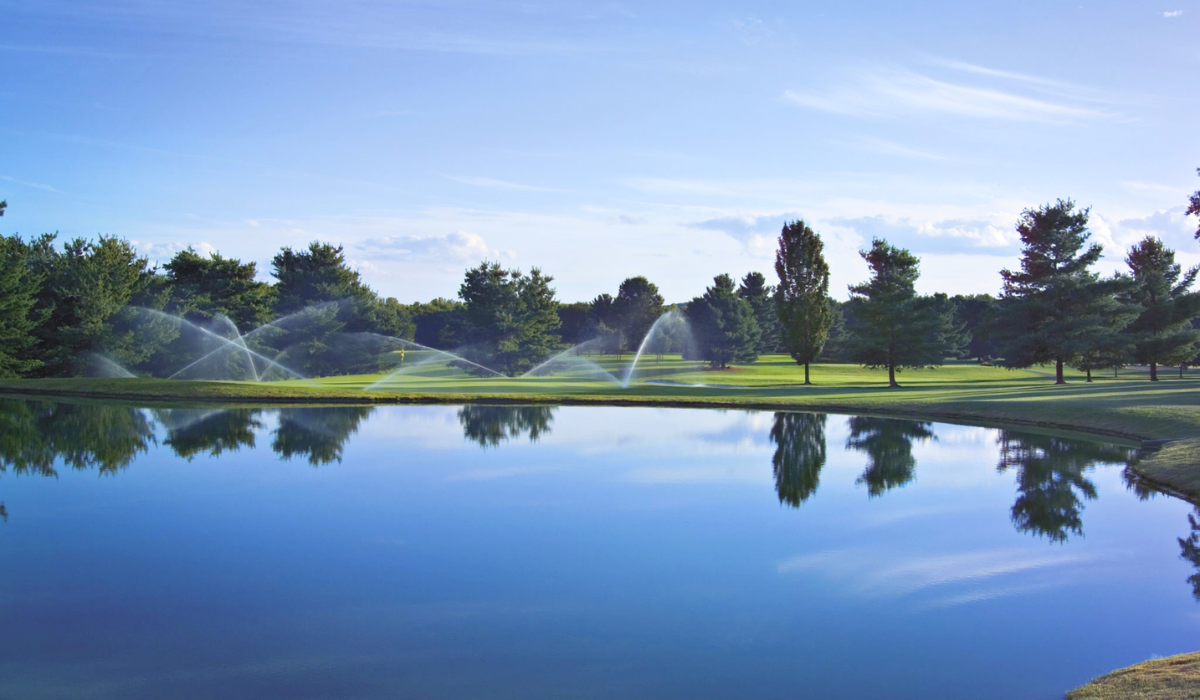
Perhaps the biggest shift has been the growing use of reclaimed water. Rather than relying solely on drinking-quality water, thousands of golf courses now irrigate using treated wastewater supplied by nearby municipalities. After being safely treated, this recycled water is ideal for maintaining turf while dramatically reducing demand on freshwater supplies. In water-scarce regions such as:
Reclaimed water has become one of the primary irrigation sources for many golf facilities. Some resorts have even built their own treatment plants to recycle water used in hotels before returning it to the golf course.

The grass itself has changed significantly. Researchers have developed turfgrass varieties that require substantially less irrigation while remaining healthy under high temperatures. Popular drought-resistant grasses include:
These grasses have deeper root systems, allowing them to access moisture farther below the surface while remaining resilient during dry periods. Many courses are also allowing fairways to play firmer and faster rather than striving for lush green conditions year-round. Besides reducing water use, this often creates more strategic and enjoyable golf.
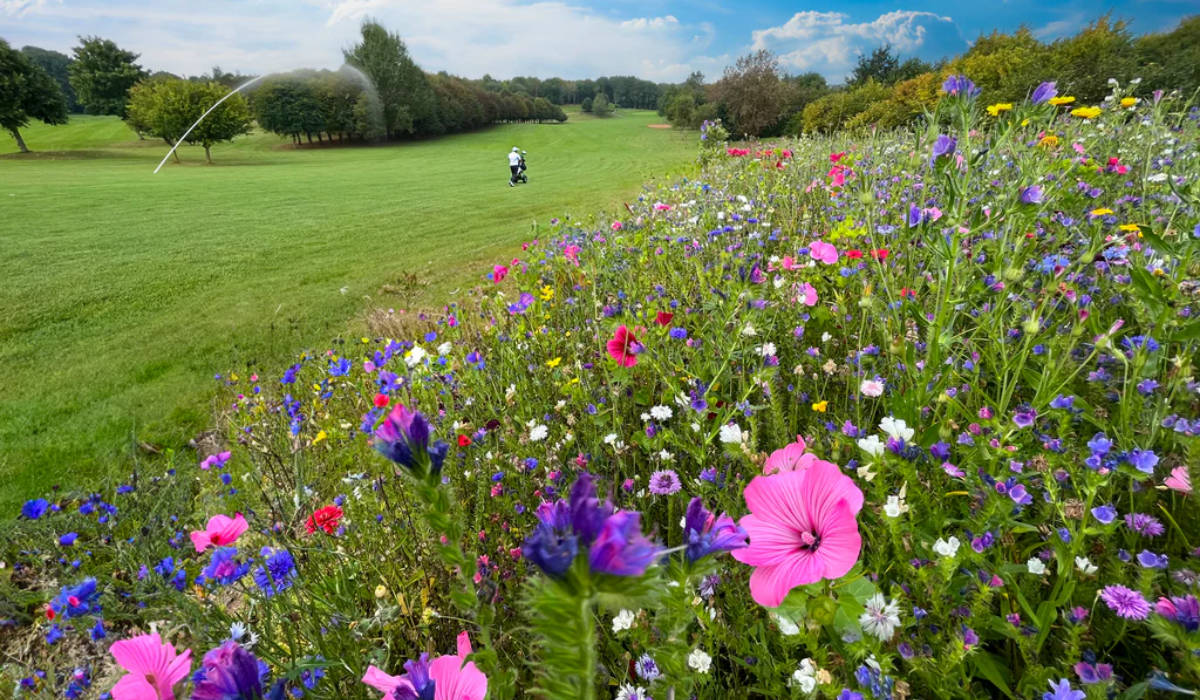
One of the simplest ways to conserve water is to reduce the amount of irrigated grass. Modern course architects increasingly replace non-playing areas with native vegetation that naturally thrives in the local climate. Instead of endless expanses of turf, golfers may now see:
These areas require little or no irrigation, far less mowing, and significantly fewer fertilisers or pesticides. Many golfers also appreciate the more natural appearance, which often blends better with the surrounding landscape.
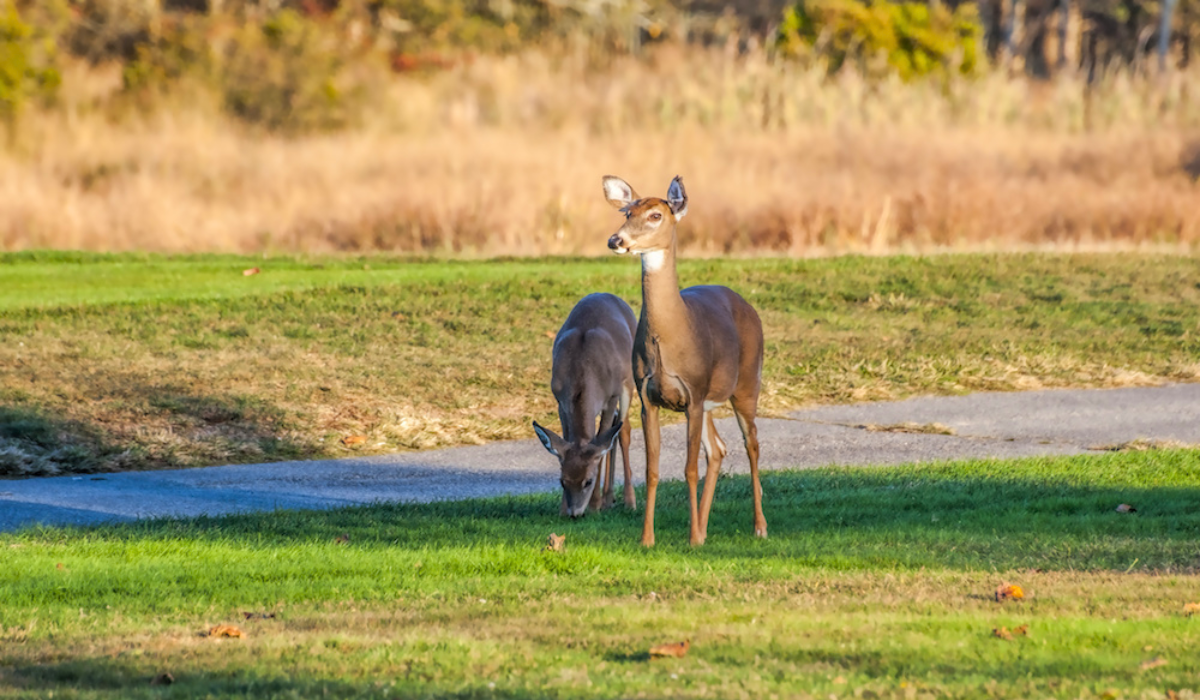
Golf courses are often among the largest uninterrupted green spaces in urban and suburban areas. When managed responsibly, they can provide excellent habitat for wildlife. Modern courses increasingly include:
These habitats allow animals to move safely through developed areas while increasing biodiversity across the property. Many courses now work with local conservation organisations to monitor bird populations and restore native ecosystems.
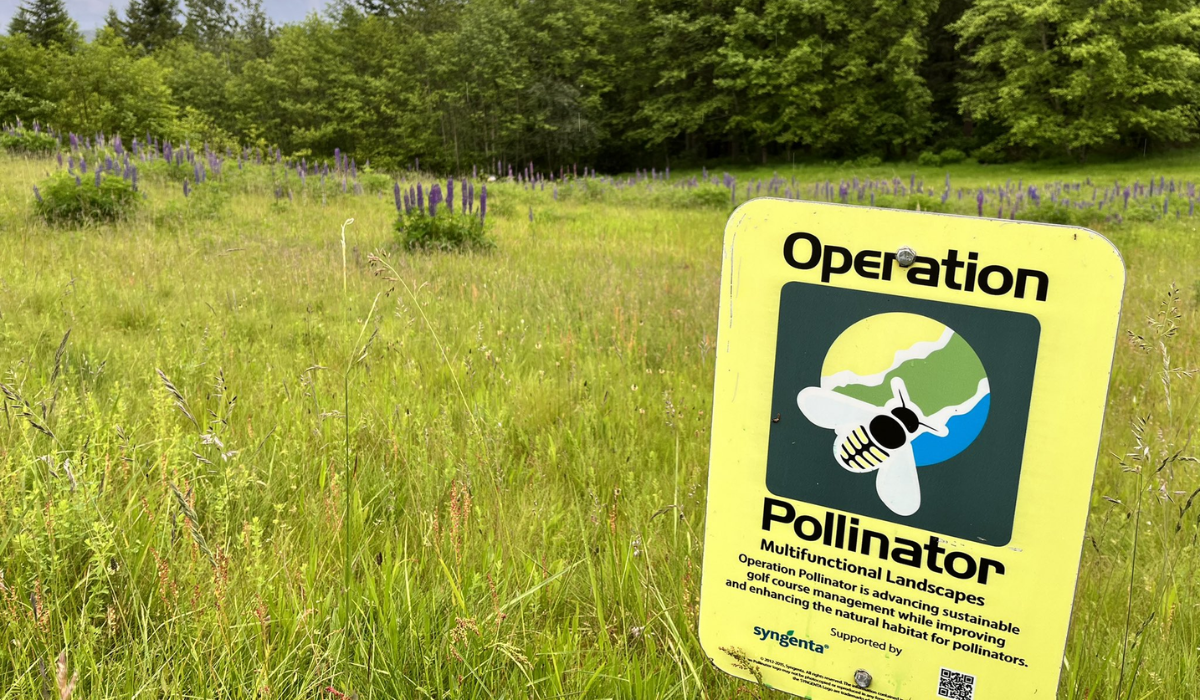
Bees, butterflies, and other pollinating insects are essential for healthy ecosystems, yet many species have experienced significant population declines. To help reverse this trend, numerous golf courses have established dedicated pollinator habitats filled with native flowering plants. These meadows provide food sources throughout the growing season while reducing the need for mowing. Some clubs have even introduced managed beehives that produce local honey served in clubhouses and restaurants. Although these areas are usually outside the main playing corridors, they make a significant ecological contribution.
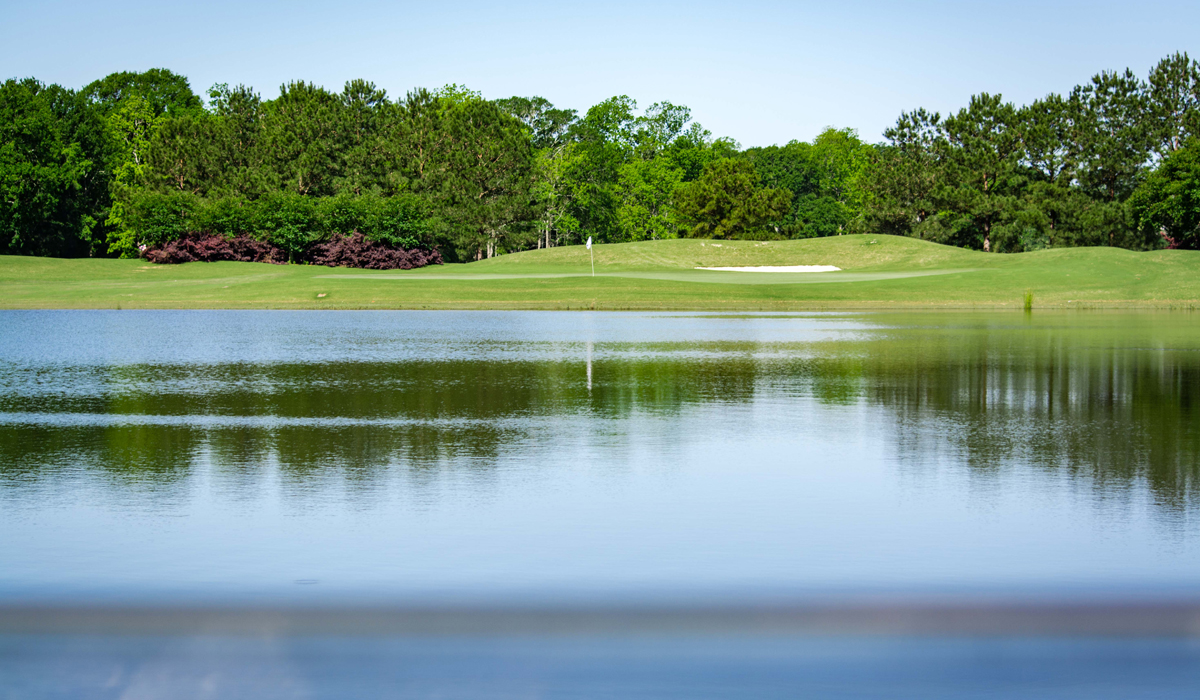
Many golf courses include lakes and ponds, but modern designs often transform these water features into functioning wetlands rather than purely decorative hazards. Wetlands provide several environmental benefits:
Buffer zones of native plants surrounding ponds further reduce erosion and improve water quality before runoff reaches rivers or lakes.

Advances in turf science have also helped reduce fertiliser and pesticide use. Course superintendents now rely on precision management techniques, including:
Rather than treating entire courses preventively, maintenance teams apply products only where needed. This approach lowers costs while reducing environmental impacts.
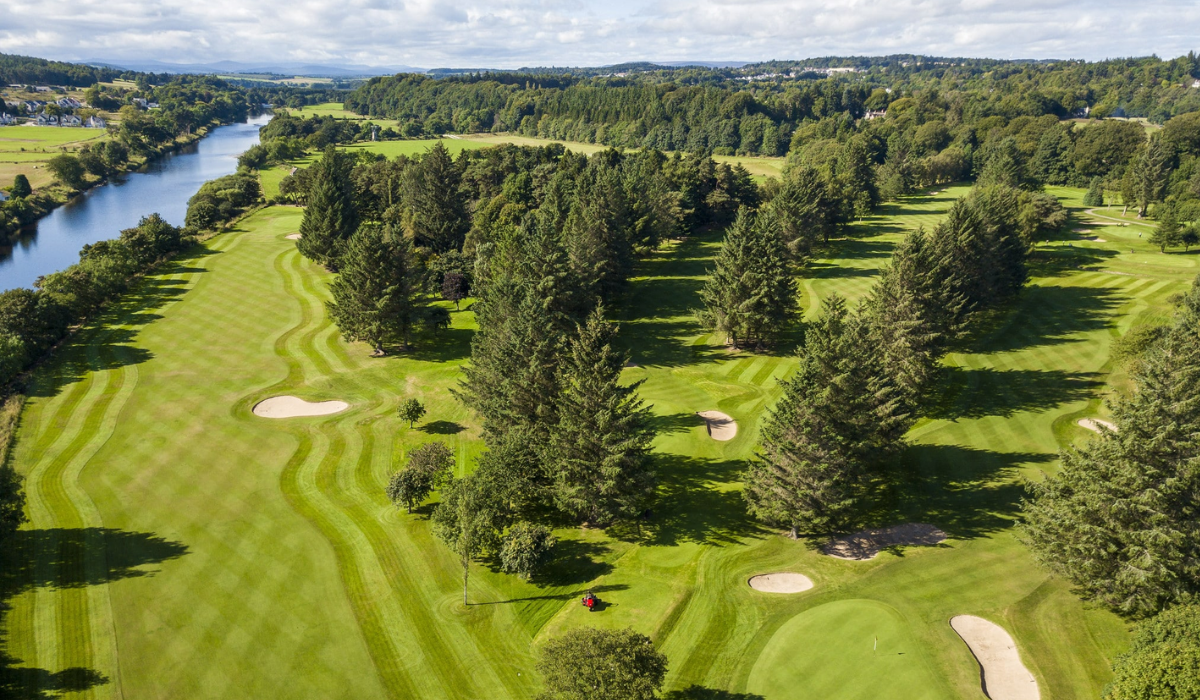
Trees, healthy soils, wetlands, and natural vegetation all help capture atmospheric carbon. Large golf properties containing mature forests and restored natural areas can serve as valuable carbon sinks, particularly when they protect existing habitats instead of replacing them. Some clubs are now conducting carbon audits to measure emissions from maintenance equipment while identifying opportunities to reduce fuel consumption through electric mowers, robotic equipment, and renewable energy installations.
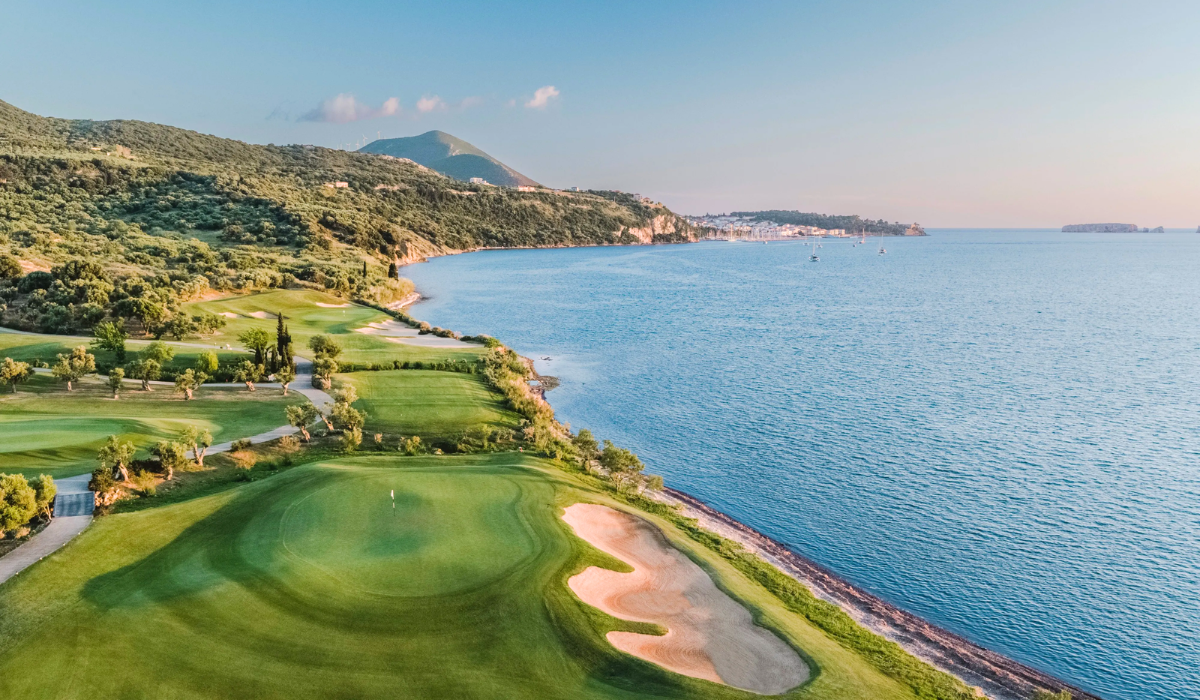
Some of the world’s most famous golf venues are also important wildlife sanctuaries. For example:
These examples demonstrate that environmental protection can enhance, rather than detract from, the golfing experience.
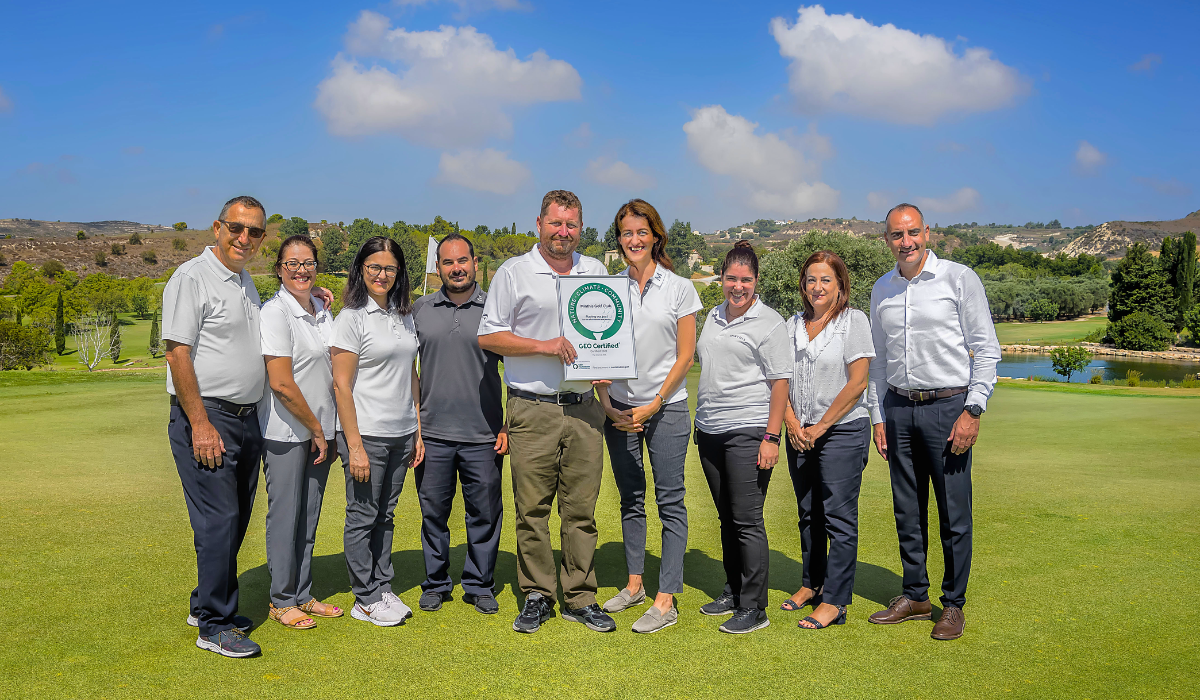
Independent certification programs help recognise courses that meet high environmental standards.
One of the most respected is the certification offered by the GEO Foundation for Sustainable Golf, which evaluates golf facilities on areas such as:
Many leading golf resorts proudly display these certifications as part of their sustainability commitments.

Environmental responsibility doesn’t end with the maintenance staff. Golfers also play an important role. Simple actions include repairing pitch marks, staying on designated cart paths where required, respecting protected wildlife areas, using refillable water bottles instead of single-use plastics, and following local environmental guidelines during a round. Supporting clubs that actively invest in sustainability also encourages continued progress across the industry.
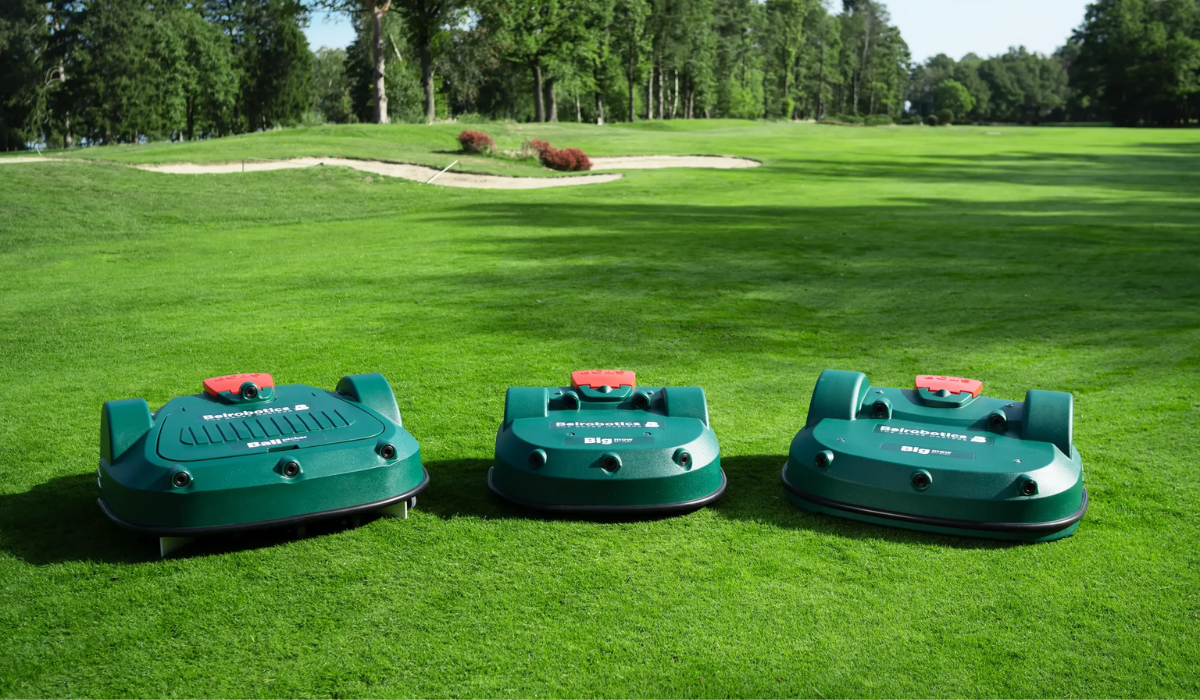
The golf courses of the future will likely become even smarter. Artificial intelligence will continue optimising irrigation, autonomous electric maintenance equipment will reduce emissions, and new turfgrass varieties will further decrease water requirements. Advances in satellite monitoring, drone mapping, and soil analytics will help superintendents maintain excellent playing conditions with fewer natural resources than ever before.
Rather than being viewed simply as sporting venues, modern golf courses are increasingly functioning as ecological landscapes — providing recreation while conserving water, supporting biodiversity, improving local habitats, and demonstrating how thoughtful land management can benefit both people and the environment.
As sustainability becomes a defining feature of golf tourism, the most successful courses will be those that combine world-class playing conditions with a long-term commitment to protecting the natural environments that make the game so special.
Destinations
The Best of Portuguese Golf: Exclusive Stay & Play Offers
Portugal’s stay & play options combine luxurious resorts with Michelin-starred dining and golf at some of Europe’s best courses including a Jack Nicklaus signature design. Conrad Algarve Hotel with golf at Quinta do Lago Golf + Monte Rei Golf & Country Club Conrad Algarve is a 5-star hotel located in the resort town of Quinta […]
Destinations
All Square Itineraries: Mallorca – Part Two
In part two of our itinerary for a golf trip to the Spanish island of Mallorca, we have picked out three more exceptional golf courses and excellent nearby accommodation. If you have the time, the itineraries can be merged into one for those who don’t mind driving and staying in two different hotels in one […]