



Course Reviews
Rediscover Monte Rei: Portugal’s Iconic Golf Course Reopens After Major Renovation
Explore 33,000+ golf courses in 180 countries.
Follow the latest news and trends in golf.
Connect with like-minded golfers.
Find everything you need for your golf equipment and gear needs.
Travel, golf resorts, lifestyle, gear, tour highlights and technology.
All Square
Suggestions
Course Reviews
Rediscover Monte Rei: Portugal’s Iconic Golf Course Reopens After Major Renovation
Clubs
Andrew Novak WITB 2026: What’s in the Bag at the VidantaWorld Mexico Open?
Amateur Golf
Understanding Course Rating and Slope: How Difficult Is a Golf Course Really?
Clubs
New Ping G450 Drivers: Four Models, New Technology and a Surprise Mini Driver
Course Reviews
Shoulder-Season Golf: Where to Play for Better Value and Fewer Crowds
Destinations
Your Golf Trip to Australia: A First-Time Guide to the Land Down Under
Course Reviews
Rosapenna Hotel & Golf Resort: A Legendary Links Golf Escape on Ireland’s Wild Atlantic Way
Course Reviews
Night Golf and Floodlit Courses: Where to Play After Dark
Clubs
Austin Smotherman WITB 2026: What’s in the Bag at the Butterfield Bermuda Championship?
Course Reviews
Golf in Madeira: Cliffs, Clouds and Two Unforgettable Courses
Destinations
Thai Caddie Culture Explained: Tipping, Etiquette and What to Expect
Course Reviews
Best Golf Courses Around Munich: Where Championship Golf Meets Bavarian Beauty
Course Reviews
Marrakech vs Agadir for Golf: Which Moroccan Destination Should You Choose?
Accessories
Best Push Carts and Electric Trolleys for Golf in 2026
Course Reviews
Best Golf Courses Around Rome: Where Ancient History Meets Modern Golf
Instruction
Links vs Parkland vs Heathland: What’s the Difference?
Clubs
The Best Irons on the Market in 2026
Clubs
WITB: Ryan Fox’s Winning Clubs at the 2026 Open Championship
Community
How Modern Golf Courses Conserve Water and Protect Wildlife
PGA Tour
Changes on the PGA Tour from 2028
Course Reviews
Tee Off in Tuscany: Golfing Italy’s Most Picturesque Countryside
Course Reviews
The Best Golf Courses Near Pinehurst That Aren’t Pinehurst No. 2
Destinations
Spa & Swing: Resorts for Golfers Who Love Wellness
Course Reviews
Fancourt: The Garden Route Estate Where South African Golf Grew Up
Course Reviews
A Golf Trip to Pebble Beach: The Ultimate Coastal Golf Experience
Destinations
Seaton House: The Home of Golf Finally Has the Hotel It Deserves


Have you ever played a golf course that looked relatively straightforward on the scorecard but turned out to be surprisingly challenging? Or perhaps you’ve struggled on a course rated as easier than your usual layout? The answer often lies in two numbers that many golfers overlook: Course Rating and Slope Rating.
While par tells you how many strokes an expert golfer is expected to need on each hole, it doesn’t reveal the full difficulty of a course. Course Rating and Slope Rating provide a more detailed picture, helping golfers understand what to expect, choose suitable tees, and compare their performances across different courses.
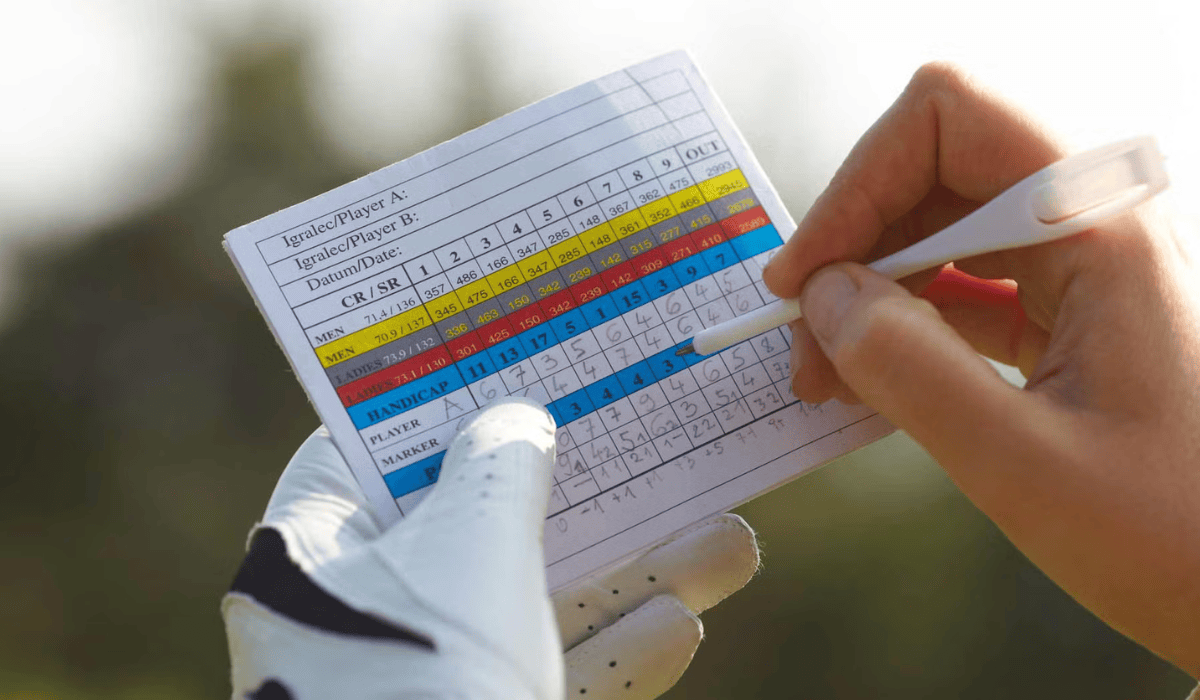
Course Rating measures how difficult a golf course is for a scratch golfer, someone with a Handicap Index of 0.0, under normal playing conditions.
Unlike par, which is typically a whole number, Course Rating is expressed to one decimal place. For example, a par-72 course might have a Course Rating of 74.2, suggesting that even a scratch golfer would be expected to score above par when playing well.
Conversely, another par-72 course might have a Course Rating of 69.5, indicating a more manageable challenge for a scratch player.
Course Rating considers much more than distance. Narrow fairways, strategically positioned bunkers, water hazards, elevation changes, and difficult greens can all influence the final number.
Importantly, Course Rating is calculated separately for different sets of tees, meaning the same course can present significantly different levels of difficulty depending on where golfers choose to play.
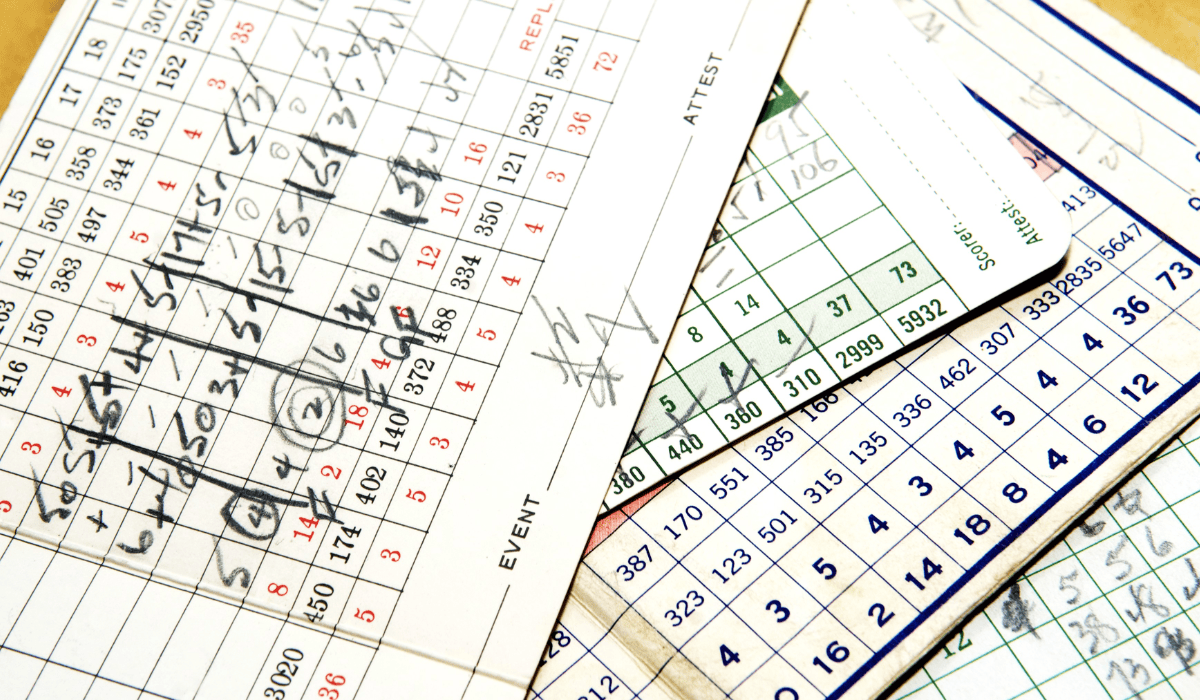
If Course Rating measures difficulty for scratch golfers, Slope Rating explains how much more challenging a course becomes for golfers who are not scratch players.
Under the World Handicap System (WHS), Slope Rating ranges from 55 to 155, with 113 representing standard relative difficulty.
A course with a Slope Rating of 125 generally places greater additional demands on higher-handicap golfers than one rated at 113. A rating of 145 suggests an even greater difference in difficulty between scratch and bogey golfers.
However, there’s an important distinction: a higher Slope Rating doesn’t automatically mean a course is more difficult for everyone.
For example, a course with a Slope Rating of 135 might have a lower Course Rating than one with a Slope Rating of 125. The first course could be relatively forgiving for accomplished players while presenting more significant challenges to golfers with higher handicaps.
This is why Course Rating and Slope Rating should always be considered together.

Determining a course’s difficulty involves a detailed assessment conducted by trained rating teams using a standardised system.
Evaluators examine the course from the perspective of both scratch and bogey golfers. They measure the effective playing length and assess how different features influence scoring.
A long par 4, for example, might not be particularly intimidating for a powerful scratch golfer who can comfortably reach the green in two shots. For a shorter-hitting bogey golfer, the same hole could require three shots just to reach the putting surface.
Other important factors include fairway width, rough severity, bunker placement, forced carries, green size, putting surface contours, wind exposure, and elevation changes.
The assessment produces a Course Rating and a Bogey Rating. The difference between these figures is then used to calculate the Slope Rating.
One interesting detail is that course length often has the strongest relationship with overall scoring difficulty, although strategically placed hazards can make shorter layouts unexpectedly challenging.
Imagine two fictional par-72 golf courses with different characteristics.
| Course A | Course B | |
| Par | 72 | 72 |
| Course Rating | 73.5 | 70.5 |
| Slope Rating | 125 | 140 |
| Main challenge | Length and demanding approach shots | Narrow landing areas and difficult hazards |
Course A has a higher Course Rating, indicating greater scoring difficulty for scratch golfers. However, Course B has a higher Slope Rating, meaning its challenges have a greater relative impact on higher-handicap players.
A scratch golfer might find Course A more demanding because of its length, while a higher-handicap player could struggle more with Course B’s narrow fairways and strategically placed hazards.
This example demonstrates why judging a course by its Slope Rating alone can be misleading.
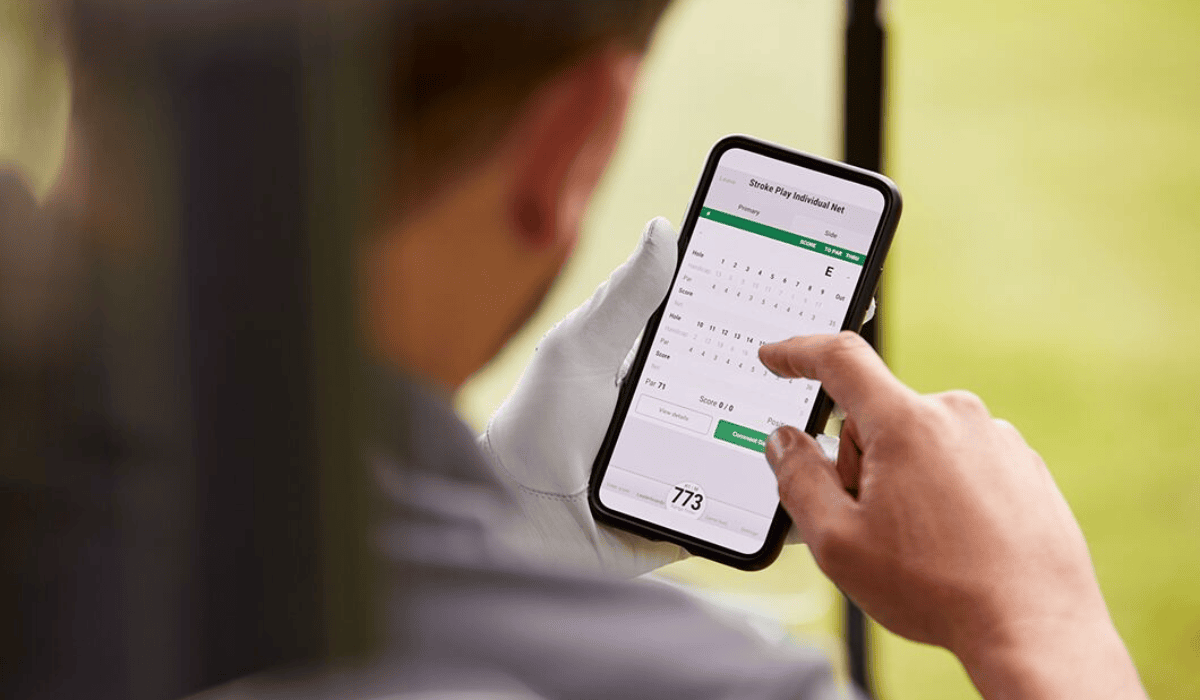
Course Rating and Slope Rating are essential components of the World Handicap System, which allows golfers to compare performances fairly across courses of different difficulty.
Your Handicap Index represents your demonstrated playing ability, while your Course Handicap adjusts that figure to reflect the specific course and tees you’re playing.
Under the WHS, the Course Handicap calculation is:
Course Handicap = Handicap Index × (Slope Rating ÷ 113) + (Course Rating − Par)
For example, a golfer with a Handicap Index of 18.0 playing a par-72 course with a Course Rating of 72.0 and Slope Rating of 130 would have a Course Handicap of approximately 21 after rounding.
On another par-72 course with a Course Rating of 72.0 and Slope Rating of 113, the same golfer would have a Course Handicap of 18.
These adjustments help ensure fair competition between golfers playing courses with different characteristics. Course Rating and Slope Rating are also used when calculating Score Differentials for handicap records.

Distance certainly matters in golf, but it isn’t the only factor that determines difficulty.
A championship course stretching beyond 7,000 yards may look intimidating, yet wide fairways and relatively accessible greens can make it more forgiving than expected.
Meanwhile, a shorter course with tight landing areas, deep bunkers, thick rough, and small, heavily contoured greens can punish even minor mistakes.
Weather adds another dimension. Strong coastal winds can transform a manageable links course into a demanding test, while wet conditions can eliminate valuable fairway roll and make approach shots longer.
Course and Slope Ratings reflect normal conditions rather than every possible weather scenario. The WHS therefore also includes a Playing Conditions Calculation (PCC), which can account for unusually difficult or easy scoring conditions on a particular day.
Understanding these numbers can make golf trips and everyday rounds more enjoyable.
When researching a new destination, checking the Course and Slope Ratings for your intended tees can help you anticipate the challenge ahead. Rather than automatically choosing the back tees, consider which set offers a suitable balance between difficulty and enjoyment.
Higher-handicap golfers may find that courses with moderate Course and Slope Ratings provide a more comfortable experience, while experienced players seeking a demanding test might prefer layouts with higher ratings.
It’s also worth remembering that two courses with similar ratings can feel completely different. One may challenge players with length and elevation, while another relies on accuracy, course management, and precise putting.
Ratings provide an objective starting point, but course design, personal strengths, weather, and playing conditions all influence the experience.

Course Rating and Slope Rating reveal far more about a golf course than par or yardage alone. Course Rating describes the challenge for scratch golfers, while Slope Rating measures how that challenge increases for players with higher handicaps.
Together, they provide a more meaningful understanding of difficulty and form an essential part of golf’s handicapping system.
The next time you examine a scorecard, take a closer look at those two numbers. They might explain why a seemingly easy course presents such a tough challenge, or why your best round wasn’t necessarily the one with your lowest score.
Night Golf and Floodlit Courses: Where to Play After Dark
Garmin Golf Watches Guide: Which Garmin Watch Is Right for Your Game?

Instruction
Recovering Like a Pro: Post-Round Wellness Tips
A great golf round doesn’t end on the 18th green. For professionals, recovery is just as important as ball striking, driving distance, and putting accuracy. Modern players treat their bodies like high-performance machines, knowing that consistent recovery reduces fatigue, lowers injury risk, and enhances performance for the next tee time. Whether you’re a weekend golfer […]

Amateur Golf
Best Golf Balls for Beginners
Choosing the right golf balls is key in a game of precision, skill, and patience, setting the stage for an enjoyable experience. For beginners, choosing the right equipment can significantly impact how quickly they improve and enjoy the game. One of the most important yet often overlooked pieces of equipment is the golf ball. The […]