



Course Reviews
Best Golf Courses Around Rome: Where Ancient History Meets Modern Golf
Explore 33,000+ golf courses in 180 countries.
Follow the latest news and trends in golf.
Connect with like-minded golfers.
Find everything you need for your golf equipment and gear needs.
Travel, golf resorts, lifestyle, gear, tour highlights and technology.
All Square
Suggestions
Course Reviews
Best Golf Courses Around Rome: Where Ancient History Meets Modern Golf
Instruction
Links vs Parkland vs Heathland: What’s the Difference?
Clubs
The Best Irons on the Market in 2026
Clubs
Austin Smotherman WITB: The Clubs Behind His 2026 Bank of Utah Championship Win
Destinations
Barrière Golf Properties: French Golf Escapes Where the Resort Is Part of the Experience
Destinations
Conrad Algarve Renovations: A New Chapter of Luxury in Quinta do Lago
Gear
Garmin Golf Watches Guide: Which Garmin Watch Is Right for Your Game?
PGA Tour
Presidents Cup 2026 Results & Winners: Team USA Completes Historic Comeback
Course Reviews
Cullinan Golf Links Resort, Belek: Where Golf Meets the Mediterranean
Course Reviews
New Opening: Limassol Greens — Cyprus’ New Golf Destination
PGA Tour
Presidents Cup 2026 Preview: Everything to Know Before Medinah
Clubs
Jacob Bridgeman WITB: The Clubs Behind His 2026 Biltmore Championship Victory
Course Reviews
Play Golf at Pebble Beach: What to Know Before You Go
Professional Golf
Solheim Cup Results & Winners 2026: Europe Reclaims the Trophy
Clubs
This Year’s Best Drivers on the Market: A 2026 Buyer’s Guide
Course Reviews
Fancourt: The Garden Route Estate Where South African Golf Grew Up
Course Reviews
Best Golf Courses Around Madrid
Clubs
TaylorMade Spider ZT Putter Review: What It Is, How It Performs, and Whether It’s Worth the Upgrade
Course Reviews
Your Golf Trip to Tunisia: Courses, Costs, and What to Actually Expect
Clubs
WITB: Ryan Fox’s Winning Clubs at the 2026 Open Championship
Community
How Modern Golf Courses Conserve Water and Protect Wildlife
PGA Tour
Changes on the PGA Tour from 2028
Course Reviews
Tee Off in Tuscany: Golfing Italy’s Most Picturesque Countryside
Course Reviews
The Best Golf Courses Near Pinehurst That Aren’t Pinehurst No. 2
Destinations
Golf Trip to Casablanca: Morocco’s Atlantic Golf Escape
DP World Tour
DP World Tour 2026: The Full Calendar & Race to Dubai Journey
Course Reviews
Europe’s Best Golf Resorts with Exceptional Practice Facilities
Course Reviews
Vietnam’s Hoiana Shores and Da Nang’s Best Golf Courses
Course Reviews
Tee Off in Style: Park Hyatt Marrakech
Clubs
Cameron Young’s Winning WITB at the 2026 Players Championship


For professional golfers around the world, earning a PGA Tour card is a defining milestone. It’s not just about prestige — it’s the golden ticket to compete at the highest level, unlock lucrative prize money, gain sponsorship opportunities, and secure a place among golf’s elite. But how exactly does one earn this coveted card? The routes to the PGA Tour are varied, competitive, and often complex. Let’s explore every pathway available to aspiring pros who dream of teeing it up on the PGA Tour.

One of the most straightforward methods to secure a PGA Tour card is by performing well enough during the current PGA Tour season to finish inside the top 125 of the FedEx Cup points standings. These points accumulate based on finishes in official PGA Tour events throughout the season. Securing a spot in the top 125 grants full status for the following season, ensuring entry into most regular PGA Tour events.
This system rewards consistent excellence and resilience across multiple tournaments and is often the safest and most reliable way to retain or earn a PGA Tour card.

The Korn Ferry Tour, often referred to as the “gateway” to the PGA Tour, is the official developmental circuit. Each year, the top performers on the Korn Ferry Tour earn PGA Tour cards. Typically, the top 25 players on the regular season points list automatically graduate to the PGA Tour.
In addition to the regular season, the Korn Ferry Tour Finals — a series of three high-stakes tournaments — offer another 25 PGA Tour cards to the highest earners who weren’t already qualified during the regular season. This dual-path system means 50 players graduate each year from Korn Ferry to the PGA Tour, creating a deep talent pool of rising stars ready to compete on the big stage.
Notably, many current PGA Tour stars like Scottie Scheffler and Justin Thomas first earned their Tour cards through the Korn Ferry Tour.

While earning a card typically involves consistent play or success on the Korn Ferry Tour, winning a PGA Tour event outright provides an automatic exemption. Most PGA Tour tournaments award a multi-year exemption to their winners, with the exact length depending on the event’s prestige.
For example, winning a regular PGA Tour event typically grants a two-year exemption, meaning the player has full Tour privileges for the next two seasons, no matter their FedEx Cup standing. Winning one of the major championships or certain World Golf Championships can provide even longer exemptions, sometimes lasting five years or more.
This method is a powerful shortcut and a testament to the game’s meritocracy—one great week can change a golfer’s entire career trajectory.
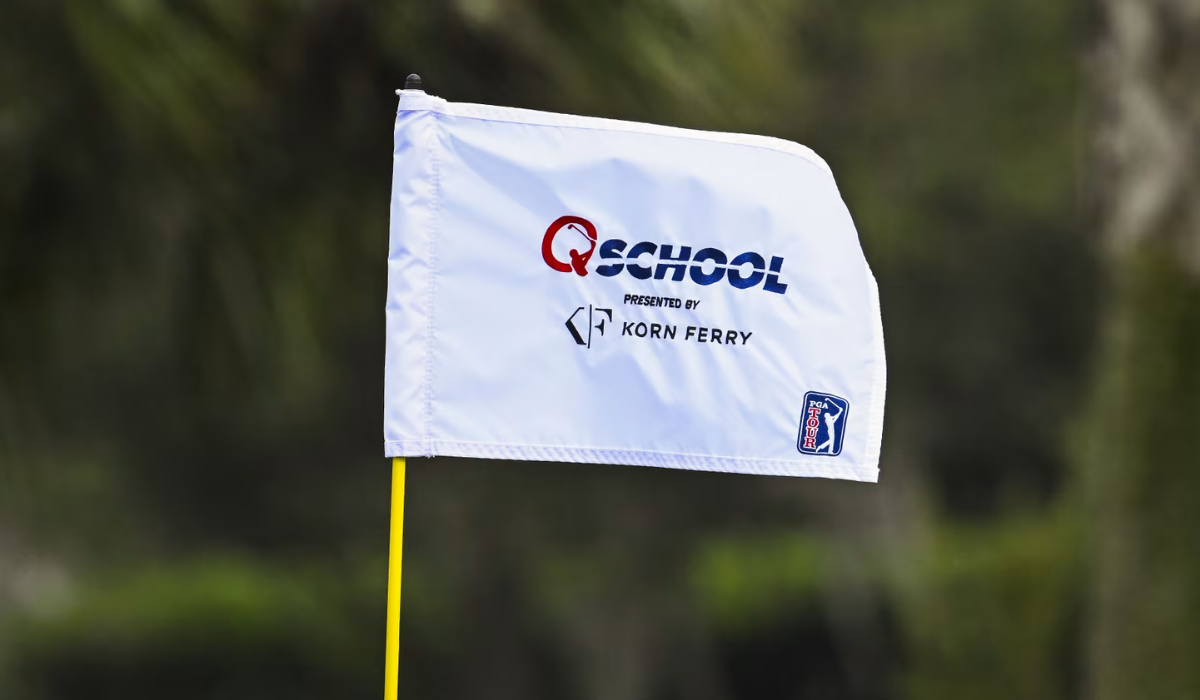
Historically, the PGA Tour Qualifying Tournament — commonly known as “Q-School” — was the main avenue for earning a Tour card. Players from around the globe competed over several gruelling stages, culminating in a final stage where the top finishers were awarded PGA Tour cards directly.
However, since 2013, Q-School no longer grants direct access to the PGA Tour. Instead, it serves as a pathway to the Korn Ferry Tour, making the journey longer but arguably more rigorous.
That said, many past PGA Tour stars gained entry through Q-School, making it a legendary and storied part of golf history.

Sometimes, players who are not full PGA Tour members can earn “Special Temporary Membership” if they earn enough non-member FedEx Cup points equivalent to the 150th-ranked player from the previous season. This status allows them to accept unlimited sponsor exemptions and compete more regularly on Tour.
If such a player finishes the season within the top 125 in points or wins an event, they secure full PGA Tour membership for the next season. This is a great way for newcomers or international players to break into the Tour without going through Korn Ferry.

Strong performances in majors and high-profile events can accelerate a player’s path to a PGA Tour card. For example, top finishers in majors who are not already PGA Tour members may receive temporary membership or other exemptions.
Additionally, earning enough Official World Golf Ranking (OWGR) points through these events can qualify players for PGA Tour membership by granting them entry into other Tour events or through invitations.

The PGA Tour also grants membership to certain players based on career earnings or special circumstances. For instance, past champions who are coming back from injury or other breaks may receive exemptions to compete.
In rare cases, the Tour awards special exemptions to players who don’t qualify by the usual routes but are deemed significant additions to the Tour’s competitive field, often to help promote the game or recognise exceptional talent.

Earning a PGA Tour card is no easy feat. It demands skill, endurance, mental toughness, and often years of competitive experience. Whether it’s grinding week after week on the Korn Ferry Tour, capitalising on a breakthrough victory, or excelling in the few opportunities available through sponsor exemptions, every pathway reflects the challenge and prestige of the game’s highest level.
Aspiring pros must stay patient, dedicated, and constantly improve, knowing that the journey to the PGA Tour is a marathon, not a sprint. With each card earned, a new chapter begins — one that offers the chance to compete against legends and create their own legacy.

Course Reviews
Royal Queensland Golf Club: Timeless Prestige
Perched along the northern banks of the Brisbane River, just a 10-minute drive from Brisbane’s bustling CBD, Royal Queensland Golf Club (RQGC) is more than a golf course — it’s a sanctuary where history, excellence, and Queensland’s spirit intertwine. This isn’t just a venue for 18 holes; it’s a century-long saga of ambition, architectural brilliance, […]

Clubs
Scottie Scheffler WITB: The Clubs Behind His 2026 TOUR Championship Victory
Scottie Scheffler once again finished the season at the top, capturing the 2026 TOUR Championship and his second FedExCup title at East Lake. Starting the final round three shots behind Viktor Hovland, Scheffler produced a brilliant 4-under 66 to overturn the deficit and win by three strokes. His comeback began in spectacular fashion, with a […]