



Course Reviews
Best Golf Courses Around Rome: Where Ancient History Meets Modern Golf
Explore 33,000+ golf courses in 180 countries.
Follow the latest news and trends in golf.
Connect with like-minded golfers.
Find everything you need for your golf equipment and gear needs.
Travel, golf resorts, lifestyle, gear, tour highlights and technology.
All Square
Suggestions
Course Reviews
Best Golf Courses Around Rome: Where Ancient History Meets Modern Golf
Instruction
Links vs Parkland vs Heathland: What’s the Difference?
Clubs
The Best Irons on the Market in 2026
Clubs
Austin Smotherman WITB: The Clubs Behind His 2026 Bank of Utah Championship Win
Destinations
Barrière Golf Properties: French Golf Escapes Where the Resort Is Part of the Experience
Destinations
Conrad Algarve Renovations: A New Chapter of Luxury in Quinta do Lago
Gear
Garmin Golf Watches Guide: Which Garmin Watch Is Right for Your Game?
PGA Tour
Presidents Cup 2026 Results & Winners: Team USA Completes Historic Comeback
Course Reviews
Cullinan Golf Links Resort, Belek: Where Golf Meets the Mediterranean
Course Reviews
New Opening: Limassol Greens — Cyprus’ New Golf Destination
PGA Tour
Presidents Cup 2026 Preview: Everything to Know Before Medinah
Clubs
Jacob Bridgeman WITB: The Clubs Behind His 2026 Biltmore Championship Victory
Course Reviews
Play Golf at Pebble Beach: What to Know Before You Go
Professional Golf
Solheim Cup Results & Winners 2026: Europe Reclaims the Trophy
Clubs
This Year’s Best Drivers on the Market: A 2026 Buyer’s Guide
Course Reviews
Fancourt: The Garden Route Estate Where South African Golf Grew Up
Course Reviews
Best Golf Courses Around Madrid
Clubs
TaylorMade Spider ZT Putter Review: What It Is, How It Performs, and Whether It’s Worth the Upgrade
Course Reviews
Your Golf Trip to Tunisia: Courses, Costs, and What to Actually Expect
Clubs
WITB: Ryan Fox’s Winning Clubs at the 2026 Open Championship
Community
How Modern Golf Courses Conserve Water and Protect Wildlife
PGA Tour
Changes on the PGA Tour from 2028
Course Reviews
Tee Off in Tuscany: Golfing Italy’s Most Picturesque Countryside
Course Reviews
The Best Golf Courses Near Pinehurst That Aren’t Pinehurst No. 2
Destinations
Details to Relaunch Donnafugata Golf Resort in Sicily
Course Reviews
Golf in Egypt: Pyramids, the Red Sea, and Some of Africa’s Most Underrated Fairways
Clubs
McLaren Golf: What Golfers Need to Know About the F1 Team’s New Equipment Brand
Clubs
Wyndham Clark WITB: The Clubs Behind His 2026 BMW Championship Victory
Clubs
Team Fitzpatrick’s Winning WITB from Zurich Classic Victory
Course Reviews
The Best Golf Courses Around London: A Practical Guide

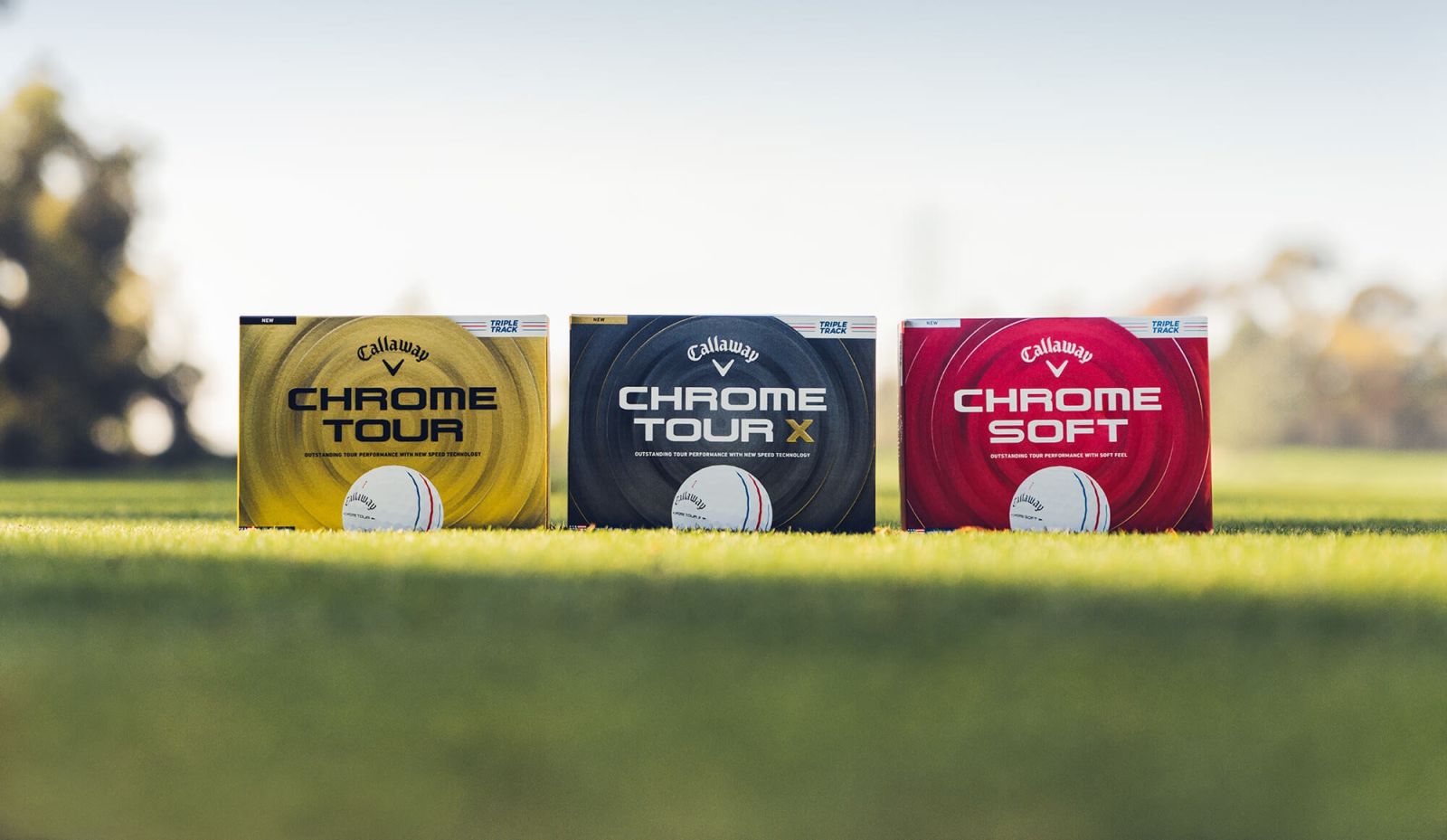
Callaway has spent the better part of two decades chasing one idea: that a golf ball doesn’t have to force a trade-off between distance and feel. That philosophy runs through every model the brand makes, from the Tour-validated Chrome Tour that Xander Schauffele has used to win two majors, down to the cheerful, budget-friendly Warbird that lives in the bag of a weekend nine-holer. Understanding how these balls relate to one another — and which one actually suits your swing — makes the difference between guessing at the pro shop and buying with intent.
This guide walks through Callaway’s current ball family, model by model, with the technology behind each one and where it fits on the price and performance spectrum.
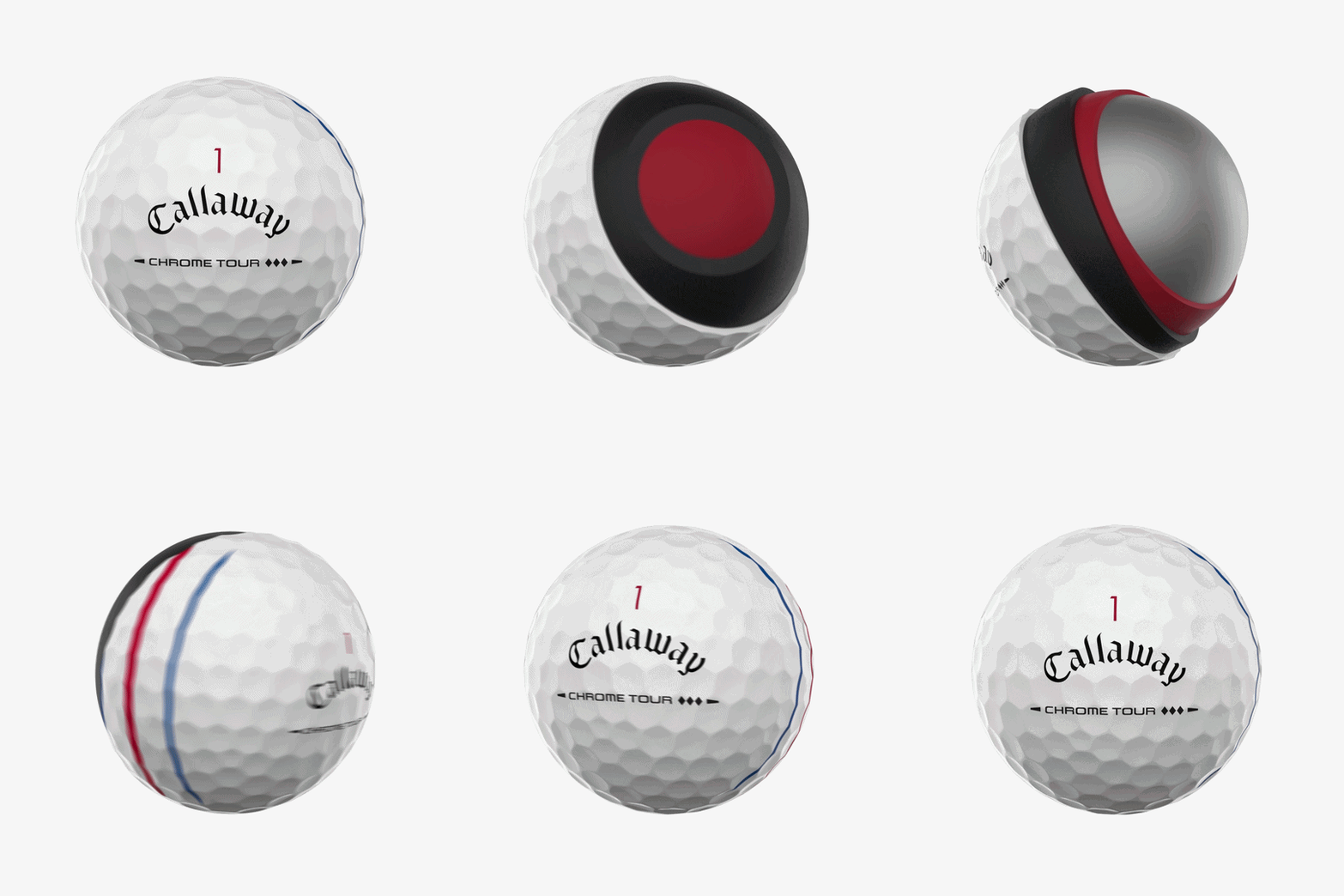
Every January, golf ball season quietly resets, and 2026 brought Callaway’s biggest change to its flagship line in years. The Chrome Tour, Chrome Tour X, and Chrome Soft were all rebuilt around a new component called the Tour Fast Mantle — the layer that sits between the core and the cover. Callaway’s R&D team, led by Eric Loper, increased the flex modulus of that mantle material by 16%, effectively making it a stiffer spring. In practical terms, a stiffer mantle rebounds faster at impact, which translates into more ball speed without Callaway having to harden the core or thin out the urethane cover — the two usual ways manufacturers sacrifice feel for distance.
Sam Burns, one of the TOUR pros who moved into the new ball early, put it simply: the extra speed showed up off the tee and with irons, while the ball still felt soft and forgiving around the greens. That balance is the entire point of the redesign — Callaway didn’t want a firmer-feeling ball, they wanted a faster one that still felt like Chrome.
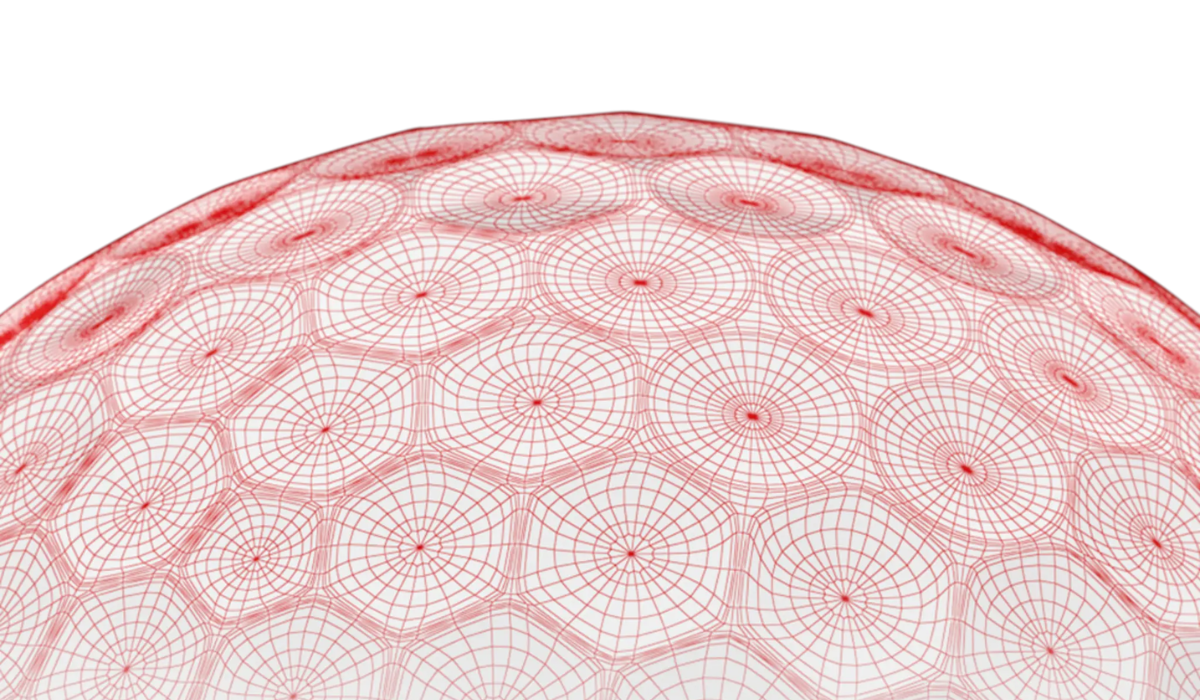
All three 2026 Chrome balls also share Callaway’s Seamless Tour Aero dimple pattern, a manufacturing process designed to eliminate the tiny surface inconsistency created where two dimpled hemispheres are fused together. Callaway says robot testing showed roughly a three-foot variance between shots hit down the seam versus across it on older construction methods — the seamless process closes that gap, which shows up as tighter shot dispersion in the wind.
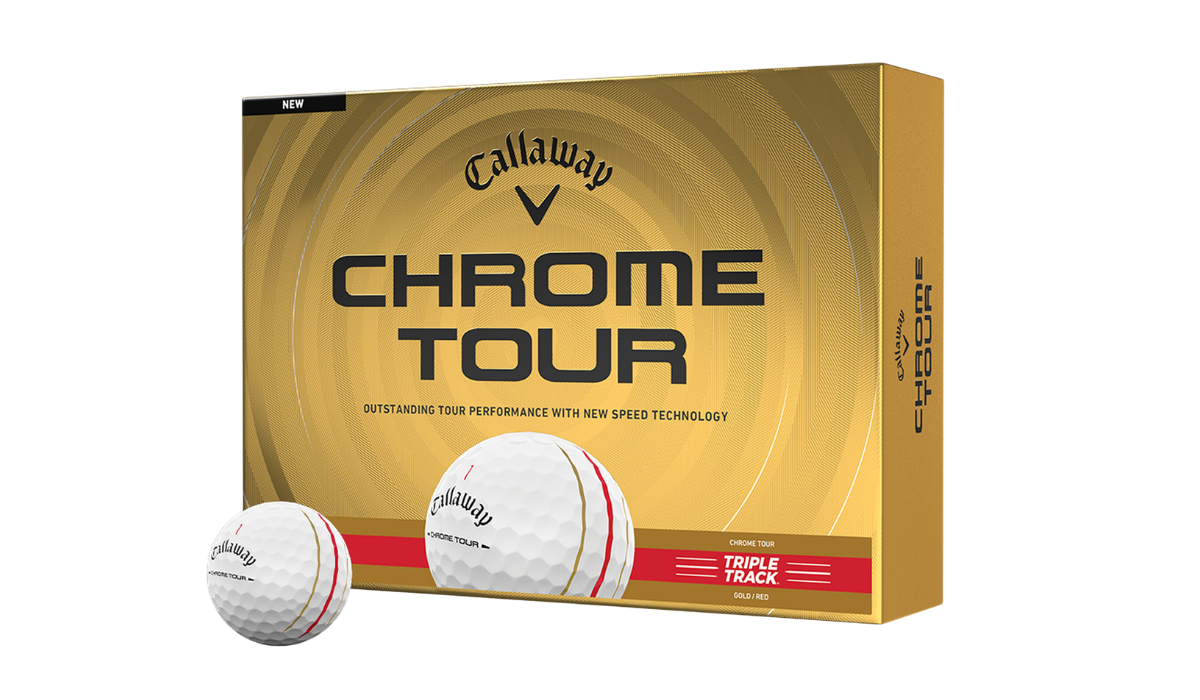
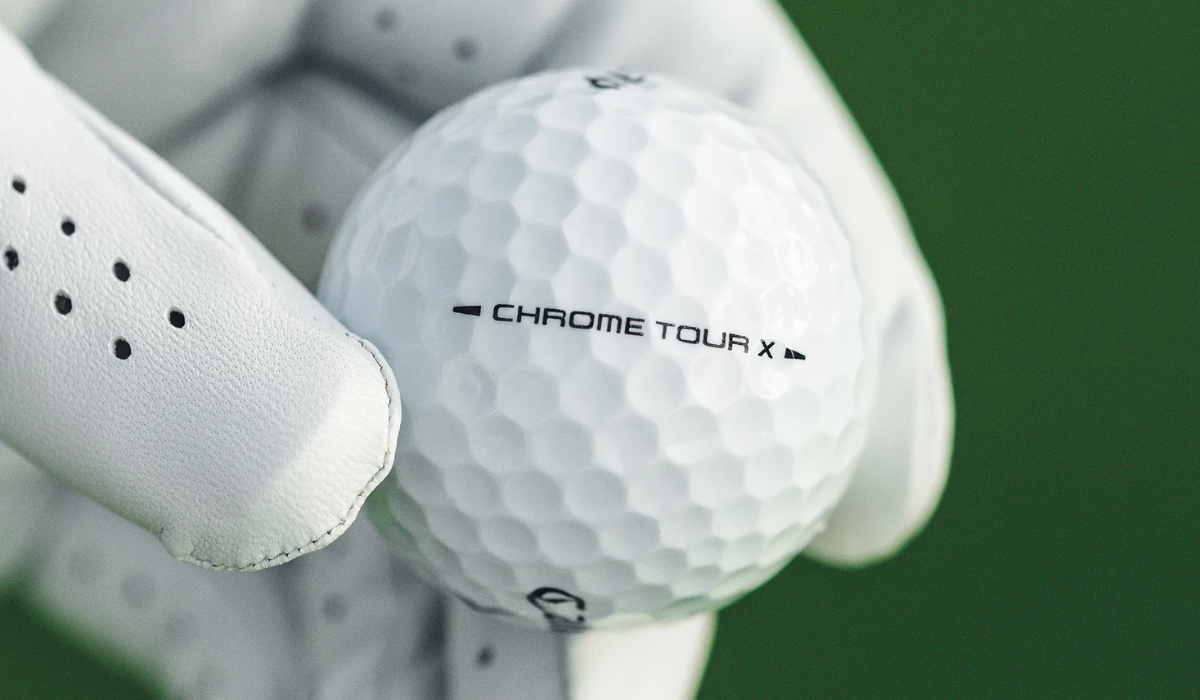
Chrome Tour and Chrome Tour X sit at the top of Callaway’s range, and they’re built for a similar type of player but tuned to slightly different tastes. Both are four-piece, multilayer urethane-covered balls aimed at golfers swinging in the 90–105 mph range who want workability and greenside spin as much as raw distance.
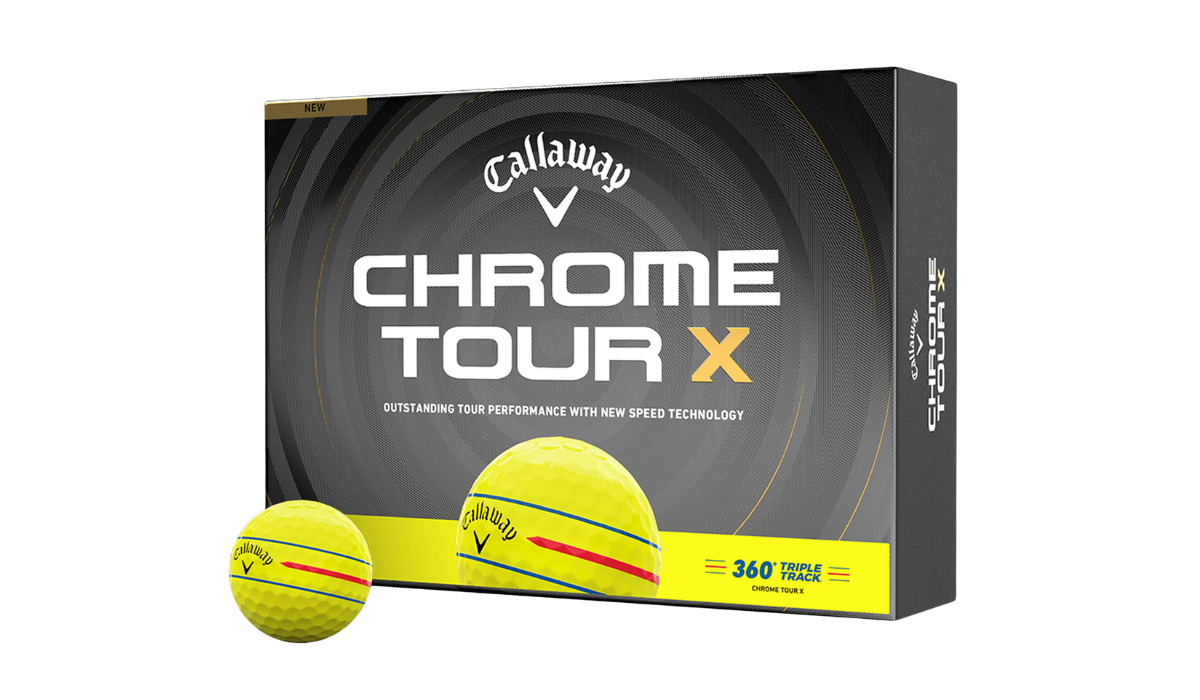
The Chrome Tour is the softer-feeling of the pair, with a lower-spin profile that helps with distance and wind performance — it’s the ball in Schauffele’s bag. Chrome Tour X carries a firmer feel and slightly higher spin through the bag, appealing to better players who like to shape shots and stop irons quickly on firm greens. Both retail at €65 per dozen, putting them squarely in the same price tier as the premium balls from Titleist and TaylorMade.
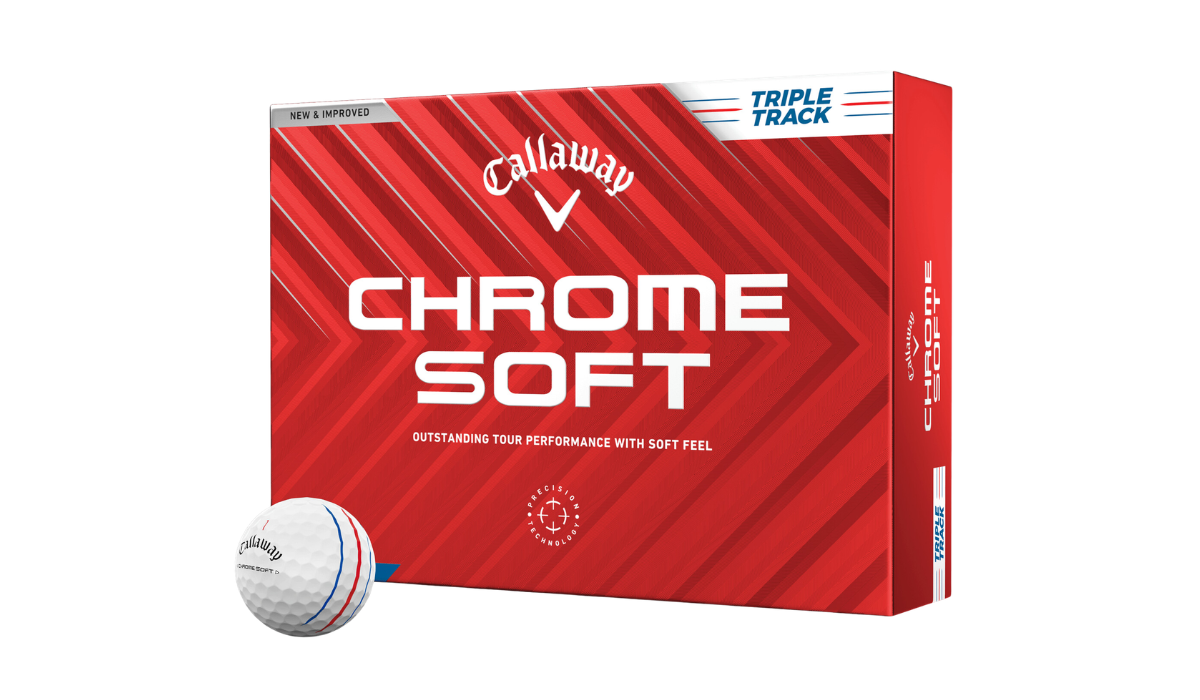
Chrome Soft has always been Callaway’s answer for club golfers who want Tour-level materials without needing Tour-level swing speed, and the 2026 version keeps that role while inheriting the new Tour Fast Mantle technology. It’s the only ball in the refreshed Chrome trio available with Callaway’s 360 Triple Track alignment design — a three-line visual aid intended to help with alignment on the tee, approach shots, and especially on the greens, where research on visual tracking suggested golfers read putts more accurately with a linear guide than with a single dot or logo.
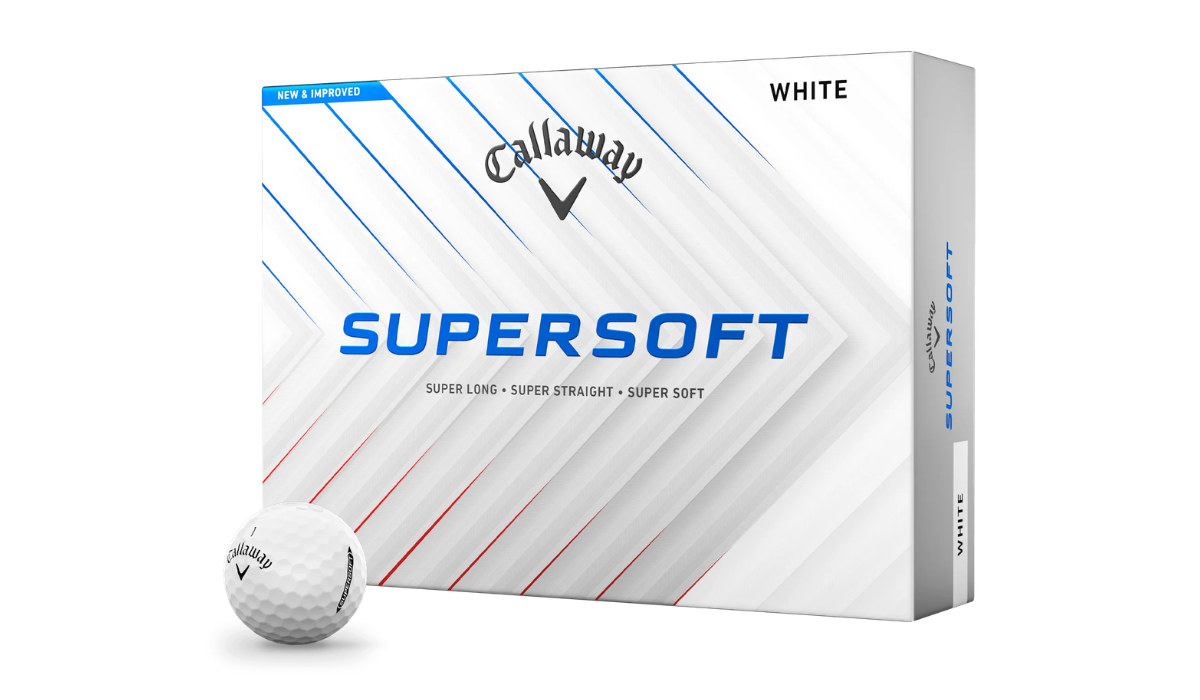
Step down in swing speed requirements and you land on Supersoft, Callaway’s long-running low-compression ball built for players who want distance and a soft feel without paying for wedge-spin technology they won’t use. Supersoft uses Callaway’s HyperElastic SoftFast Core paired with a Hybrid cover, a combination designed to launch high and spin low off the tee — exactly what mid-to-high handicap golfers typically need to add carry distance.
It’s also the ball Callaway leans on most heavily for limited-edition and novelty releases — matte colour options, Triple Track lines, and seasonal or partnership editions all tend to appear in the Supersoft range first. Pricing sits around €35 per dozen in Europe, making it one of the more accessible ways to try Callaway’s core golf ball technology.
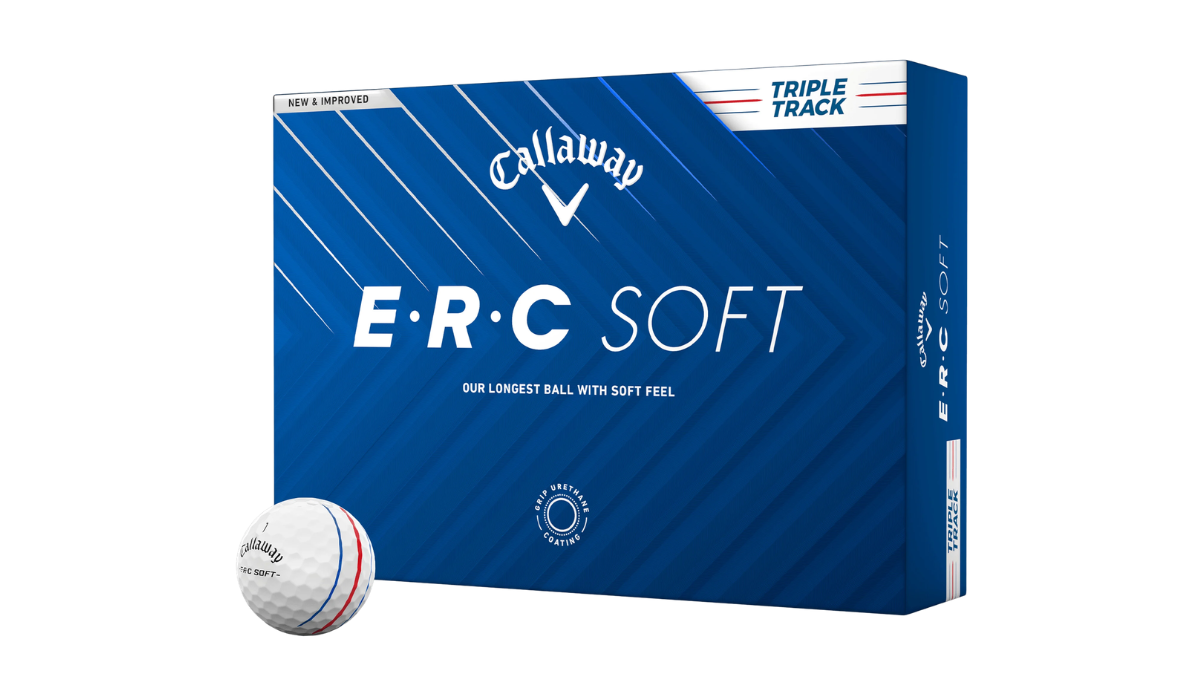
The E•R•C Soft deserves a mention for reasons beyond its spec sheet. The initials stand for Ely Reeves Callaway, the company’s founder, and the name carries some baggage in golf circles — the original ERC II driver, released in the early 2000s, was ruled non-conforming by the R&A for exceeding spring-like-effect limits, creating a real stir in the game at the time. The ERC Soft ball has no such controversy attached to it; it’s simply a two-piece, low-compression distance ball positioned between Supersoft and the Chrome family, aimed at players who want an ionomer-covered ball with a bit more greenside control than the entry-level Warbird. It typically retails at €50 per dozen.
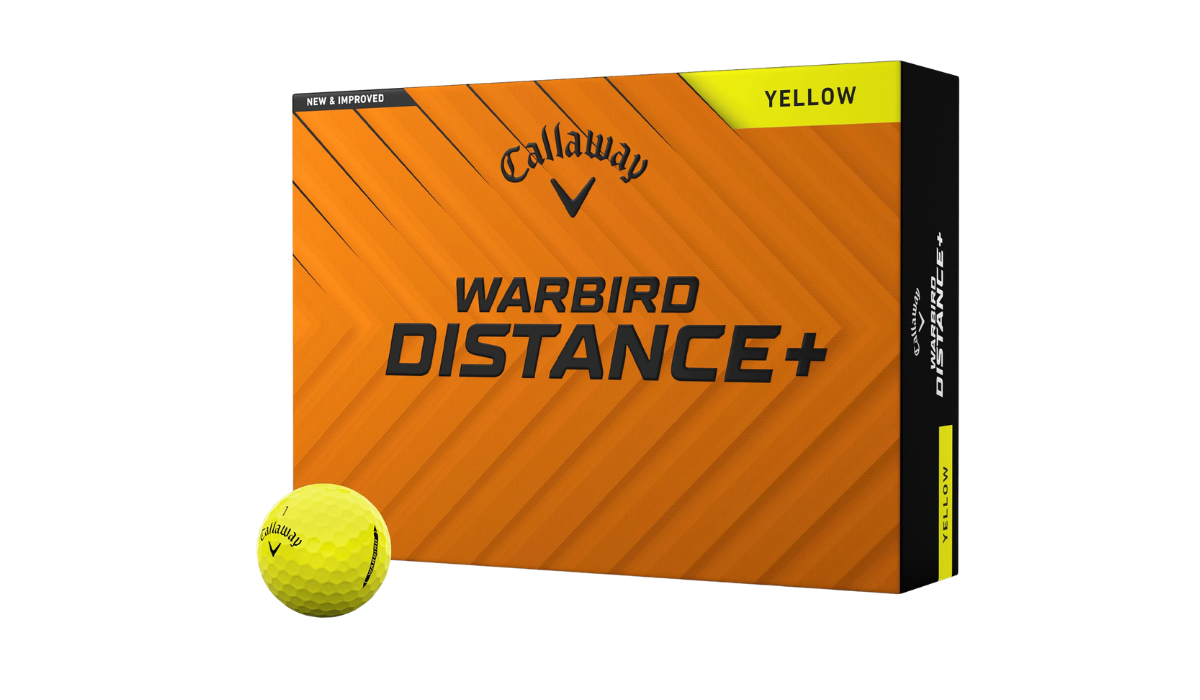
Warbird is Callaway’s value play — a two-piece ball with a large, high-speed core designed purely to maximise distance for players at any swing speed, without the softer urethane cover or premium mantle technology found further up the range. It’s the ball most likely to show up in a range basket, a beginner’s starter set, or a player’s bag for a casual round where losing a few balls in the water hazard doesn’t sting. Expect to pay somewhere in the €20–25 range per dozen, making it the most budget-conscious option in the current lineup.
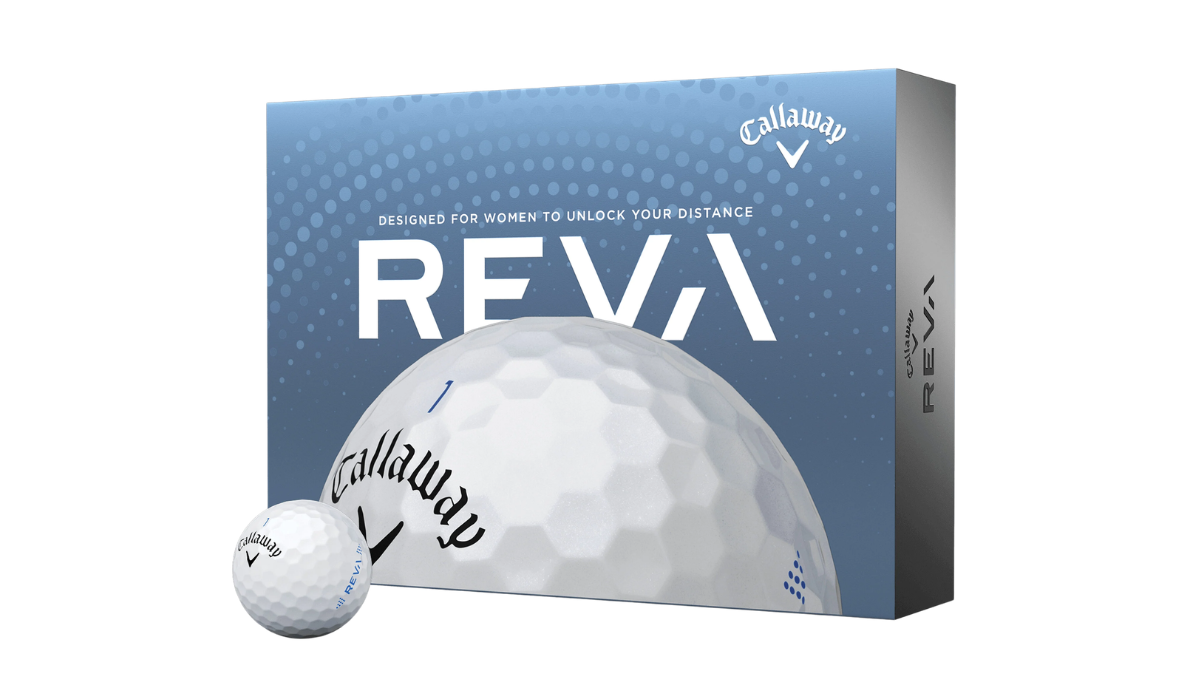
Rather than simply repackaging an existing ball in different colours, Callaway’s REVA line was engineered specifically around the swing speeds and launch conditions typical of women golfers, extending across the REVA club range into a dedicated ball as well. It’s a low-compression design intended to help generate the launch and carry distance that a slower swing speed can struggle to produce with a firmer ball, and it sits in a similar price bracket to Supersoft.
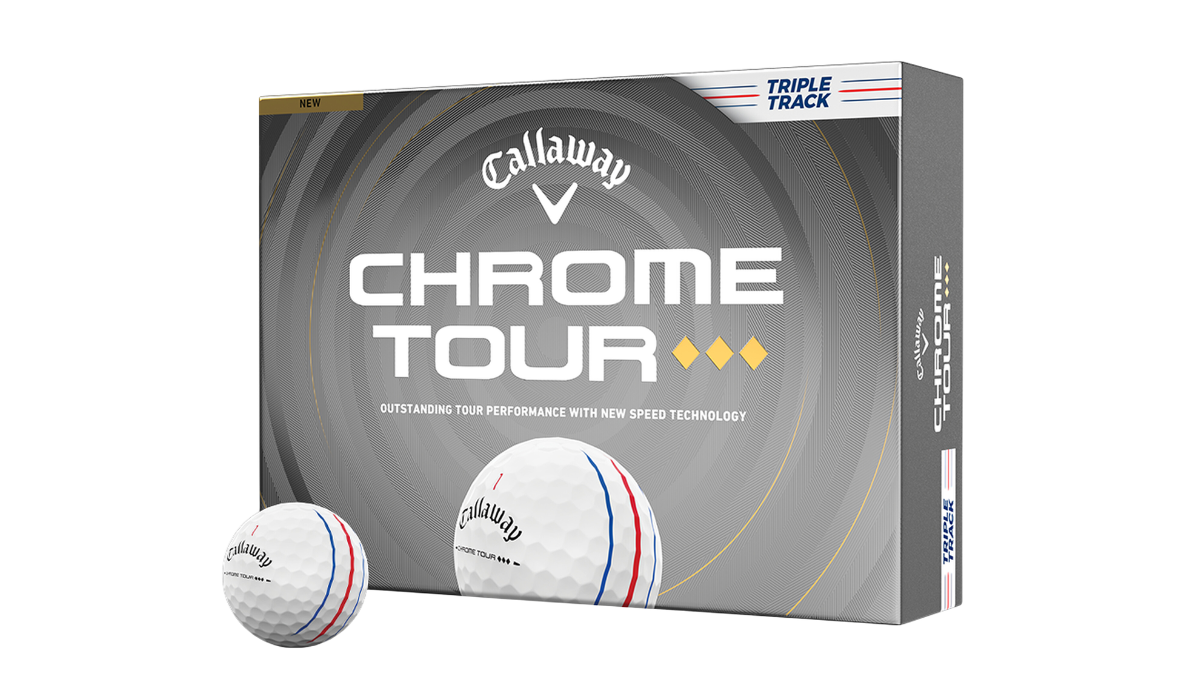
Slightly outside the mainstream three-ball Chrome refresh sits the Chrome Tour Triple Diamond, a lower-flight, lower-spin variant aimed at players who want tour-level materials but a flatter trajectory — useful in windy conditions or for golfers who already generate a lot of spin naturally and want to tone it down rather than add more. It occupies the same premium price tier as Chrome Tour and Chrome Tour X.
The honest answer for most club golfers is that swing speed and short-game priorities matter more than brand loyalty or marketing copy. A player swinging a driver under roughly 90 mph will usually get more out of Supersoft or REVA’s lower compression than out of a Tour-level urethane ball, regardless of how good that ball’s spin numbers look in a review. Conversely, a low-handicap player who works the ball and needs the wedge spin to stop approach shots on firm greens will likely find Supersoft frustratingly one-dimensional, however far it flies off the tee.
Callaway’s own online ball selector tool, available on its European site, asks about handicap, typical mishits, and priorities like distance versus feel, and is a reasonably reliable starting point if you’re unsure. From there, the real test is still the oldest one in golf: buy a sleeve of three, take them to the course, and see what they do around the green when it actually matters.
How to Read a Championship Course Like a Pro
Should Your Child Turn Professional? What the World’s Best Golfers Can Teach Us
Gear
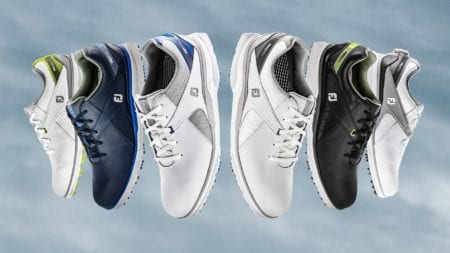
Coolest Shoes in Golf
We’ll be opening our e-Shop later in 2020. You’ll be able to purchase everything you need, from golf clubs and balls to shoes, clothing, accessories and gadgets. As an All Square user you’ll also be able to post your own equipment reviews and comments. Kick the season off by treating yourself to some new golf shoes! Nike […]

Contests
The Skins Game: Results & Overview
For decades, The Skins Game was one of golf’s most entertaining and unconventional events. First staged in 1983, it stood apart from traditional tournaments by using a match format where four invited players competed hole by hole for cash “skins.” A player won a skin only by taking a hole outright; ties caused skins to […]