



Course Reviews
Shoulder-Season Golf: Where to Play for Better Value and Fewer Crowds
Explore 33,000+ golf courses in 180 countries.
Follow the latest news and trends in golf.
Connect with like-minded golfers.
Find everything you need for your golf equipment and gear needs.
Travel, golf resorts, lifestyle, gear, tour highlights and technology.
All Square
Suggestions
Course Reviews
Shoulder-Season Golf: Where to Play for Better Value and Fewer Crowds
Course Reviews
Best Golf Courses Around Munich: Where Championship Golf Meets Bavarian Beauty
Amateur Golf
Golf and Longevity: Why Walking 18 Holes Can Be Part of a Healthy Lifestyle
Amateur Golf
Golf Club Fitting Explained: Is a Custom Fitting Worth It for Amateur Golfers?
Amateur Golf
Your First Golf Holiday: A Beginner’s Guide
Clubs
WITB: Blades Brown’s Winning Equipment at the 2026 World Wide Technology Championship
Course Reviews
Your Next Golf Getaway to Lanzarote: Volcanic Landscapes, Ocean Views and Year-Round Sunshine
Amateur Golf
Understanding Course Rating and Slope: How Difficult Is a Golf Course Really?
Clubs
New Ping G450 Drivers: Four Models, New Technology and a Surprise Mini Driver
Clubs
Andrew Novak WITB 2026: What’s in the Bag at the VidantaWorld Mexico Open?
Destinations
Your Golf Trip to Australia: A First-Time Guide to the Land Down Under
Course Reviews
Rosapenna Hotel & Golf Resort: A Legendary Links Golf Escape on Ireland’s Wild Atlantic Way
Course Reviews
Night Golf and Floodlit Courses: Where to Play After Dark
Clubs
Austin Smotherman WITB 2026: What’s in the Bag at the Butterfield Bermuda Championship?
Course Reviews
Golf in Madeira: Cliffs, Clouds and Two Unforgettable Courses
Destinations
Thai Caddie Culture Explained: Tipping, Etiquette and What to Expect
Course Reviews
Marrakech vs Agadir for Golf: Which Moroccan Destination Should You Choose?
Clubs
WITB: Ryan Fox’s Winning Clubs at the 2026 Open Championship
Community
How Modern Golf Courses Conserve Water and Protect Wildlife
PGA Tour
Changes on the PGA Tour from 2028
Course Reviews
Tee Off in Tuscany: Golfing Italy’s Most Picturesque Countryside
Course Reviews
The Best Golf Courses Near Pinehurst That Aren’t Pinehurst No. 2
Destinations
Barrière Golf Properties: French Golf Escapes Where the Resort Is Part of the Experience
Clubs
Callaway Golf Balls Family Explained: A Complete Guide to the 2026 Lineup
Accessories
Best Push Carts and Electric Trolleys for Golf in 2026
Course Reviews
The Masterpiece Reawakens: Aronimink 2026

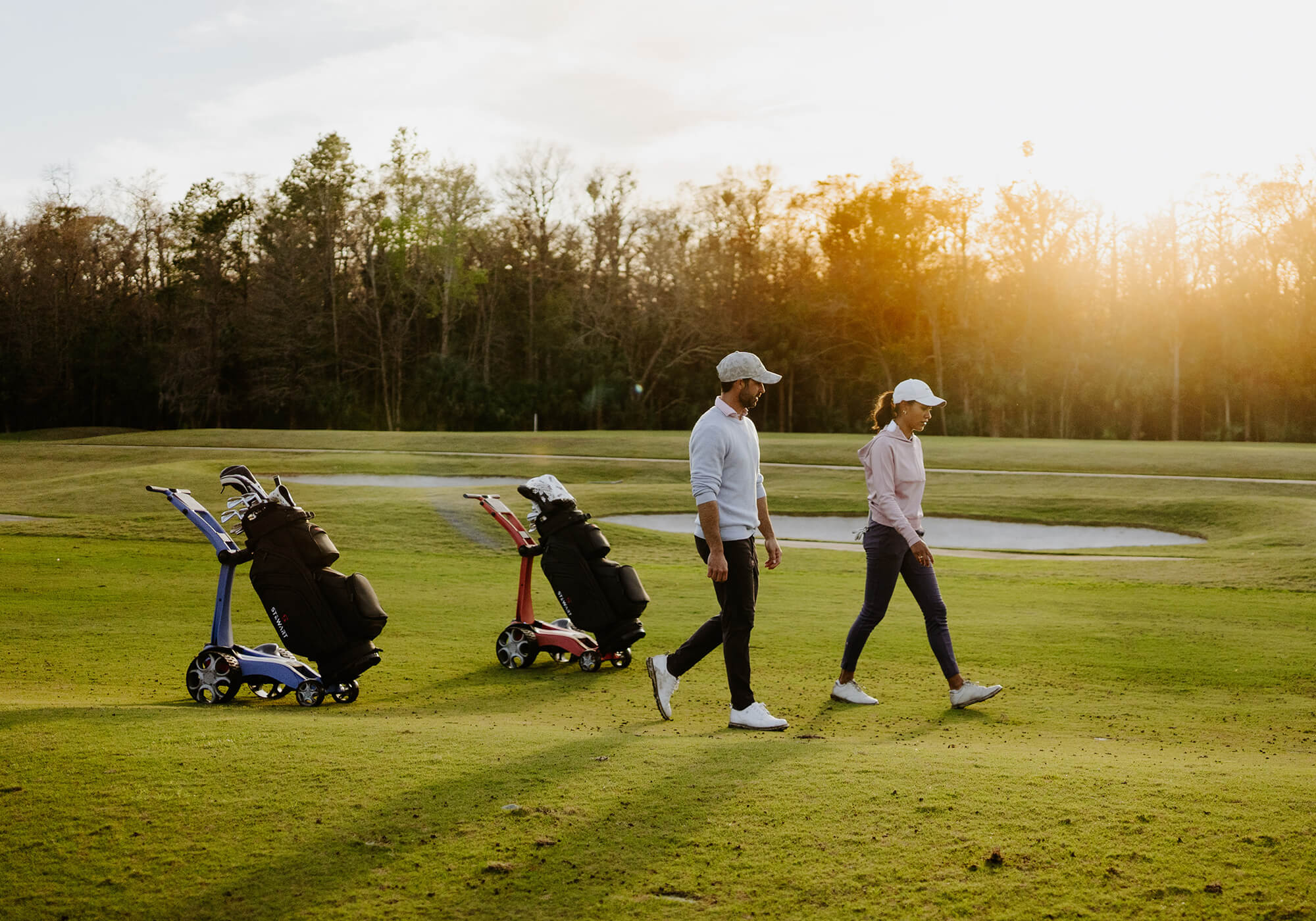
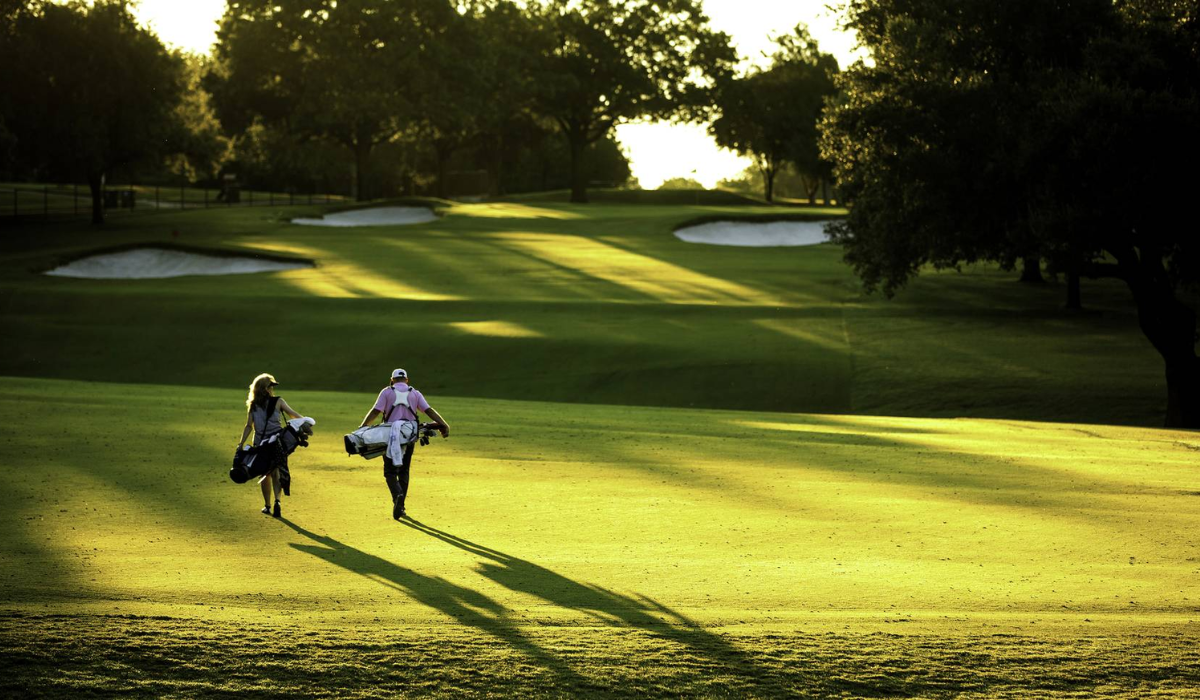
The scorecard records your strokes, but it misses another achievement: the kilometres you have walked between them. Beyond the competition and the occasional perfect shot, golf offers a combination of sustained movement, mental engagement and time with other people. For golfers who walk the course, a favourite pastime can also become a valuable part of an active life.
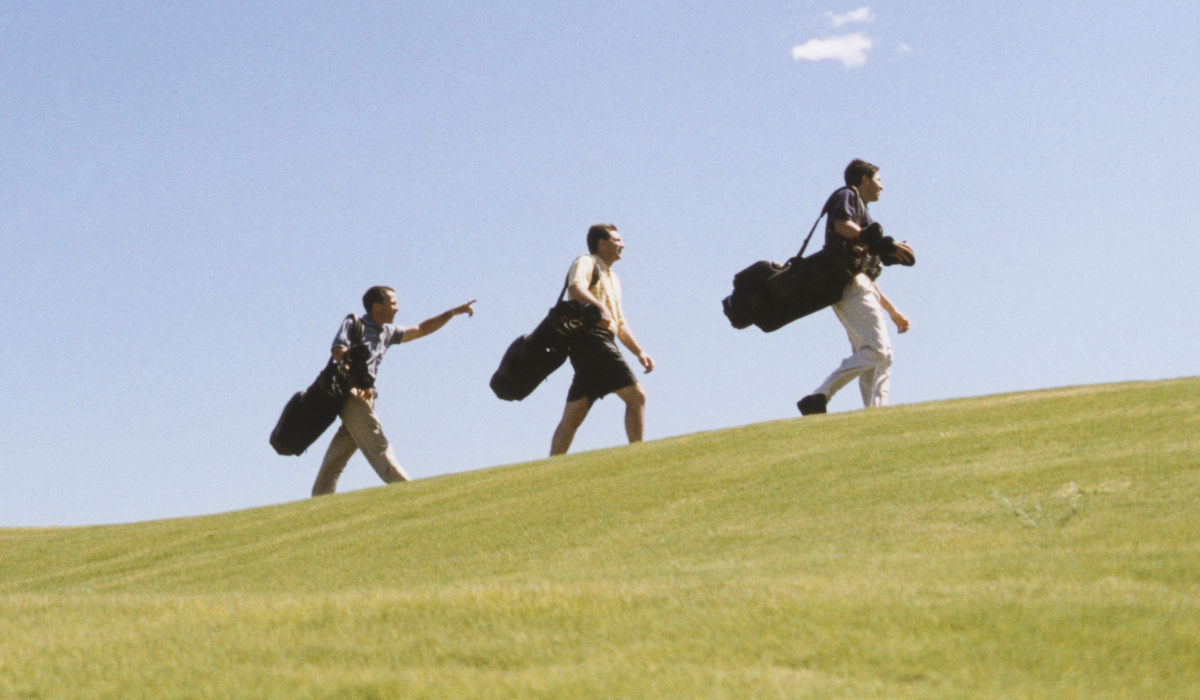
A course’s advertised length tells only part of the story. Walking between greens and tees, crossing the fairway to reach your ball and searching for the occasional wayward drive all add distance. A review published in the British Journal of Sports Medicine reported roughly 11,000–17,000 steps during a walking round of 18 holes, with the total varying by course and player.
The effort varies, too. On a flat course, you might walk at an easy pace for much of the round, while a climb to an elevated tee can get you breathing harder. Time spent waiting or putting is less active, so the length of the round tells you little about how many minutes you spent at moderate intensity. Choosing to walk gives you more opportunities to move throughout the round.

The often-repeated claim that golfers live five years longer comes from a 2008 Swedish study of 300,818 golfers. Researchers found a mortality rate around 40% lower than expected based on rates in the general population, after accounting for age, sex and socioeconomic status. They estimated that a difference of that size corresponded to roughly five years of additional life expectancy.
That estimate describes a population-level association. Golfers may differ from the wider population in ways that also affect longevity, such as their health before they take up the sport or how active they are away from the course. The practical connection is easier to see in your own week: a regular tee time gives you a reason to spend more of it on your feet.
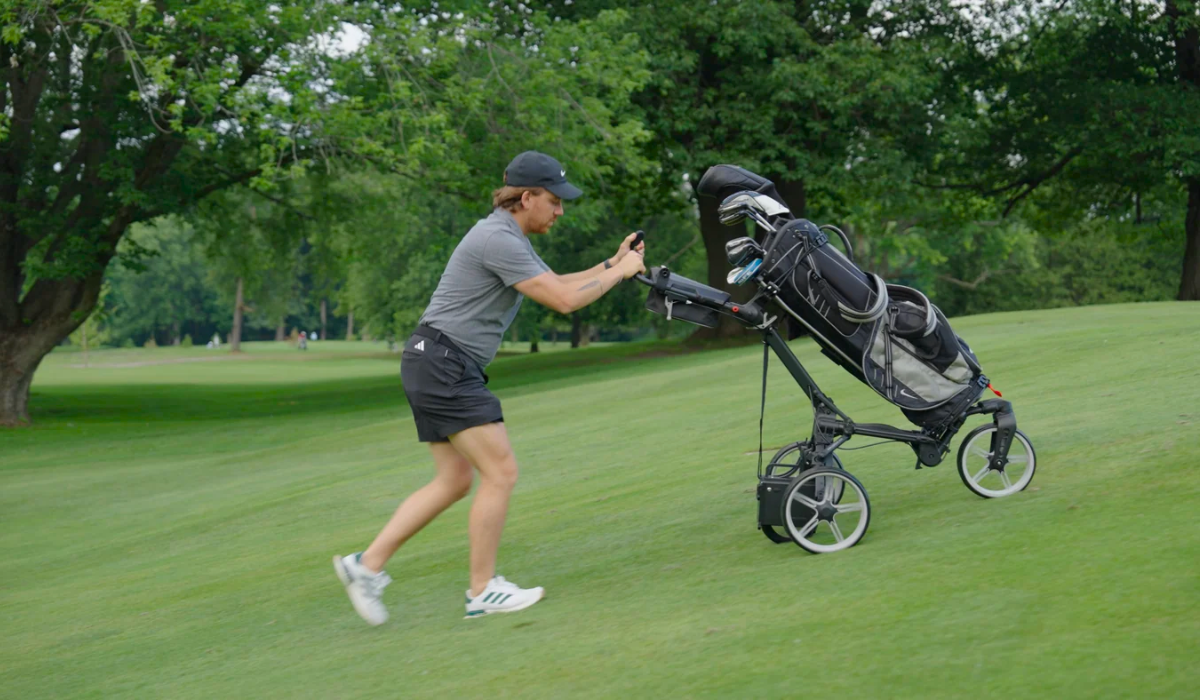
A 2023 Finnish study looked at what happens immediately after a round. Twenty-five healthy older golfers each completed three activities on different occasions: a walking round of 18 holes, a six-kilometre walk and a six-kilometre Nordic walk. This allowed researchers to compare how the same people responded to each activity.
Systolic blood pressure fell after all three activities. The golf round also produced more favourable immediate changes in some blood sugar and blood fat measures. The researchers pointed to the round’s longer duration and higher total energy expenditure as possible explanations, even though its average intensity was lower. The study measured responses after individual sessions, so the longer-term effects of playing regularly remain an open question.
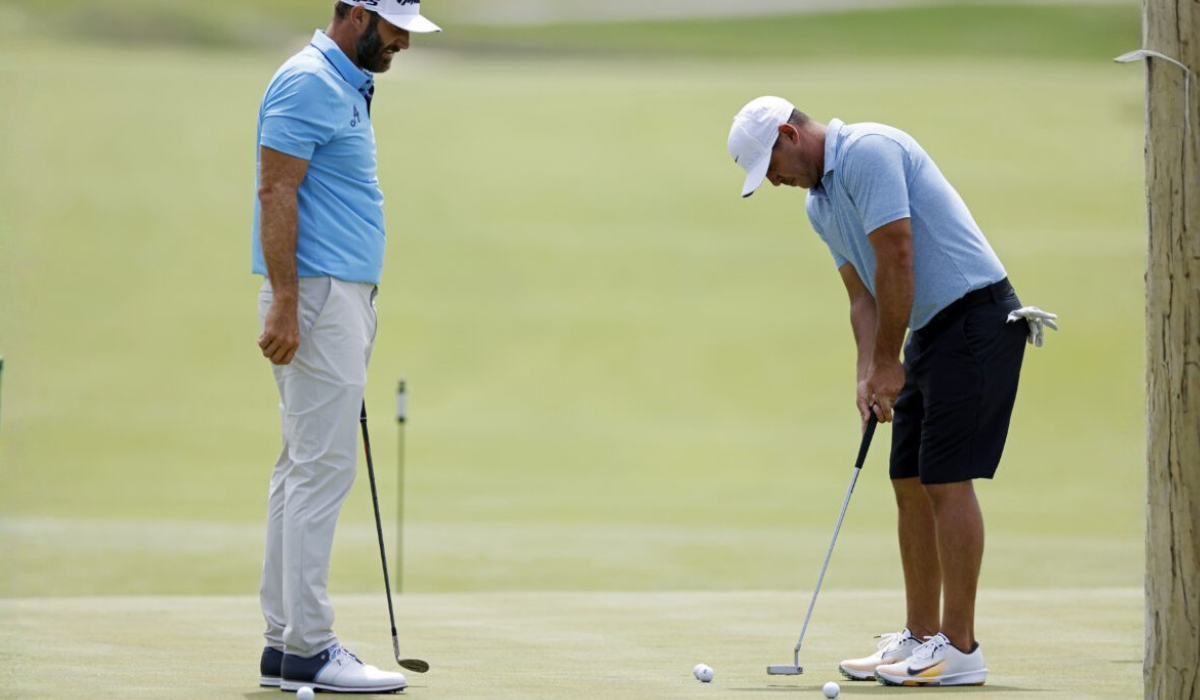
Each hole gives you something to think about while you walk. You might use the time between shots to read the wind, work out where you want your next shot to land or decide whether to take on a bunker. Those small decisions give the round a rhythm that feels different from going for a walk on its own.
In a 2023 study of older golfers, participants completed a test of visual attention and processing speed faster immediately after golf, ordinary walking and Nordic walking. The study measured a short-term change, and longer-term effects on thinking and memory remain uncertain. The social side is easier to notice first-hand: a standing tee time gives you a chance to catch up with friends while doing something active together.
The World Health Organisation recommends 150–300 minutes of moderate-intensity aerobic activity per week, along with muscle-strengthening exercise on at least two days. The brisker stretches of a walking round can contribute to that aerobic target. Older adults can also build balance and functional strength into their weekly routine.
If you usually ride, try walking nine holes on a familiar course before committing to a full round. A trolley can make the walk more comfortable if you prefer to avoid carrying your clubs, and a flatter layout can help you get used to the distance. Bring water, wear comfortable golf shoes and plan for sun protection. If a full round is hard to fit into the week, a regular nine-hole tee time can be easier to keep.
Your First Golf Holiday: A Beginner’s Guide
Understanding Course Rating and Slope: How Difficult Is a Golf Course Really?

Course Reviews
Fairmont La Hacienda: Redefining Luxury on the Costa del Sol
Fairmont La Hacienda Costa del Sol, which opened its doors in late February 2025, is more than a hotel — it’s a transformative addition to Spain’s storied coastline. Located in La Alcaidesa, San Roque, Cádiz, this €130 million investment marks Fairmont’s inaugural venture in Andalusia and its flagship property in Spain. Developed in partnership with […]
Clubs
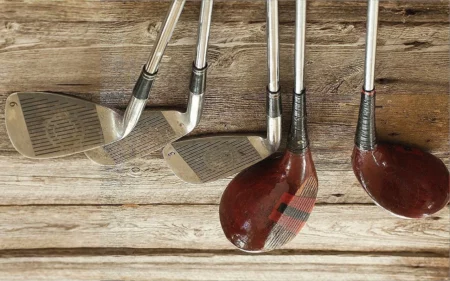
The Evolution of Golf Clubs: Then vs. Now
Golf has always been a sport of tradition, but nowhere is the passage of time more visible than in the tools of the game. From hand-crafted wooden clubs of centuries past to today’s technologically advanced equipment designed with aerospace engineering principles, the evolution of golf clubs tells a fascinating story of innovation, craftsmanship, and performance. […]