



Course Reviews
Golf in Madeira: Cliffs, Clouds and Two Unforgettable Courses
Explore 33,000+ golf courses in 180 countries.
Follow the latest news and trends in golf.
Connect with like-minded golfers.
Find everything you need for your golf equipment and gear needs.
Travel, golf resorts, lifestyle, gear, tour highlights and technology.
All Square
Suggestions
Course Reviews
Golf in Madeira: Cliffs, Clouds and Two Unforgettable Courses
Course Reviews
Night Golf and Floodlit Courses: Where to Play After Dark
Course Reviews
Your Next Golf Getaway to Lanzarote: Volcanic Landscapes, Ocean Views and Year-Round Sunshine
Amateur Golf
Understanding Course Rating and Slope: How Difficult Is a Golf Course Really?
Clubs
New Ping G450 Drivers: Four Models, New Technology and a Surprise Mini Driver
Course Reviews
Shoulder-Season Golf: Where to Play for Better Value and Fewer Crowds
Clubs
Andrew Novak WITB 2026: What’s in the Bag at the VidantaWorld Mexico Open?
Destinations
Your Golf Trip to Australia: A First-Time Guide to the Land Down Under
Course Reviews
Rosapenna Hotel & Golf Resort: A Legendary Links Golf Escape on Ireland’s Wild Atlantic Way
Clubs
Austin Smotherman WITB 2026: What’s in the Bag at the Butterfield Bermuda Championship?
Destinations
Thai Caddie Culture Explained: Tipping, Etiquette and What to Expect
Course Reviews
Best Golf Courses Around Munich: Where Championship Golf Meets Bavarian Beauty
Course Reviews
Marrakech vs Agadir for Golf: Which Moroccan Destination Should You Choose?
Accessories
Best Push Carts and Electric Trolleys for Golf in 2026
Course Reviews
Rediscover Monte Rei: Portugal’s Iconic Golf Course Reopens After Major Renovation
Course Reviews
Best Golf Courses Around Rome: Where Ancient History Meets Modern Golf
Instruction
Links vs Parkland vs Heathland: What’s the Difference?
Clubs
The Best Irons on the Market in 2026
Clubs
WITB: Ryan Fox’s Winning Clubs at the 2026 Open Championship
Community
How Modern Golf Courses Conserve Water and Protect Wildlife
PGA Tour
Changes on the PGA Tour from 2028
Course Reviews
Tee Off in Tuscany: Golfing Italy’s Most Picturesque Countryside
Course Reviews
The Best Golf Courses Near Pinehurst That Aren’t Pinehurst No. 2
Clubs
Scottie Scheffler’s Winning WITB at the 2026 American Express
Clubs
Russell Henley WITB 2026: The Clubs Behind His Charles Schwab Challenge Victory
PGA Tour
Presidents Cup 2026 Results & Winners: Team USA Completes Historic Comeback
Destinations
Golf Trip to Casablanca: Morocco’s Atlantic Golf Escape


There’s something wonderfully different about waking up with a tee time as your only appointment. A golf holiday gives you a chance to explore somewhere new, spend time outdoors and play courses you’d never see on a typical weekend. Whether you’re new to the game or taking your clubs abroad for the first time, a little planning can make the trip feel more relaxed from the moment you arrive.

A championship course might look spectacular in photos, but take a closer look at the scorecard and course map. Wide fairways, shorter tee options and fewer shots that have to clear water or deep bunkers can make your first round away more enjoyable. A nine-hole or par-three course is also a good place to start, particularly if you’re still getting comfortable playing a full round.
Ask the pro shop which tees suit the distance you usually hit the ball. If you’re travelling with more experienced golfers, you can each play from a different set of tees and still enjoy the round together. A well-chosen tee can give you a realistic shot at reaching the green in regulation.

Before paying for accommodation or flights, confirm that you can play the courses on your shortlist. Some clubs require proof of a recognised handicap or set a maximum Handicap Index for visitors. If you don’t have a handicap yet, ask about visitor access, academy courses or a playing lesson with a coach.
Book your tee times alongside your accommodation and check the dress code, cancellation terms and any scheduled course maintenance. If a hotel package includes golf, ask when your tee times will be confirmed. That detail matters if you’re trying to fit a round between an airport transfer and a dinner reservation.

For a three- or four-night trip, two rounds and an optional lesson give you plenty of time on the course while leaving room to explore. Keep arrival day flexible, especially if you’re flying. A short putting session or nine holes can be a pleasant way to settle in without committing to a tee time you might struggle to make.
An on-site resort can make the mornings easier, while staying in a nearby town gives you more options for dinner and sightseeing. Check the journey from your hotel to each clubhouse, especially if you’re relying on transfers. For later tee times, ask how much daylight you’ll have and whether the course offers a nine-hole rate.

Start with the details that shape your trip: the hotel, room type, meals, number of rounds and courses included. Then check which extras you’ll actually use, such as club hire, range balls, a trolley, a buggy or transport between the hotel and the course.
Ask whether buggy hire is charged per person or per vehicle and whether it needs to be reserved. If you’re comparing a package with booking everything separately, price the same rounds and extras both ways. A package that includes course transfers can be particularly convenient if you’re playing at several clubs and travelling without a car.
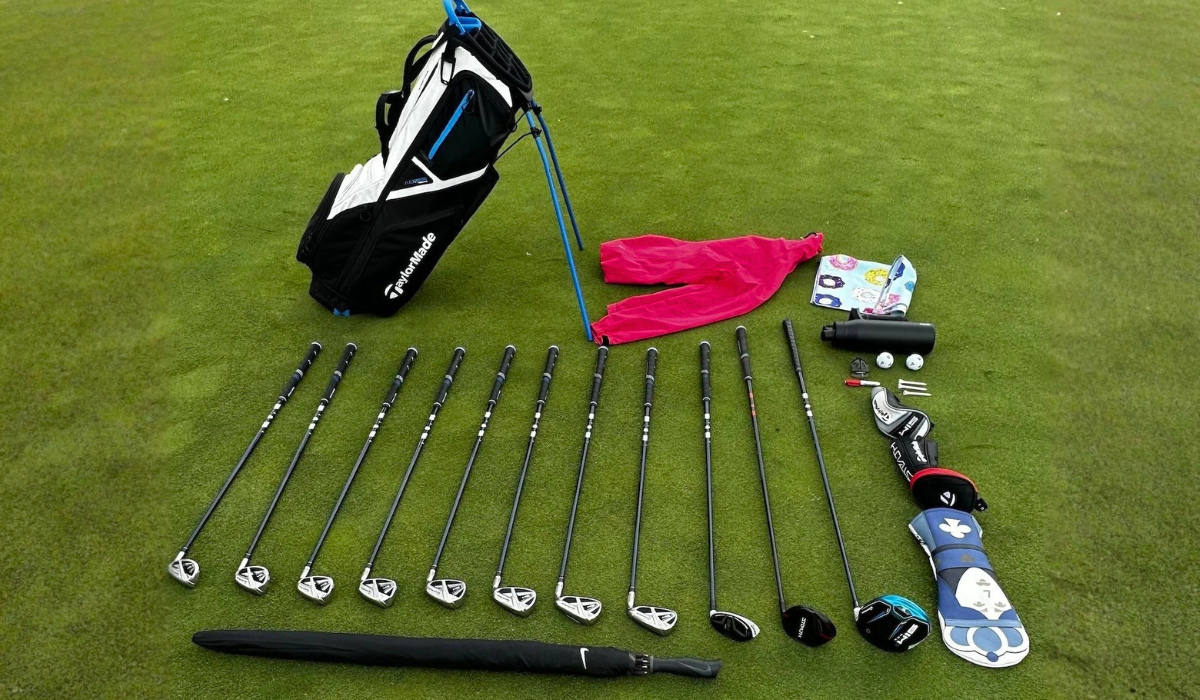
Taking your own clubs gives you a familiar set to play with. For a short trip, renting may save you the trouble of carrying a golf bag through the airport and fitting it into your transfer vehicle. Compare the airline’s sports equipment fee with the total rental cost for your rounds.
If you rent, reserve early and specify whether you play right- or left-handed. Ask what comes in the set, particularly if you rely on a hybrid or prefer a particular shaft flex. Bring your own glove and comfortable golf shoes, along with spare balls, tees, sun protection and a lightweight waterproof layer.

Get to the club early enough to check in, find the first tee and hit a few practice putts. During the round, choose your club while others are playing, when it’s safe to do so. Leave your bag on the side of the green closest to the next tee and write down your score after clearing the green.
In casual stroke play, your group can agree to play ready golf, so whoever is ready can hit when it’s safe. Repair pitch marks, rake bunkers and follow the club’s guidance on divots. If your group has fallen behind and is holding up faster players, let them through when there’s a safe opportunity.

If you book a lesson, schedule it early in the trip so you have time to try what you learned. Pick one manageable goal for each round, such as making more confident club choices or finding a reliable shot off the tee. You can also play a casual nine without keeping score and spend a little more time noticing the course around you.
Leave time for the things you’ll remember alongside the golf, whether that’s a long lunch after the round, an afternoon in town or a drink on the clubhouse terrace. Those moments are part of what makes playing somewhere new feel like a holiday.
Understanding Course Rating and Slope: How Difficult Is a Golf Course Really?
Garmin Golf Watches Guide: Which Garmin Watch Is Right for Your Game?

Destinations
The Surprising Choices of Golf in Hong Kong
Golf in Hong Kong has a long history. The Royal Hong Kong Golf Club was founded way back in 1889, which places it among a prestigious group of the 100 oldest clubs outside of Scotland. The club, now known as Hong Kong Golf Club, certainly emanates tradition and history. Therefore, no trip for any golf aficionado […]

Course Reviews
Historic Golf Courses You Must Play
Follow in the footsteps of legends and immerse yourself in the history of golf at these legendary bucket-list venues in the UK, Ireland, Australia and the United States. St. Andrews (Old Course) The Old Course at St Andrews has hosted 30 Open Championships since 1873, more than any other course. Golf has been played across […]