



Amateur Golf
Golf Club Fitting Explained: Is a Custom Fitting Worth It for Amateur Golfers?
Explore 33,000+ golf courses in 180 countries.
Follow the latest news and trends in golf.
Connect with like-minded golfers.
Find everything you need for your golf equipment and gear needs.
Travel, golf resorts, lifestyle, gear, tour highlights and technology.
All Square
Suggestions
Amateur Golf
Golf Club Fitting Explained: Is a Custom Fitting Worth It for Amateur Golfers?
Amateur Golf
Your First Golf Holiday: A Beginner’s Guide
Clubs
WITB: Blades Brown’s Winning Equipment at the 2026 World Wide Technology Championship
Course Reviews
Your Next Golf Getaway to Lanzarote: Volcanic Landscapes, Ocean Views and Year-Round Sunshine
Amateur Golf
Understanding Course Rating and Slope: How Difficult Is a Golf Course Really?
Clubs
New Ping G450 Drivers: Four Models, New Technology and a Surprise Mini Driver
Course Reviews
Shoulder-Season Golf: Where to Play for Better Value and Fewer Crowds
Clubs
Andrew Novak WITB 2026: What’s in the Bag at the VidantaWorld Mexico Open?
Destinations
Your Golf Trip to Australia: A First-Time Guide to the Land Down Under
Course Reviews
Rosapenna Hotel & Golf Resort: A Legendary Links Golf Escape on Ireland’s Wild Atlantic Way
Course Reviews
Night Golf and Floodlit Courses: Where to Play After Dark
Clubs
Austin Smotherman WITB 2026: What’s in the Bag at the Butterfield Bermuda Championship?
Course Reviews
Golf in Madeira: Cliffs, Clouds and Two Unforgettable Courses
Destinations
Thai Caddie Culture Explained: Tipping, Etiquette and What to Expect
Course Reviews
Best Golf Courses Around Munich: Where Championship Golf Meets Bavarian Beauty
Course Reviews
Marrakech vs Agadir for Golf: Which Moroccan Destination Should You Choose?
Clubs
WITB: Ryan Fox’s Winning Clubs at the 2026 Open Championship
Community
How Modern Golf Courses Conserve Water and Protect Wildlife
PGA Tour
Changes on the PGA Tour from 2028
Course Reviews
Tee Off in Tuscany: Golfing Italy’s Most Picturesque Countryside
Course Reviews
The Best Golf Courses Near Pinehurst That Aren’t Pinehurst No. 2
Clubs
WITB: The Clubs Justin Rose Trusted at 2026 Farmers Insurance Open
Clubs
Scottie Scheffler WITB: What’s in the Bag for His 2026 FedEx St. Jude Championship Win
Course Reviews
Lofoten Golf Experience: Playing at the Edge of the World
Clubs
WITB: Anthony Kim’s Long-Awaited Return to Glory in Adelaide
Destinations
The View Agadir: Morocco’s Newest Luxury Golf Base Has Arrived
Clubs
Scottie Scheffler’s Winning WITB at the 2026 American Express

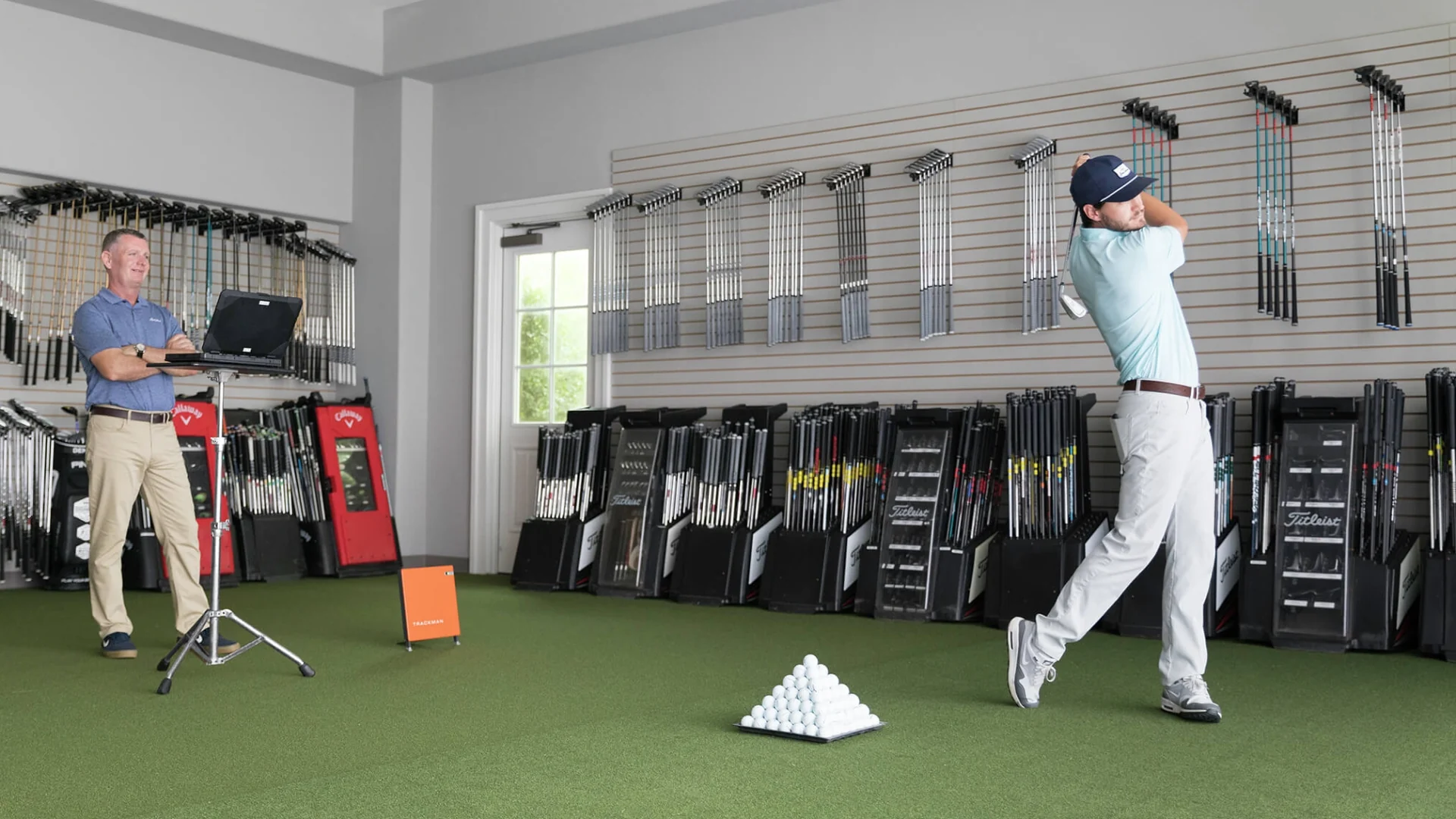
You would probably think twice about playing 18 holes in shoes that do not fit. Yet many golfers spend years using clubs chosen because they were discounted, recommended by a friend or spotted in a professional’s bag. Those clubs might be perfectly good—but how well do they suit the person swinging them?
Custom fitting helps answer that question. For amateur golfers, its value often lies in making everyday shots more predictable and identifying which equipment changes are actually worth paying for.
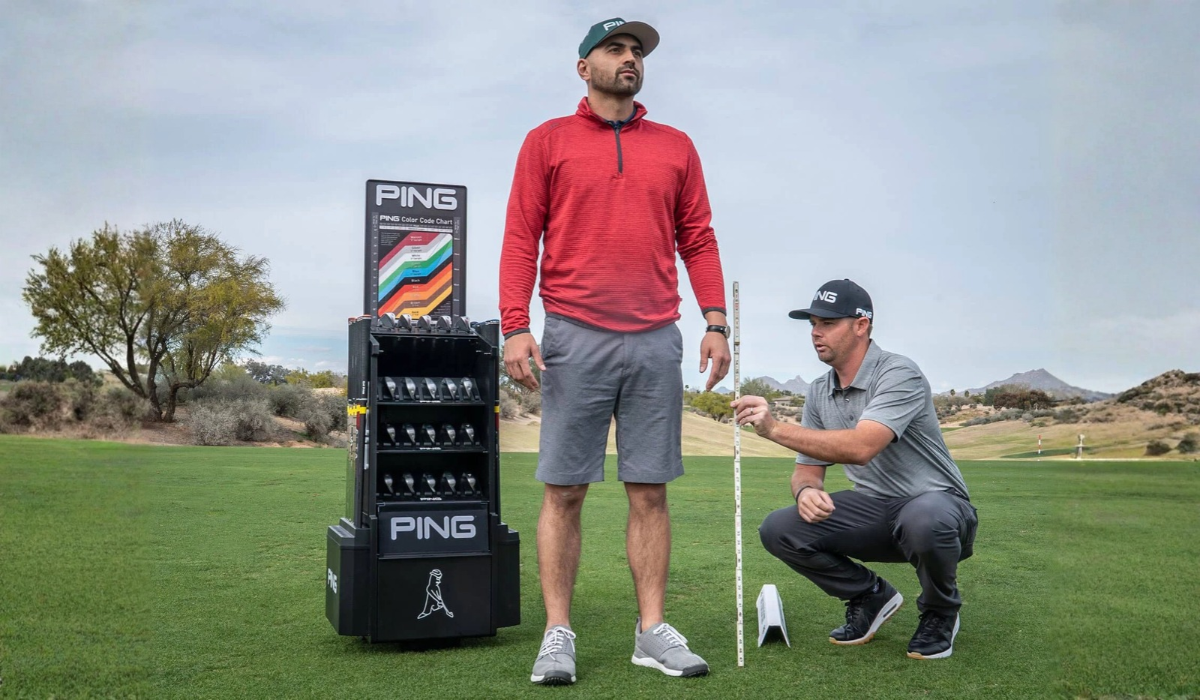
A fitting matches club specifications to your physical measurements, swing and playing goals. Club length, lie angle — the angle between the shaft and the sole — and grip size all matter. So do the clubhead design and the shaft’s weight and flex.
Measurements provide a starting point, followed by testing while you hit shots. PING, for example, uses height and wrist-to-floor measurements to establish initial iron recommendations, then considers ball flight and player feedback when refining the fit. Two golfers of the same height can therefore finish with different specifications.
“Custom” also does not necessarily mean a club built from scratch. It can mean a standard production model ordered with specifications selected for you.
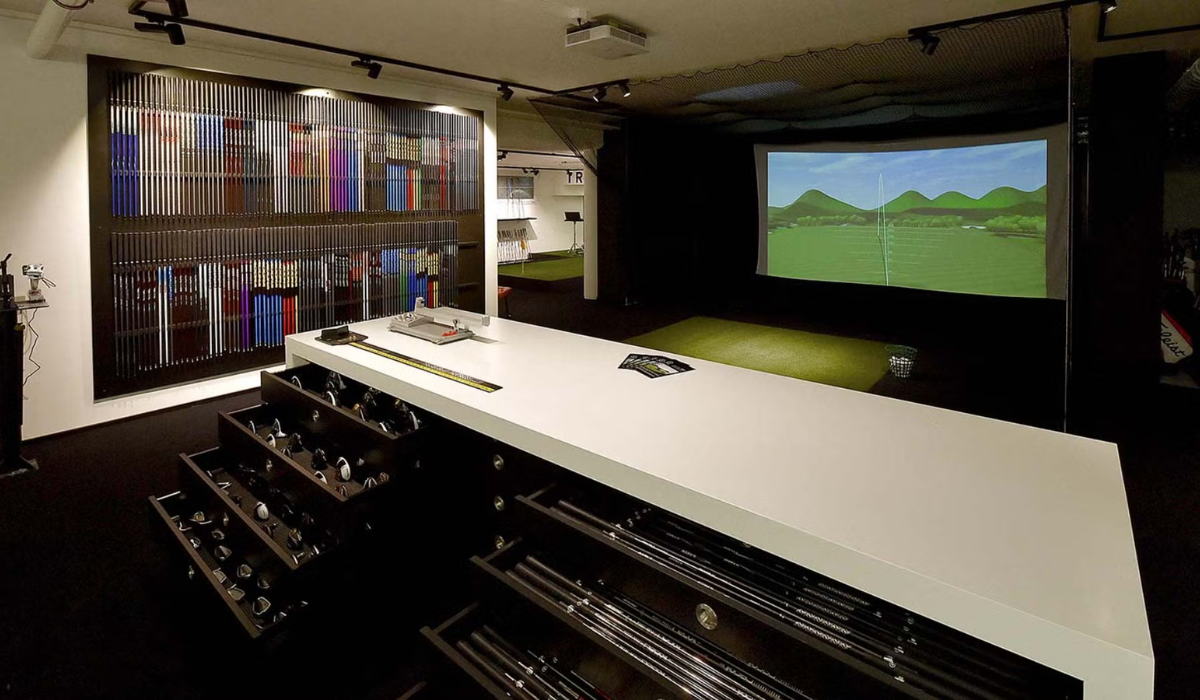
A useful session begins with a conversation: how often you play, your usual misses, what you hope to improve and how much you want to spend. You then hit your existing clubs to establish a baseline before testing alternatives.
Modern launch monitors measure factors such as ball speed, launch angle and spin. The fitter combines this information with your strike pattern, ball flight and feedback to compare different configurations. Titleist advises allowing approximately 30–60 minutes per club category, or two to three hours for a full-bag fitting.
The most useful result is a repeatable improvement across a group of shots. One spectacular drive tells you much less than a consistently tighter spread.

You do not need a single-figure handicap to have equipment needs. Beginners still need manageable club lengths, comfortable grips and clubs they can launch effectively. PING’s current fitting guidance specifically highlights the importance of suitable equipment early in a golfer’s development.
However, the scale of the investment should match your stage of learning. For someone just starting, a basic assessment and suitable starter set may be a sensible first step. A golfer who plays regularly and wants to replace several clubs has a stronger reason to explore a detailed fitting.
If you are making major swing changes, involve your coach. Titleist recommends discussing those changes with your instructor and communicating them to the fitter before the session.
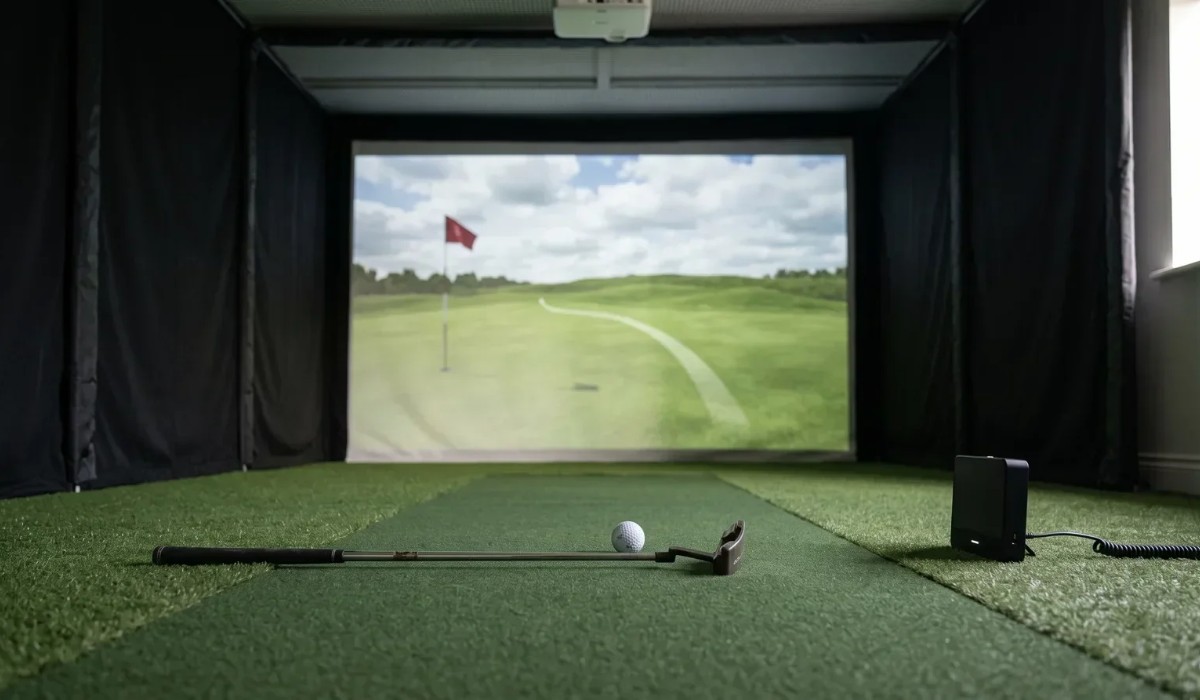
A fitting should examine how the clubs work together. PING’s fitting process includes checking distance gaps throughout the bag, helping identify clubs that perform overlapping jobs or leave awkward spaces between them.
For example, if your longest iron travels almost the same distance as the next one, another club configuration deserves testing. Equally, an iron that flies farther is only useful if its trajectory, stopping ability, and consistency suit the shots you need.
Ask to compare average carry distance, left-to-right dispersion and variation between shots. Better control can be more valuable than a few extra yards.
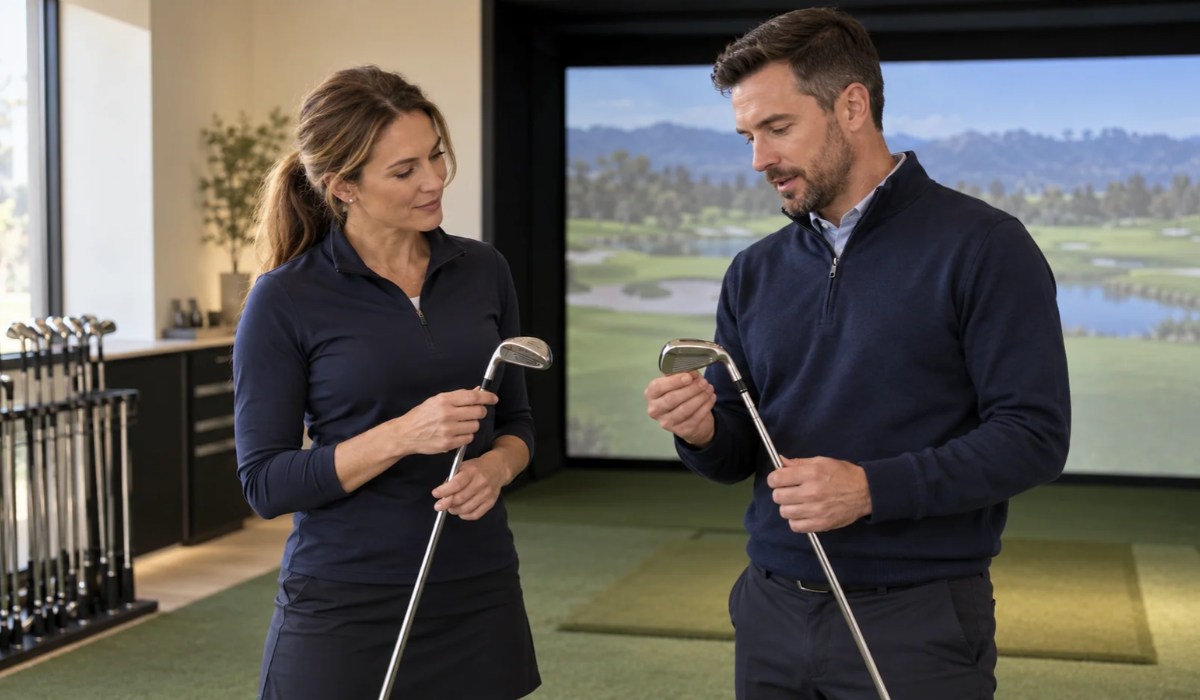
Confirm the fitting fee, what the appointment covers and whether any charge is credited towards a purchase. Set an equipment budget before testing begins, and ask to compare standard shaft options before considering upgrades.
Bring your current clubs and request a written specification sheet. Most importantly, ask the fitter to show how each recommendation improves on what you already own. If the difference is small, keeping your current equipment is a reasonable outcome.
You can also focus on one problem area first. A targeted driver or iron fitting may be easier to justify than replacing the entire bag at once.
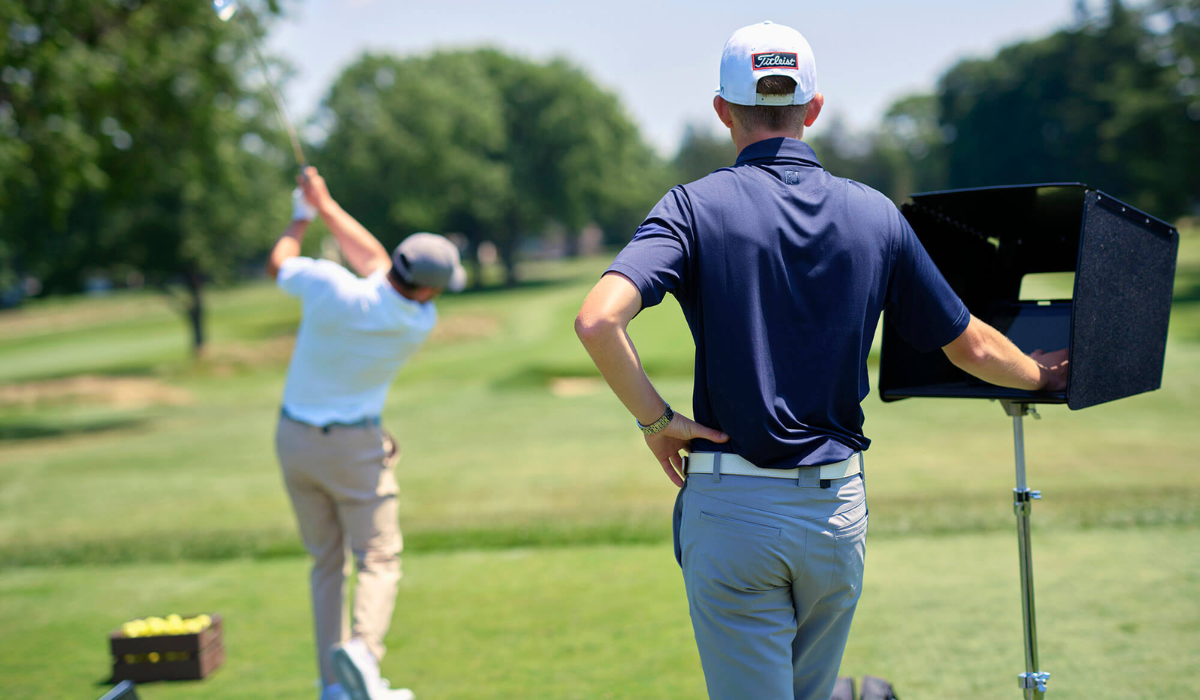
For regular amateur golfers buying equipment, a fitting is often a worthwhile way to make a more informed purchase. Its value is greatest when testing reveals a clear, repeatable benefit within your budget.
It cannot guarantee a lower handicap or replace practice. What it can do is help you choose clubs that support your game — and give you a convincing reason for every club you buy.
Your First Golf Holiday: A Beginner’s Guide
Understanding Course Rating and Slope: How Difficult Is a Golf Course Really?

Course Reviews
Belek, Turkey: All-inclusive golf destination
Belek is Turkey’s golfing capital with a huge selection of world-class golf courses and all-inclusive luxury resorts. Here’s our pick of the best. This Mediterranean coastal town is located in the southern region of Antalya and enjoys a superb climate with over 300 days of sunshine a year and temperatures around a mild 15°C in […]

Destinations
The Six Best Golf Hotels in Portugal
Beautiful landscapes, a fascinating culture, and an abundance of world-class courses ensure Portugal is one of golf’s most popular destinations. Whether you travel to the ever-popular Algarve, the country’s mesmerising Silver Coast, or the historic town of Obidos, you will not only find great golf but a selection of Europe’s finest golf hotels. To ensure […]