


Clubs
This Year’s Best Drivers on the Market: A 2026 Buyer’s Guide
Explore 33,000+ golf courses in 180 countries.
Follow the latest news and trends in golf.
Connect with like-minded golfers.
Find everything you need for your golf equipment and gear needs.
Travel, golf resorts, lifestyle, gear, tour highlights and technology.
All Square
Suggestions
Clubs
This Year’s Best Drivers on the Market: A 2026 Buyer’s Guide
PGA Tour
Changes on the PGA Tour from 2028
Course Reviews
Best Golf Courses Around Rome: Where Ancient History Meets Modern Golf
Instruction
Links vs Parkland vs Heathland: What’s the Difference?
Clubs
The Best Irons on the Market in 2026
Clubs
Austin Smotherman WITB: The Clubs Behind His 2026 Bank of Utah Championship Win
Destinations
Barrière Golf Properties: French Golf Escapes Where the Resort Is Part of the Experience
Destinations
Conrad Algarve Renovations: A New Chapter of Luxury in Quinta do Lago
Gear
Garmin Golf Watches Guide: Which Garmin Watch Is Right for Your Game?
PGA Tour
Presidents Cup 2026 Results & Winners: Team USA Completes Historic Comeback
Course Reviews
Cullinan Golf Links Resort, Belek: Where Golf Meets the Mediterranean
Course Reviews
New Opening: Limassol Greens — Cyprus’ New Golf Destination
PGA Tour
Presidents Cup 2026 Preview: Everything to Know Before Medinah
Clubs
Jacob Bridgeman WITB: The Clubs Behind His 2026 Biltmore Championship Victory
Course Reviews
Play Golf at Pebble Beach: What to Know Before You Go
Professional Golf
Solheim Cup Results & Winners 2026: Europe Reclaims the Trophy
Course Reviews
Fancourt: The Garden Route Estate Where South African Golf Grew Up
Course Reviews
Best Golf Courses Around Madrid
Clubs
TaylorMade Spider ZT Putter Review: What It Is, How It Performs, and Whether It’s Worth the Upgrade
Course Reviews
Your Golf Trip to Tunisia: Courses, Costs, and What to Actually Expect
Clubs
WITB: Ryan Fox’s Winning Clubs at the 2026 Open Championship
Community
How Modern Golf Courses Conserve Water and Protect Wildlife
Course Reviews
Tee Off in Tuscany: Golfing Italy’s Most Picturesque Countryside
Course Reviews
The Best Golf Courses Near Pinehurst That Aren’t Pinehurst No. 2
Majors
Masters 2026: Augusta National Course Preview & FAQ
Clubs
Kristoffer Reitan’s Winning WITB at the 2026 Truist Championship
Course Reviews
Streamsong’s Newest Masterpiece: Why Bone Valley Might Be Its Boldest Statement Yet
Clubs
WITB: Anthony Kim’s Long-Awaited Return to Glory in Adelaide

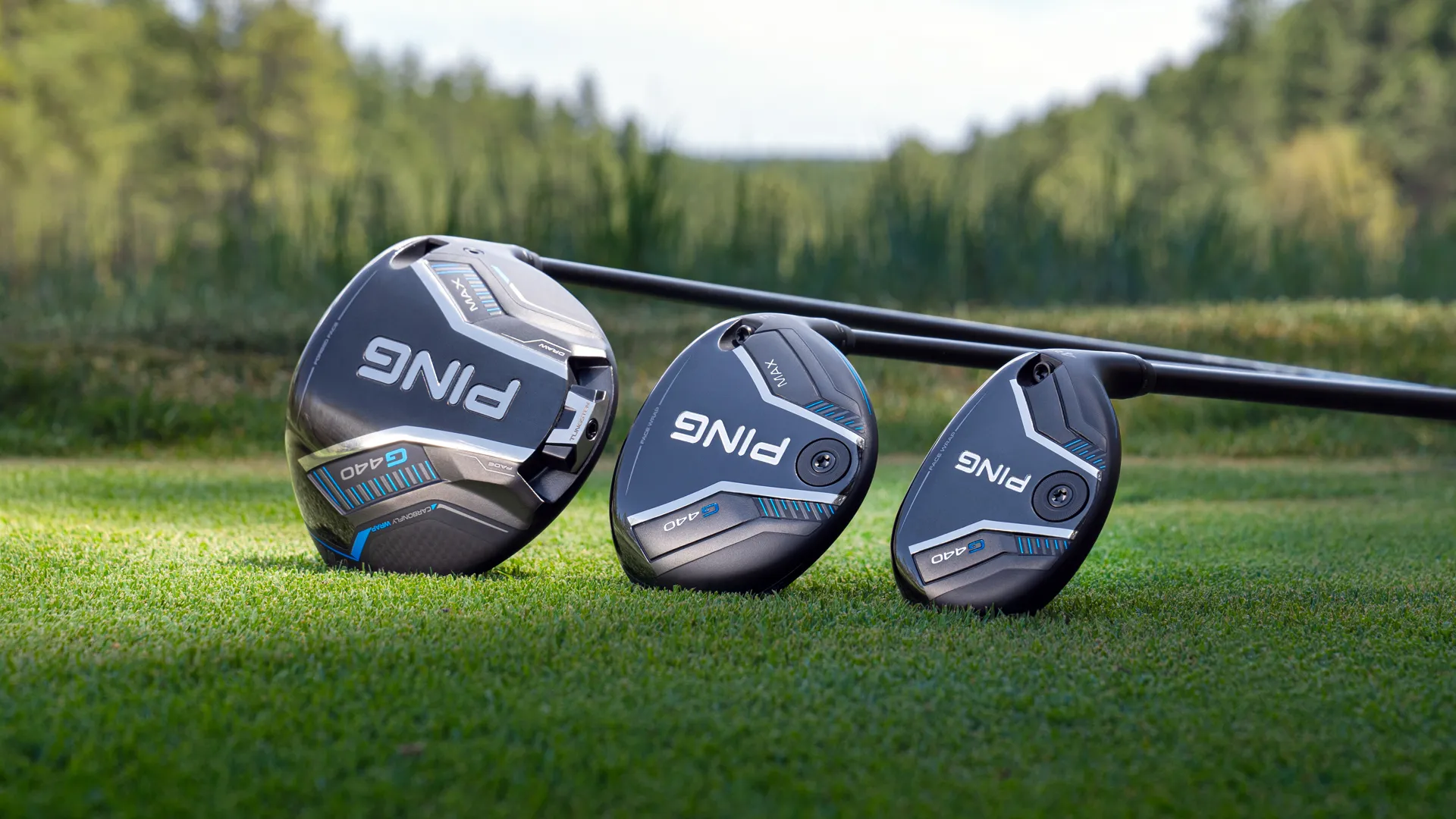
Every golf equipment cycle brings its share of noise — new marketing language, recycled promises, and just enough tweaking to justify a new price tag. Ping’s G440 family, launched in January 2025 and expanded through 2026, is a rarer thing: a lineup that actually rethinks how it distributes weight inside the clubhead, and does it consistently across drivers, fairway woods, hybrids, and irons. Understanding what changed — and why it matters for the golfer choosing between models — takes a bit more than a glance at a spec sheet. Here’s the full picture.
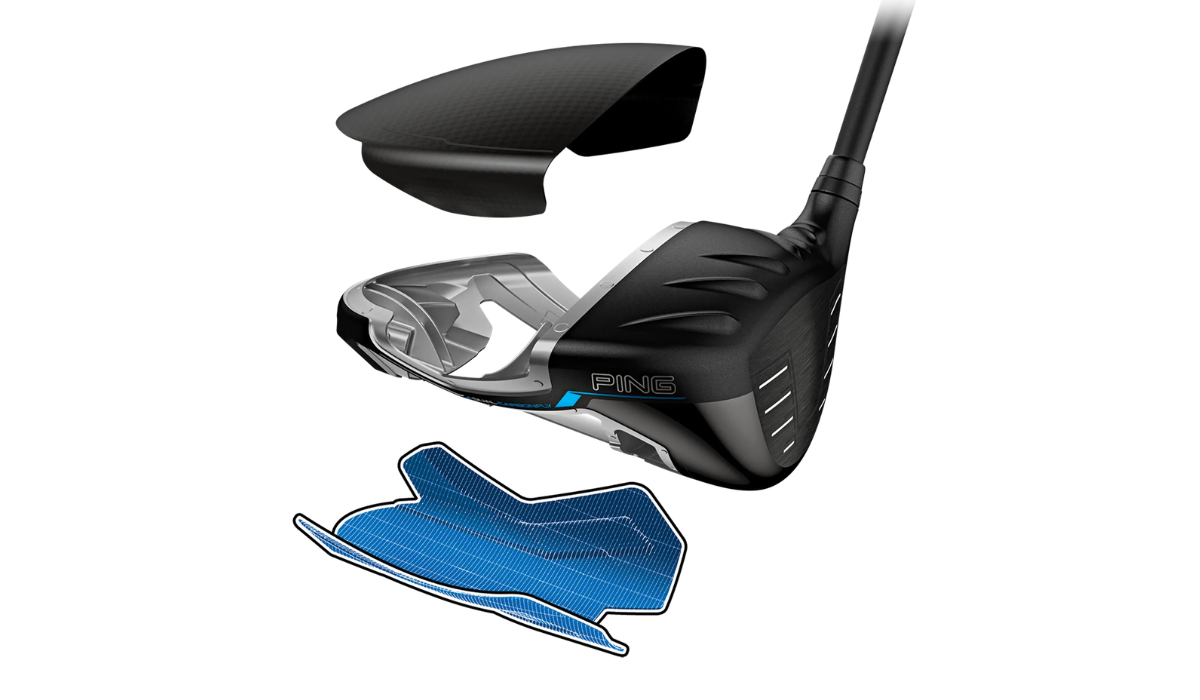
Ping has historically built its reputation on perimeter weighting — pushing mass to the edges of a clubhead to maximise forgiveness on off-center strikes. With the G440 family, the company shifted its central engineering focus toward lowering the center of gravity (CG) instead. Two technologies make that possible across nearly every club in the range.
The first is the Carbonfly Wrap, a lightweight carbon crown that replaces heavier titanium in key areas. In the previous G430 generation, carbon crowns were reserved for the low-spin LST driver. In the G440 line, Ping extended carbon construction across the entire driver family, plus the fairway woods and hybrids, freeing up grams that get reinvested lower in the head.
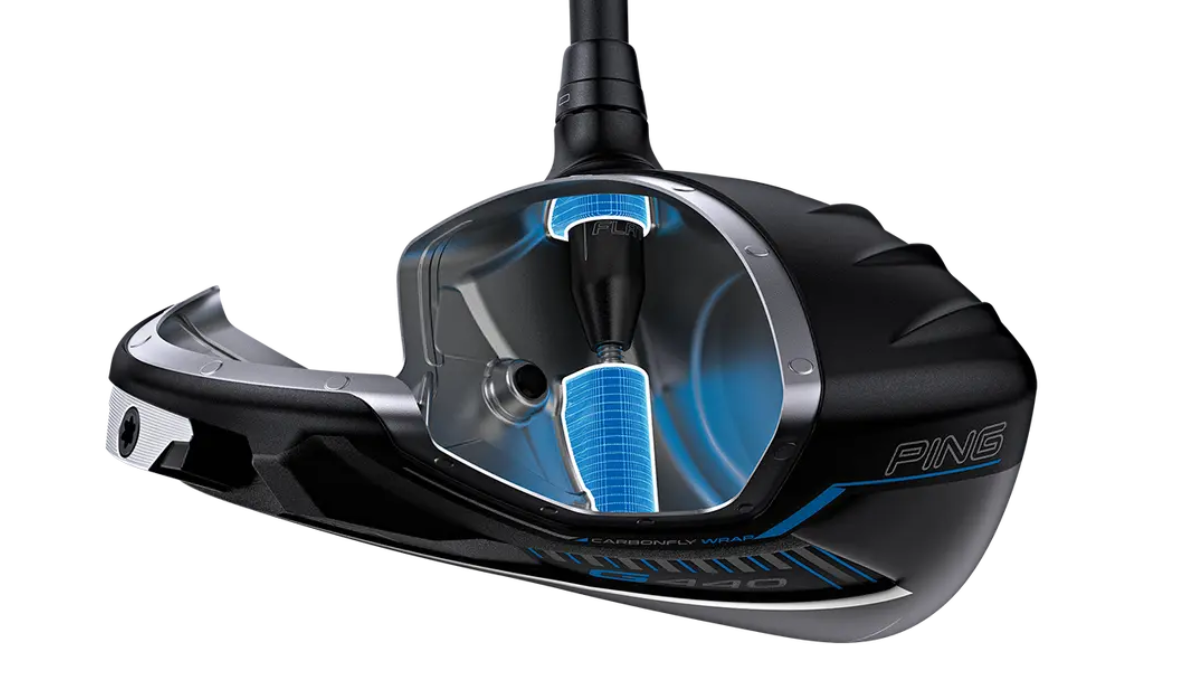
The second is Free-Hosel Technology, which removes material from the hosel section — an area that traditionally added unnecessary mass — and relocates it toward the sole. Between the two innovations, Ping says its engineers freed up roughly five grams in the driver’s heel region alone, enough to meaningfully drop the CG without shrinking the head or sacrificing MOI (moment of inertia, the metric that governs resistance to twisting on mishits).
The result, according to Ping, is the lowest center of gravity in the company’s driver history — a claim that shows up consistently across its marketing for the Max, LST, and SFT models.
Ping kept its familiar three-model driver structure for G440, then added a fourth in early 2026.
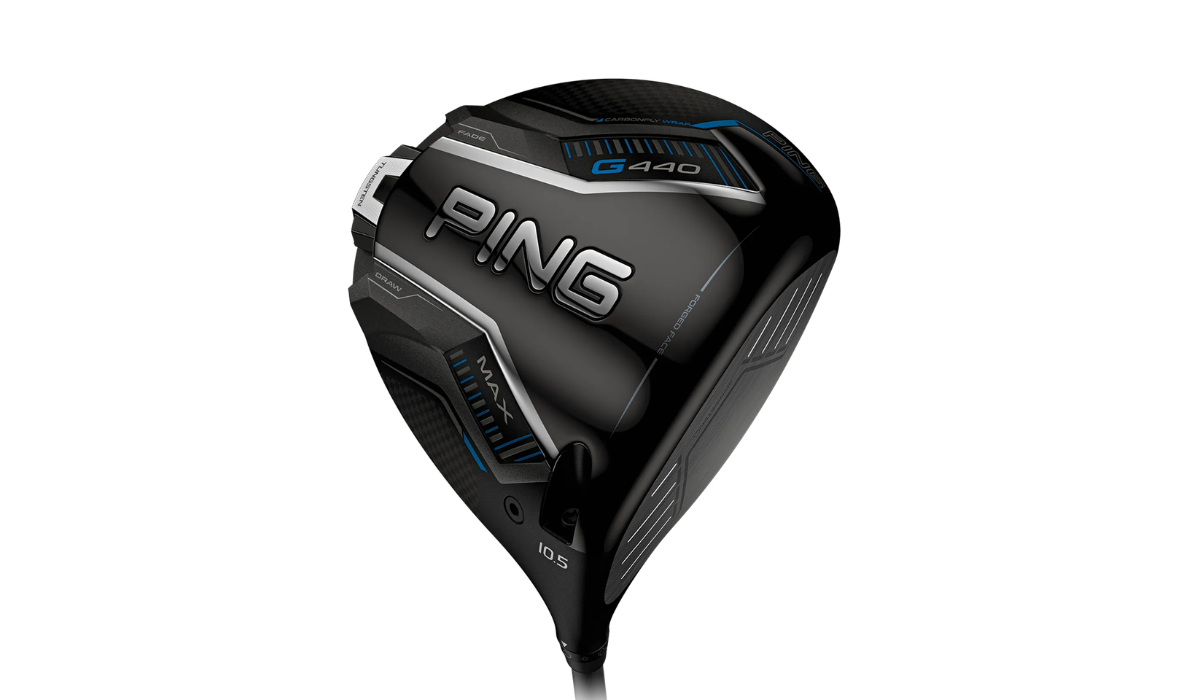
G440 Max is the volume seller and the most forgiving of the three original heads. It’s built for the widest range of swing types, with a three-position adjustable back weight and lofts spanning 9°, 10.5°, and 12°. Ping also gave it a slightly longer standard shaft (46 inches) and a lighter overall system weight — about 10 grams lighter than the outgoing G430 Max — aimed at helping golfers generate more clubhead speed without changing their swing.
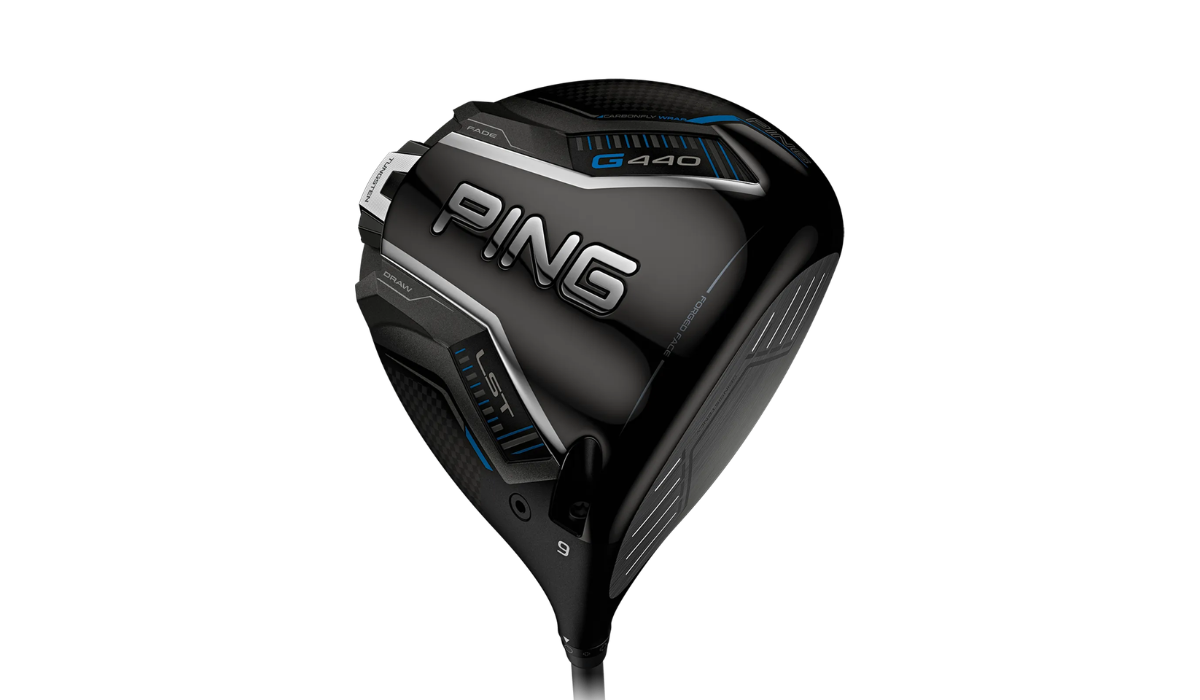
G440 LST (Low Spin Technology) targets faster swing speed players who need to control spin rather than add it. It shares the three-position back weight of the Max but is built with a shallower face and different internal weighting to flatten launch and trim spin numbers, available in 9° and 10.5° lofts.
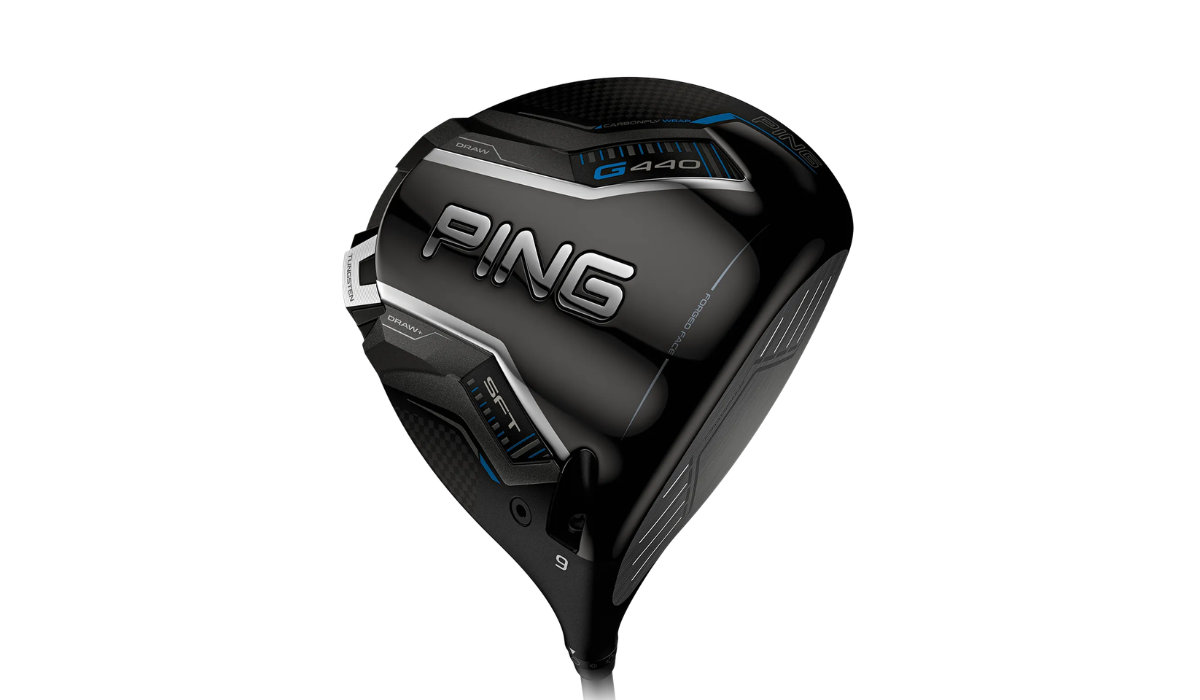
G440 SFT (Straight Flight Technology) is Ping’s slice-correction driver. Instead of the three-way adjustable weight found in the Max and LST, the SFT uses a two-position, 23-gram back weight limited to Draw and Draw+ settings, offered in 9° and 10.5° lofts. The head’s internal weighting is biased toward the heel to actively fight a left-to-right ball flight.
Each of the three original models is also offered in an HL (High Launch) build, which pairs lighter components with Ping’s Alta Quick shaft and a slightly longer standard length to help slower-swing-speed players get the ball in the air more easily.
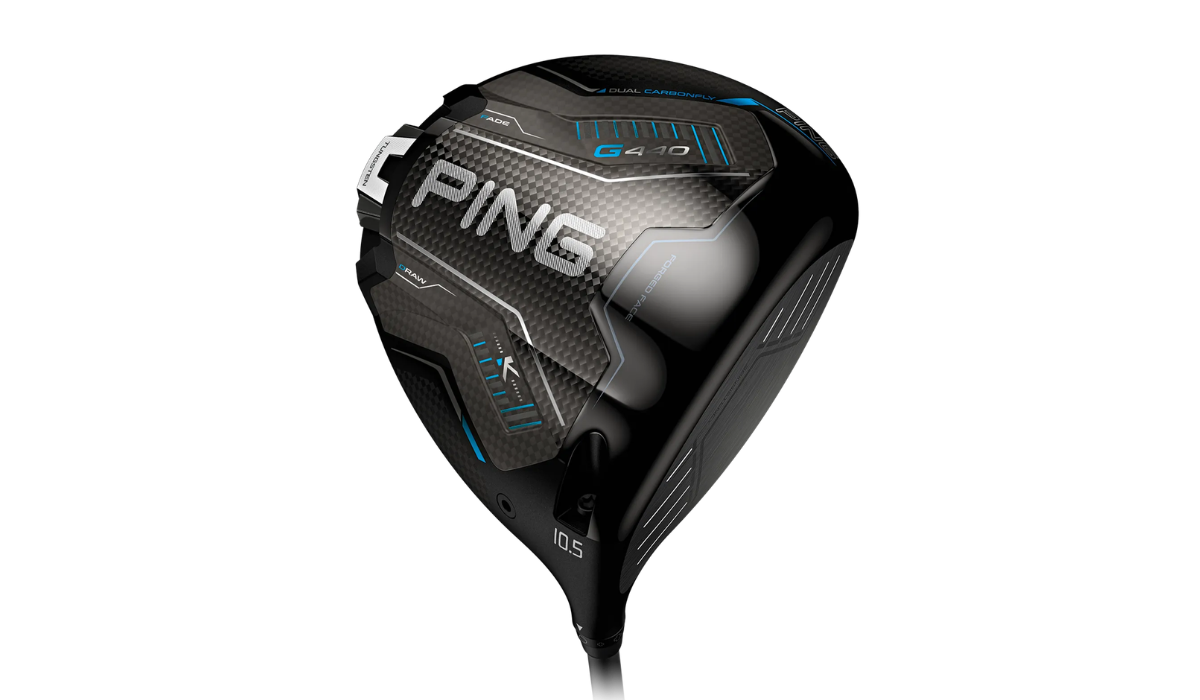
G440 K, released in January 2026, is the newest addition and a departure from Ping’s usual two-year product cycle — the company took the same approach with the G430 10K a generation earlier, using an off-cycle “gap year” model to push MOI as far as it will go. The G440 K is Ping’s highest-MOI driver to date, built around a new 32-gram, three-position adjustable back weight (Draw, Neutral, Fade) that’s four grams heavier than the weight used in the G430 10K. That extra mass, combined with a Dual Carbonfly Wrap crown and further weight savings in the sole, pushes the CG lower and deeper than any previous Ping driver. A new T9S+ face variable-thickness design allows for more flexing across the hitting area, particularly in the heel, which Ping says increases ball speed on the mishits that plague higher-handicap golfers. Despite the added back weight, the head itself is three grams lighter than the G430 10K’s. It carries a premium price point near €750, reflecting its position as the forgiveness flagship of the family.
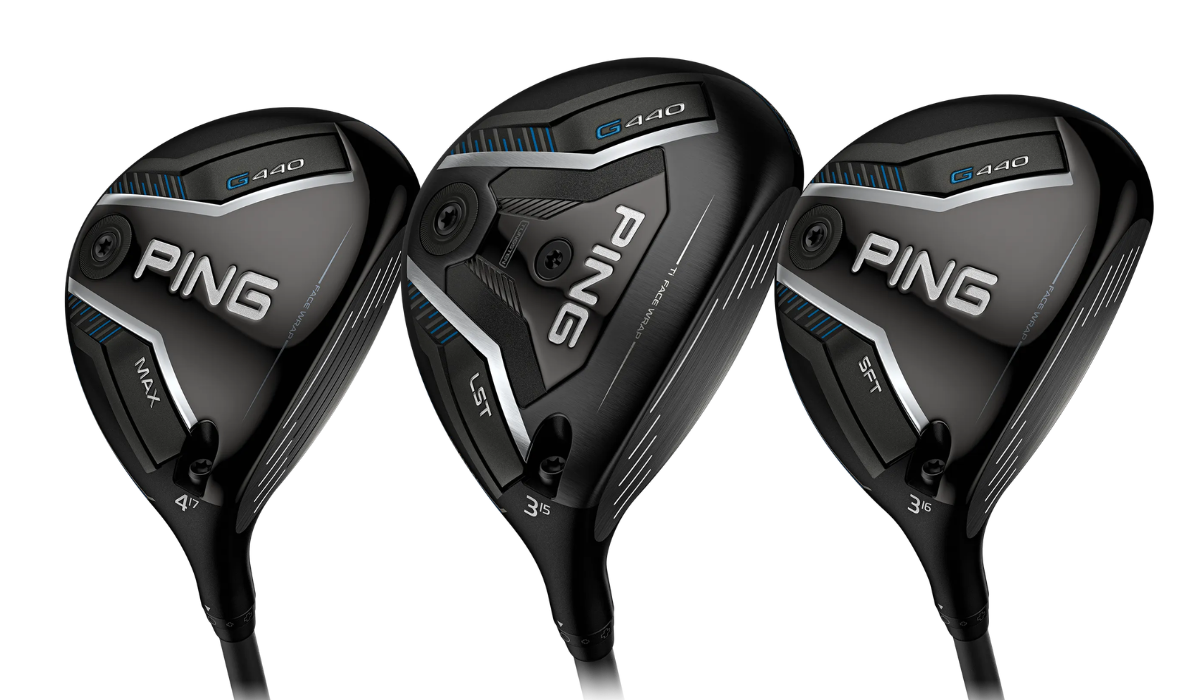
Ping carried the same three-way structure — Max, LST, SFT — into the G440 fairway wood range, and used the update to fill gaps in the loft lineup. The Max brought back a 17° 4-wood option and nudged its 5-wood up to 19° to better separate the two clubs, giving fitters more room to match a player’s exact distance gaps rather than forcing them between two overlapping options.
The Max and SFT share a similar forgiveness-first mission to their driver counterparts, while the LST is built for players who want the lowest-spinning, flattest-launching fairway wood in the range. It’s constructed with a new HST 220 titanium face for added face flex and ball speed, paired with a Ti-811 titanium body and roughly 85 grams of tungsten positioned low in the sole to maximise distance without sacrificing stability. As with the drivers, HL builds are available across the fairway wood range for golfers who need extra height and carry.
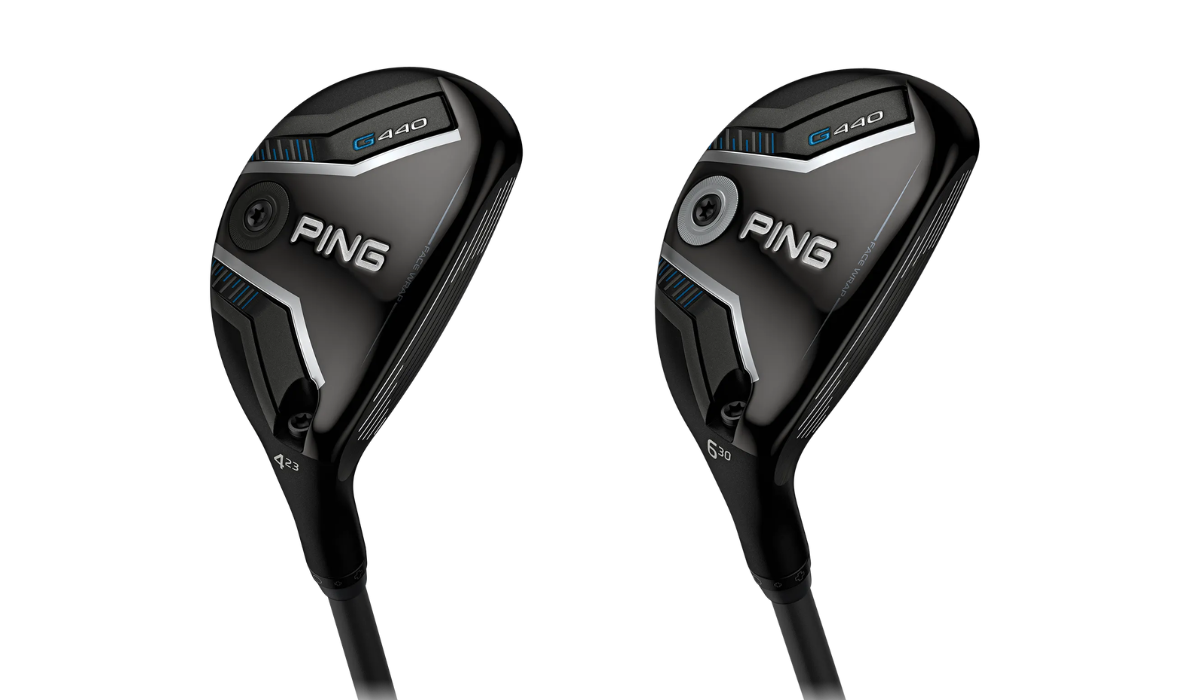
The G440 hybrid range expanded to six head designs, giving Ping one of the deepest hybrid selections in the game-improvement category. Loft coverage runs from roughly 17° down through the low-30s, overlapping intentionally with both the fairway wood and iron ranges so fitters can build a bag with no distance gaps.
Internally, the hybrids borrow directly from the fairway wood playbook: a lightweight carbon crown frees mass that gets repositioned into a low, forward tungsten weight, which lowers spin and improves energy transfer at impact. Some designs suspend that tungsten weight on screws so it “floats” above the internal structure, letting the sole and face flex more freely — particularly useful on the low, thin strikes that are common with hybrids played from the deck. An HL hybrid build is also offered for slower swing speeds.
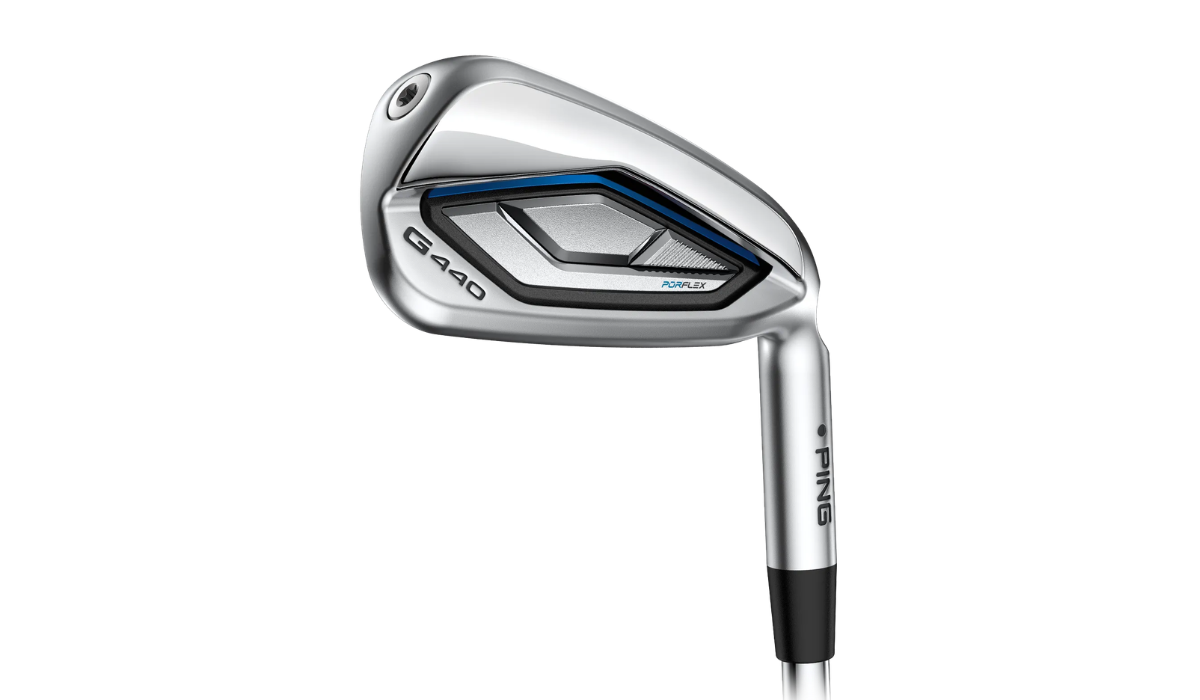
The G440 irons, which hit stores in January 2025 at $170 per club with steel shafts ($185 graphite), represent one of the more counterintuitive updates in the family. Rather than growing the head to chase more forgiveness — the usual game-improvement playbook — Ping shrank the profile of the G440 irons compared to the G430, while still increasing ball speed, launch angle, and carry distance in independent testing.
That combination was made possible by a new heat-treatment process applied to the 17-4 stainless steel clubhead, which allowed Ping to build a variable-thickness face roughly nine percent thinner than the G430’s without compromising durability. A lower, more forward center of gravity — consistent with the philosophy running through the rest of the family — helps generate higher launch and more forgiving ball speed across the face.
Loft-wise, the G440 irons run on the stronger side of the game-improvement category, with a 7-iron at roughly 28.5° and a 5-iron at 22° — both a shade stronger than traditional lofts, which is part of how Ping delivers the distance gains buyers expect in this segment. The set earned Golf Digest’s Hot List Gold award for 2026 as the publication’s top game-improvement iron.
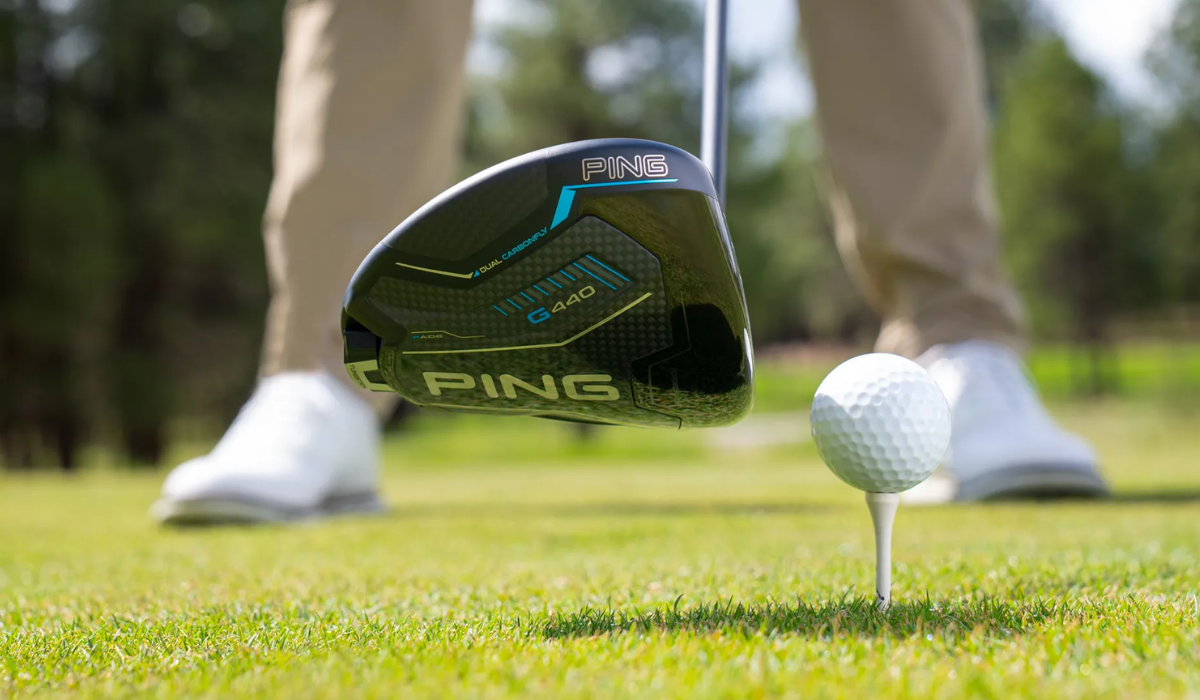
Taken as a whole, the G440 lineup is Ping’s answer to a fitting puzzle rather than a single golfer. The Max products across every category are the broad, forgiving defaults most players should start a fitting with. The LST models step in for faster-swing, lower-spin players who are already finding plenty of height and need help keeping the ball down. The SFT clubs solve a specific problem — the chronic slice — rather than trying to be all things to all golfers. The HL builds extend the whole family down to slower swing speeds without forcing those players into a compromise head. And the G440 K exists purely to chase the outer limit of forgiveness, for golfers whose biggest opponent off the tee is their own occasional mishit.
That range of purpose-built options, tied together by one coherent engineering idea — carbon weight savings reinvested into a lower CG — is what makes the G440 family worth understanding model by model rather than trying to shop for “the new Ping driver” in general.


Destinations
Monte Rei Enters a New Era: Deep Renovation to Preserve a Legendary Course
Few golf courses in Europe enjoy the reverence and global acclaim that Monte Rei does. Nestled in the rolling hills of Portugal’s Eastern Algarve, this exclusive resort has been a must-play destination for serious golfers since its signature North Course opened in 2007, designed by 18-time major champion Jack Nicklaus. Known for its dramatic views, […]
Gear
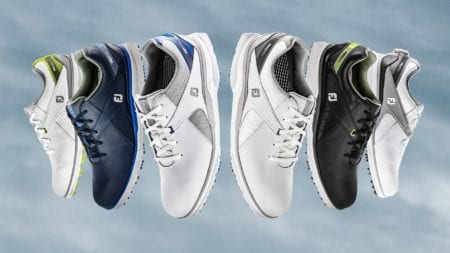
Coolest Shoes in Golf
We’ll be opening our e-Shop later in 2020. You’ll be able to purchase everything you need, from golf clubs and balls to shoes, clothing, accessories and gadgets. As an All Square user you’ll also be able to post your own equipment reviews and comments. Kick the season off by treating yourself to some new golf shoes! Nike […]