



Accessories
Best Push Carts and Electric Trolleys for Golf in 2026
Explore 33,000+ golf courses in 180 countries.
Follow the latest news and trends in golf.
Connect with like-minded golfers.
Find everything you need for your golf equipment and gear needs.
Travel, golf resorts, lifestyle, gear, tour highlights and technology.
All Square
Suggestions
Accessories
Best Push Carts and Electric Trolleys for Golf in 2026
Course Reviews
Rediscover Monte Rei: Portugal’s Iconic Golf Course Reopens After Major Renovation
Course Reviews
Best Golf Courses Around Rome: Where Ancient History Meets Modern Golf
Instruction
Links vs Parkland vs Heathland: What’s the Difference?
Clubs
The Best Irons on the Market in 2026
Clubs
Austin Smotherman WITB: The Clubs Behind His 2026 Bank of Utah Championship Win
Destinations
Barrière Golf Properties: French Golf Escapes Where the Resort Is Part of the Experience
Destinations
Conrad Algarve Renovations: A New Chapter of Luxury in Quinta do Lago
Gear
Garmin Golf Watches Guide: Which Garmin Watch Is Right for Your Game?
PGA Tour
Presidents Cup 2026 Results & Winners: Team USA Completes Historic Comeback
Course Reviews
Cullinan Golf Links Resort, Belek: Where Golf Meets the Mediterranean
Course Reviews
New Opening: Limassol Greens — Cyprus’ New Golf Destination
PGA Tour
Presidents Cup 2026 Preview: Everything to Know Before Medinah
Clubs
Jacob Bridgeman WITB: The Clubs Behind His 2026 Biltmore Championship Victory
Course Reviews
Play Golf at Pebble Beach: What to Know Before You Go
Professional Golf
Solheim Cup Results & Winners 2026: Europe Reclaims the Trophy
Clubs
This Year’s Best Drivers on the Market: A 2026 Buyer’s Guide
Clubs
WITB: Ryan Fox’s Winning Clubs at the 2026 Open Championship
Community
How Modern Golf Courses Conserve Water and Protect Wildlife
PGA Tour
Changes on the PGA Tour from 2028
Course Reviews
Tee Off in Tuscany: Golfing Italy’s Most Picturesque Countryside
Course Reviews
The Best Golf Courses Near Pinehurst That Aren’t Pinehurst No. 2
Destinations
Boutique Golf Hotels with Personality
Lifestyle
10 Common Mistakes When Booking Golf Trips
Destinations
The Best Golf Experiences Within Two Hours of Paris
Lifestyle
Golf & Bee Sanctuaries: A Surprising Partnership
Course Reviews
Beyond the Autobahn: Germany’s Best Golf Experiences
Clubs
J.J. Spaun’s Winning WITB: 2026 Valero Texas Open

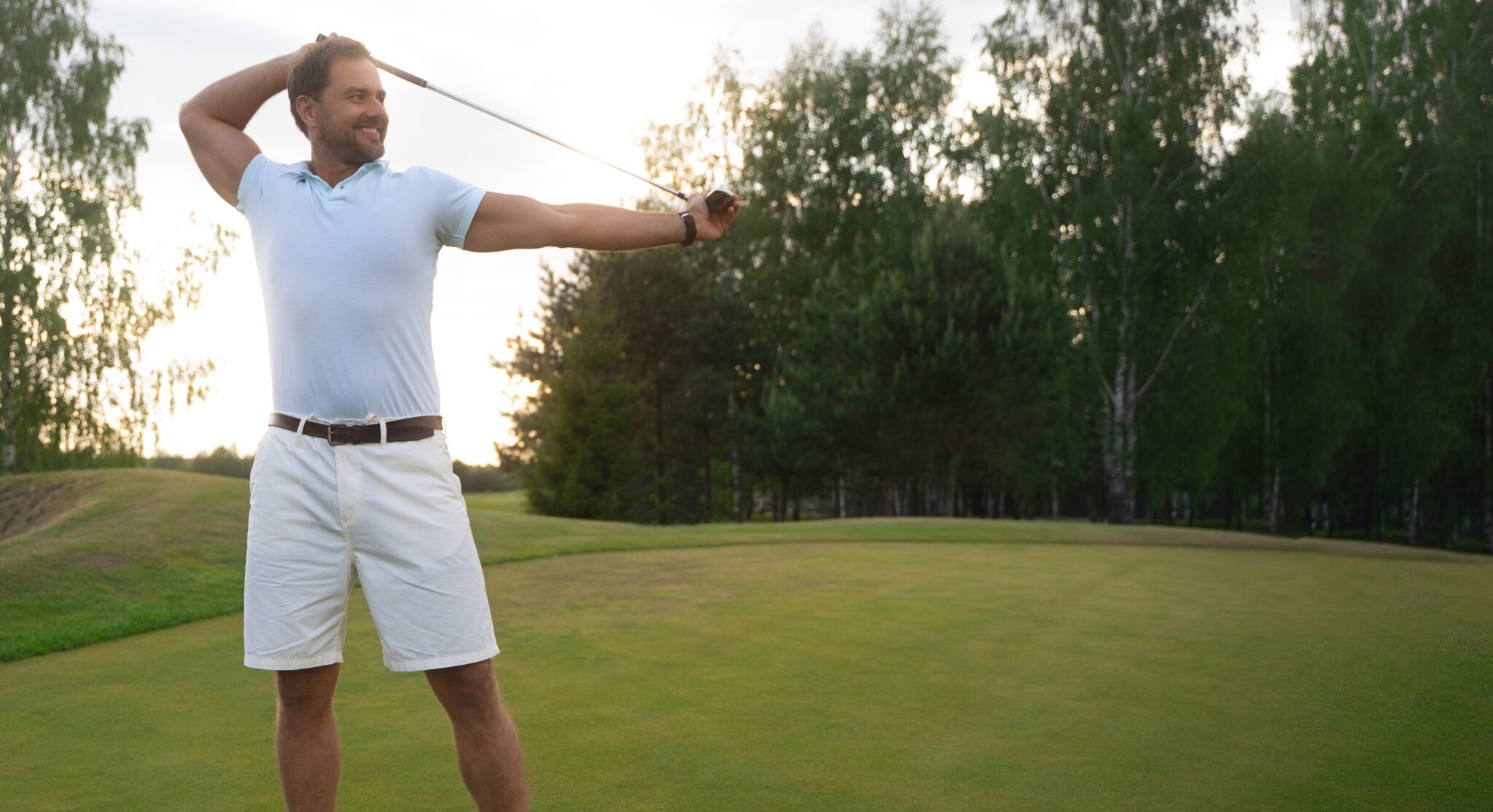
A great golf round doesn’t end on the 18th green. For professionals, recovery is just as important as ball striking, driving distance, and putting accuracy. Modern players treat their bodies like high-performance machines, knowing that consistent recovery reduces fatigue, lowers injury risk, and enhances performance for the next tee time. Whether you’re a weekend golfer or preparing for competitive play, adopting pro-level recovery habits can transform how you feel after every round.
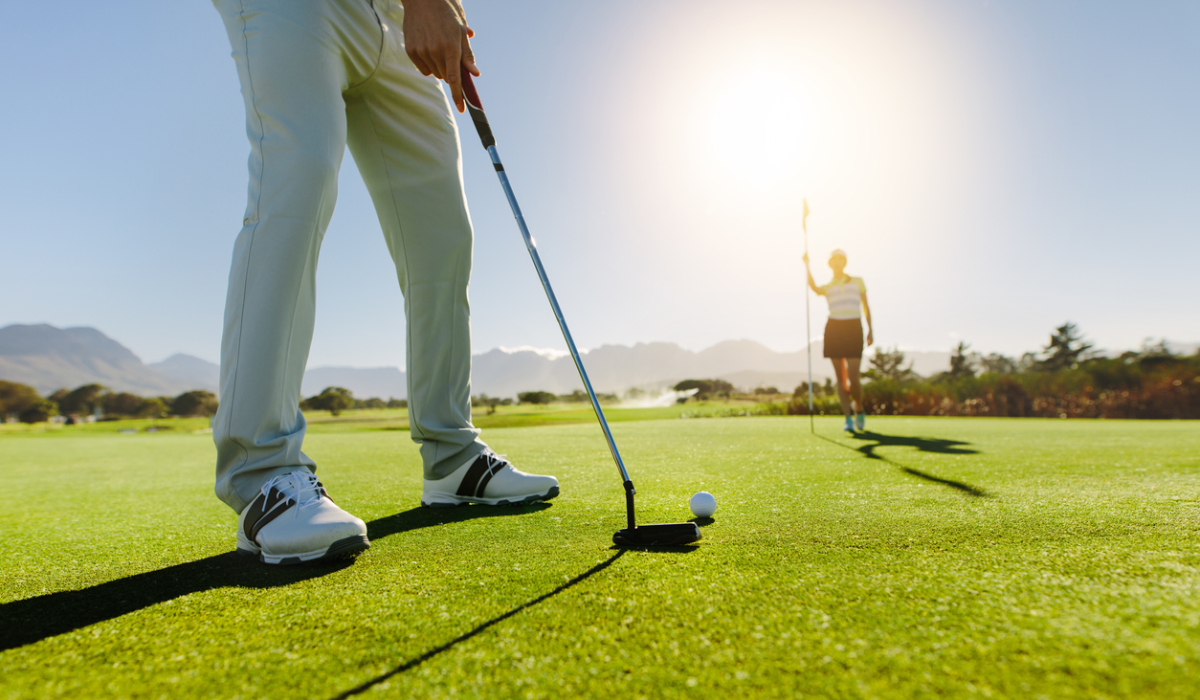
Although golf is often seen as low-impact, the sport places considerable stress on the body. A single round can involve 300+ swings if you count warm-ups, and the rotational forces placed on the spine and hips can exceed eight times body weight during a driver swing. Studies on professional golfers show that common post-round issues include lower back tightness, forearm strain, hip soreness, and dehydration-related fatigue.
This is why PGA and LPGA Tour players have integrated science-backed recovery protocols into their daily routines — protocols that recreational golfers can adopt easily.
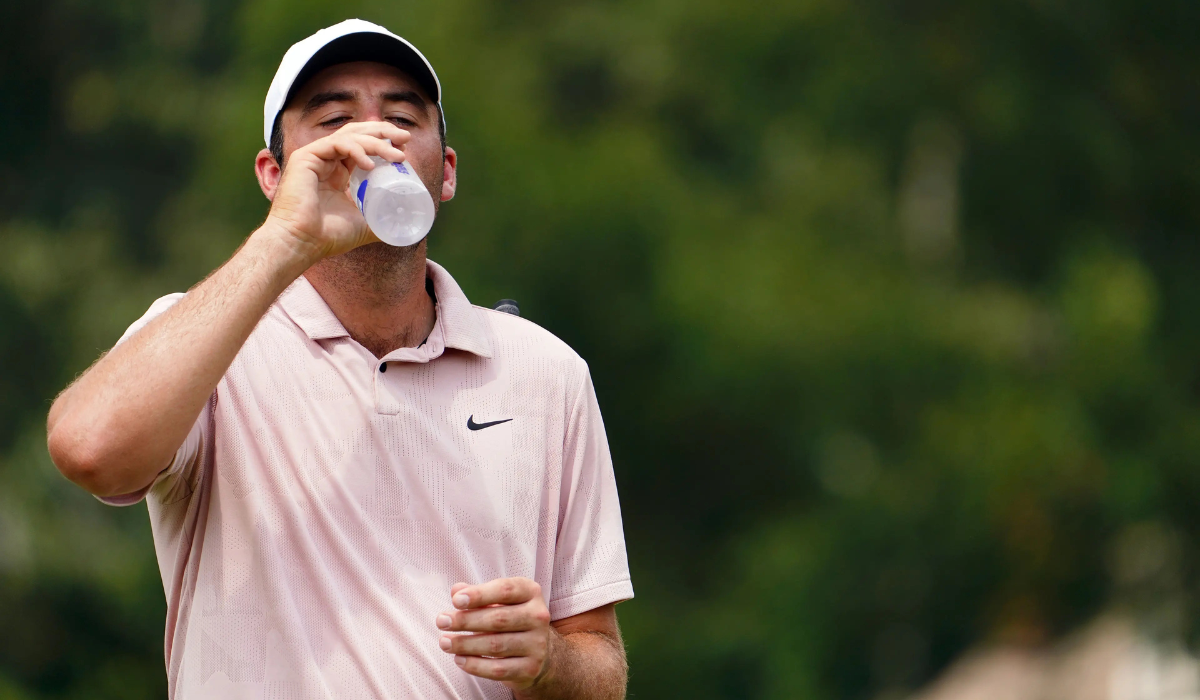
Golfers often underestimate how much fluid they lose over four to five hours outdoors. Even mild dehydration — just 1–2% of body weight — can reduce focus, muscle coordination, and endurance. Pros start rehydrating before their round ends and continue immediately afterwards.
Water is essential, but replacing electrolytes like sodium, potassium, and magnesium helps the neuromuscular system reset. Sports drinks, coconut water, or electrolyte tablets can speed recovery. A general guideline used by sports physiologists: drink about 500–700 ml of fluids within 30 minutes after playing, especially on warm days.
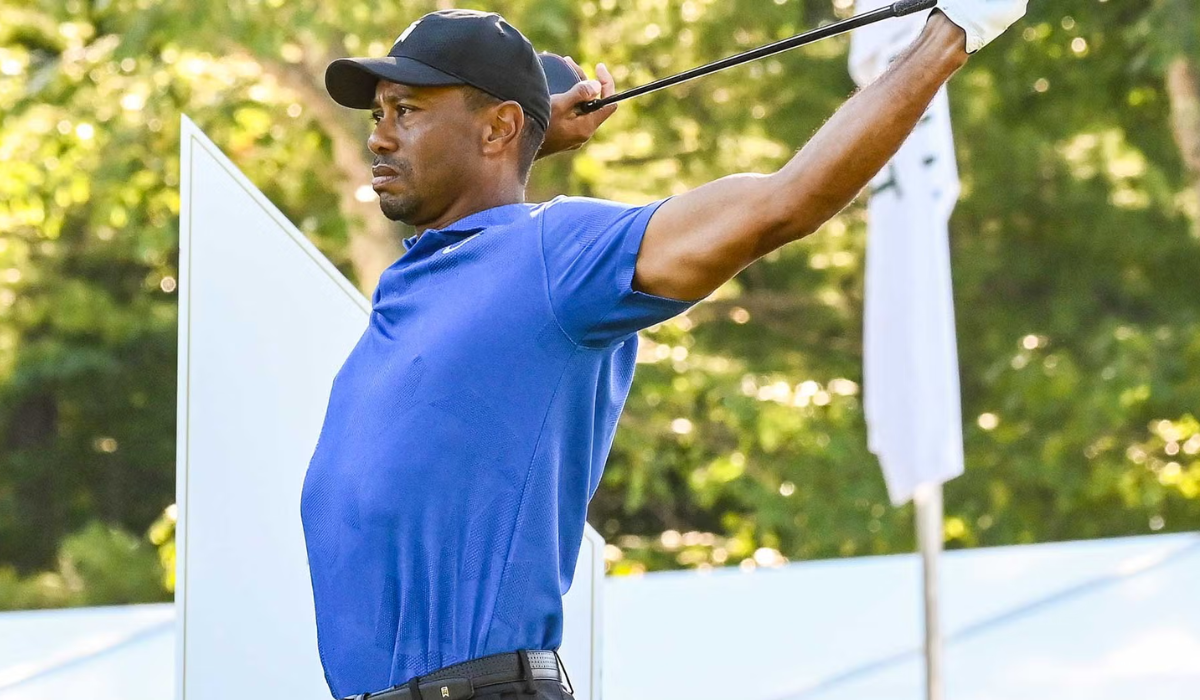
After a round, muscles tend to shorten and tighten, especially in the hips, hamstrings, thoracic spine, and forearms. Tour trainers encourage players to do 10–12 minutes of dynamic-to-static stretching once they’re off the course.
Key areas include:
Stretching immediately after play prevents compensation patterns, reduces next-day stiffness, and maintains rotational flexibility — a key predictor of clubhead speed longevity.
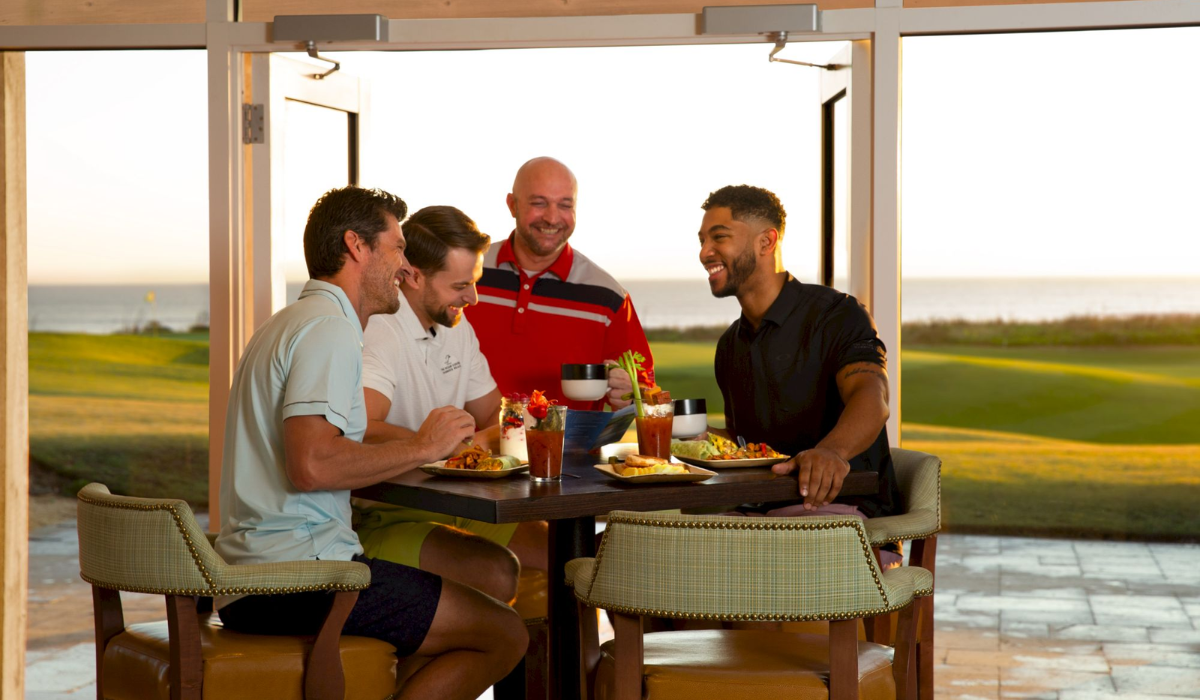
Golf burns more calories than many think: walking 18 holes typically uses 1,000–1,400 calories, while even cart riders burn around 600–900, depending on terrain. This means your body needs proper nutrition after the round.
Pros follow a ratio that sports dietitians recommend: 3:1 carbohydrates to protein within the first hour post-round. Carbs replenish muscle glycogen, while protein supports muscle repair.
Great post-round choices include:
A well-timed recovery meal helps reduce fatigue the following day and supports consistent play in multi-round events.
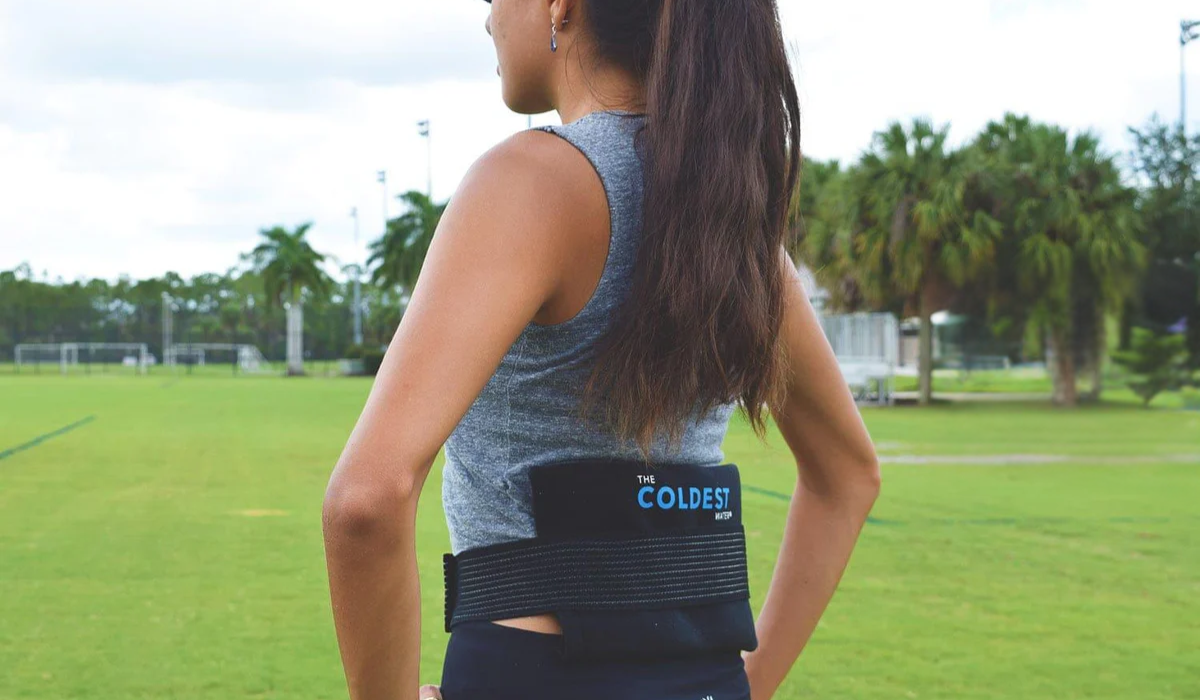
Cryotherapy chambers, ice baths, and localised cold therapy are staples on professional tours. Cold exposure reduces inflammation, limits micro-tears in overworked muscles, and accelerates the healing process.
You don’t need a cryo chamber — a simple cold shower or icing sore areas for 10–15 minutes can make a noticeable difference, especially after rounds that involve hilly walking or long practice sessions.
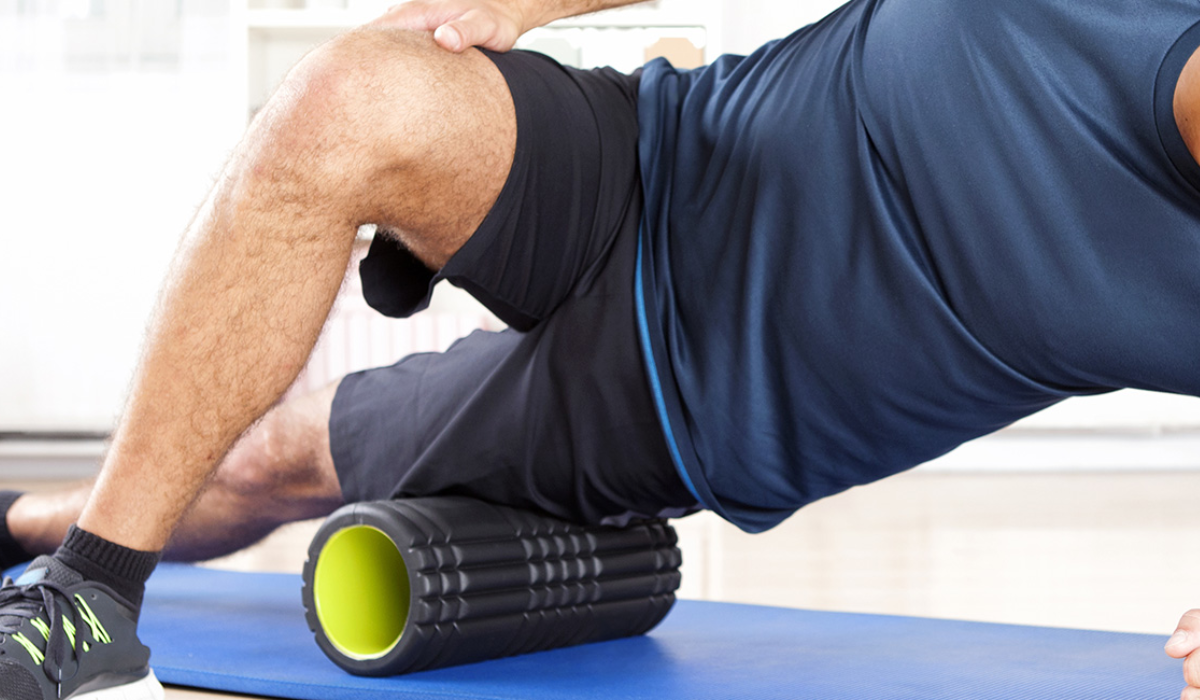
Foam rollers, massage guns, and lacrosse balls are among the simplest tools to mimic the benefits of a sports massage. PGA Tour trainers recommend spending time on:
Just 5–7 minutes of soft tissue release can significantly improve mobility and reduce next-day soreness.

Sleep is one of the biggest performance differentiators in golf. Research on elite athletes shows that 7.5–9 hours of consistent sleep enhances motor learning, recovery, and reaction time — all critical in golf.
Several pros, including Rory McIlroy and Collin Morikawa, have publicly emphasised sleep hygiene as a part of their training routine. Better sleep = better focus and energy = better rounds.

Some golfers alternate hot and cold water exposure to stimulate blood flow and reduce inflammation. Hot water helps loosen tight muscles, while cold water reduces swelling and irritation. This method is particularly helpful for players dealing with lower-back tension.
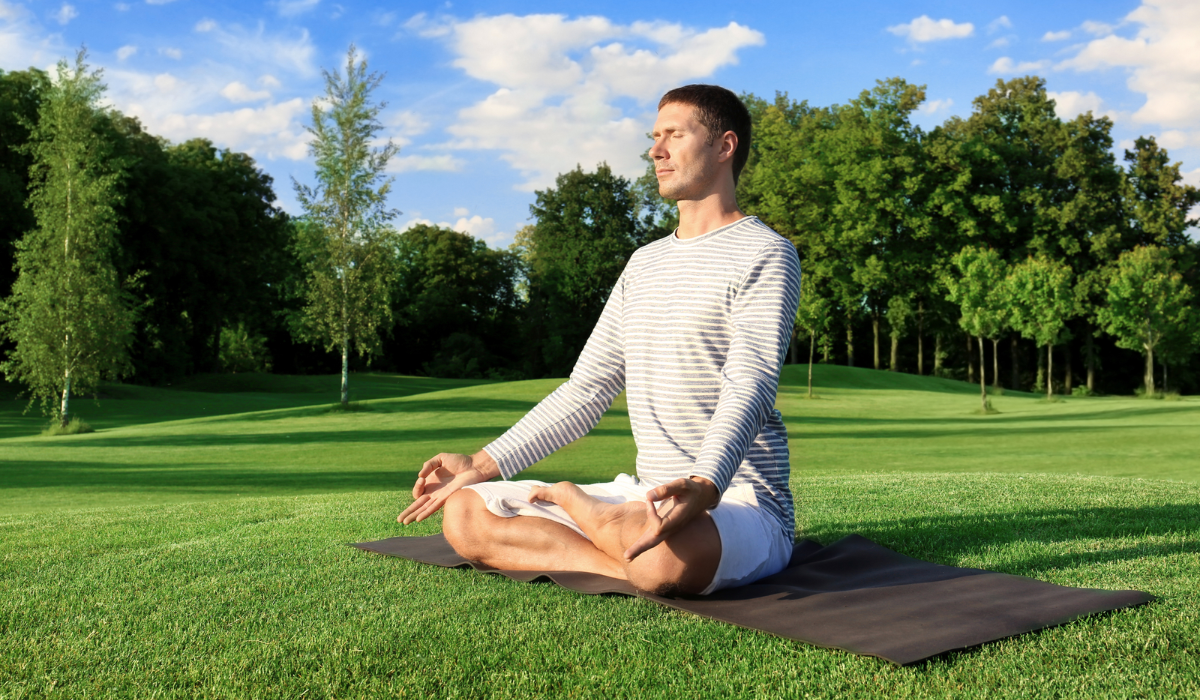
Golf is mentally draining — strategic decisions, pressure putts, and long rounds all take a cognitive toll. Pros use meditation, controlled breathing, or journaling to decompress after a round. Even 3–5 minutes of deep breathing activates the parasympathetic nervous system, promoting relaxation and mental clarity.
This mental recovery is crucial: a relaxed mind improves both decision-making and muscle tension.
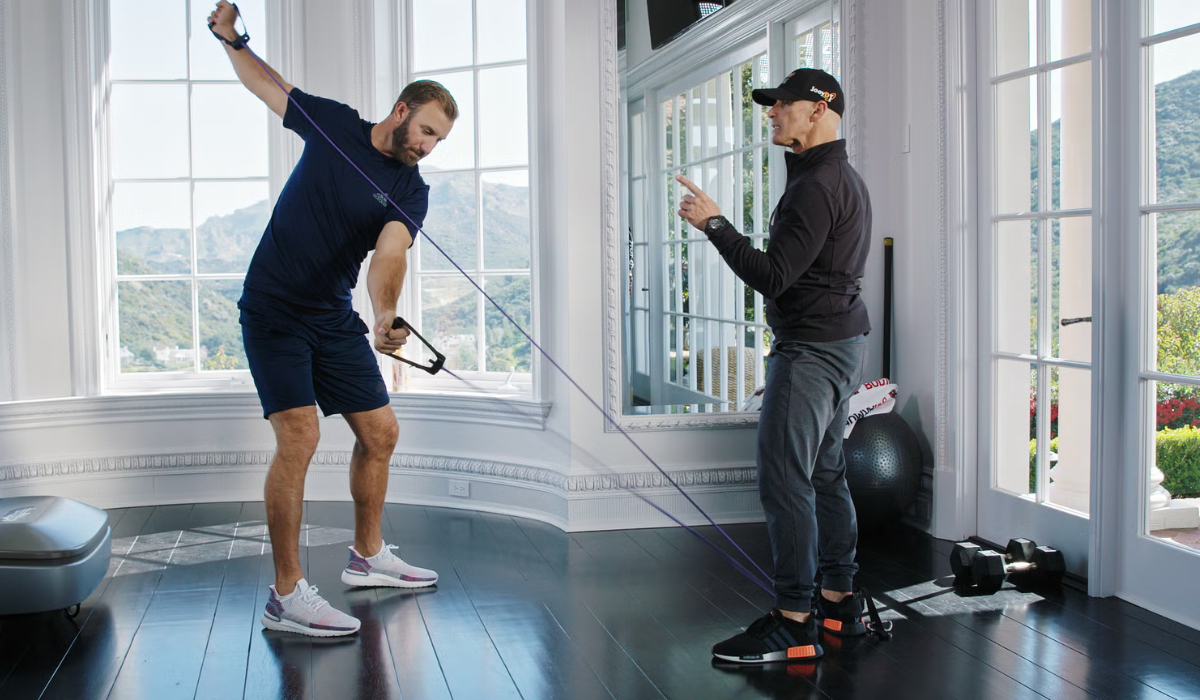
What you do the next day matters as much as the immediate post-round steps. Touring pros often start their day with a mobility routine: hip circles, cat-cow stretches, light resistance band work, and shoulder mobility drills. This keeps the body limber and ready for the next training session or round.
Recovering like a professional golfer isn’t reserved for the elite. Small, consistent habits — hydration, proper refuelling, targeted stretching, soft tissue work, and good sleep — can dramatically improve how you feel after playing. Better recovery leads to sharper swings, more energy, and fewer injuries, allowing you to enjoy the game with the same confidence and longevity as the pros.
Let your recovery routine become your secret competitive advantage. The more you take care of your body after each round, the better it will take care of your game.

Professional Golf
It’s Tiger Woods Week
As every sports fan knows, Tiger Woods will make his return to competitive golf at the Hero World Challenge in the Bahamas on Thursday. The golf world is getting incredibly excited about it and we at All Square are no different. To honour this, we will be running a series of Tiger-themed blog posts this […]
Media & Press
Golf at the 2020 Olympic Games in Tokyo
Golf will return to the Olympic Games in Japan in 2020. At All Square we have put together a list of questions you may have about the event and the details of what you need to know. When will the Olympic golf tournament take place? The men’s event will be held between July 30 – […]