


Destinations
Barrière Golf Properties: French Golf Escapes Where the Resort Is Part of the Experience
Explore 33,000+ golf courses in 180 countries.
Follow the latest news and trends in golf.
Connect with like-minded golfers.
Find everything you need for your golf equipment and gear needs.
Travel, golf resorts, lifestyle, gear, tour highlights and technology.
All Square
Suggestions
Destinations
Barrière Golf Properties: French Golf Escapes Where the Resort Is Part of the Experience
Destinations
Conrad Algarve Renovations: A New Chapter of Luxury in Quinta do Lago
Gear
Garmin Golf Watches Guide: Which Garmin Watch Is Right for Your Game?
PGA Tour
Presidents Cup 2026 Results & Winners: Team USA Completes Historic Comeback
Course Reviews
Cullinan Golf Links Resort, Belek: Where Golf Meets the Mediterranean
Course Reviews
New Opening: Limassol Greens — Cyprus’ New Golf Destination
PGA Tour
Presidents Cup 2026 Preview: Everything to Know Before Medinah
Clubs
Jacob Bridgeman WITB: The Clubs Behind His 2026 Biltmore Championship Victory
Course Reviews
Play Golf at Pebble Beach: What to Know Before You Go
Professional Golf
Solheim Cup Results & Winners 2026: Europe Reclaims the Trophy
Clubs
This Year’s Best Drivers on the Market: A 2026 Buyer’s Guide
Course Reviews
Fancourt: The Garden Route Estate Where South African Golf Grew Up
Course Reviews
Best Golf Courses Around Madrid
Clubs
TaylorMade Spider ZT Putter Review: What It Is, How It Performs, and Whether It’s Worth the Upgrade
Course Reviews
Your Golf Trip to Tunisia: Courses, Costs, and What to Actually Expect
Clubs
Thriston Lawrence WITB of Three-Time Omega European Masters Champion
Amateur Golf
Charlie Woods Signs with TaylorMade: What’s in His Bag?
LPGA
Solheim Cup 2026 Preview & FAQ: Everything to Know Before Bernardus
Course Reviews
Golf in Croatia: What You Can Actually Play, and What to Expect
Clubs
WITB: Ryan Fox’s Winning Clubs at the 2026 Open Championship
Community
How Modern Golf Courses Conserve Water and Protect Wildlife
PGA Tour
Changes on the PGA Tour from 2028
Course Reviews
Tee Off in Tuscany: Golfing Italy’s Most Picturesque Countryside
Course Reviews
The Best Golf Courses Near Pinehurst That Aren’t Pinehurst No. 2
Destinations
How to Build the Perfect Golf & Wine Vacation in Spain
Course Reviews
Streamsong’s Newest Masterpiece: Why Bone Valley Might Be Its Boldest Statement Yet
Clubs
The New Phantom: Scotty Cameron Reinvents Its Mallet Legacy
Destinations
The Rise of Wellness-Integrated Golf Hotels
Clubs
Chris Gotterup WITB 2026: Clubs Used to Win the John Deere Classic
Clubs
Team Fitzpatrick’s Winning WITB from Zurich Classic Victory

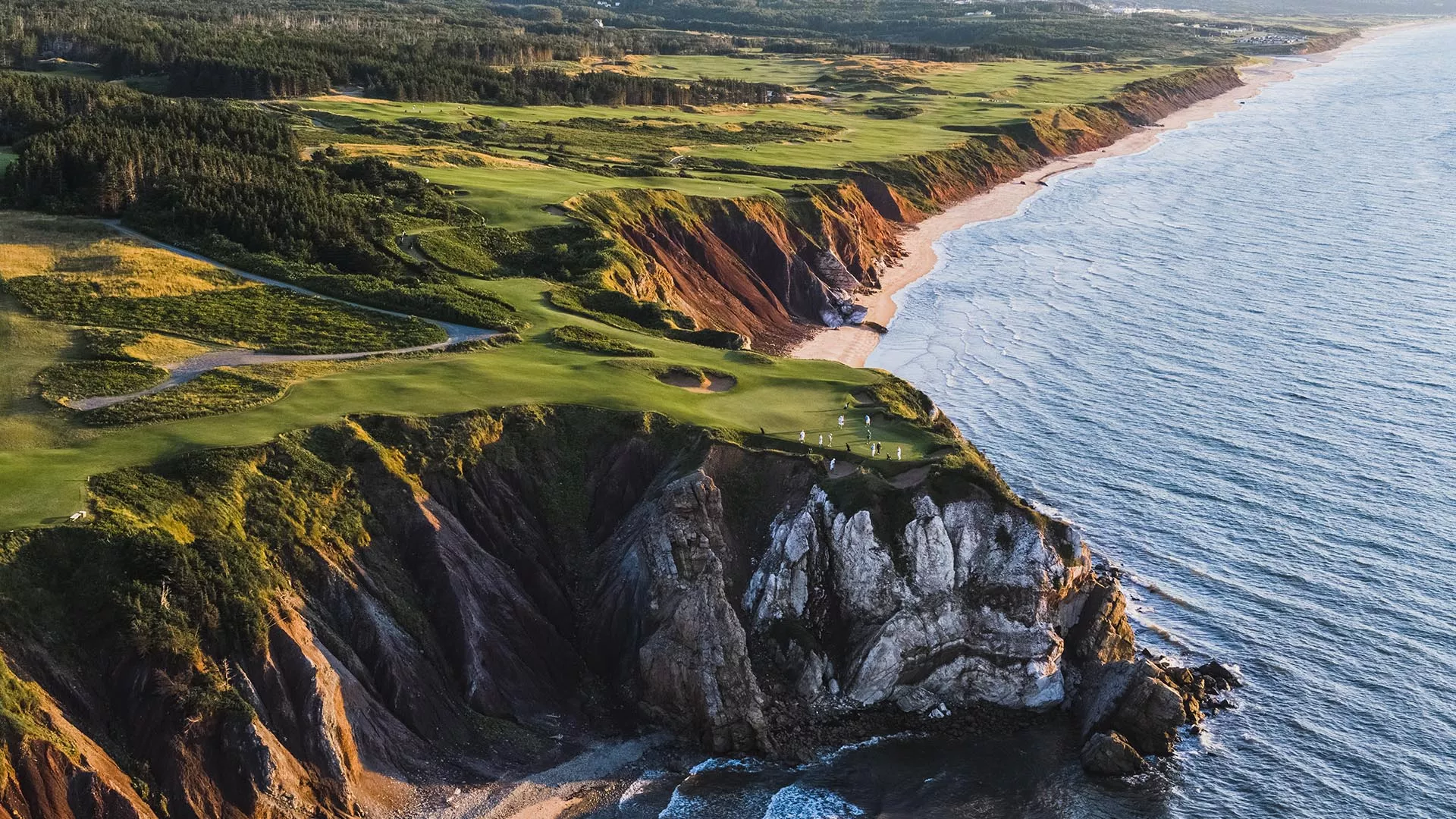
Perched high above the Gulf of St. Lawrence on Cape Breton Island, Cabot Cliffs has redefined what it means to play golf in Canada. Designed by the acclaimed duo of Bill Coore and Ben Crenshaw and unveiled in 2015, the course has quickly risen to international acclaim, celebrated for its dramatic cliff-top holes, sweeping ocean vistas, and ingenious layout that feels both daring and natural. Yet Cabot Cliffs is more than a golf destination — it is the centerpiece of a regional revival, drawing travellers to a corner of Nova Scotia where rugged coastline, Celtic traditions, and the famed Cabot Trail create an atmosphere unlike anywhere else in the golfing world.
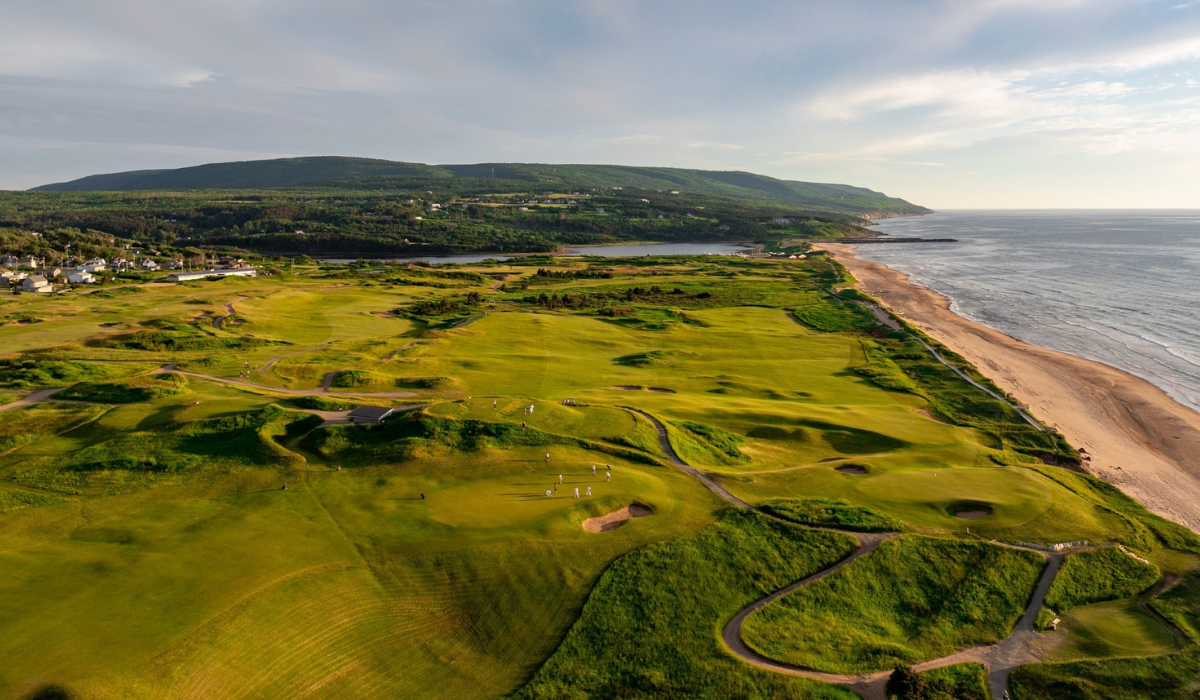
Cabot Cliffs is part of the Cabot Cape Breton resort complex, which also includes Cabot Links, The Nest, villas, hotel accommodations, restaurants, and real estate. The course was designed by Bill Coore & Ben Crenshaw, two names that carry enormous weight in the world of golf course architecture. When it opened in 2015, it immediately drew attention for its bold routing and breathtaking visuals. While Cabot Links (opened in 2011) is often described as a “true links” course, Cabot Cliffs builds on that tradition while bringing additional variety — woodland, bluff edges, wetland, meadow — all set above the rugged Atlantic coast.
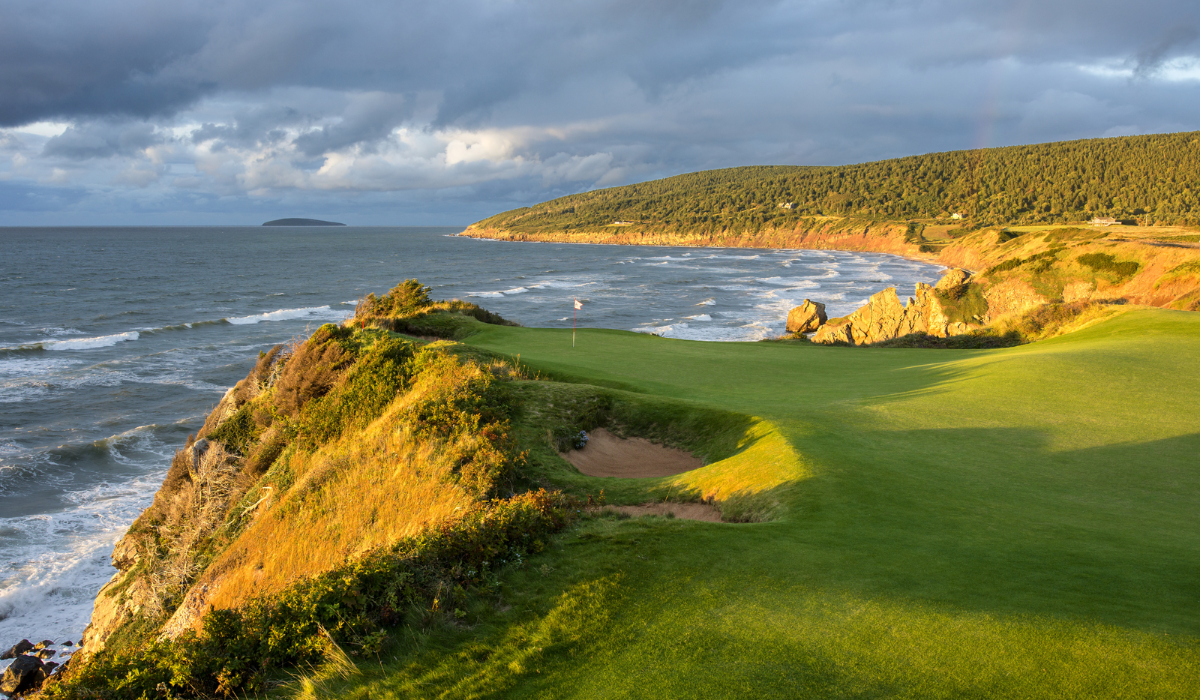
Every hole at Cabot Cliffs offers something visually striking. From dramatic tee shots off cliffs to stretches where fairways contour through forested or meadowland, the terrain changes in ways that keep both body and mind engaged. The course is a par-72, roughly 6,700 to 6,800 yards from the back tees (depending on which markers are used), with a high slope and rating, meaning it’s no walk in the park.
One of the signature pleasures — and challenges — is how the views take you out to the Gulf of St. Lawrence, especially from the bluff edges. Holes that flirt with ocean exposure are balanced by holes tucked closer to woodland or wetland, so wind, light, and terrain constantly change the experience. A noteworthy design peculiarity: each nine holes on Cliffs has three par-3s, three par-4s, and three par-5s. That kind of symmetry creates a sense of balance in the rhythm of the round.
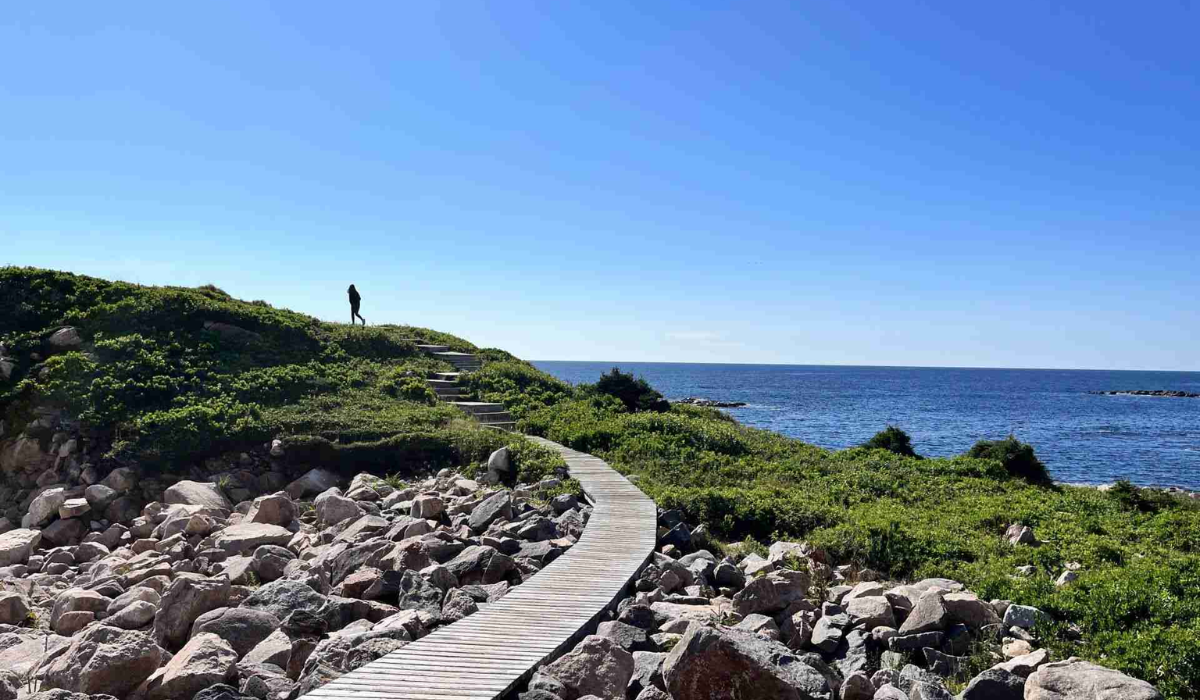
Nestled in Inverness, on the western side of Cape Breton Island, Cabot Cliffs is firmly part of a place with deep natural, cultural, and historical richness. The land here is rugged and coastal, tied to the sea, shaped by geological forces, weather, and generations of human presence.
Cape Breton Island itself is famous for its highland plateaus, the Bras d’Or Lake, a strong Celtic (Scottish Gaelic) culture, Acadian communities, and a musical tradition that in many ways still pulses in the air, especially in smaller communities.
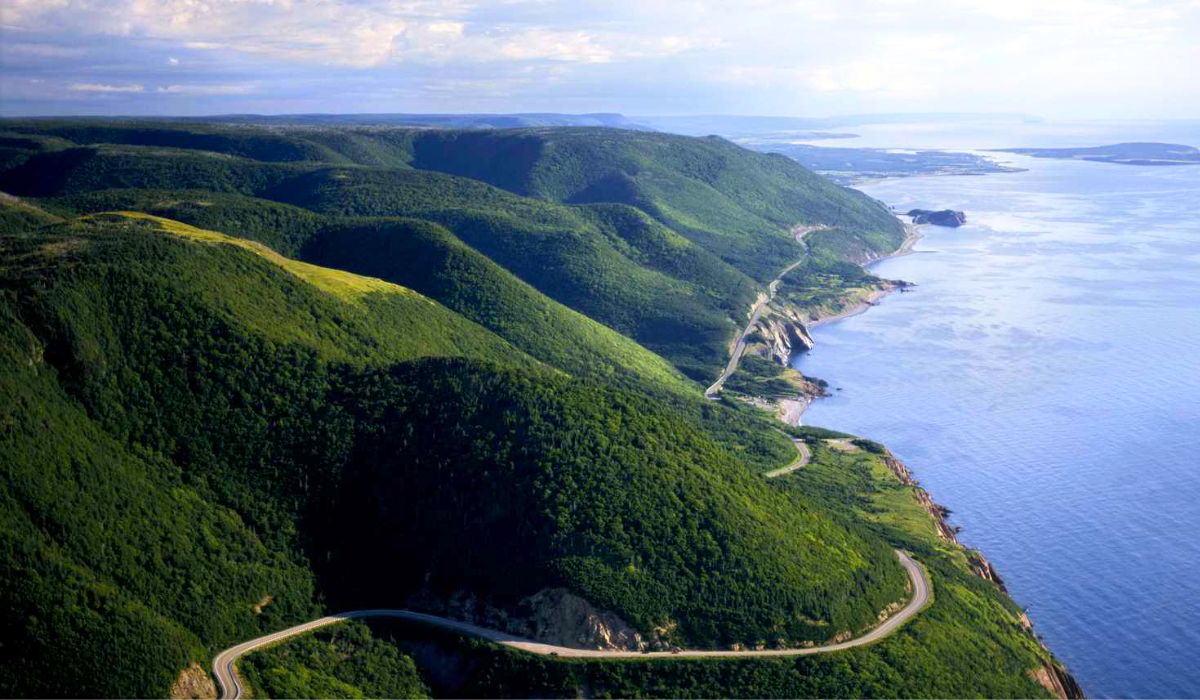
One of the draws is the Cabot Trail, the world-renowned scenic drive. It curves along cliffs, through highland clearings, offers vistas over the ocean, and gives visitors a sense of scale and wildness that pairs so well with golf here.
Weather, too, is part of the character. Salt air, ocean winds, shifting light — morning mist or afternoon sun over the Gulf — these are more than “nice touches”; they alter how the course plays and how one experiences each hole. Spring and fall especially bring variable conditions that reward adaptability and heighten mood.
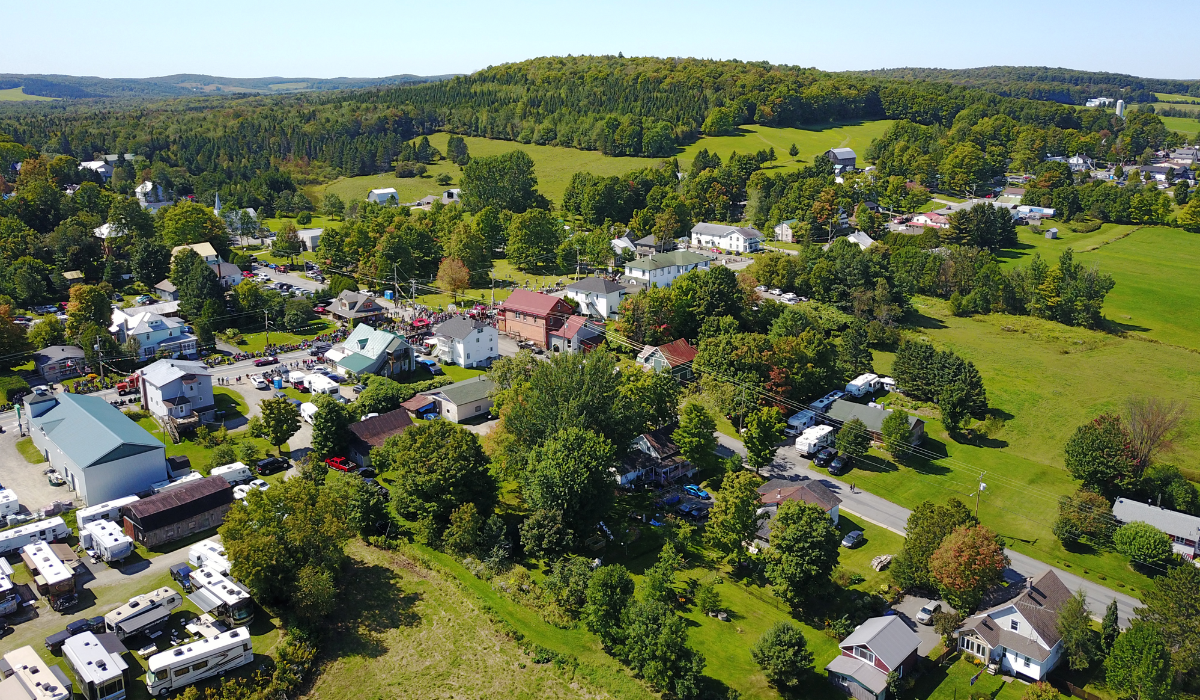
Before Cabot Links and especially before Cabot Cliffs opened, Inverness and the surrounding region were facing economic challenges, especially since the closure of coal mines and decline in some traditional rural industries.
The development of these courses has played an important role in revitalising the area — not just by bringing golfers, but by supporting lodging, restaurants, real estate, and related service industries. Cabot also offers real estate (villas, cottages, homes) plus amenities, which spreads the economic benefit beyond seasonal play.
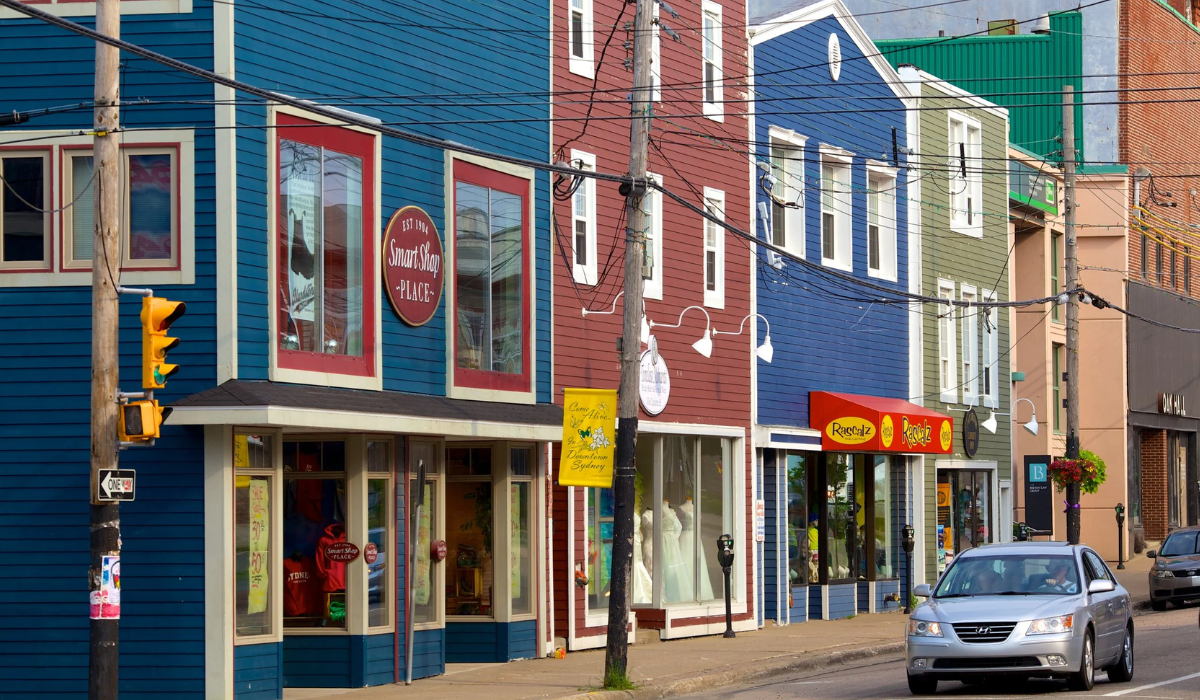
Tourism marketing for Nova Scotia now regularly points to Cape Breton, the Cabot Trail, and Cabot Cliffs / Cabot Links as crown jewels, helping draw both domestic visitors and international golf travellers.
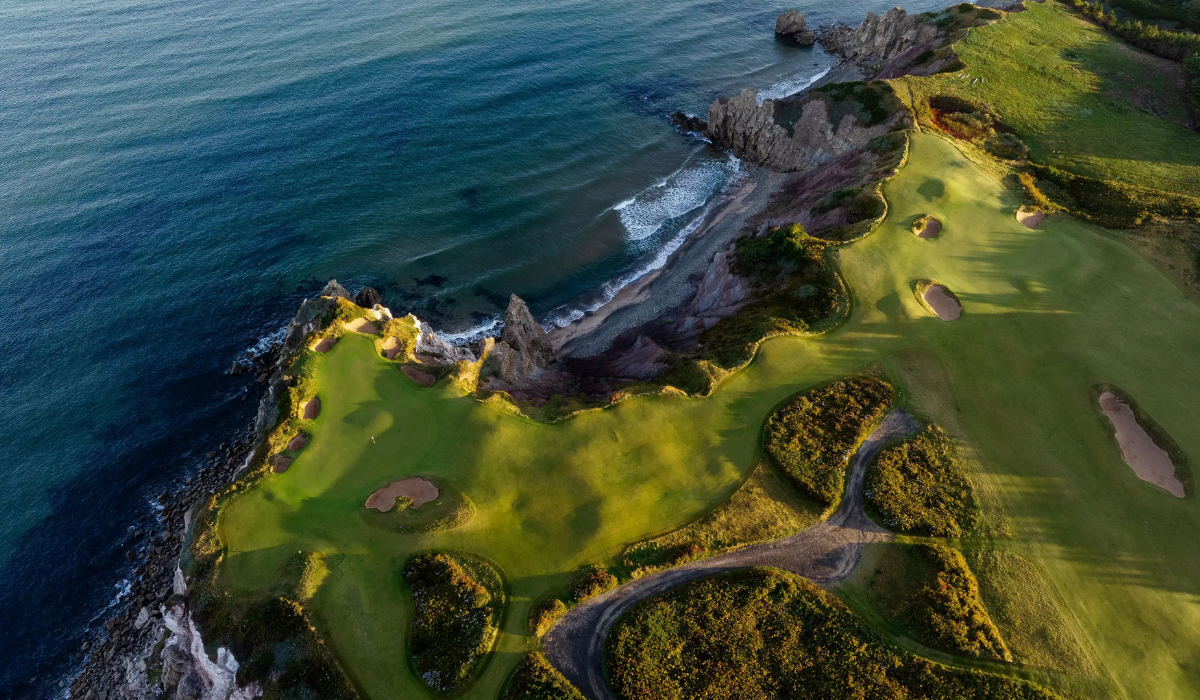
Cabot Cliffs is more than a beautiful golf course — it’s a symbol of what thoughtful design, respect for land, and investment can do for rural places. It shows how sport, nature, and culture can intertwine: golfers don’t just come for the 18 holes, but to drink in the Atlantic horizon, feel the wind off the Gulf, wander through a highland clearing, hear music in a nearby village, and leave with memories not just of shots made or missed, but of place.
Course Reviews
Minthis Hills in Cyprus
Minthis Hills offers everything you would expect of a luxury golf resort, set in the vineyards of Paphos in Cyprus and home to a fantastic Mackenzie & Ebert 18-hole golf course. This five-star resort is located in the wine producing region of Paphos in west Cyprus, just 20km from Paphos International Airport. The setting is […]

Course Reviews
The Emergence of Golf in Saudi Arabia
Saudi Arabia looks set to follow in the footsteps of Abu Dhabi and Dubai in becoming a world-class golf destination, with new courses designed by Jack Nicklaus and Greg Norman. The kingdom hosted the Saudi International in February, now in its third year and the last of three events in the ‘Gulf Swing’ on the […]