



Amateur Golf
Golf and Longevity: Why Walking 18 Holes Can Be Part of a Healthy Lifestyle
Explore 33,000+ golf courses in 180 countries.
Follow the latest news and trends in golf.
Connect with like-minded golfers.
Find everything you need for your golf equipment and gear needs.
Travel, golf resorts, lifestyle, gear, tour highlights and technology.
All Square
Suggestions
Amateur Golf
Golf and Longevity: Why Walking 18 Holes Can Be Part of a Healthy Lifestyle
Amateur Golf
Golf Club Fitting Explained: Is a Custom Fitting Worth It for Amateur Golfers?
Amateur Golf
Your First Golf Holiday: A Beginner’s Guide
Clubs
WITB: Blades Brown’s Winning Equipment at the 2026 World Wide Technology Championship
Course Reviews
Your Next Golf Getaway to Lanzarote: Volcanic Landscapes, Ocean Views and Year-Round Sunshine
Amateur Golf
Understanding Course Rating and Slope: How Difficult Is a Golf Course Really?
Clubs
New Ping G450 Drivers: Four Models, New Technology and a Surprise Mini Driver
Course Reviews
Shoulder-Season Golf: Where to Play for Better Value and Fewer Crowds
Clubs
Andrew Novak WITB 2026: What’s in the Bag at the VidantaWorld Mexico Open?
Destinations
Your Golf Trip to Australia: A First-Time Guide to the Land Down Under
Course Reviews
Rosapenna Hotel & Golf Resort: A Legendary Links Golf Escape on Ireland’s Wild Atlantic Way
Course Reviews
Night Golf and Floodlit Courses: Where to Play After Dark
Clubs
Austin Smotherman WITB 2026: What’s in the Bag at the Butterfield Bermuda Championship?
Course Reviews
Golf in Madeira: Cliffs, Clouds and Two Unforgettable Courses
Destinations
Thai Caddie Culture Explained: Tipping, Etiquette and What to Expect
Course Reviews
Best Golf Courses Around Munich: Where Championship Golf Meets Bavarian Beauty
Course Reviews
Marrakech vs Agadir for Golf: Which Moroccan Destination Should You Choose?
Clubs
WITB: Ryan Fox’s Winning Clubs at the 2026 Open Championship
Community
How Modern Golf Courses Conserve Water and Protect Wildlife
PGA Tour
Changes on the PGA Tour from 2028
Course Reviews
Tee Off in Tuscany: Golfing Italy’s Most Picturesque Countryside
Course Reviews
The Best Golf Courses Near Pinehurst That Aren’t Pinehurst No. 2
Destinations
Your Golf Trip to Phuket: Tropical Fairways, Championship Courses, and Island Adventures
DP World Tour
DP World Tour 2026: The Full Calendar & Race to Dubai Journey
Clubs
Akshay Bhatia’s Winning WITB at the 2026 Arnold Palmer Invitational
Destinations
The View Agadir: Morocco’s Newest Luxury Golf Base Has Arrived
Destinations
Hotel & Spa du Castellet: A Provençal Golf & Lifestyle Retreat
Clubs
Matt Fitzpatrick’s Precision Triumph: Winning WITB at the 2026 Valspar Championship


Five years can leave your driver looking ready for another season and your favourite sand wedge struggling to stop a 50-yard pitch. Even two golfers who play the same number of rounds can see different results. One might spend every Saturday morning in the practice bunker, while the other reaches for a pitching wedge around most greens. Where you practise, how you store your gear and how your swing has changed all help explain what you feel in year five.

A wedge you use for every bunker shot and most of your short-game practice can wear much faster than the rest of your set. Vokey recommends checking grooves after roughly 75 rounds. At 15 rounds a year, that puts the first check around the five-year mark. Frequent practice can bring it forward, especially if one wedge does most of the work. Two wedges bought on the same day can play quite differently if one spends its weekends in the sand and the other mostly comes out for full shots from the fairway.
In one MyGolfSpy test, a new 56-degree wedge averaged 7,021 rpm of backspin on 50-yard shots. After 500 bunker shots used to simulate wear, it averaged 3,737 rpm, and the variation in carry distance roughly doubled. Those figures come from a single test, but they illustrate how wear can change a shot you know well. The ball can launch higher, carry a less predictable distance and release farther after it lands.
Before shopping for a replacement, clean the face and compare your wedge with a fresh one of the same loft. Hit a series of pitches from similar lies with the ball you normally play. Watch where they land and how far they release. A front pin makes the difference easy to see because you have so little green to work with.
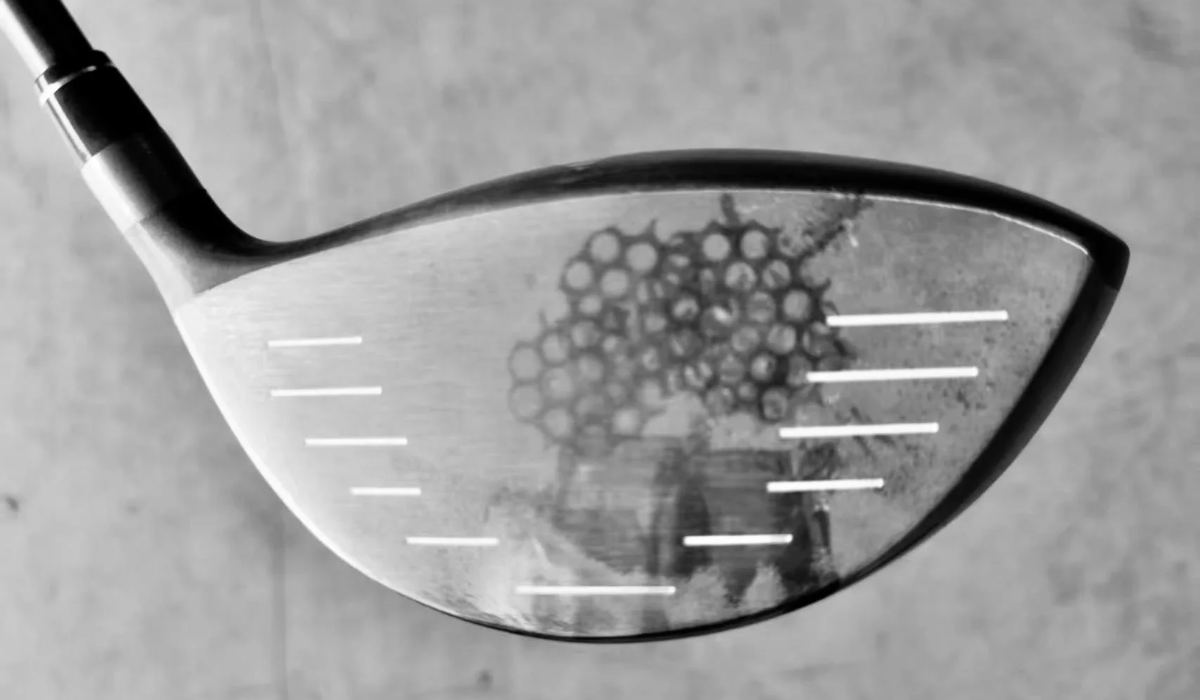
The equipment rules limit how much spring effect a driver face can have. When you compare your five-year-old driver with a new one, pay attention to the heel and toe strikes you actually hit on the course. A model that keeps those shots closer to your usual carry distance or narrows your left-to-right spread can be worth more than a few extra yards on a perfect strike.
Use the same ball for both clubs and alternate between them during a launch-monitor session. Compare average carry, launch, spin and dispersion across a representative set of swings. Include your typical misses and note where you struck the face. If a new driver carries farther on centred strikes but sends your usual heel miss farther offline, that trade-off matters on a narrow fairway.
It’s also worth revisiting your current setup. If your swing speed or the way you deliver the club has changed, an adjustable hosel gives you a chance to test a different loft setting with the same head and shaft. Take note of whether the adjustment helps your average drive and whether you can still produce a flight you trust when you need to carry a bunker or play into the wind.

If two irons that once covered different yardages now land in the same spot, ask a fitter to measure their loft and lie, then check your carry distances through the set. Pay particular attention to the transition from your shortest iron to your first specialist wedge. A large gap there can leave you repeatedly choosing between a full swing with one club and a shot you have to take something off with another.
If the overlap is at the long end of the bag, compare how high each iron flies and how far it carries. Two clubs can finish at similar distances on a firm fairway but behave very differently when you need to clear a front bunker. If your longest iron only adds distance through rollout, a hybrid is worth testing for the approaches where you need the ball to carry farther and stop sooner.
With a putter, start with the symptoms. If you consistently start the ball left or right, check your aim, setup and strike pattern. A simple test is to set two tees slightly wider than the ball a short distance ahead of it and see whether you can roll several putts through the gap. If the handle feels slick or has a smooth patch where your thumbs sit, a fresh grip may be all the work the club needs. Check the grips on your most-used clubs too, especially if you find yourself squeezing harder in damp conditions.
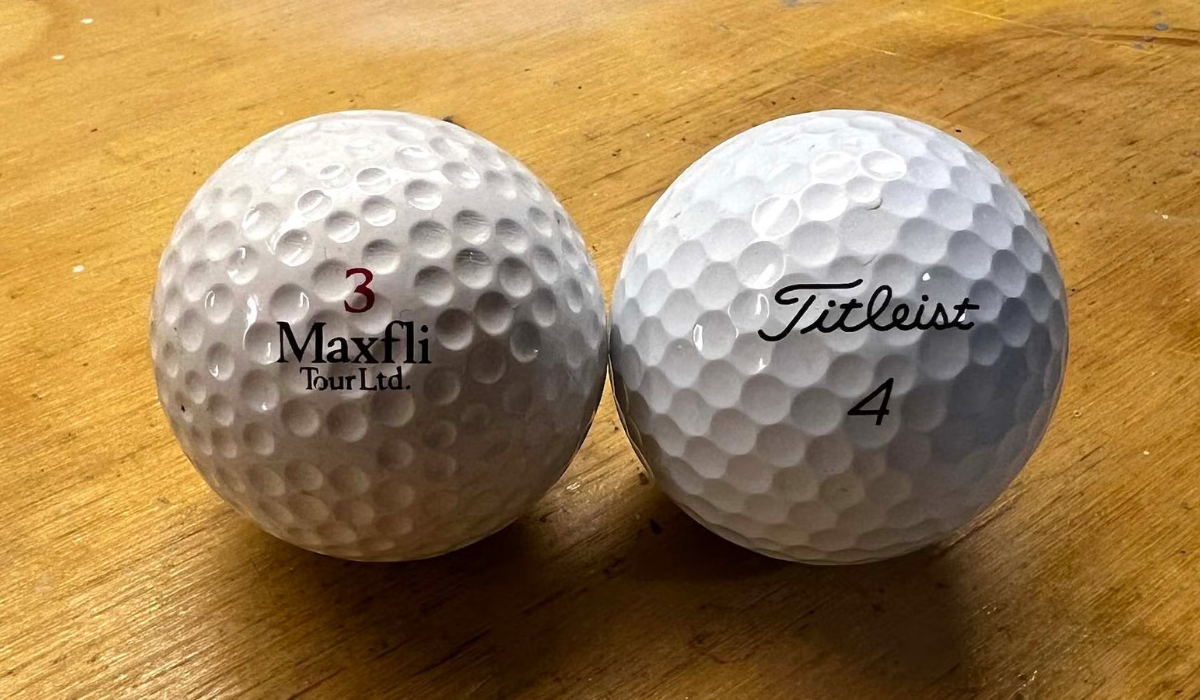
Titleist’s ball research team has said its golf balls can be stored for five years or more under normal indoor conditions, away from excessive heat. Where you kept them matters. A sleeve tucked away in a cupboard has had a different five years from one that spent several summers in the boot of a car.
A deep cart-path scuff is a more immediate reason to inspect a ball. Robot testing by MyGolfSpy found that cover damage can affect ball flight. When you’re checking carry distances or comparing two clubs, use clean, undamaged balls of the same model so the condition of the cover doesn’t complicate the comparison.
There’s also a rules update worth knowing if you’re stocking up. In 2026, the USGA and The R&A confirmed that the current Overall Distance Standard testing approach will stay in place until January 2030 while they evaluate options with the professional tours.

Start with the shot you’ve stopped trusting. If your 50-yard pitch keeps releasing past the flag, test the wedge first. If your 7-iron and 8-iron carry the same distance, check their specs and how you strike them. And if your driver still gives you a playable miss on the tightest tee shot at your home course, it may have plenty of golf left in it.
Give any change a trial on the course. See whether the fresh wedge leaves you a shorter putt on the pitch you tested or whether the loft adjustment helps you carry the fairway bunker you normally bring into play. A five-year check might end with a single new wedge, a few fresh grips and a clearer idea of which club to pull when the yardage falls between two numbers.
Golf Club Fitting Explained: Is a Custom Fitting Worth It for Amateur Golfers?
Golf and Longevity: Why Walking 18 Holes Can Be Part of a Healthy Lifestyle

Clubs
Nacho Elvira’s Dubai Breakthrough: WITB and a Moment to Remember
When Nacho Elvira walked off the 18th green at Dubai Creek Resort with the 2026 Dubai Invitational trophy in hand, it marked one of the most composed victories of his career. In a week filled with late twists and a leaderboard stacked with world-class names, the Spaniard stayed patient and focused, finishing at 10-under par […]

Accessories
The 5 Best Swing Training Aids
Swing Training Aids can make massive improvements to your golf swing and take your game to the next level. They can improve your tempo, balance, club alignment and ball striking. Here’s our pick of the five best. Tour Striker Ball Justin Rose is among the professional players to have used this swing aid. He used […]