


Community
How Modern Golf Courses Conserve Water and Protect Wildlife
Explore 33,000+ golf courses in 180 countries.
Follow the latest news and trends in golf.
Connect with like-minded golfers.
Find everything you need for your golf equipment and gear needs.
Travel, golf resorts, lifestyle, gear, tour highlights and technology.
All Square
Suggestions
Community
How Modern Golf Courses Conserve Water and Protect Wildlife
Destinations
Barrière Golf Properties: French Golf Escapes Where the Resort Is Part of the Experience
Destinations
Conrad Algarve Renovations: A New Chapter of Luxury in Quinta do Lago
Gear
Garmin Golf Watches Guide: Which Garmin Watch Is Right for Your Game?
PGA Tour
Presidents Cup 2026 Results & Winners: Team USA Completes Historic Comeback
Course Reviews
Cullinan Golf Links Resort, Belek: Where Golf Meets the Mediterranean
Course Reviews
New Opening: Limassol Greens — Cyprus’ New Golf Destination
PGA Tour
Presidents Cup 2026 Preview: Everything to Know Before Medinah
Clubs
Jacob Bridgeman WITB: The Clubs Behind His 2026 Biltmore Championship Victory
Course Reviews
Play Golf at Pebble Beach: What to Know Before You Go
Professional Golf
Solheim Cup Results & Winners 2026: Europe Reclaims the Trophy
Clubs
This Year’s Best Drivers on the Market: A 2026 Buyer’s Guide
Course Reviews
Fancourt: The Garden Route Estate Where South African Golf Grew Up
Course Reviews
Best Golf Courses Around Madrid
Clubs
TaylorMade Spider ZT Putter Review: What It Is, How It Performs, and Whether It’s Worth the Upgrade
Course Reviews
Your Golf Trip to Tunisia: Courses, Costs, and What to Actually Expect
Clubs
Thriston Lawrence WITB of Three-Time Omega European Masters Champion
Amateur Golf
Charlie Woods Signs with TaylorMade: What’s in His Bag?
LPGA
Solheim Cup 2026 Preview & FAQ: Everything to Know Before Bernardus
Course Reviews
Golf in Croatia: What You Can Actually Play, and What to Expect
Clubs
WITB: Ryan Fox’s Winning Clubs at the 2026 Open Championship
PGA Tour
Changes on the PGA Tour from 2028
Course Reviews
Tee Off in Tuscany: Golfing Italy’s Most Picturesque Countryside
Course Reviews
The Best Golf Courses Near Pinehurst That Aren’t Pinehurst No. 2
Amateur Golf
Should Your Child Turn Professional? What the World’s Best Golfers Can Teach Us
Clubs
The Best Irons on the Market in 2026
Destinations
Hotel & Spa du Castellet: A Provençal Golf & Lifestyle Retreat
Clubs
The TaylorMade Qi Family, Explained: From Qi10 to Qi4D
Destinations
The Auberge du Jeu de Paume: A Golfer’s Royal Retreat

When most golfers think of Europe, their minds drift to the rolling links of Scotland, the dramatic cliffside holes of the Algarve, or the storied fairways around Dublin. But tucked into the forested hills, thermal valleys, and seaside cliffs of Eastern Europe are some truly special golf courses — hidden gems that many players overlook. These places offer not only great golf but also rich cultural experiences, often at a fraction of the price (and crowds) compared to Western Europe’s bucket-list destinations.
Golf in Eastern Europe is still growing, and in many countries participation rates are well below the European average. According to a KPMG report, the average number of golfers per course in Eastern Europe is about 302, roughly half of the average in Western Europe. That underdevelopment means that many courses remain underrated, unheralded, but incredibly playable and scenic.
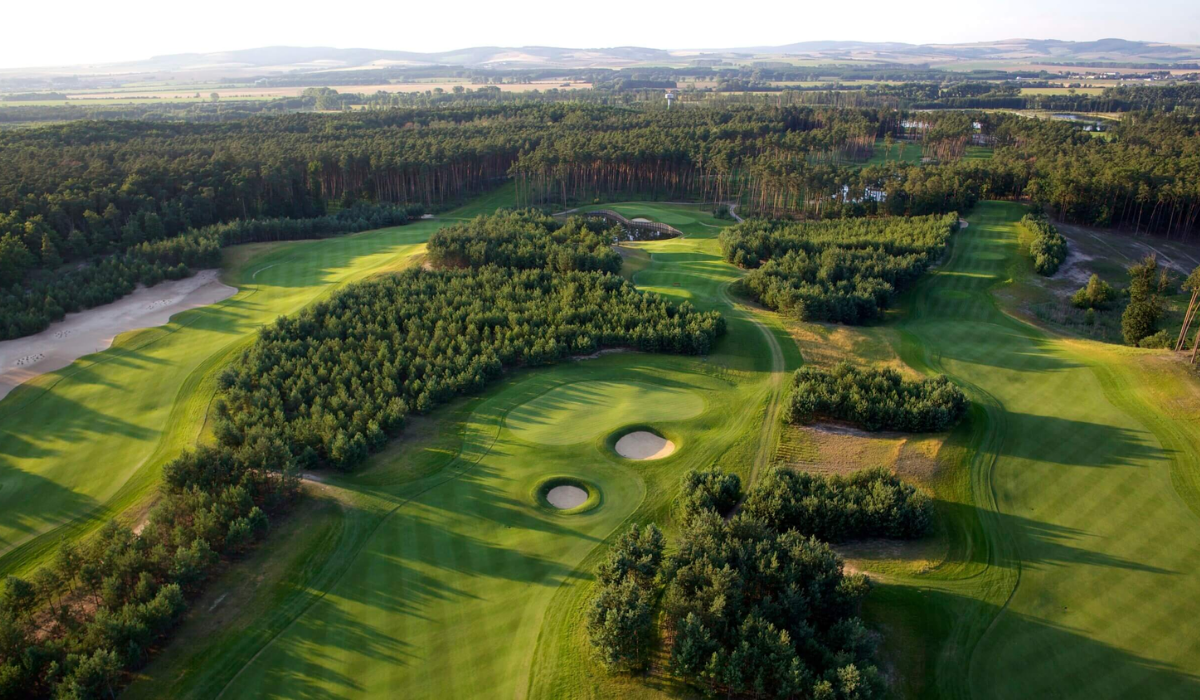
One of the crown jewels of this understated region is Penati Golf Resort, located near Šajdíkové Humence in western Slovakia. Spread across 217 hectares in the Záhorie region, the resort boasts two 18-hole courses — the Legend Course and the Heritage Course.
The Legend Course was designed by Nicklaus Design and features wide, undulating fairways, deep bunkers, and large greens, offering strategic choices for golfers of all levels. But perhaps its most famous feature is the 712-meter 15th hole, considered the longest in Central Europe (and once, reportedly, in all of Europe). From eleven different tee boxes, this par-5 — or even par-6 setup — demands both length and careful planning.
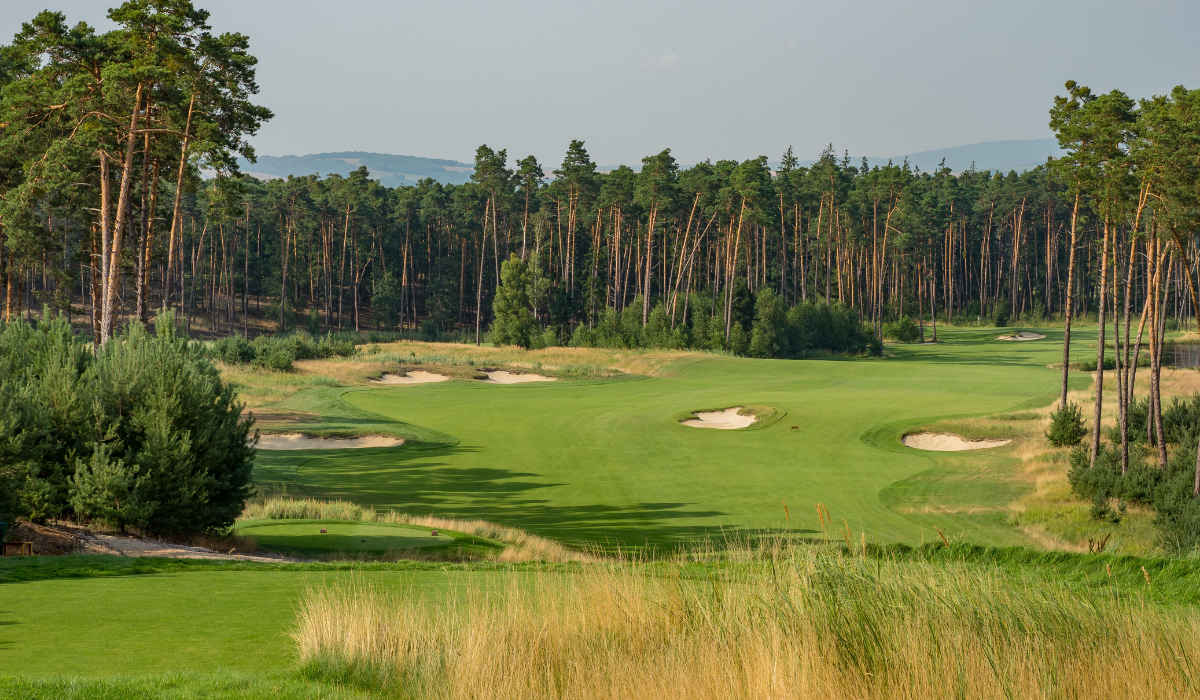
The final hole of Legend is no less dramatic: a narrow approach to an island green that floats on water, giving the finishing stretch a theatrical feel. The Heritage Course, crafted by Jonathan Davison, evokes the charm of classic British woodland courses, with streams crossing fairways, water guarding greens, and a more traditional layout.
What makes Penati especially playable is its sandy subsoil, which absorbs rain very fast, preserving good course conditions even after wet weather. Its proximity to Bratislava (under an hour’s drive) and even Vienna makes it surprisingly accessible for an off-the-beaten-path golf adventure.
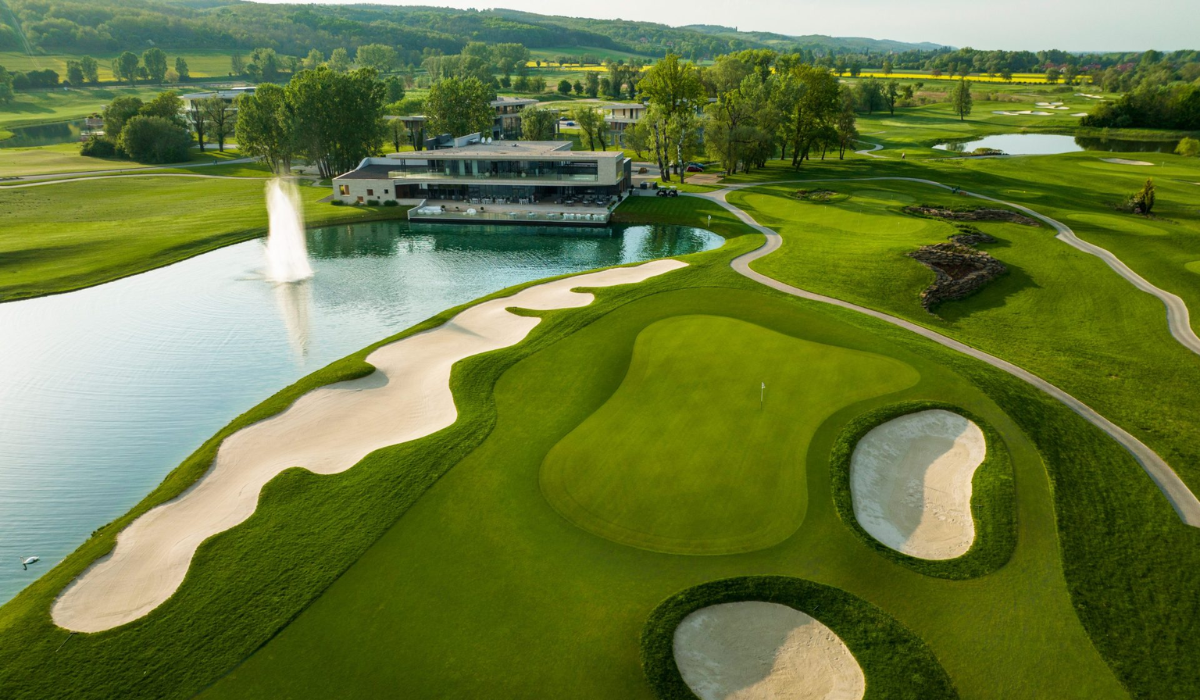
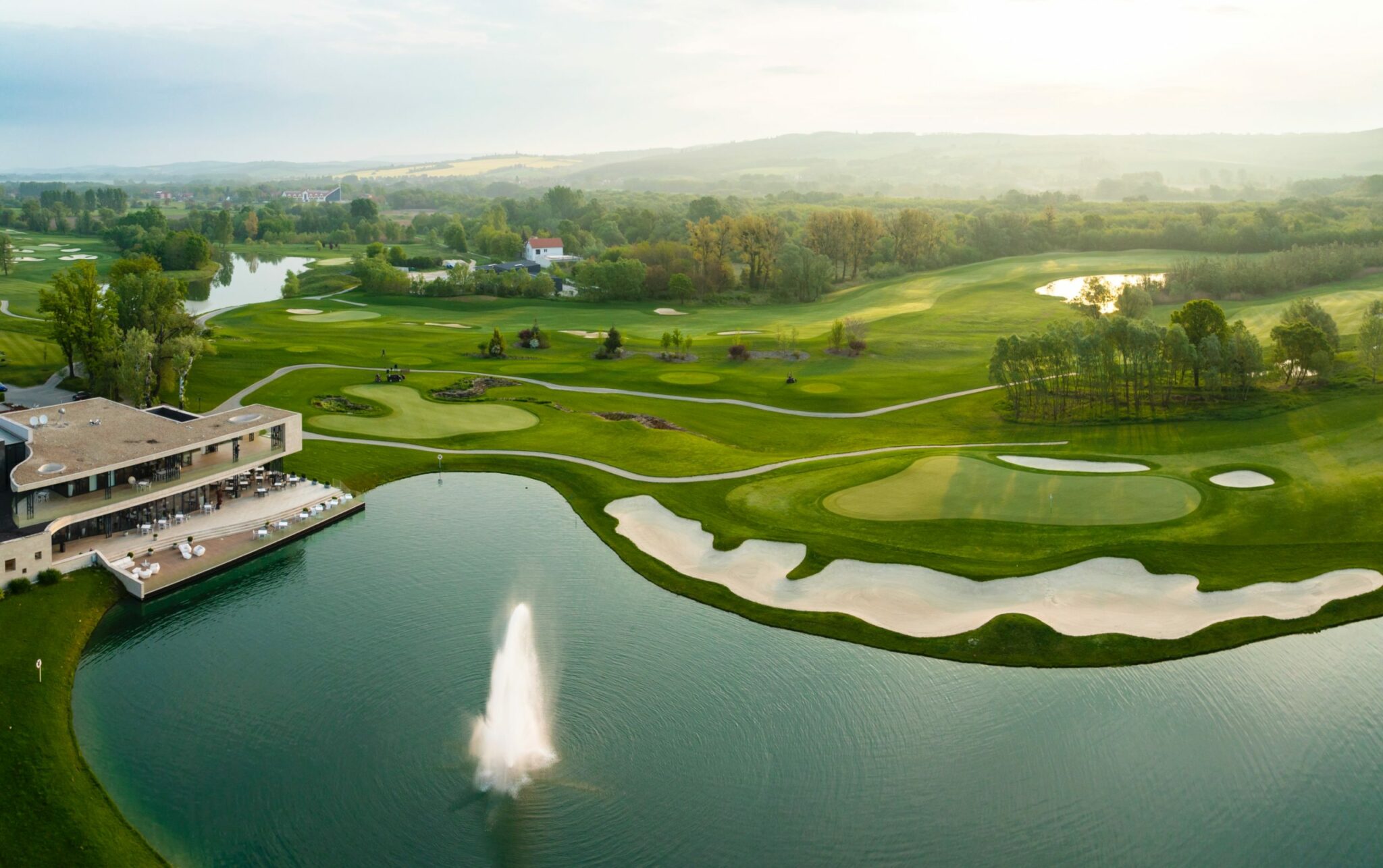
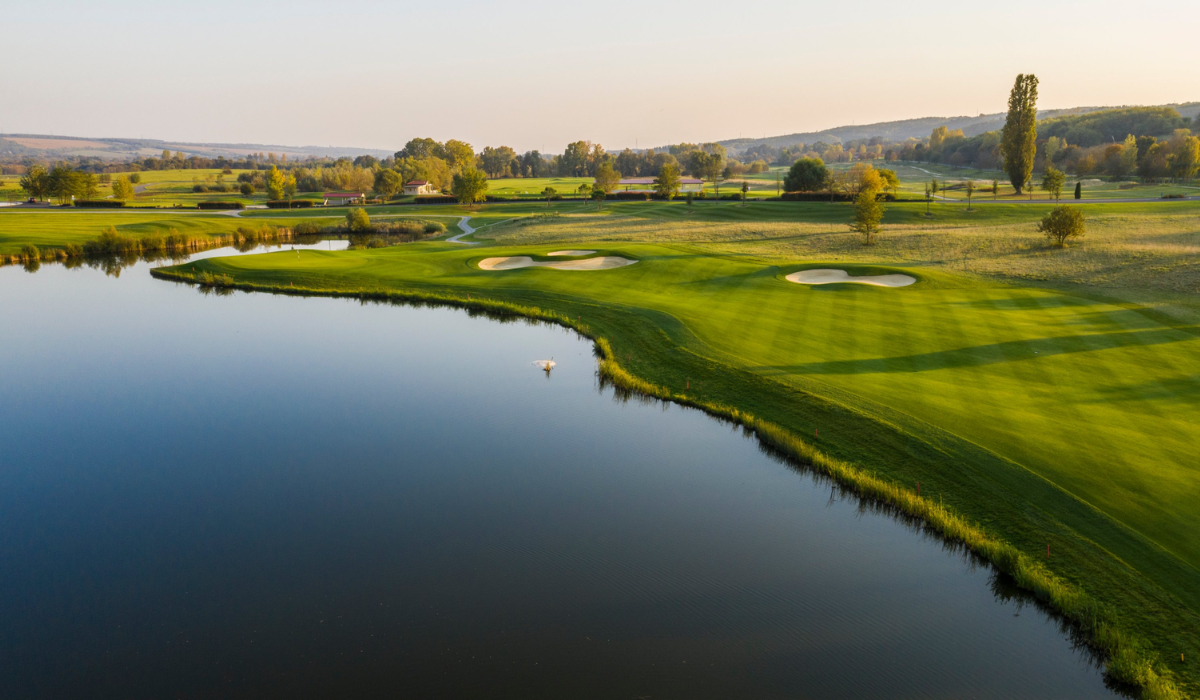
Just as compelling is Zala Springs Golf Resort, situated in Hungary’s Zala Valley, surrounded by vineyards, lakes, and gently rolling hills. The course was designed by Robert Trent Jones Jr., one of the world’s most respected golf architects, and opened to great praise in 2015.
This 18-hole championship course stretches over 6,351 meters (par 72) and features four different tees, making it flexible for both beginners and seasoned golfers. The design cleverly uses the natural terrain: you can choose to fly the ball to the green or use ground play, and fairway grass shapes and slopes give hidden strategic options.
Beyond the course itself, Zala Springs is part of a luxury resort: you can stay in suites that overlook the course, relax in a thermal spa, or dine in their bistro after a round. In fact, the resort has been nominated for Hungary’s Best Golf Course by the World Golf Awards.
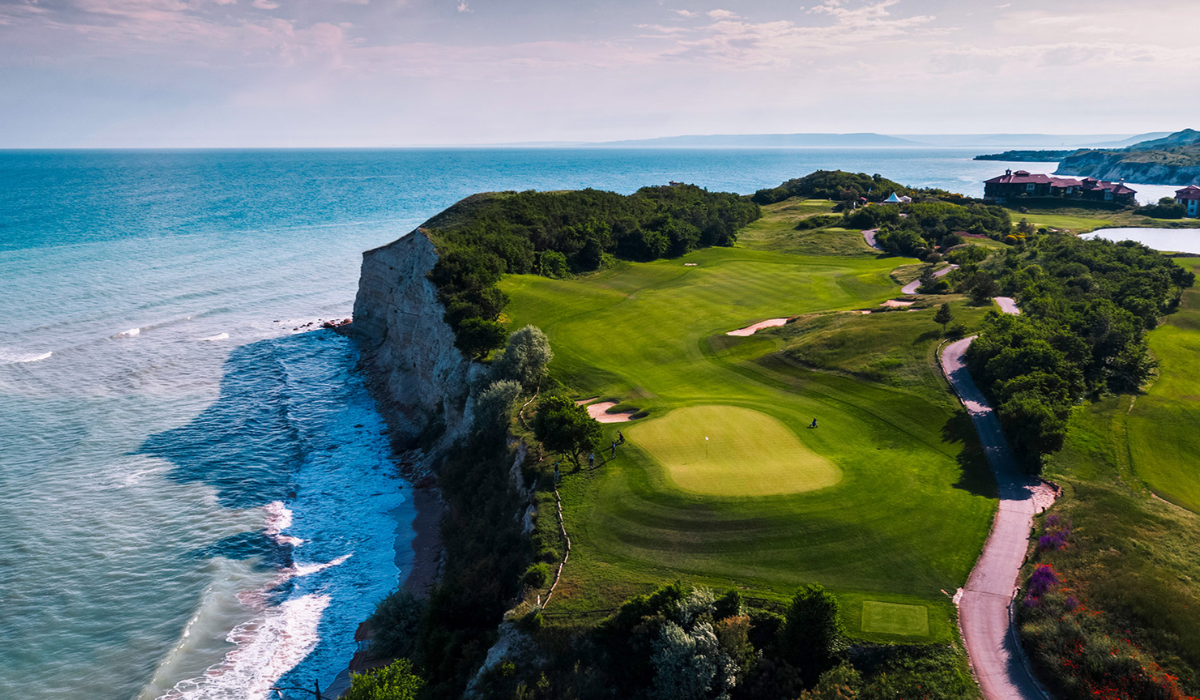
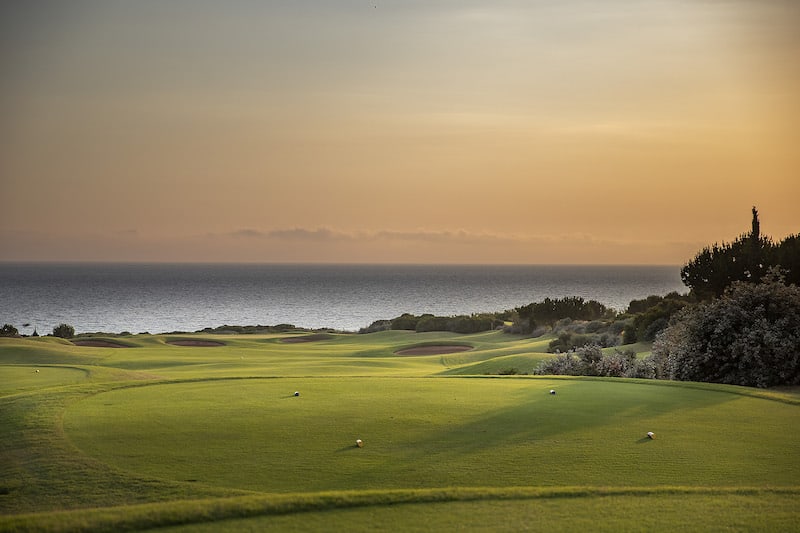
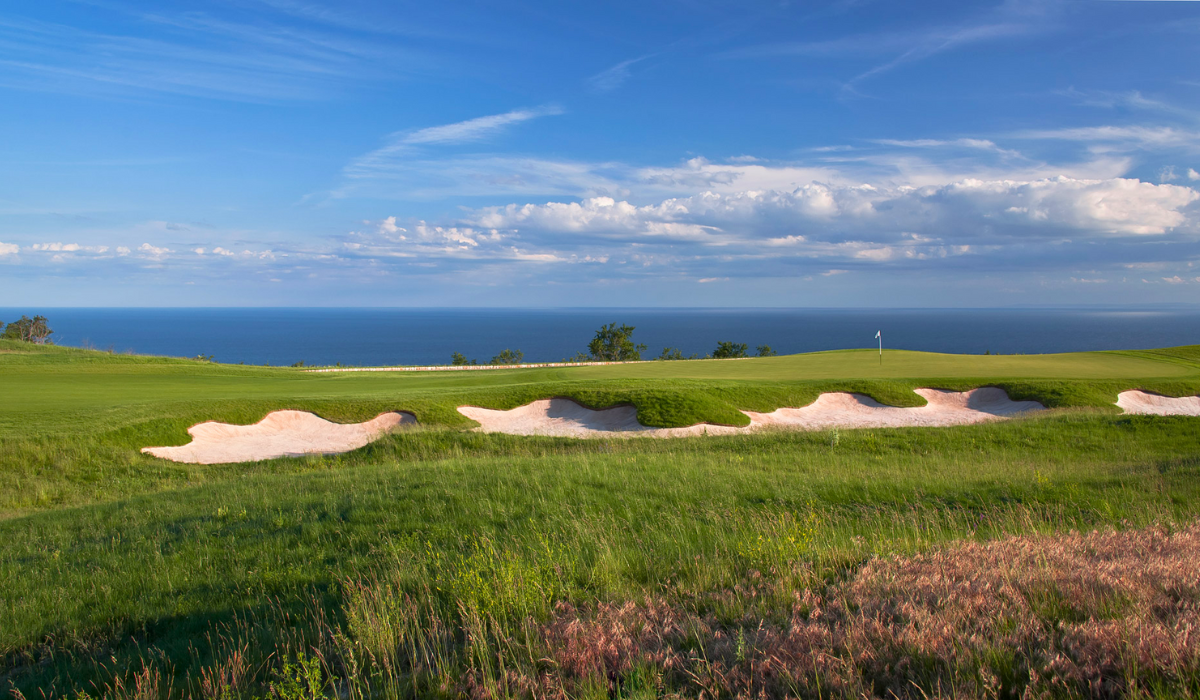
Bulgaria is home to some stunning seaside courses that remain largely undiscovered. Thracian Cliffs, perched dramatically on the Black Sea cliffs near Kavarna, is often called the “St. Andrews of the Balkans.” Designed by Gary Player, the course offers breathtaking cliffside views and challenging holes with dramatic elevation changes. A round here combines both golfing skill and a feast for the eyes, especially at sunset when the sea and course glow in golden light.
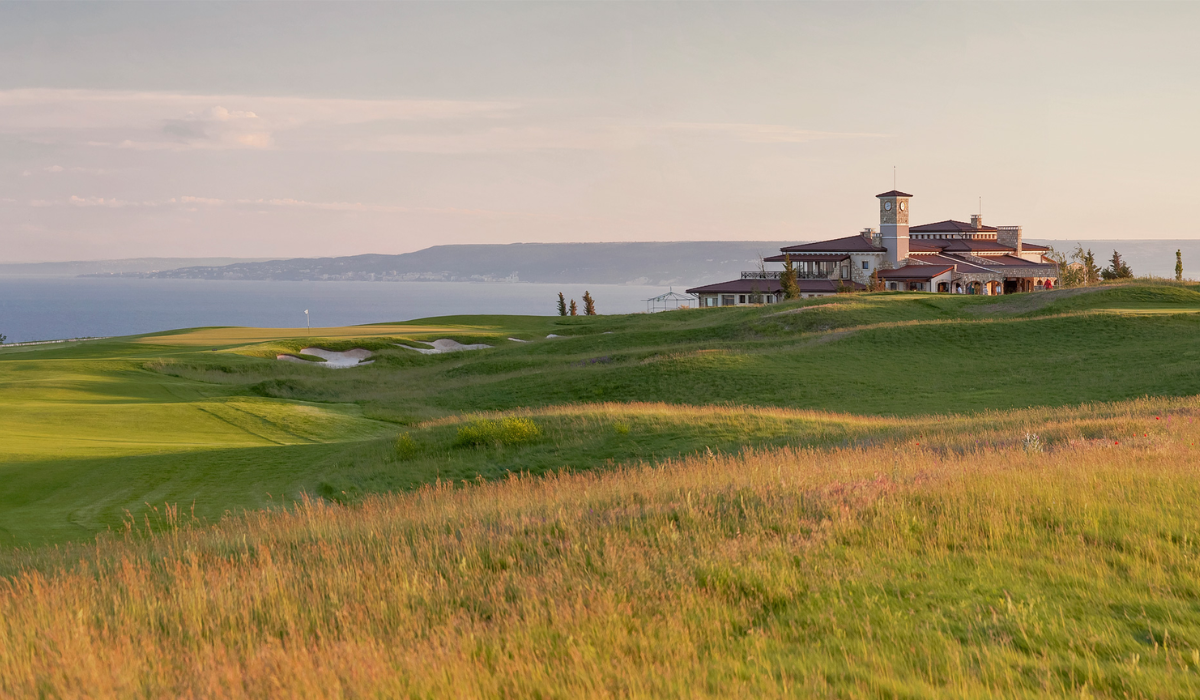
Nearby, BlackSeaRama Golf & Villas, designed by Ian Woosnam, provides a complementary experience with rolling links and strategically placed bunkers. Both resorts are part of the larger Black Sea Coast golf corridor, offering multiple courses within easy reach and luxury accommodations with seaside panoramas.
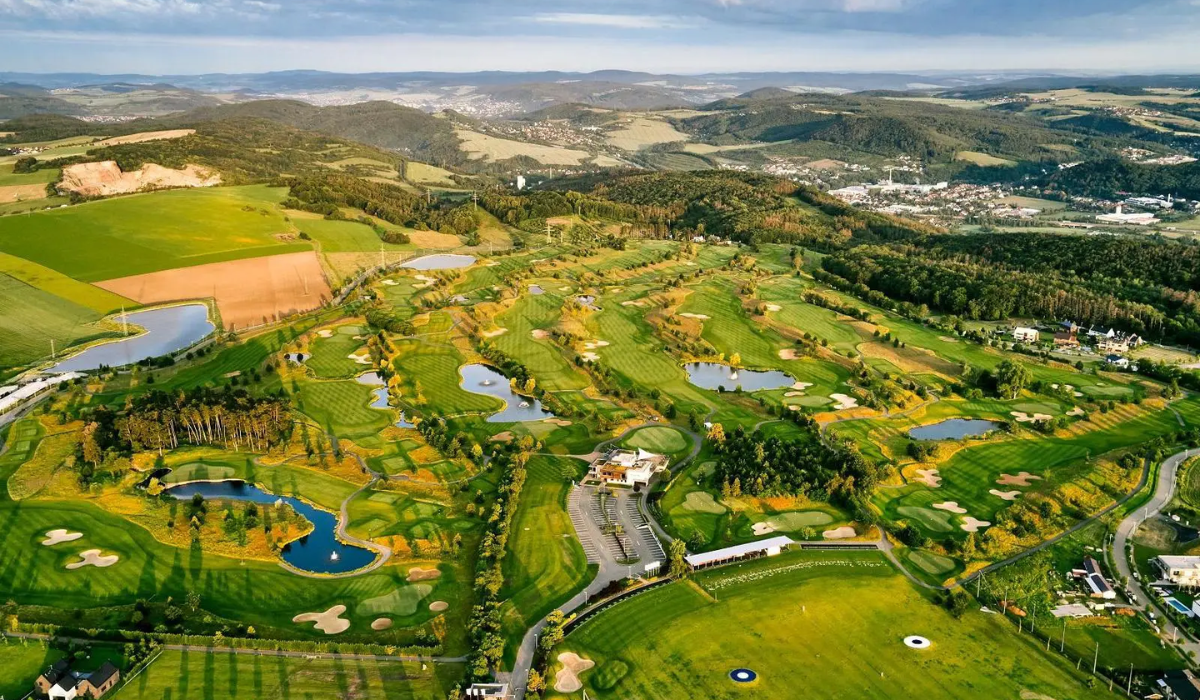
The Albatross Golf Resort near Prague is a must-play for golf enthusiasts seeking high-quality courses without heavy crowds. Opened in 2003, it has hosted several European Tour events and offers championship-level fairways, meticulously maintained greens, and scenic water hazards. Unlike busier Western European venues, players here enjoy a more relaxed pace while still experiencing world-class golf. Its combination of forested holes and open landscapes creates variety that tests all aspects of a golfer’s game.
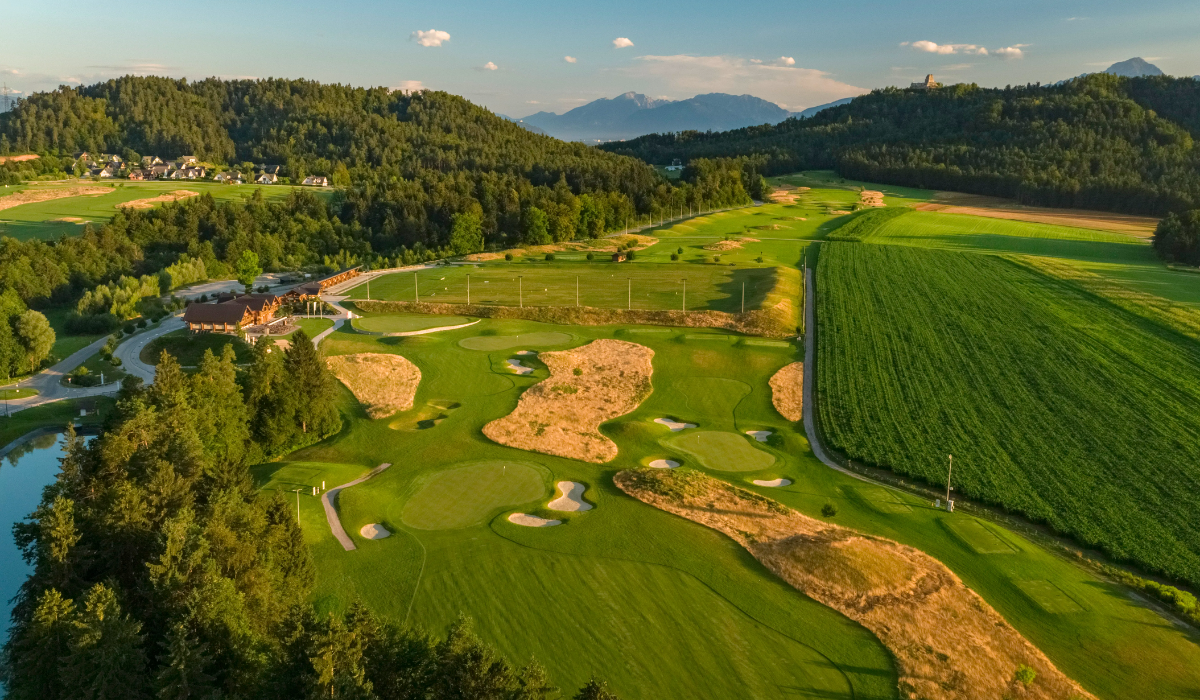
Slovenia’s Diners Golf & Country Club Ljubljana may not appear on every golfer’s radar, but it offers a delightful experience in the rolling hills of central Slovenia. Designed to harmonise with the surrounding landscape, the course challenges golfers with water hazards, strategically placed bunkers, and beautiful tree-lined fairways. Beyond golf, players can explore Ljubljana, a charming city known for its bridges, cafes, and rich cultural history.
What makes these Eastern European courses especially compelling isn’t only the golf, but the larger experience. In countries like Slovakia, Hungary, Bulgaria, the Czech Republic, and Slovenia, golf is still intimate — fewer crowds, more space, and often a strong connection to nature and local culture. Tee times remain refreshingly inexpensive, and accommodation and dining are often more affordable than in Western Europe.
Furthermore, the region’s historical and natural appeal is powerful. Golfers can pair their rounds with wine-tasting in Hungarian valleys, thermal spa visits, seaside walks along the Black Sea, or cultural excursions in Central Europe. Eastern Europe’s lower participation rates suggest that many of these courses are still “sleeping beauties,” waiting for more golfers to discover them.
Eastern Europe is not just an alternative; it’s a place to rediscover what golf is truly about — strategic thinking, natural beauty, and cultural immersion. From the cliffside majesty of Thracian Cliffs to the forested serenity of Penati, these courses offer challenges, relaxation, and a sense of adventure that more mainstream destinations sometimes lack.
For golfers looking to step off the beaten path and experience something truly different, Eastern Europe is a hidden treasure — not entirely undiscovered, but still offering the thrill of exploration.
Destinations
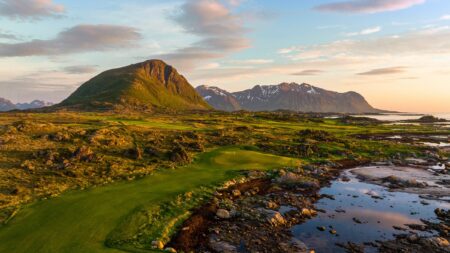
Lofoten Links joins The Cabot Collection
Lofoten Links in Norway, one of the world’s most unique and remote golf resorts, and has joined The Cabot Collection, the Canadian developer of luxury golf destinations. Cabot is renowned for operating exceptional golf resorts worldwide and its financial investment in Lofoten comes only a few weeks after it acquired its first property in continental […]

Course Reviews
5 Must-Play Golf Courses designed by Kyle Phillips
Kyle Phillips burst onto the scene just under two decades ago with his acclaimed creation at Kingsbarns. His ability to craft a world-class golf course out of what was gently undulating farmland, catapulted the designer into the big time. Since his maiden solo success, Phillips has been responsible for some of the world’s most exciting […]