


Course Reviews
Your Golf Trip to Tunisia: Courses, Costs, and What to Actually Expect
Explore 33,000+ golf courses in 180 countries.
Follow the latest news and trends in golf.
Connect with like-minded golfers.
Find everything you need for your golf equipment and gear needs.
Travel, golf resorts, lifestyle, gear, tour highlights and technology.
All Square
Suggestions
Course Reviews
Your Golf Trip to Tunisia: Courses, Costs, and What to Actually Expect
Gear
Garmin Golf Watches Guide: Which Garmin Watch Is Right for Your Game?
Course Reviews
Play Golf at Pebble Beach: What to Know Before You Go
PGA Tour
Changes on the PGA Tour from 2028
Course Reviews
Best Golf Courses Around Rome: Where Ancient History Meets Modern Golf
Instruction
Links vs Parkland vs Heathland: What’s the Difference?
Clubs
The Best Irons on the Market in 2026
Clubs
Austin Smotherman WITB: The Clubs Behind His 2026 Bank of Utah Championship Win
Destinations
Barrière Golf Properties: French Golf Escapes Where the Resort Is Part of the Experience
Destinations
Conrad Algarve Renovations: A New Chapter of Luxury in Quinta do Lago
PGA Tour
Presidents Cup 2026 Results & Winners: Team USA Completes Historic Comeback
Course Reviews
Cullinan Golf Links Resort, Belek: Where Golf Meets the Mediterranean
Course Reviews
New Opening: Limassol Greens — Cyprus’ New Golf Destination
PGA Tour
Presidents Cup 2026 Preview: Everything to Know Before Medinah
Clubs
Jacob Bridgeman WITB: The Clubs Behind His 2026 Biltmore Championship Victory
Professional Golf
Solheim Cup Results & Winners 2026: Europe Reclaims the Trophy
Clubs
This Year’s Best Drivers on the Market: A 2026 Buyer’s Guide
Course Reviews
Fancourt: The Garden Route Estate Where South African Golf Grew Up
Course Reviews
Best Golf Courses Around Madrid
Clubs
TaylorMade Spider ZT Putter Review: What It Is, How It Performs, and Whether It’s Worth the Upgrade
Clubs
WITB: Ryan Fox’s Winning Clubs at the 2026 Open Championship
Community
How Modern Golf Courses Conserve Water and Protect Wildlife
Course Reviews
Tee Off in Tuscany: Golfing Italy’s Most Picturesque Countryside
Course Reviews
The Best Golf Courses Near Pinehurst That Aren’t Pinehurst No. 2
Destinations
Spa & Swing: Resorts for Golfers Who Love Wellness
Clubs
Callaway Golf Balls Family Explained: A Complete Guide to the 2026 Lineup

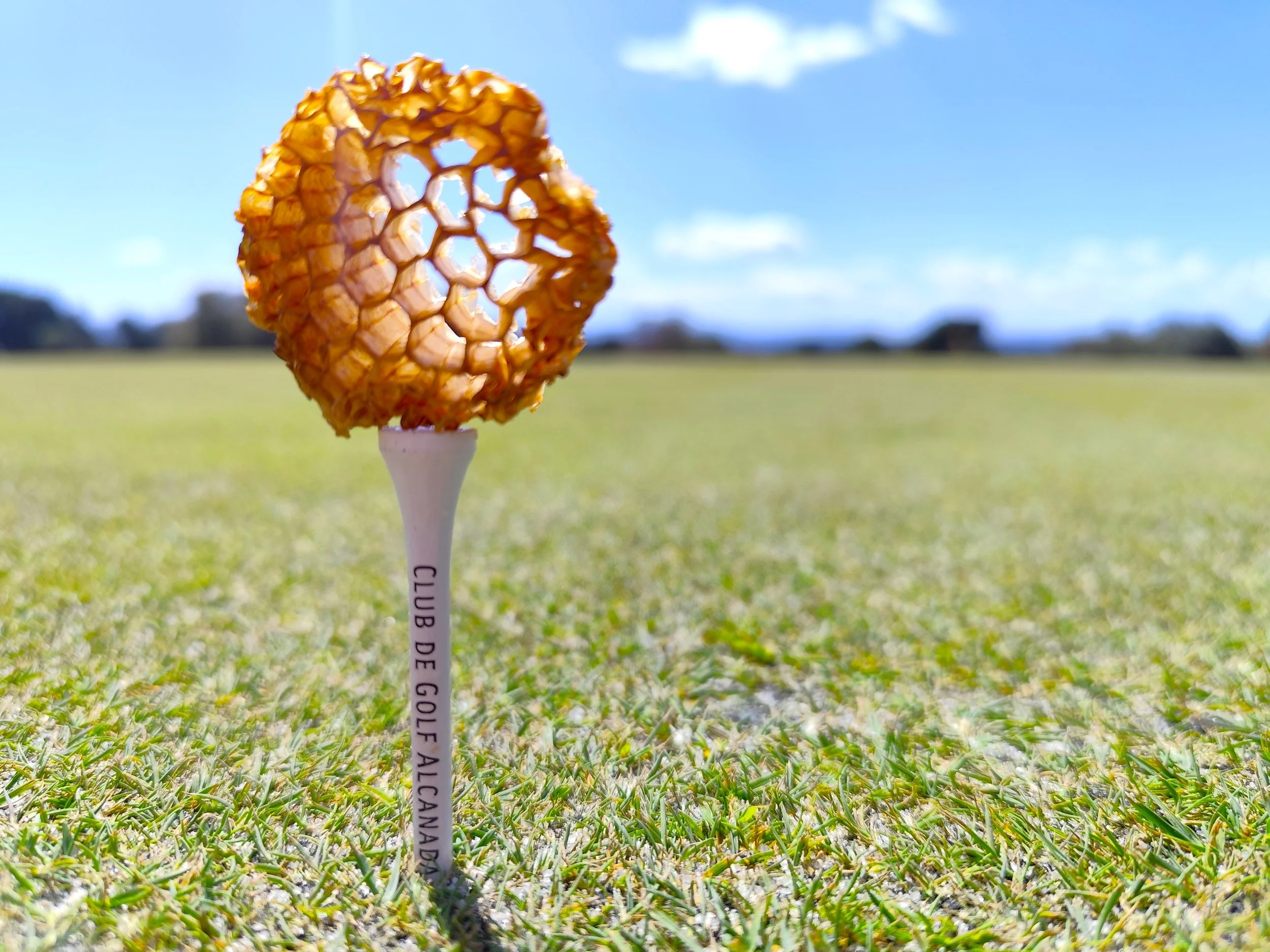
At first glance, a manicured fairway and a wild beehive seem to belong to opposite worlds. One is the definition of controlled, groomed landscape; the other thrives on chaos, tangled wildflowers and untouched soil. Yet across Europe and beyond, golf courses have quietly become some of the most effective sanctuaries for bees and other pollinators — and the reasons why reveal a surprisingly progressive side of the sport.
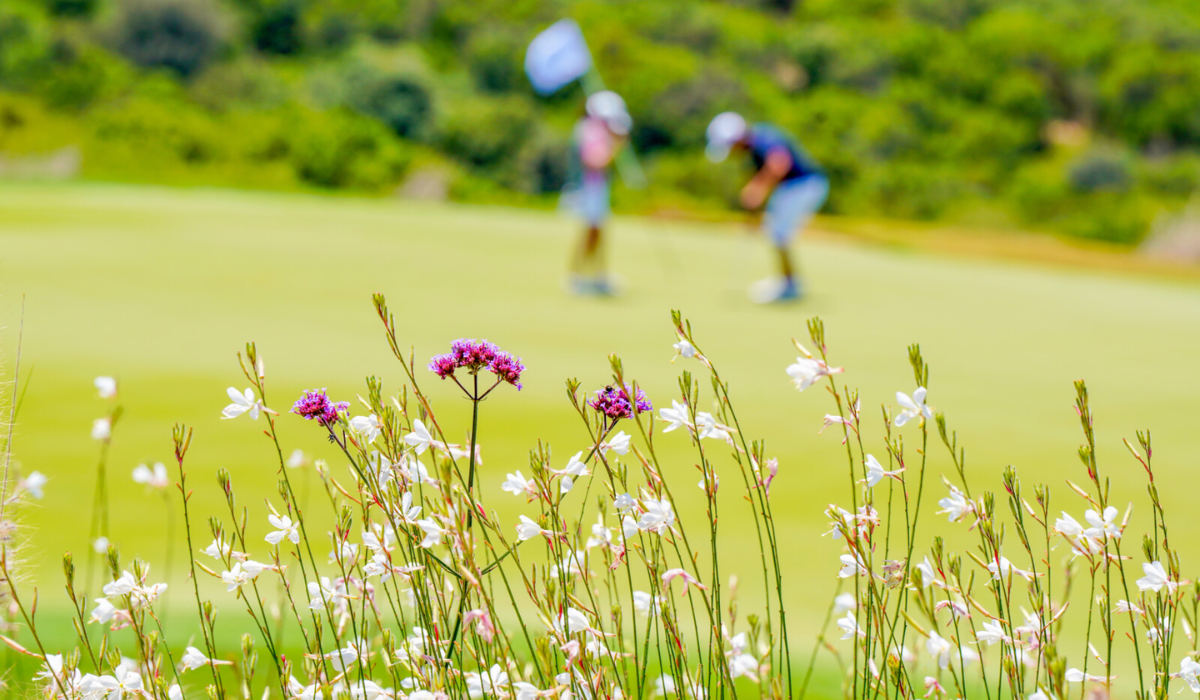
A typical 18-hole golf course spans well over 100 acres, but only a fraction of that land is actually in play. The rest — rough edges, tree lines, pond banks, and out-of-bounds corners — is often left unmanaged or lightly maintained. This kind of scattered, low-disturbance land is exactly what bees and butterflies need to gather pollen and nectar. When properly planned and managed, a golf course can in fact provide high-quality, diverse habitat for a wide range of wildlife, not just for the golfers walking past it.
It’s a simple but powerful shift in thinking: instead of treating out-of-play land as wasted space, courses are learning to treat it as ecological infrastructure.
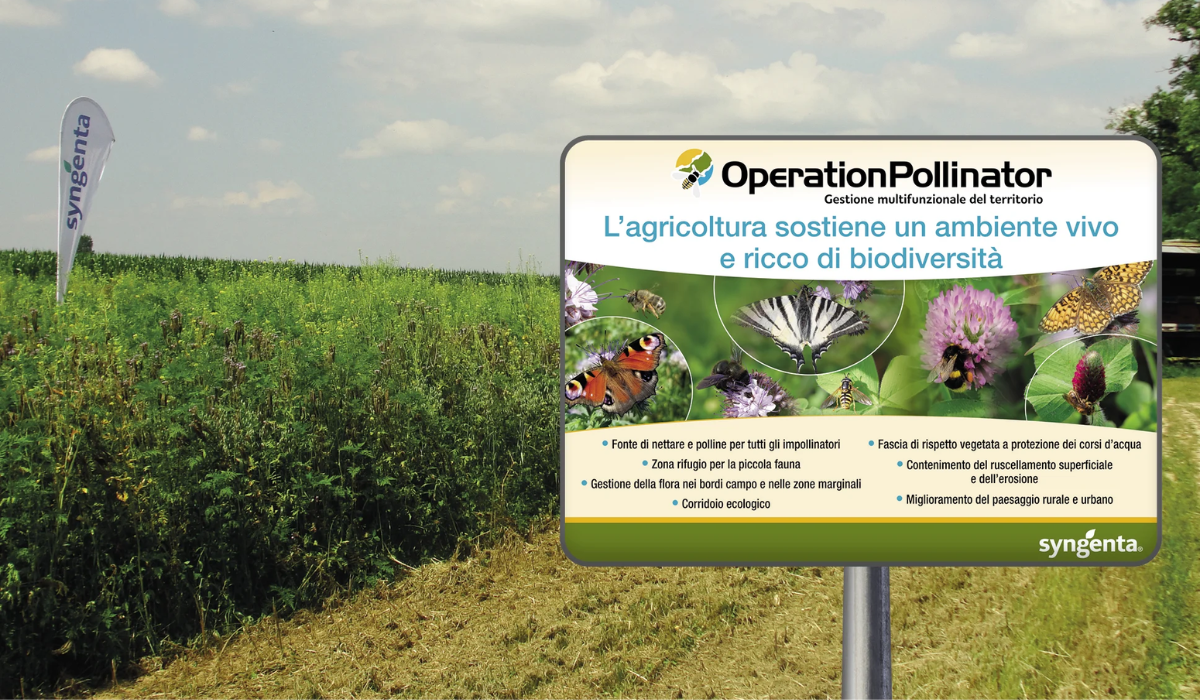
The story traces back to Syngenta’s Operation Pollinator, a program that began in Great Britain with the idea of creating scattered plantings for bees and butterflies. Around the same period, the USGA partnered with the U.S. Department of Agriculture’s Bee Biology and Systematics Laboratory and funded a research project with the Xerces Society specifically to study pollinator conservation on golf courses. That research led to a widely used practical guide for greenkeepers on building bee habitat directly into course design.
Operation Pollinator itself officially launched in 2008 with support from researchers at the University of Kentucky and has since helped establish native pollinator areas on more than 300 golf courses. Courses involved range from municipal facilities to major resort ownership groups, with several actively sharing their results and best practices with other clubs looking to start similar projects.
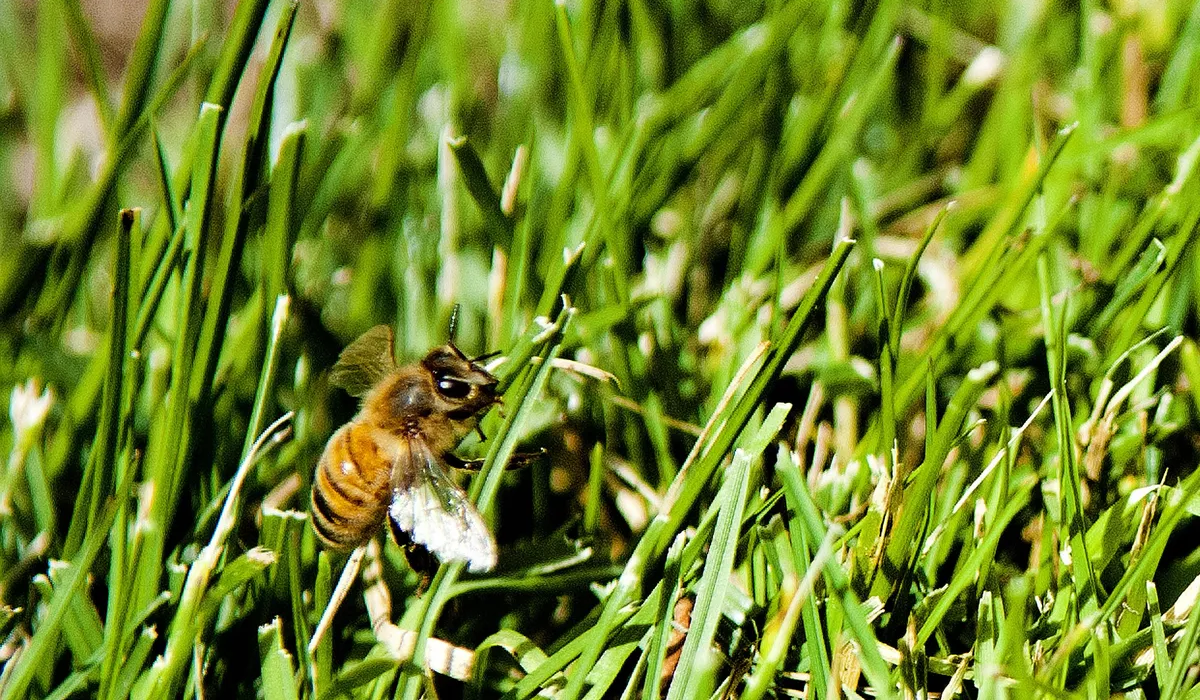
The urgency behind this shift is real. Between June 2024 and February 2025 alone, commercial beekeepers lost an estimated 62 percent of their bee colonies, amounting to roughly 1.1 million lost colonies, according to the nonprofit Project Apis m. The scale of the problem makes bee-friendly land increasingly valuable — and golf courses, precisely because they are so extensive and geographically widespread, are well positioned to help.
The stakes extend far beyond the hive: the American Beekeeping Federation estimates that a third of all the food Americans eat is directly or indirectly linked to honeybee pollination, and nearly 80 percent of the world’s flowering plants depend on animal pollinators to reproduce. A single course converting even a modest patch of rough into a wildflower meadow contributes to a much larger web of food security and biodiversity.
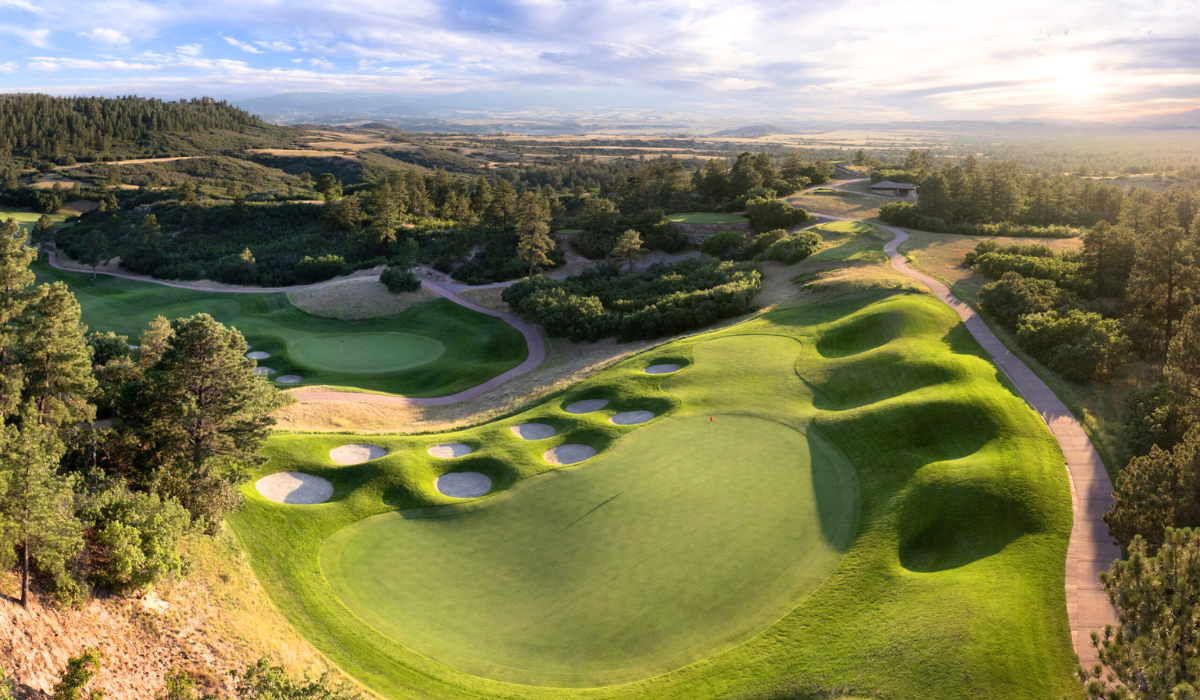
What makes this partnership tangible is how visible it has become on real courses.
At The Sanctuary Golf Club on Sanibel Island, Florida, nearly a million honeybees live in 15 hives near the eighth tee, in an area that was converted from maintained turfgrass to wildflowers back in 2010. The honey harvested there is even sold in the course’s pro shop.
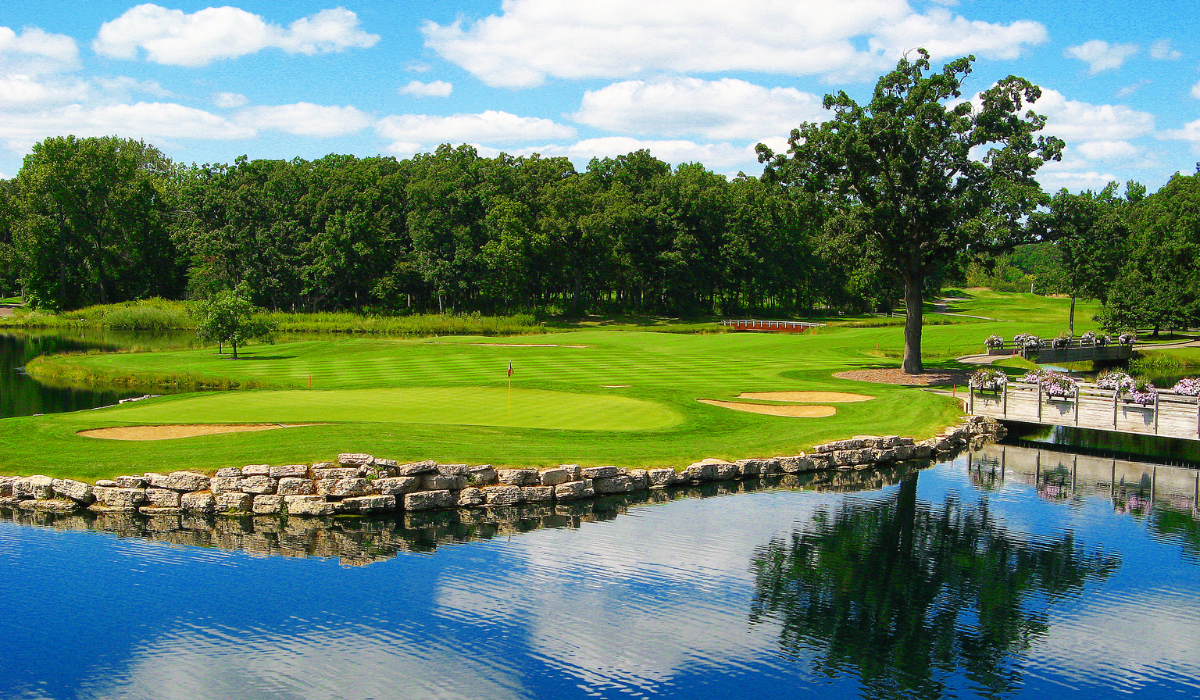
At Cantigny Golf near Chicago, longtime superintendent Scott Witte turned beekeeping into a diagnostic tool. He calls it the “Bee Barometer Project,” using the health of his hives as an indicator of the overall ecological health of the course, and has converted 25 acres of previously maintained turf into no-mow habitat with ponds, wildlife corridors and buffer zones. His own conclusion, after years of beekeeping alongside greenkeeping, was refreshingly blunt: having bees made him question why he would ever apply chemicals that could kill them.
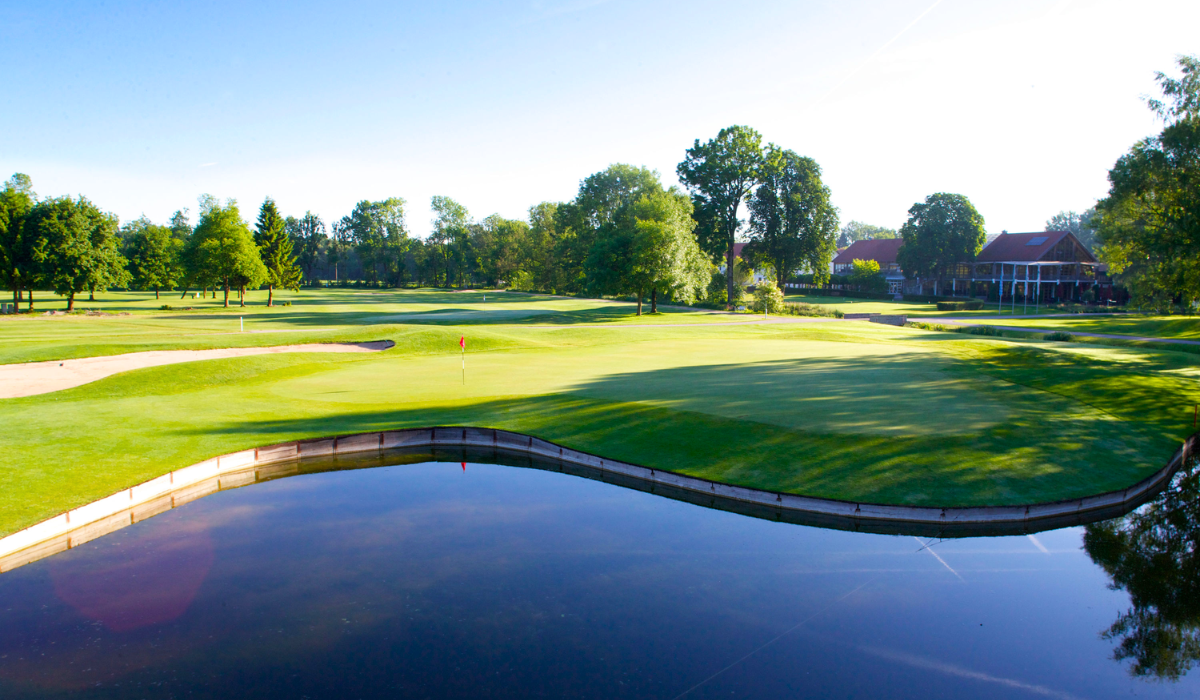
Europe has its own standout stories. In Germany, GC München Eichenried — a Leading Golf Club of Germany and host venue of the BMW International Open — maintains around 100 bee colonies on site, setting a national benchmark for species protection in golf. In France, Golf National near Paris works in partnership with the Natural History Museum and the French Golf Federation, managing ten distinct habitat types and having identified at least 350 flora and fauna species on the property, including 70 bird species, alongside microhabitats built specifically for amphibians, birds and bees.
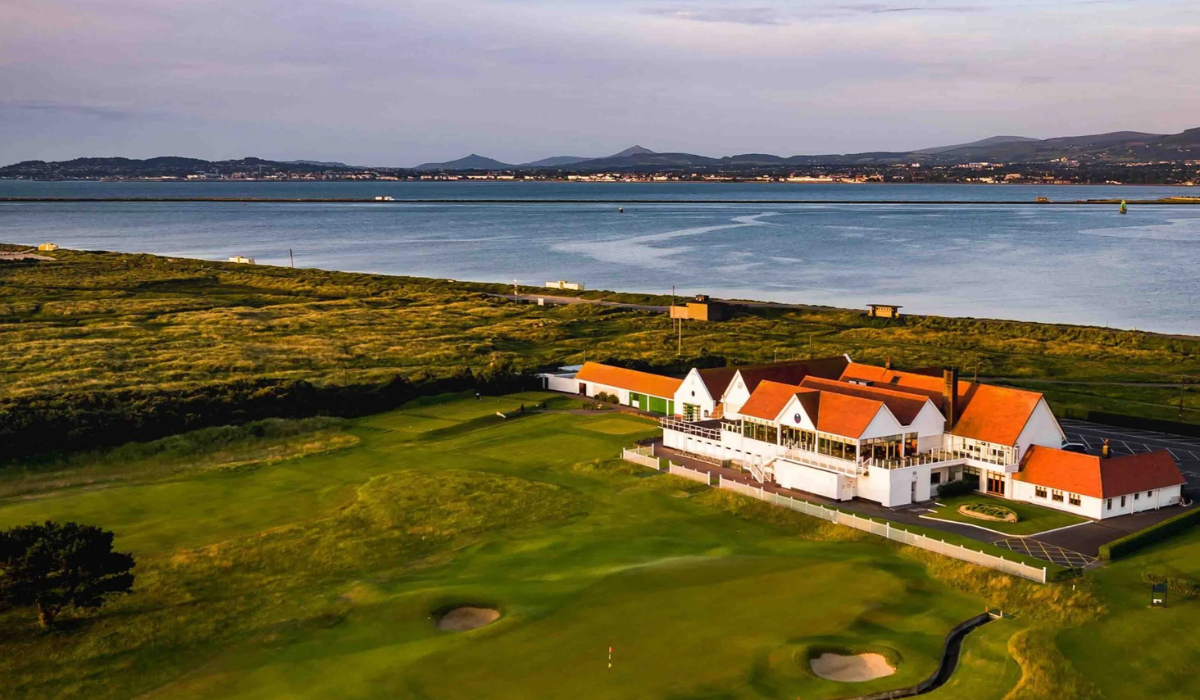
Meanwhile, in Ireland, Royal Dublin has introduced beehives around its course as part of an effort to re-establish the native Irish black honeybee, with measurable benefits for course biodiversity as the pollinators have thrived.
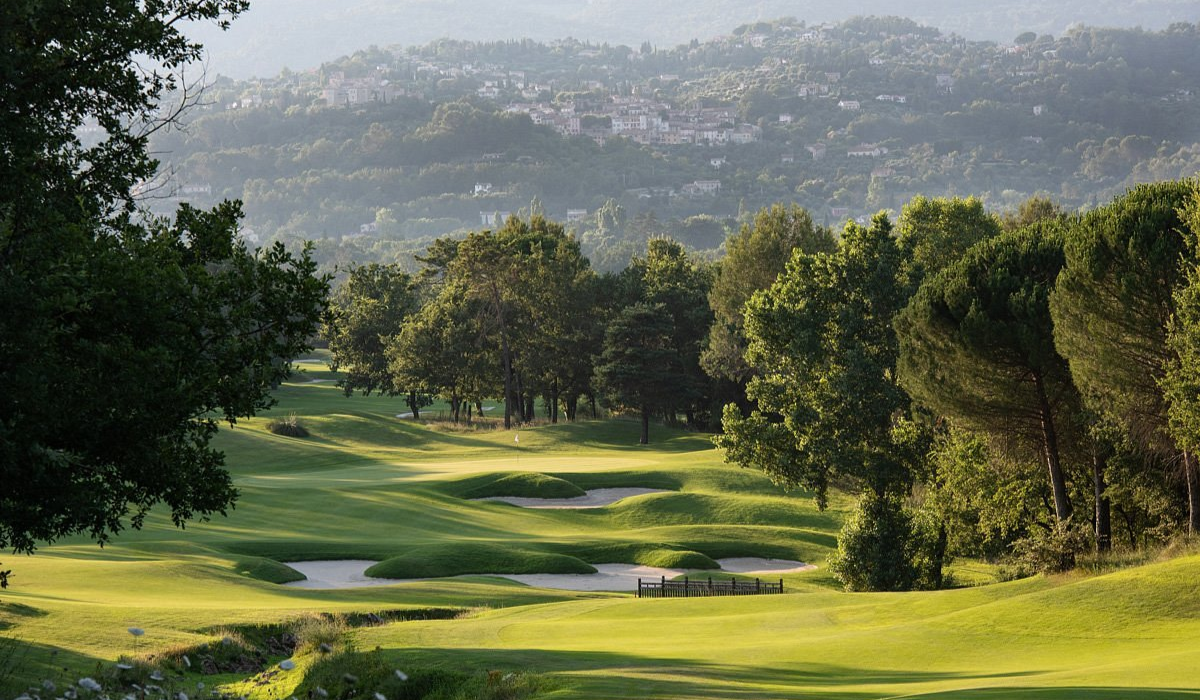
This isn’t just goodwill — it’s increasingly formalised. To achieve GEO Certified status, golf courses must meet strict sustainability criteria spanning water conservation, energy efficiency, biodiversity protection, chemical management, and community involvement. GEO, run by the Golf Environment Organisation, is the most widely distributed certification in Europe, while Germany also runs its own biodiversity-specific “Golf and Nature” and “Habitat Golf Course” credentials, and the Audubon Cooperative Sanctuary Program plays a similar role in the United States.
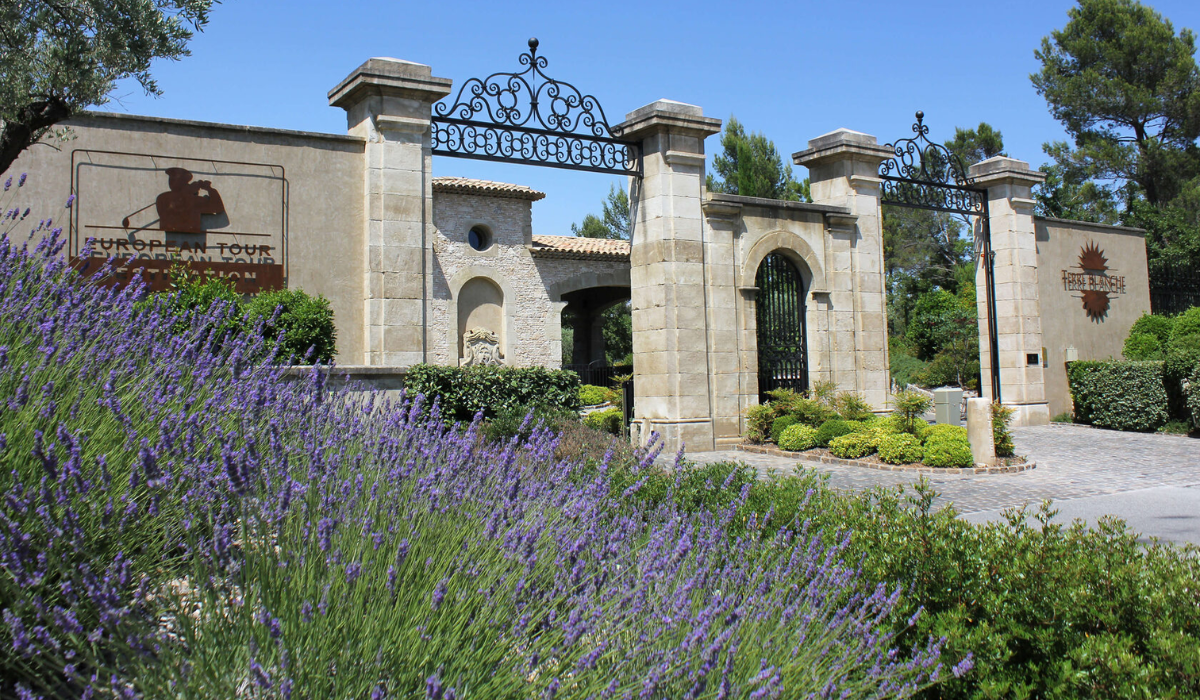
Resorts such as Terre Blanche in Provence have built their entire environmental philosophy around this kind of certification. The resort has held GEO certification since 2016, added a Green Key certification, and holds the French Golf Federation’s Silver Label for biodiversity — alongside dedicated projects like installing bat shelters to support one of Europe’s most endangered mammal groups. In Wales, Celtic Manor has taken a similarly structural approach, building a network of beehives, insect hotels, bird boxes and wildflower areas as part of its push toward full GEO Certification across its courses, alongside a multi-million-pound investment in sustainable irrigation.
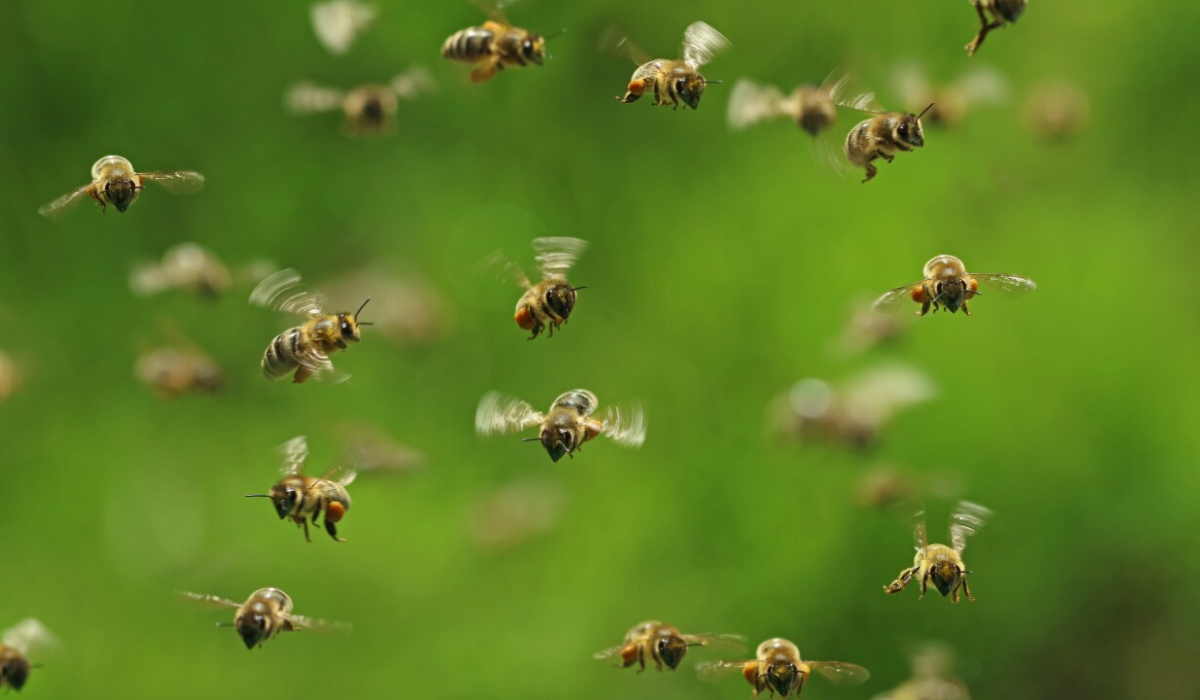
The ripple effects go well beyond honey production. A flower-rich habitat built for bees tends to attract hummingbirds, butterflies, beetles and flower flies too, and these diverse habitats in turn draw in other animals and birds — some of which, like solitary-nesting wasps, even help control turf pests such as cutworms naturally. At Celtic Manor, safeguarding wild grasslands, wetlands and woodlands has supported long-term biodiversity growth well beyond the immediate pollinator project.
There’s also an educational dimension that golf clubs are increasingly leaning into. Pollinator projects give clubs visible, physical proof of environmental commitment — something Operation Pollinator’s own coordinators describe as far more persuasive to members and visitors than a written sustainability policy alone, and a natural opportunity to host school field trips focused on conservation.
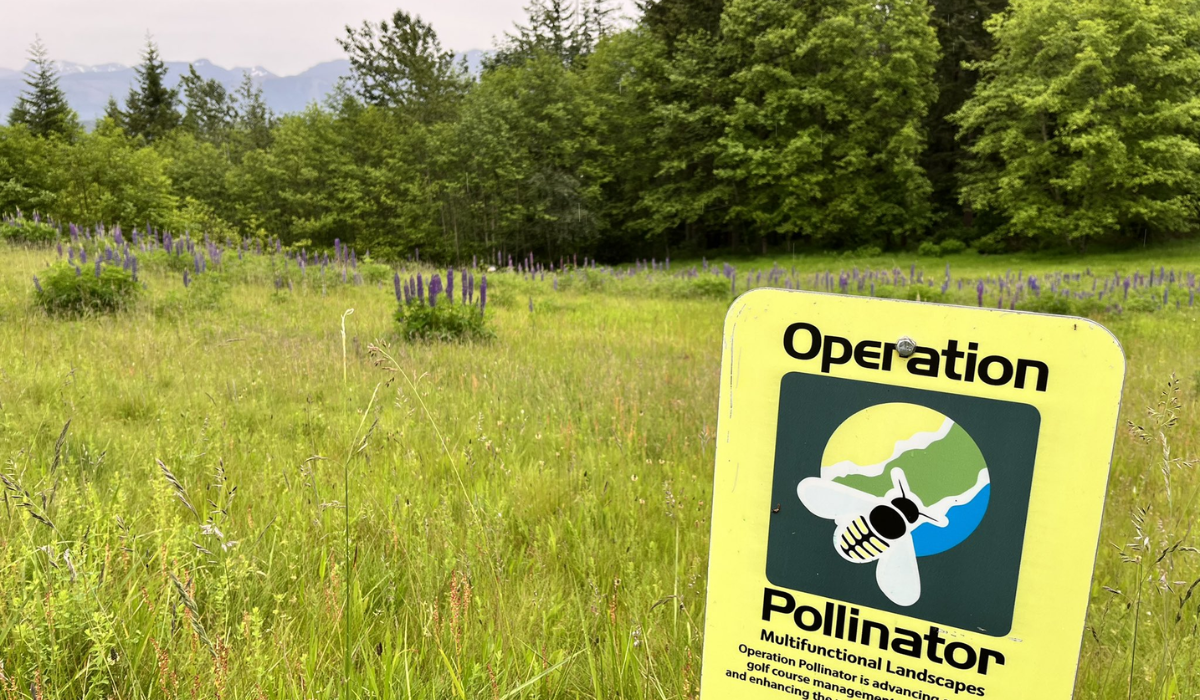
For travellers planning golf trips through Europe, this quiet ecological shift is becoming part of the experience itself. Courses with active pollinator programs often highlight it proudly — a beehive tucked beside the ninth fairway, a wildflower buffer along a lake, honey served at the clubhouse breakfast table. It’s a small but telling sign of how a course is managed, reflecting the same attention to detail that shows up in turf quality, water management and long-term course health.
Next time a fairway edge looks a little wilder than expected, or a soft hum rises from a patch of clover near the rough, it’s worth pausing for a moment. That untamed corner may be doing more for the surrounding landscape — and for dinner tables far beyond the course boundary — than the eighteen manicured holes around it.
Terre Blanche Hotel Spa Golf Resort: Golf Destination in the Heart of Provence
Tee Off in Tuscany: Golfing Italy’s Most Picturesque Countryside
Destinations
Golf in Bilbao, Spain
The port city of Bilbao in the Basque region of northern Spain, surrounded by beaches and hills and famous for its incredible food and architecture, has some great golf courses to play. Home to delicious pintxos – the local version of tapas – and the world famous Frank Gehry-designed Guggenheim Museum, it’s also a great […]

Course Reviews
Top 10 most breathtaking golf courses: UK & Ireland
Did we leave any of your favourites out? Here’s our countdown of the Top 10 most breathtaking golf courses in the UK & Ireland. 10: Staley Hall (Hunting), England Sometimes called the ‘Augusta of the North’ thanks to its blooming rhododendrons, undulating greens and towering Pines, this manicured and beautiful parkland course in the north […]