



Gear
Garmin Golf Watches Guide: Which Garmin Watch Is Right for Your Game?
Explore 33,000+ golf courses in 180 countries.
Follow the latest news and trends in golf.
Connect with like-minded golfers.
Find everything you need for your golf equipment and gear needs.
Travel, golf resorts, lifestyle, gear, tour highlights and technology.
All Square
Suggestions
Gear
Garmin Golf Watches Guide: Which Garmin Watch Is Right for Your Game?
Destinations
Thai Caddie Culture Explained: Tipping, Etiquette and What to Expect
Course Reviews
Best Golf Courses Around Munich: Where Championship Golf Meets Bavarian Beauty
Course Reviews
Golf in Madeira: Cliffs, Clouds and Two Unforgettable Courses
Course Reviews
Marrakech vs Agadir for Golf: Which Moroccan Destination Should You Choose?
Accessories
Best Push Carts and Electric Trolleys for Golf in 2026
Course Reviews
Rediscover Monte Rei: Portugal’s Iconic Golf Course Reopens After Major Renovation
Course Reviews
Best Golf Courses Around Rome: Where Ancient History Meets Modern Golf
Instruction
Links vs Parkland vs Heathland: What’s the Difference?
Clubs
The Best Irons on the Market in 2026
Clubs
Austin Smotherman WITB: The Clubs Behind His 2026 Bank of Utah Championship Win
Destinations
Barrière Golf Properties: French Golf Escapes Where the Resort Is Part of the Experience
Destinations
Conrad Algarve Renovations: A New Chapter of Luxury in Quinta do Lago
PGA Tour
Presidents Cup 2026 Results & Winners: Team USA Completes Historic Comeback
Course Reviews
Cullinan Golf Links Resort, Belek: Where Golf Meets the Mediterranean
Course Reviews
New Opening: Limassol Greens — Cyprus’ New Golf Destination
PGA Tour
Presidents Cup 2026 Preview: Everything to Know Before Medinah
Clubs
WITB: Ryan Fox’s Winning Clubs at the 2026 Open Championship
Community
How Modern Golf Courses Conserve Water and Protect Wildlife
PGA Tour
Changes on the PGA Tour from 2028
Course Reviews
Tee Off in Tuscany: Golfing Italy’s Most Picturesque Countryside
Course Reviews
The Best Golf Courses Near Pinehurst That Aren’t Pinehurst No. 2
Destinations
Hidden Golf Paradises in Europe You Haven’t Played Yet
Majors
PGA Tour 2026: Season Overview
Destinations
24 Hours at a Luxury Golf Resort: A Day in Paradise

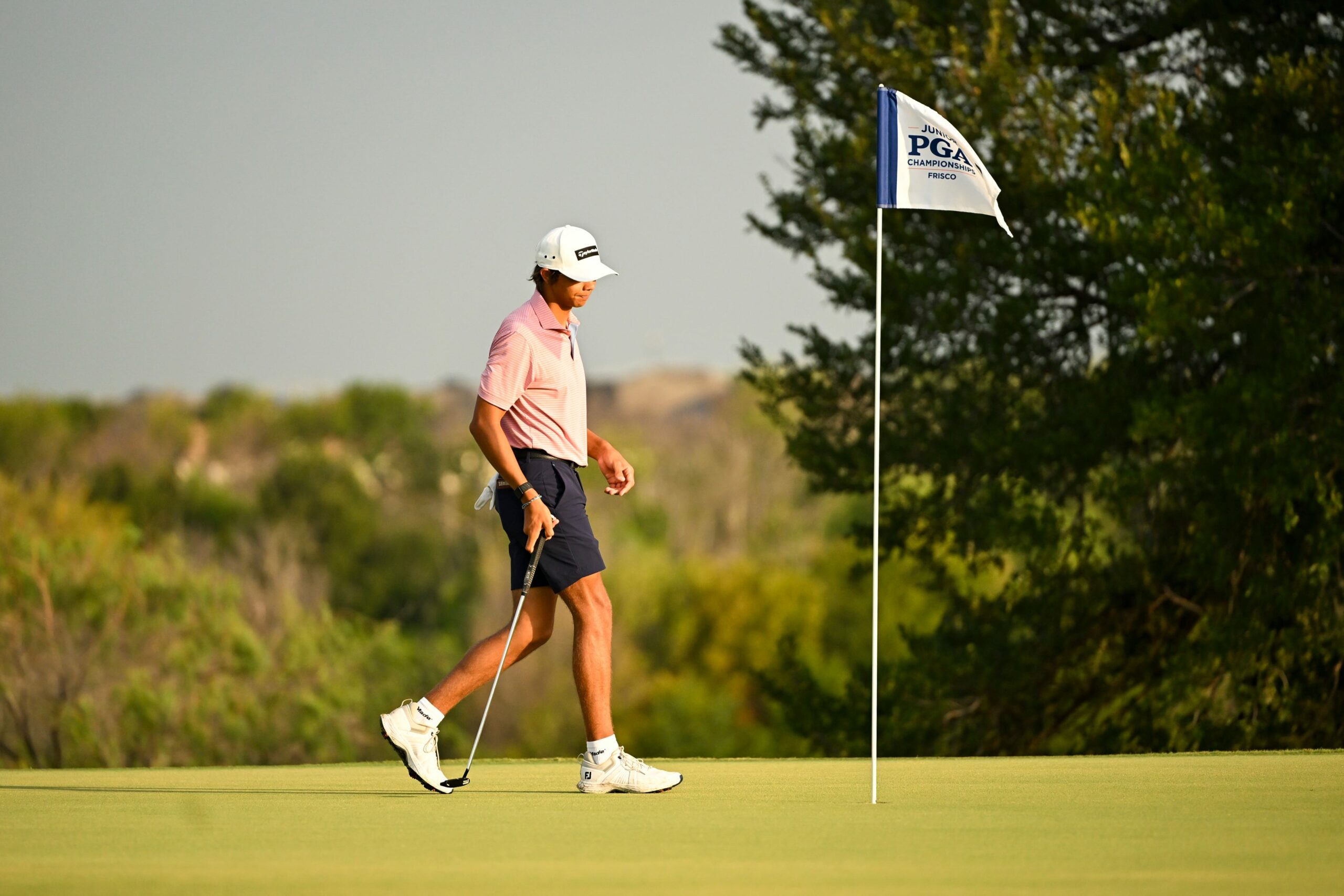
Every year, thousands of talented junior golfers dream of reaching the PGA Tour, DP World Tour or LPGA Tour. Parents invest countless hours—and often hundreds of thousands of dollars—supporting that dream.
The difficult question is always the same:
While there is no formula that guarantees success, there is one benchmark that deserves far more attention than it often receives:

By comparing today’s best professionals with their amateur careers, a remarkably clear pattern emerges.
Looking at the current Official World Golf Ranking (OWGR) Top 100, the vast majority had already established themselves among the world’s elite amateurs before turning professional.
| Highest WAGR achieved | Current OWGR Top 100 | Approx. % |
| World No. 1 | 11 | 11% |
| Top 10 | 49 | 49% |
| Top 30 | 75 | 75% |
| Top 100 | 90 | 90% |
In other words:
These statistics don’t guarantee success—but they are among the strongest predictors available.
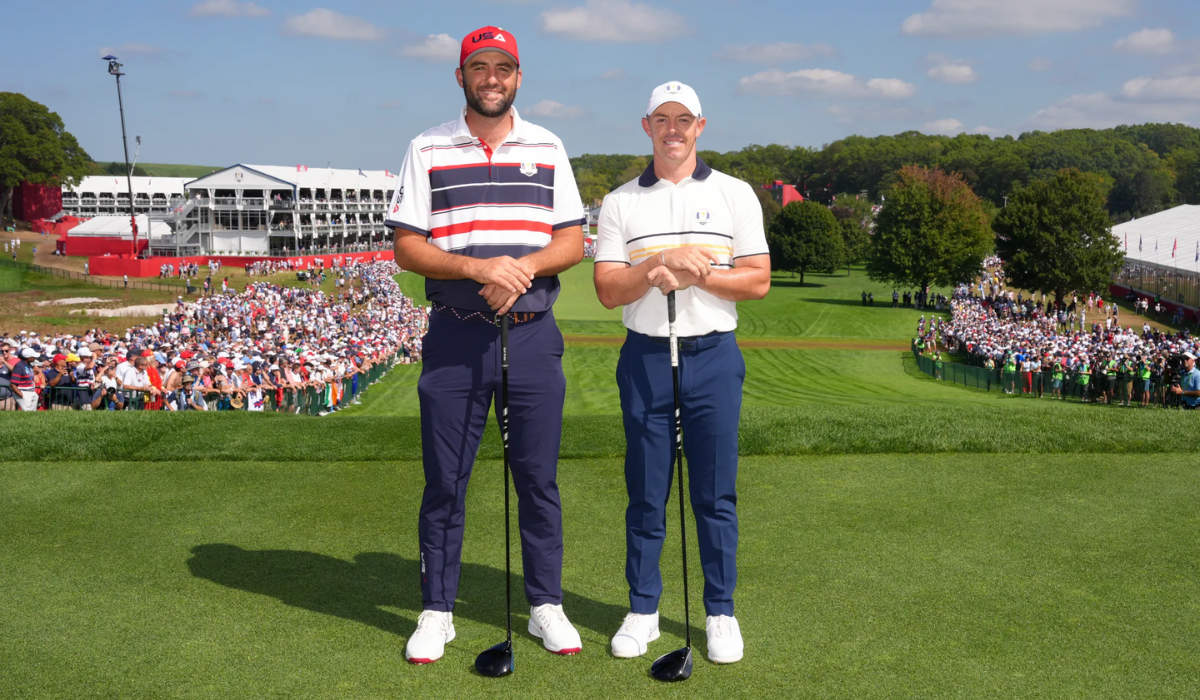
Look at today’s stars.
Scottie Scheffler, Jon Rahm, Ludvig Åberg, Viktor Hovland, Rory McIlroy, Justin Thomas, Jordan Spieth, Patrick Cantlay, Bryson DeChambeau, Matt Fitzpatrick and Hideki Matsuyama all reached World Amateur No. 1 before becoming elite professionals.
Others such as Tommy Fleetwood, Xander Schauffele, Collin Morikawa, Cameron Young and many more were among the world’s very best amateurs long before lifting professional trophies.
This isn’t a coincidence.
Elite amateur golf is where future professionals usually prove they belong.
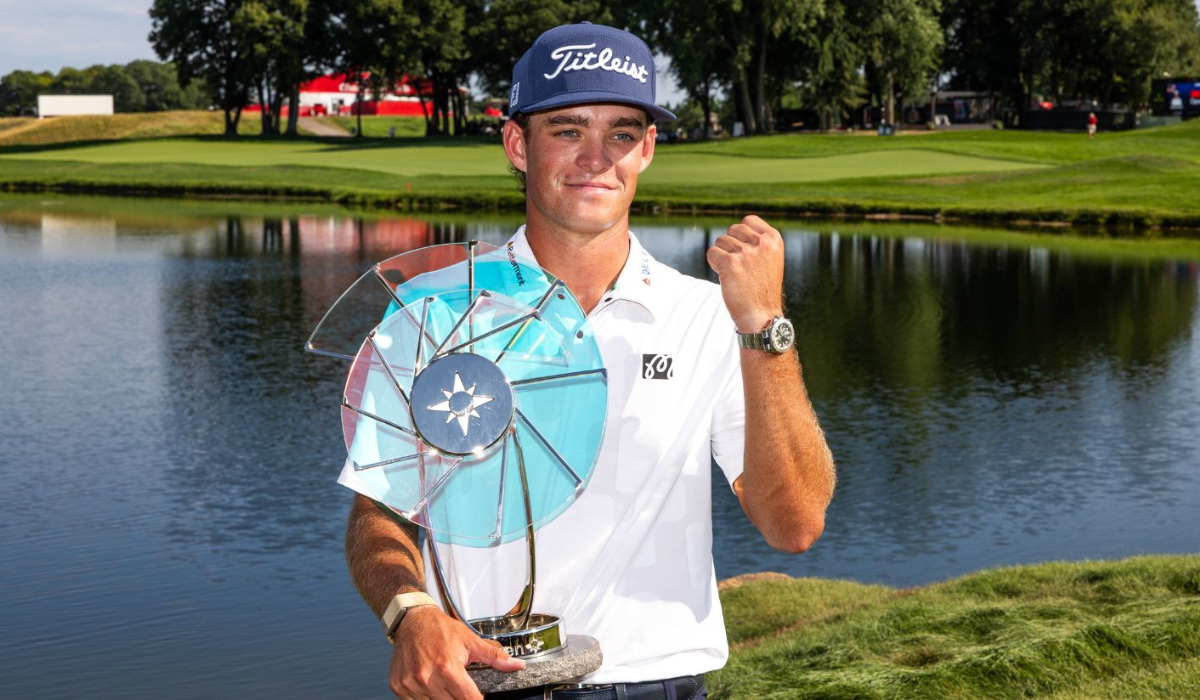
Nothing illustrates this better than Jackson Koivun.
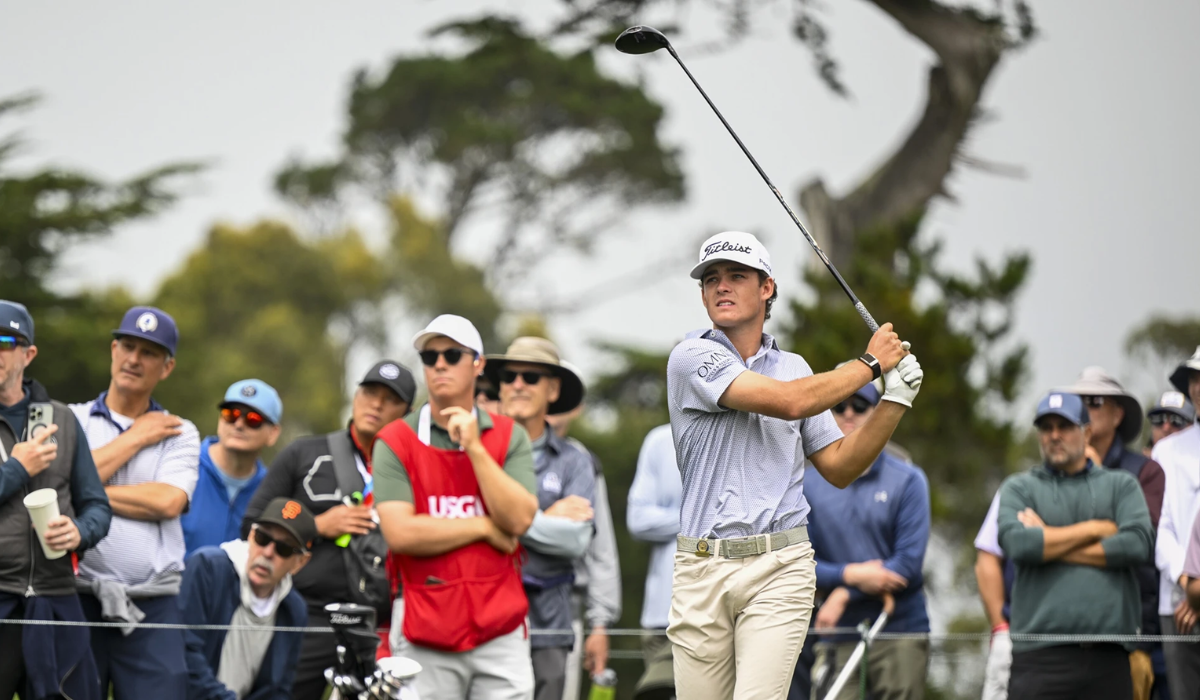
Koivun became the World Amateur No. 1, dominated college golf at Auburn University, won virtually every major collegiate award, and has now captured his first PGA Tour victory at the 2026 3M Open—just weeks after turning professional and only his third professional start. He held off none other than Scottie Scheffler to claim the title.
He joins a remarkable wave of recent elite amateurs making seamless transitions, including Luke Clanton, Michael Thorbjornsen, David Ford, Gordon Sargent and others whose amateur résumés already suggested they were ready for the highest level.
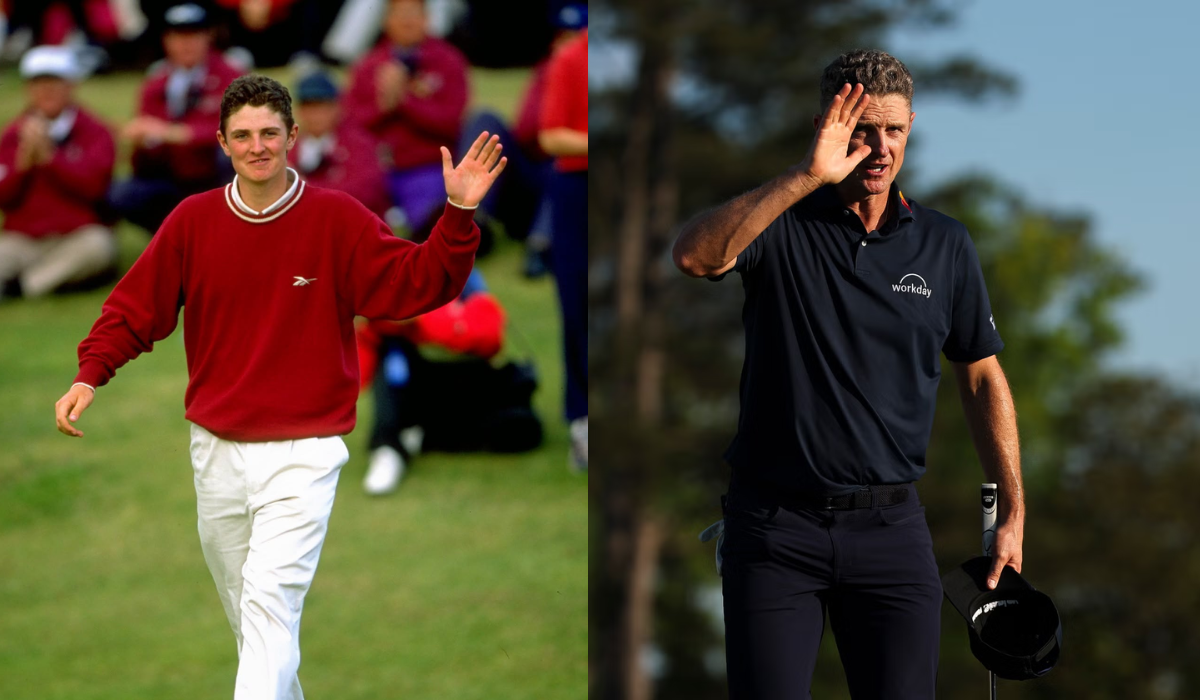
One of the most fascinating observations is longevity.
Justin Rose and Adam Scott were among the world’s best amateurs roughly 25 years ago.
Today, they continue competing at the highest level of professional golf.
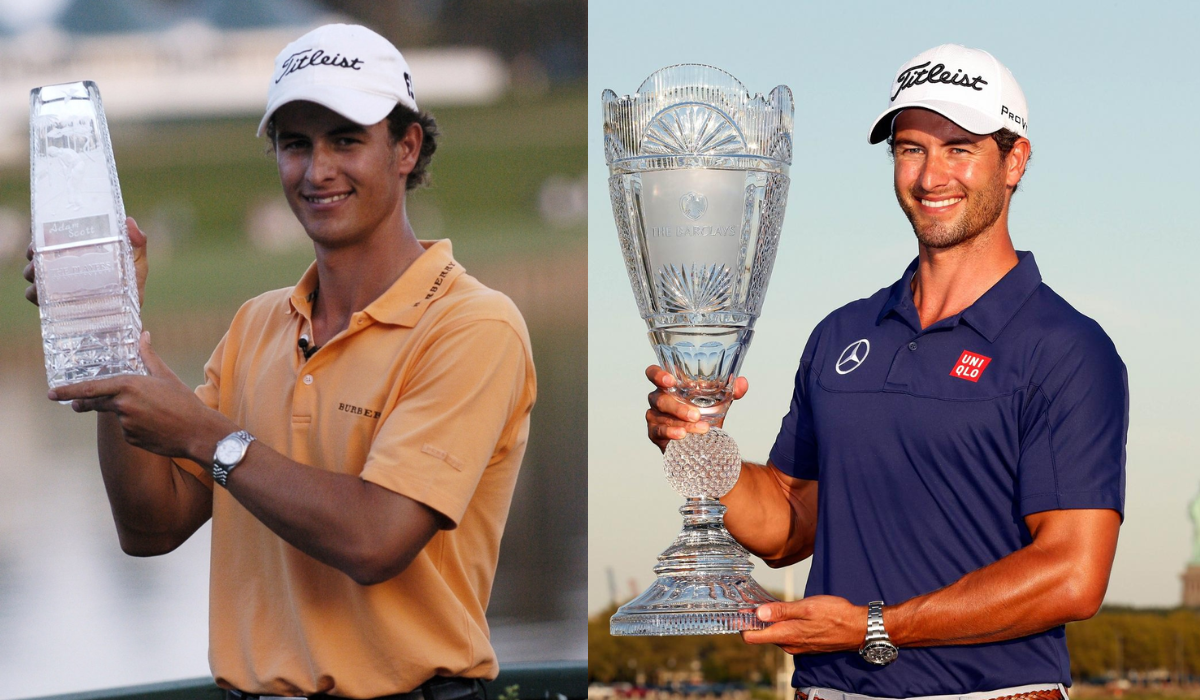
That says something profound.
Elite amateur performance isn’t just about getting onto Tour—it often reflects the fundamental talent, work ethic and competitive qualities required to build careers lasting decades.

Many young players think that turning professional is the next step toward improvement.
It isn’t.
Professional golf simply removes the safety net.
You face:
If you’re struggling to establish yourself among elite amateurs, history suggests life usually becomes even harder as a professional.
Instead of asking:
“Is my child ready to turn professional?”
consider asking:
Those questions replace emotion with evidence.
Golf will always produce late bloomers.
Some players develop physically later.
Others discover confidence after turning professional.
Some come from countries with fewer ranking opportunities.
Statistics are not destiny.
But they do describe probability.
Building a career on the expectation of becoming the exception is far riskier than building one on objective evidence.
The best players rarely leave amateur golf because they have become impatient.
They leave because they have outgrown it.
When you’re consistently competing with and beating the best amateurs in the world, professional golf becomes the logical next challenge.
Until then, amateur golf remains one of the greatest development environments in the sport.
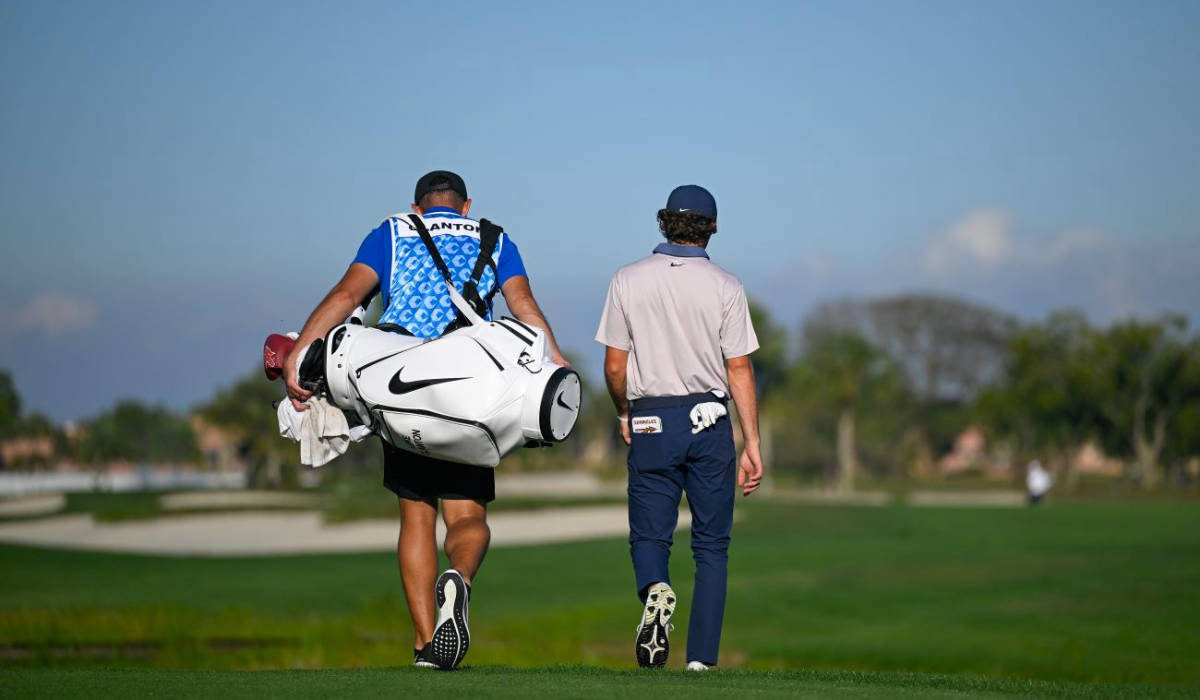
Parents naturally want to support their children’s dreams.
The challenge is balancing ambition with realism.
The data doesn’t tell us who will become the next Scottie Scheffler or Rory McIlroy.
But it does tell us something incredibly valuable:
The overwhelming majority of today’s best professionals first proved themselves against the world’s best amateurs.
Dream big.
Work relentlessly.
But let performance—not emotion—determine when it’s time to become a professional.
Majors
Best Rookie Performances in PGA History
Few things in professional golf capture the imagination like a rookie stepping onto the PGA Tour and immediately making waves. While seasoned players often dominate headlines, a few extraordinary newcomers have left indelible marks on the game, showcasing talent, composure, and a competitive spirit that belies their lack of experience. From stunning victories to record-breaking […]

Course Reviews
A Tour of Texas’s Finest Golf Courses
Texas has always been a land of grand landscapes and bigger-than-life experiences, and its golf courses are no exception. From classic layouts that have hosted the game’s greatest players to modern masterpieces blending seamlessly with the state’s rugged beauty, Texas offers golfers an extraordinary variety of challenges. Whether you’re chasing PGA Tour history, looking for […]