


Course Reviews
Best Golf Courses Around Rome: Where Ancient History Meets Modern Golf
Explore 33,000+ golf courses in 180 countries.
Follow the latest news and trends in golf.
Connect with like-minded golfers.
Find everything you need for your golf equipment and gear needs.
Travel, golf resorts, lifestyle, gear, tour highlights and technology.
All Square
Suggestions
Course Reviews
Best Golf Courses Around Rome: Where Ancient History Meets Modern Golf
Instruction
Links vs Parkland vs Heathland: What’s the Difference?
Clubs
The Best Irons on the Market in 2026
Clubs
Austin Smotherman WITB: The Clubs Behind His 2026 Bank of Utah Championship Win
Destinations
Barrière Golf Properties: French Golf Escapes Where the Resort Is Part of the Experience
Destinations
Conrad Algarve Renovations: A New Chapter of Luxury in Quinta do Lago
Gear
Garmin Golf Watches Guide: Which Garmin Watch Is Right for Your Game?
PGA Tour
Presidents Cup 2026 Results & Winners: Team USA Completes Historic Comeback
Course Reviews
Cullinan Golf Links Resort, Belek: Where Golf Meets the Mediterranean
Course Reviews
New Opening: Limassol Greens — Cyprus’ New Golf Destination
PGA Tour
Presidents Cup 2026 Preview: Everything to Know Before Medinah
Clubs
Jacob Bridgeman WITB: The Clubs Behind His 2026 Biltmore Championship Victory
Course Reviews
Play Golf at Pebble Beach: What to Know Before You Go
Professional Golf
Solheim Cup Results & Winners 2026: Europe Reclaims the Trophy
Clubs
This Year’s Best Drivers on the Market: A 2026 Buyer’s Guide
Course Reviews
Fancourt: The Garden Route Estate Where South African Golf Grew Up
Course Reviews
Best Golf Courses Around Madrid
Clubs
TaylorMade Spider ZT Putter Review: What It Is, How It Performs, and Whether It’s Worth the Upgrade
Course Reviews
Your Golf Trip to Tunisia: Courses, Costs, and What to Actually Expect
Clubs
WITB: Ryan Fox’s Winning Clubs at the 2026 Open Championship
Community
How Modern Golf Courses Conserve Water and Protect Wildlife
PGA Tour
Changes on the PGA Tour from 2028
Course Reviews
Tee Off in Tuscany: Golfing Italy’s Most Picturesque Countryside
Course Reviews
The Best Golf Courses Near Pinehurst That Aren’t Pinehurst No. 2
Clubs
McLaren Golf: What Golfers Need to Know About the F1 Team’s New Equipment Brand
Course Reviews
Minthis Resort: Cyprus Golf Escape
Course Reviews
Golf in Croatia: What You Can Actually Play, and What to Expect
Course Reviews
A Golf Trip to Pebble Beach: The Ultimate Coastal Golf Experience
Course Reviews
Europe’s Best Golf Resorts with Exceptional Practice Facilities
Clubs
Rory McIlroy 2026 Masters WITB: Winning Setup at Augusta

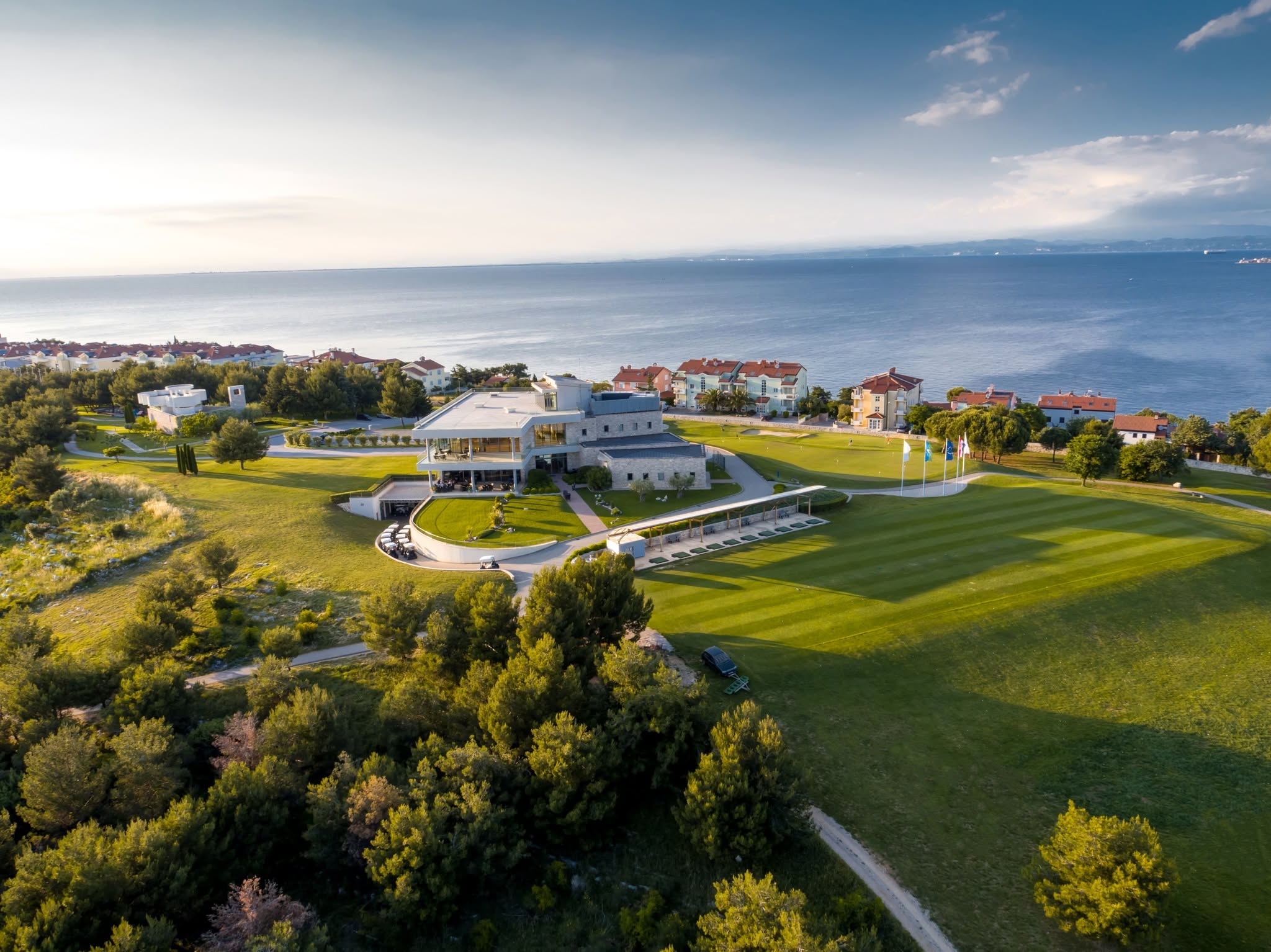
Croatia gets mentioned in the same breath as Portugal, Spain, and Turkey when golf travel destinations come up, but the comparison doesn’t hold up to scrutiny. Croatia has one golf resort built to the standard that international golfers expect, a historic curiosity on a national park island, and a scattering of nine-hole and executive courses that are worth knowing about only if you’re already in the country for other reasons. This isn’t a multi-course golf trip destination in the way the Algarve or Costa del Sol are. It’s a single strong course wrapped in a broader Istrian holiday — and understanding that upfront will save you from arriving with the wrong expectations.
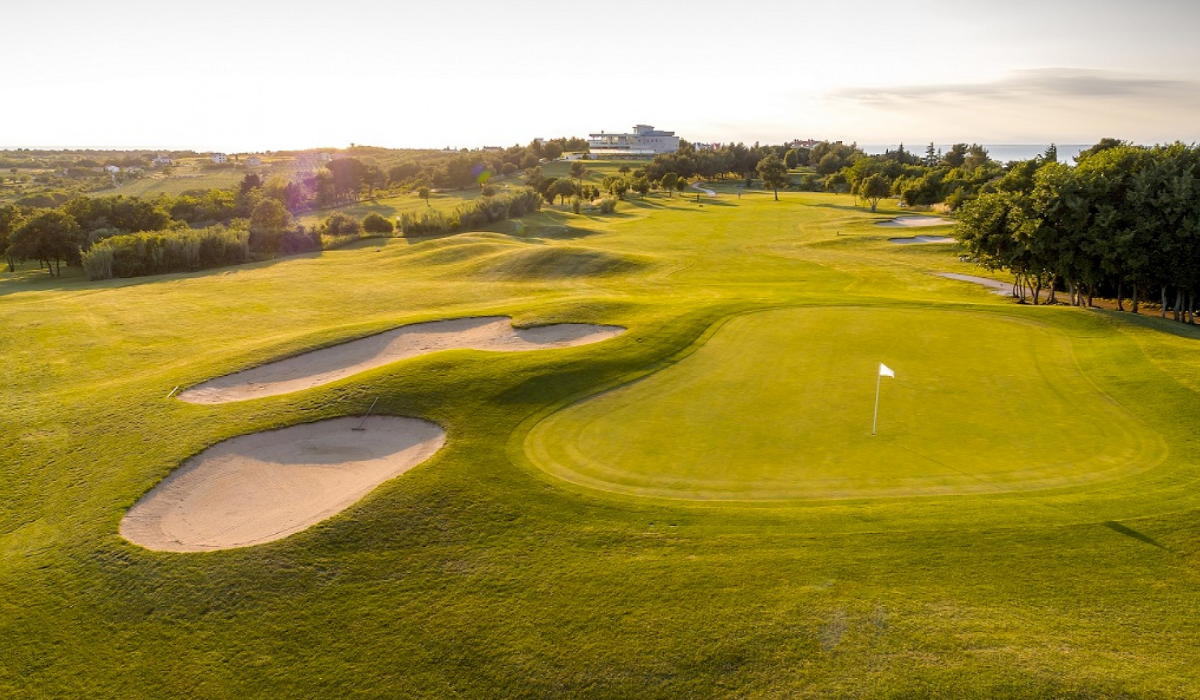
The course that matters is Golf Adriatic, part of the Kempinski Hotel Adriatic Istria resort in Savudrija, on the northern tip of the Istrian peninsula near the Slovenian border. Opened in 2009 and designed by Austrian architects Diethard Fahrenleitner and Barbara Eisserer, it’s an 18-hole, par-72 championship layout measuring 6,360 meters (about 6,955 yards) from the back tees, with five tee positions on every hole so it plays fairly for a wide range of handicaps. The routing moves through vineyards, olive groves, and pine woods with several holes running along the Adriatic coastline; the par-5 13th, nicknamed “the Monster” at 556 meters, is the signature hole. It was the first 18-hole course in Istria and remains the only course in mainland Croatia built and maintained to full resort standard.
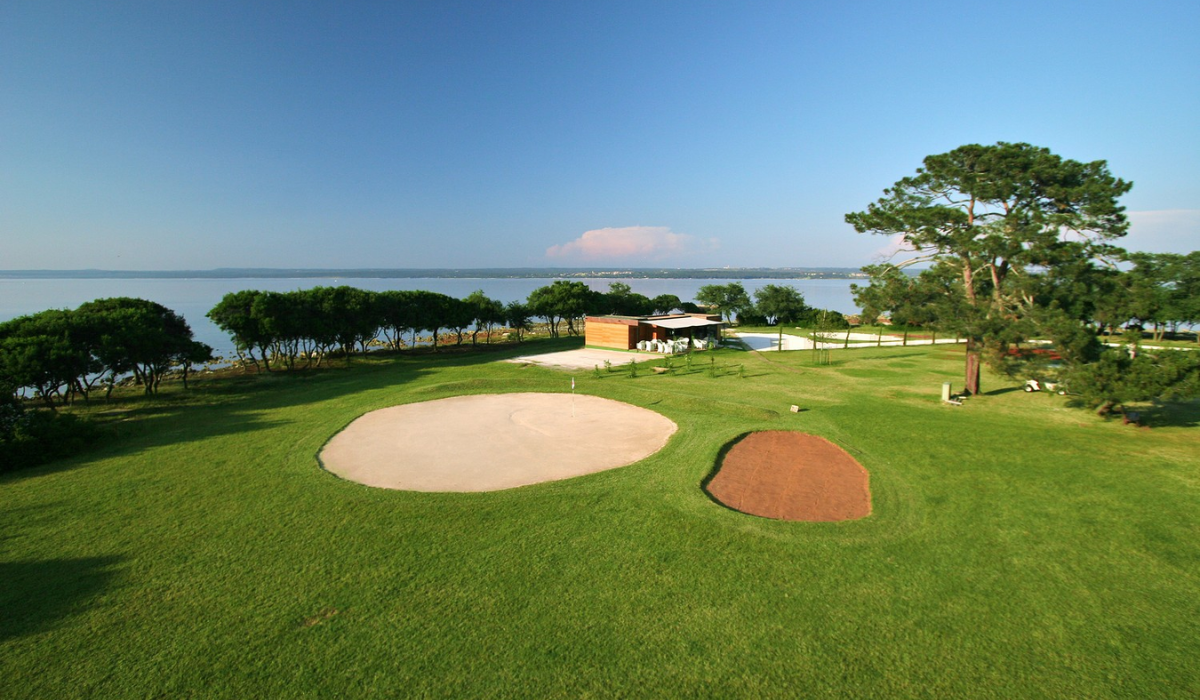
The other course worth knowing about is Brijuni Golf Course, inside Brijuni National Park near Pula. This is a genuine historical oddity: golf has been played here since 1922, the course was redesigned in the 1930s by Tom Simpson and George Thomas — two of the most significant architects of golf’s golden age — and it still uses sand greens rather than grass, which is unusual enough today that it’s worth experiencing on its own terms rather than as a substitute for a normal round. It’s par 71/72 and roughly 5,490 meters, reached only by boat from the fishing town of Fažana, and it functions more as a novelty outing tied to a national park visit than as a serious test of golf.
Beyond these two, Croatia’s golf infrastructure is thin. A handful of nine-hole and executive courses exist near Poreč, Fažana, and in continental Croatia (Zagreb, Sveti Martin na Muri), but these are short, casual layouts aimed at beginners and holidaymakers rather than golf travellers seeking a proper test.
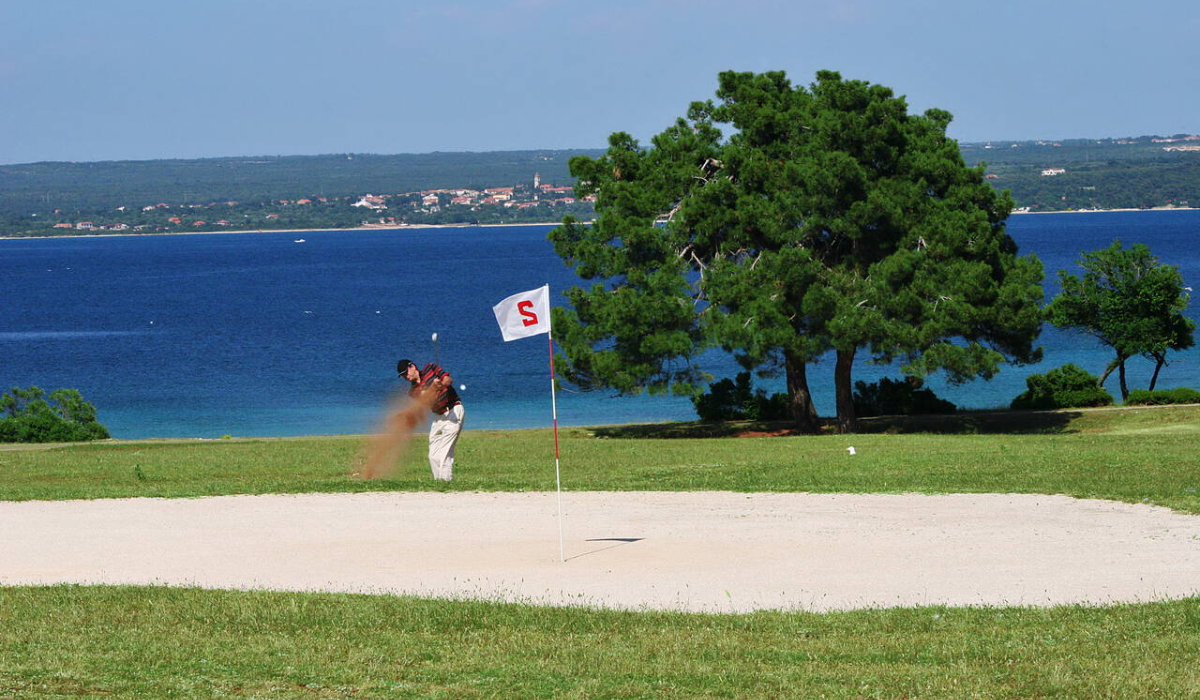
The honest answer is scarcity rather than spectacle. Croatia has invested heavily in coastal tourism infrastructure — hotels, marinas, wine routes — without building out golf in the way Portugal or Spain did decades ago, largely because of water availability concerns on the karst coastline. Golf Adriatic addresses this directly by irrigating exclusively with stored rainwater rather than drawing on the region’s limited freshwater supply, which is one of the more concrete, verifiable claims a course in this climate can make. The result is a single well-built course rather than a golf coast, which means Croatia suits golfers who want one good round bookended by a beach and food holiday, not golfers assembling a five-round itinerary.
The Brijuni course adds something no other Adriatic destination can: golf on sand greens inside a protected national park where deer, mouflon, and peacocks share the grounds, played out on a layout with direct design lineage to the 1920s and 1930s golden age of course architecture. It won’t test your game, but it’s a legitimate piece of golf history that most golfers have never encountered.
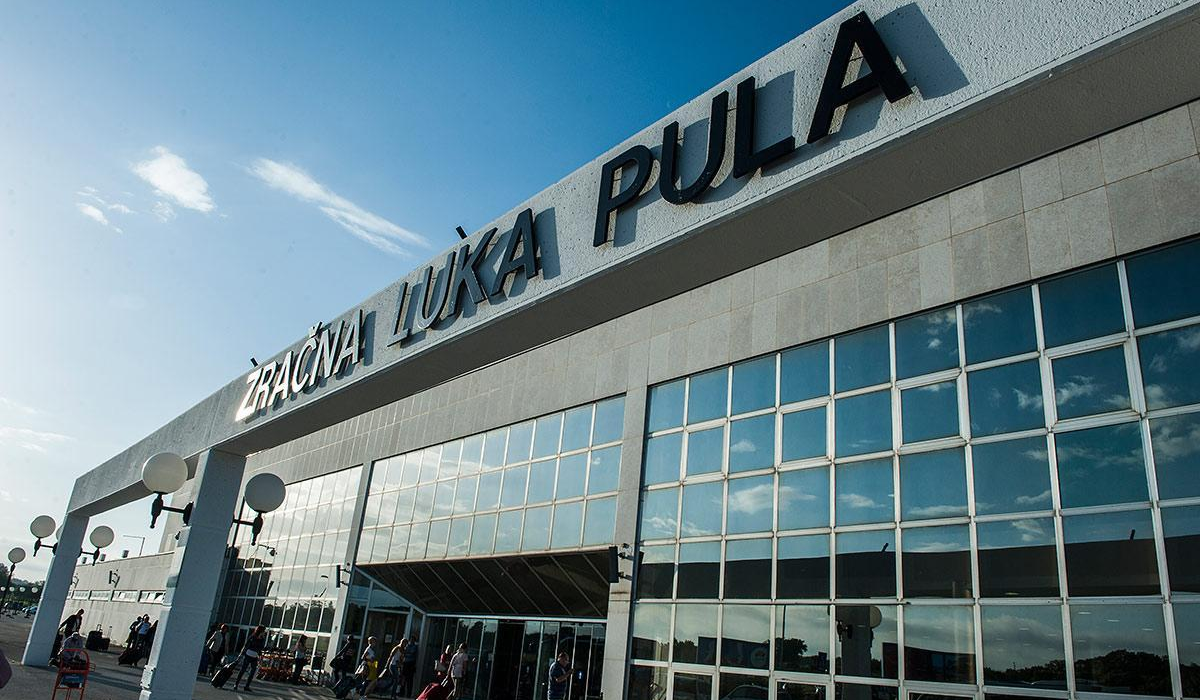
Golf Adriatic is most commonly reached via Pula Airport, roughly 85–110 km away depending on route, which typically means a 65–75 minute drive or transfer. Trieste Airport in Italy, just across the border, is a comparable or sometimes shorter option for travellers coming from Western Europe, at a similar drive time to Savudrija. Both airports have seasonal charter and low-cost carrier routes that expand considerably in the summer months and thin out from late autumn through early spring, so flight availability — not just weather — should factor into when you book. There’s no direct rail or reliable public transport link that makes sense for a golf trip; a rental car or pre-booked transfer is the practical choice, and taxis or hourly buses between Pula and Umag/Savudrija exist but add well over an hour with connections.
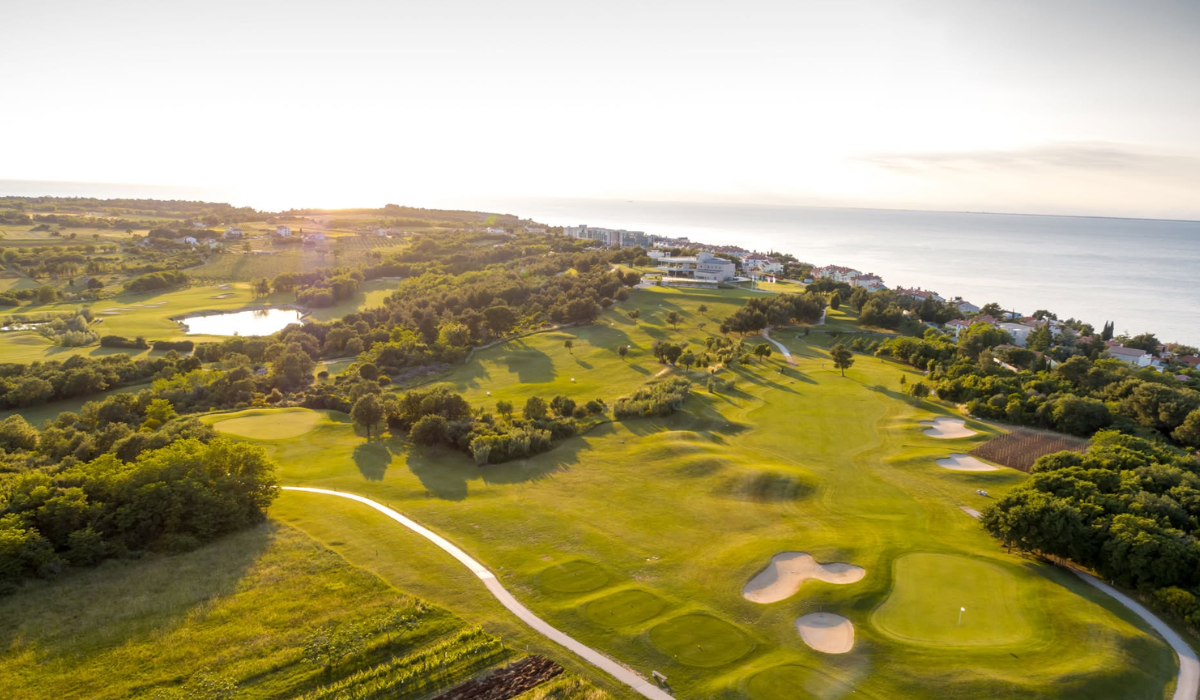
Istria has a Mediterranean climate moderated by the Adriatic, meaning hot, dry summers and mild, wetter winters. July and August bring the most reliable sunshine and the warmest sea temperatures for combining golf with beach time, but they’re also the hottest stretch for playing 18 holes at midday and the busiest and most expensive period for hotel rates along the coast. Shoulder season — May, June, September, and into early October — offers a better balance: daytime temperatures generally sit in the low-to-mid 20s Celsius, rainfall is lower than in winter, and course conditions tend to be firmer and faster rather than softened by summer irrigation demands. Northwest Istria can also experience the bura, a cold, gusty wind that blows from the northeast and is more frequent in autumn and winter, so if wind is a factor for your game, it’s worth checking forecasts in the days before you travel rather than assuming calm coastal conditions. Golf Adriatic is open year-round, and winter rounds are possible on milder days, but this isn’t a destination that offers the guaranteed winter sun of southern Spain or the Algarve.
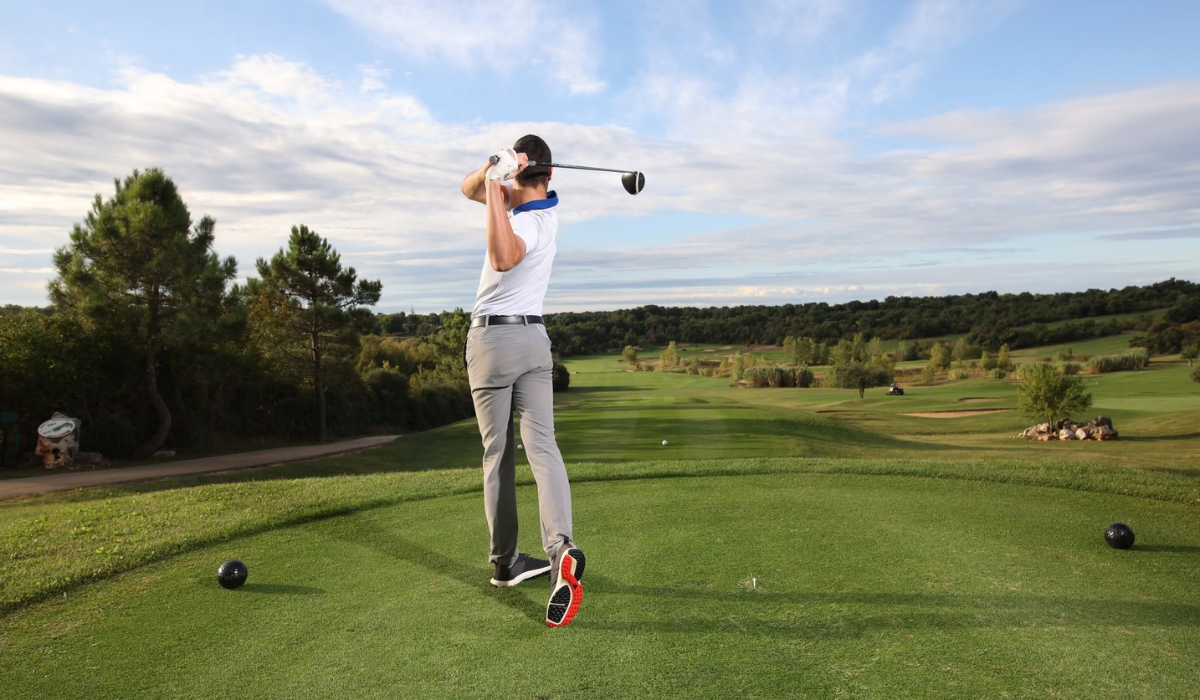
Croatia works best for golfers who are building a broader Istrian or Adriatic coast holiday — wine touring, coastal towns like Rovinj and Poreč, seafood, beach time — and want one or two rounds worked in rather than a golf-focused trip. A couple or small group splitting time between golf and everything else Istria offers will get more out of it than a group planning to play daily for a week, since there’s genuinely only one course capable of supporting that. Golfers who specifically want the novelty of playing a historic sand-green course inside a national park should build in a Brijuni day trip as an experience rather than a golf outing in the conventional sense. If your priority is stringing together several distinct, high-quality rounds on a single trip, Croatia isn’t yet the right answer — that’s still better served by established multi-course regions, and it’s worth being clear about that rather than overselling a country that, for now, offers one course worth traveling for.
Course Reviews
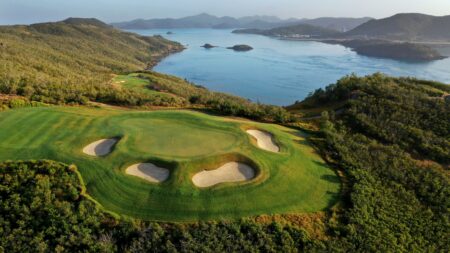
Discover the Charm of Hamilton Island Golf Club and the Whitsundays
Nestled in the heart of Queensland’s Whitsunday Islands, Hamilton Island Golf Club stands as a testament to the seamless blend of natural beauty and sporting excellence. Located on the serene Dent Island, this exclusive 18-hole championship course offers golfers an unparalleled experience amidst the splendour of the Great Barrier Reef. A Unique Golfing Experience on […]
Destinations
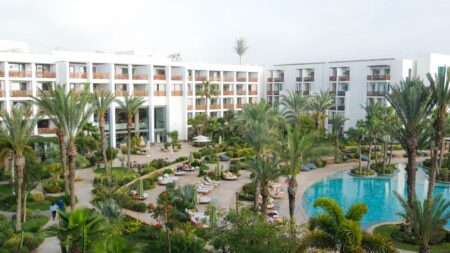
The View Agadir: Morocco’s Newest Luxury Golf Base Has Arrived
Agadir has always known how to seduce the travelling golfer. Reliably bathed in sunshine, flanked by championship courses, and edged by one of Morocco’s most magnificent stretches of Atlantic coastline, the city has long been a natural choice for those who want world-class fairways without sacrificing comfort. What it lacked, until recently, was a hotel […]