


Instruction
Links vs Parkland vs Heathland: What’s the Difference?
Explore 33,000+ golf courses in 180 countries.
Follow the latest news and trends in golf.
Connect with like-minded golfers.
Find everything you need for your golf equipment and gear needs.
Travel, golf resorts, lifestyle, gear, tour highlights and technology.
All Square
Suggestions
Instruction
Links vs Parkland vs Heathland: What’s the Difference?
PGA Tour
Presidents Cup 2026 Preview: Everything to Know Before Medinah
Course Reviews
Marrakech vs Agadir for Golf: Which Moroccan Destination Should You Choose?
Accessories
Best Push Carts and Electric Trolleys for Golf in 2026
Course Reviews
Rediscover Monte Rei: Portugal’s Iconic Golf Course Reopens After Major Renovation
Course Reviews
Best Golf Courses Around Rome: Where Ancient History Meets Modern Golf
Clubs
The Best Irons on the Market in 2026
Clubs
Austin Smotherman WITB: The Clubs Behind His 2026 Bank of Utah Championship Win
Destinations
Barrière Golf Properties: French Golf Escapes Where the Resort Is Part of the Experience
Destinations
Conrad Algarve Renovations: A New Chapter of Luxury in Quinta do Lago
Gear
Garmin Golf Watches Guide: Which Garmin Watch Is Right for Your Game?
PGA Tour
Presidents Cup 2026 Results & Winners: Team USA Completes Historic Comeback
Course Reviews
Cullinan Golf Links Resort, Belek: Where Golf Meets the Mediterranean
Course Reviews
New Opening: Limassol Greens — Cyprus’ New Golf Destination
Clubs
Jacob Bridgeman WITB: The Clubs Behind His 2026 Biltmore Championship Victory
Course Reviews
Play Golf at Pebble Beach: What to Know Before You Go
Professional Golf
Solheim Cup Results & Winners 2026: Europe Reclaims the Trophy
Clubs
This Year’s Best Drivers on the Market: A 2026 Buyer’s Guide
Clubs
WITB: Ryan Fox’s Winning Clubs at the 2026 Open Championship
Community
How Modern Golf Courses Conserve Water and Protect Wildlife
PGA Tour
Changes on the PGA Tour from 2028
Course Reviews
Tee Off in Tuscany: Golfing Italy’s Most Picturesque Countryside
Course Reviews
The Best Golf Courses Near Pinehurst That Aren’t Pinehurst No. 2
Course Reviews
Sustainability in Golf: The World’s Most Environmentally Conscious New Courses
Course Reviews
Lofoten Golf Experience: Playing at the Edge of the World
LPGA
Solheim Cup 2026 Preview & FAQ: Everything to Know Before Bernardus
Course Reviews
Your Perfect Trip to The K Club, Ireland

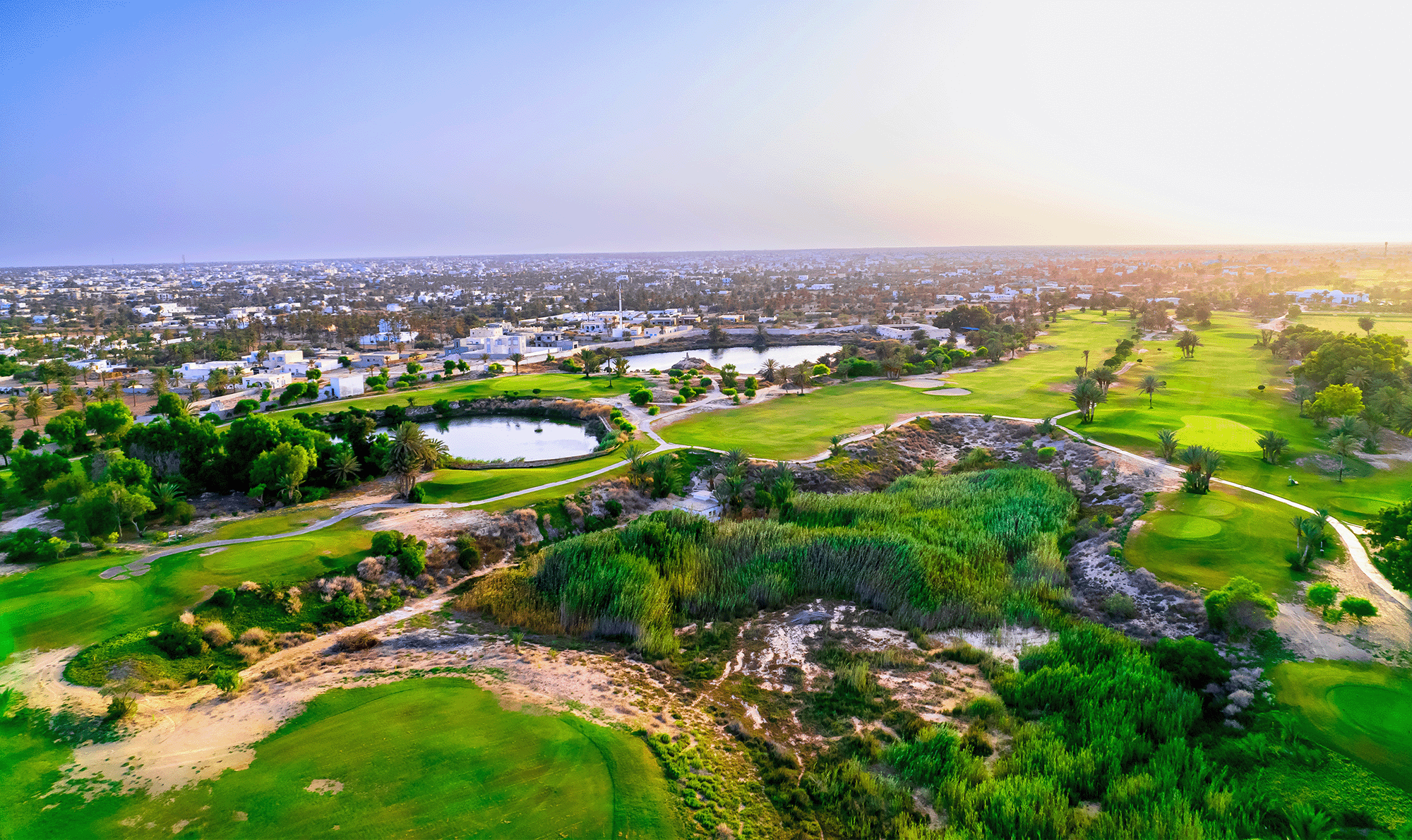
Tunisia rarely comes up first when European golfers plan a winter escape – Morocco and the Algarve get the marketing budgets – but it has quietly hosted Alps Tour events for years and offers some of the cheapest green fees on the Mediterranean. This guide covers the courses worth playing, what they actually cost, how to get to them, and when the weather works in your favour.
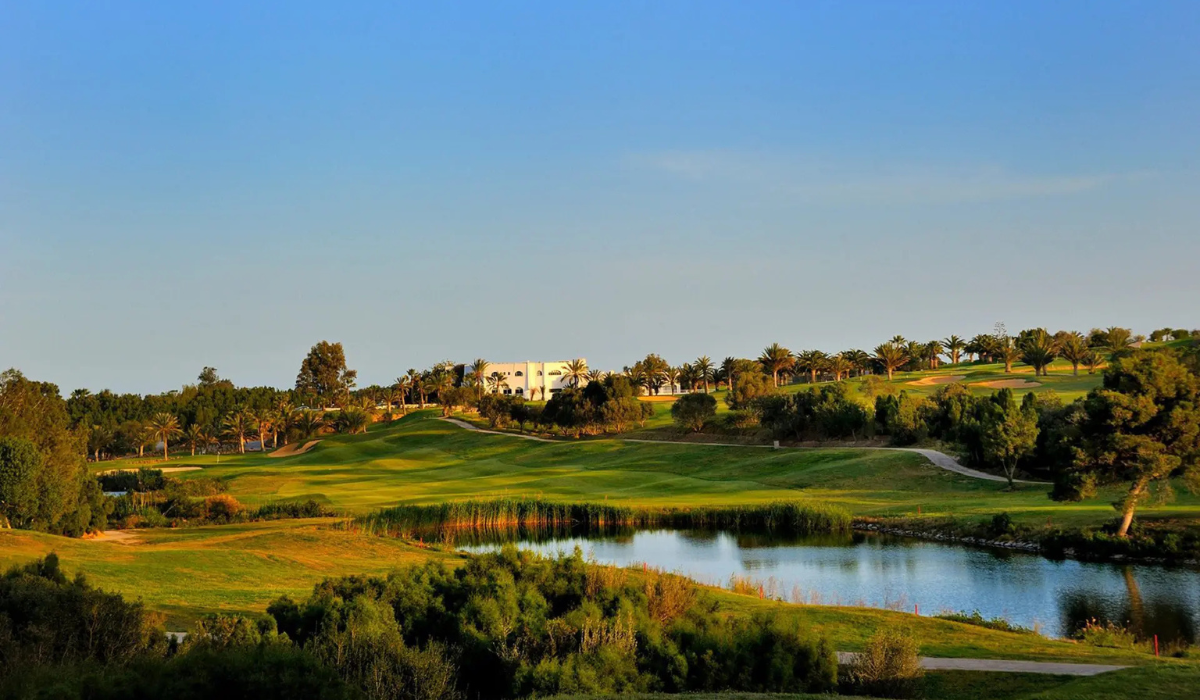
Tunisia’s golf is split across four distinct areas, and picking the right one matters more than picking the “best” course, because transfer times between regions are long. The Hammamet–Nabeul area on the Gulf of Hammamet is the country’s golf hub, built around the 45-hole Citrus Golf complex. Port El Kantaoui, just north of Sousse, has the 36-hole El Kantaoui Golf Course and the highest concentration of package hotels. Djerba, the southern island, has its own 27-hole club and a longer, more reliable warm season. Tabarka, tucked in the northwest near the Algerian border, has one excellent course but is geographically isolated from everything else – you go there specifically to play it, not to combine it with other courses. Monastir also has two smaller courses (Palm Links and Flamingo) that work as an add-on if you’re staying in the Sousse–Monastir corridor rather than a standalone destination.
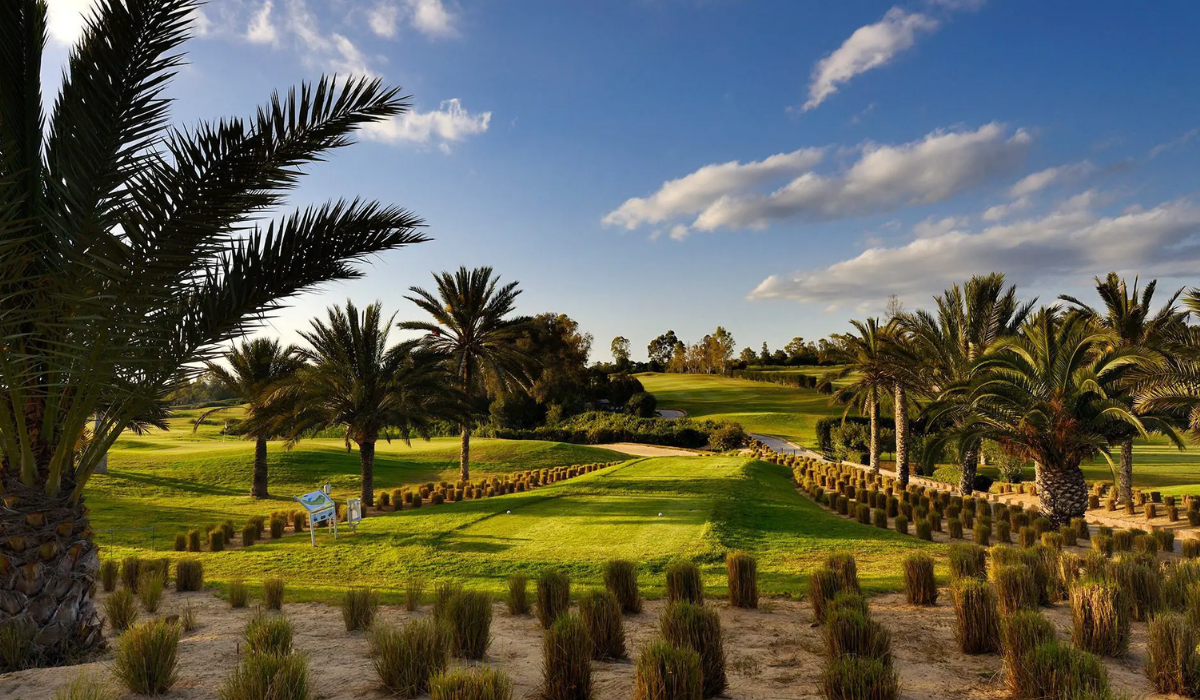
Golf Citrus, opened in 1992 and designed by American architect Ronald Fream, was Tunisia’s first 45-hole complex and remains its flagship. It sits on 173 hectares of olive groves and forest a few minutes from the Hammamet coast, built around seven lakes. The two main 18-hole courses are La Forêt (par 72, roughly 6,830 yards, the tougher and more heavily treed of the two, ranked highly among Tunisian courses by Top 100 Courses) and Les Oliviers (par 72, roughly 6,650 yards, flatter, more forgiving, and better suited to mixed-ability groups or a sociable opening round). There’s also a 9-hole executive course (par 28) for a quick warm-up or short-game work. If you’re staying at one of the hotels affiliated with the complex – the Phenicia among them – you typically get a green fee discount and a free shuttle to the course, which is only about 5km away with a 10-minute drive.
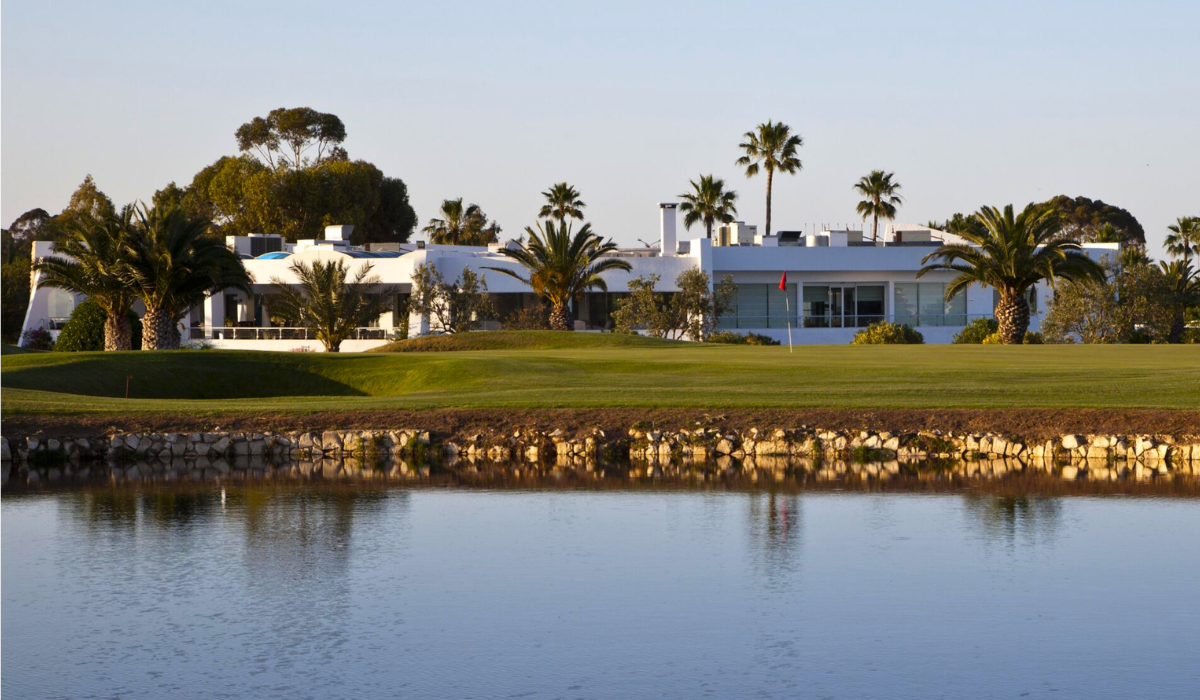
El Kantaoui Golf Course, on 130 hectares just outside Sousse, is Tunisia’s oldest and most internationally known club, having hosted competitions on the professional circuit over the years. It has two 18-hole, par-72 layouts: the Panorama Course, which climbs into the hills above the marina and rewards a buggy rental given the terrain, and the Sea Course, generally considered the more consistent test with better fairway conditions in recent seasons. Both are open year-round and visitors are welcome daily, though advance booking is strongly recommended in peak weeks. Course conditioning here has drawn mixed reviews in recent years – some visitors in late 2023 reported patchy fairways on the higher stretches of the Panorama course during a dry autumn – so it’s worth checking current condition reports before you commit multiple rounds to it over a rival like Citrus.
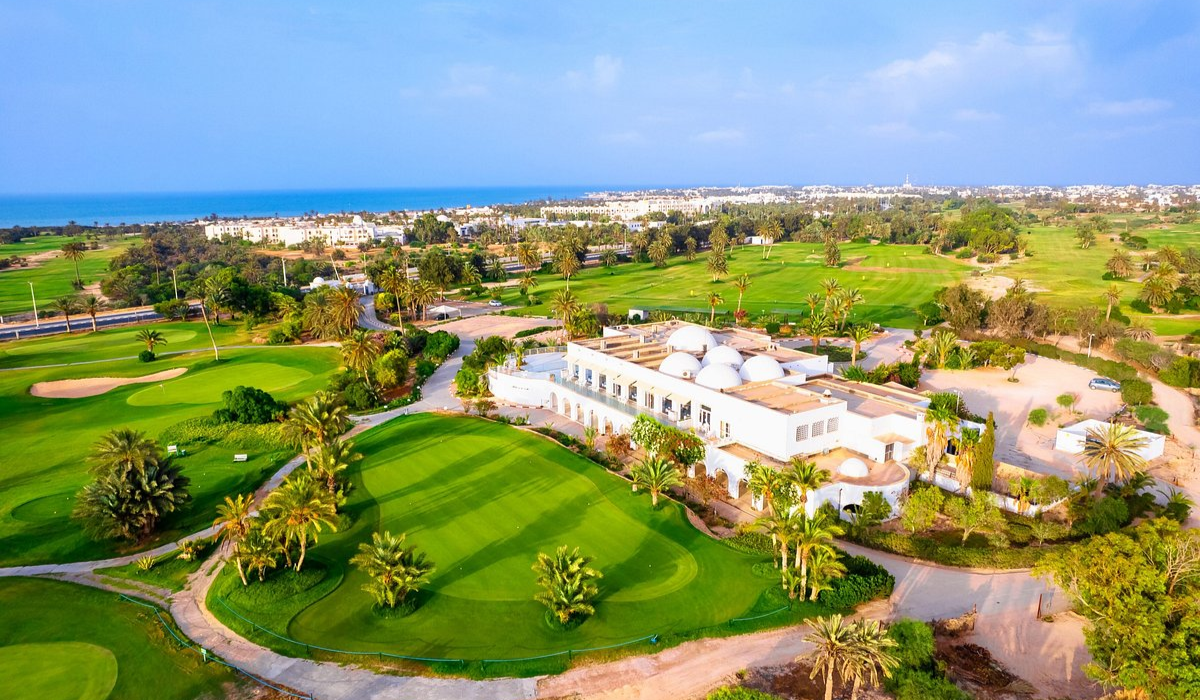
Djerba Golf Club, on the southern island, was designed by British architect Martin Hawtree and opened in 1995. Rather than one or two 18-hole courses, it’s built as three separate 9-hole loops – Les Palmiers (par 37, roughly 3,055 meters), La Mer (par 36, roughly 3,151 meters, running along the Mediterranean with a hole 6 tee shot over water and hole 7 running parallel to the beach), and Les Acacias (par 35, roughly 2,743 meters, the shortest and most beginner-friendly of the three). You mix and match any two loops to build an 18-hole round, which means a week of golf here never repeats the same combination twice. The course is irrigated with recycled water and sits among palm groves and dunes. Djerba’s real advantage is climate: being further south and surrounded by sea on most sides, it holds mild, playable temperatures later into the year than the mainland resort coast, making it a reasonable option even in December and January when Hammamet and Sousse are noticeably cooler and wetter.
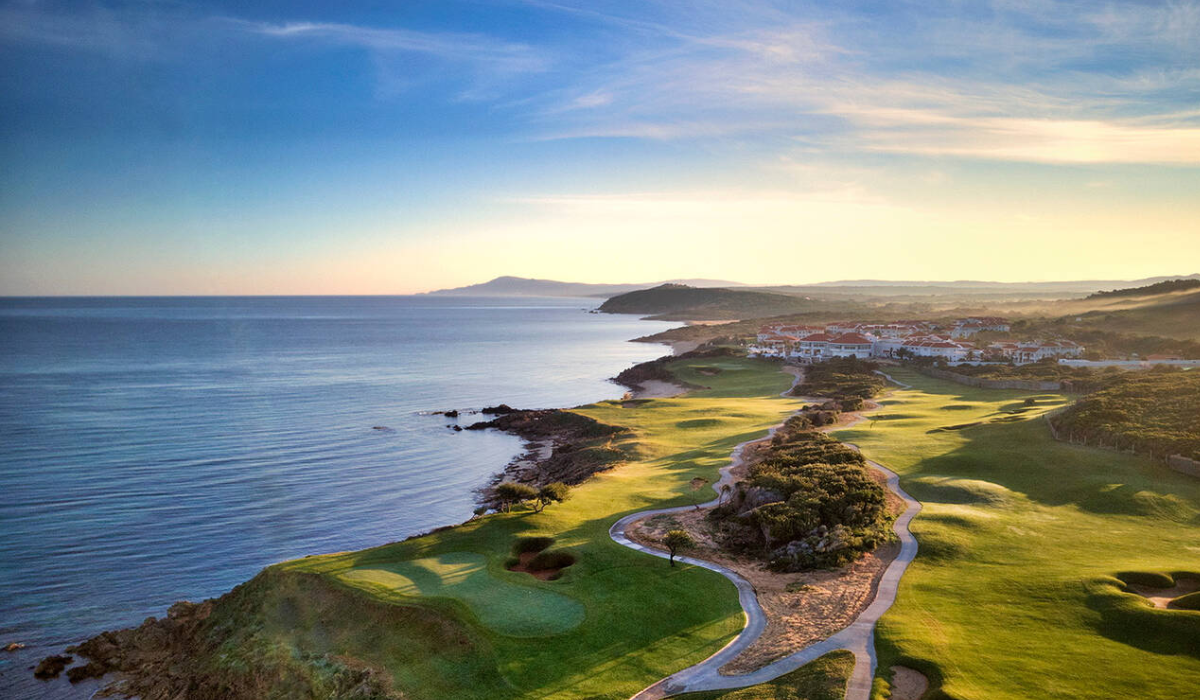
If you only play one course in Tunisia for the scenery, it should probably be Tabarka. Designed by Ronald Fream (with David Dale) and opened in 1991, it sits on 110 hectares of eucalyptus, pine, and cork oak forest on the northwest coast near the Algerian border, with seven of its eighteen holes running directly along the sea – a front nine through coastal dunes and a back nine cutting inland through pine groves. It’s a par-72 course of roughly 6,400 yards, and Fream has cited Cypress Point as an inspiration for how the holes interact with the coastline. The catch is logistics: Tabarka has its own small airport (Tabarka–Aïn Draham), but most international charter flights land in Tunis-Carthage, roughly 185km and a two-and-a-half to three-hour drive away, or Enfidha, which is even farther. This isn’t a course you combine easily with a Hammamet or Sousse-based trip – treat it as a dedicated add-on with a night or two in Tabarka itself, not a day trip.
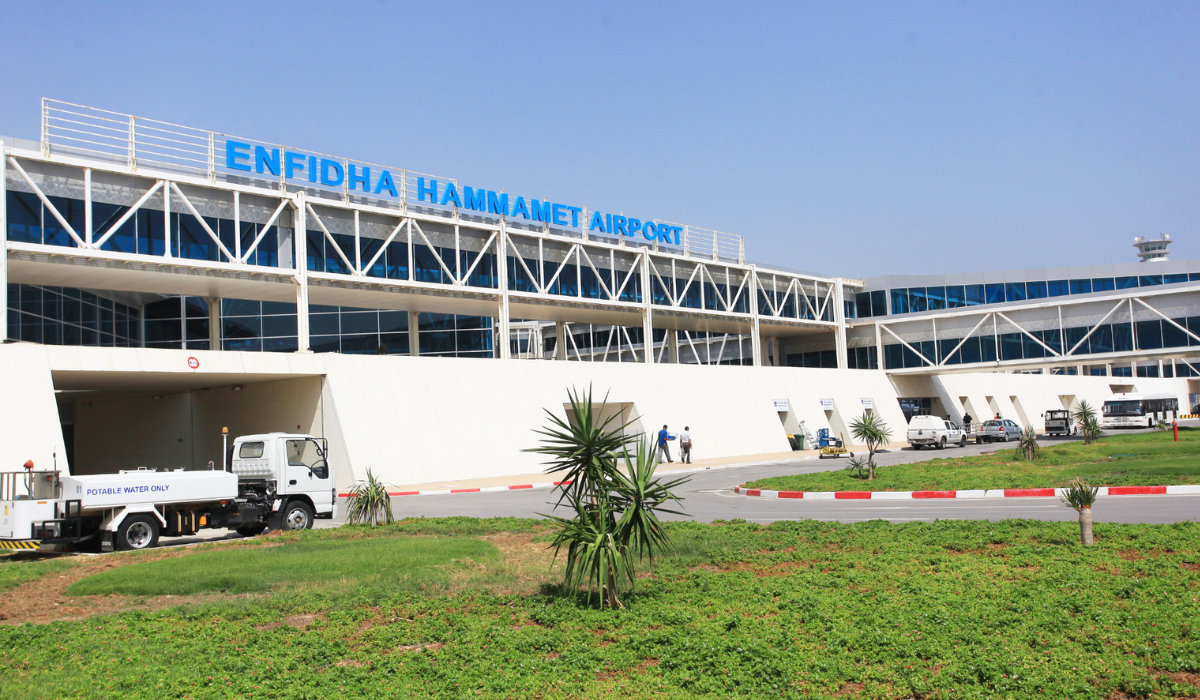
Where you fly into determines your logistics more than anything else. For Hammamet and Sousse, most charter and package flights land at Enfidha-Hammamet International Airport (NBE), roughly 40–50km from Hammamet and 50–60km from Sousse; budget around 30–45 dinars for a fixed-price taxi to Hammamet or 55–70 dinars to Sousse, with the drive taking 40–50 minutes depending on the exact hotel location. There’s no practical public transport option with golf bags, so a pre-booked private transfer or hotel shuttle is the sensible choice. Monastir has its own airport (Habib Bourguiba International, MIR) that also serves the Sousse–Monastir corridor and cuts transfer times if your flight lands there instead. Djerba is served by its own international airport (DJE), with the main golf resort area around Midoun roughly 25–30km and about a 30–35 minute drive away. Tabarka, as noted, is the outlier – plan on a long transfer or a connecting domestic flight if you’re not driving from Tunis.
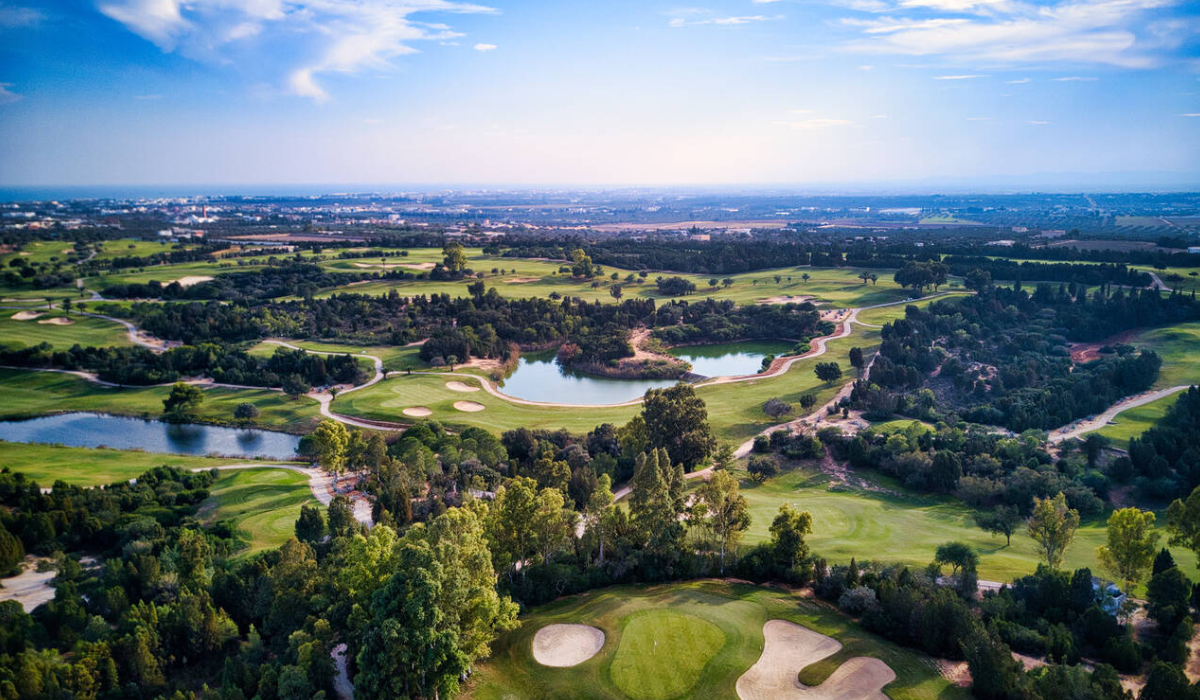
Tunisia’s golf season runs roughly October through May, avoiding the harsh summer heat rather than the cold, since winters here are mild by northern European standards. July and August see daytime highs around 31–34°C on the resort coast with long dry spells – playable early morning but uncomfortable by midday. The sweet spot is October, November, March, and April, when daytime temperatures on the Hammamet–Sousse coast sit in the low-to-mid 20s°C and rainfall, while present, is moderate rather than disruptive (October is technically the wettest month in Hammamet, with around 55mm spread over roughly seven days, but this rarely means write-off conditions). December through February brings cooler, more changeable weather – daytime highs around 17–19°C, with cold snaps possible, especially inland and in the north near Tabarka, where light frost is occasional but not common on the coast. Djerba, being further south, runs slightly warmer than the mainland through the shoulder season, which is why it’s often recommended for a December or January trip when Hammamet and Sousse have turned distinctly wintry.
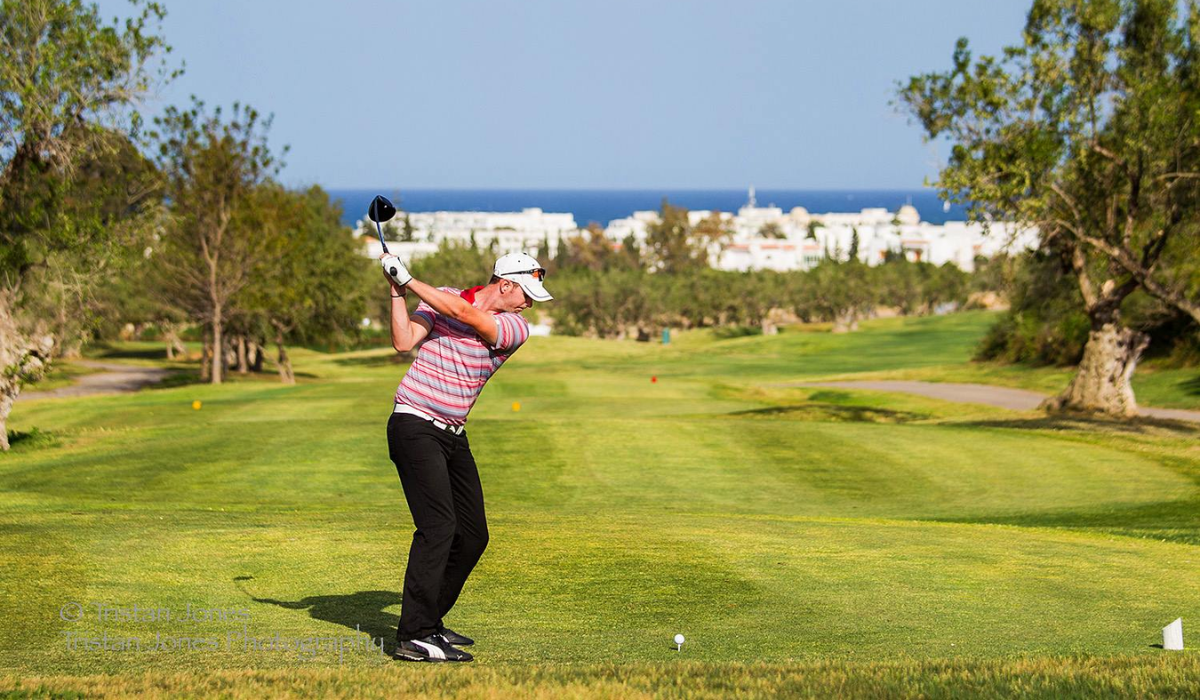
This is a good fit for golfers who want warm-weather, affordable golf without the flight time or price tag of the Gulf, and who don’t need championship-course prestige to enjoy a week away – the courses here are solid, well-designed by recognisable names like Ronald Fream and Martin Hawtree, but they’re not going to appear on a World’s Top 100 list. It particularly suits mixed-ability groups (Citrus’s Oliviers course and Djerba’s mix-and-match nines are built for exactly that), golfers on a tighter budget who still want a proper package with flights and multiple rounds included, and anyone drawn to combining golf with a beach-resort stay rather than a golf-only pilgrimage. It’s a poorer fit if you want to island-hop between regions within one trip – the distances make that impractical – or if course conditioning and tournament-grade maintenance matter more to you than value; a few Tunisian courses have had inconsistent upkeep in recent seasons, so it pays to check recent condition reports before booking a course-heavy itinerary rather than assuming resort-brochure condition.
The Best Golf Courses Around Berlin: A Practical Guide
Golf in Croatia: What You Can Actually Play, and What to Expect
Destinations
Mallorca, Where Golf is Never Far Away
With beautiful countryside, a fascinating culture, and an abundance of water sports and entertainment, Mallorca is the ideal destination to combine a golf break with some much-needed time away. Numerous bays, rocky coves, crystal blue waters and beautiful beaches make this one of the finest islands in the Mediterranean. With 300 days of sunshine a year, this […]
Course Reviews
Top 3 Golf Destinations in the Fall
Algarve, Costa del Sol and Sicily are perfect destinations for a golf break in the fall with plenty of sun and warm weather. Here are our favourite stay & play options. Algarve You can still sunbathe in Portugal’s Algarve region during the fall, when temperatures range between 18°C and 25°C. The area also enjoys around […]