



Accessories
Best Push Carts and Electric Trolleys for Golf in 2026
Explore 33,000+ golf courses in 180 countries.
Follow the latest news and trends in golf.
Connect with like-minded golfers.
Find everything you need for your golf equipment and gear needs.
Travel, golf resorts, lifestyle, gear, tour highlights and technology.
All Square
Suggestions
Accessories
Best Push Carts and Electric Trolleys for Golf in 2026
Course Reviews
Rediscover Monte Rei: Portugal’s Iconic Golf Course Reopens After Major Renovation
Course Reviews
Best Golf Courses Around Rome: Where Ancient History Meets Modern Golf
Instruction
Links vs Parkland vs Heathland: What’s the Difference?
Clubs
The Best Irons on the Market in 2026
Clubs
Austin Smotherman WITB: The Clubs Behind His 2026 Bank of Utah Championship Win
Destinations
Barrière Golf Properties: French Golf Escapes Where the Resort Is Part of the Experience
Destinations
Conrad Algarve Renovations: A New Chapter of Luxury in Quinta do Lago
Gear
Garmin Golf Watches Guide: Which Garmin Watch Is Right for Your Game?
PGA Tour
Presidents Cup 2026 Results & Winners: Team USA Completes Historic Comeback
Course Reviews
Cullinan Golf Links Resort, Belek: Where Golf Meets the Mediterranean
Course Reviews
New Opening: Limassol Greens — Cyprus’ New Golf Destination
PGA Tour
Presidents Cup 2026 Preview: Everything to Know Before Medinah
Clubs
Jacob Bridgeman WITB: The Clubs Behind His 2026 Biltmore Championship Victory
Course Reviews
Play Golf at Pebble Beach: What to Know Before You Go
Professional Golf
Solheim Cup Results & Winners 2026: Europe Reclaims the Trophy
Clubs
This Year’s Best Drivers on the Market: A 2026 Buyer’s Guide
Clubs
WITB: Ryan Fox’s Winning Clubs at the 2026 Open Championship
Community
How Modern Golf Courses Conserve Water and Protect Wildlife
PGA Tour
Changes on the PGA Tour from 2028
Course Reviews
Tee Off in Tuscany: Golfing Italy’s Most Picturesque Countryside
Course Reviews
The Best Golf Courses Near Pinehurst That Aren’t Pinehurst No. 2
Instruction
How to Read a Championship Course Like a Pro
Clubs
Michael Brennan’s Winning Bag at the 2026 Wyndham Championship
Clubs
Team Fitzpatrick’s Winning WITB from Zurich Classic Victory
Clubs
TaylorMade Spider ZT Putter Review: What It Is, How It Performs, and Whether It’s Worth the Upgrade
Amateur Golf
Should Your Child Turn Professional? What the World’s Best Golfers Can Teach Us
Clubs
WITB: Anthony Kim’s Long-Awaited Return to Glory in Adelaide

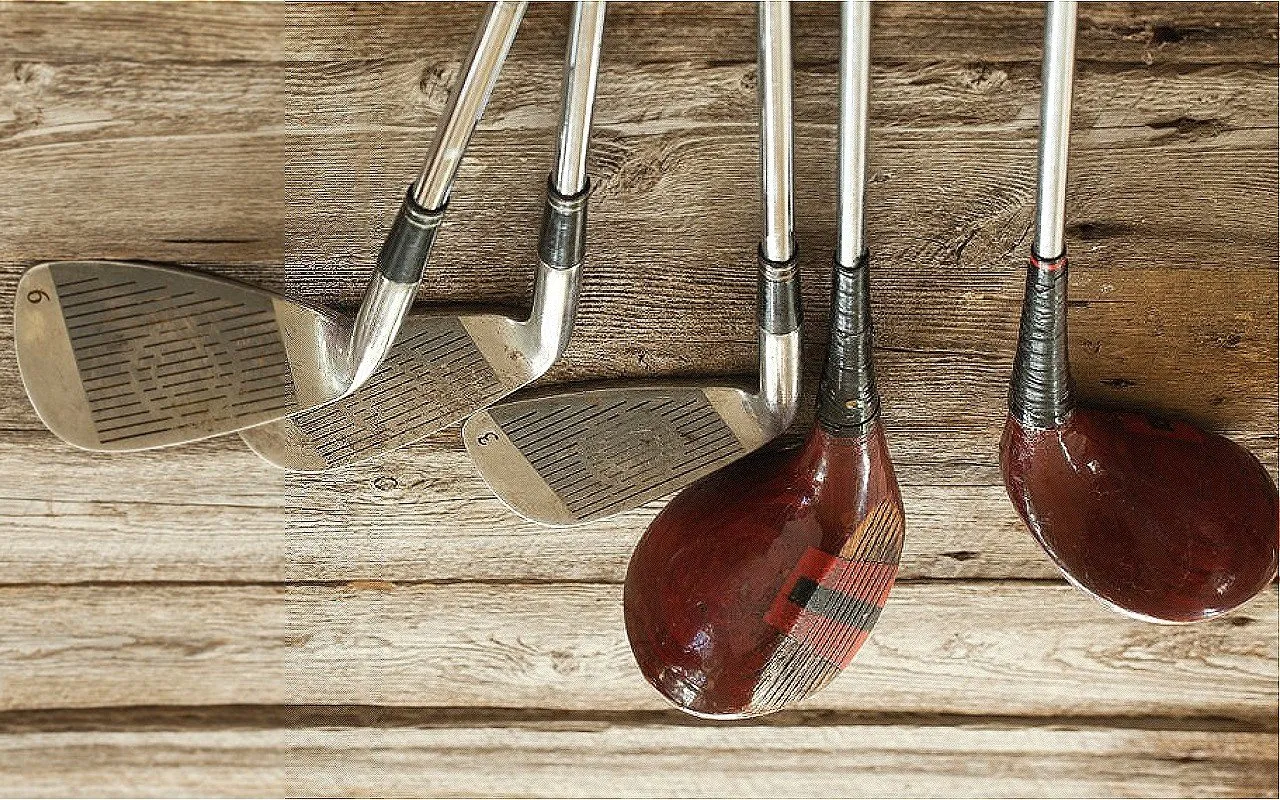
Golf has always been a sport of tradition, but nowhere is the passage of time more visible than in the tools of the game. From hand-crafted wooden clubs of centuries past to today’s technologically advanced equipment designed with aerospace engineering principles, the evolution of golf clubs tells a fascinating story of innovation, craftsmanship, and performance.
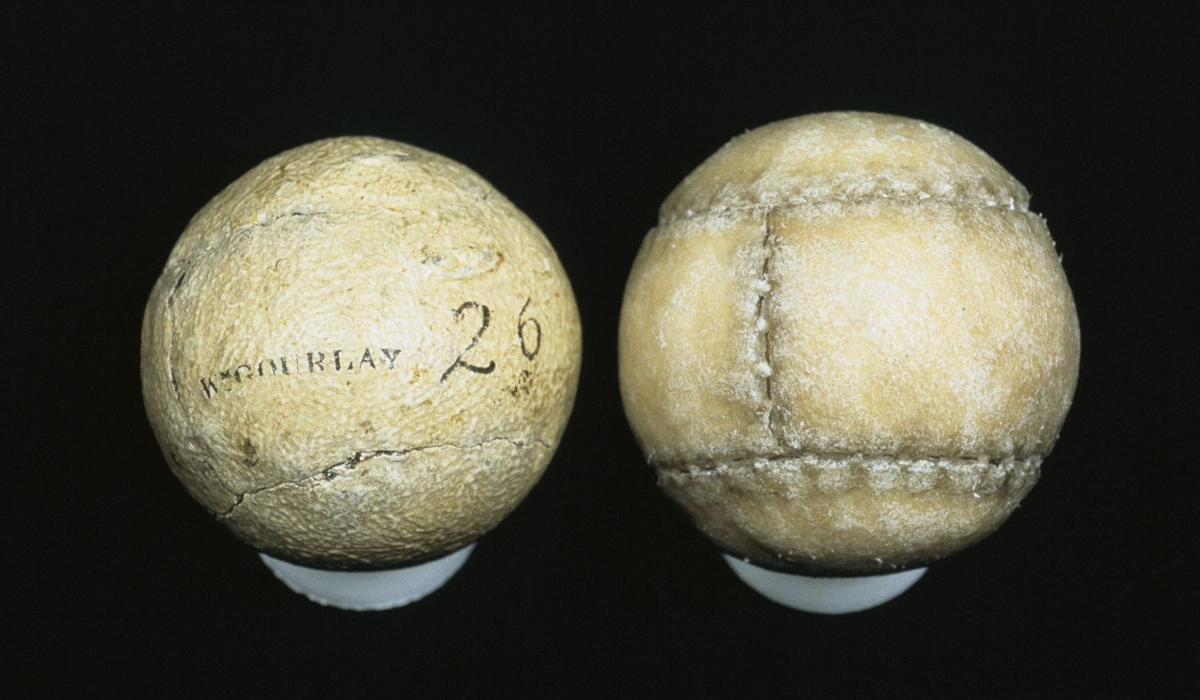
When golf first took shape in Scotland in the 15th and 16th centuries, clubs were crafted almost entirely by hand. Early clubs, often made from hardwoods like beech, apple, or pear, had small and rounded heads designed to strike the feathery golf balls of the era. These balls — leather pouches stuffed with goose feathers — were fragile and expensive, so players needed relatively soft wooden clubs to avoid splitting them.
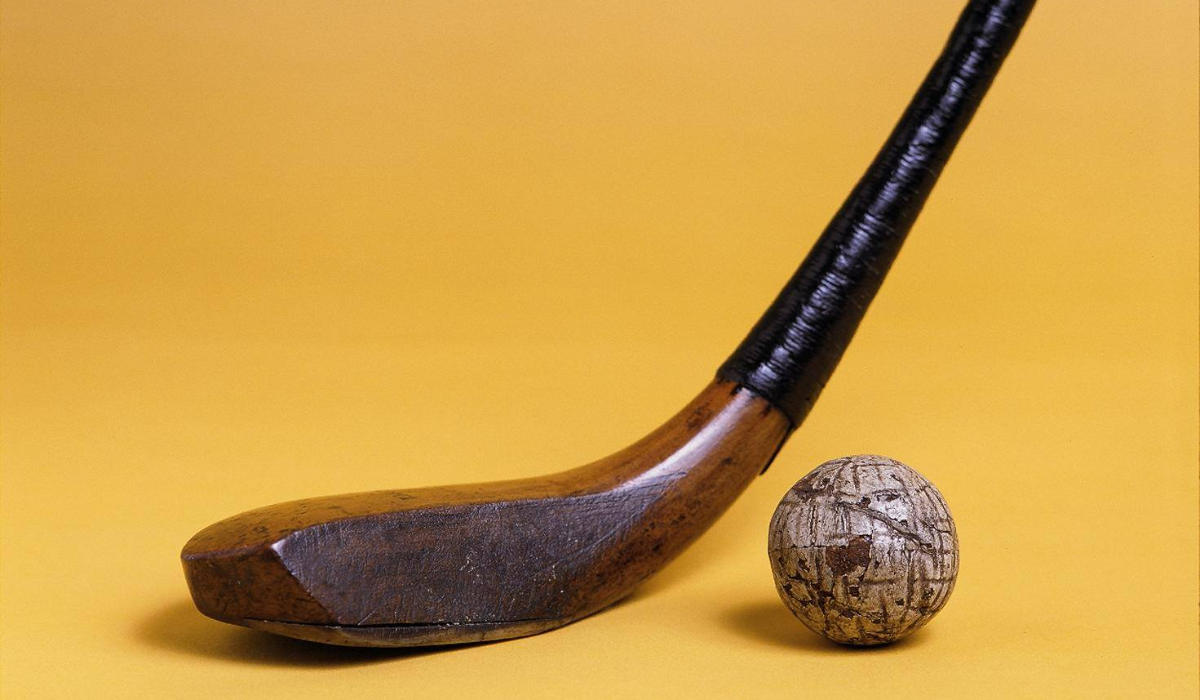
By the 17th and 18th centuries, club makers began refining designs. Long-nosed woods became the standard, offering more control and a touch of style, while blacksmiths crafted iron heads for specialised shots. Still, the craftsmanship was inconsistent, with clubs made to suit an individual golfer rather than to follow any standardised design.
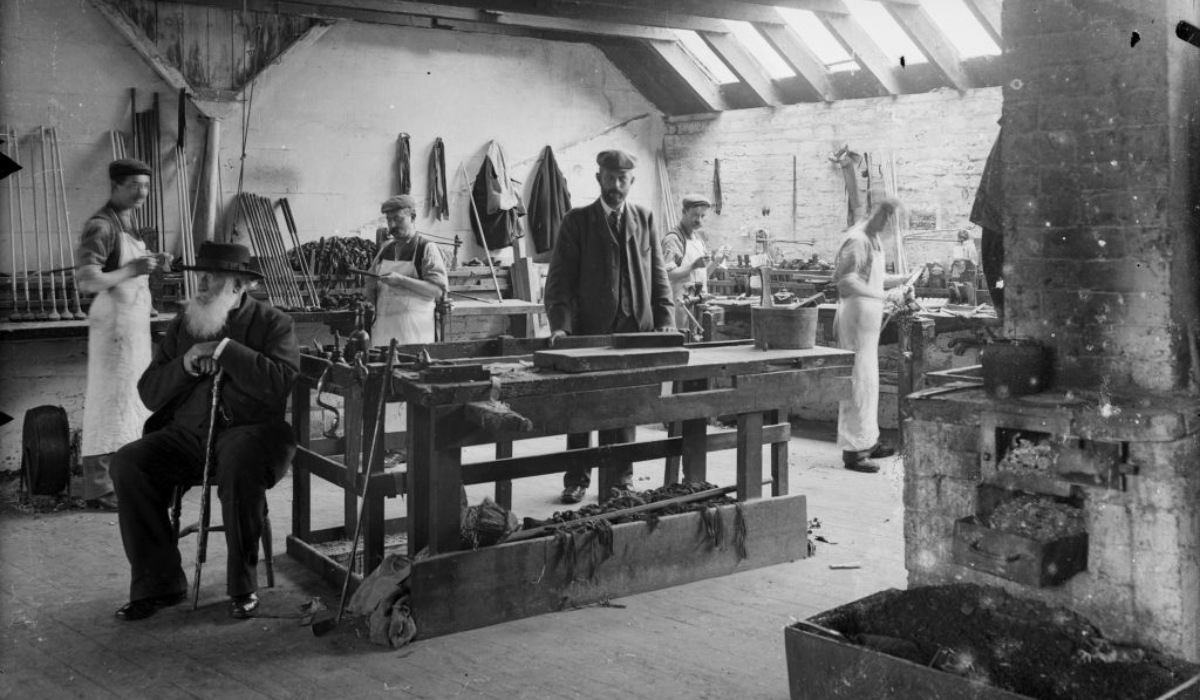
The 19th century changed golf forever. With the invention of the gutta-percha ball in 1848 — made from hardened tree sap — the game demanded sturdier clubs. Hickory shafts, imported largely from America, became the gold standard. These shafts were flexible yet strong, allowing skilled players to shape shots. Clubmakers introduced “bulger” woods, precursors to the modern driver, with a convex face that improved forgiveness on off-center hits.
As the game’s popularity spread worldwide, so did the need for consistent, reliable equipment. The late 1800s and early 1900s saw the birth of mass-produced clubs, particularly in Scotland and later the United States, paving the way for golf’s global expansion.

One of the most important innovations came in the 1920s, when steel shafts were legalised by the R&A and USGA. Unlike hickory, steel provided consistency, durability, and reduced variability between swings. This change transformed how golfers approached the game, with clubs delivering greater distance and control.
At the same time, manufacturers experimented with shaping iron heads. The development of cavity-back irons, first appearing in the mid-20th century, offered more forgiveness for amateur players, while professionals often favoured traditional “blades” for their precision. Woods began shifting from persimmon — a dense hardwood favoured for drivers and fairway clubs — toward metal as engineers discovered new materials.
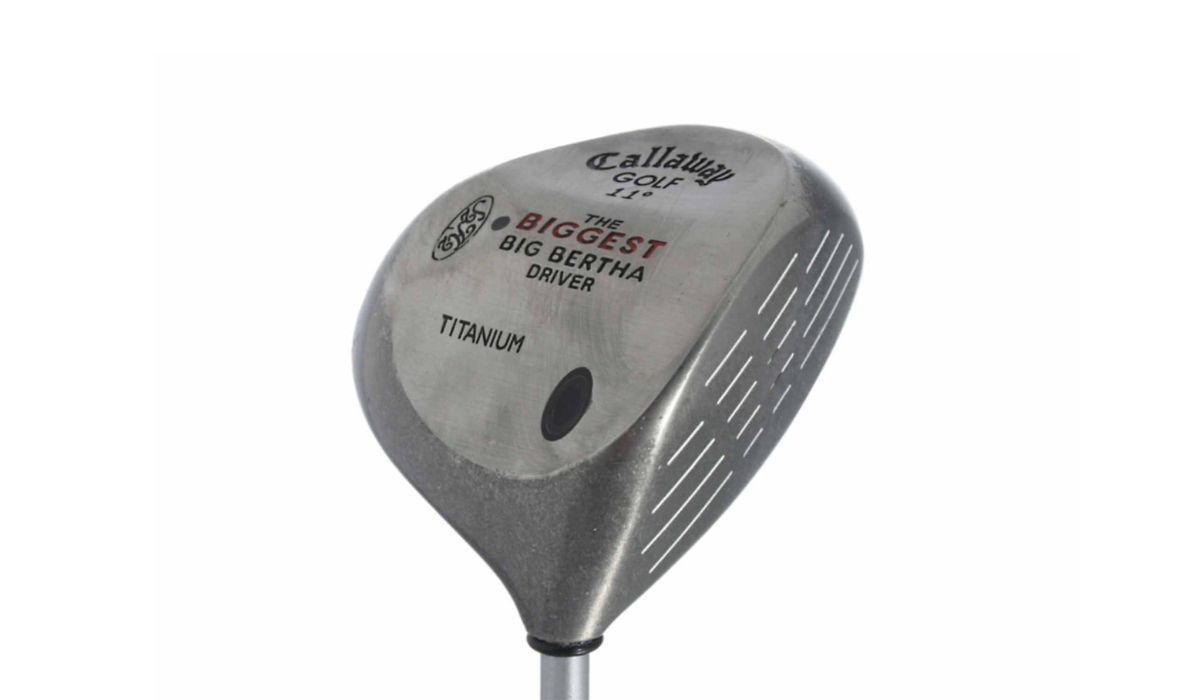
By the 1970s and 1980s, golf clubs entered a new era defined by science. Graphite shafts, lighter than steel, allowed players to generate more swing speed without sacrificing strength. Titanium drivers, introduced in the 1990s, became game-changers. Titanium’s lightness and strength enabled engineers to build larger clubheads with bigger “sweet spots,” making it easier for average golfers to hit long and accurate drives.
Manufacturers like Callaway, TaylorMade, and Ping drove competition to new levels, each pushing boundaries with oversized drivers, cavity-back irons, and perimeter weighting systems. Suddenly, golf was no longer just about skill — it was also about technology.
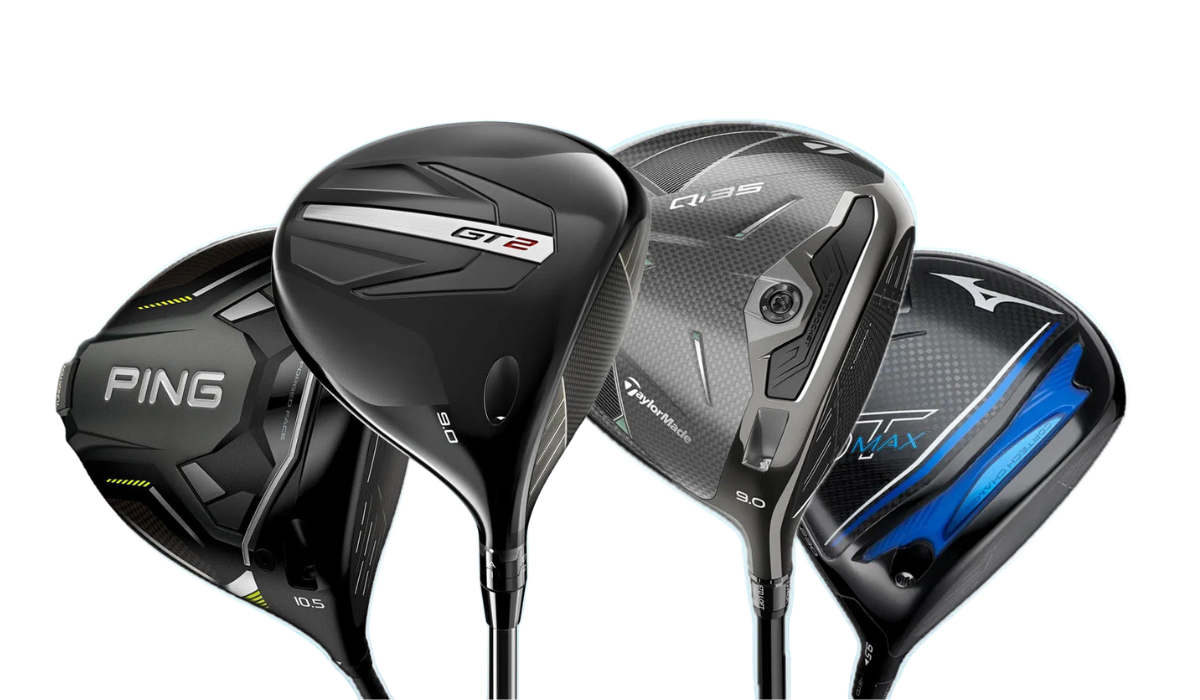
Modern golf clubs are marvels of design, blending physics, materials science, and computer modelling. Adjustable drivers allow players to tweak loft, lie, and weight distribution, tailoring a club to their exact swing. Multi-material construction — combining titanium, carbon fibre, tungsten, and steel — maximises forgiveness and power.
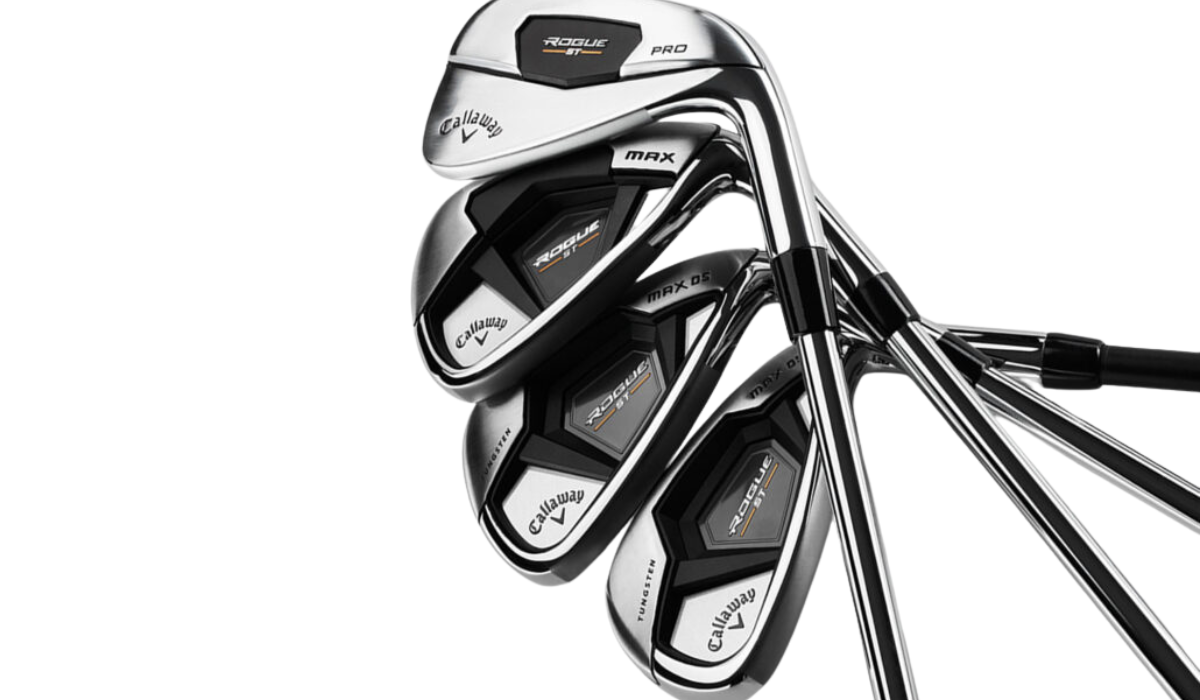
Irons now feature variable face thickness and AI-designed structures to optimise ball speed across the clubface. Wedges offer intricate groove patterns to generate spin in any conditions, while putters incorporate alignment aids and advanced weighting to improve consistency on the greens.
Even shafts have become sophisticated, with hundreds of options in flex, torque, and weight to fine-tune performance. Today’s golfers can build custom club sets designed to match swing characteristics with unprecedented precision.
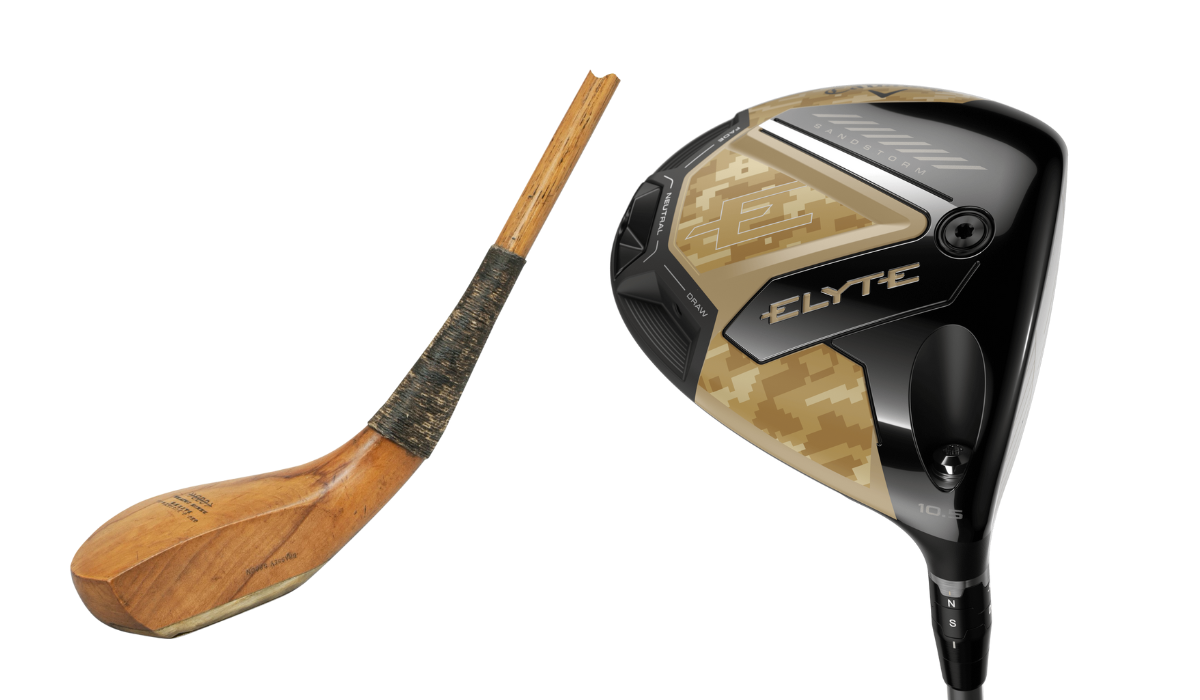
Comparing early clubs to today’s equipment highlights just how far the game has come. In the 1800s, a well-struck drive might reach 160 yards; today’s professionals routinely exceed 300 yards thanks to high-tech clubs, optimised balls, and athletic training. The forgiveness built into modern designs makes the game more accessible to beginners, yet still challenging enough for elite competition.
What hasn’t changed, however, is the essence of golf: a game that rewards patience, precision, and imagination. Whether swinging a long-nosed wooden club in St. Andrews centuries ago or a carbon-fibre driver on today’s PGA Tour, the goal remains the same — to send the ball flying toward the target with grace and control.

The evolution of golf clubs reflects the balance between tradition and innovation that defines the sport itself. While early golfers relied on craftsmanship and ingenuity, today’s players benefit from cutting-edge technology designed to optimise every shot. Yet, despite all the advances, golf remains a timeless pursuit where skill and creativity matter most.
The next chapter in club design is already unfolding, with AI-generated prototypes, smart sensors, and even sustainable materials leading the way. Just as wooden clubs gave way to titanium and carbon fibre, the future promises even more breakthroughs — ensuring that the story of golf’s evolution is far from over.
Shop Golf Clubs and Accessories at The Golf Store by All Square

Clubs
Unveiling the Callaway Elyte Drivers and Fairway Woods
Callaway has unveiled its 2025 Elyte series, introducing significant advancements in both drivers and fairway woods. The name “Elyte” pays homage to the company’s founder, Ely Callaway, and signifies a commitment to elite performance. Drivers The Elyte driver lineup comprises four distinct models, each tailored to specific golfer needs: Elyte: This standard model offers a […]

Clubs
New for 2023: Callaway launches Paradym Drivers
Callaway has launched their new Paradym drivers, offering three models which the brand says overcome the usual trade-off between distance and forgiveness. The name Paradym comes from the word paradigm which means a pattern or model of thinking, or a set of ideas. Callaway’s interpretation is a ‘paradigm shift’ – a brand new set of […]