



Clubs
This Year’s Best Drivers on the Market: A 2026 Buyer’s Guide
Explore 33,000+ golf courses in 180 countries.
Follow the latest news and trends in golf.
Connect with like-minded golfers.
Find everything you need for your golf equipment and gear needs.
Travel, golf resorts, lifestyle, gear, tour highlights and technology.
All Square
Suggestions
Clubs
This Year’s Best Drivers on the Market: A 2026 Buyer’s Guide
Accessories
Best Push Carts and Electric Trolleys for Golf in 2026
Course Reviews
Rediscover Monte Rei: Portugal’s Iconic Golf Course Reopens After Major Renovation
Course Reviews
Best Golf Courses Around Rome: Where Ancient History Meets Modern Golf
Instruction
Links vs Parkland vs Heathland: What’s the Difference?
Clubs
The Best Irons on the Market in 2026
Clubs
Austin Smotherman WITB: The Clubs Behind His 2026 Bank of Utah Championship Win
Destinations
Barrière Golf Properties: French Golf Escapes Where the Resort Is Part of the Experience
Destinations
Conrad Algarve Renovations: A New Chapter of Luxury in Quinta do Lago
Gear
Garmin Golf Watches Guide: Which Garmin Watch Is Right for Your Game?
PGA Tour
Presidents Cup 2026 Results & Winners: Team USA Completes Historic Comeback
Course Reviews
Cullinan Golf Links Resort, Belek: Where Golf Meets the Mediterranean
Course Reviews
New Opening: Limassol Greens — Cyprus’ New Golf Destination
PGA Tour
Presidents Cup 2026 Preview: Everything to Know Before Medinah
Clubs
Jacob Bridgeman WITB: The Clubs Behind His 2026 Biltmore Championship Victory
Course Reviews
Play Golf at Pebble Beach: What to Know Before You Go
Professional Golf
Solheim Cup Results & Winners 2026: Europe Reclaims the Trophy
Clubs
WITB: Ryan Fox’s Winning Clubs at the 2026 Open Championship
Community
How Modern Golf Courses Conserve Water and Protect Wildlife
PGA Tour
Changes on the PGA Tour from 2028
Course Reviews
Tee Off in Tuscany: Golfing Italy’s Most Picturesque Countryside
Course Reviews
The Best Golf Courses Near Pinehurst That Aren’t Pinehurst No. 2
Destinations
Golf Trip to Casablanca: Morocco’s Atlantic Golf Escape
Clubs
Scottie Scheffler WITB: What’s in the Bag for His 2026 FedEx St. Jude Championship Win
European Tour
The 2026 LET: A Global Celebration of Women’s Golf
Destinations
How to Access the Old Course, St Andrews: Getting There and Getting On
Destinations
Monte Rei Enters a New Era: Deep Renovation to Preserve a Legendary Course

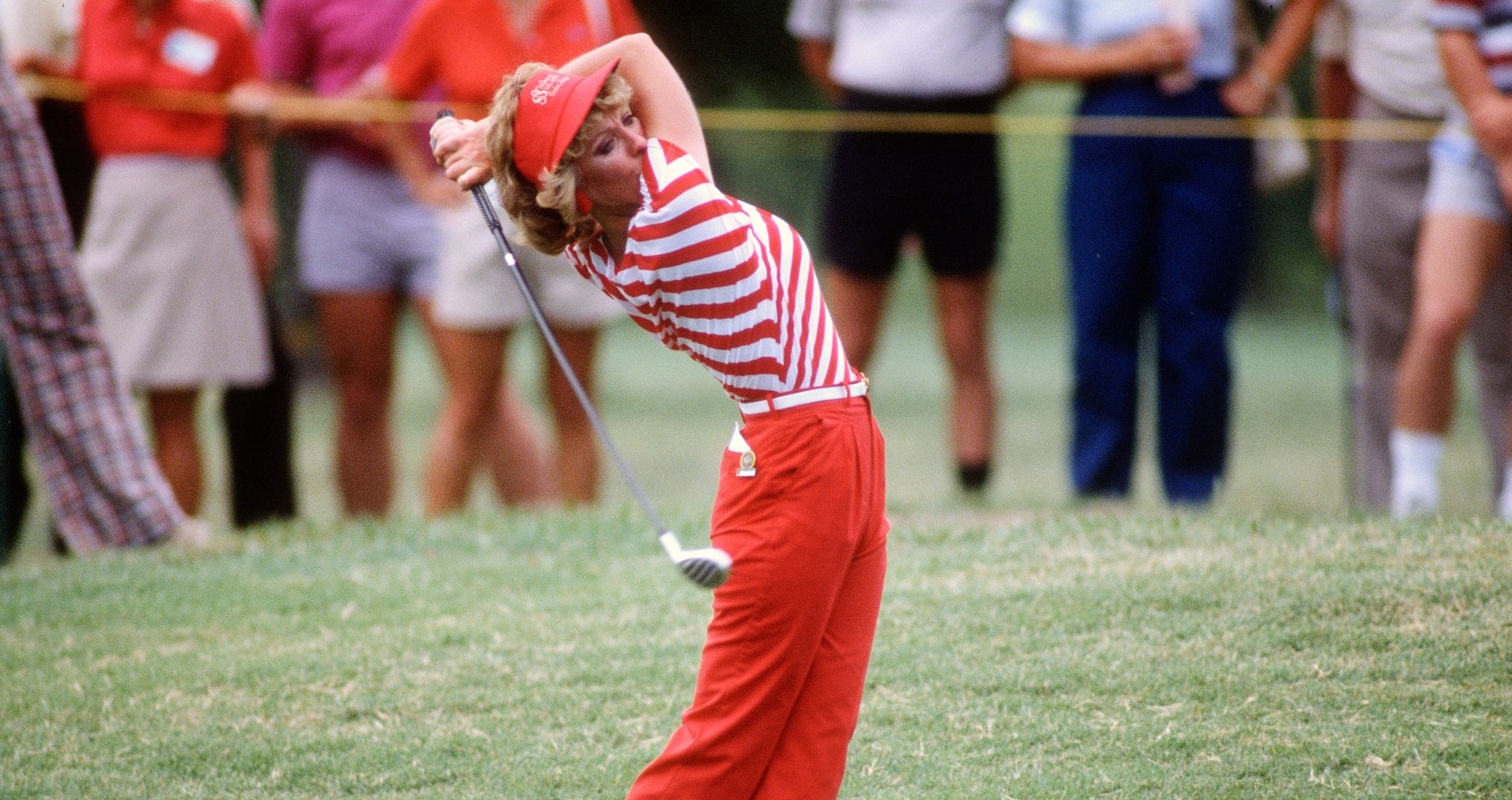
Golf has long been celebrated not only as a sport of precision and strategy but also as a symbol of refinement and social status. Over the centuries, the fashion associated with golf has evolved dramatically, reflecting broader cultural shifts, technological advancements in fabrics, and changing ideas about comfort and performance.
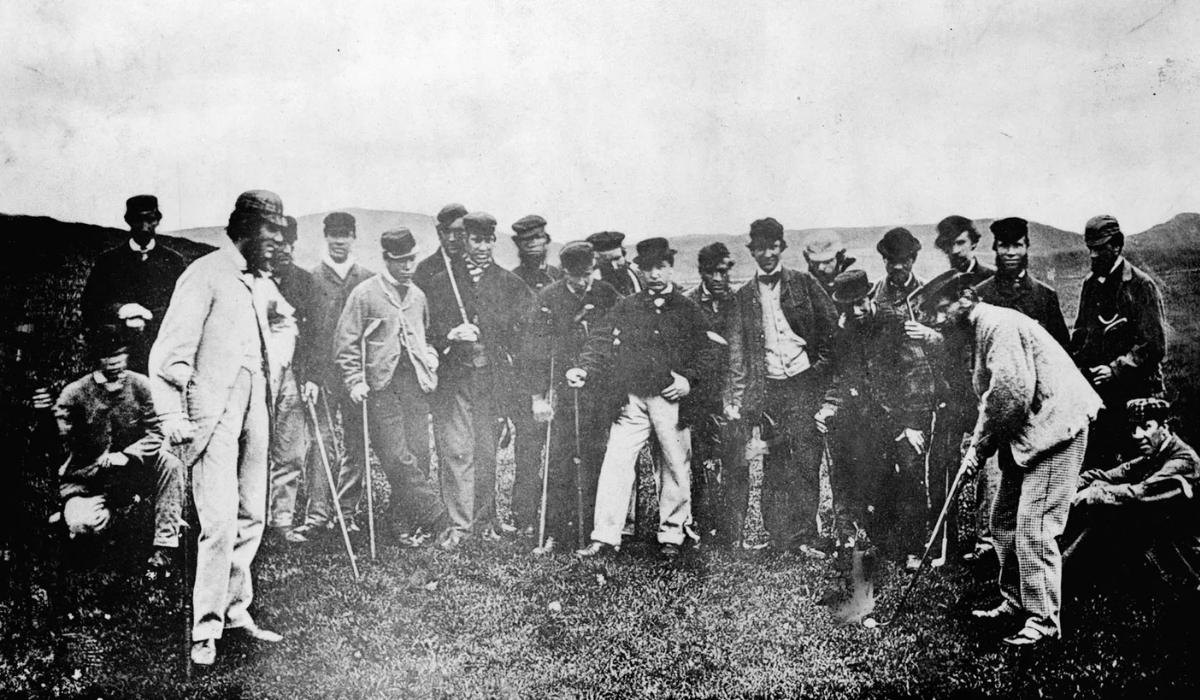
Golf originated in Scotland during the 15th century, and the earliest golfers wore everyday attire suitable for outdoor activity. Men typically donned woollen trousers, heavy jackets, and hats to combat the chilly Scottish climate. These outfits were practical rather than stylish, prioritising warmth and mobility over aesthetics.
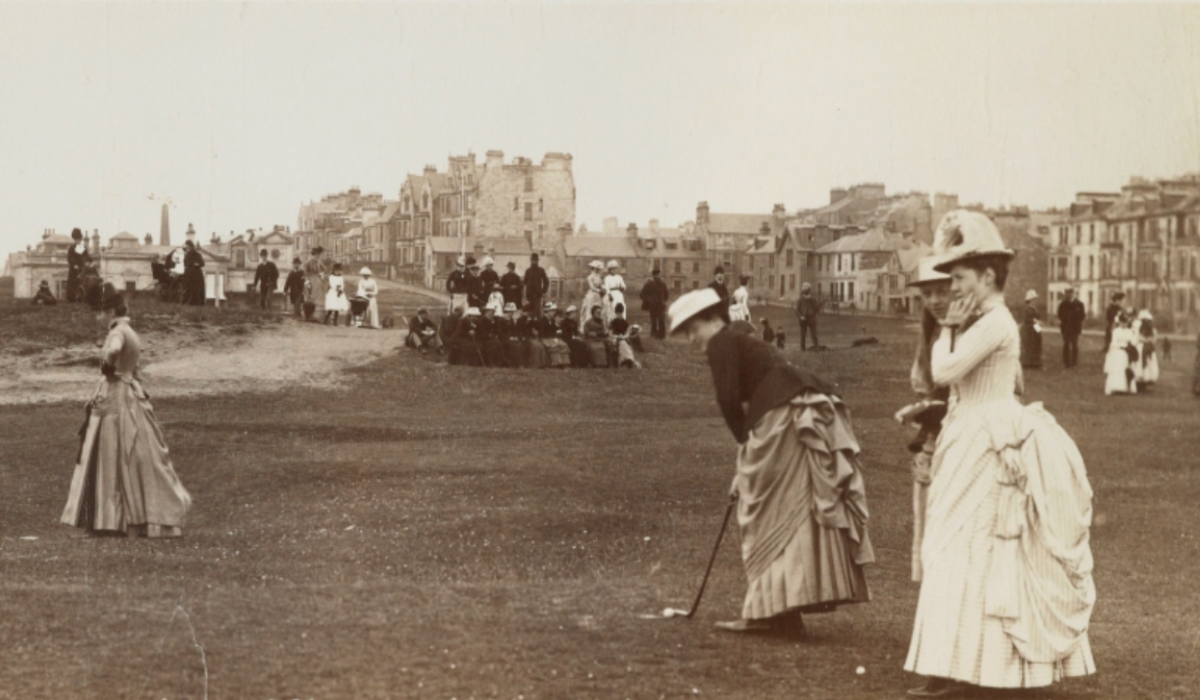
Women’s participation in golf emerged later, around the late 19th century, and their attire was far more restrictive. Long skirts, corsets, and high-necked blouses dominated, reflecting the Victorian era’s modesty standards. The emphasis on modesty often limited movement, highlighting how early fashion was more about social norms than sporting efficiency.
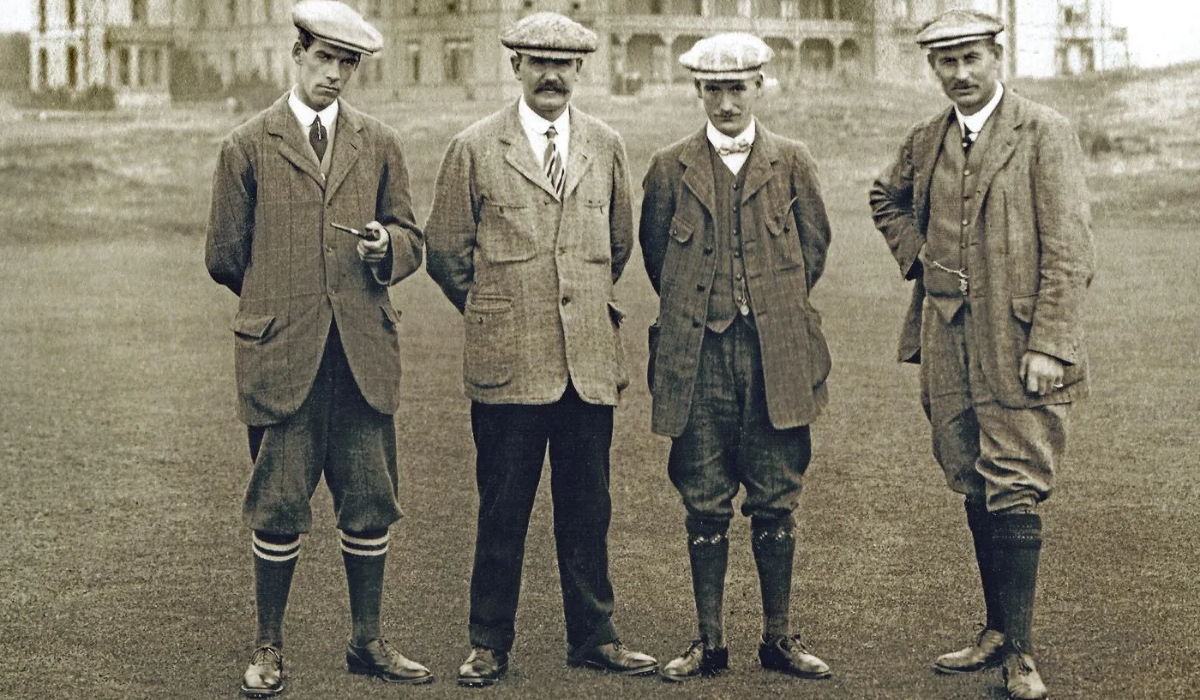
By the early 1900s, golf fashion began to acquire a distinct identity. Men favoured knickerbockers, or plus-fours — trousers that extended four inches below the knee — paired with argyle socks, tweed jackets, and flat caps. These outfits were both functional and stylish, allowing golfers greater freedom of movement while maintaining a sense of elegance.
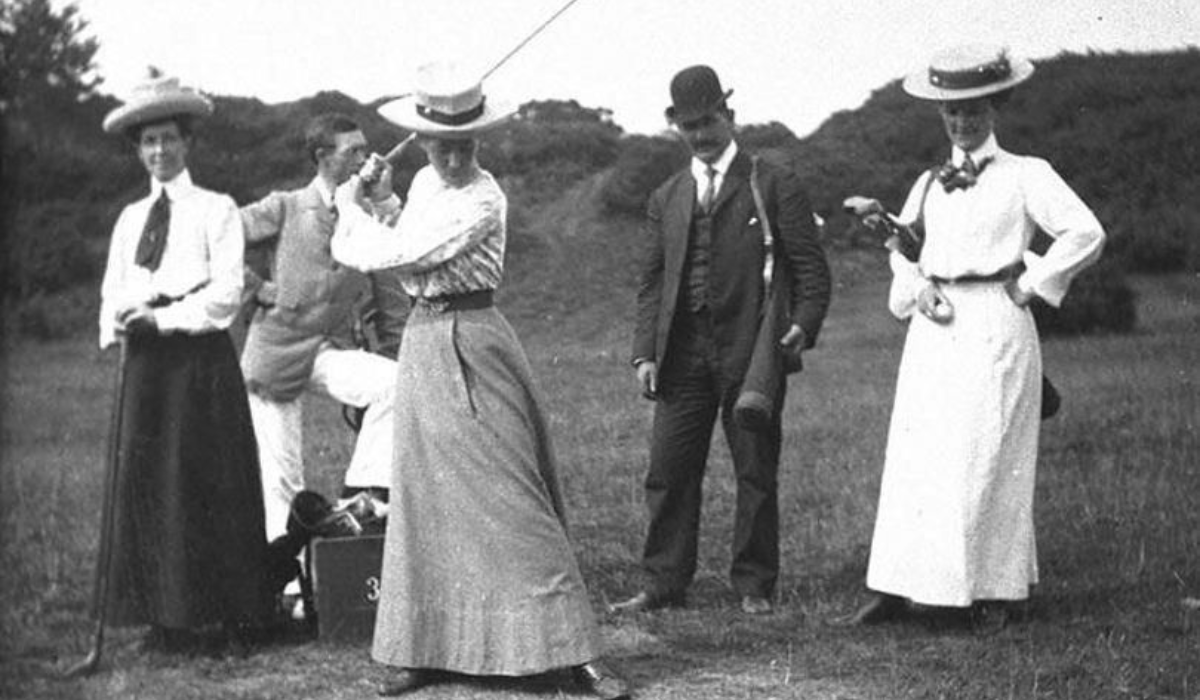
Women embraced split skirts, which resembled pants, allowing easier movement on the course. The rise of private golf clubs also meant that style became a symbol of social standing, making fashion an essential part of the game’s culture. Accessories such as leather gloves, caps, and golf shoes began to emerge as performance-enhancing elements that doubled as fashion statements.

The post-war period brought dramatic changes to golf attire, balancing elegance with practicality. Materials like cotton blends and lightweight wool allowed for more comfortable and flexible clothing. Men’s fashion shifted toward short-sleeved polo shirts and tailored slacks or pleated shorts, emphasising both performance and a polished look. Women embraced knee-length skirts and blouses that allowed more freedom of movement, gradually moving away from restrictive corsets. Iconic brands such as Ping, Dunlop, Ralph Lauren, and Lacoste helped define this era, introducing clothing that blended performance features with a preppy, refined aesthetic. This period marked a turning point where golf fashion began to mirror mainstream trends while maintaining sport-specific functionality closely.
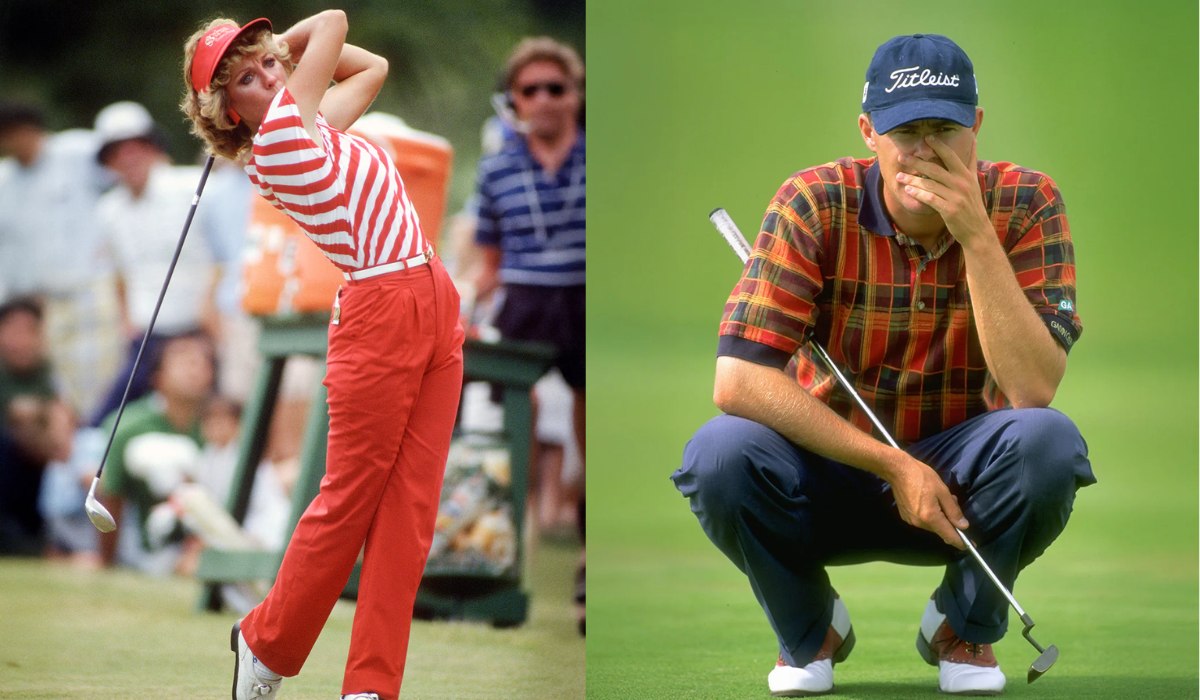
By the late 20th century, golf fashion had evolved to prioritise both performance and visual appeal. Synthetic fabrics, moisture-wicking materials, and stretchable fibres transformed golf clothing into high-tech athletic gear. Today, golfers enjoy options like breathable polos, ergonomic golf shoes designed for stability, and stylish outerwear suitable for all weather conditions. Women’s golf attire also became more versatile, incorporating skirts, skorts, leggings, and fitted tops that balance elegance with comfort. Designers and brands increasingly introduced bold patterns and colours, allowing golfers to express individuality while adhering to club dress codes. The modern golfer can seamlessly combine style, comfort, and cutting-edge performance technology on the course.

Throughout its history, golf fashion has reflected broader cultural trends, social norms, and technological advancements. From the tailored elegance of the 1920s to the vibrant, colourful ensembles of the 1980s and today’s sleek, high-performance designs, golf attire mirrors societal shifts while retaining its distinctive identity. Modern golfers use fashion not only for functionality but as a way to express personality and taste, balancing tradition with contemporary trends. What we wear on the course today honours the sport’s heritage while embracing innovation, proving that golf fashion is as dynamic and strategic as the game itself.
Shop Golf Clothing at The Golf Store by All Square here
Mastering Golf Course Style: What to Wear for a Winning Look

Clothes
WannaHaves – Start the Season Right
It’s almost time for the new season and if you’re anything like us then you’re already dying to get back out on the fairways. The start of the golfing year also makes for a great excuse to invest in some new golf equipment. To make sure you start the season right, we’ve delved around for […]

Destinations
Golf & Gastronomy in SO/ Sotogrande
Welcome to SO/ Sotogrande, a vibrant and stylish resort that redefines the luxury golf experience in southern Spain. Nestled between the Mediterranean Sea and the Andalusian hills, this contemporary retreat blends exceptional golf, world-class cuisine, and a playful spirit. Let’s dive into what makes this destination a must for those who crave fairways and flavours. […]