


Gear
Garmin Golf Watches Guide: Which Garmin Watch Is Right for Your Game?
Explore 33,000+ golf courses in 180 countries.
Follow the latest news and trends in golf.
Connect with like-minded golfers.
Find everything you need for your golf equipment and gear needs.
Travel, golf resorts, lifestyle, gear, tour highlights and technology.
All Square
Suggestions
Gear
Garmin Golf Watches Guide: Which Garmin Watch Is Right for Your Game?
Accessories
Best Push Carts and Electric Trolleys for Golf in 2026
Course Reviews
Rediscover Monte Rei: Portugal’s Iconic Golf Course Reopens After Major Renovation
Course Reviews
Best Golf Courses Around Rome: Where Ancient History Meets Modern Golf
Instruction
Links vs Parkland vs Heathland: What’s the Difference?
Clubs
The Best Irons on the Market in 2026
Clubs
Austin Smotherman WITB: The Clubs Behind His 2026 Bank of Utah Championship Win
Destinations
Barrière Golf Properties: French Golf Escapes Where the Resort Is Part of the Experience
Destinations
Conrad Algarve Renovations: A New Chapter of Luxury in Quinta do Lago
PGA Tour
Presidents Cup 2026 Results & Winners: Team USA Completes Historic Comeback
Course Reviews
Cullinan Golf Links Resort, Belek: Where Golf Meets the Mediterranean
Course Reviews
New Opening: Limassol Greens — Cyprus’ New Golf Destination
PGA Tour
Presidents Cup 2026 Preview: Everything to Know Before Medinah
Clubs
Jacob Bridgeman WITB: The Clubs Behind His 2026 Biltmore Championship Victory
Course Reviews
Play Golf at Pebble Beach: What to Know Before You Go
Professional Golf
Solheim Cup Results & Winners 2026: Europe Reclaims the Trophy
Clubs
This Year’s Best Drivers on the Market: A 2026 Buyer’s Guide
Clubs
WITB: Ryan Fox’s Winning Clubs at the 2026 Open Championship
Community
How Modern Golf Courses Conserve Water and Protect Wildlife
PGA Tour
Changes on the PGA Tour from 2028
Course Reviews
Tee Off in Tuscany: Golfing Italy’s Most Picturesque Countryside
Course Reviews
The Best Golf Courses Near Pinehurst That Aren’t Pinehurst No. 2
Amateur Golf
Should Your Child Turn Professional? What the World’s Best Golfers Can Teach Us
Course Reviews
Le Golf National Unveils Its New Identity: Inside the Albatros Course’s Long-Awaited Reopening
Clubs
The Titleist Vokey SM11: Refining an Icon That Was Already Winning
Destinations
Boutique Golf Hotels with Personality
Course Reviews
Best Golf Courses Around Madrid

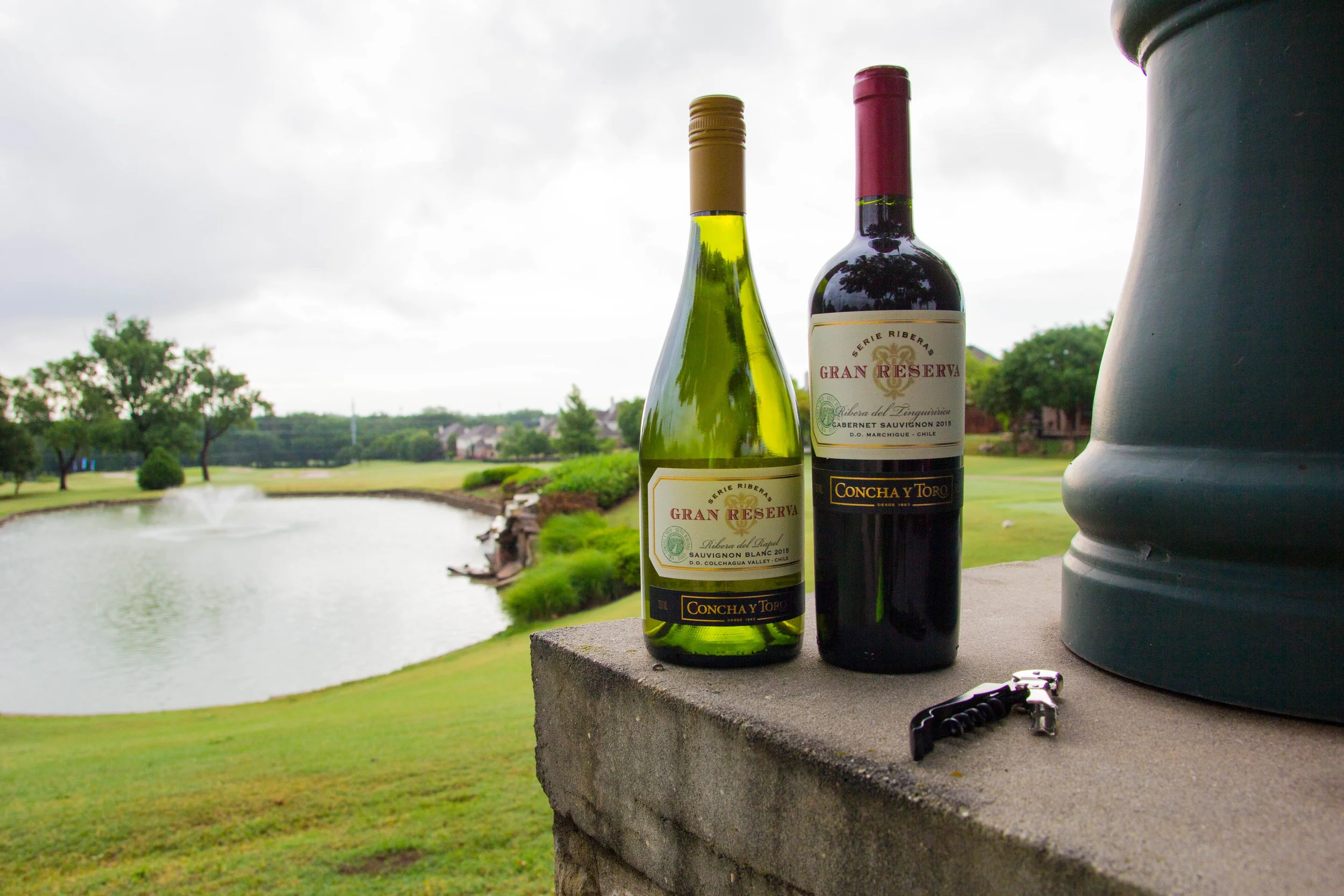
Golf and wine share more than a reputation for leisurely afternoons. Both reward patience, precision, and an appreciation for terroir — the idea that place shapes character, whether in a Cabernet Sauvignon or a links-style fairway carved into chalky soil. Across Europe, South Africa, and the Americas, a growing number of resorts have built entire identities around this pairing, placing championship courses within walking distance of working vineyards, cellar doors, and Michelin-starred wine pairings. For travellers who want their golf trip to double as a wine pilgrimage, here’s where the two worlds meet most beautifully.
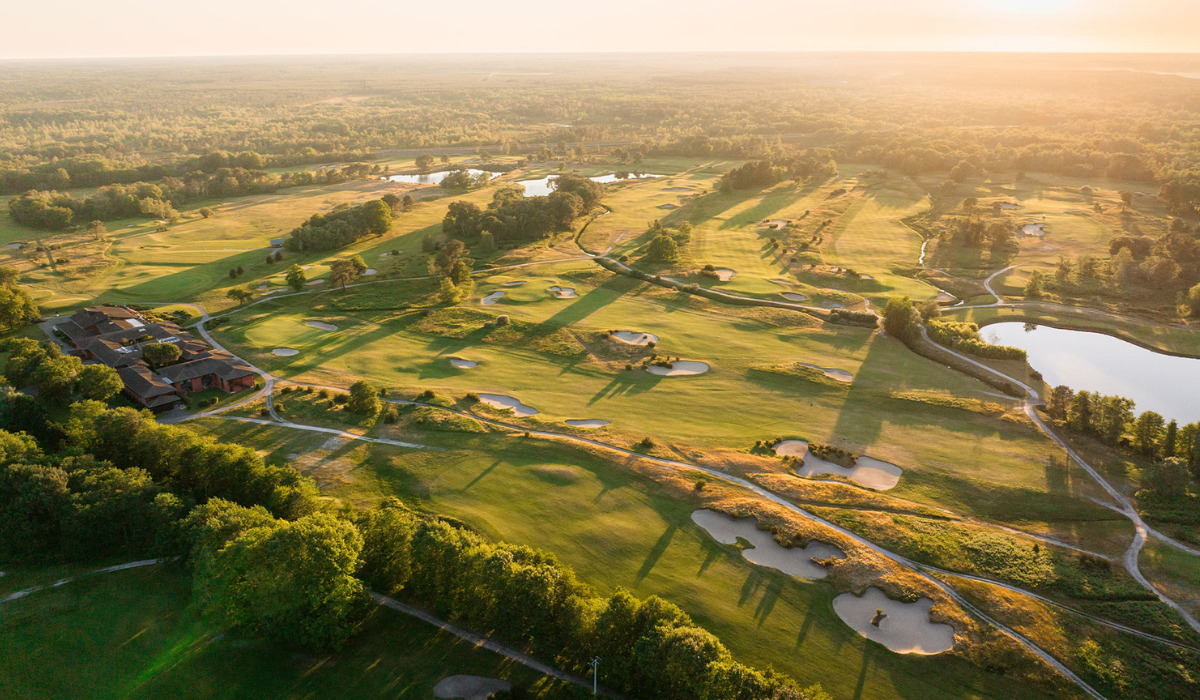
France’s Bordeaux region has quietly become one of golf’s most compelling new frontiers, anchored by Cabot Bordeaux, which opened its first course in 2024 on a sprawling estate near Saint-Émilion. The development sits among working vineyards producing Bordeaux’s famous Merlot and Cabernet Franc blends, and the resort has leaned into this identity with wine tastings, cellar tours, and dining experiences built around regional producers. Saint-Émilion itself, a UNESCO World Heritage site, offers centuries-old underground cellars carved into limestone, many open for tastings just a short drive from the fairways.
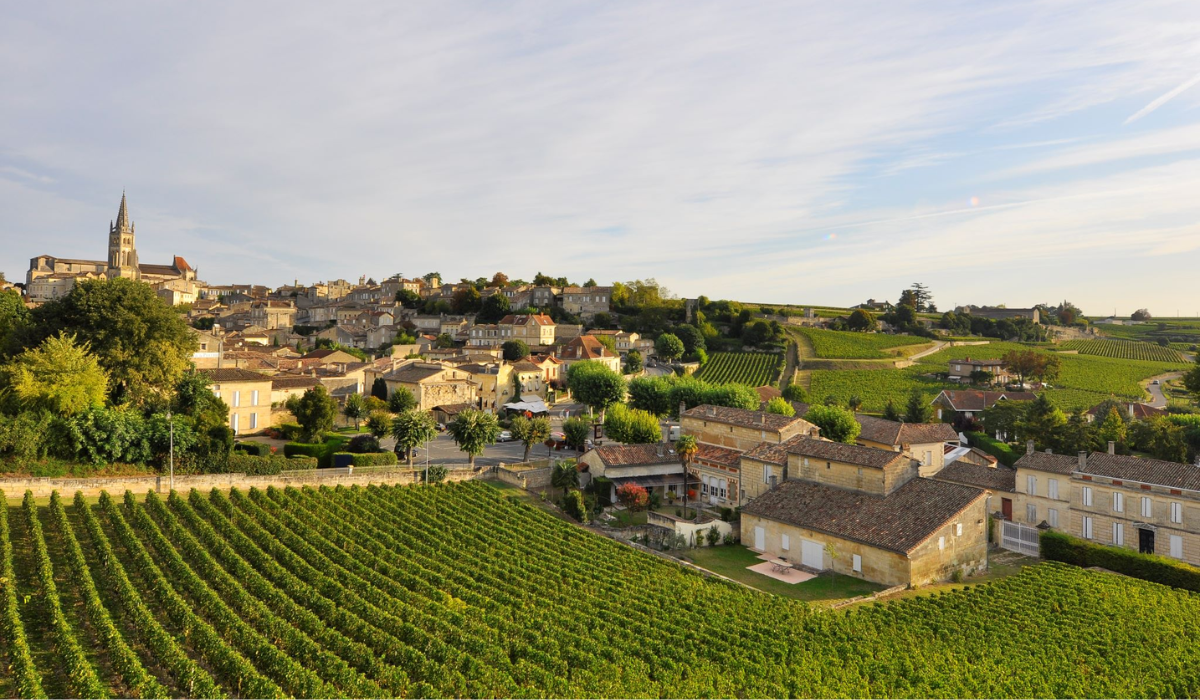
What makes Bordeaux distinctive is the sheer density of producers within a small radius — golfers can play eighteen holes in the morning and tour a grand cru château by early afternoon, with options ranging from grand historic estates to small family-run vineyards offering more intimate, less touristy visits.
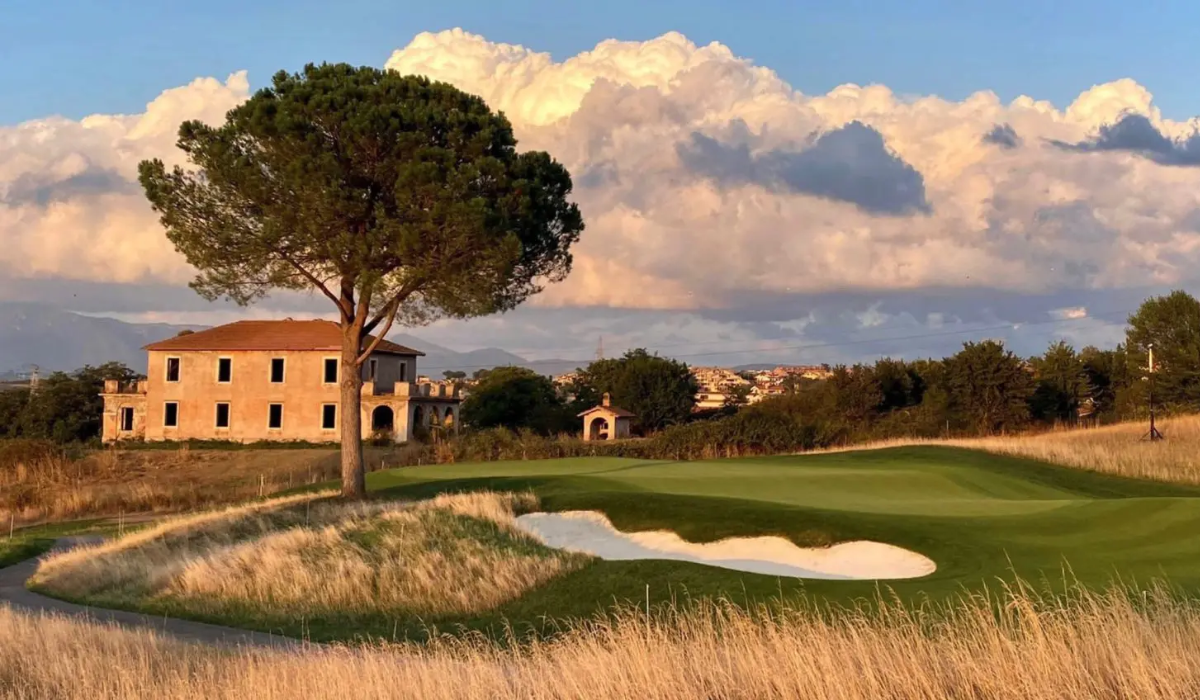
Italy’s Tuscany region pairs golf with arguably the world’s most photogenic wine landscape. Courses here wind through rolling hills dotted with cypress trees, olive groves, and vineyards producing Chianti Classico, Brunello di Montalcino, and Vino Nobile di Montepulciano. The terrain itself often dictates course design — many Tuscan layouts feature dramatic elevation changes and panoramic views that rival the golf for a player’s attention.
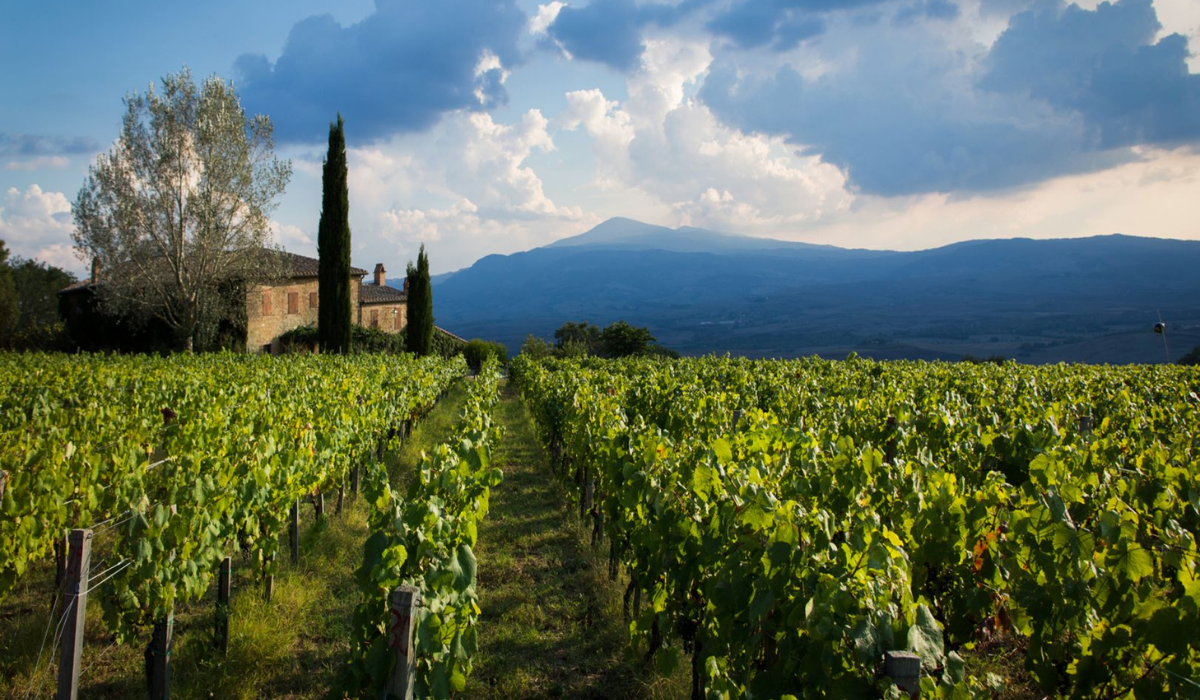
Wine estates throughout the region, particularly around Montalcino and the Val d’Orcia, offer cellar tours and tastings that pair naturally with a golf itinerary, and several agriturismo properties combine accommodation, vineyard access, and proximity to courses into a single relaxed package. The harvest season in September and October adds an extra layer, with some estates timing tastings around the grape harvest itself.

The Cape Winelands region around Stellenbosch, Franschhoek, and Paarl has developed a strong reputation for combining golf with South Africa’s wine industry, one of the oldest in the New World, dating back to the 17th century. Courses in this region often sit directly adjacent to vineyards producing Pinotage (a South African signature varietal), Chenin Blanc, and increasingly acclaimed Cabernet Sauvignon and Syrah blends.
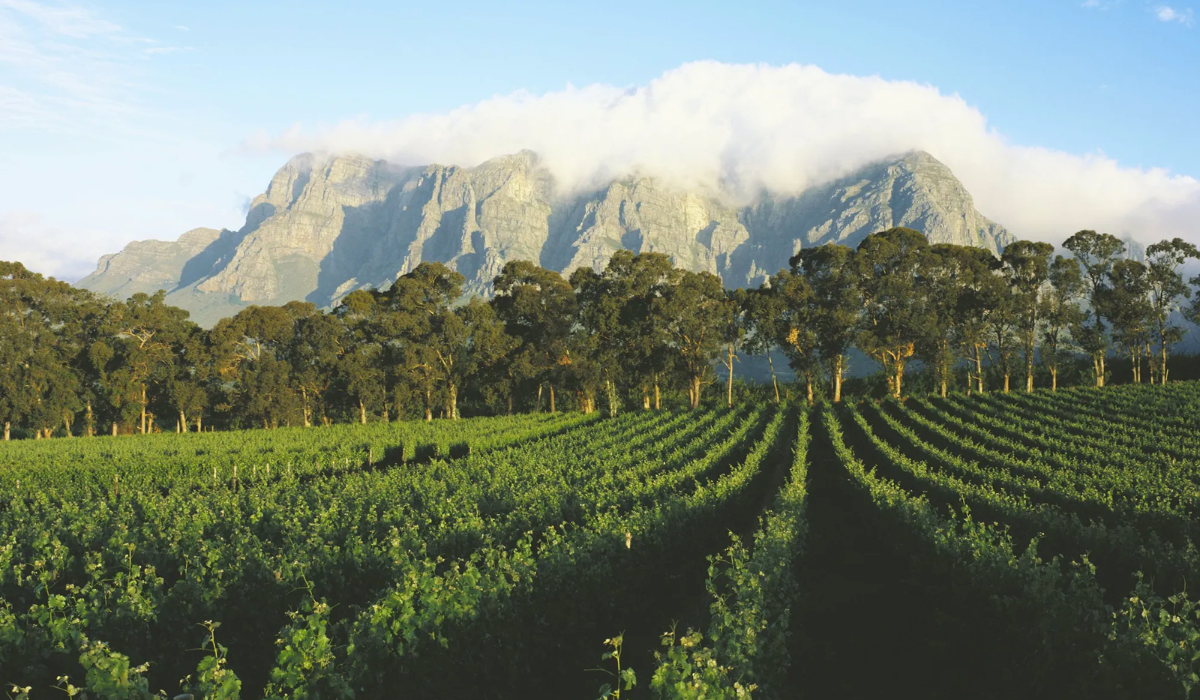
What sets this region apart is value — South African wine remains comparatively affordable by international standards even as quality has risen dramatically over the past two decades, meaning golfers can sample world-class wines at tasting rooms without the price tags associated with Napa or Bordeaux. The dramatic backdrop of the Cape’s mountain ranges adds visual drama to both the golf and the vineyard visits.
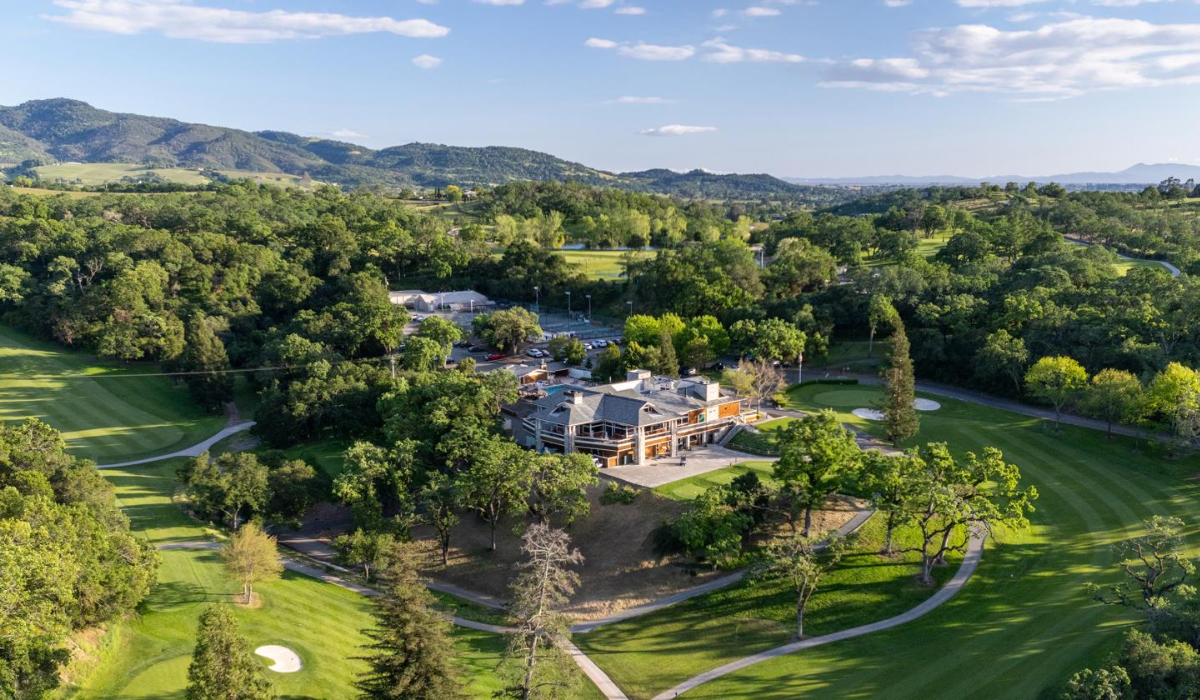
California’s Napa and Sonoma Valleys remain the benchmark for wine-golf pairings in the United States. Courses throughout the region are often laid out among or adjacent to working vineyards, and many wineries — particularly smaller, family-owned producers — offer private tastings that can be arranged as part of a golf itinerary, often requiring advance reservations given limited capacity.
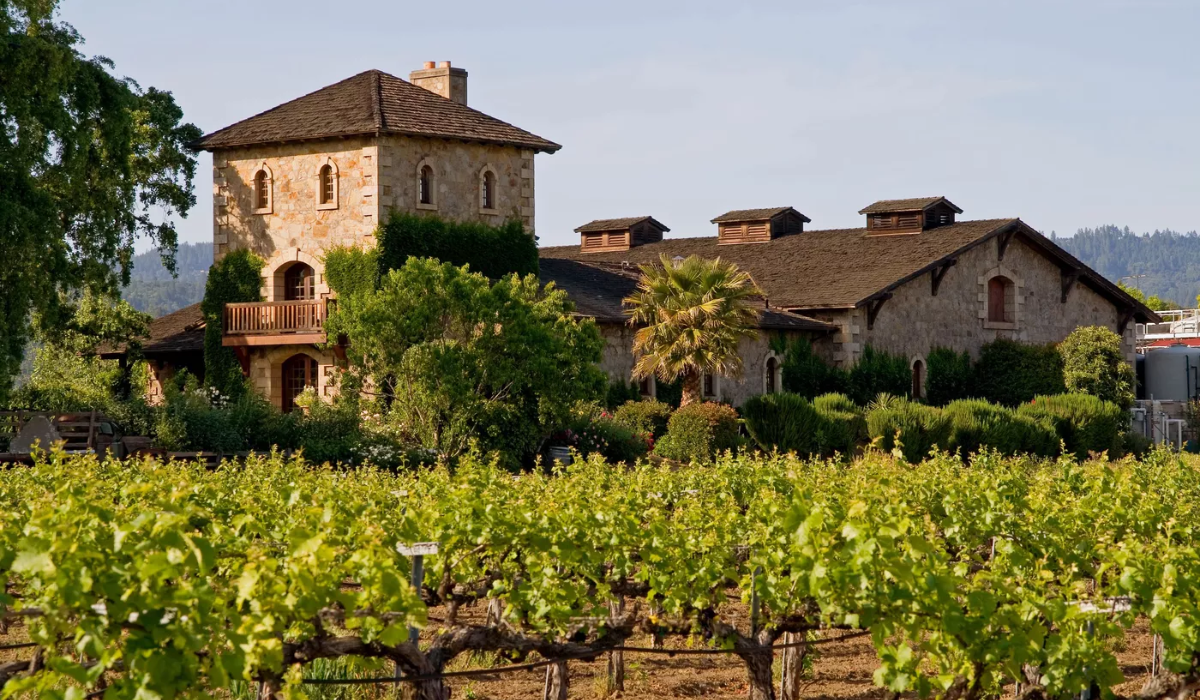
The region’s Mediterranean climate, similar to parts of southern Europe, allows for golf and vineyard touring across most of the year, though late spring and early autumn tend to offer the most comfortable temperatures for both activities. Sonoma in particular, has cultivated a reputation as a quieter, less crowded alternative to Napa while still offering comparable wine quality.
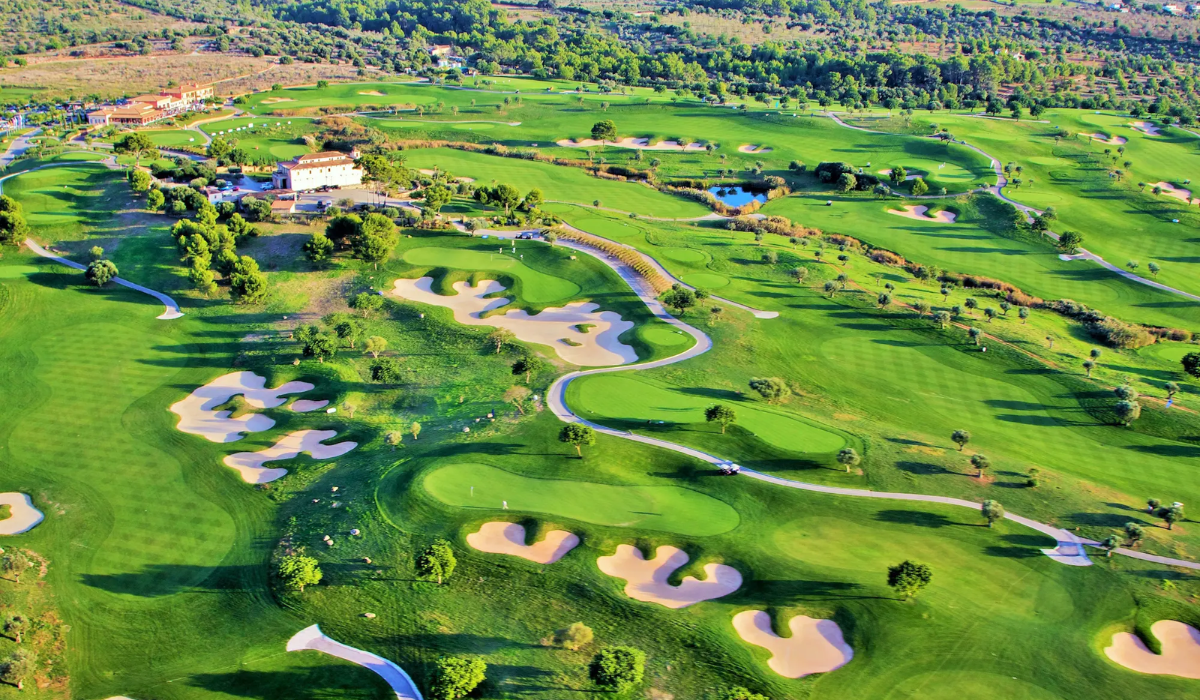
Spain’s Mallorca has its own under-the-radar wine region in the Binissalem and Pla i Llevant areas, producing wines from indigenous grape varieties like Manto Negro and Callet that are rarely found outside the island. Golf resorts across Mallorca increasingly highlight these local producers, offering a distinctly Balearic alternative to the better-known wine regions of mainland Spain.
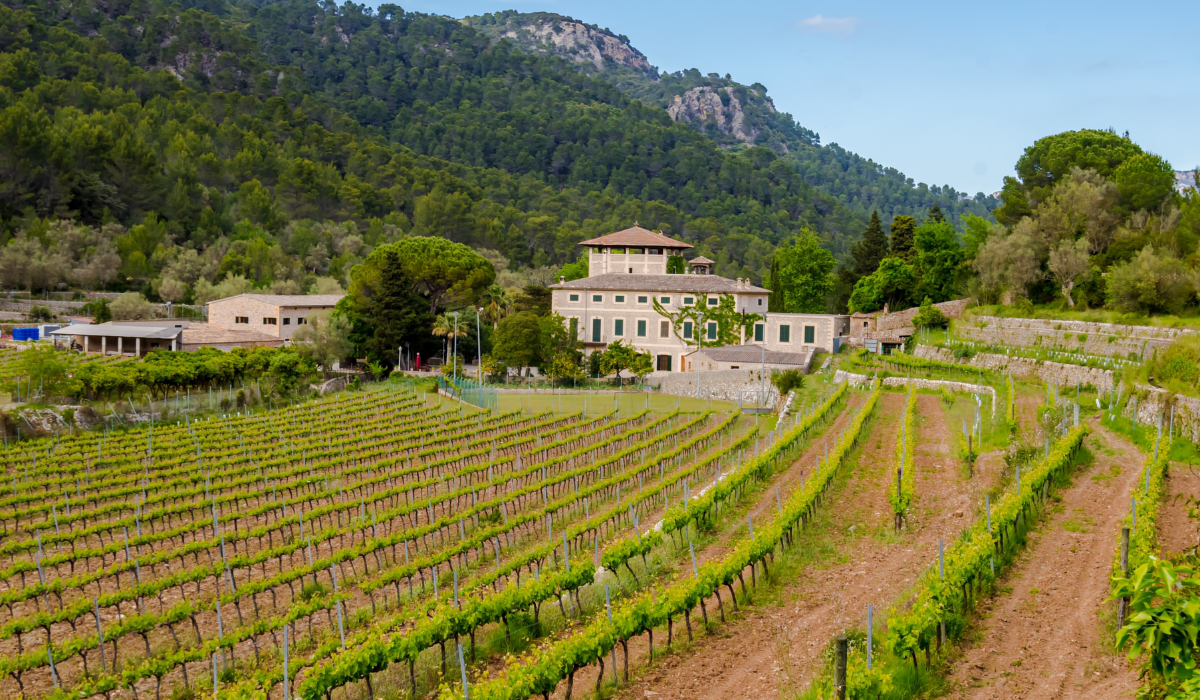
The appeal here lies in discovery — these are wines most visitors have never tasted, made in small quantities by producers deeply tied to the island’s agricultural traditions, paired with a golf scene that has expanded significantly with several championship-caliber courses across the island.
The most successful trips tend to balance the two pursuits rather than treating one as an afterthought. Morning tee times leave afternoons free for tastings, while wine regions with multiple producers within a short driving radius — Bordeaux, Tuscany, and the Cape Winelands all qualify — allow for variety without exhausting travel days. Many resorts in these regions now offer concierge services specifically designed to arrange winery visits, private tastings, and even on-course wine experiences, reflecting just how mainstream this pairing has become.
Destinations
Best Adults-Only Golf Resorts
Enjoy peace and quiet and maybe some romance at these adults-only golf resorts in Greece, Mallorca, Lanzarote and Mauritius. W Costa Navarino, Greece Costa Navarino in the Greece Peloponnese is home to a collection of five-star hotels and world-class golf courses designed by Robert Trent Jones Jnr and former Masters champions Jose Maria Olazabal and […]

Destinations
24 Hours at a Luxury Golf Resort: A Day in Paradise
There are few travel experiences that blend sport, indulgence, nature, and effortless comfort quite like a stay at a luxury golf resort. Unlike a typical hotel getaway, these destinations are designed as complete ecosystems — places where the rhythm of the day follows the sun, the fairways, and the quiet luxury of time well spent. […]