


Course Reviews
Marrakech vs Agadir for Golf: Which Moroccan Destination Should You Choose?
Explore 33,000+ golf courses in 180 countries.
Follow the latest news and trends in golf.
Connect with like-minded golfers.
Find everything you need for your golf equipment and gear needs.
Travel, golf resorts, lifestyle, gear, tour highlights and technology.
All Square
Suggestions
Course Reviews
Marrakech vs Agadir for Golf: Which Moroccan Destination Should You Choose?
Accessories
Best Push Carts and Electric Trolleys for Golf in 2026
Course Reviews
Rediscover Monte Rei: Portugal’s Iconic Golf Course Reopens After Major Renovation
Course Reviews
Best Golf Courses Around Rome: Where Ancient History Meets Modern Golf
Instruction
Links vs Parkland vs Heathland: What’s the Difference?
Clubs
The Best Irons on the Market in 2026
Clubs
Austin Smotherman WITB: The Clubs Behind His 2026 Bank of Utah Championship Win
Destinations
Barrière Golf Properties: French Golf Escapes Where the Resort Is Part of the Experience
Destinations
Conrad Algarve Renovations: A New Chapter of Luxury in Quinta do Lago
Gear
Garmin Golf Watches Guide: Which Garmin Watch Is Right for Your Game?
PGA Tour
Presidents Cup 2026 Results & Winners: Team USA Completes Historic Comeback
Course Reviews
Cullinan Golf Links Resort, Belek: Where Golf Meets the Mediterranean
Course Reviews
New Opening: Limassol Greens — Cyprus’ New Golf Destination
PGA Tour
Presidents Cup 2026 Preview: Everything to Know Before Medinah
Clubs
Jacob Bridgeman WITB: The Clubs Behind His 2026 Biltmore Championship Victory
Course Reviews
Play Golf at Pebble Beach: What to Know Before You Go
Professional Golf
Solheim Cup Results & Winners 2026: Europe Reclaims the Trophy
Clubs
This Year’s Best Drivers on the Market: A 2026 Buyer’s Guide
Clubs
WITB: Ryan Fox’s Winning Clubs at the 2026 Open Championship
Community
How Modern Golf Courses Conserve Water and Protect Wildlife
PGA Tour
Changes on the PGA Tour from 2028
Course Reviews
Tee Off in Tuscany: Golfing Italy’s Most Picturesque Countryside
Course Reviews
The Best Golf Courses Near Pinehurst That Aren’t Pinehurst No. 2
Destinations
Seaton House: The Home of Golf Finally Has the Hotel It Deserves
Majors
2026 U.S. Open at Shinnecock Hills: Preview & FAQ
Clubs
TaylorMade Spider ZT Putter Review: What It Is, How It Performs, and Whether It’s Worth the Upgrade
Course Reviews
Minthis Resort: Cyprus Golf Escape
Clubs
Gary Woodland’s Winning WITB at the 2026 Texas Children’s Houston Open
Destinations
A Golf Trip to Mauritius: Sun, Sea, and Championship Swings

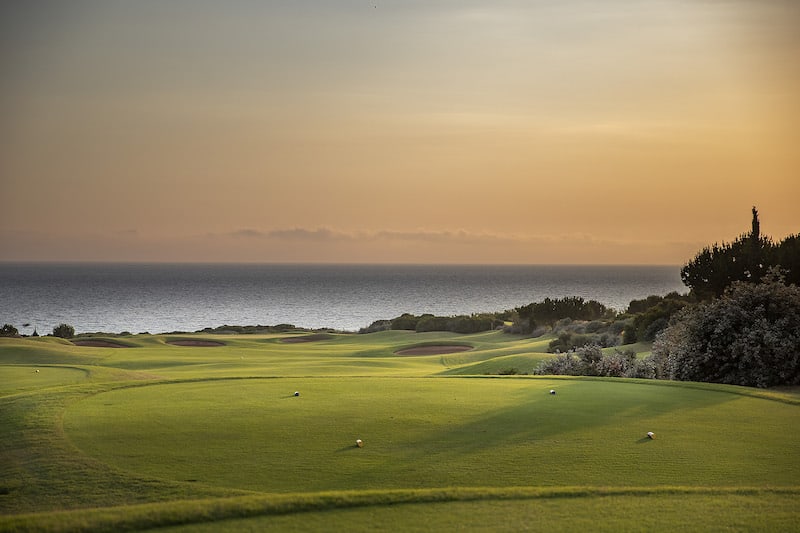
Golf has a long and complex relationship with the Olympic Games. First introduced in the 1900 Paris Olympics and again in 1904 in St. Louis, the sport then faced a century-long absence from the global sporting event. The 1904 tournament, held at Glen Echo Country Club, featured only a men’s competition, with Canada’s George Lyon winning gold. Various factors contributed to golf’s removal from the Olympic program, including difficulties in standardizing international participation, lack of professional interest, and logistical challenges. However, as golf’s global appeal continued to grow, efforts to reinstate it into the Olympic fold gained traction, culminating in its much-anticipated return at the 2016 Rio de Janeiro Games.
For decades, the International Golf Federation (IGF) lobbied for golf’s reintroduction to the Olympics. The turning point came in 2009 when the International Olympic Committee (IOC) voted to bring golf back, recognizing its international popularity and the sport’s potential to expand the Games’ audience. With rising participation rates worldwide, particularly in emerging markets like Asia and South America, the decision to reinstate golf was a strategic move to modernize the Olympics and appeal to a broader demographic.
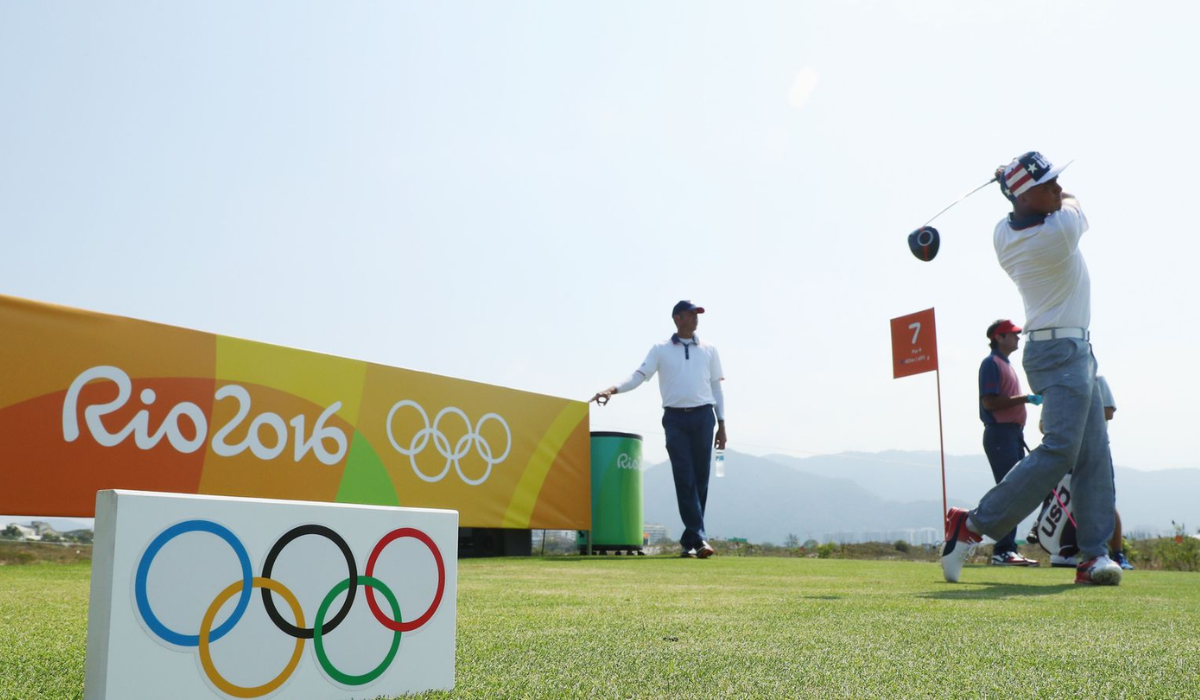
The return of golf at the 2016 Rio Olympics was met with a mix of excitement and scepticism. Some top-ranked players initially withdrew due to scheduling conflicts and concerns over the Zika virus, while others cited the packed golf calendar as a primary reason. Despite these challenges, the event ultimately proved to be a success. The competition was played at the newly constructed Olympic Golf Course, designed specifically to showcase the game in a unique and visually striking setting.
The men’s tournament saw Great Britain’s Justin Rose claim the first Olympic gold in over a century, narrowly defeating Sweden’s Henrik Stenson in a thrilling final round. In the women’s event, South Korea’s Inbee Park dominated the competition, securing gold with a performance that cemented her place in Olympic and golfing history. The tournament was praised for its excitement, sportsmanship, and the sense of national pride it fostered among competitors and fans alike.
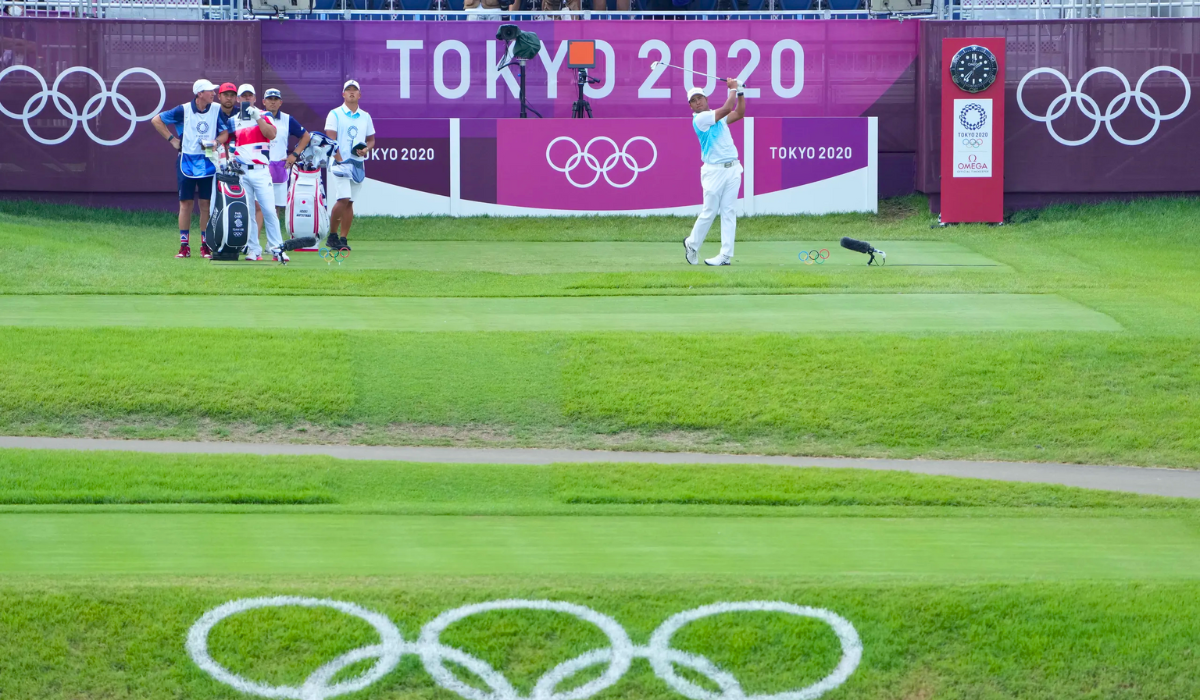
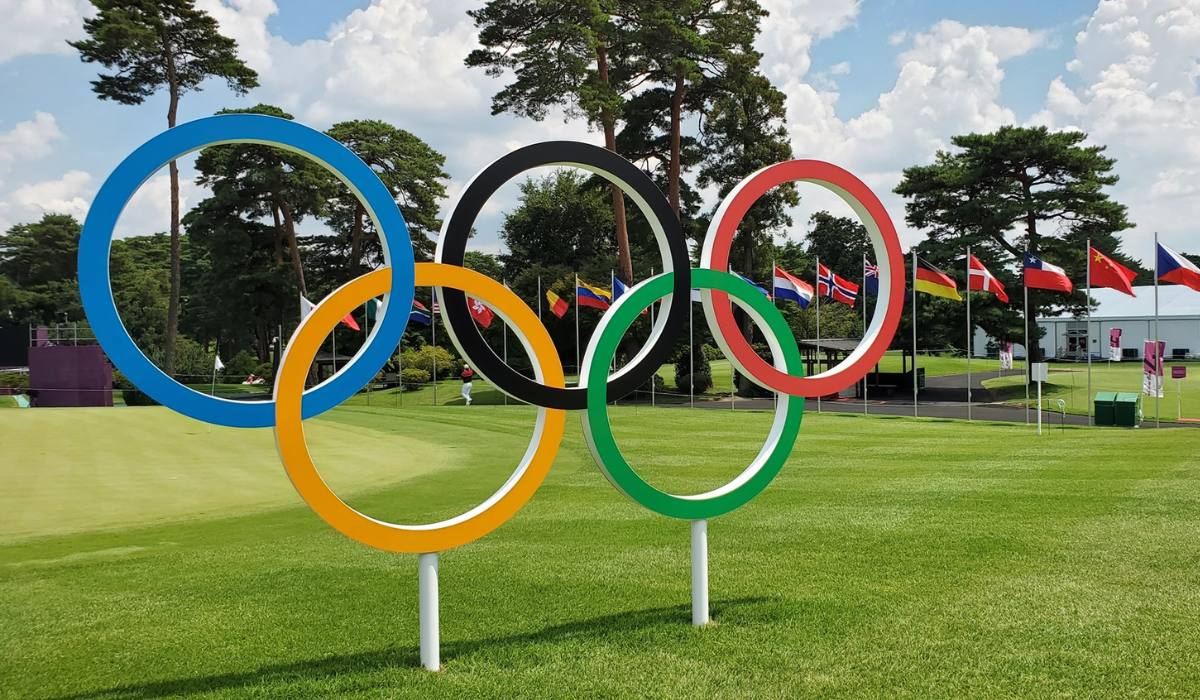
The 2020 Olympics in Tokyo (held in 2021 due to the COVID-19 pandemic) further solidified golf’s place in the Olympic lineup. With top players fully committed, the event delivered high drama and world-class competition at Kasumigaseki Country Club’s East Course. Xander Schauffele of the United States won gold in the men’s tournament, while Nelly Korda continued the American dominance with a gold-medal-winning performance in the women’s competition. The event’s success reaffirmed golf’s role in the Olympics, demonstrating that it could deliver compelling narratives and unforgettable moments on the world stage.
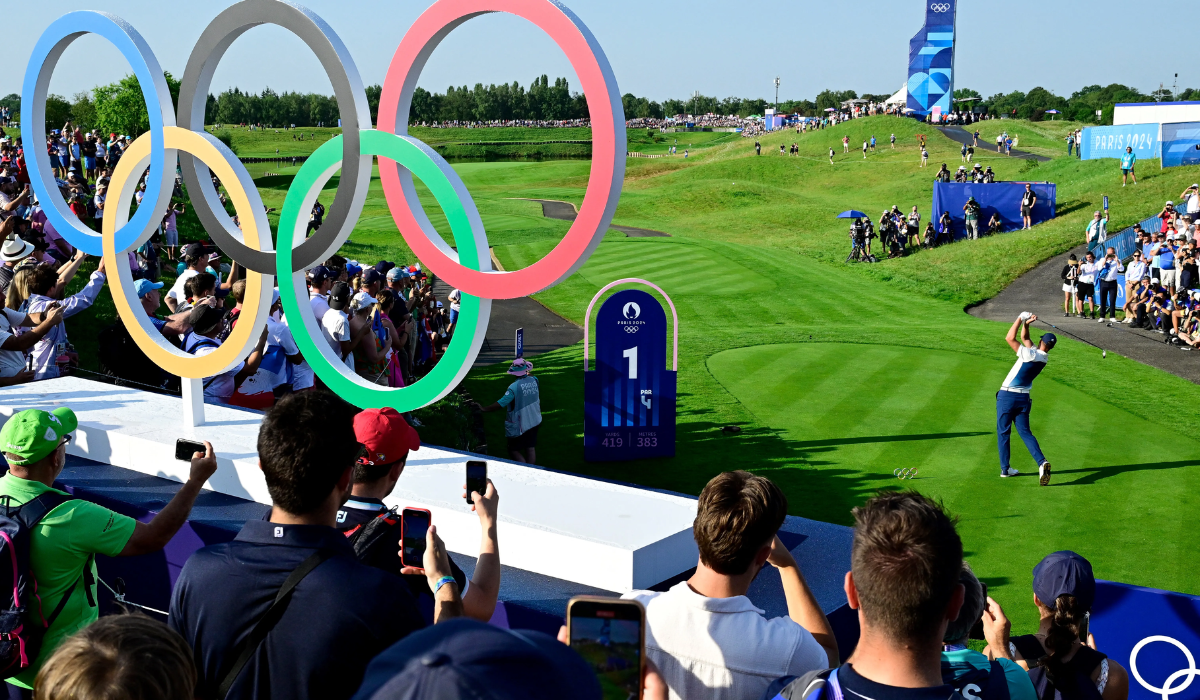
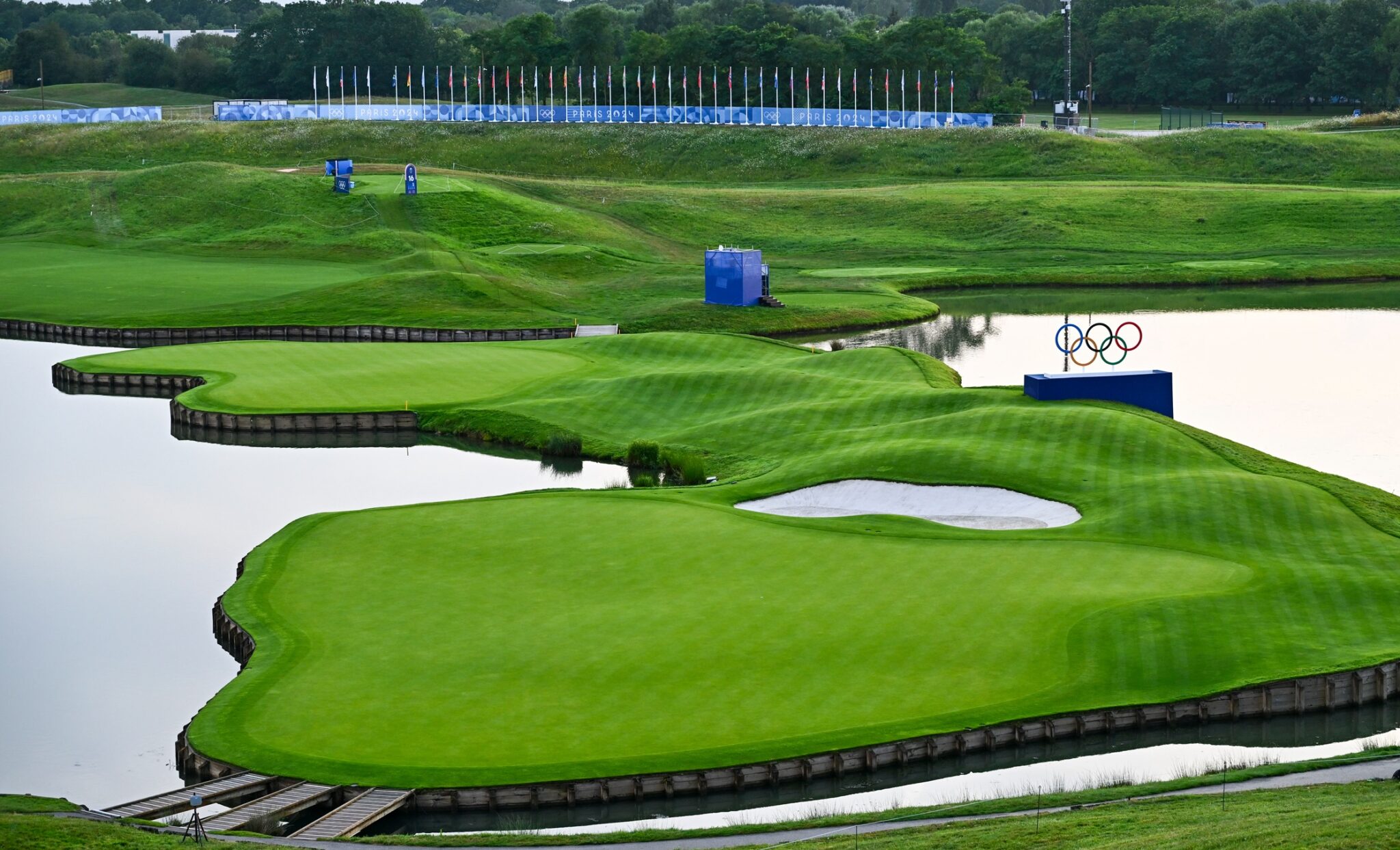
With the conclusion of the 2024 Paris Olympics, golf has once again demonstrated its growing significance on the world stage. The tournament at Le Golf National delivered intense competition and showcased the sport’s global reach, with elite players continuing to enhance golf’s credibility within the Olympic framework. The event retained the traditional 72-hole stroke play format, despite ongoing discussions about potential changes, such as mixed-gender team events or match play.
The Olympics have already played a key role in expanding golf’s international appeal, inspiring new generations of players and driving investment in the sport at the grassroots level. Countries with developing golf programs, such as India, China, and Brazil, have seen rising participation and infrastructure growth, further solidifying golf’s place as a truly global game. Standout performances from players like India’s Aditi Ashok and Mexico’s Carlos Ortiz have underscored the Olympics’ power to elevate emerging talent on the world stage.
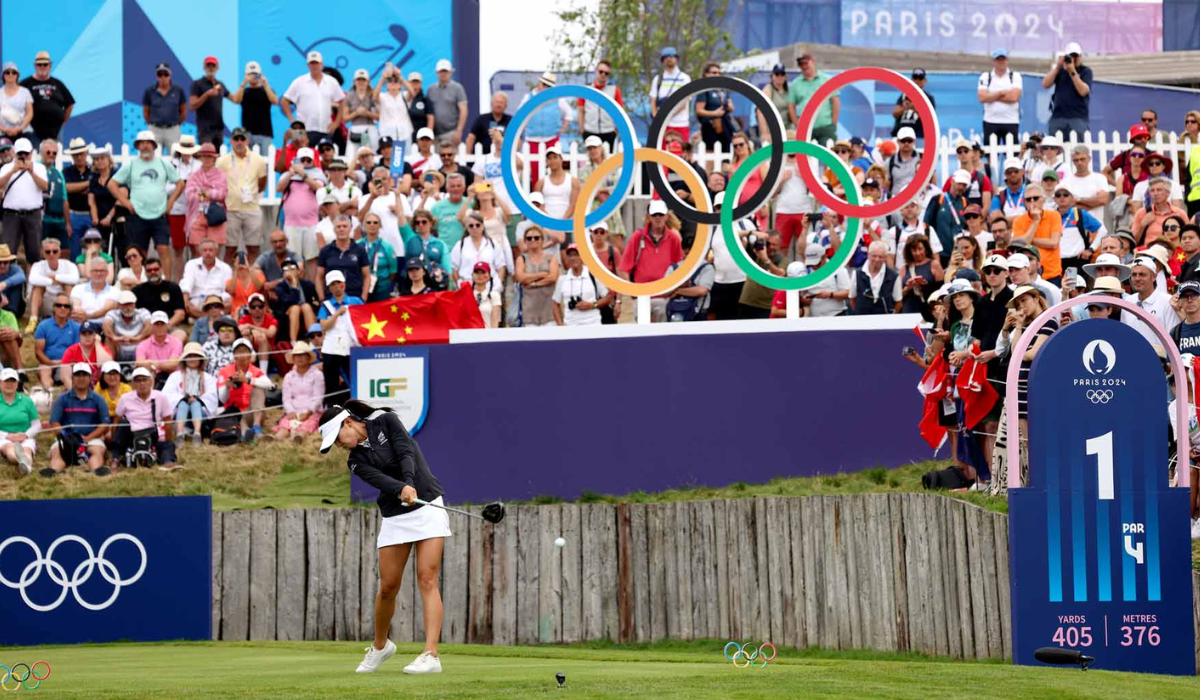
Golf’s return to the Olympics has not only provided thrilling competition but also elevated the sport’s global profile. The Games offer a unique platform where players compete not just for personal achievement but for national pride, creating a different kind of pressure and prestige compared to traditional golf tournaments.
As the sport continues to evolve within the Olympic movement, its presence will likely inspire further growth, ensuring that golf remains a staple of the Summer Games for years to come. From its long absence to its triumphant return, golf in the Olympics is a testament to the sport’s enduring appeal and its ability to captivate audiences worldwide.
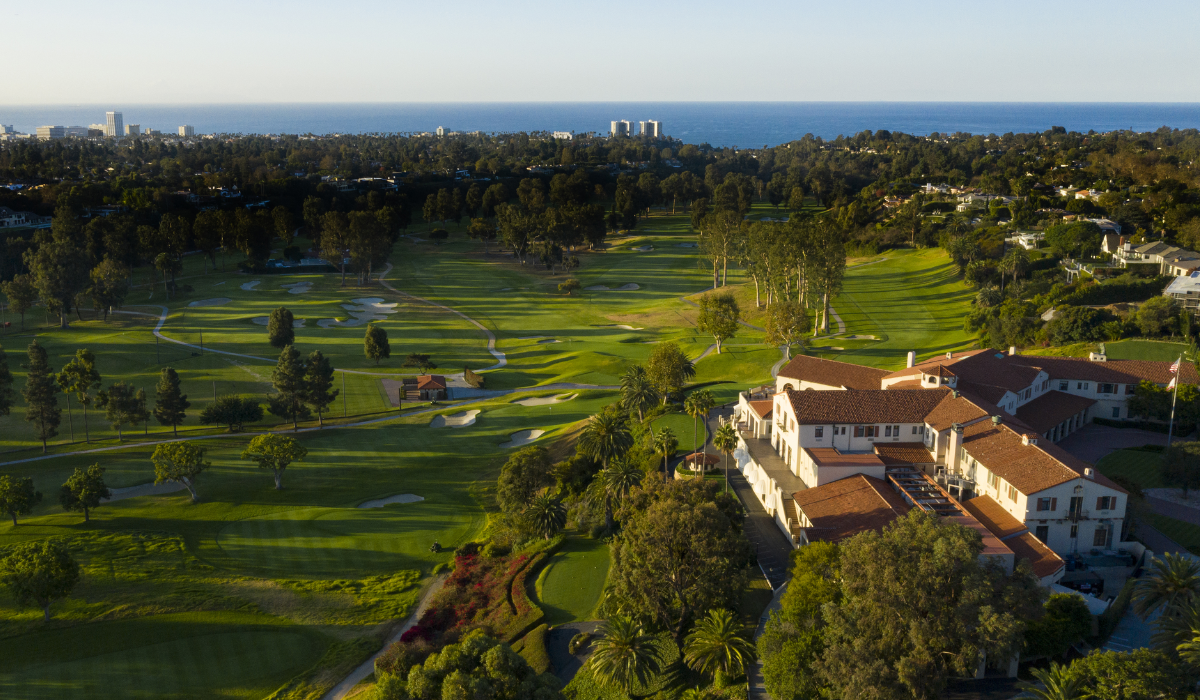
With another successful Olympic tournament in Paris, golf’s place in the Games is more secure than ever. Los Angeles 2028 promises to build on this momentum, offering another opportunity for the sport to reach new audiences. While the traditional 72-hole stroke play format is expected to continue, discussions around potential format changes, such as mixed-gender team events, remain ongoing. As golf’s Olympic journey evolves, LA 2028 could further cement its status as a global sport on the world’s biggest stage.

Professional Golf
What’s Happening on Tour This Week – January 19th to 22nd
European Tour The Abu Dhabi HSBC Championship It is the start of a special part of the European Tour calendar. This week we see the start of the Desert Swing and what a field we have! The Abu Dhabi HSBC Championship at Abu Dhabi Golf Club is the first outing of 2017 for many of […]
Community
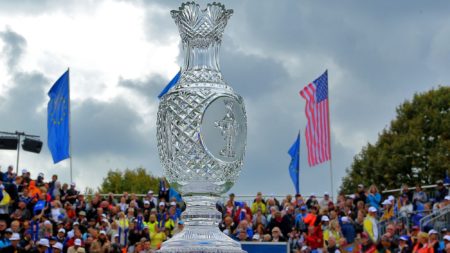
The Solheim Cup – Will the Tension Continue in 2017?
Following the most controversial match in Solheim Cup history two years ago, team captains Annika Sorenstam and Juki Inkster may be hoping that the road to victory runs a little more smoothly this time around. Nonetheless as the best players from America and Europe converge on Des Moines Golf and Country Club, in Iowa, this […]