


Amateur Golf
Understanding Course Rating and Slope: How Difficult Is a Golf Course Really?
Explore 33,000+ golf courses in 180 countries.
Follow the latest news and trends in golf.
Connect with like-minded golfers.
Find everything you need for your golf equipment and gear needs.
Travel, golf resorts, lifestyle, gear, tour highlights and technology.
All Square
Suggestions
Amateur Golf
Understanding Course Rating and Slope: How Difficult Is a Golf Course Really?
Clubs
New Ping G450 Drivers: Four Models, New Technology and a Surprise Mini Driver
Course Reviews
Shoulder-Season Golf: Where to Play for Better Value and Fewer Crowds
Clubs
Andrew Novak WITB 2026: What’s in the Bag at the VidantaWorld Mexico Open?
Destinations
Your Golf Trip to Australia: A First-Time Guide to the Land Down Under
Course Reviews
Rosapenna Hotel & Golf Resort: A Legendary Links Golf Escape on Ireland’s Wild Atlantic Way
Course Reviews
Night Golf and Floodlit Courses: Where to Play After Dark
Clubs
Austin Smotherman WITB 2026: What’s in the Bag at the Butterfield Bermuda Championship?
Course Reviews
Golf in Madeira: Cliffs, Clouds and Two Unforgettable Courses
Destinations
Thai Caddie Culture Explained: Tipping, Etiquette and What to Expect
Course Reviews
Best Golf Courses Around Munich: Where Championship Golf Meets Bavarian Beauty
Course Reviews
Marrakech vs Agadir for Golf: Which Moroccan Destination Should You Choose?
Accessories
Best Push Carts and Electric Trolleys for Golf in 2026
Course Reviews
Rediscover Monte Rei: Portugal’s Iconic Golf Course Reopens After Major Renovation
Course Reviews
Best Golf Courses Around Rome: Where Ancient History Meets Modern Golf
Instruction
Links vs Parkland vs Heathland: What’s the Difference?
Clubs
The Best Irons on the Market in 2026
Clubs
WITB: Ryan Fox’s Winning Clubs at the 2026 Open Championship
Community
How Modern Golf Courses Conserve Water and Protect Wildlife
PGA Tour
Changes on the PGA Tour from 2028
Course Reviews
Tee Off in Tuscany: Golfing Italy’s Most Picturesque Countryside
Course Reviews
The Best Golf Courses Near Pinehurst That Aren’t Pinehurst No. 2
Course Reviews
The Best Golf Courses Around London: A Practical Guide
Destinations
24 Hours at a Luxury Golf Resort: A Day in Paradise
Destinations
How to Build the Perfect Golf & Wine Vacation in Spain
PGA Tour
Presidents Cup 2026 Results & Winners: Team USA Completes Historic Comeback
Destinations
From Vineyard to Fairway: Wine-Infused Golf Trips
Course Reviews
Golf in Egypt: Pyramids, the Red Sea, and Some of Africa’s Most Underrated Fairways


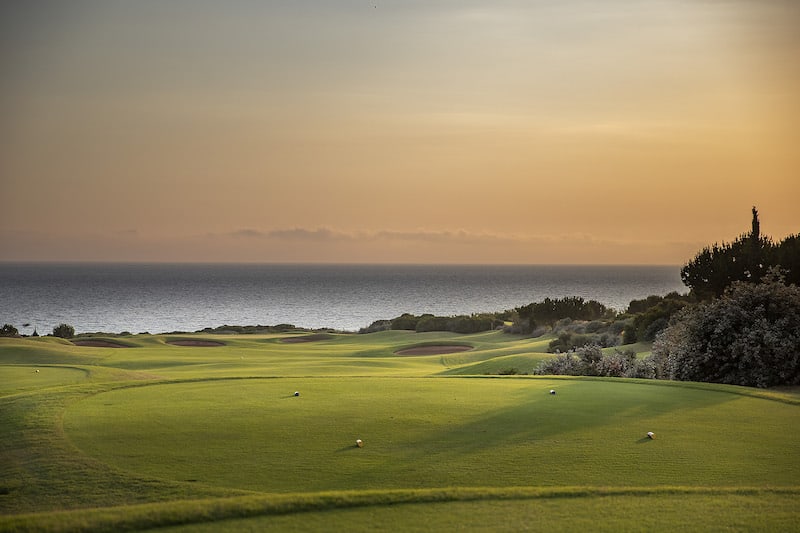
In a world that never seems to slow down, finding moments of true mental calm can feel impossible. Yet, for millions around the globe, golf has become more than just a sport — it is a sanctuary. Walking among rolling greens, listening to the subtle sounds of nature, and focusing on the perfect swing, golf uniquely combines physical activity with mindfulness, making it the ultimate mindful escape.

Unlike many sports driven by speed and adrenaline, golf requires deliberate concentration. Every stroke demands attention, from analysing the slope of the green to gauging wind speed and distance. This level of focus pulls the mind away from everyday worries, allowing golfers to immerse themselves completely in the present moment. Scientific studies suggest that such focused attention can reduce stress and improve cognitive functioning, making golf not only enjoyable but also beneficial for mental health.

Golf courses are more than just athletic venues; they are carefully crafted landscapes of natural beauty. Trees, water features, and open fairways offer a sensory escape that urban environments rarely provide. Exposure to natural settings has been linked to decreased anxiety, lower blood pressure, and improved mood. Golfers often report feeling a sense of renewal after a round, as if the serene environment has gently recalibrated their minds. The rhythmic walking between holes further enhances this restorative effect, offering light aerobic exercise that stimulates endorphins and promotes a sense of well-being.

While traditional meditation often involves sitting in silence, golf provides a moving meditation of its own. Each swing, each putt, requires a combination of mental visualisation and physical execution. The repetition of this process encourages a meditative rhythm, fostering mental clarity and emotional balance. Even the quiet moments waiting for other players to take their shots can serve as mini-meditative breaks, encouraging deep breathing and self-reflection.

Another subtle aspect of golf’s mindfulness appeal is its social dimension. The game allows for meaningful connections with others in a calm, supportive environment. Unlike fast-paced team sports, golf encourages conversation, camaraderie, and shared appreciation of the natural surroundings. Positive social interaction in a stress-free context further contributes to a sense of mental well-being, making the experience more than just a solitary escape.

Golf also teaches patience, resilience, and self-awareness. The challenges of the course — unpredictable weather, tricky bunkers, and challenging greens — mirror life’s unpredictability. Engaging with these challenges mindfully, accepting setbacks without frustration, and celebrating small victories cultivates emotional intelligence and mental fortitude. Over time, regular golfers often find that the skills honed on the course translate into greater focus, calm, and patience in their daily lives.

In an age of constant distraction, golf stands out as a rare opportunity to slow down and reconnect with oneself. It combines physical activity, natural beauty, social interaction, and mental focus into an experience that refreshes both mind and body. Whether you are a seasoned player or a curious beginner, stepping onto a golf course offers more than just a game — it offers a mindful escape from the pressures of modern life.

Course Reviews
Royal Melbourne Golf Club — Australia’s Golfing Masterpiece
The Royal Melbourne Golf Club is more than just a golf course — it’s a cornerstone of Australian sporting heritage. Set in the iconic Sandbelt region of Victoria, this private club is home to two of the finest golf courses in the world: the West and East Courses. Each one boasts a personality of its […]

Destinations
The Scottish Open and It’s 2017 Homecoming at Dundonald Links
Some golf tournaments have homes. Think of The Masters and Augusta National or The PLAYERS Championship and TPC Sawgrass. Well the Scottish Open used to have a home too, Loch Lomond Golf Club, and this year saw somewhat of a homecoming for the event. The Scottish Open Many may not be aware of the connection […]