



Clubs
This Year’s Best Drivers on the Market: A 2026 Buyer’s Guide
Explore 33,000+ golf courses in 180 countries.
Follow the latest news and trends in golf.
Connect with like-minded golfers.
Find everything you need for your golf equipment and gear needs.
Travel, golf resorts, lifestyle, gear, tour highlights and technology.
All Square
Suggestions
Clubs
This Year’s Best Drivers on the Market: A 2026 Buyer’s Guide
PGA Tour
Presidents Cup 2026 Preview: Everything to Know Before Medinah
Course Reviews
Fancourt: The Garden Route Estate Where South African Golf Grew Up
Course Reviews
Best Golf Courses Around Rome: Where Ancient History Meets Modern Golf
Instruction
Links vs Parkland vs Heathland: What’s the Difference?
Clubs
The Best Irons on the Market in 2026
Clubs
Austin Smotherman WITB: The Clubs Behind His 2026 Bank of Utah Championship Win
Destinations
Barrière Golf Properties: French Golf Escapes Where the Resort Is Part of the Experience
Destinations
Conrad Algarve Renovations: A New Chapter of Luxury in Quinta do Lago
Gear
Garmin Golf Watches Guide: Which Garmin Watch Is Right for Your Game?
PGA Tour
Presidents Cup 2026 Results & Winners: Team USA Completes Historic Comeback
Course Reviews
Cullinan Golf Links Resort, Belek: Where Golf Meets the Mediterranean
Course Reviews
New Opening: Limassol Greens — Cyprus’ New Golf Destination
Clubs
Jacob Bridgeman WITB: The Clubs Behind His 2026 Biltmore Championship Victory
Course Reviews
Play Golf at Pebble Beach: What to Know Before You Go
Professional Golf
Solheim Cup Results & Winners 2026: Europe Reclaims the Trophy
Course Reviews
Best Golf Courses Around Madrid
Clubs
TaylorMade Spider ZT Putter Review: What It Is, How It Performs, and Whether It’s Worth the Upgrade
Course Reviews
Your Golf Trip to Tunisia: Courses, Costs, and What to Actually Expect
Clubs
WITB: Ryan Fox’s Winning Clubs at the 2026 Open Championship
Community
How Modern Golf Courses Conserve Water and Protect Wildlife
PGA Tour
Changes on the PGA Tour from 2028
Course Reviews
Tee Off in Tuscany: Golfing Italy’s Most Picturesque Countryside
Course Reviews
The Best Golf Courses Near Pinehurst That Aren’t Pinehurst No. 2
European Tour
The 2026 LET: A Global Celebration of Women’s Golf
Course Reviews
A Golfer’s Guide to Cabo San Lucas: Where the Desert Meets the Sea
Destinations
A Golf Trip to Mauritius: Sun, Sea, and Championship Swings

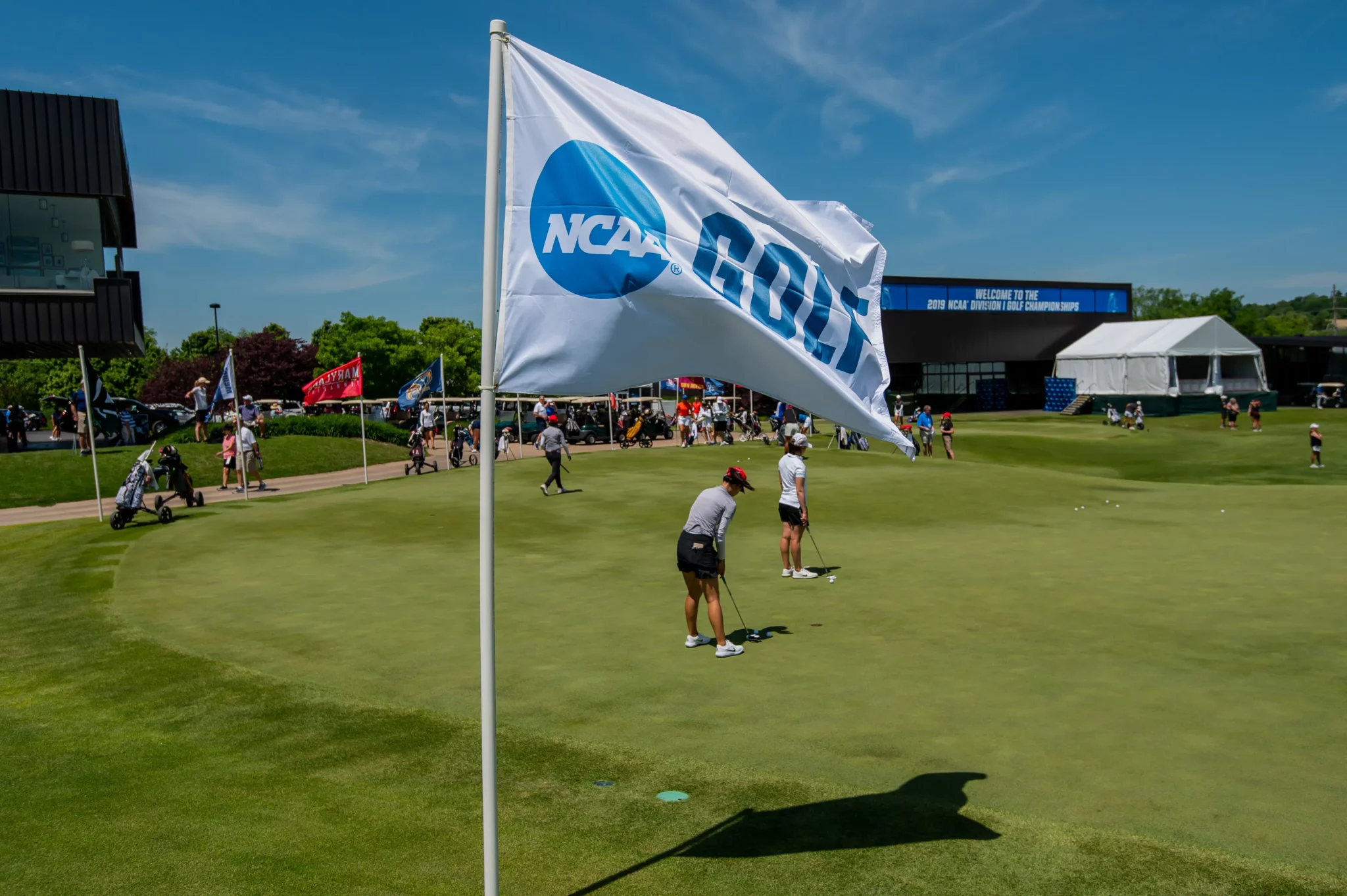
College golf in the U.S. is a high-octane crucible where young players chase their dreams amid the chaos of school life. It’s a launchpad that’s churned out legends like Tiger Woods, Phil Mickelson, and Nelly Korda, offering a rare blend of top-tier competition and a college degree. With its intricate structure, gruelling schedules, and a postseason that rivals pro-level drama, college golf is a world worth exploring.
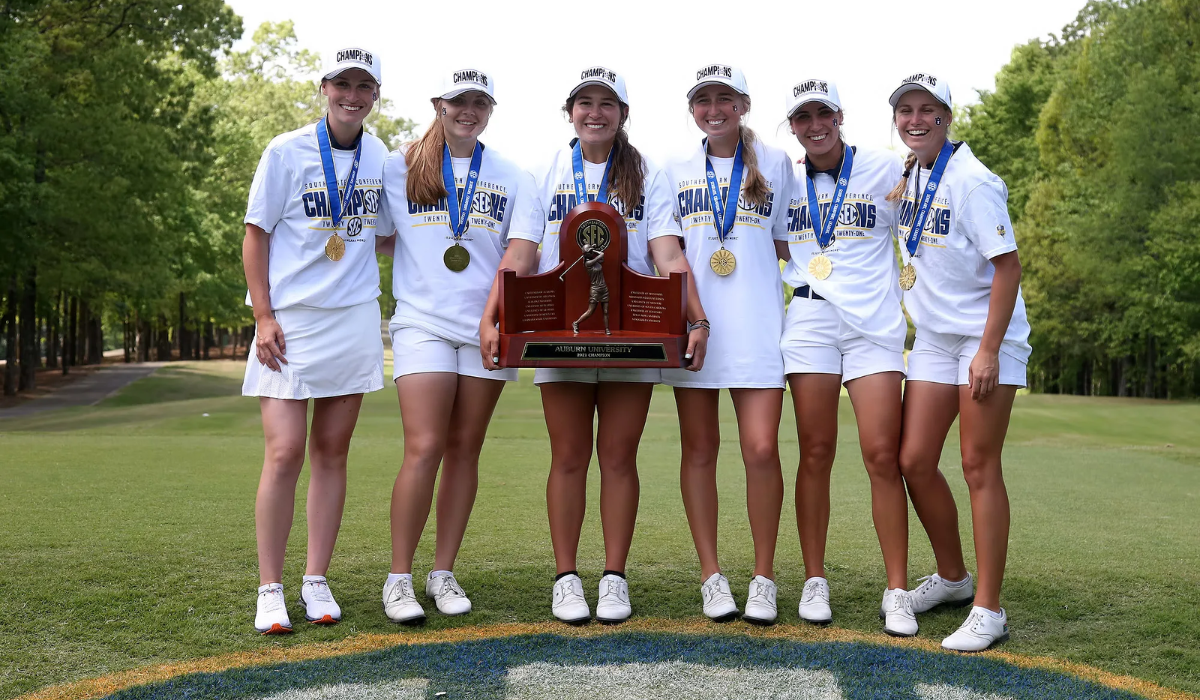
Three organizations run the show: the NCAA, NAIA, and NJCAA. The NCAA is the titan here, divided into Division I—home to powerhouses like Oklahoma State, Stanford, and Arizona State — Division II, and Division III. D1 is the cream of the crop, with deep rosters, hefty budgets, and national broadcasts, while DII keeps the competition fierce on a tighter leash, and DIII prioritizes academics over athletic scholarships.
The NAIA, for smaller four-year schools, and NJCAA, for junior colleges, widen the net, giving overlooked talents or late bloomers a chance to prove themselves and often leap to bigger programs. The season splits into two phases: fall (August to November) is a proving ground for coaches to test their lineups, while spring (February to June) brings the real fireworks—conference championships and the NCAA Championships turn the heat to eleven.
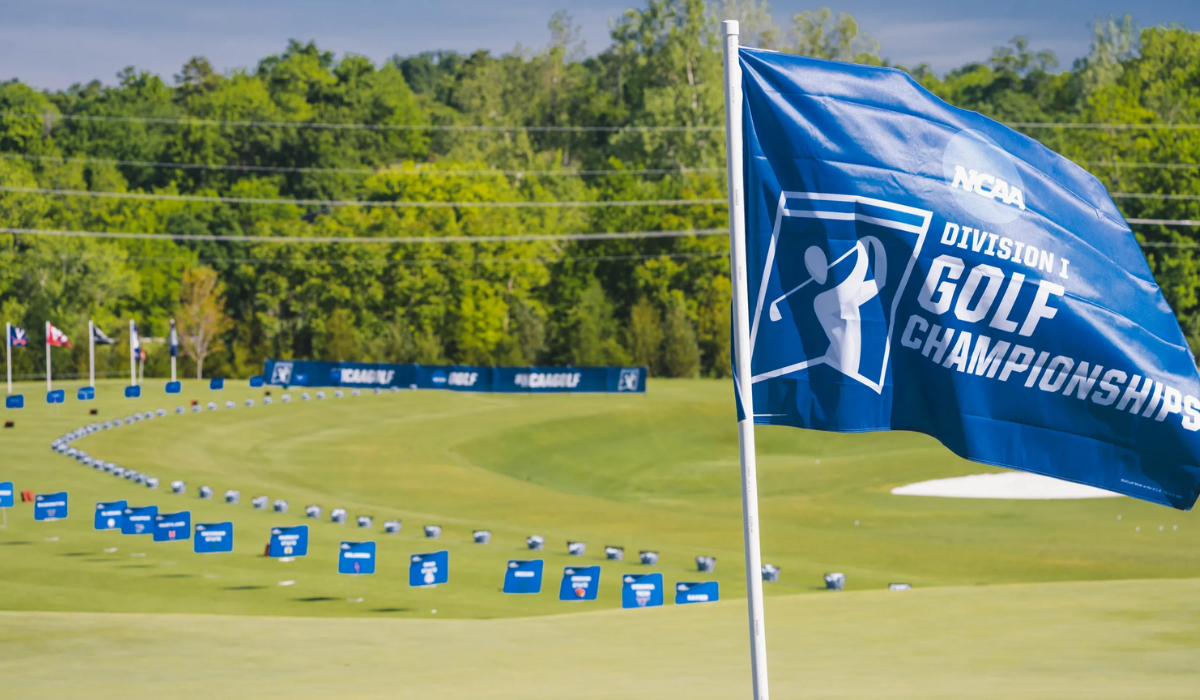
In tournaments, teams send five players to the tee, but only the top four scores count each day in stroke play. Picture a squad where a sizzling 2-under 70, a scrappy 72, and a clutch 71 bail out a teammate’s 78—that’s the strategic heartbeat of the game. Stroke play rules most events, stacking scores over multiple rounds, but match play lights up the postseason, like Florida’s 2023 NCAA men’s title win over Georgia Tech, sealed by a putt that had fans holding their breath. Beyond the grind, top players get a global spotlight in the Walker Cup or Arnold Palmer Cup, trading blows with the world’s best amateurs.
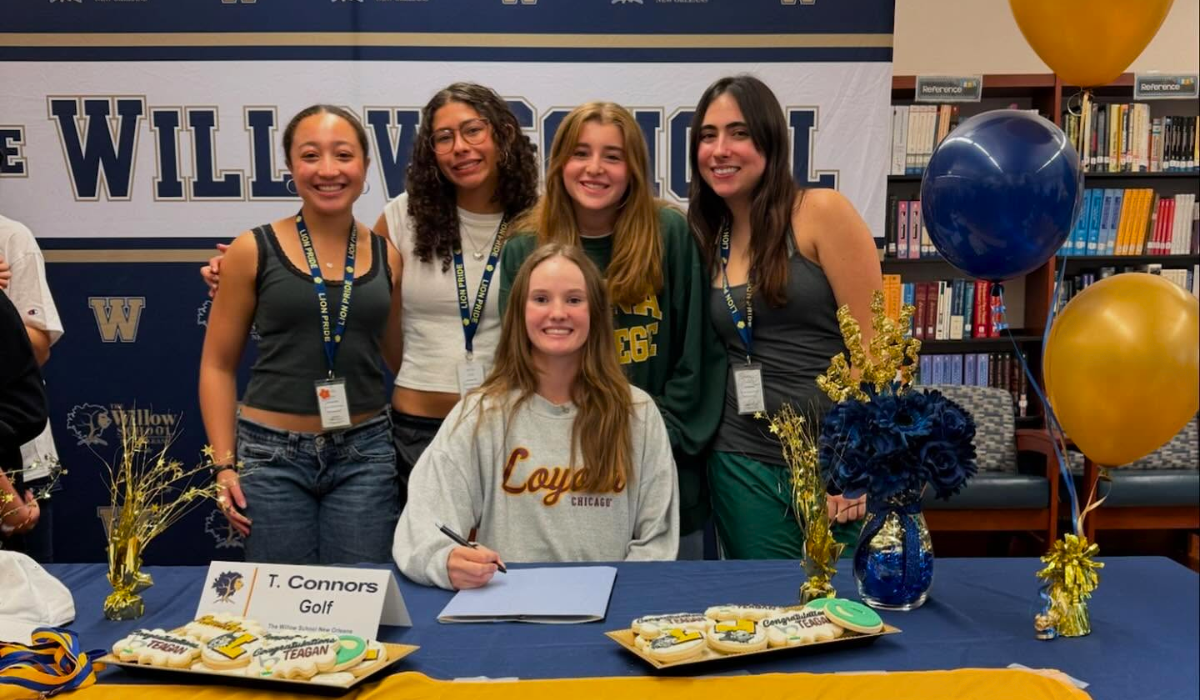
Recruitment starts young—sometimes as early as 14 or 15—when high schoolers hit junior circuits like the AJGA or USGA events to turn heads. Coaches scour leaderboards for scoring averages (par or better screams D1 potential), consistency under pressure, and a swing that doesn’t crack. But it’s not all numbers—grades, leadership, and how a kid fits the team’s vibe can tip the scales. A 68-shooter with a 3.8 GPA might be a coach’s unicorn.
Scholarships are a precious puzzle: D1 men’s teams divide just 4.5 among 8-10 players, women get 6, while DII and NAIA offer slimmer slices, and DIII bets on academic aid instead. Partial rides rule—a star might snag full tuition, but a freshman could scrape by with 25%, pushing everyone to earn their keep.

The grind is borderline heroic: imagine 6 a.m. gym sessions, a full slate of classes, then four hours tweaking your short game on the range or course. At Oklahoma State’s Karsten Creek—a sprawling, tech-packed golf haven in Stillwater—players like Rickie Fowler and Viktor Hovland forged their pro-ready skills. Tournaments can mean 36 holes in a day, a brutal marathon that tests endurance as much as it does a wedge shot’s spin.
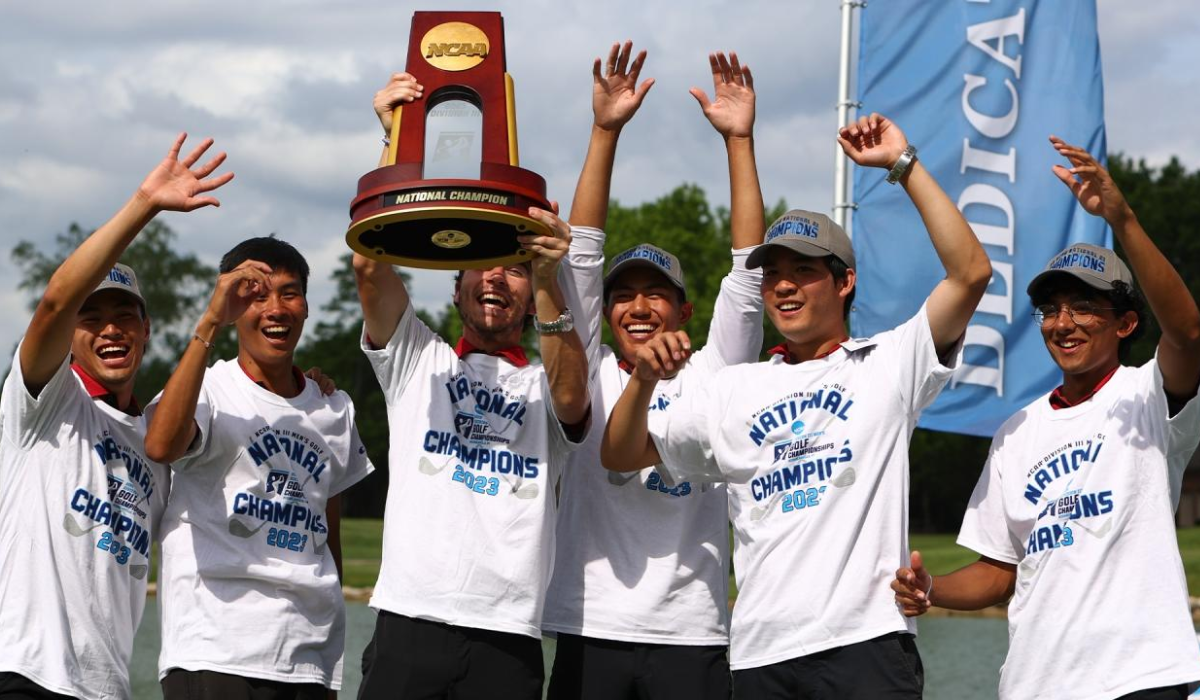
College golf’s magic is its twin promise. It’s a pipeline to the pros—Stanford’s Tiger Woods rewrote history after dominating college greens, and today’s PGA TOUR University lets top seniors skip the line to the Korn Ferry Tour or even the PGA’s big stage. Programs like Arizona State have sent waves of talent, like Jon Rahm, straight to the tour’s upper echelons.
Yet it’s not just a factory for millionaires. Walk-ons and underdogs etch their own stories, clawing through regionals—where the top five D1 teams punch their ticket—to nationals, a 54-hole stroke-play slog that crowns an individual champ before match-play madness decides the team title. Auburn’s 2024 upset, storming past favourites with grit and guts, showed how wild this stage can get.

For every player, it’s a balancing act: chasing a PGA or LPGA paycheck while nailing midterms, or simply soaking in the thrill of competition with a diploma as the prize. Coaches build legacies, facilities like Wake Forest’s state-of-the-art range churn out precision, and the game’s future grows stronger. College golf isn’t just a stepping stone—it’s a pressure cooker of talent, heart, and opportunity that keeps the sport swinging forward.

Professional Golf
World Cup of Golf – What you Need to Know
It’s a special week for golf. The 2016 European Tour season has ended and normal service is temporarily stopped as we have some team golf on offer. As we saw at The Ryder Cup in Hazeltine earlier this year, team golf is great fun and it brings an extra twist of excitement to the sport […]

Driving
Mastering Backspin: The Art of Controlling Your Golf Ball
Few things in golf look as impressive as a ball landing softly on the green, taking one hop forward, and then spinning back toward the flagstick. Backspin isn’t just a professional golfer’s party trick — it’s a vital tool for controlling shots, holding firm greens, and attacking difficult pin positions. While it may seem mysterious, […]