


Course Reviews
Tee Off in Tuscany: Golfing Italy’s Most Picturesque Countryside
Explore 33,000+ golf courses in 180 countries.
Follow the latest news and trends in golf.
Connect with like-minded golfers.
Find everything you need for your golf equipment and gear needs.
Travel, golf resorts, lifestyle, gear, tour highlights and technology.
All Square
Suggestions
Course Reviews
Tee Off in Tuscany: Golfing Italy’s Most Picturesque Countryside
Course Reviews
Golf in Madeira: Cliffs, Clouds and Two Unforgettable Courses
Destinations
Thai Caddie Culture Explained: Tipping, Etiquette and What to Expect
Course Reviews
Best Golf Courses Around Munich: Where Championship Golf Meets Bavarian Beauty
Course Reviews
Marrakech vs Agadir for Golf: Which Moroccan Destination Should You Choose?
Accessories
Best Push Carts and Electric Trolleys for Golf in 2026
Course Reviews
Rediscover Monte Rei: Portugal’s Iconic Golf Course Reopens After Major Renovation
Course Reviews
Best Golf Courses Around Rome: Where Ancient History Meets Modern Golf
Instruction
Links vs Parkland vs Heathland: What’s the Difference?
Clubs
The Best Irons on the Market in 2026
Clubs
Austin Smotherman WITB: The Clubs Behind His 2026 Bank of Utah Championship Win
Destinations
Barrière Golf Properties: French Golf Escapes Where the Resort Is Part of the Experience
Destinations
Conrad Algarve Renovations: A New Chapter of Luxury in Quinta do Lago
Gear
Garmin Golf Watches Guide: Which Garmin Watch Is Right for Your Game?
PGA Tour
Presidents Cup 2026 Results & Winners: Team USA Completes Historic Comeback
Course Reviews
Cullinan Golf Links Resort, Belek: Where Golf Meets the Mediterranean
Course Reviews
New Opening: Limassol Greens — Cyprus’ New Golf Destination
PGA Tour
Presidents Cup 2026 Preview: Everything to Know Before Medinah
Clubs
WITB: Ryan Fox’s Winning Clubs at the 2026 Open Championship
Community
How Modern Golf Courses Conserve Water and Protect Wildlife
PGA Tour
Changes on the PGA Tour from 2028
Course Reviews
The Best Golf Courses Near Pinehurst That Aren’t Pinehurst No. 2
Course Reviews
A New Chapter on an Old Fairway: Inside the Hyatt Regency Vilamoura Algarve
Course Reviews
Your Perfect Trip to The K Club, Ireland
Course Reviews
A Golf Trip to Pebble Beach: The Ultimate Coastal Golf Experience
Destinations
How to Build the Perfect Golf & Wine Vacation in Spain
Clubs
The Callaway Quantum Family Explained: A True Leap Forward

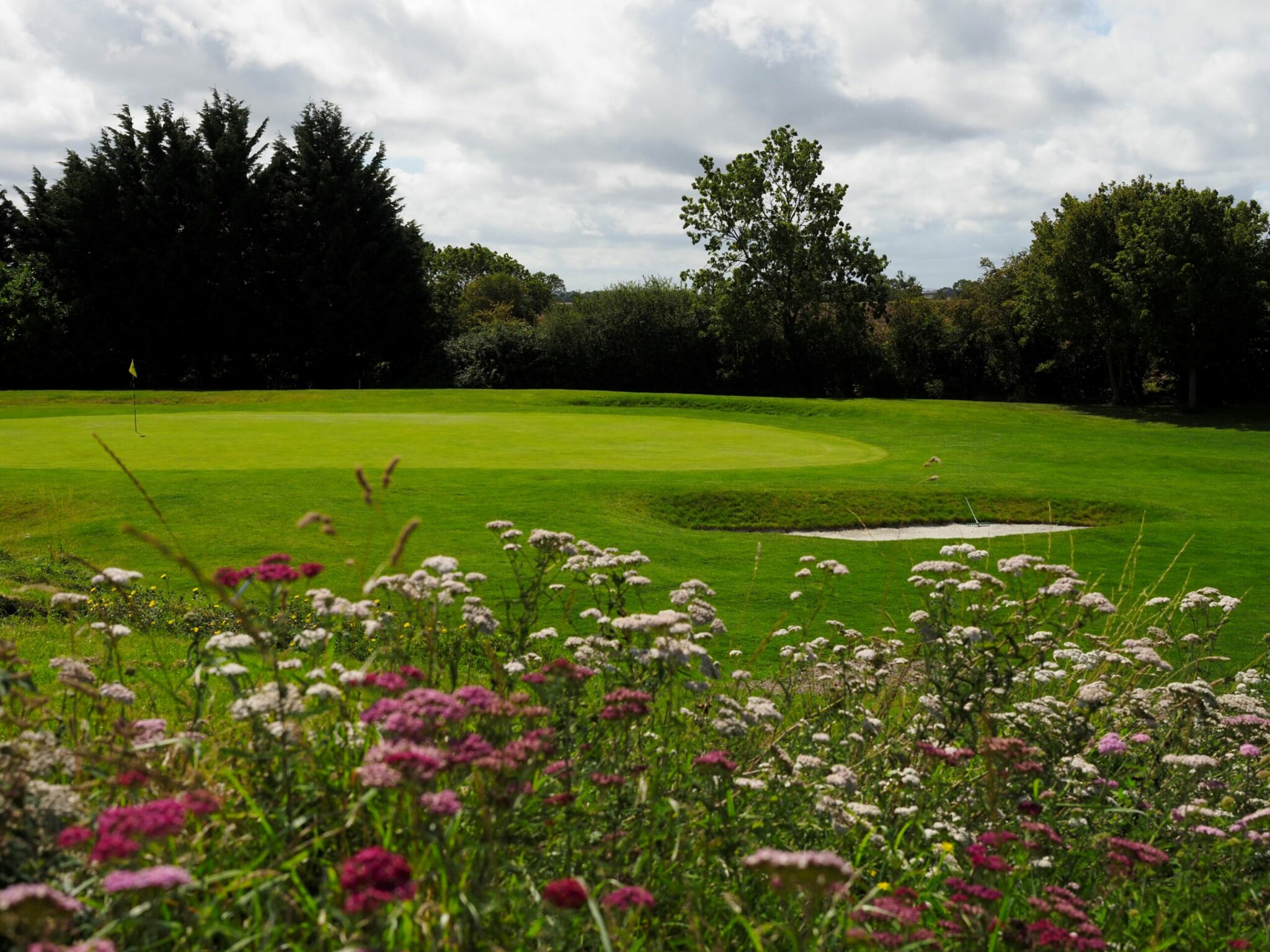
For more than a century, golf-course architecture largely pushed the landscape toward manicured uniformity — closely mown turf, sculpted bunkers, irrigation systems working overtime and roughs that behaved more like semi-fairways than natural habitat. Today, a very different design philosophy is gaining momentum. “Rewilding the rough” invites nature back in, restoring the textures, unpredictability and ecological richness that once defined the earliest linksland courses. It is not about letting a course go untended. It is about rethinking the purpose of out-of-play areas and redesigning them to function as living ecosystems rather than decorative edges.
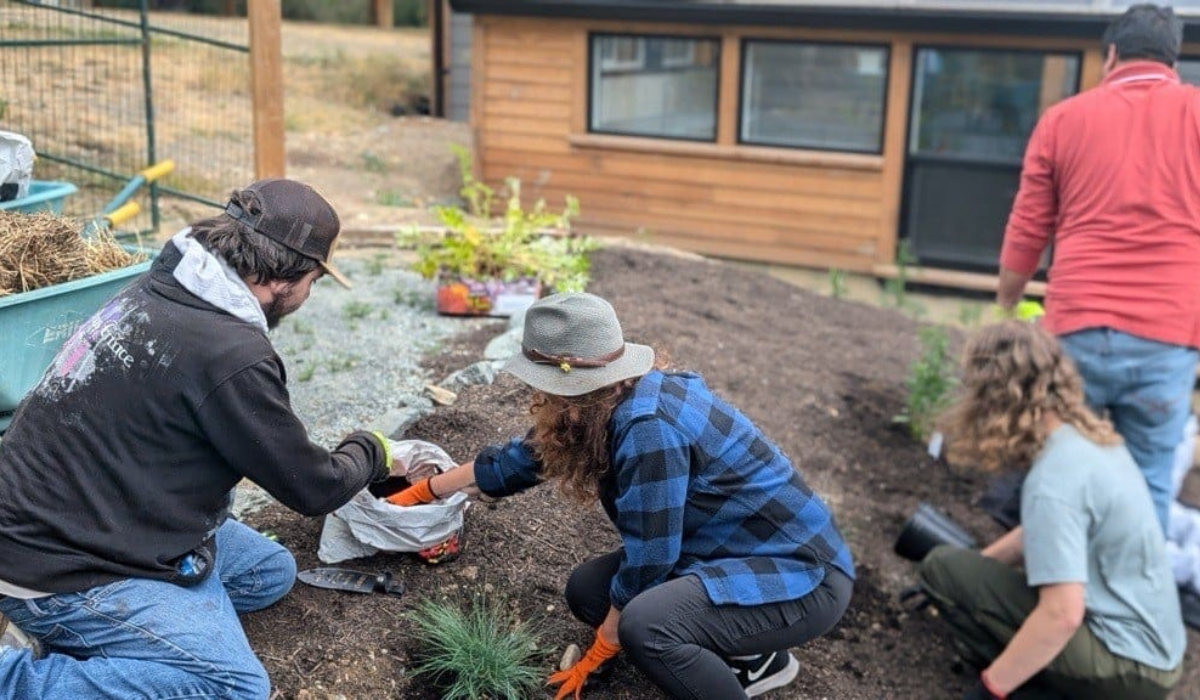
In practice, rewilding replaces large swaths of maintained turf with native grasslands, wildflower meadows, wetlands, heath, shrubs and woodland belts that actually belong to the region. Designers and superintendents look for areas players rarely enter — behind tees, perimeter corridors, pond margins, slopes difficult to mow — and transform them into more natural landscapes that evolve over time. These zones aren’t random wilderness; they are carefully planned mosaics of habitats with the right soil conditions, hydrology and plant communities. The intention is to let nature reclaim its role without compromising the pure playing qualities of the fairways and greens.
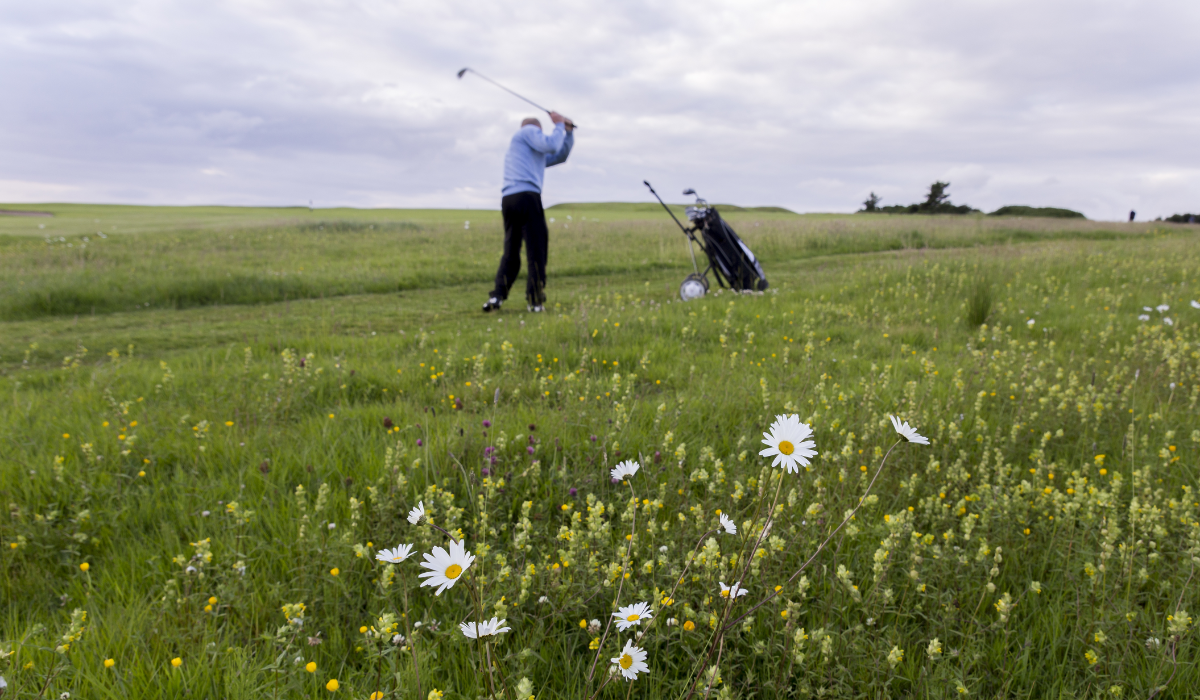
The shift is driven by a blend of environmental urgency and practical economics. Rewilded roughs dramatically improve biodiversity, supporting insects, pollinators, amphibians, ground-nesting birds and small mammals. Courses that once supported only a handful of species are now seeing flourishing populations return as soon as chemical inputs and intensive mowing decrease. Hydrology improves as well — ponds regain natural edges, ditches behave like real wetland channels, and runoff slows, meaning better drainage for the playing surfaces.
Clubs also appreciate the financial relief. Native vegetation requires far less fuel, fertiliser, irrigation and labour. Instead of mowing roughs weekly, many clubs move to one or two cuts a season, which has translated into reduced diesel use and measurable annual savings. These efficiencies allow clubs to redirect resources to greens management, bunker renovation or larger sustainability projects that would have been financially unfeasible under traditional maintenance.
There is also a cultural dimension: rewilded golf courses often become important community spaces, doubling as informal nature reserves and educational sites. Birdwatchers, local schools and conservation groups frequently form partnerships with clubs because the ecological value is finally tangible.
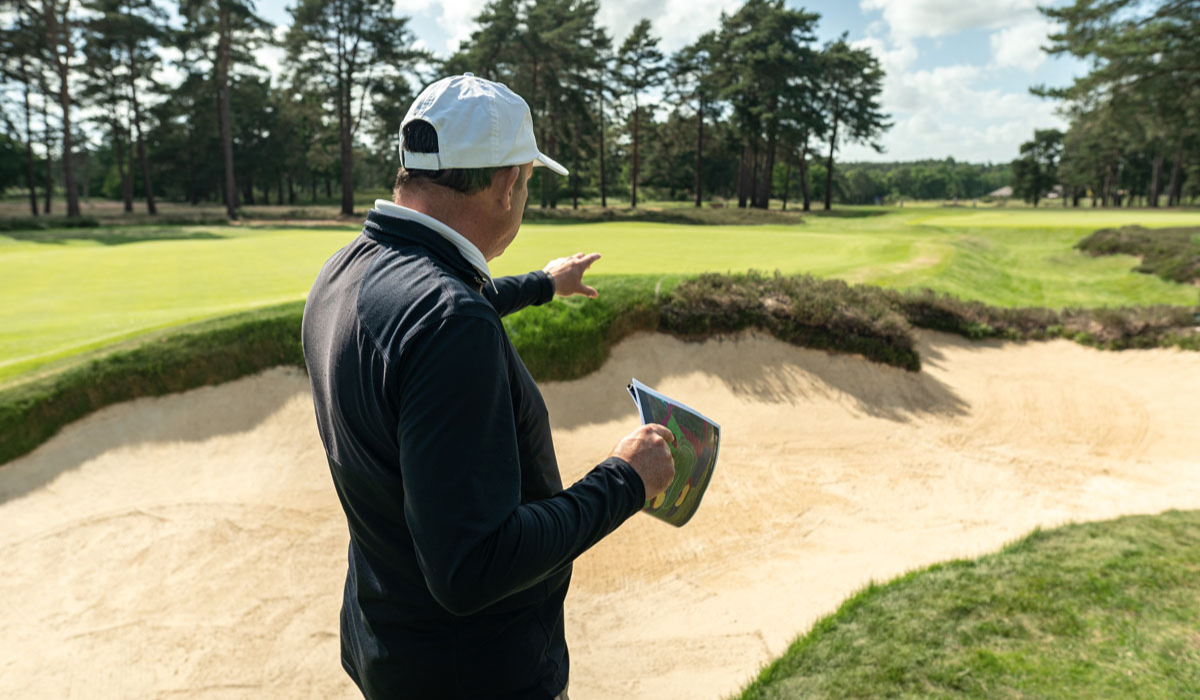
Most successful projects begin with an ecological survey, mapping soil types, microclimates and existing habitats. Designers then create naturalised zones that mimic local ecosystems. In Britain, for instance, courses restore fescue-bent grasslands, heather patches and gorse scrub; in the Nordics, projects use “kuntta,” a native sod composed of blueberry, lingonberry and moss; in the U.S., prairie grasses and wetland scrapes are common.
Hydrology is a major focus. Restoring natural drainage lines or reshaping pond edges adds habitat complexity while also improving flood resilience. Instead of pumping water off the course, rewilded areas help capture and filter it naturally. Seed sourcing is increasingly local, with many projects using seed collected from nearby nature preserves to ensure ecological compatibility and genetic integrity.
Maintenance becomes adaptive rather than routine. Managers tailor mowing schedules to wildlife cycles, cutting after seed drop or bird nesting season. Weed control shifts from heavy herbicide use to strategic interventions, often supported by conservation specialists. The long-term aim is to let the system stabilise so that natural processes, not human inputs, drive its evolution.
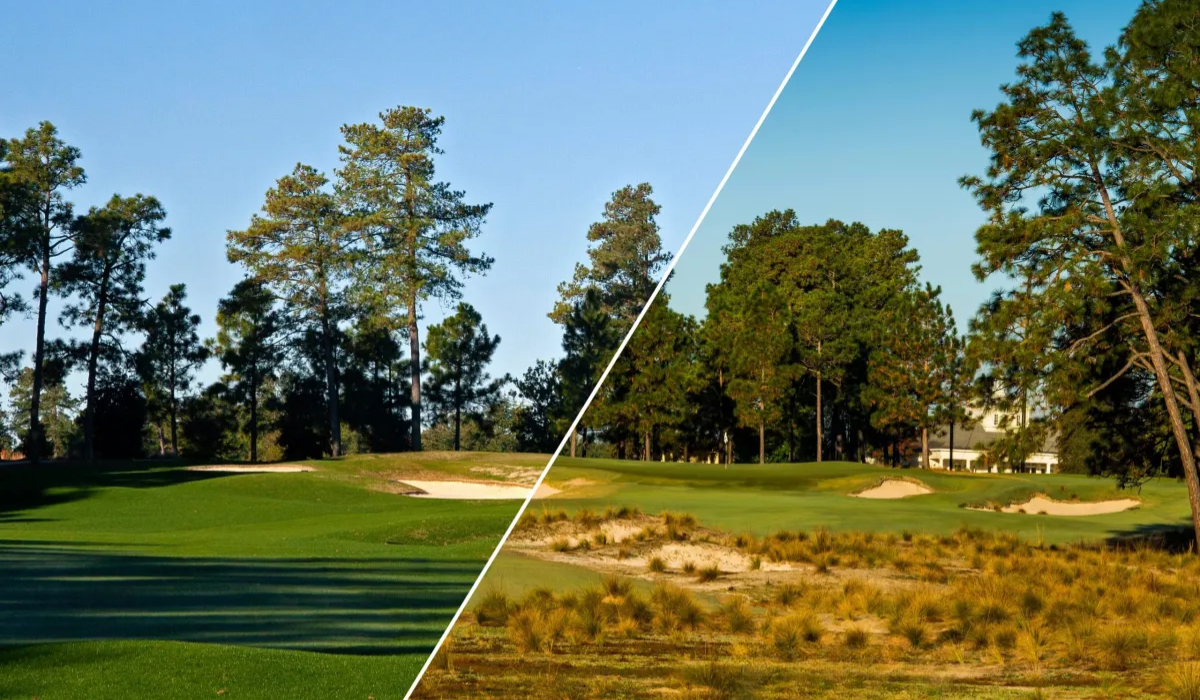
A number of modern projects illustrate the impact of rewilding. Several UK clubs highlighted by sustainable golf organisations report double-digit reductions in fuel consumption after converting large areas of rough to native meadow. Others have documented increases in butterfly and bird species within the first few seasons. In northern Europe, rewilding initiatives have transformed steep, hard-to-mow slopes into heath and scrub that now support rare insects and wildflowers. Even major championship venues have adopted naturalised roughs, both for ecological benefit and for the rugged beauty they bring back to the landscape.
Some experiments extend beyond active courses. In places where golf land has been retired, designers have turned entire fairway corridors into urban or suburban rewilding parks. These projects show how golf landscapes — even long after their athletic use — can evolve into valuable green infrastructure.
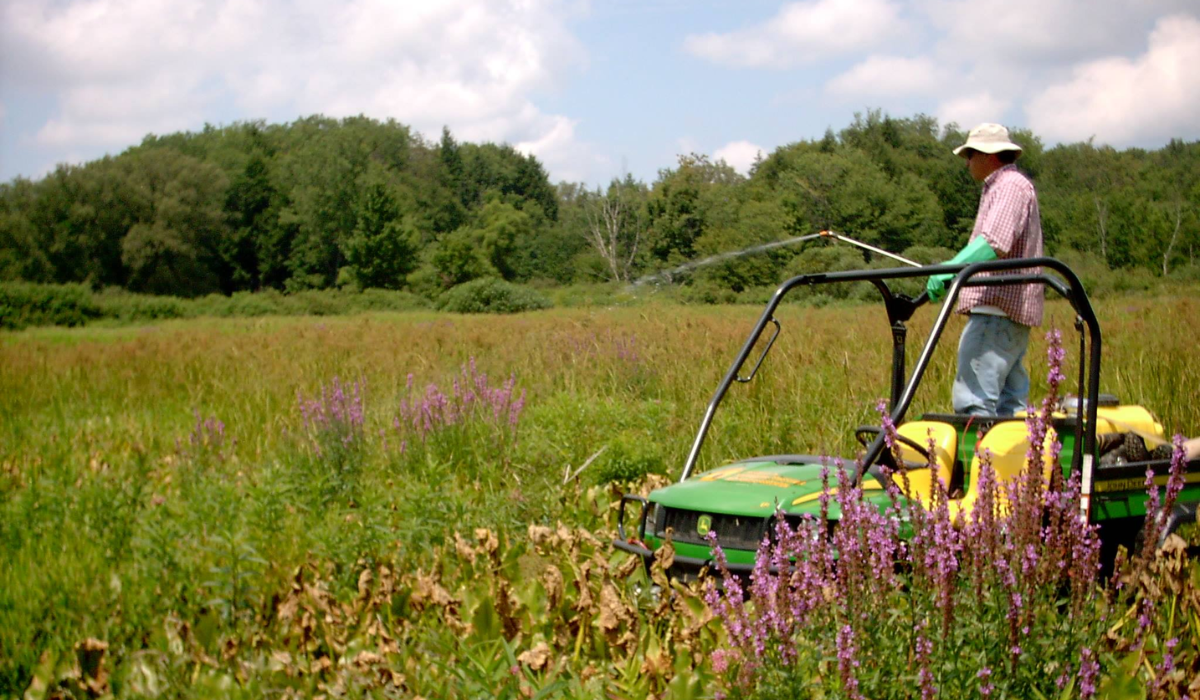
Rewilding is not a simple flip of a switch. Newly planted native areas often take two to four seasons to establish fully, and during this early window, aggressive weeds may try to dominate. This requires patience and active management, not neglect. There is also a social element: players accustomed to pristine, homogeneous landscapes sometimes worry that naturalised zones will slow play or swallow golf balls. Good design anticipates this by positioning wild areas outside common landing zones and by giving them soft edges or graduated rough heights that preserve playability.
Communication is as important as design. Clubs that explain the purpose, benefits and timeline of rewilding tend to gain member support more quickly, especially when they can present quantifiable results such as cost savings or biodiversity surveys.
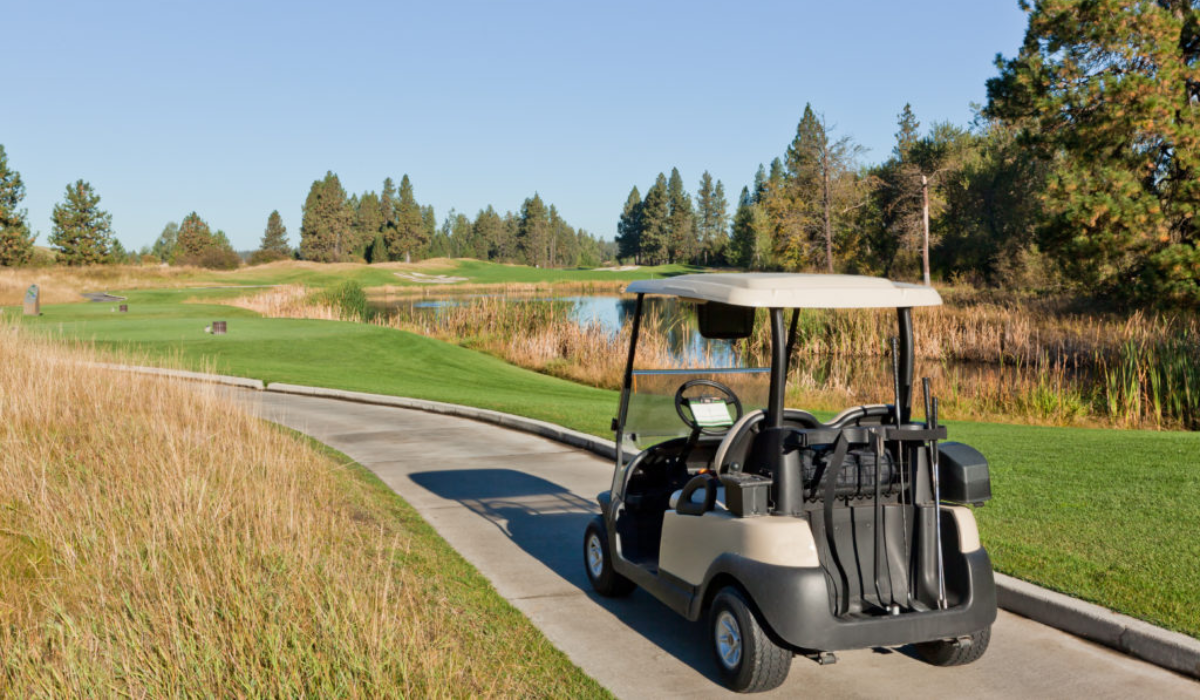
Rewilding the rough represents a philosophical shift. It challenges the idea that every metre of a golf course must be intensely managed, instead showing that ecological richness and world-class playability can coexist — and even enhance one another. The return of meadow grasses, wetlands, heath, birdsong and seasonal colour reconnects golfers with the landscapes that first gave the sport its character.
As more courses adopt nature-first design principles, golf is gradually reshaping its identity from a resource-intensive sport to a steward of the land. In the coming years, the most memorable courses may not be the greenest, but the wildest — places where fairways are impeccably maintained, yet framed by the dynamic, living edge of nature reclaiming its place.

Course Reviews
Cypress Point Golf Club: The Exclusive Gem
Cypress Point Golf Club is often regarded as one of the most exclusive and breathtaking golf courses in the world. Nestled on the rugged coastline of Pebble Beach, California, this stunning course is a true gem that attracts golf enthusiasts and celebrities alike, not just for its impressive design but for the unparalleled natural beauty […]
Course Reviews
World’s Top 100 Courses in Oceania
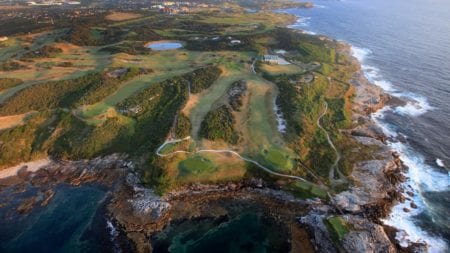
The landscape and coastline found in Oceania is a dream for golf course designers. But where do our favourite courses there rank in our World’s Top 100? Let’s take a look… Royal Melbourne Golf Club – West Course, Australia World #12 Designed by legendary Scottish architect Dr Alister MacKenzie and opened way back in 1931, […]