



Clubs
Austin Smotherman WITB: The Clubs Behind His 2026 Bank of Utah Championship Win
Explore 33,000+ golf courses in 180 countries.
Follow the latest news and trends in golf.
Connect with like-minded golfers.
Find everything you need for your golf equipment and gear needs.
Travel, golf resorts, lifestyle, gear, tour highlights and technology.
All Square
Suggestions
Clubs
Austin Smotherman WITB: The Clubs Behind His 2026 Bank of Utah Championship Win
Course Reviews
Golf in Madeira: Cliffs, Clouds and Two Unforgettable Courses
Destinations
Thai Caddie Culture Explained: Tipping, Etiquette and What to Expect
Course Reviews
Best Golf Courses Around Munich: Where Championship Golf Meets Bavarian Beauty
Course Reviews
Marrakech vs Agadir for Golf: Which Moroccan Destination Should You Choose?
Accessories
Best Push Carts and Electric Trolleys for Golf in 2026
Course Reviews
Rediscover Monte Rei: Portugal’s Iconic Golf Course Reopens After Major Renovation
Course Reviews
Best Golf Courses Around Rome: Where Ancient History Meets Modern Golf
Instruction
Links vs Parkland vs Heathland: What’s the Difference?
Clubs
The Best Irons on the Market in 2026
Destinations
Barrière Golf Properties: French Golf Escapes Where the Resort Is Part of the Experience
Destinations
Conrad Algarve Renovations: A New Chapter of Luxury in Quinta do Lago
Gear
Garmin Golf Watches Guide: Which Garmin Watch Is Right for Your Game?
PGA Tour
Presidents Cup 2026 Results & Winners: Team USA Completes Historic Comeback
Course Reviews
Cullinan Golf Links Resort, Belek: Where Golf Meets the Mediterranean
Course Reviews
New Opening: Limassol Greens — Cyprus’ New Golf Destination
PGA Tour
Presidents Cup 2026 Preview: Everything to Know Before Medinah
Clubs
WITB: Ryan Fox’s Winning Clubs at the 2026 Open Championship
Community
How Modern Golf Courses Conserve Water and Protect Wildlife
PGA Tour
Changes on the PGA Tour from 2028
Course Reviews
Tee Off in Tuscany: Golfing Italy’s Most Picturesque Countryside
Course Reviews
The Best Golf Courses Near Pinehurst That Aren’t Pinehurst No. 2
Clubs
Scottie Scheffler WITB: The Clubs Behind His 2026 TOUR Championship Victory
Lifestyle
10 Common Mistakes When Booking Golf Trips
Gear
Ping G440 Family Explained: Inside the Most Complete Game-Improvement Lineup in Golf
Destinations
Your Golf Trip to Phuket: Tropical Fairways, Championship Courses, and Island Adventures
Destinations
From Tee to Table: Chef-Led Cooking Classes at Golf Resorts

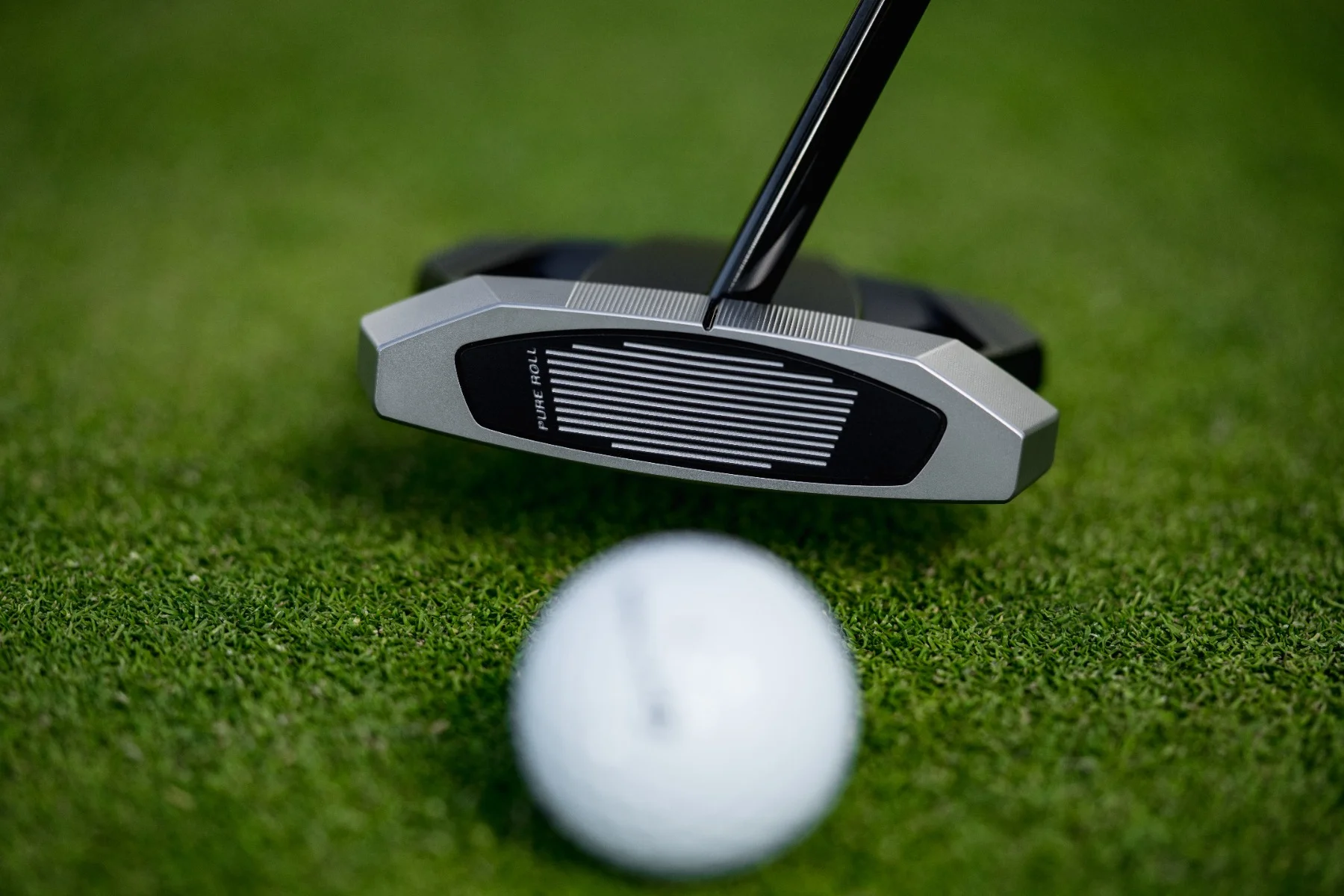
When it comes to putting, the smallest details can make the biggest difference. While most golfers obsess over putter head shapes, alignment aids, and inserts, one component often flies under the radar: the putter hosel. Yet this subtle part of your flatstick plays a crucial role in how the club feels, performs, and fits your stroke. Add to that the rise of zero torque putters — a new frontier in face control — and you have a recipe for next-level putting performance.
So, what exactly do hosels and torque have to do with making more putts? Let’s dive into the science and subtlety of these game-changers.
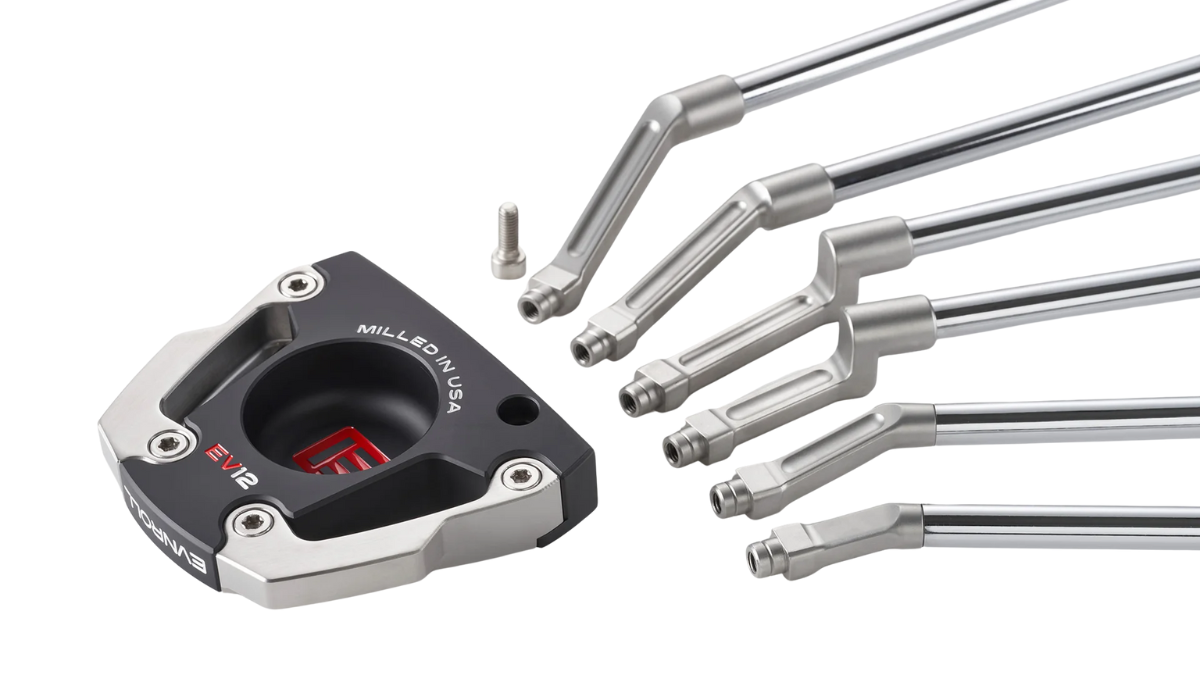
The hosel is the part of the putter where the shaft connects to the head. It may seem like a minor design element, but this connection point deeply influences a putter’s toe hang, offset, visual alignment, and most importantly, how it responds to your stroke path.
There are several types of hosel configurations, each creating different dynamics:
These hosel designs alter the putter’s face rotation during the stroke. In essence, the hosel is like the steering wheel of your putter — it directs how the head opens and closes relative to the path.
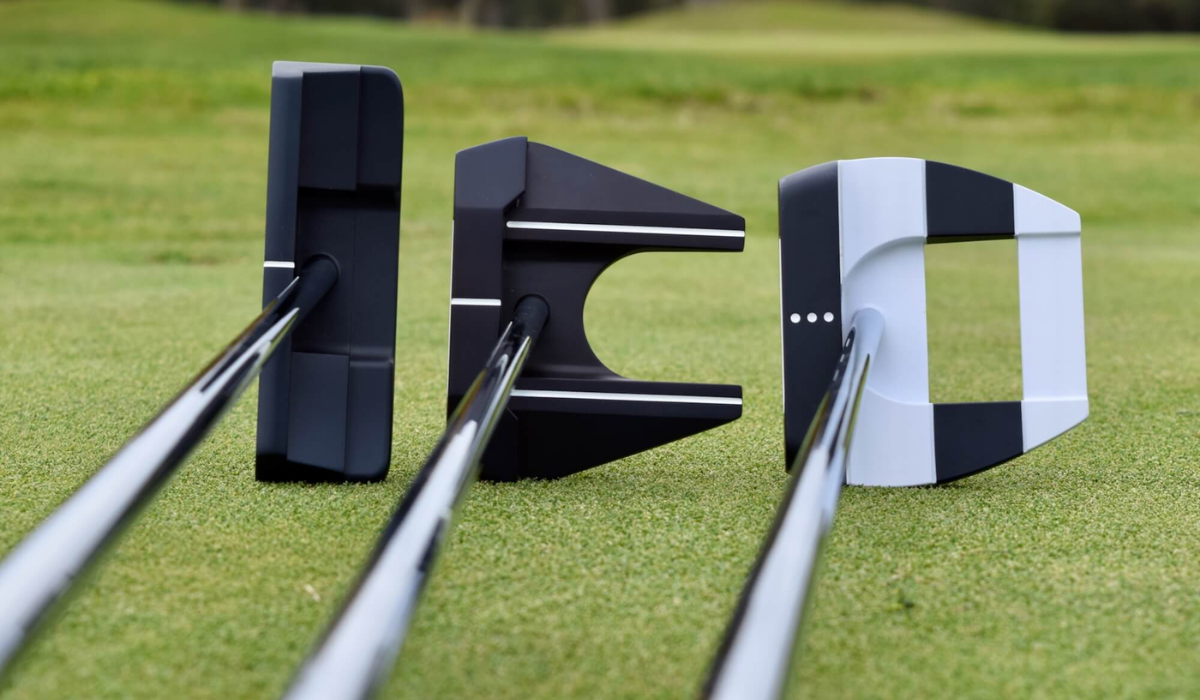
In simple terms, torque refers to the twisting force applied to an object. In putting, torque occurs when the face of the putter resists your stroke’s natural path due to inertia. This often results in the putter face opening or closing unintentionally — especially on off-center hits.
Traditional putters — especially those with hosel offsets and toe hang — generate torque during the stroke. While that might suit certain stroke types, it also introduces variability. That’s where zero torque putters come into play.
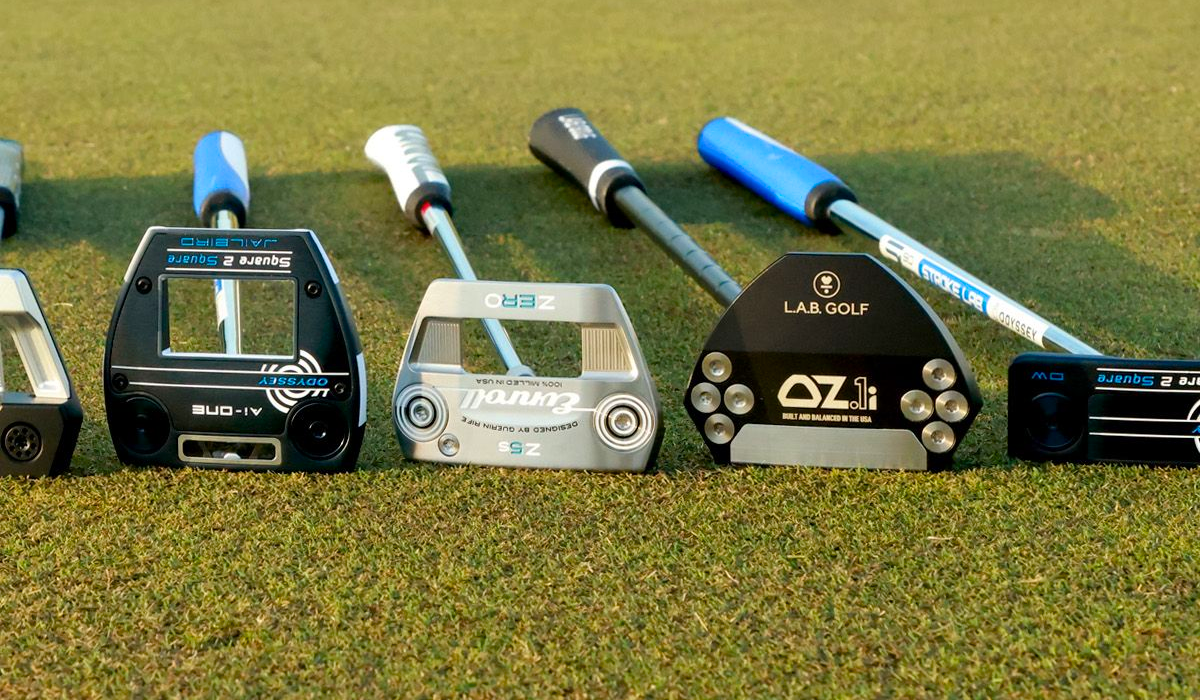
Zero torque putters, also known as torque-free or face-balanced at impact designs, aim to eliminate the twisting forces acting on the face. These putters are engineered so the face stays square to the stroke path, regardless of tempo, arc, or strike location. The goal is simple: reduce variables and increase consistency.
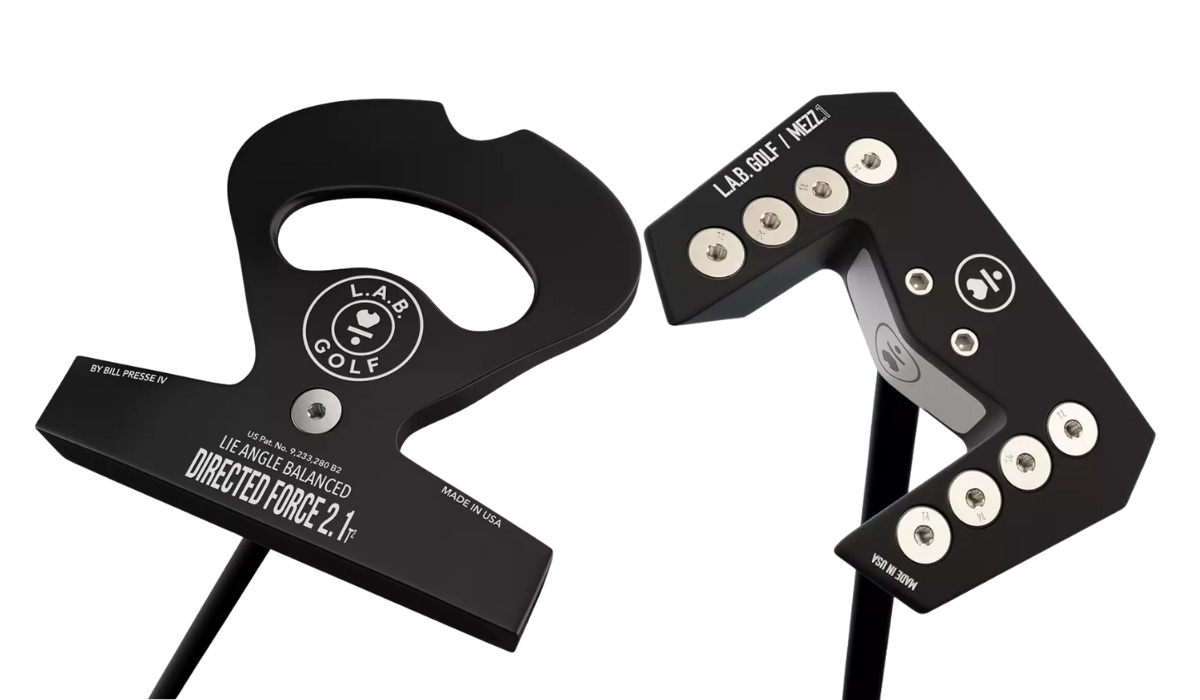
One of the pioneers in this category is L.A.B. Golf (Lie Angle Balance). Their putters — like the Directed Force and Mezz.1 — are designed using precise weight distribution and shaft axis manipulation to neutralise torque. Unlike traditional face-balanced putters, which are only balanced when stationary, L.A.B. putters remain square throughout the stroke.
How do they do it? Aligning the center of mass with the axis of the shaft, an engineering feat that requires intense balance calibration. The result is a putter that doesn’t fight your hands or introduce unwanted face rotation.
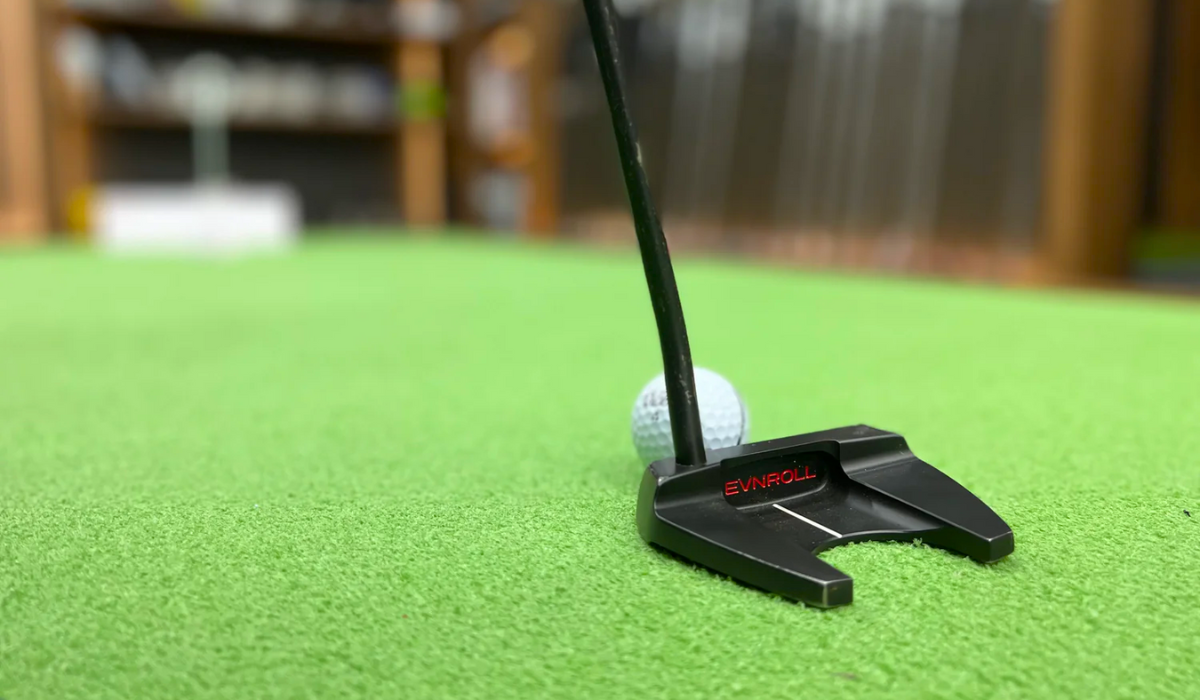
Traditionally, golfers were fit based on stroke arc: a strong arc equals more toe hang; a straight stroke equals face-balanced. But the emergence of zero-torque designs challenges this paradigm. Instead of adapting the putter to your stroke, these putters aim to eliminate the flaws in your stroke altogether.
Still, hosel configuration and shaft entry remain crucial in how the putter feels and sets up to your eyes. Even among torque-free putters, options like slant necks, center shafts, or custom bends are offered to suit personal preferences for alignment, offset, and feel.
That said, not every golfer will benefit equally from zero torque technology. Some prefer the tactile feedback and natural rotation of traditional hosels. The key is to test and understand how each design affects your stroke — and your confidence.
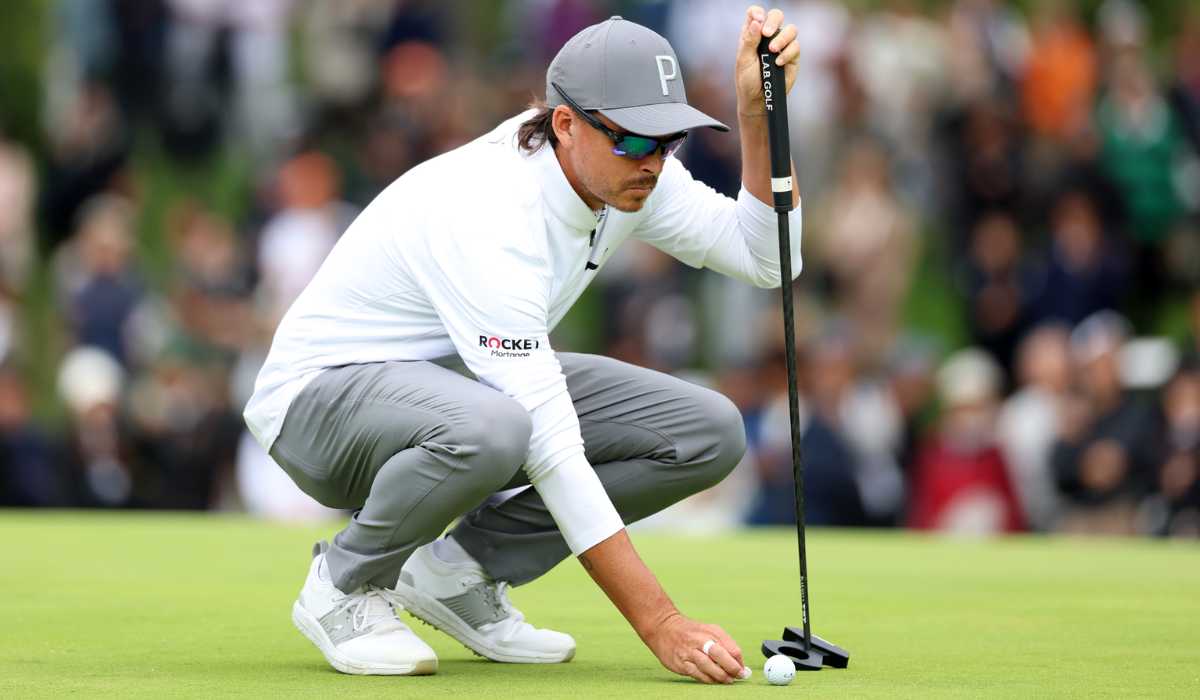
While zero torque putters might sound like a marketing gimmick, many players — amateurs and pros alike — report real gains in consistency, face control, and confidence. Especially for players who struggle with face rotation or mishits, the stability these putters offer can be game-changing.
In tests, zero torque putters tend to:
However, the feel can take some getting used to. Because the putter face doesn’t twist naturally, it may initially feel like it’s on rails. Some players love that; others find it restrictive. Like any equipment change, it requires testing and adaptation.
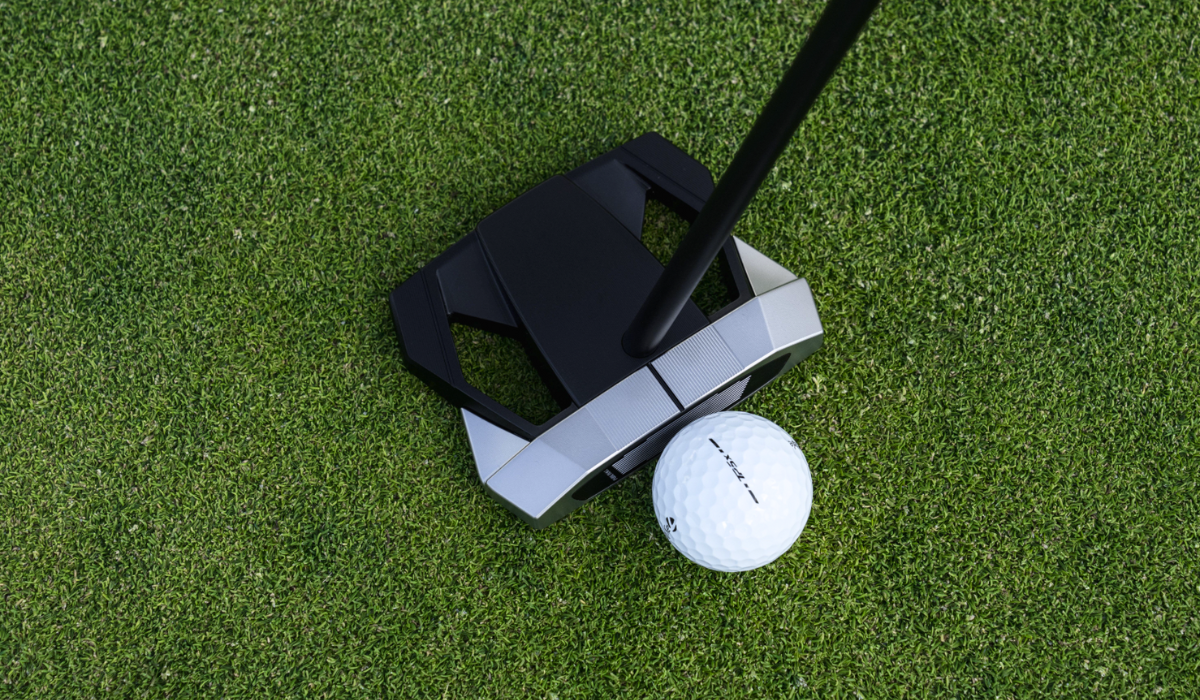
The convergence of hosel science and torque elimination is giving golfers more tools than ever to improve their putting. Whether you’re a purist who prefers a flowing plumber’s neck blade, or a tech-forward player ready to embrace torque-free innovation, understanding these components will help you choose the right putter for your game.
Remember: Putting isn’t just about feel — it’s about face angle, path, and contact. And with the right hosel and zero torque design, you might just make more putts without changing your stroke at all.
Interested in trying a zero torque putter? Start with a proper fitting — or test a L.A.B. Golf model alongside your current gamer. You may be surprised how much difference a little torque makes.
Let the hosel lead the way — and let the putts drop.

DP World Tour
What’s in Jon Rahm’s winning golf bag
Rory McIlroy ended the season top of the DP World Tour rankings, but it was Jon Rahm who secured a third DP World Tour Championship. Jon Rahm finished on 20 under, two stroked clear of Tyrrell Hatton and Alex Noren in joint second, at the Earth Course at Jumeriah Golf Estates in Dubai, while Rory […]

Clubs
What’s in Bryson DeChambeau’s winning golf bag?
Bryson DeChambeau won the U.S. Open by a single shot ahead of Rory McIlroy carrying a unique bag that includes 3D-printed ‘face bulging’ irons. The American, who joined LIV Golf in 2022, won his second U.S. Open title after first winning it at Winged Foot in 2020. He finished on 6-under at Pinehurst No. 2 […]