



PGA Tour
Presidents Cup 2026 Results & Winners: Team USA Completes Historic Comeback
Explore 33,000+ golf courses in 180 countries.
Follow the latest news and trends in golf.
Connect with like-minded golfers.
Find everything you need for your golf equipment and gear needs.
Travel, golf resorts, lifestyle, gear, tour highlights and technology.
All Square
Suggestions
PGA Tour
Presidents Cup 2026 Results & Winners: Team USA Completes Historic Comeback
PGA Tour
Presidents Cup 2026 Preview: Everything to Know Before Medinah
Course Reviews
Best Golf Courses Around Rome: Where Ancient History Meets Modern Golf
Instruction
Links vs Parkland vs Heathland: What’s the Difference?
Clubs
The Best Irons on the Market in 2026
Clubs
Austin Smotherman WITB: The Clubs Behind His 2026 Bank of Utah Championship Win
Destinations
Barrière Golf Properties: French Golf Escapes Where the Resort Is Part of the Experience
Destinations
Conrad Algarve Renovations: A New Chapter of Luxury in Quinta do Lago
Gear
Garmin Golf Watches Guide: Which Garmin Watch Is Right for Your Game?
Course Reviews
Cullinan Golf Links Resort, Belek: Where Golf Meets the Mediterranean
Course Reviews
New Opening: Limassol Greens — Cyprus’ New Golf Destination
Clubs
Jacob Bridgeman WITB: The Clubs Behind His 2026 Biltmore Championship Victory
Course Reviews
Play Golf at Pebble Beach: What to Know Before You Go
Professional Golf
Solheim Cup Results & Winners 2026: Europe Reclaims the Trophy
Clubs
This Year’s Best Drivers on the Market: A 2026 Buyer’s Guide
Course Reviews
Fancourt: The Garden Route Estate Where South African Golf Grew Up
Course Reviews
Best Golf Courses Around Madrid
Clubs
TaylorMade Spider ZT Putter Review: What It Is, How It Performs, and Whether It’s Worth the Upgrade
Course Reviews
Your Golf Trip to Tunisia: Courses, Costs, and What to Actually Expect
Clubs
WITB: Ryan Fox’s Winning Clubs at the 2026 Open Championship
Community
How Modern Golf Courses Conserve Water and Protect Wildlife
PGA Tour
Changes on the PGA Tour from 2028
Course Reviews
Tee Off in Tuscany: Golfing Italy’s Most Picturesque Countryside
Course Reviews
The Best Golf Courses Near Pinehurst That Aren’t Pinehurst No. 2
Clubs
Akshay Bhatia’s Winning WITB at the 2026 Arnold Palmer Invitational
Course Reviews
A Luxurious Escape to Finca Cortesin
Clubs
Chris Gotterup WITB 2026: Clubs Used to Win the John Deere Classic
Clubs
Inside Winning Bag of Collin Morikawa at the AT&T Pebble Beach Pro-Am 2026

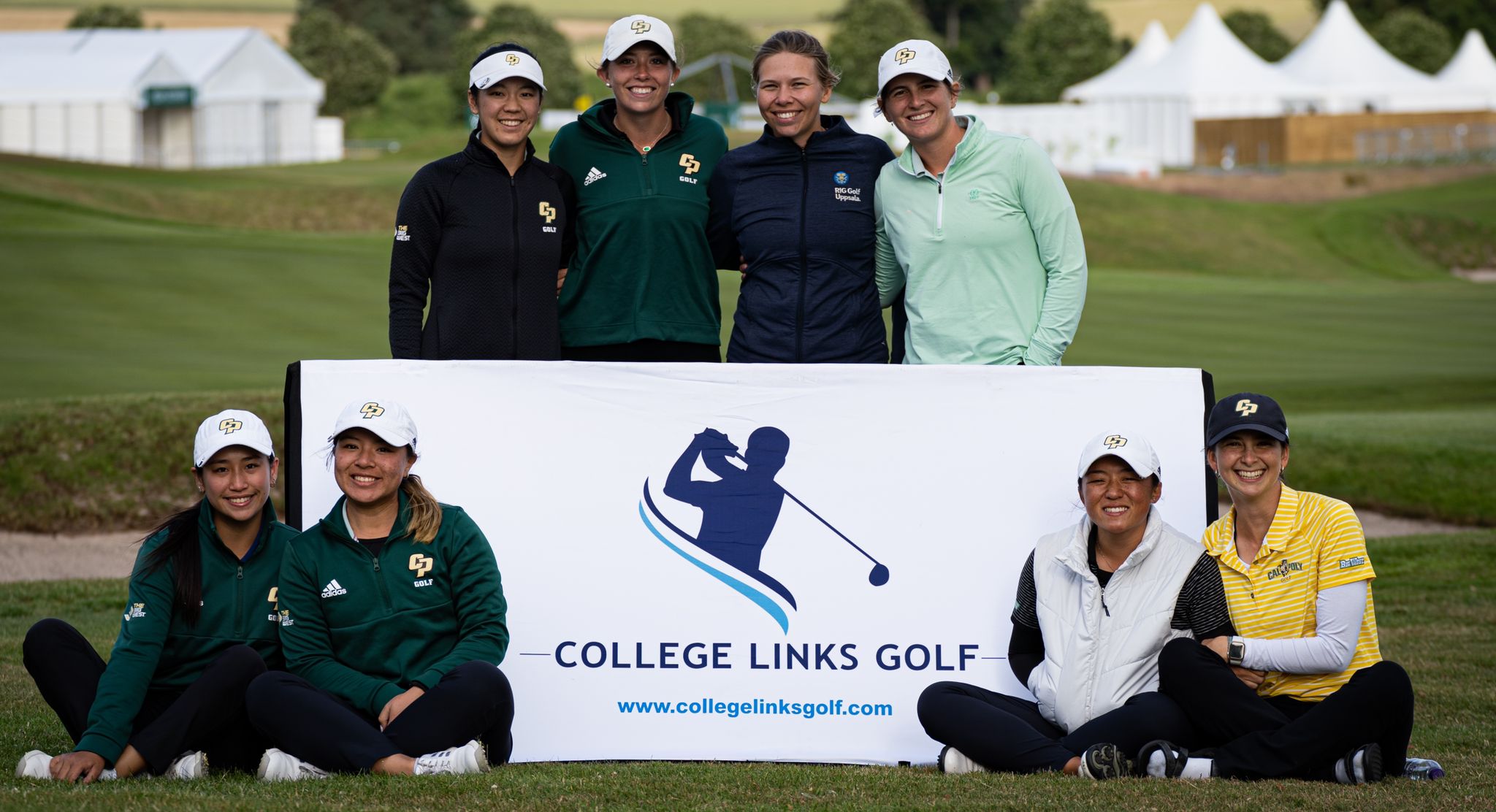
For many young athletes, the dream of playing college golf represents not just an opportunity to compete at a higher level but also a chance to gain a quality education while pursuing their passion. However, preparing your child for this journey requires much more than having a low handicap. It involves a combination of athletic, academic, and personal readiness that begins long before college recruiters come calling.

The first step is ensuring that your child develops solid technical skills and a love for the game. Early coaching, ideally from PGA-certified instructors, can help establish proper swing mechanics and avoid bad habits that are harder to correct later. Tournament experience is also crucial; junior tours, local events, and national competitions give players a taste of competitive pressure and allow them to build a tournament résumé that college coaches will review.
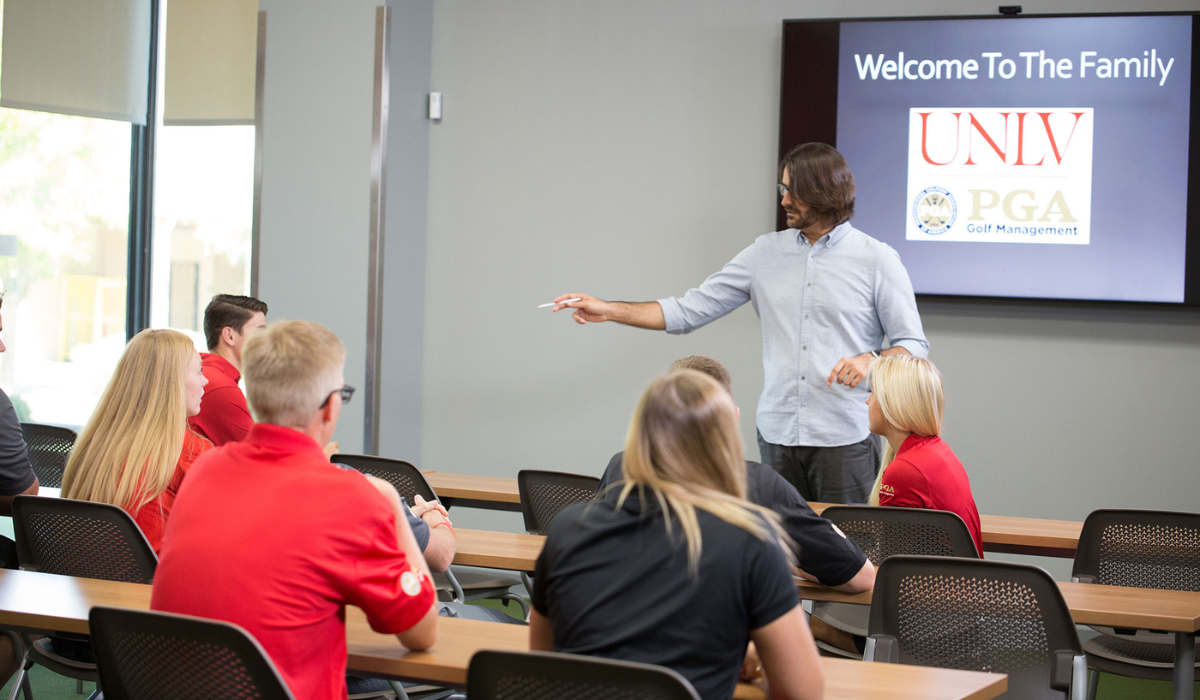
Unlike professional golf, college programs are rooted in academic institutions. A student-athlete must balance the demands of practice, travel, and coursework. Coaches often look for well-rounded recruits with strong grades and test scores because academic eligibility is a prerequisite for competing at the NCAA level. Encourage your child to take academics seriously from the start — AP or honours classes, tutoring when needed, and consistent study habits will all pay off when it’s time to apply.
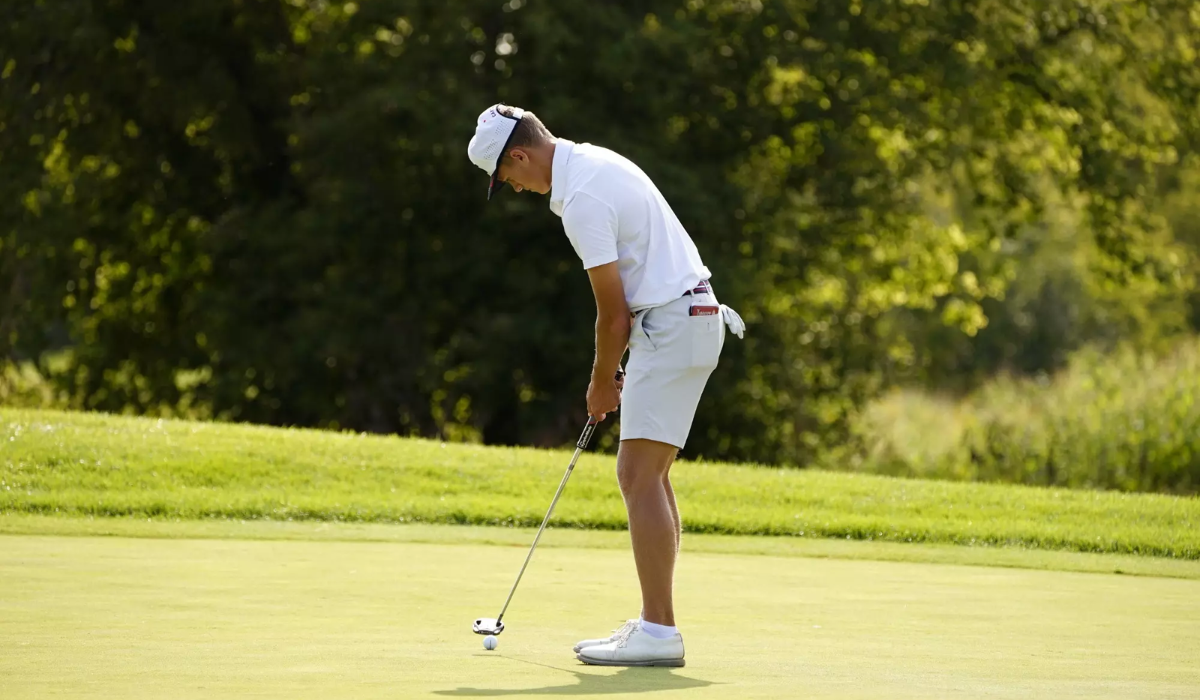
College golf requires stamina, strength, and resilience. Students often walk 36 holes in a day during tournaments, carry their own bags, and compete under varying weather conditions. Strength training, flexibility routines, and cardio fitness should be part of their preparation. Equally important is mental toughness. Sports psychologists and mindfulness training can help young golfers learn to manage nerves, focus for long stretches, and recover quickly from mistakes — skills that separate good players from great ones.

To get noticed, your child needs visibility. Creating a golf résumé that highlights tournament scores, swing videos, and academic achievements is an effective way to showcase talent. Online recruiting platforms and junior golf organisations, such as the American Junior Golf Association (AJGA), provide opportunities to connect with college coaches. Parents can also help by encouraging their child to write personal emails to coaches, expressing genuine interest in the program and explaining how they could contribute to the team.

College golf in the United States spans several divisions: NCAA Division I, II, III, NAIA, and NJCAA. Each level varies in terms of competitiveness, scholarships, and time commitment. For example, Division I schools often compete at the highest level and provide athletic scholarships, but the demands are intense. Division III programs may not offer athletic scholarships but can still provide excellent competition and academic opportunities. Helping your child research which level suits their ability and goals is essential.

Living away from home for the first time, managing time effectively, and balancing golf with academics and social life can be overwhelming. Preparing your child for independence — whether that means learning to cook simple meals, manage a calendar, or communicate professionally — will make the transition smoother. College golf is not just about hitting fairways and greens; it’s about becoming a responsible adult who can thrive under pressure.

Scholarships are valuable, but they are not guaranteed. Golf is considered an “equivalency sport,” meaning coaches can divide scholarships among several players instead of awarding full rides. Families should prepare financially for the possibility of partial scholarships or even walk-on positions. It’s also worth exploring academic scholarships and financial aid packages, which can sometimes cover more expenses than athletic ones.
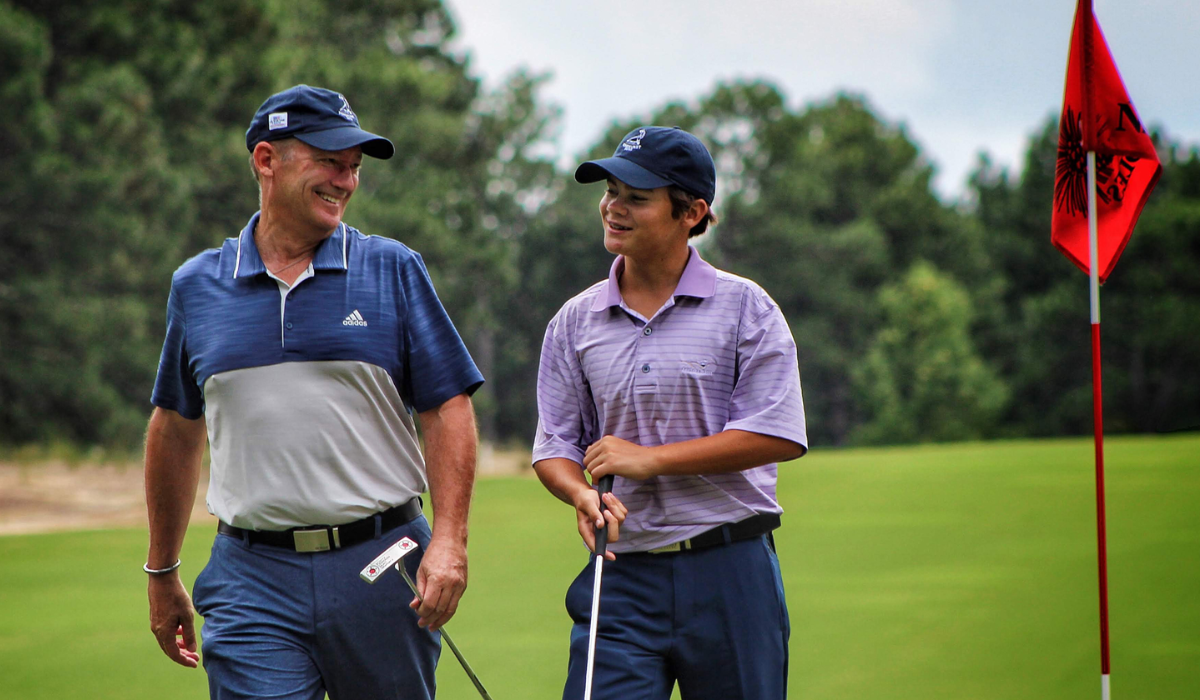
Perhaps the most important preparation parents can provide is perspective. Remind your child that while college golf can be an incredible journey, it should remain enjoyable. Burnout is real, especially for young athletes who have been playing competitively for years. Supporting them emotionally — whether they win or lose — helps maintain a healthy relationship with the game.

Preparing your child for college golf is a multifaceted process that combines athletic skill, academic achievement, mental strength, and personal growth. From junior tournaments to standardised test preparation, from fitness training to independent living skills, every step lays the foundation for success both on the course and in the classroom. With the right balance of guidance, discipline, and encouragement, your child can pursue their dream of competing in college golf while gaining life skills that extend far beyond the game.

European Tour
Battle on the Fairways: The Greatest Rivalries in Golf History
Golf, a sport known for its grace, precision, and sportsmanship, has also witnessed some of the fiercest rivalries in the world of sports. The pursuit of the perfect swing, the race for major titles, and the battle for the top spot on the leaderboard have all fueled these legendary matchups. Rivalries in golf are unique, […]

Accessories
The Ultimate Guide to Putter Grips: Find Your Perfect Stroke
In golf, precision on the greens is the difference between sinking a clutch putt and watching the ball roll frustratingly past the hole. While countless factors contribute to a successful putt, one of the most overlooked yet critical elements is the way a golfer grips the putter. The grip influences stroke consistency, alignment, and even […]