


Destinations
Conrad Algarve Renovations: A New Chapter of Luxury in Quinta do Lago
Explore 33,000+ golf courses in 180 countries.
Follow the latest news and trends in golf.
Connect with like-minded golfers.
Find everything you need for your golf equipment and gear needs.
Travel, golf resorts, lifestyle, gear, tour highlights and technology.
All Square
Suggestions
Destinations
Conrad Algarve Renovations: A New Chapter of Luxury in Quinta do Lago
Course Reviews
Golf in Madeira: Cliffs, Clouds and Two Unforgettable Courses
Destinations
Thai Caddie Culture Explained: Tipping, Etiquette and What to Expect
Course Reviews
Best Golf Courses Around Munich: Where Championship Golf Meets Bavarian Beauty
Course Reviews
Marrakech vs Agadir for Golf: Which Moroccan Destination Should You Choose?
Accessories
Best Push Carts and Electric Trolleys for Golf in 2026
Course Reviews
Rediscover Monte Rei: Portugal’s Iconic Golf Course Reopens After Major Renovation
Course Reviews
Best Golf Courses Around Rome: Where Ancient History Meets Modern Golf
Instruction
Links vs Parkland vs Heathland: What’s the Difference?
Clubs
The Best Irons on the Market in 2026
Clubs
Austin Smotherman WITB: The Clubs Behind His 2026 Bank of Utah Championship Win
Destinations
Barrière Golf Properties: French Golf Escapes Where the Resort Is Part of the Experience
Gear
Garmin Golf Watches Guide: Which Garmin Watch Is Right for Your Game?
PGA Tour
Presidents Cup 2026 Results & Winners: Team USA Completes Historic Comeback
Course Reviews
Cullinan Golf Links Resort, Belek: Where Golf Meets the Mediterranean
Course Reviews
New Opening: Limassol Greens — Cyprus’ New Golf Destination
PGA Tour
Presidents Cup 2026 Preview: Everything to Know Before Medinah
Clubs
WITB: Ryan Fox’s Winning Clubs at the 2026 Open Championship
Community
How Modern Golf Courses Conserve Water and Protect Wildlife
PGA Tour
Changes on the PGA Tour from 2028
Course Reviews
Tee Off in Tuscany: Golfing Italy’s Most Picturesque Countryside
Course Reviews
The Best Golf Courses Near Pinehurst That Aren’t Pinehurst No. 2
Destinations
How to Build the Perfect Golf & Wine Vacation in Spain
Destinations
Your Golf Trip to Phuket: Tropical Fairways, Championship Courses, and Island Adventures
Clubs
Nico Echavarria’s Win: Inside the WITB at the 2026 Cognizant Classic
Clubs
Chris Gotterup WITB 2026: Clubs Used to Win the John Deere Classic
Course Reviews
Europe’s Best Golf Resorts with Exceptional Practice Facilities

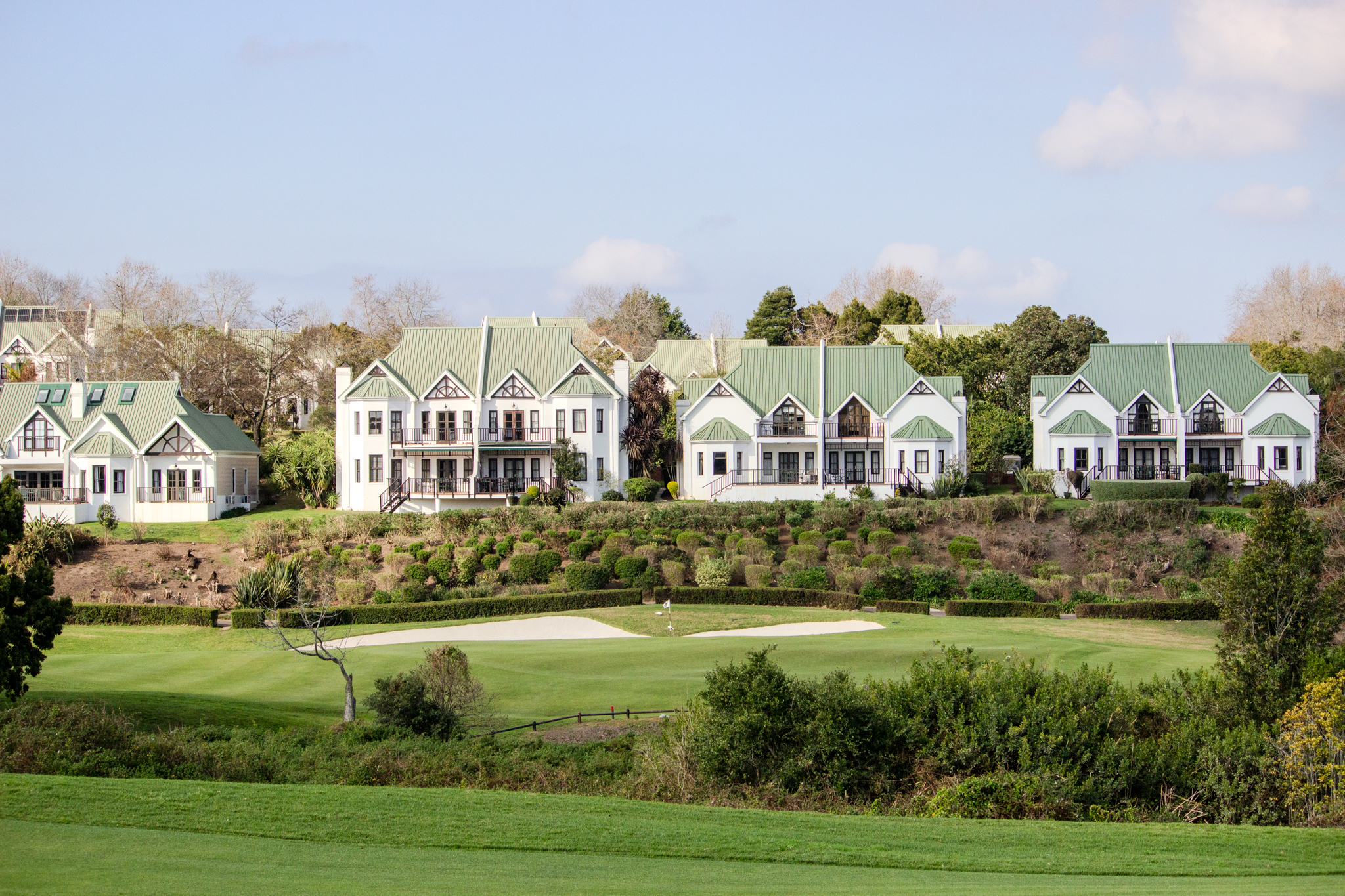
There are golf resorts, and then there is Fancourt. Spread across 613 hectares beneath the Outeniqua Mountains in George, on South Africa’s Garden Route, Fancourt has spent three decades building a case as the most complete golf destination on the continent. It has hosted a Presidents Cup that golf historians still talk about in hushed tones; it carries the fingerprints of Gary Player across four courses, and in 2025 the World Golf Awards named it Africa’s Best Golf Hotel. Yet what makes Fancourt genuinely interesting isn’t the trophy cabinet — it’s how a Victorian homestead, a software billionaire’s obsession with turf quality, and one of golf’s most dramatic playoffs all ended up on the same 613 hectares.
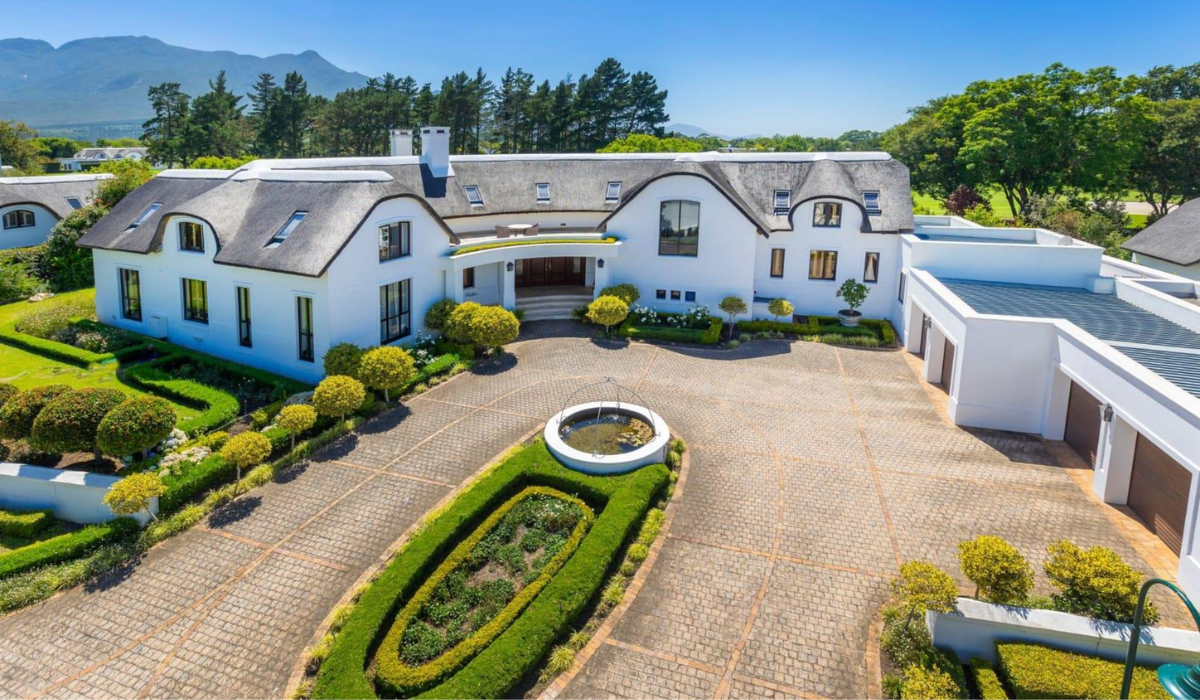
Fancourt’s story starts long before golf carts and championship fairways. The land traces back to the mid-1800s, when Henry Fancourt White built what is now known as The Manor House — today a protected historical landmark and the original heart of the estate. For more than a century, the property passed through various owners and uses before its modern transformation began in earnest in 1994, when it was acquired by Dr Hasso Plattner, the German co-founder of the software giant SAP, and his wife Sabine. Plattner didn’t just invest capital; he became a genuine co-designer of the golf courses alongside Gary Player, and that hands-on, detail-obsessed involvement is often cited as the reason Fancourt’s turf conditioning is a byword for excellence in South African golf.
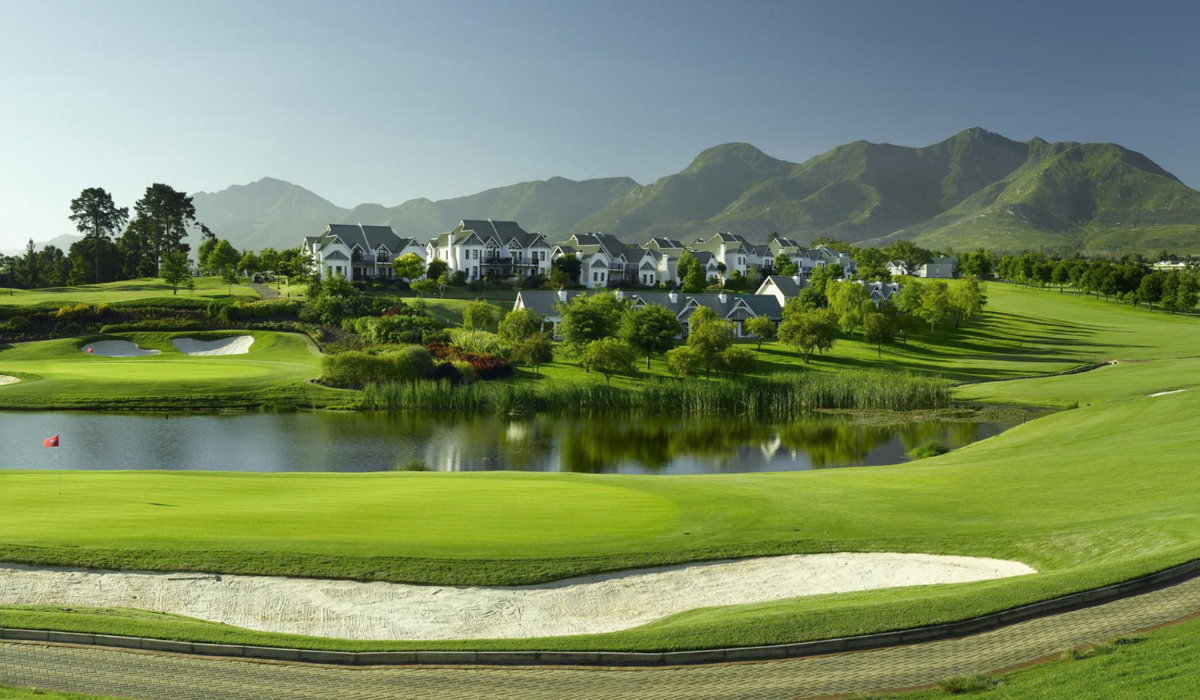
Fancourt’s golf identity rests on four courses, all shaped by Gary Player, though it’s The Links that defines the estate’s reputation. Built on land that was extensively re-engineered — dredging and shaping created the rolling, dune-like terrain — The Links is modelled after the great courses of the British Isles, even though its clay subsoil means it isn’t a true links course in the technical sense. Player has called it his finest design, and it consistently ranks among South Africa’s top courses and among the better courses on the entire continent. In 2018, Player returned to rework the layout further, softening it for higher-handicap players by reducing bunkers and forced carries while sharpening the challenge for scratch golfers through improved fairway definition. Access is genuinely exclusive: The Links is a private facility, and even resort guests need to meet minimum reservation requirements to get a tee time.
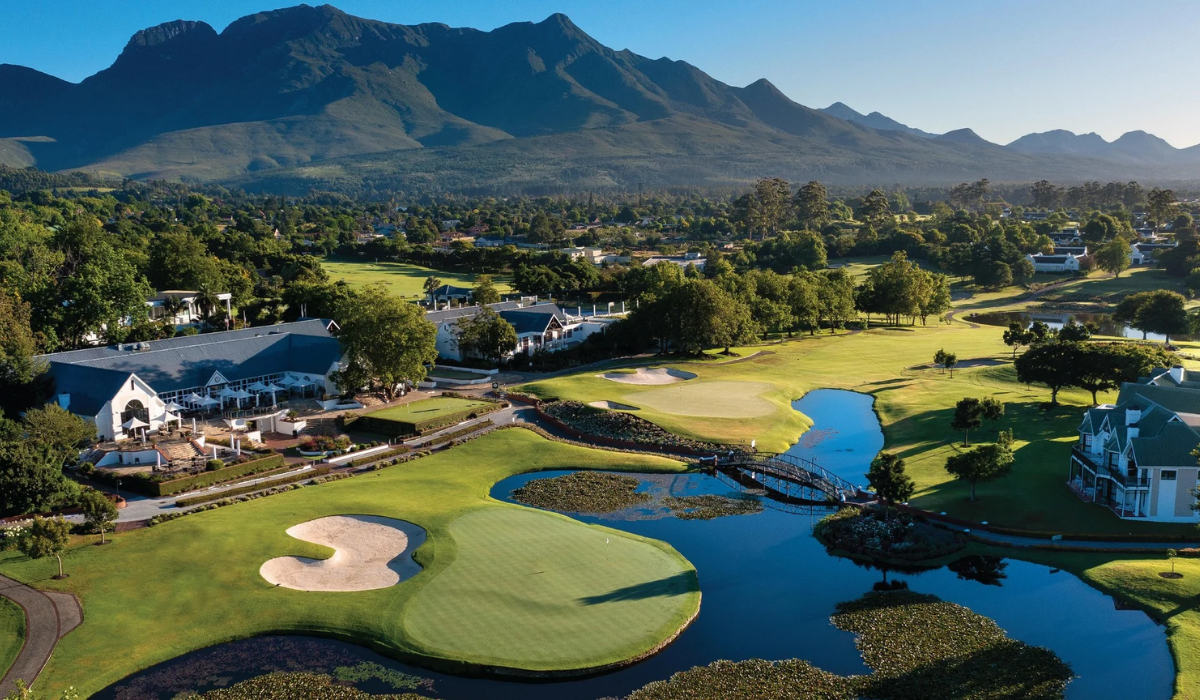
The Montagu Course is the estate’s most-decorated all-rounder, a tree-lined parkland layout on rolling ground with generous Kikuyu fairways and greens that run fast, much like the courses American tour players are used to. It has, at various points, been ranked as the number one course in South Africa outright.
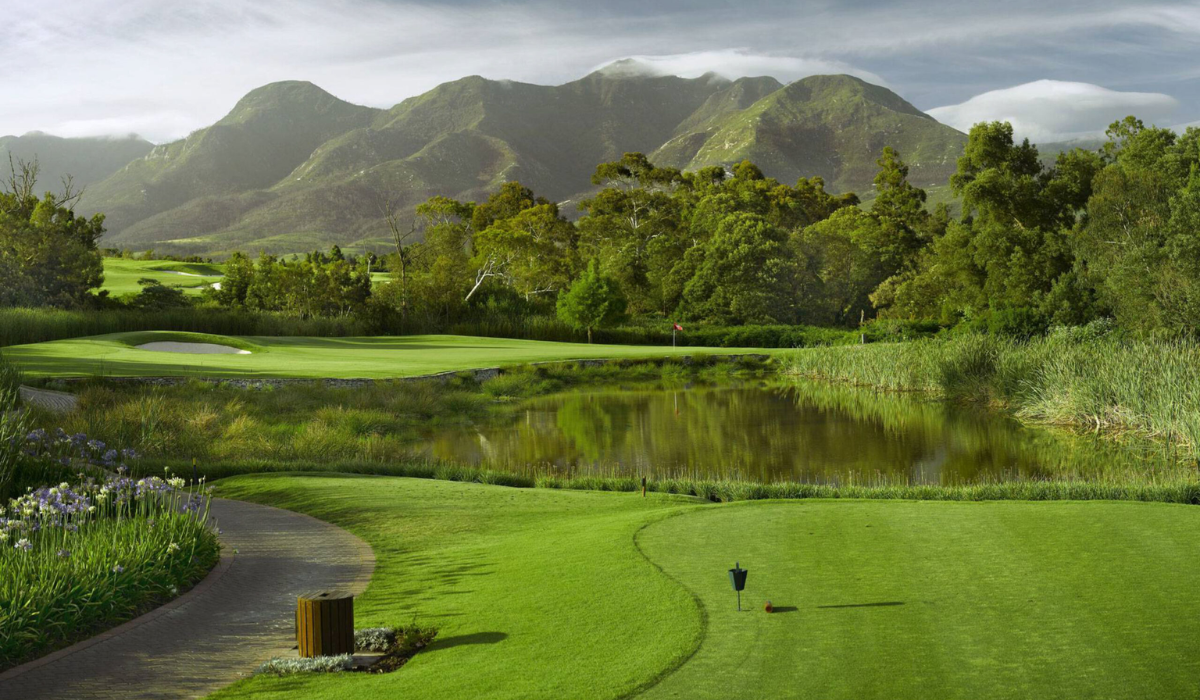
Outeniqua, whose name — fittingly — translates roughly as “the land of milk and honey” and doubles as the name of the surrounding mountain range, is the more forgiving sibling course, prized less for a single signature hole than for a signature view: the walk from the 11th green to the par-3 12th tee, framed by the mountains, is the moment most golfers reach for their phones.
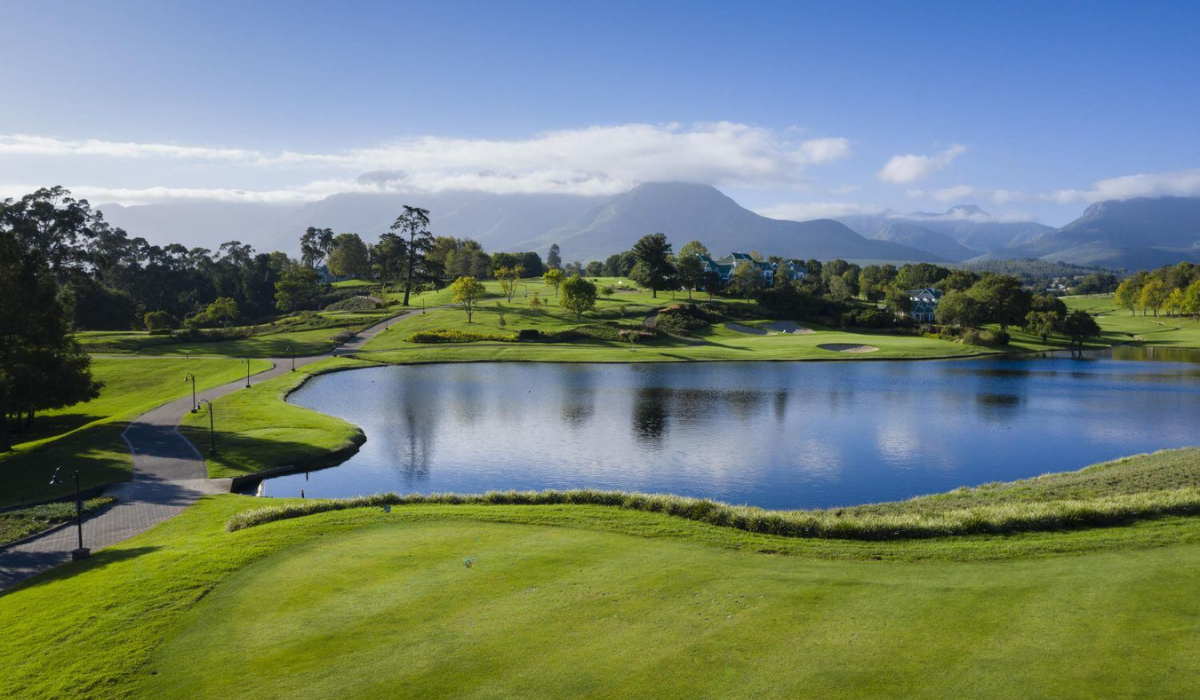
A fourth Gary Player layout, Bramble Hill, rounds out the golf offering as a shorter, more relaxed complement to the three full championship tracks, alongside a dedicated Golf Academy and practice facilities for golfers looking to sharpen their game between rounds.

If one week defines Fancourt in the wider golfing consciousness, it’s November 2003, when The Links hosted the Presidents Cup. After four days and 34 points, the United States and International teams were dead level at 17-17 — the first tie in the event’s history. Captains Jack Nicklaus and Gary Player turned to their two biggest stars for a sudden-death playoff: Tiger Woods, then world number one, against Ernie Els, world number two, who had already lost to Woods in singles that same day. What followed became one of golf’s most replayed dramas. Woods and Els traded clutch putts through three extra holes as the Garden Route light faded, until the captains agreed the two teams had earned nothing less than a shared trophy. Nicklaus later said he’d never seen two teams play harder, and neither deserved to lose. It remains the only tie in Presidents Cup history, and it’s the reason golf fans who’ve never set foot in South Africa still know the name Fancourt. The resort has continued that tournament pedigree since, regularly hosting the Sunshine Tour’s Dimension Data/NTT Data Pro-Am on the Links Course each February.
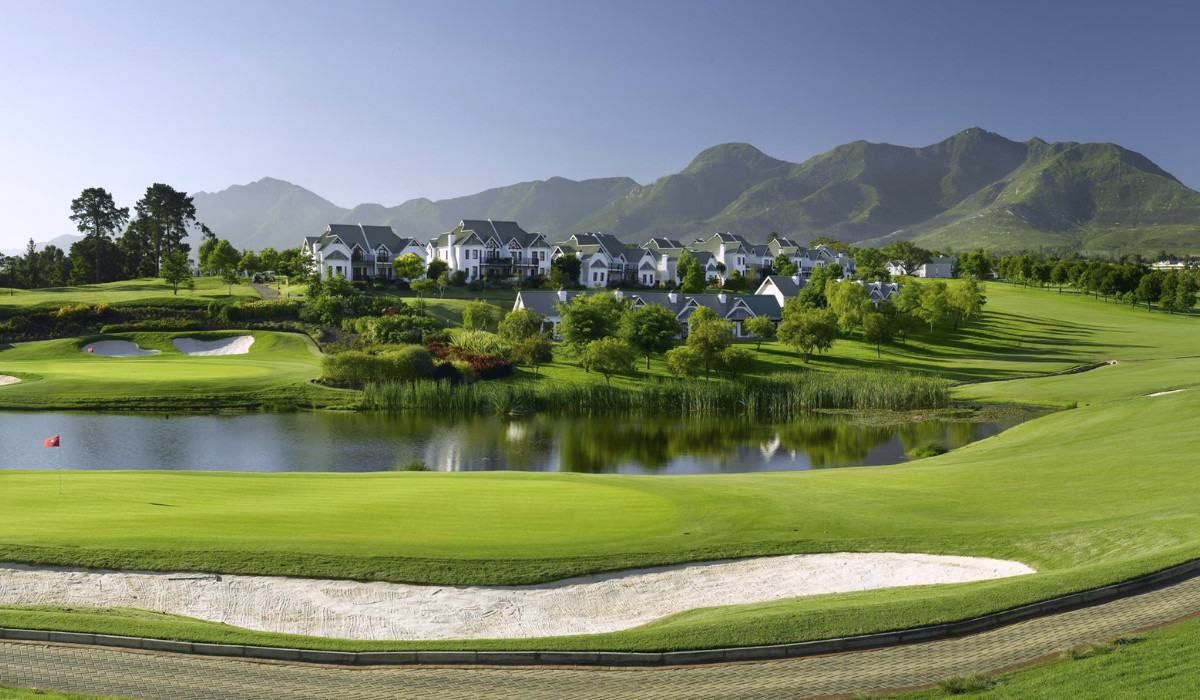
Accommodation at Fancourt is split between two distinct properties under one roof of ownership. The Fancourt Hotel offers around 115 rooms and suites — garden studios, executive rooms, and one- and two-bedroom suites — designed with families and golfers equally in mind, and it holds membership in The Leading Hotels of the World.
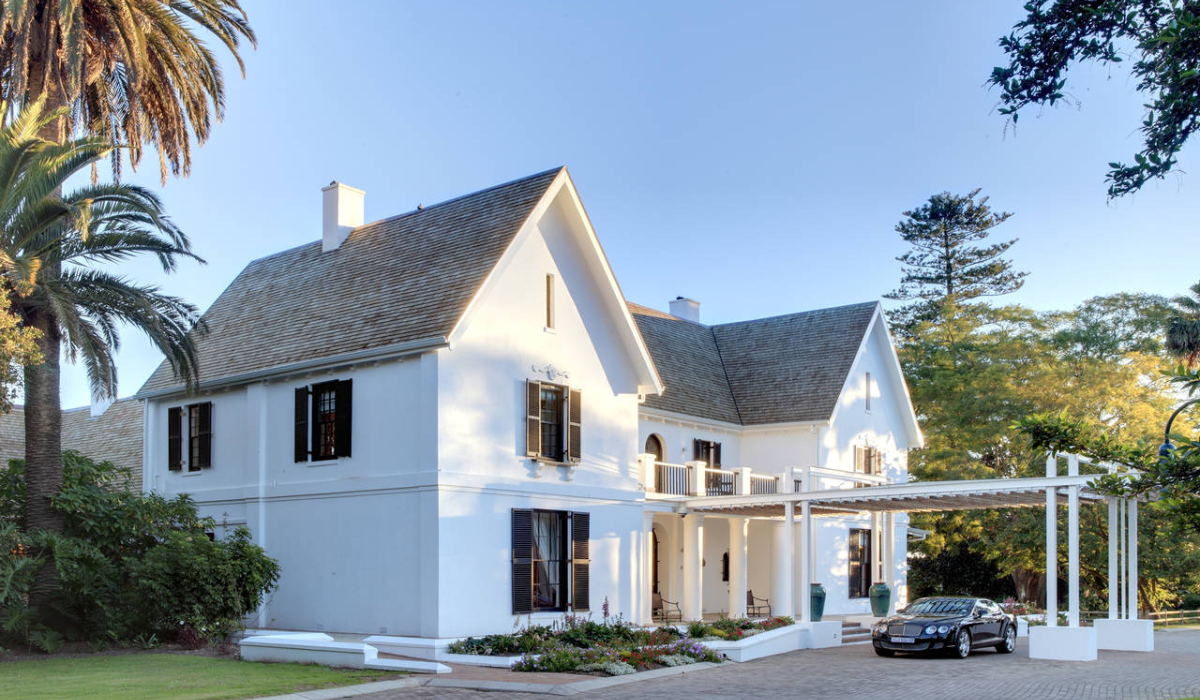
Next door, or rather, back where it all began, The Manor House occupies the original 1859 homestead, now reborn as an 18-suite boutique hotel reserved exclusively for guests aged 16 and older, favoured by couples and golf purists after a quieter, more adult atmosphere. Both properties share access to the estate’s spa, restaurants, and leisure facilities, but the choice between them is really a choice between two different holidays on the same land.
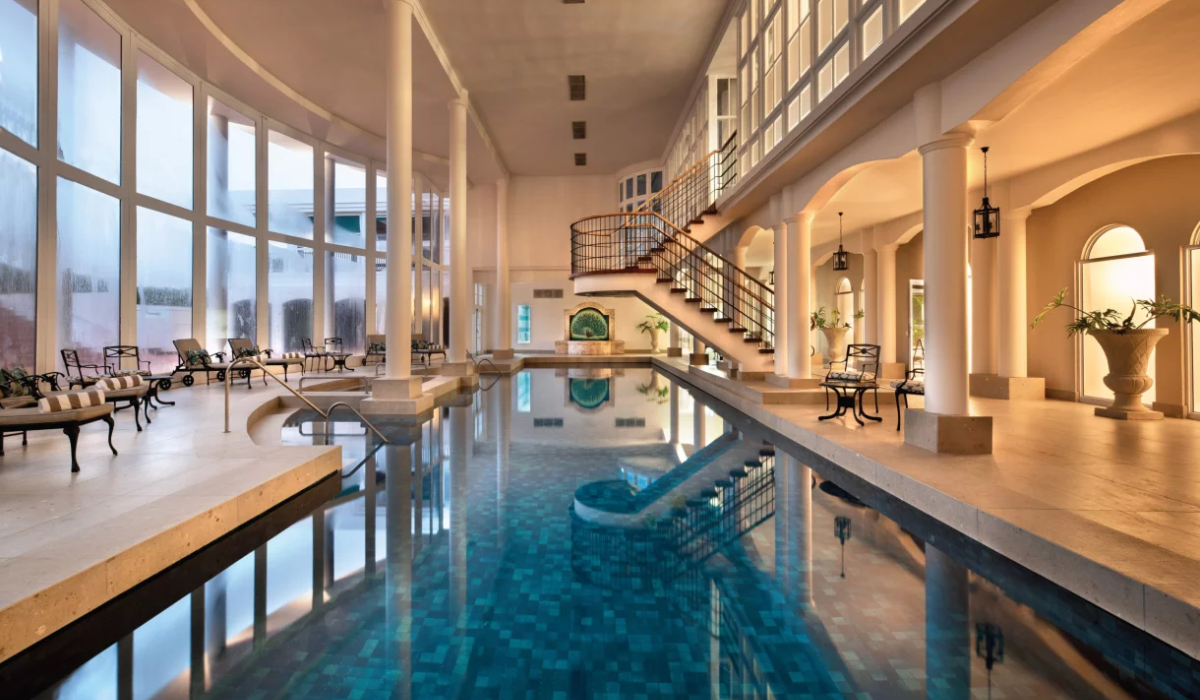
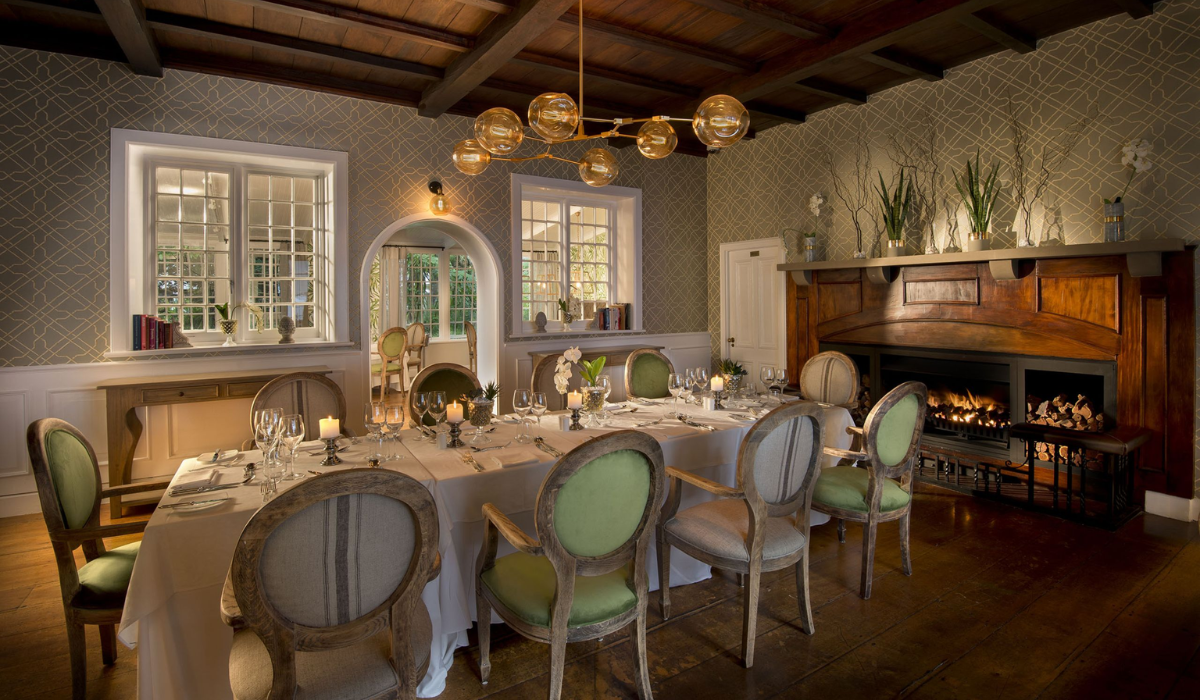
Fancourt was built to keep non-golfing travel companions just as occupied as the golfers in the group. The spa is centred on a heated Roman bath and a Romanesque-inspired wellness wing with nine treatment rooms, a steam room, a cold plunge, and a tepidarium, while the Leisure Centre adds indoor and outdoor pools, a gym, padel courts, tennis, a cinema, and a Kidz Club for younger guests. Dining runs to five distinct outlets across the estate, from Italian wood-fired cooking to the more formal, hearty South African cuisine served at Henry Whites in the Manor House, open evenings from Monday to Saturday.
The setting does a lot of the work too. Fancourt sits within easy reach of George Airport and functions as a natural base for exploring the wider Garden Route: the Garden Route Botanical Garden and a two-hour forest walk to the hidden Pepsi Pools sit right on the doorstep, while Knysna’s famous Heads, the Storms River Suspension Bridge in Tsitsikamma National Park, and wildlife sanctuaries such as Monkeyland, Birds of Eden, and Jukani are all within striking distance for a day trip.
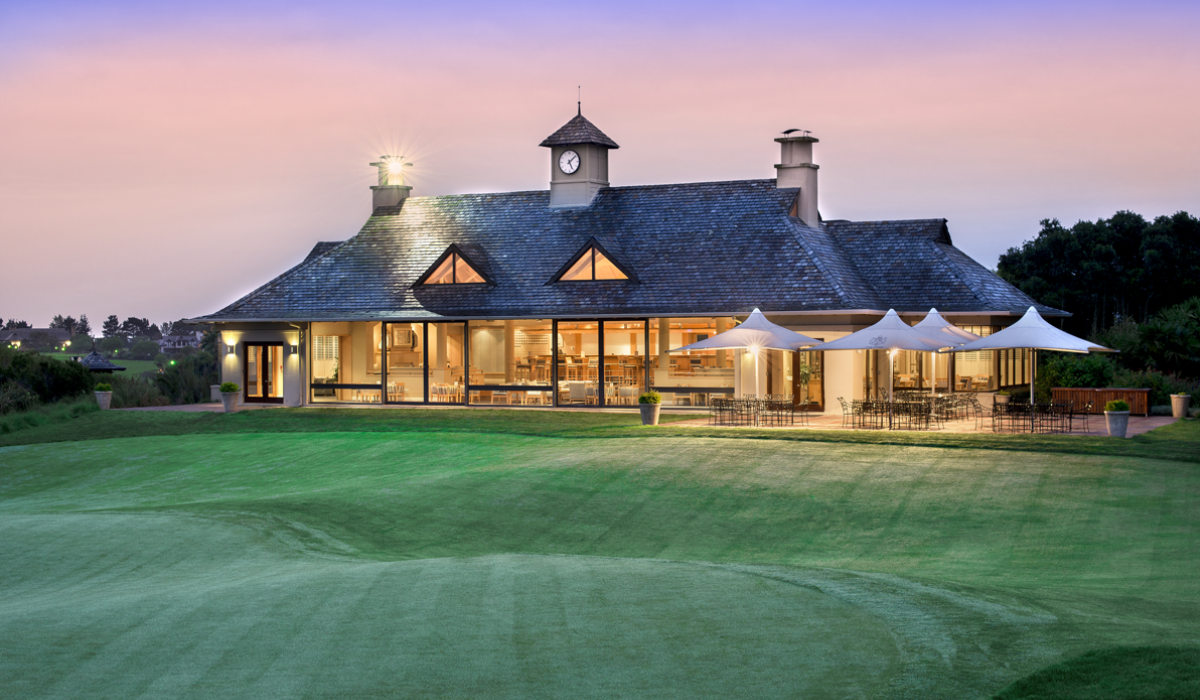
Golf resorts come and go in the rankings, but Fancourt’s staying power comes from doing several difficult things at once: maintaining genuinely world-class turf on three very different course designs, protecting the exclusivity of its flagship Links course without letting the rest of the property feel like an afterthought, and layering in enough spa, dining, and family infrastructure that a non-golfer never feels like a plus-one. Add a Presidents Cup that’s still discussed as one of the great moments in team golf, and Fancourt earns its reputation not as South Africa’s best golf resort by default, but as one that would compete for that title anywhere in the world.
Best Golf Courses Around Madrid
Golf in Croatia: What You Can Actually Play, and What to Expect
Course Reviews
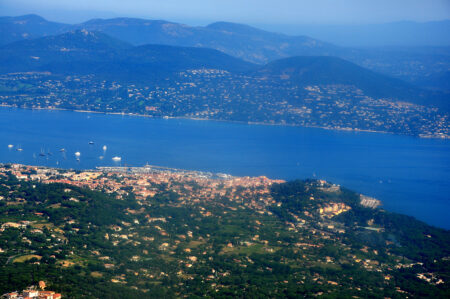
Your Golf Vacation in Saint-Tropez
Saint-Tropez has been seducing artists, aristocrats, and the international jet set since the 1960s, but beyond the yacht-lined Old Port and Pampelonne’s beach clubs lies a quieter, equally seductive pleasure: golf framed by umbrella pines, cork oaks, and views across the Mediterranean. A golf trip here isn’t about ticking off championship layouts in isolation; it’s […]
Destinations
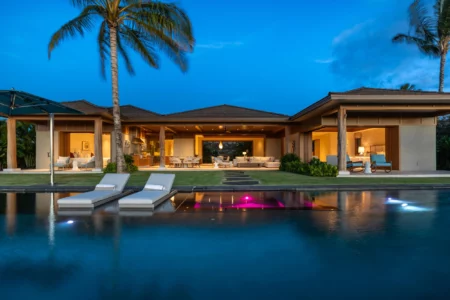
Top Golf Resorts with Private Villas
If you love golf and value privacy, space, and a home-away-from-home vibe, staying in a private villa at a golf resort turns a great trip into an unforgettable one. Villas combine the convenience and service of a luxury resort (think pro shops, top instructors, spas and great food) with private pools, kitchens, multiple bedrooms for […]