


Clubs
Austin Smotherman WITB: The Clubs Behind His 2026 Bank of Utah Championship Win
Explore 33,000+ golf courses in 180 countries.
Follow the latest news and trends in golf.
Connect with like-minded golfers.
Find everything you need for your golf equipment and gear needs.
Travel, golf resorts, lifestyle, gear, tour highlights and technology.
All Square
Suggestions
Clubs
Austin Smotherman WITB: The Clubs Behind His 2026 Bank of Utah Championship Win
Course Reviews
Golf in Madeira: Cliffs, Clouds and Two Unforgettable Courses
Destinations
Thai Caddie Culture Explained: Tipping, Etiquette and What to Expect
Course Reviews
Best Golf Courses Around Munich: Where Championship Golf Meets Bavarian Beauty
Course Reviews
Marrakech vs Agadir for Golf: Which Moroccan Destination Should You Choose?
Accessories
Best Push Carts and Electric Trolleys for Golf in 2026
Course Reviews
Rediscover Monte Rei: Portugal’s Iconic Golf Course Reopens After Major Renovation
Course Reviews
Best Golf Courses Around Rome: Where Ancient History Meets Modern Golf
Instruction
Links vs Parkland vs Heathland: What’s the Difference?
Clubs
The Best Irons on the Market in 2026
Destinations
Barrière Golf Properties: French Golf Escapes Where the Resort Is Part of the Experience
Destinations
Conrad Algarve Renovations: A New Chapter of Luxury in Quinta do Lago
Gear
Garmin Golf Watches Guide: Which Garmin Watch Is Right for Your Game?
PGA Tour
Presidents Cup 2026 Results & Winners: Team USA Completes Historic Comeback
Course Reviews
Cullinan Golf Links Resort, Belek: Where Golf Meets the Mediterranean
Course Reviews
New Opening: Limassol Greens — Cyprus’ New Golf Destination
PGA Tour
Presidents Cup 2026 Preview: Everything to Know Before Medinah
Clubs
WITB: Ryan Fox’s Winning Clubs at the 2026 Open Championship
Community
How Modern Golf Courses Conserve Water and Protect Wildlife
PGA Tour
Changes on the PGA Tour from 2028
Course Reviews
Tee Off in Tuscany: Golfing Italy’s Most Picturesque Countryside
Course Reviews
The Best Golf Courses Near Pinehurst That Aren’t Pinehurst No. 2
Course Reviews
Best Golf Courses Around Madrid
Clubs
The Callaway Quantum Family Explained: A True Leap Forward
Clubs
TaylorMade Spider ZT Putter Review: What It Is, How It Performs, and Whether It’s Worth the Upgrade
Destinations
How to Build the Perfect Golf & Wine Vacation in Spain
Clubs
Russell Henley WITB 2026: The Clubs Behind His Charles Schwab Challenge Victory

Formula 1 has been circling golf for years, sponsorship deals here, pro-am appearances there, but this spring McLaren went further than any motorsport brand has before. Rather than license its logo to an existing clubmaker, McLaren built its own golf equipment company from the ground up, with its own engineering team, its own manufacturing process, and its own roster of Tour ambassadors. Here’s a look at what McLaren Golf actually is, what it’s selling, and where it fits into a market that has not always been kind to outside brands trying to break in.
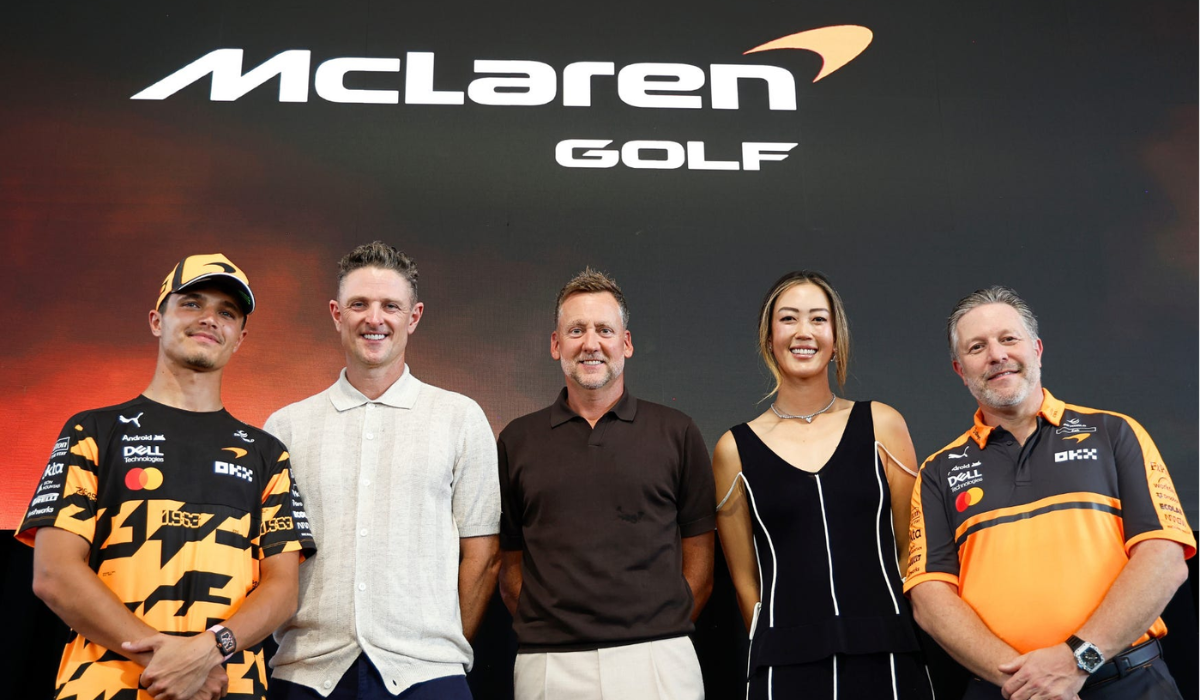
McLaren Golf is a new, standalone golf equipment and apparel venture backed jointly by McLaren Racing and McLaren Automotive, the two arms of the McLaren Group best known respectively for Formula 1 competition and road-going supercars. The company was first announced in early March 2026, positioned as McLaren’s first move into golf-equipment manufacturing after decades of the brand’s name appearing mostly on merchandise and hospitality tie-ins rather than on clubs themselves. The venture is led by CEO Neil Howie, with McLaren Racing CEO Zak Brown and McLaren Automotive Chief Commercial Officer Henrik Wilhelmsmeyer both speaking publicly about the brand as a strategic extension of the parent group rather than a side licensing project. According to McLaren’s own account of the buildup, the idea had been in development internally for a few years before the March announcement, driven by a search for a sport that matched McLaren’s engineering identity and offered global reach through sponsorships and media exposure.
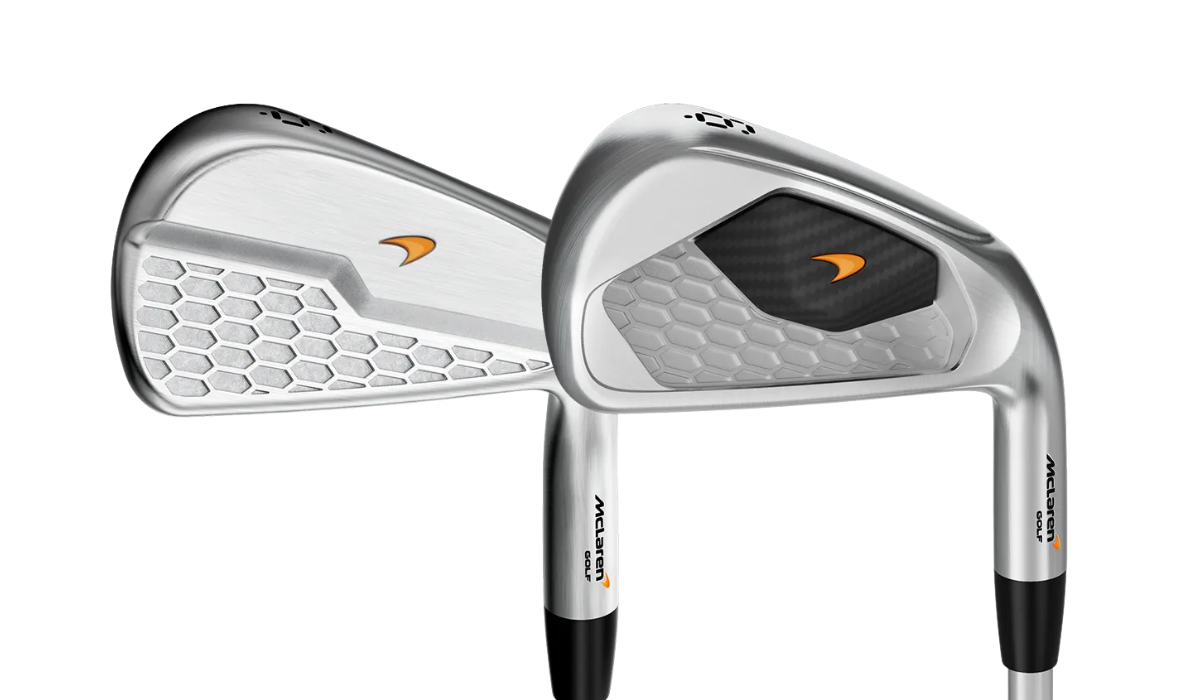
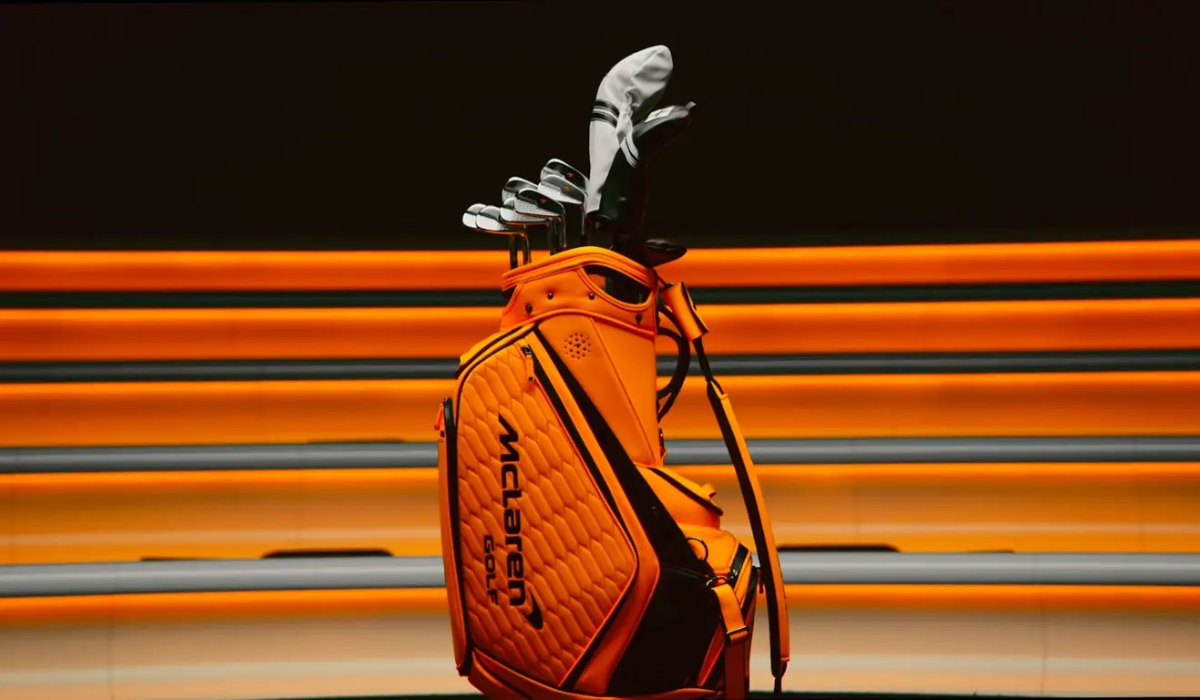
McLaren Golf’s full public debut came on April 29, 2026, timed to coincide with both the PGA Tour’s Cadillac Championship in Miami and the Formula 1 Miami Grand Prix that same week. The initial product line is built around two iron models: the Series 1 and the Series 3. The Series 1 is a compact, muscleback-style blade aimed at better players, with a short blade length and minimal offset, while the Series 3 is a players-distance iron with more perimeter weighting and added sole camber for a wider forgiveness window. Both models are sold in a stock configuration for $375 per club in the US (£360 in the UK, €420 across Europe). Alongside the irons, McLaren Golf launched a range of soft goods, including golf bags and accessories, among them a stand bag developed in partnership with premium bag maker Vessel, priced at £495.
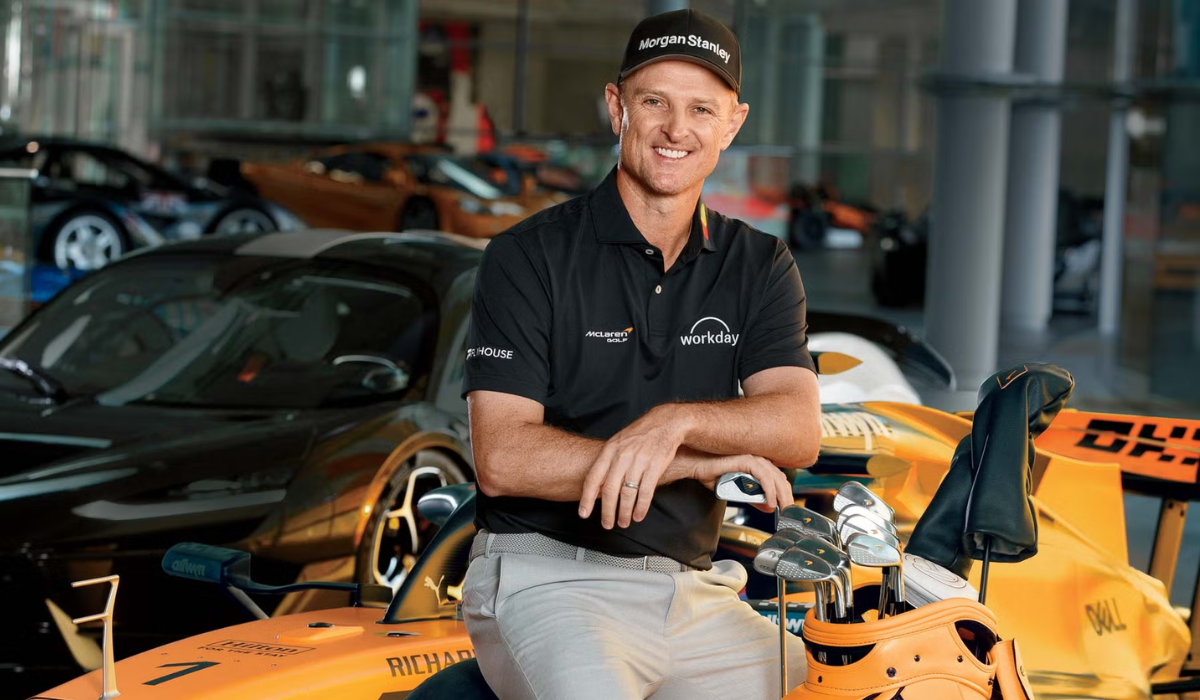
McLaren Golf entered the market with three high-profile tour-level ambassadors, all of whom also hold investment stakes in the company: Justin Rose, the 2013 U.S. Open champion and 2016 Olympic gold medalist, was announced as the brand’s first global ambassador and put the irons in play at the Cadillac Championship the week of launch; Ian Poulter, the longtime Ryder Cup player, followed shortly after; and LPGA major champion Michelle Wie West rounds out the trio. Rose in particular is credited with a hands-on role in club development, working with McLaren’s engineers on the Series 1 in his capacity as the brand’s lead Tour player. On the technical side, the equipment is headed by Ryan Badgero, McLaren Golf’s Head of Engineering, who has spoken publicly about the manufacturing approach behind the irons. McLaren has said the broader team combines golf-industry veterans with engineers drawn from its motorsport and automotive divisions.
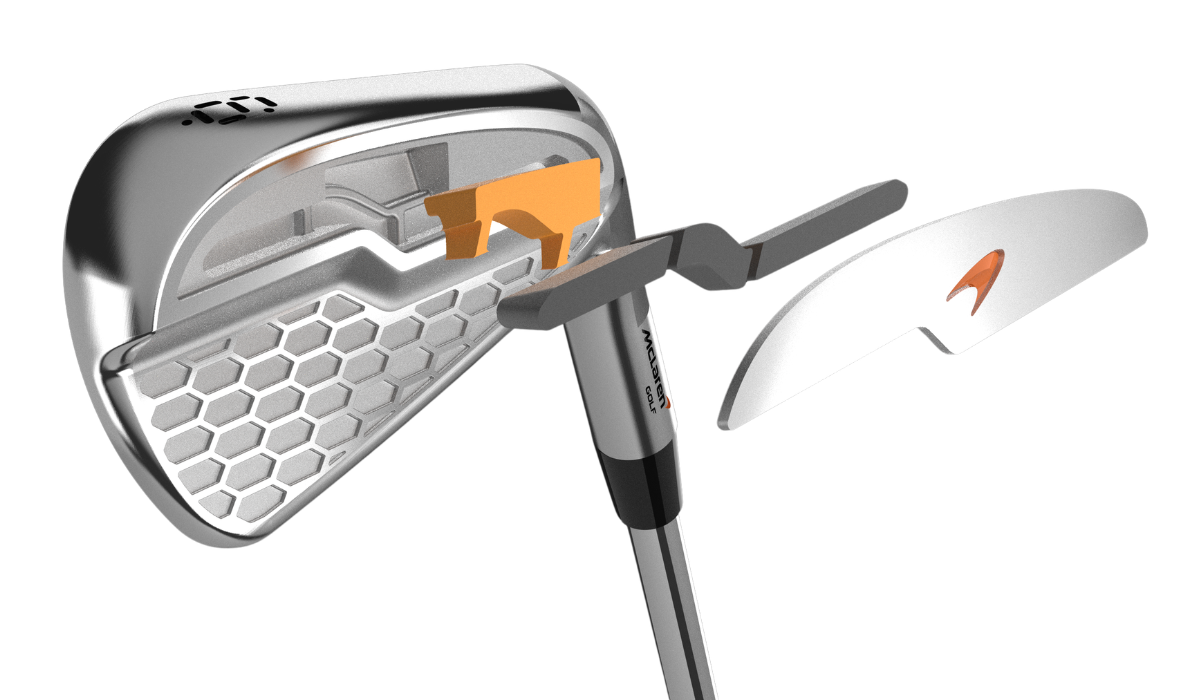
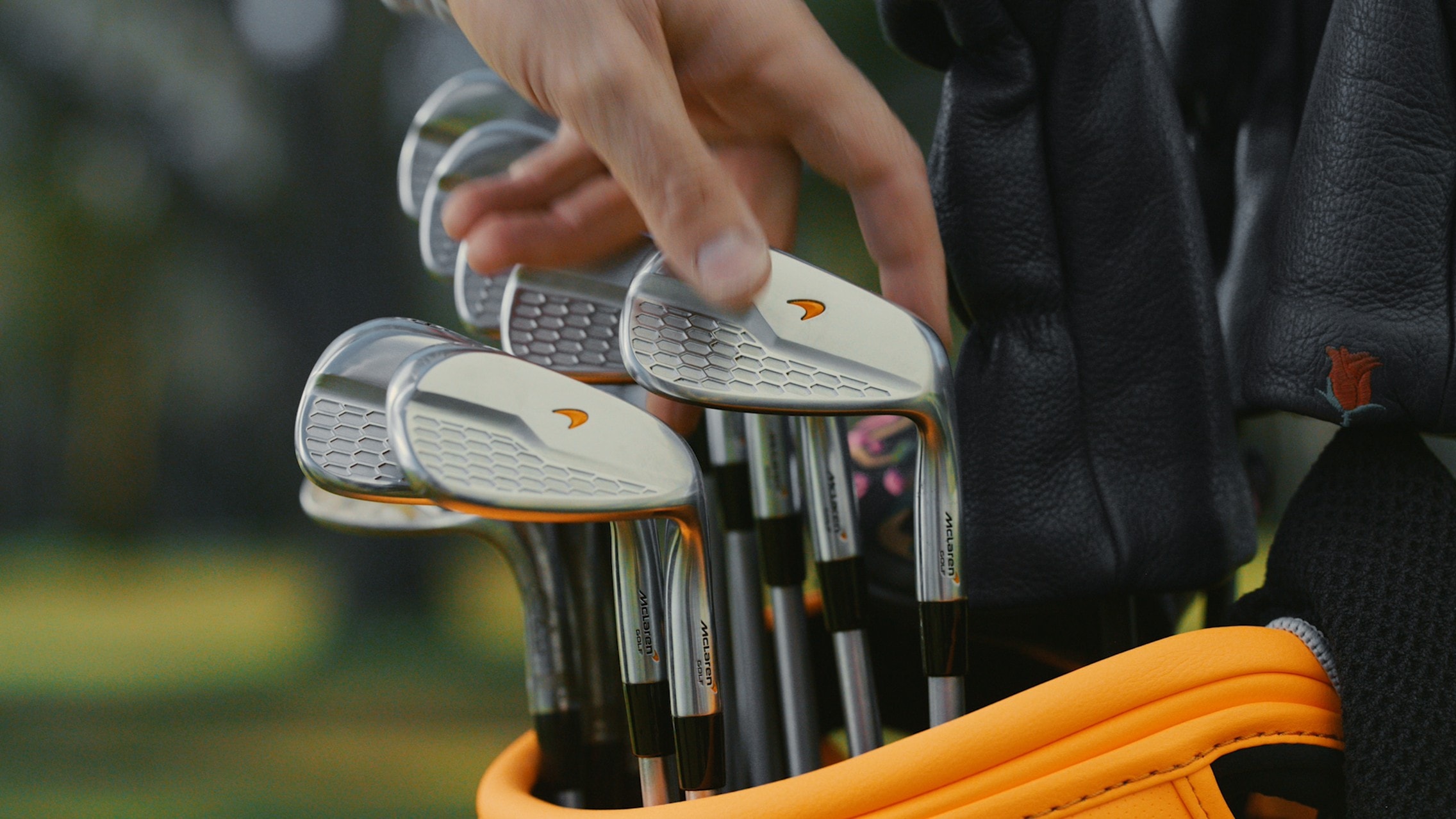
The central technical story behind the Series 1 and Series 3 is Metal Injection Molding, or MIM, a manufacturing process McLaren has built its entire opening iron lineup around rather than using it as a secondary feature. MIM involves mixing fine metal powder with a polymer binder into a feedstock, injecting that into a mold, removing the binder, and then sintering the resulting near-net-shape part in a furnace at temperatures approaching the metal’s melting point. The process isn’t new to golf, other manufacturers, including Cobra and Callaway, have used MIM in past releases, but it remains rare at scale because of its cost and complexity. McLaren says the appeal is precision: MIM gives engineers tighter control over material composition, internal geometry, and mass distribution than traditional forging or casting allows, while requiring less hand-finishing, which in turn should mean less part-to-part variation across a production run. McLaren has described the metal blend used in the heads as a proprietary carbon-steel composition developed internally, though it has not disclosed the exact alloy chemistry. Inside the heads, tungsten weighting is used to help control center of gravity and launch consistency, and the Series 3 includes a carbon-fiber insert at the center of the cavity intended to dampen vibration and add structural stability. Both irons also feature what McLaren calls its Structural Mesh, an external honeycomb-style pattern on the back of the clubhead that the company says is drawn from lightweighting patterns used on its road cars, aimed at stripping mass from non-critical areas so it can be redistributed elsewhere in the head.
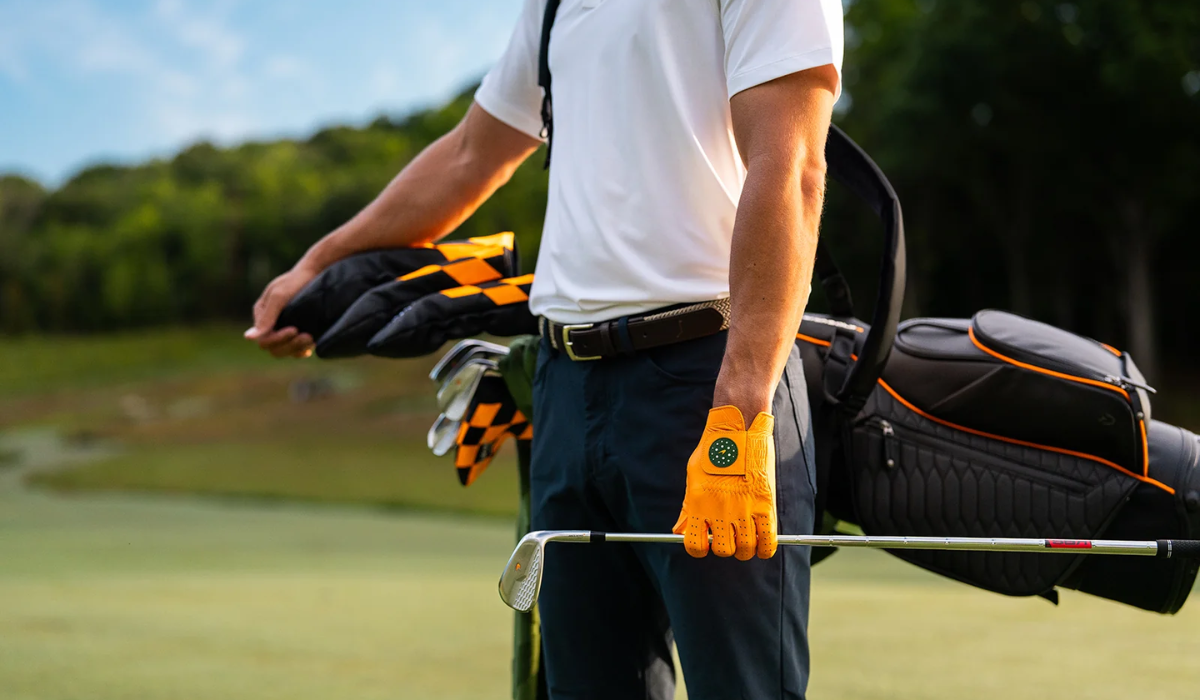
McLaren Golf clubs are sold primarily direct-to-consumer through mclarengolf.com, supplemented by a limited network of custom-fitting partners. In the UK that network currently runs through Club Champion locations in Crawley, Basingstoke, and Glasgow; in the US, McLaren lists more than 200 fitting locations; and the brand’s dealer locator also shows a handful of fitting facilities in Australia and South Korea. Clubs are built to order, with quoted shipping times of three to five weeks from purchase. Pricing for both the Series 1 and Series 3 starts at $375 per club in stock specification, with the Vessel-designed stand bag priced separately at £495.
McLaren Golf enters a premium equipment segment at a price point roughly in line with, or slightly above, the top-tier offerings from established players like Titleist, Mizuno, and Callaway’s higher-end lines, without the benefit of decades of tour validation or amateur word-of-mouth that those brands carry. It’s also not the first outside luxury or automotive name to try this crossover: Porsche Design’s “902” irons and Ferrari’s 2012 driver collaboration with Cobra both drew attention for craftsmanship but never built lasting market share, and industry commentary on McLaren’s launch has explicitly invoked that history as a cautionary comparison. What differentiates McLaren’s attempt, at least on paper, is the depth of the commitment: a dedicated engineering team, three investor-ambassadors with genuine tour pedigree actually playing the clubs in competition, and a manufacturing process (MIM) chosen specifically for its precision rather than for cost savings. Whether that translates into a durable presence in golf bags will depend on how the Series 1 and Series 3 perform in independent testing and reviews over the coming months, and on whether McLaren can sustain product development beyond a single high-profile launch. For now, it’s realistic to view McLaren Golf as a boutique, premium-tier entrant most likely to appeal to better players and gearheads drawn to the brand’s engineering story, rather than a mass-market alternative to the sport’s dominant equipment makers.
The TaylorMade Qi Family, Explained: From Qi10 to Qi4D
Callaway Golf Balls Family Explained: A Complete Guide to the 2026 Lineup
Clubs
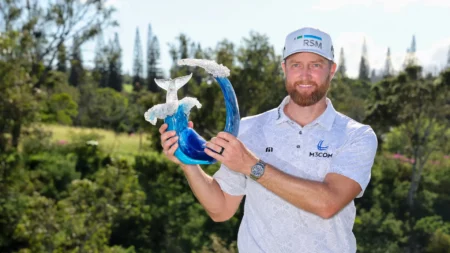
What’s in Chris Kirk’s winning golf bag?
Chris Kirk used a mixed bag of clubs to win The Sentry in Hawaii, with the entire field joining Sungjae Im in setting incredible records. It was the first of eight PGA Tour Signature Events this year, with more ranking points and prize money on offer. The American took home the whopping $3.6m first prize. […]

Accessories
Ryder Cup goods at The Golf Store
Check out our Ryder Cup merchandise at the Golf Store, including special edition Vokey SM9 wedges, Titleist bags, TaylorMade Stealth 2 drivers and the smart FootJoy polo. Vokey SM9 wedges Support your favourite team during the Ryder Cup by rocking the special edition SM9 Ryder Cup wedges with Team Europe and Team USA finish. Vokey […]