


Course Reviews
Best Golf Courses Around Rome: Where Ancient History Meets Modern Golf
Explore 33,000+ golf courses in 180 countries.
Follow the latest news and trends in golf.
Connect with like-minded golfers.
Find everything you need for your golf equipment and gear needs.
Travel, golf resorts, lifestyle, gear, tour highlights and technology.
All Square
Suggestions
Course Reviews
Best Golf Courses Around Rome: Where Ancient History Meets Modern Golf
Instruction
Links vs Parkland vs Heathland: What’s the Difference?
Clubs
The Best Irons on the Market in 2026
Clubs
Austin Smotherman WITB: The Clubs Behind His 2026 Bank of Utah Championship Win
Destinations
Barrière Golf Properties: French Golf Escapes Where the Resort Is Part of the Experience
Destinations
Conrad Algarve Renovations: A New Chapter of Luxury in Quinta do Lago
Gear
Garmin Golf Watches Guide: Which Garmin Watch Is Right for Your Game?
PGA Tour
Presidents Cup 2026 Results & Winners: Team USA Completes Historic Comeback
Course Reviews
Cullinan Golf Links Resort, Belek: Where Golf Meets the Mediterranean
Course Reviews
New Opening: Limassol Greens — Cyprus’ New Golf Destination
PGA Tour
Presidents Cup 2026 Preview: Everything to Know Before Medinah
Clubs
Jacob Bridgeman WITB: The Clubs Behind His 2026 Biltmore Championship Victory
Course Reviews
Play Golf at Pebble Beach: What to Know Before You Go
Professional Golf
Solheim Cup Results & Winners 2026: Europe Reclaims the Trophy
Clubs
This Year’s Best Drivers on the Market: A 2026 Buyer’s Guide
Course Reviews
Fancourt: The Garden Route Estate Where South African Golf Grew Up
Course Reviews
Best Golf Courses Around Madrid
Clubs
TaylorMade Spider ZT Putter Review: What It Is, How It Performs, and Whether It’s Worth the Upgrade
Course Reviews
Your Golf Trip to Tunisia: Courses, Costs, and What to Actually Expect
Clubs
WITB: Ryan Fox’s Winning Clubs at the 2026 Open Championship
Community
How Modern Golf Courses Conserve Water and Protect Wildlife
PGA Tour
Changes on the PGA Tour from 2028
Course Reviews
Tee Off in Tuscany: Golfing Italy’s Most Picturesque Countryside
Course Reviews
The Best Golf Courses Near Pinehurst That Aren’t Pinehurst No. 2
Clubs
J.T. Poston WITB: Memorial Tournament 2026
Clubs
Scottie Scheffler WITB: The Clubs Behind His 2026 TOUR Championship Victory
Course Reviews
Beyond the Autobahn: Germany’s Best Golf Experiences
Course Reviews
A Luxurious Escape to Finca Cortesin
Destinations
Golf Trip to Agadir: Swinging Under the Moroccan Sun
Course Reviews
A Golf Trip to Pebble Beach: The Ultimate Coastal Golf Experience

Golf in Europe has never respected borders quite the way its geography suggests it should. A links round in County Down can be followed by a warm-up swing in the Highlands within a day’s travel, and a morning tee time in the Algarve can lead to an afternoon flight that lands you at a Robert Trent Jones Sr. masterpiece in Andalusia by dinner. For golfers who want more than a single-country holiday, Europe’s compact geography, dense motorway and rail networks, and short-hop flight connections make it one of the few places on earth where a genuinely multi-country golf trip is not just possible but often more efficient than sticking to one region. Below is a look at the continent’s standout cross-border combinations, what makes each one work, and what to know before booking.
Unlike golf trips to the United States, Australia, or Southeast Asia, where distances between destinations are often measured in flight hours, much of Europe’s best golf sits within a few hours’ drive of a national border. Northern Ireland and the Republic of Ireland share an open frontier with no passport checks. France, Switzerland, and Italy connect via a handful of Alpine road tunnels and rail lines. Spain and Portugal share a land border that many golfers cross without a second thought while island-hopping between Algarve and Costa del Sol resorts. This proximity, combined with the Schengen Area’s free movement for EU and many international travellers, is a major reason tour operators increasingly build itineraries around two or three countries rather than one.
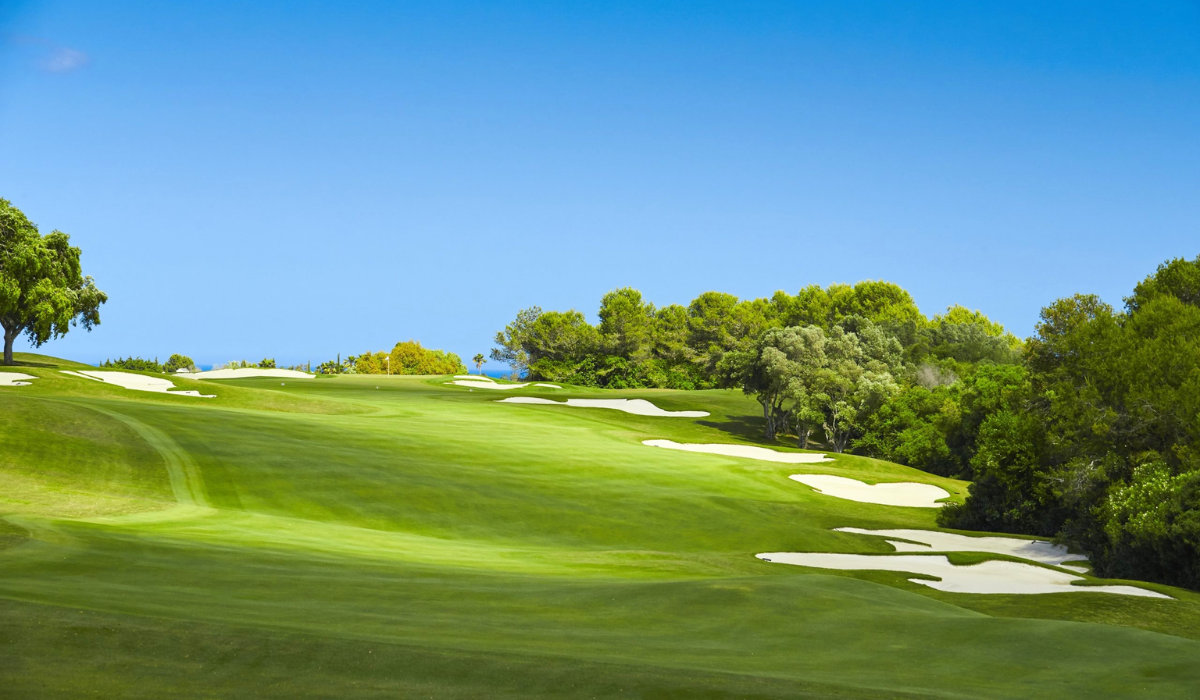
Few combinations pack in as much championship pedigree as Spain and Portugal. Southern Spain’s Costa del Sol, sometimes still called the Costa del Golf, anchors around Sotogrande, home to Real Club Valderrama — the Robert Trent Jones Sr. design that hosted the 1997 Ryder Cup and continues to host the annual Andalucía Masters. Real Club Valderrama is often described as Europe’s crowning jewel because of its meticulous design and tournament history. From there, the drive west across the border into the Algarve opens up Portugal’s dune-and-pine coastline, where newer additions are reshaping the region’s reputation.
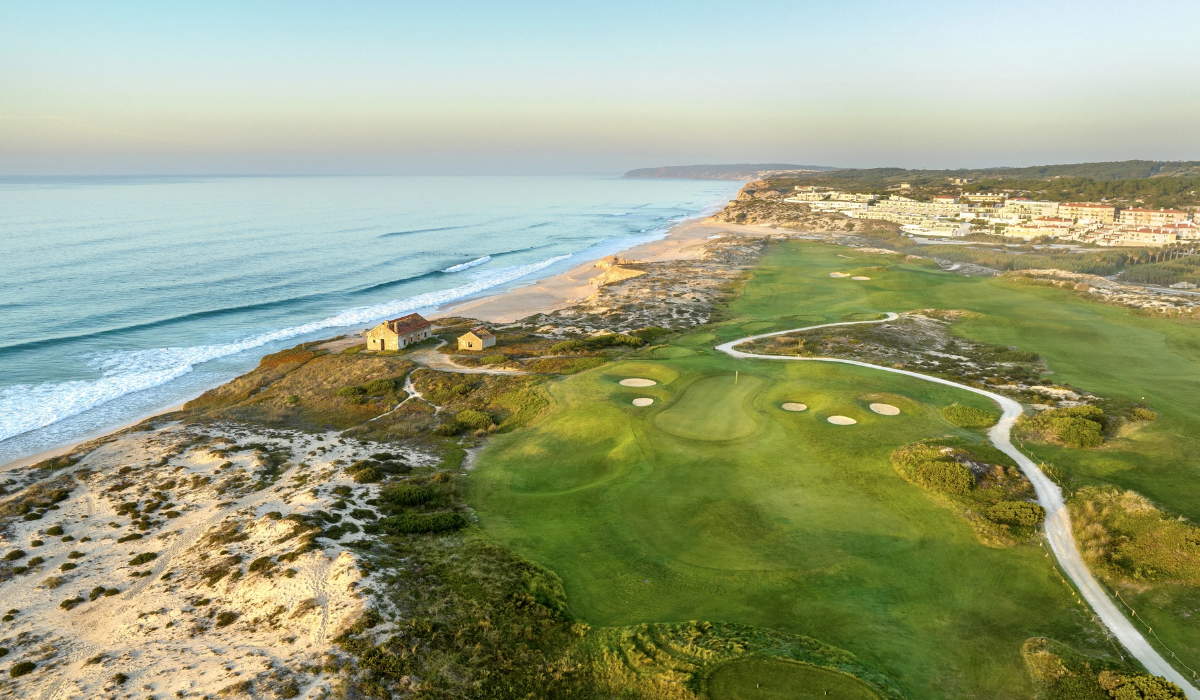
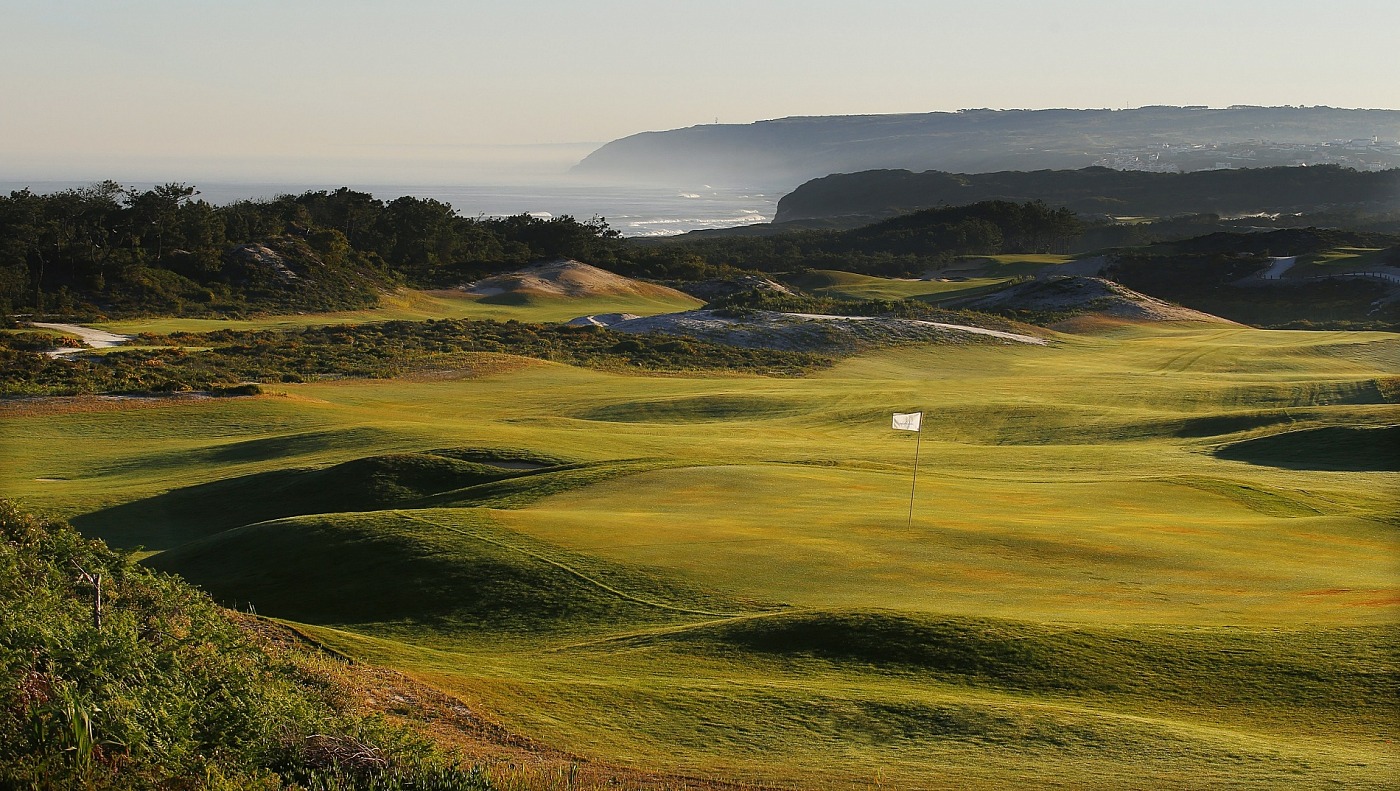
The Torre Course at Terras da Comporta, designed by 2017 Masters champion Sergio García, was named the World’s Best New Golf Course at the 2025 World Golf Awards, joining established names like Praia D’El Rey’s West Cliffs and the Camiral Golf Stadium and Tour Courses at Quinta do Lago as reasons golfers now treat the Algarve-to-Andalusia run as a single trip rather than two separate ones. Some multi-country itineraries stretch this even further, linking Lisbon all the way to Barcelona or Rome over two to three weeks with half a dozen or more rounds worked in along the way.
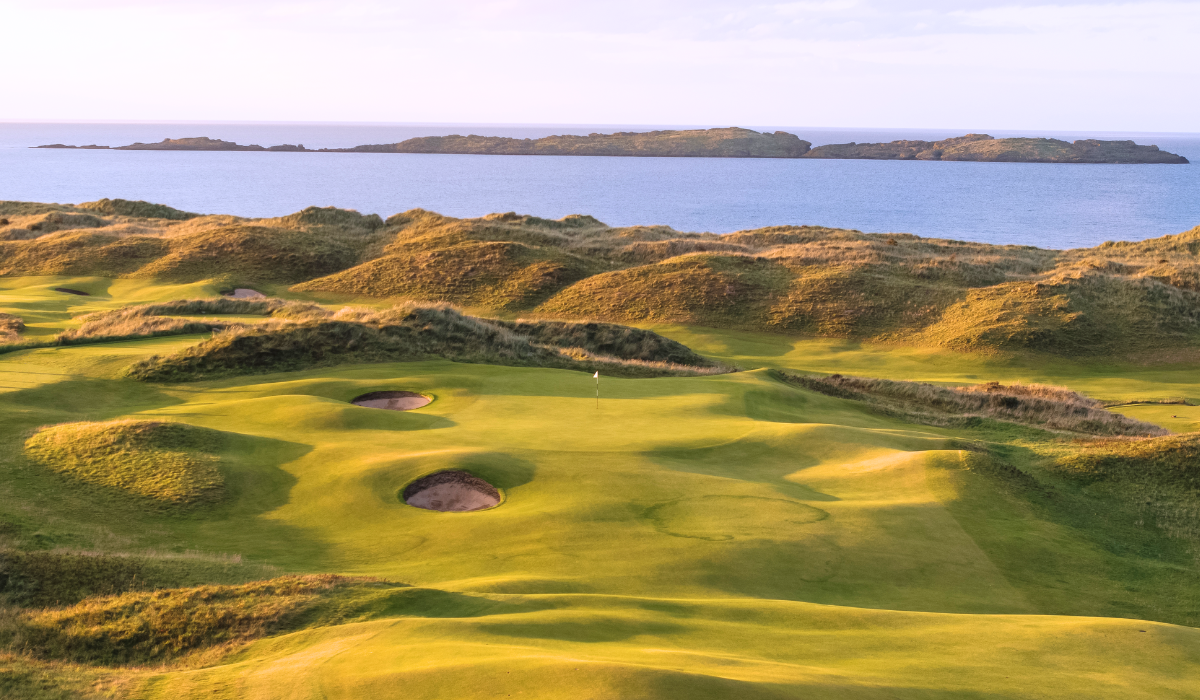
No cross-border golf trip in Europe carries quite the mystique of Ireland’s links circuit, which quietly spans two jurisdictions without a single checkpoint in between. Ulster, spanning nine counties across Northern Ireland and the Republic, offers a concentration of world-class links that no single destination can match, anchored by Royal County Down in Newcastle and Royal Portrush’s Dunluce Links, both regularly ranked among the top handful of courses on the planet.
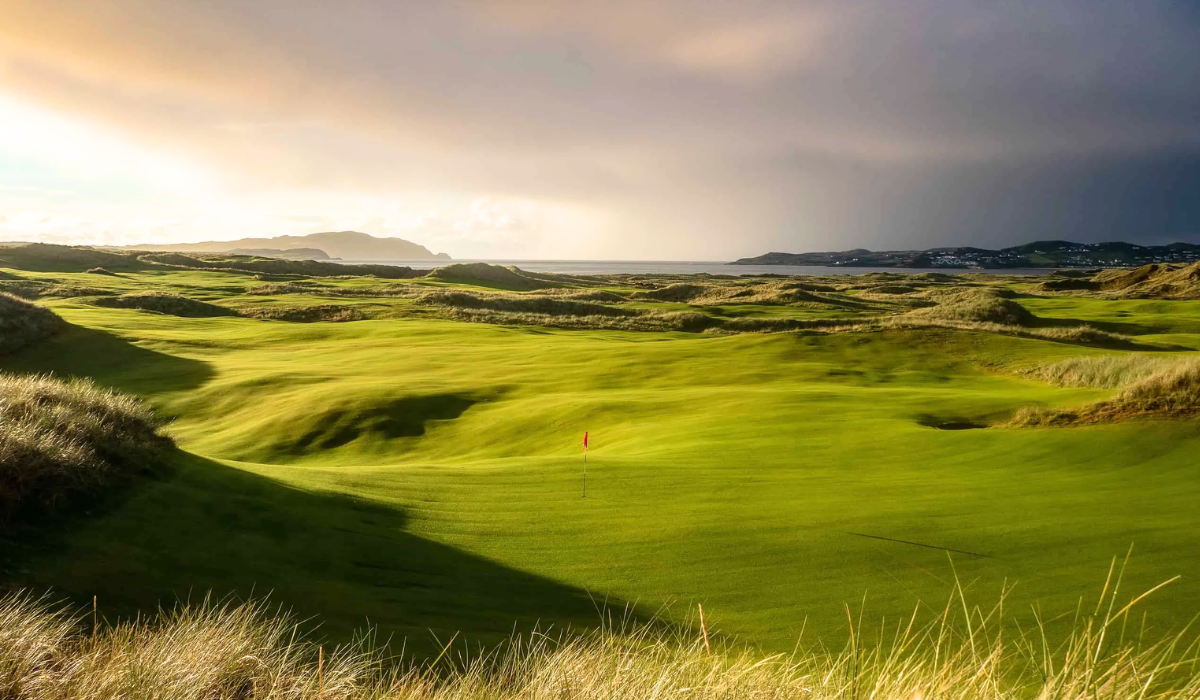
Royal Portrush hosted The Open Championship in 2025, and cross into County Donegal in the Republic, and Tom Doak’s St Patrick’s Links at Rosapenna has been climbing world rankings rapidly in recent seasons. The practicalities are refreshingly simple: Northern Ireland uses sterling while the Republic uses the euro, so it’s worth carrying both currencies to avoid friction near the Donegal border, and most courses take cards, though caddies generally expect cash. Golfers based around Belfast or Dublin can comfortably work in Portstewart’s dramatic dune-lined opening nine and Castlerock’s Harry Colt design along the Causeway Coast, before dropping south of the border to finish among the Mourne Mountains at Newcastle.
For those wanting a true three-nation stretch, some operators now pair this circuit with a short boat crossing to Scotland’s southwest coast, since Ayrshire’s Open rota courses — Turnberry, Prestwick, and Royal Troon — sit roughly an hour away from Portrush by speedboat, turning an Ireland trip into a Britain-and-Ireland one without ever booking a flight.
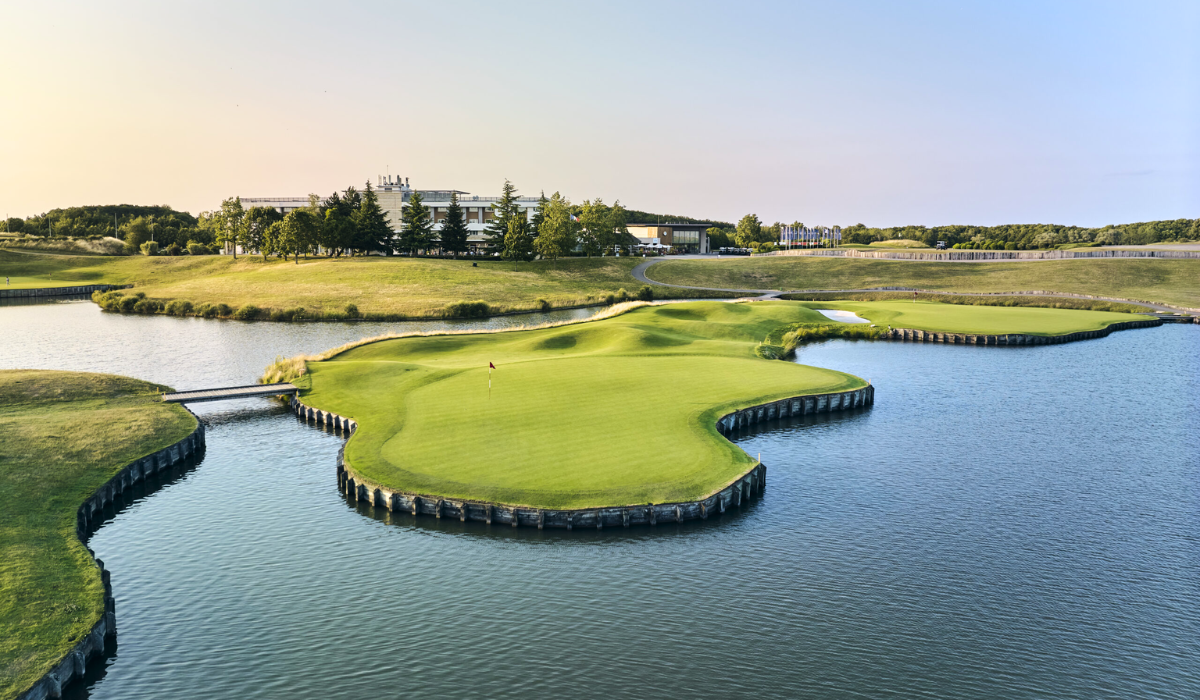
Continental Europe’s Alpine corridor has quietly become one of the more elegant multi-country combinations, pairing golf with mountain scenery that few other regions can match. Near Paris, Le Golf National’s Albatros course — the 2018 Ryder Cup venue — is undergoing a major redesign scheduled to reopen in September 2026, giving golfers a fresh reason to start a trip in the French capital before heading southeast toward the Alps.
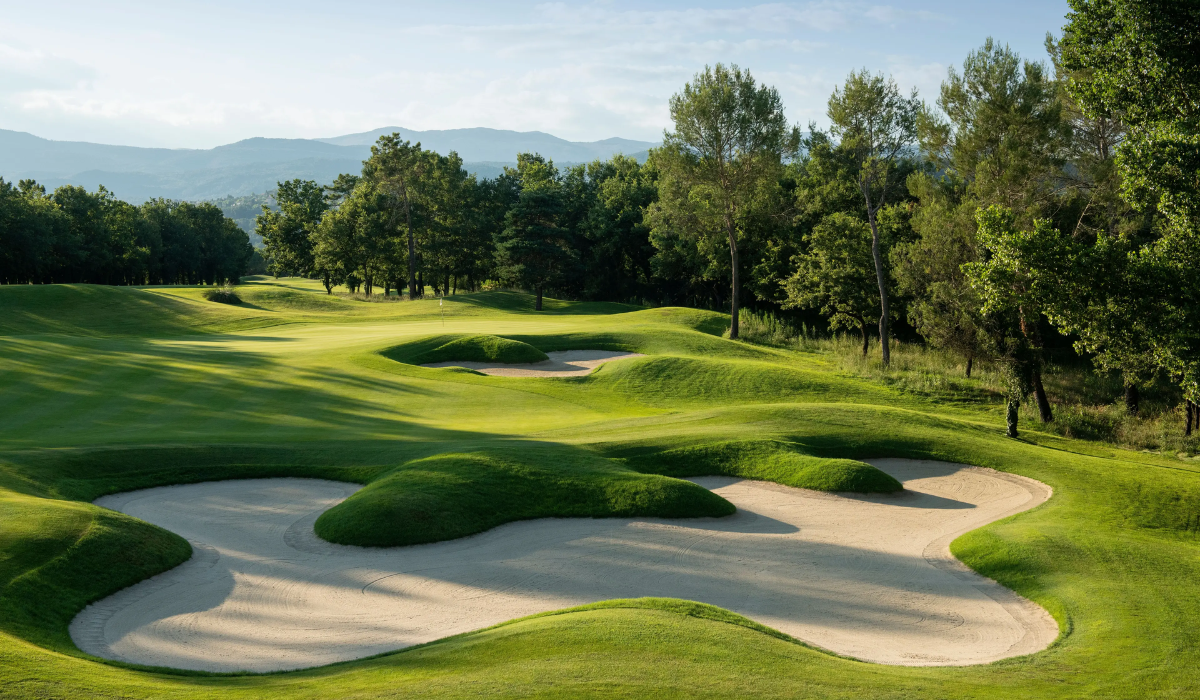
Provence adds Terre Blanche, carved by Ron Fream out of classic Provençal countryside near Nice, before the route continues into Switzerland and onward into northern Italy. Some escorted small-group tours now formalise this exact route, with recent itineraries listing a 17-night, 7-round journey running from Switzerland to Amsterdam, evidence that operators see genuine demand for combining Alpine golf with the flatter, canal-laced courses of the Low Countries on a single, extended trip.
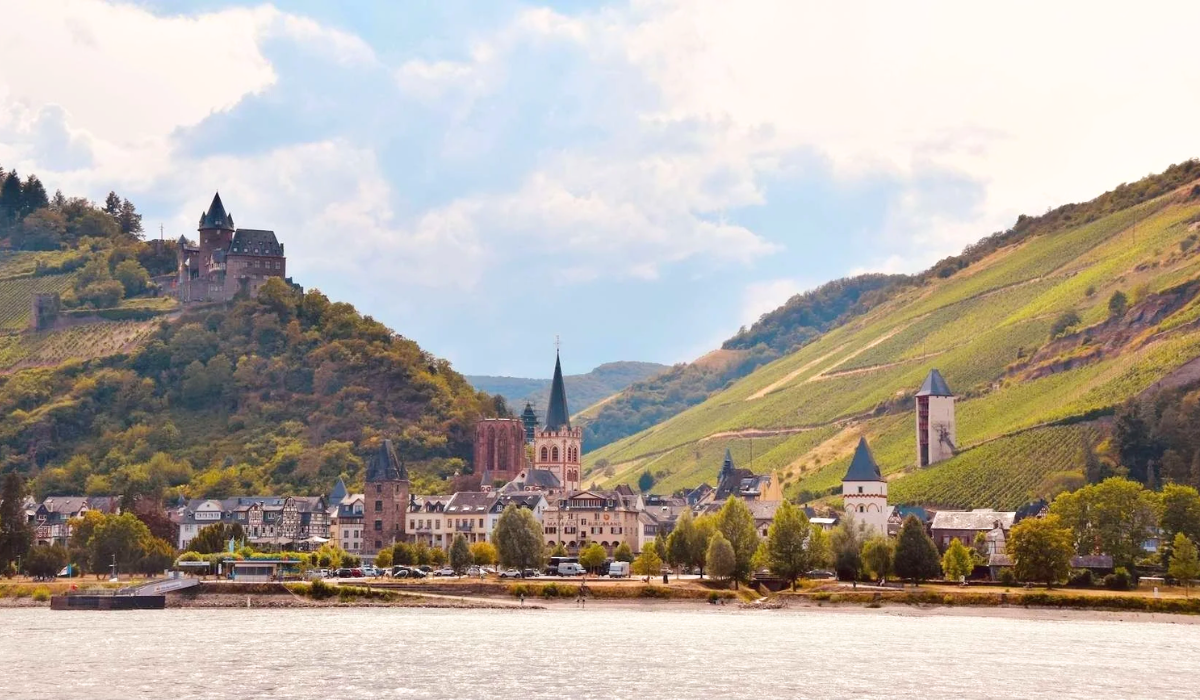
Not every multi-country tour is built purely around marquee links and championship venues. A growing category pairs golf with Europe’s great historic cities, giving non-golfing travel companions plenty to do between rounds. Itineraries linking London, the Rhine Valley in Germany, Vienna and Innsbruck in Austria, Venice, Rome and Florence in Italy, and Lucerne in Switzerland are typically built as city-and-culture tours first, but golf-specific operators have adapted the same logic, slotting a round at a resort course into a stop rather than building the day entirely around golf. This format suits couples travelling together where only one partner plays, and it explains why so many operators now offer itineraries described as land-based, multi-stop journeys designed for a mix of golfers and non-golfers travelling together, typically over eight or nine nights with four to six rounds included.
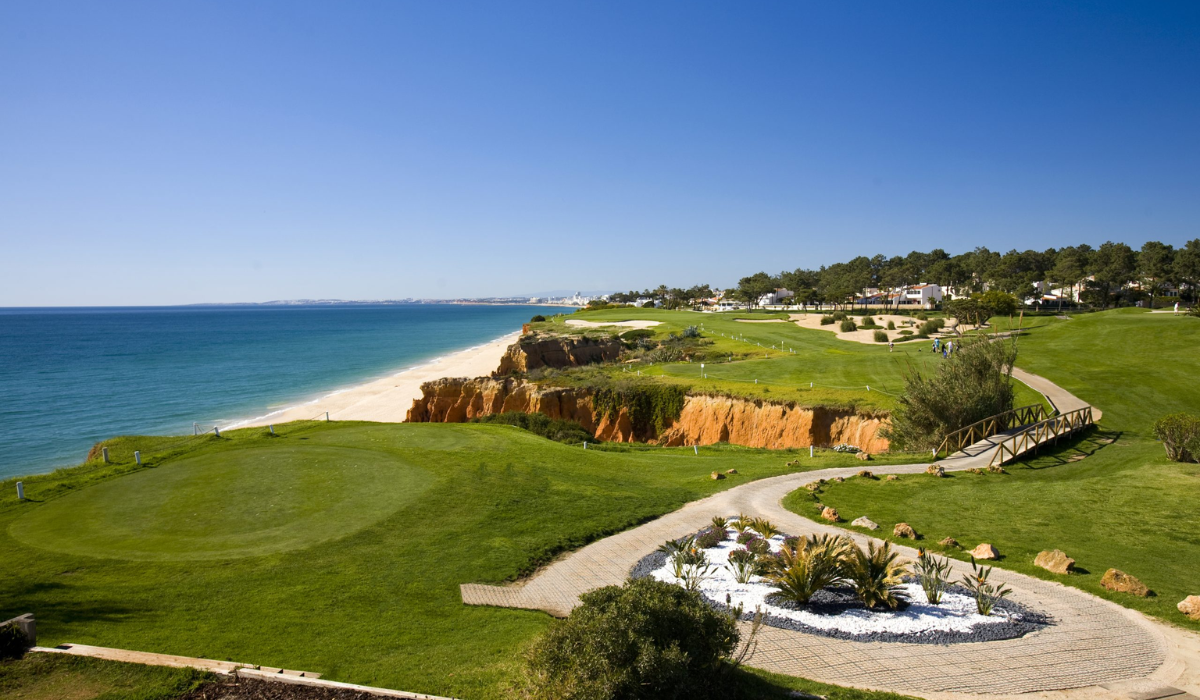
Timing matters more on a multi-country trip than a single-destination one, since each leg carries its own climate window. Scotland’s links play best through the mild, long-daylight summer months, Portugal’s coastal courses are generally at their best in spring or later into autumn, and Ireland’s links shine in late spring and early summer. A well-sequenced itinerary tends to follow the sun and the calendar rather than a straight line on the map — starting in the south during shoulder season and working north as summer approaches, or vice versa in autumn. Golfers building their own route rather than booking a packaged tour should also budget extra time at border regions; a round at Valderrama followed by one in the Algarve, for instance, is only a few hours apart by car, but adding a buffer day avoids a rushed transfer eating into what should be a relaxed part of the trip.
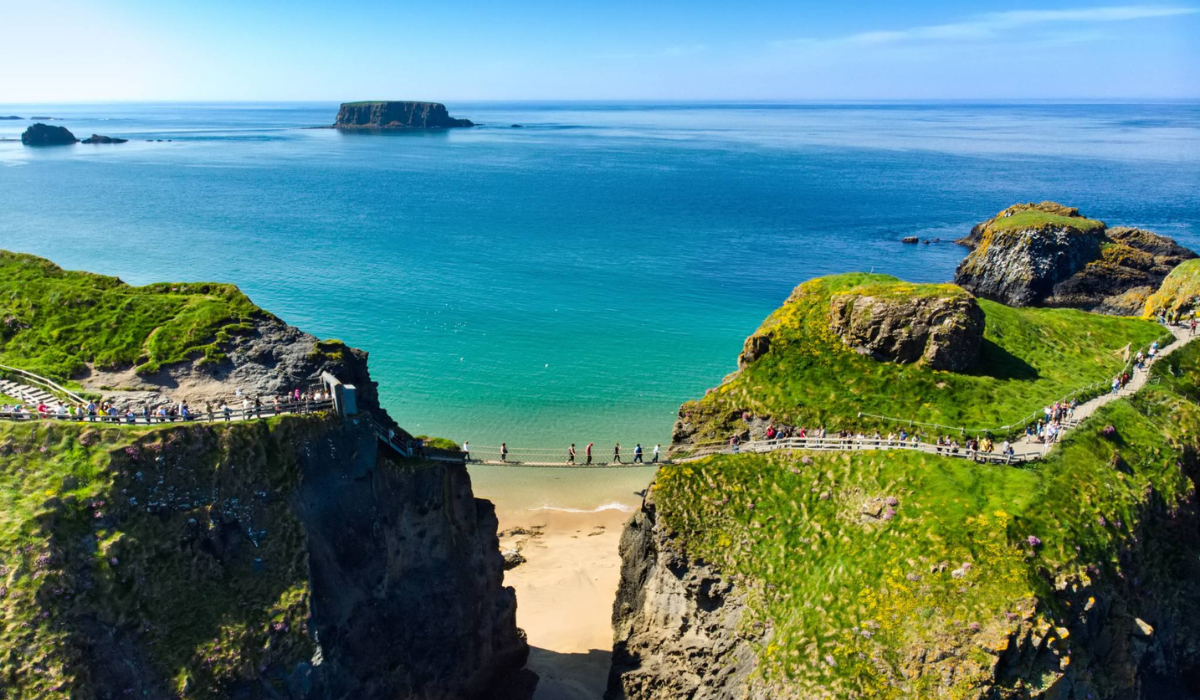
The reason Europe supports this style of travel better than most golf destinations comes down to infrastructure as much as course quality. Motorways connect southern Spain to Portugal in under three hours from Sotogrande to the eastern Algarve. Ireland’s open border removes any friction between its two golfing nations entirely. And low-cost carriers connect regional airports — Faro, Málaga, Belfast International, Nice, Geneva — in ways that make a two- or three-country itinerary genuinely practical rather than an ambitious idea that falls apart at the planning stage. Combined with a wide spread of accommodation standards, from boutique clifftop inns on the Causeway Coast to resort hotels built directly into golf estates in the Algarve, the continent offers a rare mix: enough golfing depth in each country to justify the stop, and enough proximity between them to make moving on worthwhile rather than a chore.
For golfers weighing their next big trip, the appeal of a multi-country European tour isn’t just variety for its own sake — it’s the chance to feel the game change character within days, from the wind-battered dunes of the Antrim coast to the pine-scented calm of the Algarve, without ever losing the thread of a single, connected journey.
Tee Off in Tuscany: Golfing Italy’s Most Picturesque Countryside
Course Reviews
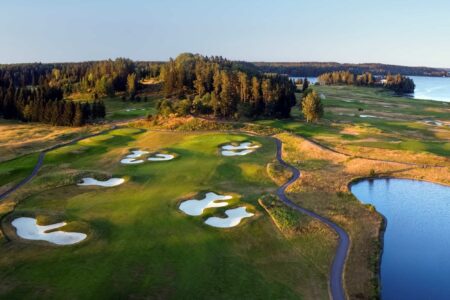
Your Golf Trip to Finland
Finland might not be the first destination golfers think of, but that’s exactly why it feels so refreshing. Known as the “Land of a Thousand Lakes,” this country offers more than 130 golf courses set against some of Europe’s most pristine landscapes. The courses are designed to harmonise with their surroundings, blending fairways into pine […]
Destinations
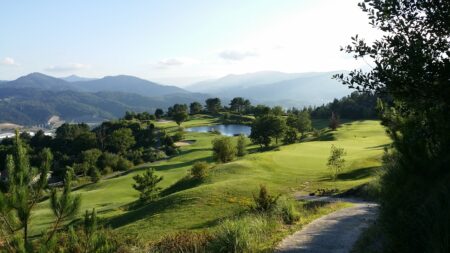
Golf in Bilbao, Spain
The port city of Bilbao in the Basque region of northern Spain, surrounded by beaches and hills and famous for its incredible food and architecture, has some great golf courses to play. Home to delicious pintxos – the local version of tapas – and the world famous Frank Gehry-designed Guggenheim Museum, it’s also a great […]