



Accessories
Best Push Carts and Electric Trolleys for Golf in 2026
Explore 33,000+ golf courses in 180 countries.
Follow the latest news and trends in golf.
Connect with like-minded golfers.
Find everything you need for your golf equipment and gear needs.
Travel, golf resorts, lifestyle, gear, tour highlights and technology.
All Square
Suggestions
Accessories
Best Push Carts and Electric Trolleys for Golf in 2026
Course Reviews
Rediscover Monte Rei: Portugal’s Iconic Golf Course Reopens After Major Renovation
Course Reviews
Best Golf Courses Around Rome: Where Ancient History Meets Modern Golf
Instruction
Links vs Parkland vs Heathland: What’s the Difference?
Clubs
The Best Irons on the Market in 2026
Clubs
Austin Smotherman WITB: The Clubs Behind His 2026 Bank of Utah Championship Win
Destinations
Barrière Golf Properties: French Golf Escapes Where the Resort Is Part of the Experience
Destinations
Conrad Algarve Renovations: A New Chapter of Luxury in Quinta do Lago
Gear
Garmin Golf Watches Guide: Which Garmin Watch Is Right for Your Game?
PGA Tour
Presidents Cup 2026 Results & Winners: Team USA Completes Historic Comeback
Course Reviews
Cullinan Golf Links Resort, Belek: Where Golf Meets the Mediterranean
Course Reviews
New Opening: Limassol Greens — Cyprus’ New Golf Destination
PGA Tour
Presidents Cup 2026 Preview: Everything to Know Before Medinah
Clubs
Jacob Bridgeman WITB: The Clubs Behind His 2026 Biltmore Championship Victory
Course Reviews
Play Golf at Pebble Beach: What to Know Before You Go
Professional Golf
Solheim Cup Results & Winners 2026: Europe Reclaims the Trophy
Clubs
This Year’s Best Drivers on the Market: A 2026 Buyer’s Guide
Clubs
WITB: Ryan Fox’s Winning Clubs at the 2026 Open Championship
Community
How Modern Golf Courses Conserve Water and Protect Wildlife
PGA Tour
Changes on the PGA Tour from 2028
Course Reviews
Tee Off in Tuscany: Golfing Italy’s Most Picturesque Countryside
Course Reviews
The Best Golf Courses Near Pinehurst That Aren’t Pinehurst No. 2
Course Reviews
Le Golf National Unveils Its New Identity: Inside the Albatros Course’s Long-Awaited Reopening
Destinations
Best Multi-Country Golf Tours in Europe
Destinations
24 Hours at a Luxury Golf Resort: A Day in Paradise
Clubs
Kristoffer Reitan’s Winning WITB at the 2026 Truist Championship
Course Reviews
Best Golf Courses Around Madrid


When we think of professional golf, we picture perfectly manicured fairways, soaring drives, and the world’s best athletes chasing glory. But trailing just a few steps behind every contender is someone whose journey is equally intense — yet rarely seen in the spotlight. Welcome to the life of a tour caddie: part athlete, part strategist, part psychologist, and wholly essential.
Their stories often go untold, but behind every clutch putt and every heroic recovery shot, there’s a caddie who helped make it happen.
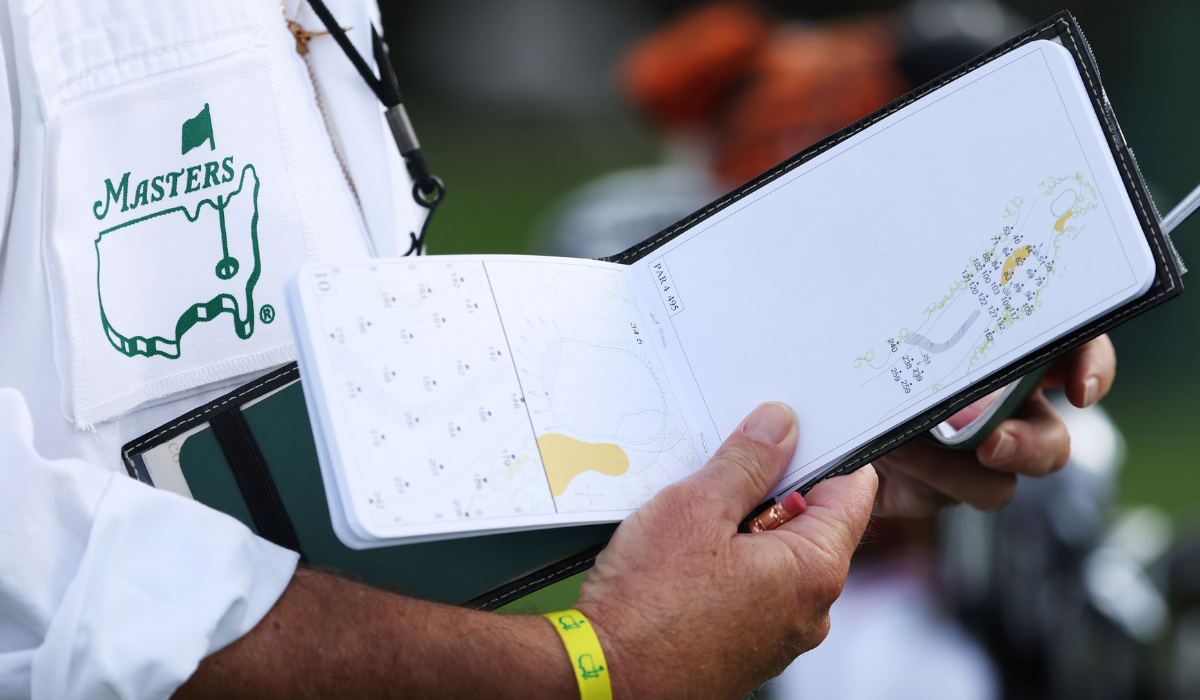
A caddie’s day begins long before the cameras start rolling. By sunrise, they’re often already on the course, mapping greens, studying pin placements, and mentally reviewing the player’s game plan. Many walk the course alone before play begins — not for a workout, but for strategy. They note the firmness of the greens, rehearse lines from the tee, and assess how the morning breeze might influence a high iron shot into a tucked flag.
And then there’s the travel. Tour caddies live out of suitcases. From the sun-drenched courses of Scottsdale to the rain-soaked links of Scotland, the road becomes their home. They fly economy, sleep in budget hotels, or sometimes split accommodation with other caddies to cut costs. Unlike the players they support, caddies don’t have managers or booking agents. They book their own flights, rent their own cars, and navigate time zones while staying ready to perform.
Each week, it’s a new course, a new climate, and a new challenge.
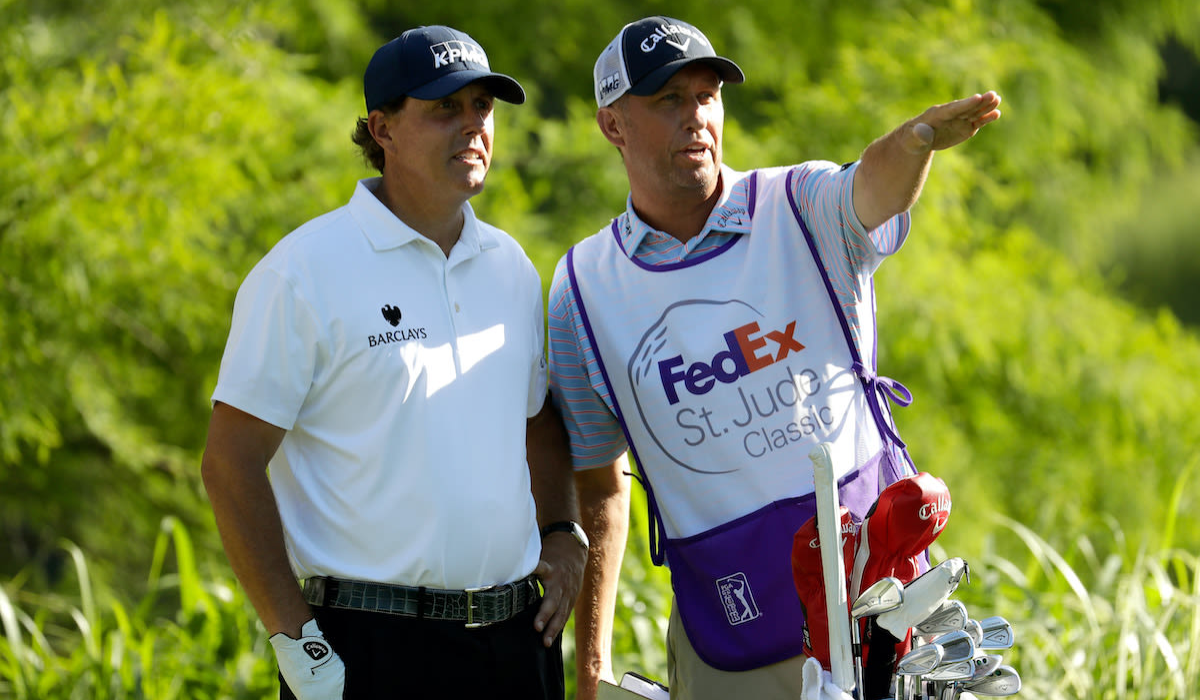
To the untrained eye, a caddie might look like someone just hauling golf clubs and handing over the right iron. In truth, they’re the second half of every decision. They calculate yardages from every angle, factor in elevation changes, check the grain and slope of the green, monitor the wind, and assess the lie. They’re constantly measuring risk and reward, knowing that a single wrong club choice could cost a shot or a championship.
They’re also masters of subtle psychology. Tour caddies must read their players as expertly as they read the course. When do they need motivation? When do they need calming? When should they talk a player out of a risky decision, and when should they let them go for it?
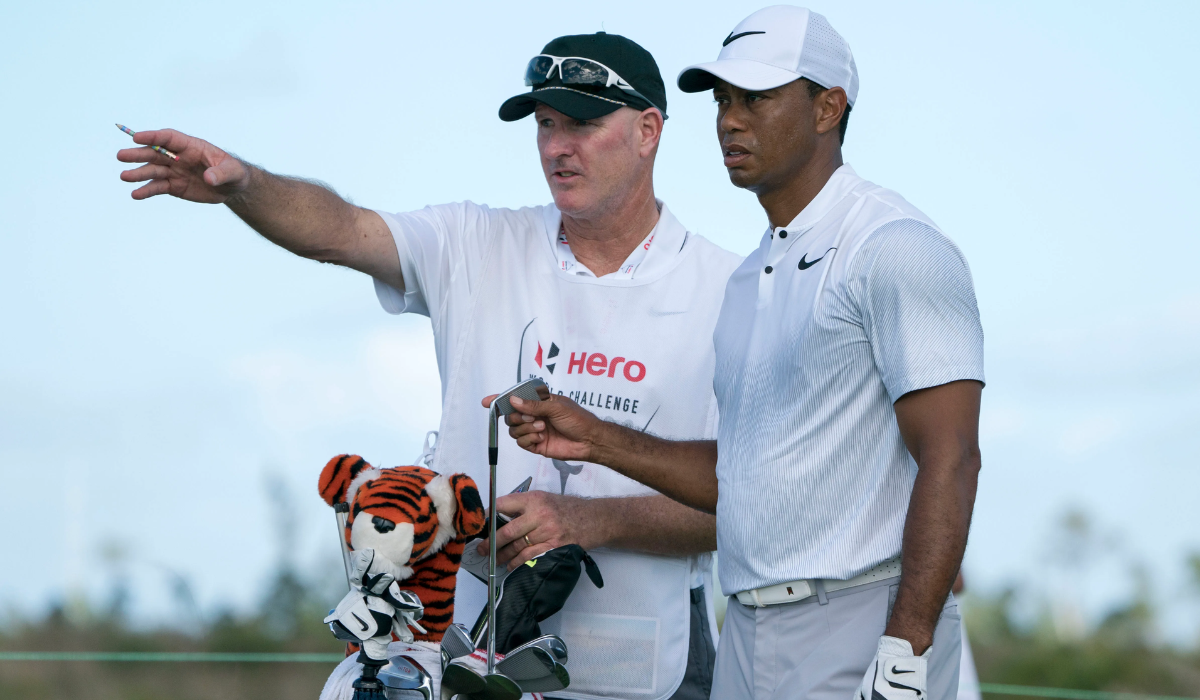
There are moments when a caddie is the only thing standing between a player and self-doubt. Take Joe LaCava, who famously helped Tiger Woods navigate his epic 2019 Masters win after a series of injuries and personal setbacks. Or Michael Greller, a former middle school math teacher, whose guidance has helped Jordan Spieth win multiple majors. These partnerships are built on trust, timing, and thousands of hours walking side by side.
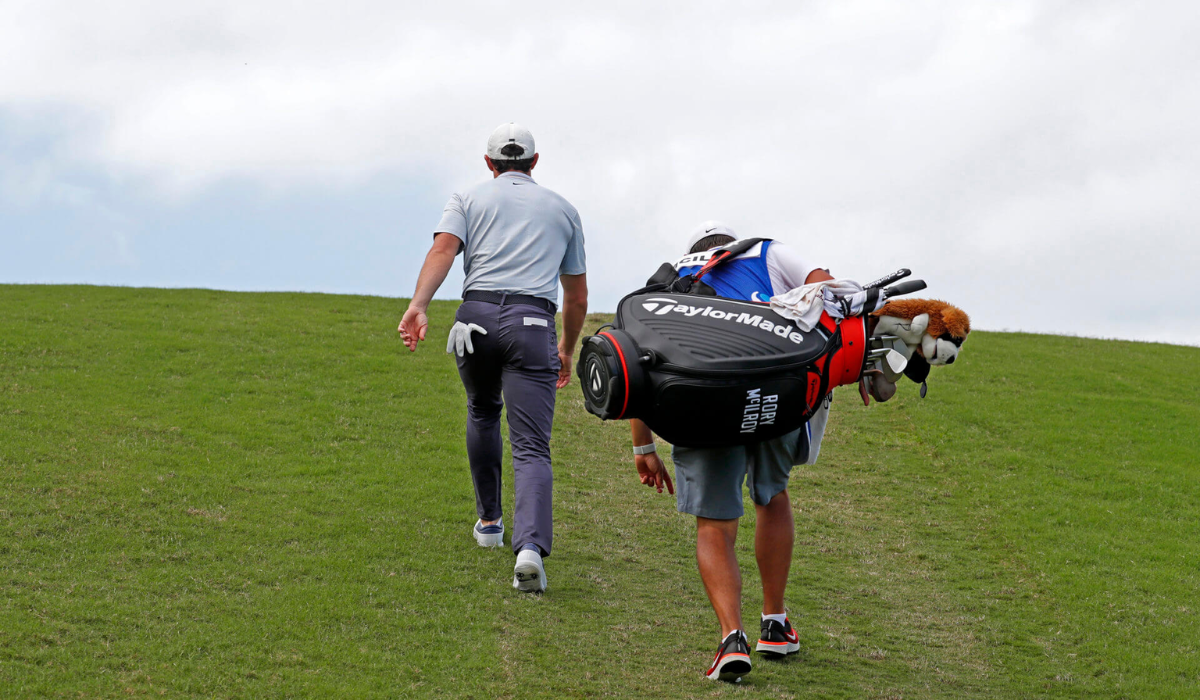
The glamour of professional golf doesn’t always trickle down. A caddie’s week can stretch over 60 hours, filled with early starts, long rounds, and preparation that often goes unnoticed. After the day’s play, many caddies return to the hotel to update yardage books, compare notes, or strategise for the next round.
And physically, the job is no joke. A tour bag can weigh 35 to 40 pounds, and carrying it across hilly terrain in scorching heat or heavy rain can push the limits of endurance. Blisters, back pain, and dehydration are common companions. In some weeks, particularly during majors, caddies can walk up to 100 miles over the course of practice rounds and tournament play.
They’re also responsible for cleaning clubs, organising equipment, and ensuring everything from tees to ball markers is in order. There’s no team of assistants — just the caddie and the bag, ready for anything.
Contrary to popular belief, not all caddies are handsomely paid. The typical arrangement is a base weekly salary — often ranging between $1,200 and $2,000 — plus performance bonuses: usually 5% of the player’s earnings for making the cut, 7% for a top-10 finish, and 10% for a win. For caddies of elite players, this can add up to a lucrative career. But for many, the weekly earnings barely cover travel and accommodation.
One missed cut can mean a week without pay, despite having put in just as much work. That’s the financial tightrope many caddies walk.
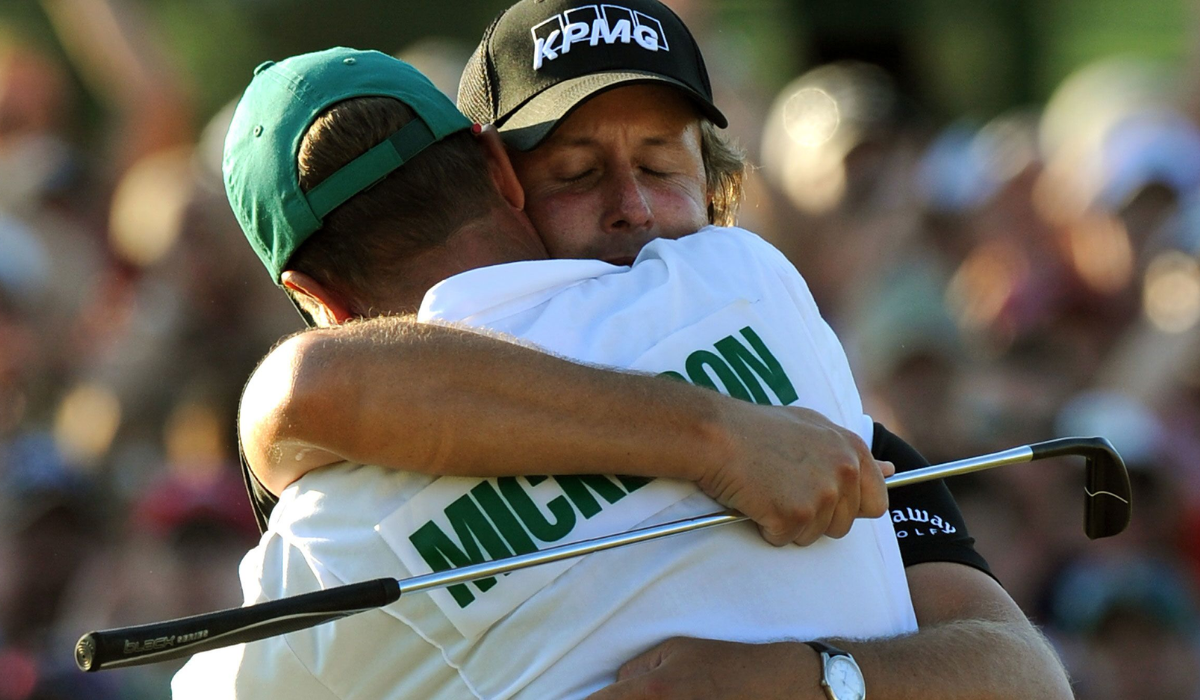
Still, the job comes with moments of immense reward. When a player sinks the winning putt and turns to embrace their caddie, there’s something incredibly real in that moment. It’s not just a victory for the golfer — it’s a win for the team.
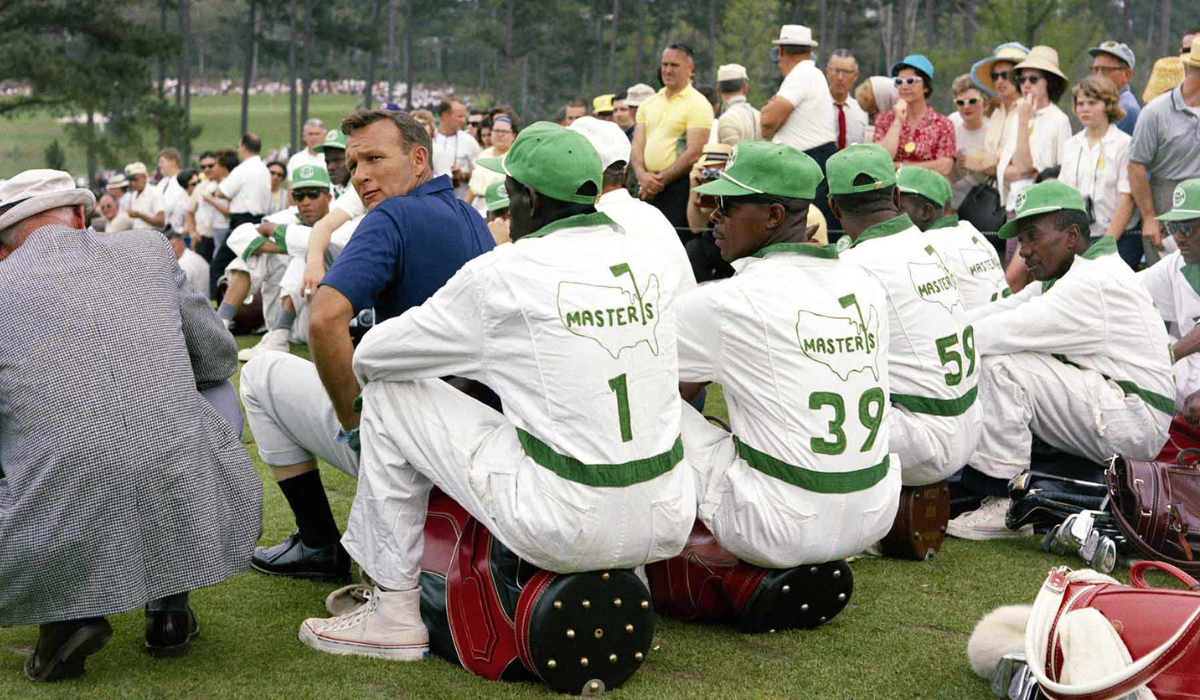
There’s an unspoken camaraderie among caddies that’s rooted in respect and shared struggle. They compete against each other, but also rely on one another. They share course notes, lend rain gear, offer emotional support during tough weeks, and gather in caddie lounges to swap stories and decompress.
For many, these friendships span decades. Caddies become fixtures on the tour — part of the travelling ecosystem of professional golf. Their job titles don’t appear on leaderboards, but they are among the most experienced and sharp-eyed people in the game.
Some, like Jim “Bones” Mackay, transition into broadcasting, while others become mentors for younger caddies. Then there are pioneers like Fanny Sunesson, who broke barriers as one of the first female caddies to win a major (with Nick Faldo in the 1990s), and paved the way for more diversity in the profession.
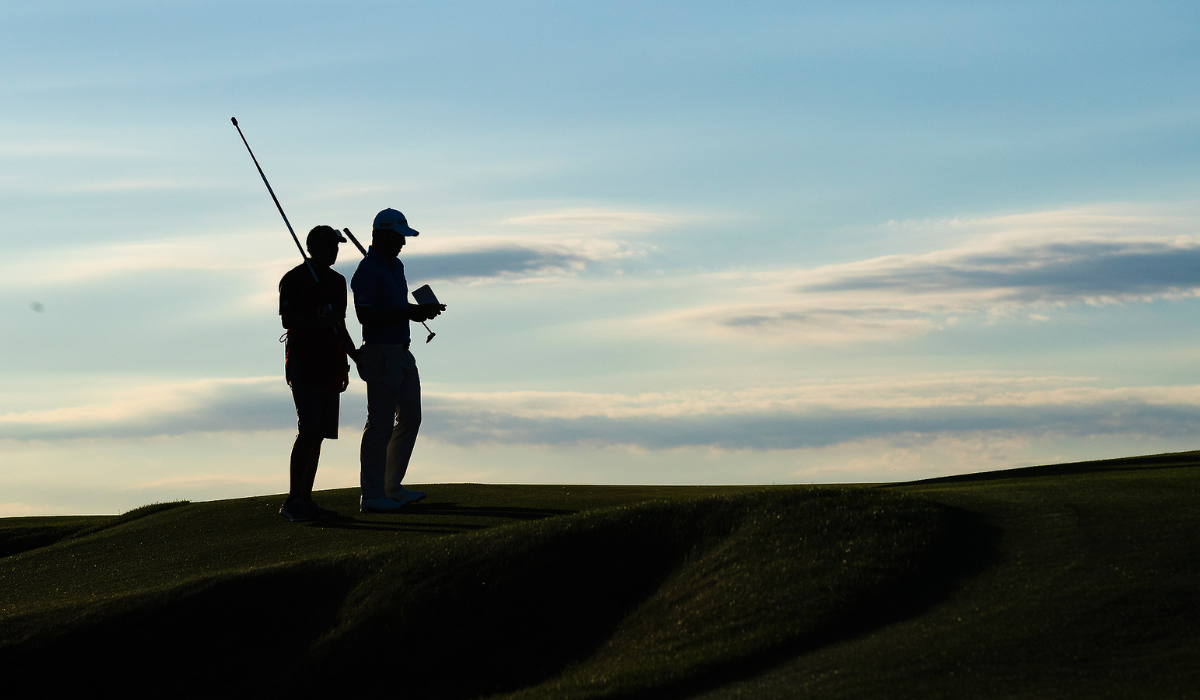
To be a tour caddie is to live at the heart of the game — on its frontlines, in its quiet moments, and in its thunderous victories. It’s a life that demands stamina, intelligence, resilience, and above all, love for the sport. Most caddies won’t ever lift a trophy or sign an autograph, but they help make those moments possible for the players who do.
So the next time you watch a tournament and see a player standing confidently over the ball, know this: somewhere just off the edge of the frame is a caddie, watching closely, ready to offer the perfect words — or no words at all.
Because being a caddie isn’t about being seen, it’s about being indispensable.
The Vital Role of Caddies in Golf
Life on Tour: The True Benefits of the Professional Golf Circuit

Clubs
Austin Smotherman WITB: The Clubs Behind His 2026 Bank of Utah Championship Win
Austin Smotherman finally reached the breakthrough moment he had been chasing for years at the 2026 Bank of Utah Championship. Playing at Black Desert Resort in Utah, the Californian produced an outstanding four-round performance of 63-62-65-68 to finish 26-under par and claim his first PGA Tour title. His 258 total set a new tournament scoring […]

Clubs
What’s In Sepp Straka’s Winning Golf Bag?
Sepp Straka, the Austrian-born PGA Tour star, made headlines with his impressive victory at The American Express, clinching the title with a dominant 25-under-par performance. His triumph at the Pete Dye-designed Stadium Course at PGA West marked his third PGA Tour victory and cemented his place among the tour’s elite players. This win is particularly […]